
Active filters Type: Video
Clear all
20 May 2026, 12:55 GMT 3 variants

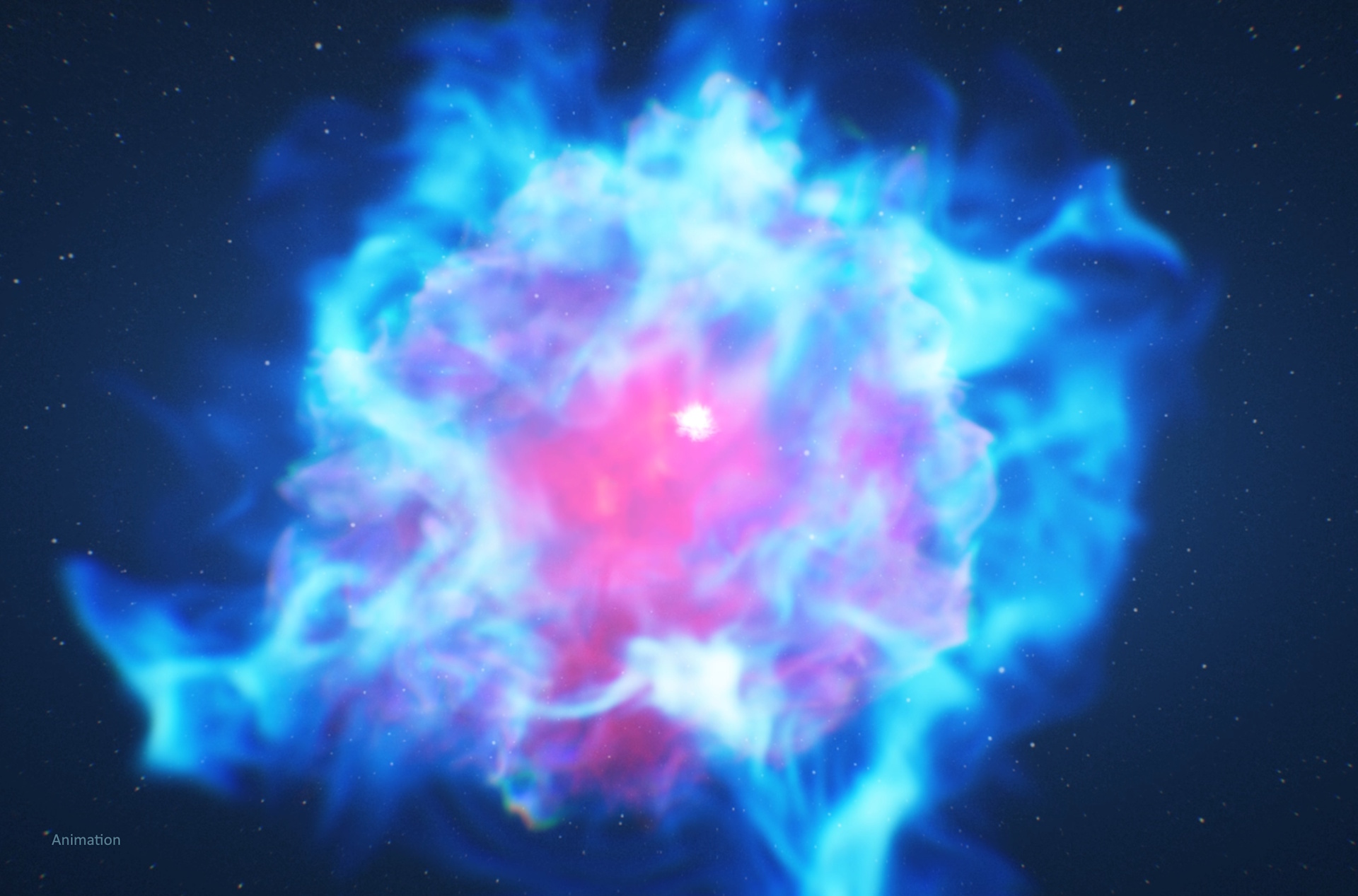
An international team studying data from NASA’s Fermi Gamma-ray Space Telescope concludes the mission detected a rare, unusually luminous supernova. The researchers say it likely received its power-up from a supermagnetized neutron star born in the stellar collapse that triggered the explosion.

Download item bundle
19 May 2026, 13:05 GMT 2 variants

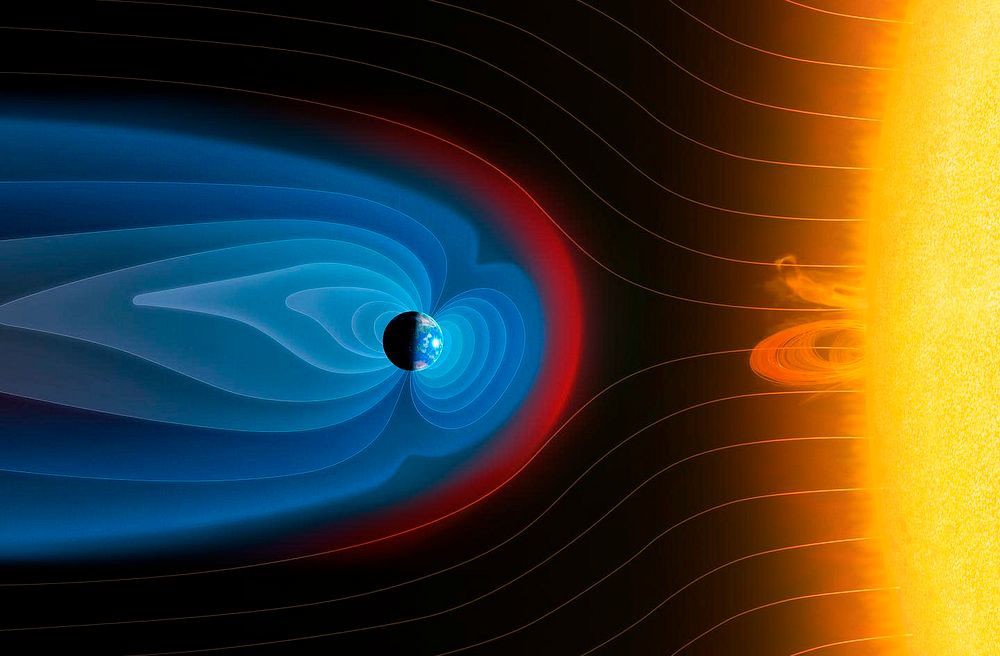
NASA’s Magnetospheric Multiscale (MMS) mission has collected more than ten years of data from this zone – more than scientists can analyze alone. As Shock Detectives, you’ll help sort the chaotic from peaceful regions of the data, giving researchers a crucial set of clues.

Download item bundle
13 May 2026, 19:17 GMT By HQ Web Team 3 variants

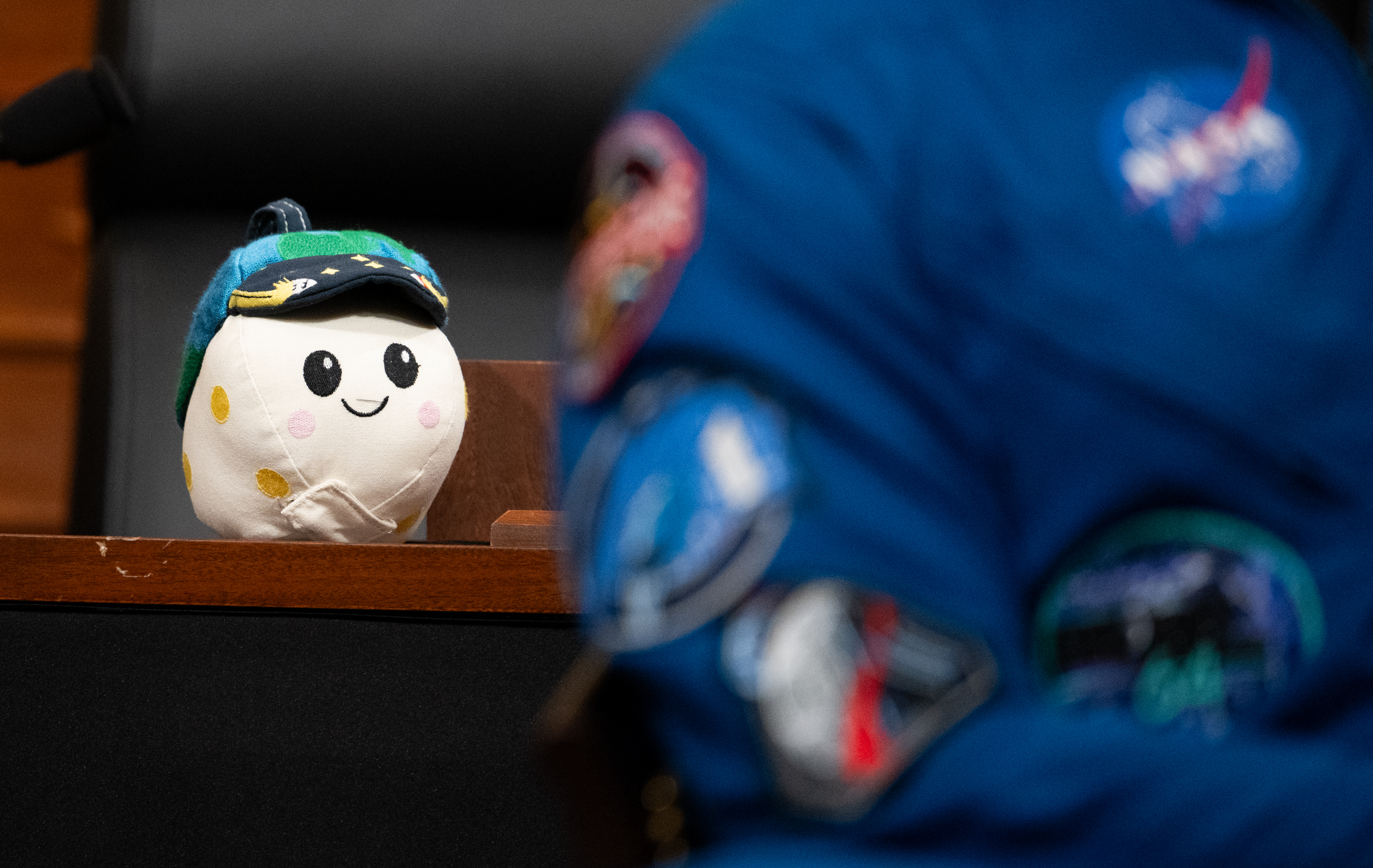
“Rise,” the Artemis II zero gravity indicator, is seen sitting on the dais as NASA astronauts Reid Wiseman, Victor Glover, and Christina Koch, and CSA (Canadian Space Agency) astronaut Jeremy Hansen speak with congressional staff, Tuesday, May 12, 2026, in Washington. NASA’s Artemis II mission took Wiseman, Glover, Koch, and Hansen on a nearly 10-day

Download item bundle
12 May 2026, 16:48 GMT By scarney1 3 variants

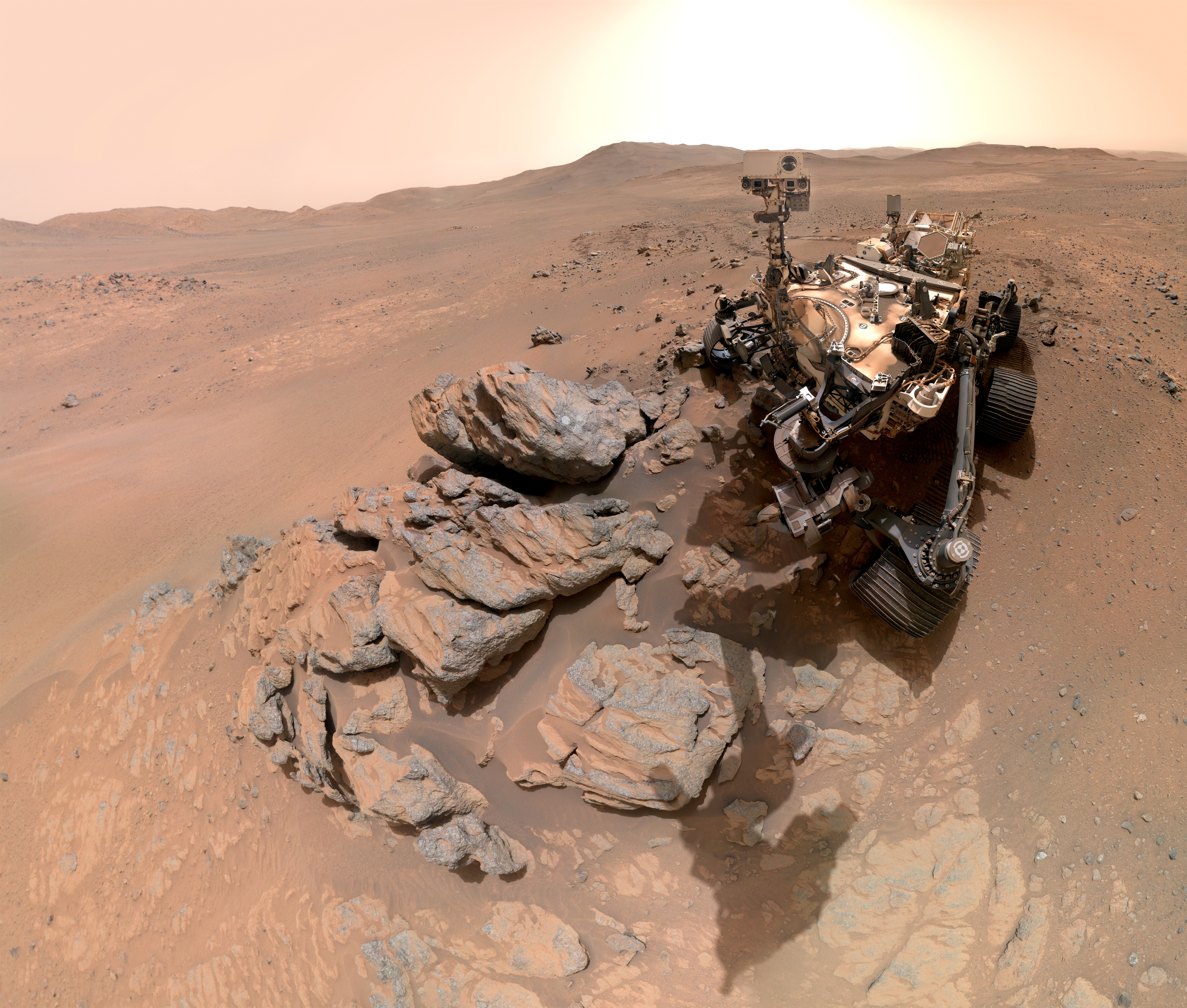
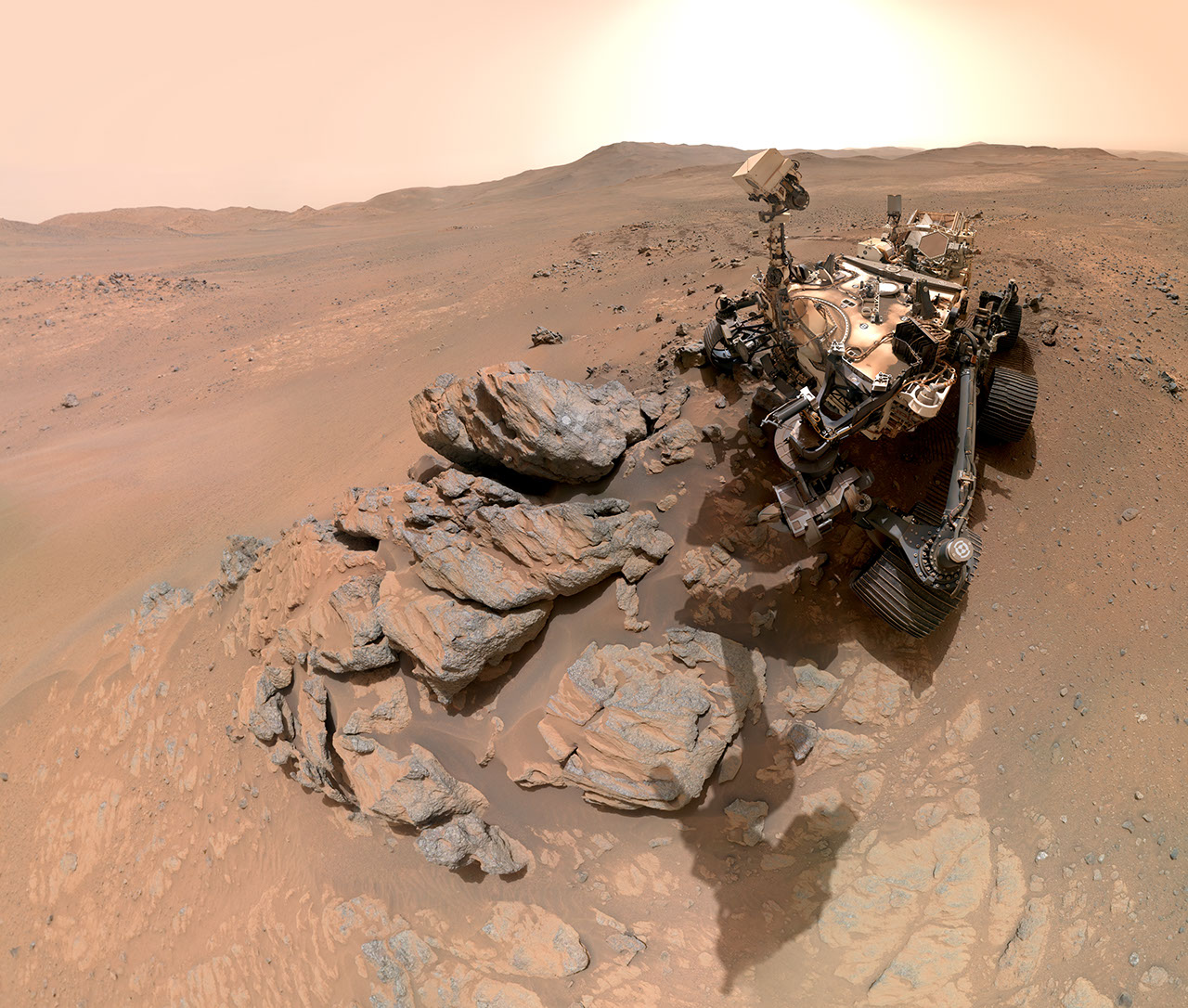
Editor’s note: The text was updated on March 13, 2026, to correct the spelling of the outcrop nicknamed “Arathusa.” NASA’s Perseverance Mars rover recently took a self-portrait against a sweeping backdrop of ancient Martian terrain at a location the science team calls “Lac de Charmes.” Assembled from 61 individual images, the selfie shows Perseverance training

Download item bundle
12 May 2026, 16:45 GMT 2 variants

Description NASA’s Perseverance Mars rover took this selfie on March 11, 2026, the 1,797th Martian day, or sol, of the mission, during the rover’s deepest push west beyond Jezero Crater. Assembled from 61 individual images, the selfie shows Perseverance training its mast on the “Arethusa” rocky outcrop after creating a whitish circular abrasion patch. The

Download item bundle
12 May 2026, 16:45 GMT By Rafael Alanis 14 frames

Seen in 14 Photojournal categories

Description NASA’s Perseverance Mars rover took this selfie on March 11, 2026, the 1,797th Martian day, or sol, of the mission, during the rover’s deepest push west beyond Jezero Crater. Assembled from 61 individual images, the selfie shows Perseverance training its mast on the “Arathusa” rocky outcrop after creating a whitish circular abrasion patch. The […] The post NASA’s Perseverance Rover Snaps Westernmost Selfie appeared first on NASA Science .

Download item bundle
Video
Credit: Rafael Alanis
11 May 2026, 00:00 GMT By El Cielo de Canarias

These people are not in danger. What is coming down from the left is just the Moon, far in the distance. Luna appears so large here because she is being photographed through a telescopic lens. What is moving is mostly the Earth, whose spin causes the Moon to slowly disappear behind Mount Teide, a volcano in the Canary Islands of Spain off the northwest coast of Africa. The people pictured are 16 kilometers away and many are facing the camera because they are watching the Sun rise behind the photographer. It is not a coincidence that a full moon sets just when the Sun rises because the Sun is always on the opposite side of the sky from a full moon. The featured video was made in 2018 during a full Milk Moon. The video is not time-lapse -- this was really how fast the Moon was setting.

Download item bundle
Video
Credit: El Cielo de Canarias
7 May 2026, 23:01 GMT By NASA 3 variants

Live now • 137 watching • Live views from the International Space Station are streaming from an external camera mounted on the station's Harmony module. The camera is looking forward at an angle so that International...

Download item bundle
Live High-Definition Views from the International Space Station (Official NASA Stream)
7 May 2026, 23:01 GMT By NASA 2 variants

Live now • 156 watching • Watch live video from the International Space Station, including inside views when the crew aboard the space station is on duty. Views of Earth are also streamed from an external camera located...

Download item bundle
Live Video from the International Space Station (Official NASA Stream)
7 May 2026, 18:28 GMT By Naomi Hartono 3 variants

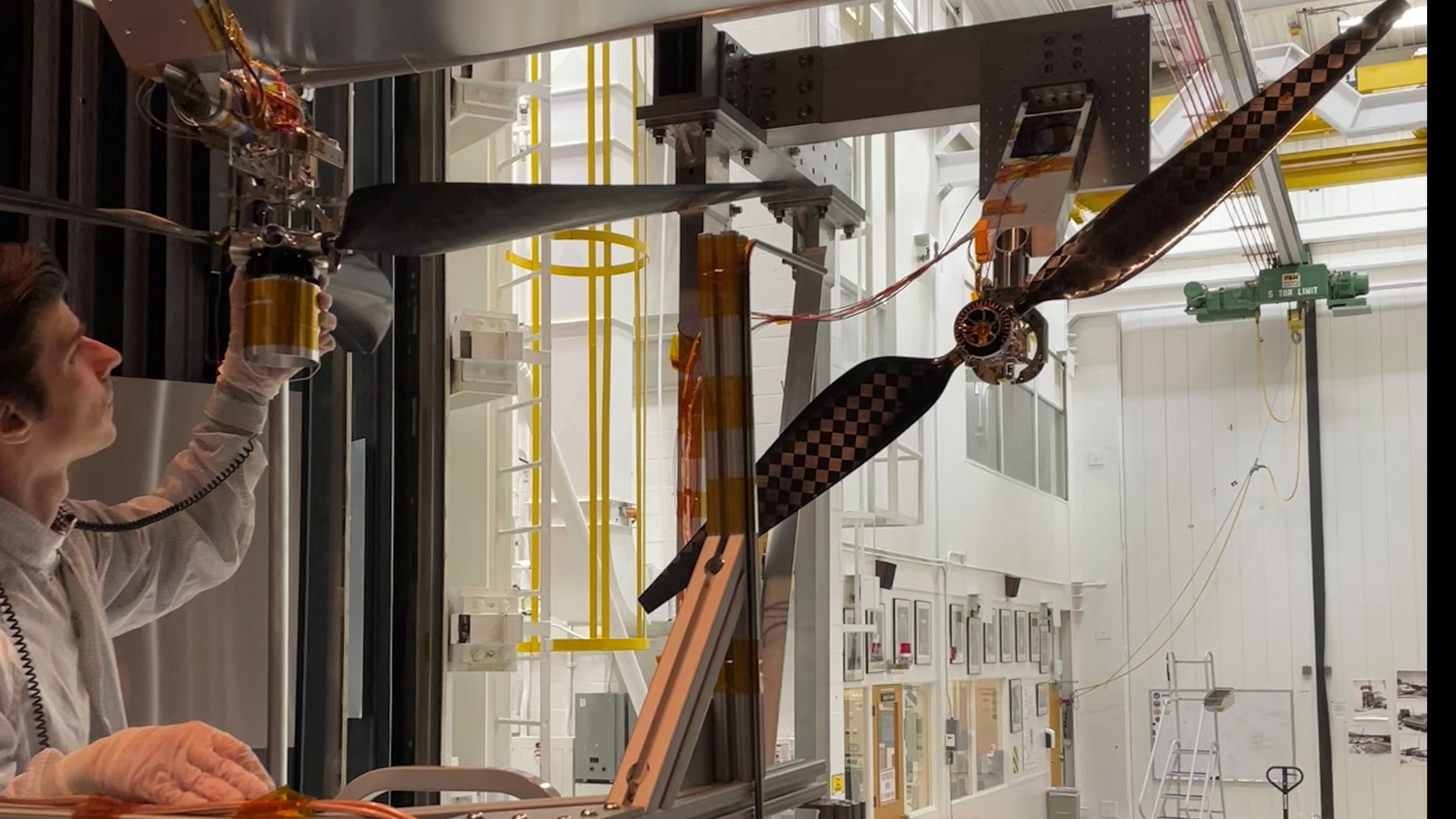
The rotor blades that will carry NASA’s next-generation helicopters to new Martian heights broke the sound barrier during March tests at NASA’s Jet Propulsion Laboratory in Southern California. Data from the tests, which took place in a special chamber that can simulate environmental conditions on the Red Planet, indicate that the fastest traveling part of

Download item bundle
7 May 2026, 00:00 GMT 2 variants

A long time ago, in a distant galaxy, a massive star was destroyed in a supernova explosion. The light of this event travelled for tens of millions of years and reached Earth last week as Supernova 2026kid. The featured video shows a time-lapse over three nights of the host galaxy NGC 5907, an edge-on spiral also known as the Splinter or Knife Edge Galaxy, as the supernova appears and becomes brighter. (The occasional streaks are satellites in Earth orbit.) At its brightest, a supernova can outshine the sum of all other stars in its galaxy. Supernova 2026kid appears relatively dim, probably because we are seeing it through the edge-on disk of the galaxy. Such explosions typically happen about once per century in galaxies similar to the Milky Way, and their light can take months to fade away. The brightest supernova in recorded history was SN 1006; it is reported to have been brighter than Venus, and even visible in the sky during daytime.

Download item bundle
1 May 2026, 15:31 GMT 4 variants

Earth’s magnetic field is like a powerful trap. It lures electrically charged particles in space, near our planet, and snares them in an invisible, doughnut-shaped pen around Earth known as the ring current. This captive swarm of charged particles plays an important role in how Earth reacts to changing conditions in space, called space weather, which

Download item bundle
30 Apr 2026, 18:13 GMT 2 variants

Shooting stars before dawn, a brilliant meetup between the Moon and Venus and a rare blue moon to end the month.

Download item bundle
28 Apr 2026, 19:41 GMT By Jim Banke 2 variants

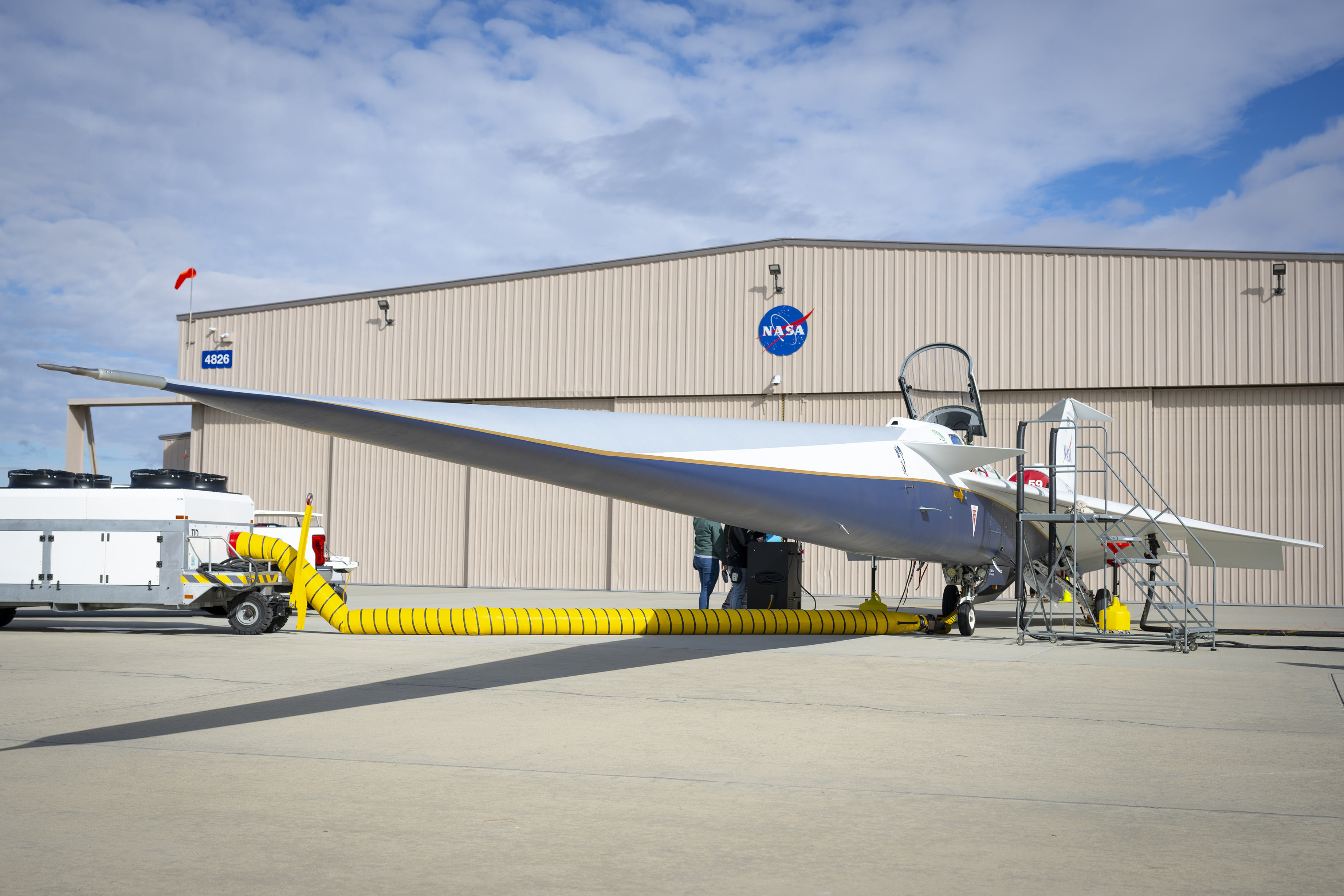
There’s no sign reading “home sweet home” in the hangar where the X‑59 now sits, but the sentiment is unmistakable among those tending to the quiet supersonic aircraft. Located at NASA’s Armstrong Flight Research Center in Edwards, California, the X-59 hangar was built in 1968 but looks like new thanks to a full renovation and

Download item bundle
28 Apr 2026, 16:18 GMT By Naomi Hartono 4 variants

A technology that could propel crewed missions to Mars and robotic spacecraft throughout the solar system was recently put to the test at NASA’s Jet Propulsion Laboratory in Southern California. On Feb. 24, for the first time in years and at power levels exceeding any previous test in the United States, a team fired up

Download item bundle
28 Apr 2026, 16:10 GMT By Kendall Murphy 5 variants

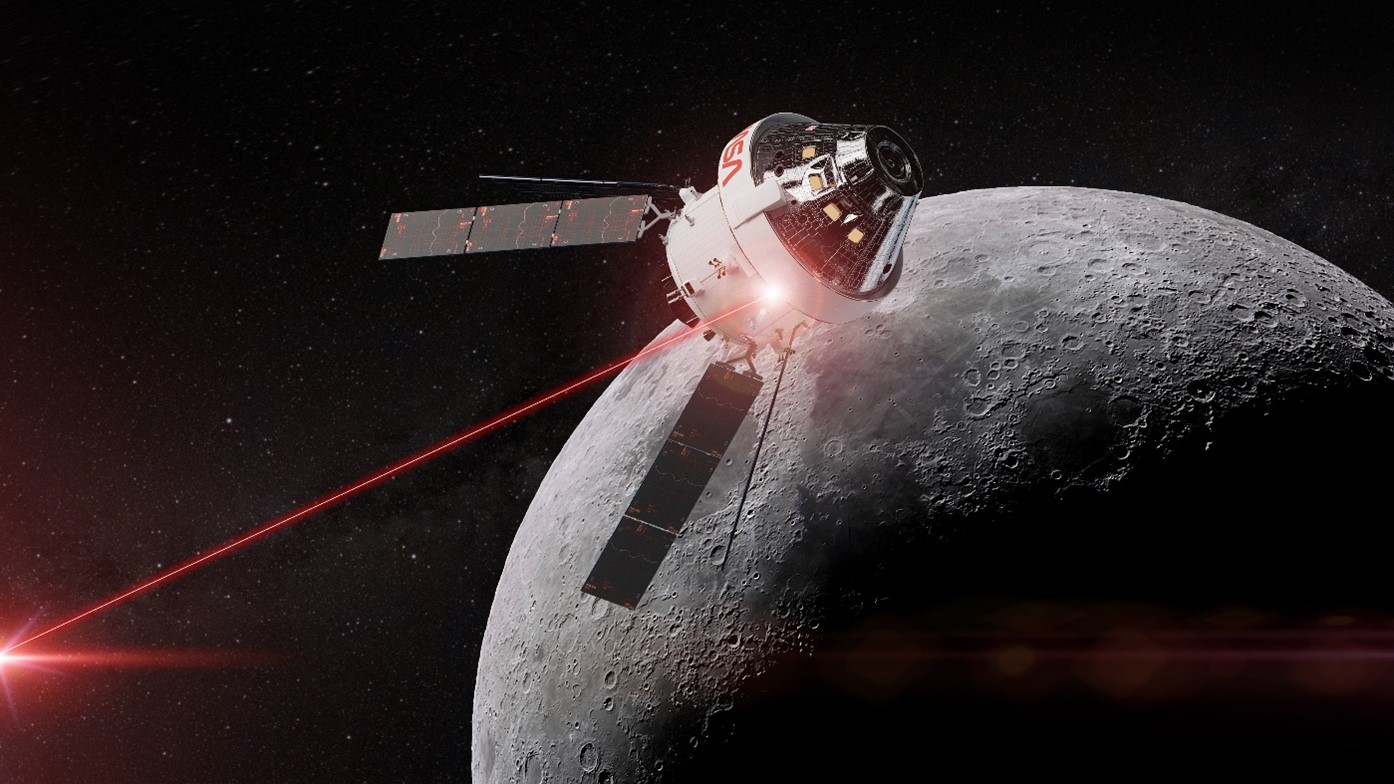
Millions of people watched the historic launch of Artemis II and were captivated by the mission’s 10-day journey around the Moon as NASA astronauts Reid Wiseman, Victor Glover, and Christina Koch, and CSA (Canadian Space Agency) astronaut Jeremy Hansen ventured farther into space than any human before. Part of the public’s ability to experience the

Download item bundle
28 Apr 2026, 15:19 GMT By Rafael Alanis 14 frames

Seen in 14 Photojournal categories

Description NASA’s Curiosity Mars rover used its right navigation camera — one of two on the rover’s mast, or head — to capture the images in this timelapse, which spans six years of driving. The images were snapped between Jan. 2, 2020, and March 8, 2026 (the 2,633rd and 4,830th Martian day, or sol, of […] The post Six Years of Curiosity’s Wheels on the Move appeared first on NASA Science .

Download item bundle
Video
Credit: Rafael Alanis
27 Apr 2026, 17:02 GMT By Naomi Hartono

NASA’s Curiosity and Perseverance rovers have captured two 360-degree landscapes that highlight how the missions are revealing details of the Red Planet’s formation, watery past, and potential for life. Located 2,345 miles (3,775 kilometers) apart from each other on Mars — about the distance from Los Angeles to Washington, D.C. — both rovers are exploring

Download item bundle
Video
25 Apr 2026, 22:31 GMT By NASA

Live now • 7,910 watching • We're launching three tons of food, fuel, and supplies to the International Space Station. Watch live with us. The unpiloted Progress 95 resupply spacecraft is scheduled to lift off at 6:21...

Download item bundle
Live now