Featured update
This near-infrared image shows a section of one of the spiral arms of Messier 51 (M51).
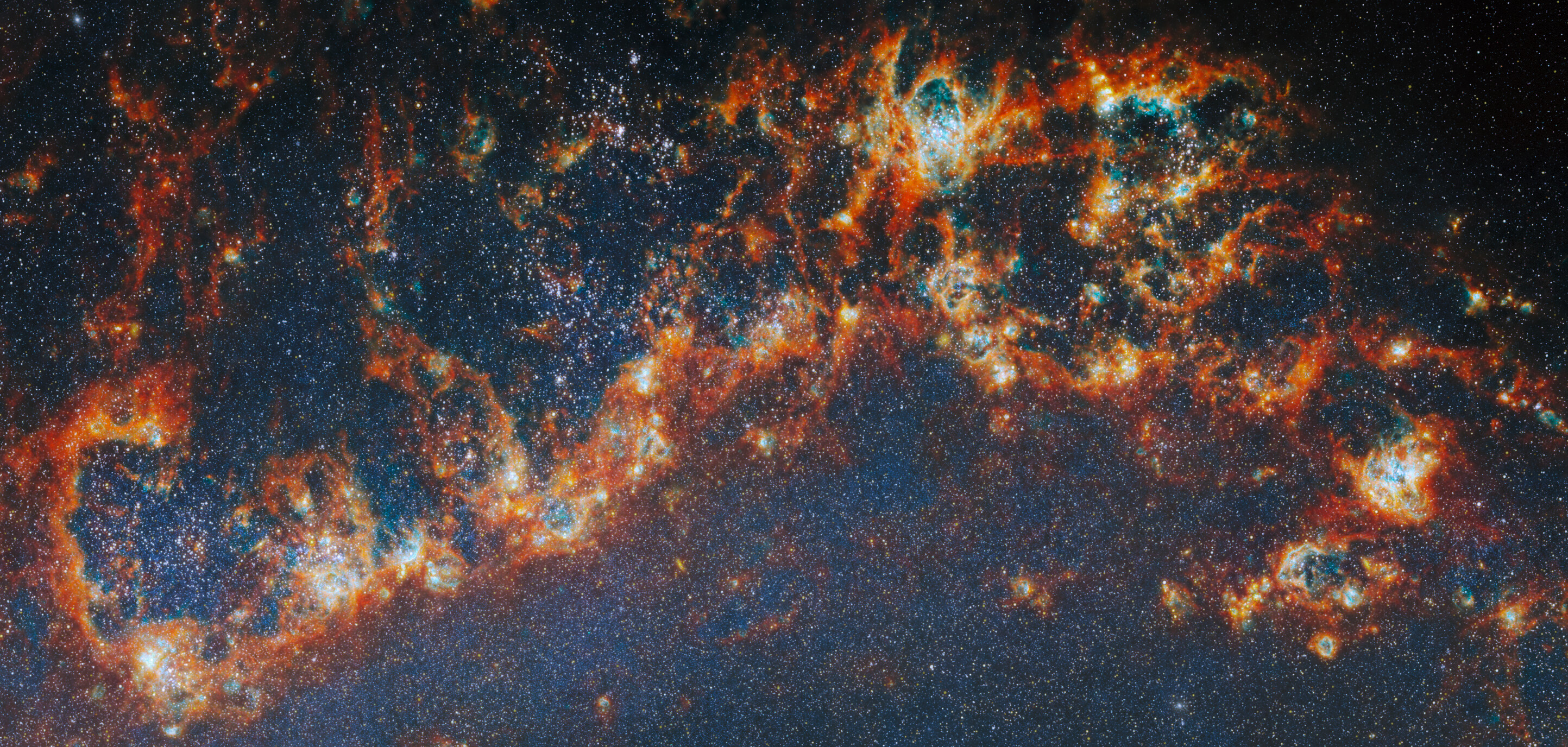


This near-infrared image shows a section of one of the spiral arms of Messier 51 (M51).
## Community Coordinated Modeling Center Database Of Notifications, Knowledge, Information ( CCMC DONKI ) ## Message Type: Space Weather Notification - Continued Radiation Belt Enhancement ## ## Message Issue Date: 2026-05-22T15:50:17Z ## Message ID: 20260522-AL-002 ## ## Disclaimer: NOAA's Space Weather Prediction Center is the United States Government official source for space weather forecasts. This "Experimental Research Information" consists of preliminary NASA research products and should be interpreted and used accordingly. ## Summary: Significantly elevated energetic electron fluxes in the Earth's outer radiation belt. GOES "greater than 2.0 MeV" integral electron flux remains elevated, recently crossing the threshold of 1000 pfu at 2026-05-22T10:25Z. The elevated energetic electron flux levels observed since 2026-05-16T15:20Z (see notifications 20260516-AL-003, 20260516-AL-004, 20260518-AL-001, and 20260520-AL-001) are caused by the arrival of a coronal hole high speed stream which started on 2026-05-15, reaching maximum sustained speeds of approximately 740 km/s. The solar wind speed observed at L1 is currently around 360 km/s. NASA spacecraft at GEO, MEO and other orbits passing through or in the vicinity of the Earth's outer radiation belt can be impacted. Activity ID: 2026-05-16T15:20:00-RBE-001. ## Notes: This coronal hole high speed stream is also associated with interplanetary shock with ID 2026-05-15T07:14:00-IPS-001 (see notification 20260515-AL-001) and geomagnetic storm with ID 2026-05-15T21:00:00-GST-001 (see notifications 20260516-AL-001, 20260516-AL-002).
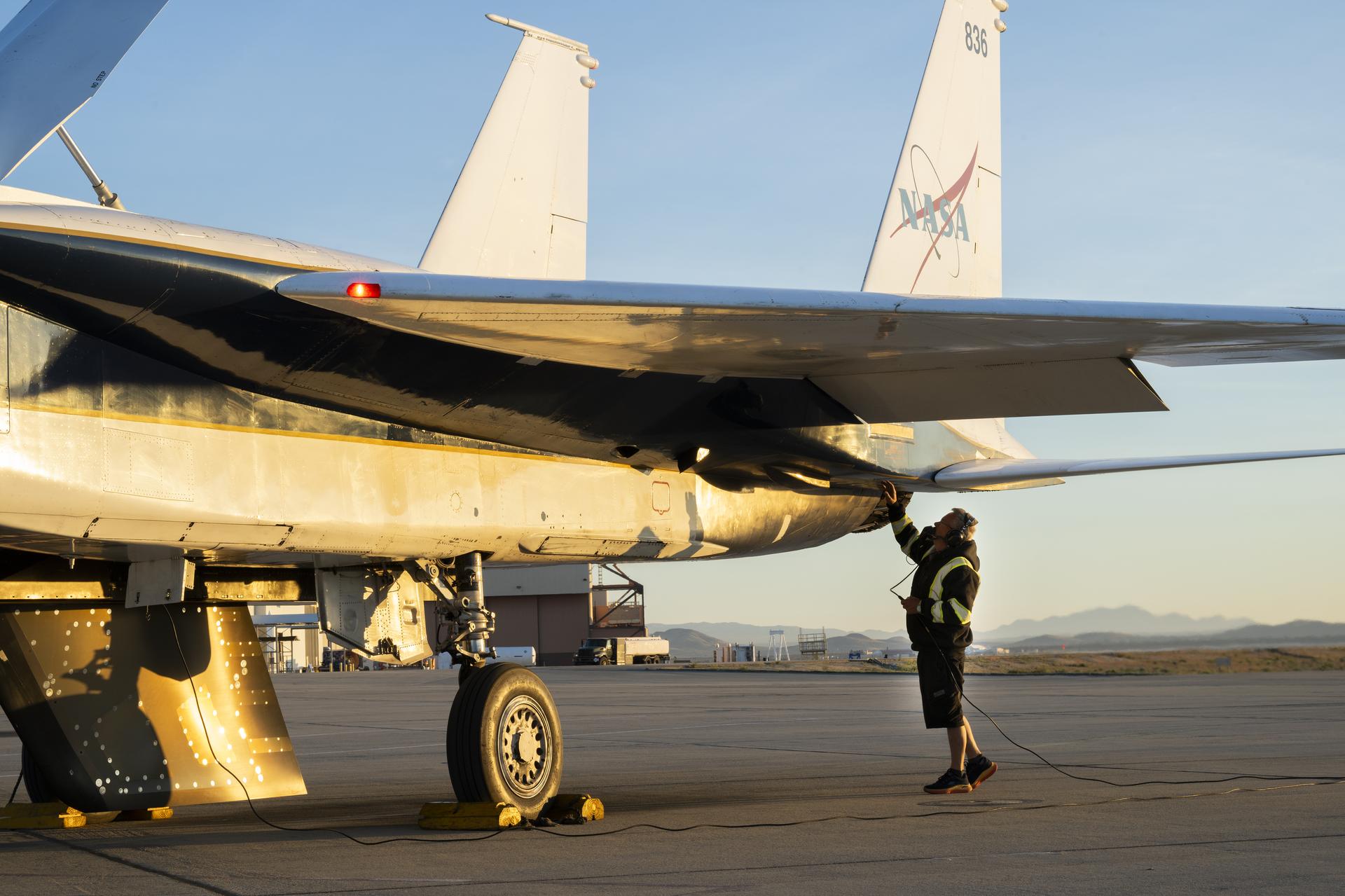
From high‑speed research flights to high‑altitude science campaigns, NASA depends on aircraft that perform at their best and the ground crews who keep them mission ready. At NASA’s Armstrong Flight Research Center in Edwards, California, specially trained maintenance crews are essential to keeping the agency’s aircraft flying safely and reliably. This year, NASA added two
NASA announced plans Friday to compete the next contract for managing and operating the agency’s federally funded research and development center (FFRDC) in Southern California at the Jet Propulsion Laboratory (JPL), to ensure continued accountability and strong value for U.S. taxpayers. The California Institute of Technology (Caltech) has managed the laboratory since its inception in

Editor’s Note: This advisory was updated May 22, 2026 to include a retirement. NASA announced Friday an agencywide realignment to increase mission focus and move out on the National Space Policy. These changes position the agency to better deliver on the nation’s highest‑priority objectives with speed and efficiency. During the Ignition event in late March,
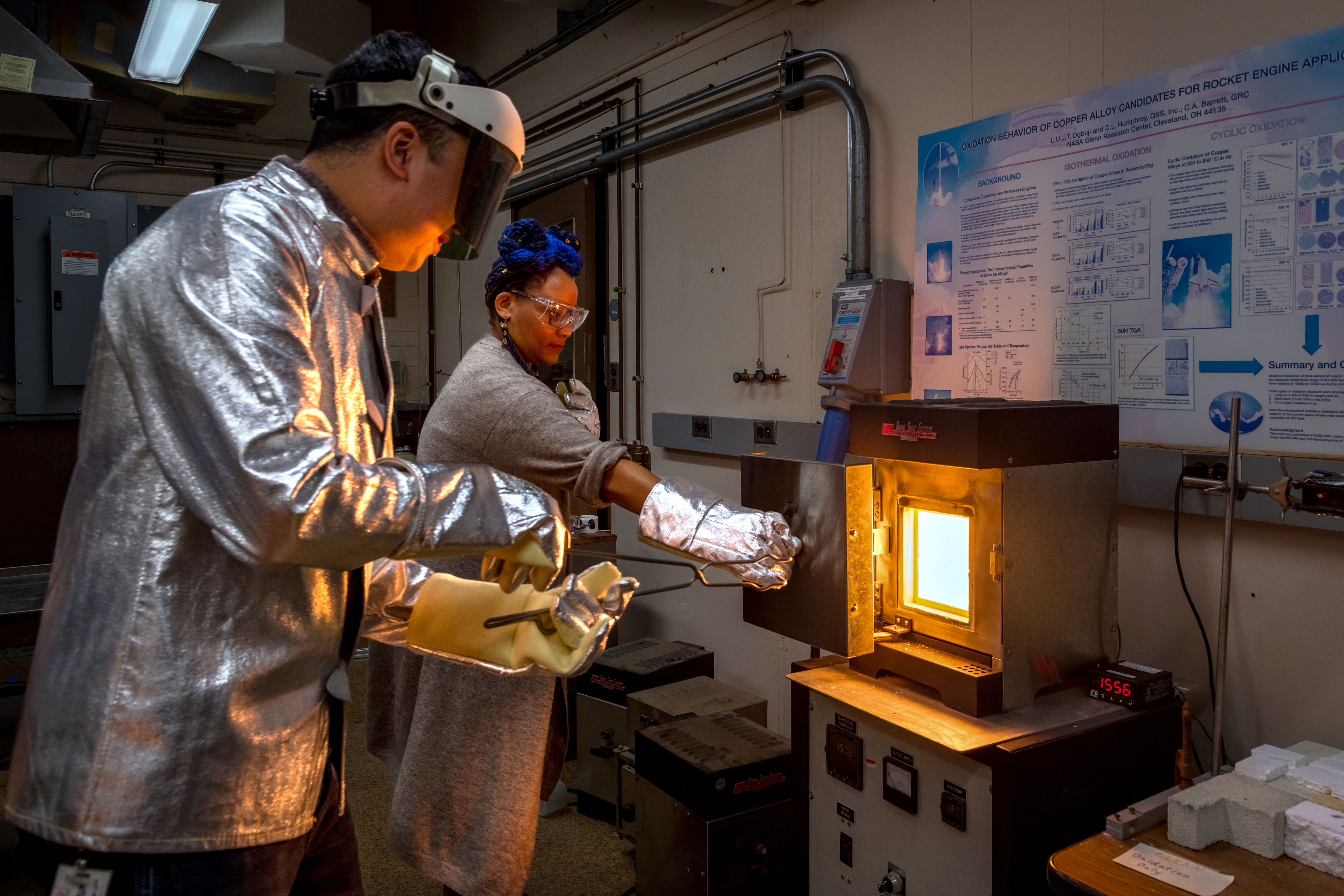
A material recently discovered and tested at NASA’s Glenn Research Center in Cleveland could help astronauts pack lighter for future missions to the Moon. NASA is researching ways explorers could “live off the land” by harnessing lunar resources, including melting Moon rocks to extract metals for building infrastructure and oxygen for fuel and life support.
## Community Coordinated Modeling Center Database Of Notifications, Knowledge, Information ( CCMC DONKI ) ## Message Type: Space Weather Notification - CME (Parker Solar Probe) ## ## Message Issue Date: 2026-05-22T13:51:46Z ## Message ID: 20260522-AL-001 ## ## Disclaimer: NOAA's Space Weather Prediction Center is the United States Government official source for space weather forecasts. This "Experimental Research Information" consists of preliminary NASA research products and should be interpreted and used accordingly. ## Summary: C-type CME detected by STEREO A / GOES / SOHO. Start time of the event: 2026-05-22T10:48Z. Estimated speed: ~594 km/s. Estimated opening half-angle: 28 deg. Direction (lon./lat.): 95/35 in Heliocentric Earth Equatorial coordinates. Activity ID: 2026-05-22T10:48:00-CME-001 Based on preliminary analysis by the Moon to Mars Space Weather Analysis Office and heliospheric modeling carried out at NASA Community Coordinated Modeling Center, it is estimated that the CME may impact Parker Solar Probe. The leading edge of the CME will reach Parker Solar Probe at 2026-05-23T18:09Z (plus minus 7 hours). Links to the movies of the modeled event (includes CME: 2026-05-22T10:48:00-CME-001): https://iswa.gsfc.nasa.gov/api/redirect?filename=20260522_171100_2.0_anim.tim-den.gif https://iswa.gsfc.nasa.gov/api/redirect?filename=20260522_171100_2.0_anim.tim-vel.gif https://iswa.gsfc.nasa.gov/api/redirect?filename=20260522_171100_2.0_ENLIL_CONE_timeline.gif https://iswa.gsfc.nasa.gov/api/redirect?filename=20260522_171100_2.0_ENLIL_CONE_PSP_timeline.gif ## Notes: This CME event (2026-05-22T10:48:00-CME-001) is associated with M2.3 flare with ID 2026-05-22T10:03:00-FLR-001 from Active Region 14436 (N18W96) which peaked at 2026-05-22T10:29Z. SCORE CME typification system: S-type: CMEs with speeds less than 500 km/s C-type: Common 500-999 km/s O-type: Occasional 1000-1999 km/s R-type: Rare 2000-2999 km/s ER-type: Extremely Rare >3000 km/s
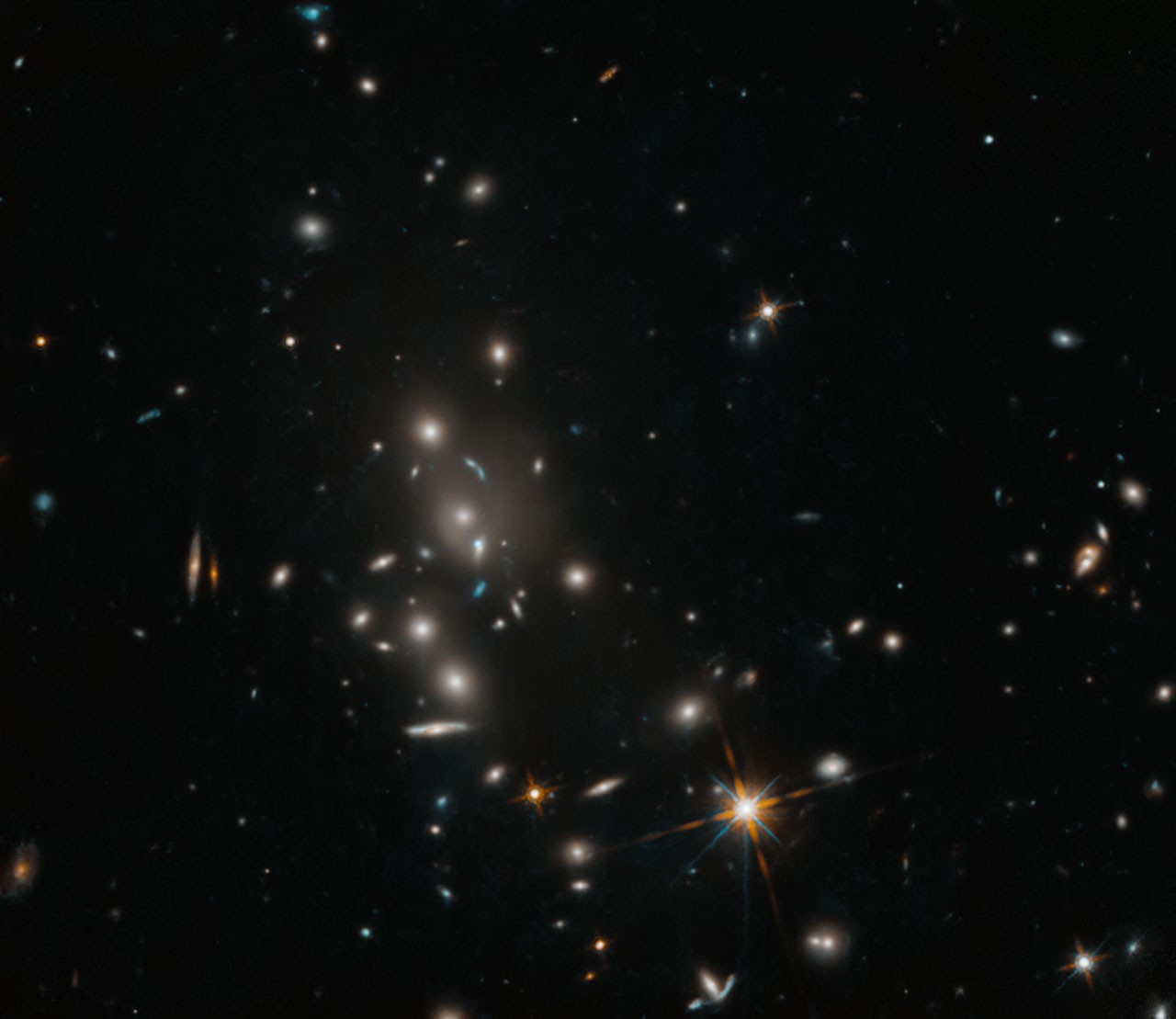
Look closely at this image from NASA’s Hubble Space Telescope and you’ll see galaxies of various shapes and sizes clustered together toward the center-left of the image. A few foreground stars shine brightly and are easily distinguished by the spikes that appear to extend outward from each star. These spikes, called diffraction spikes, are the
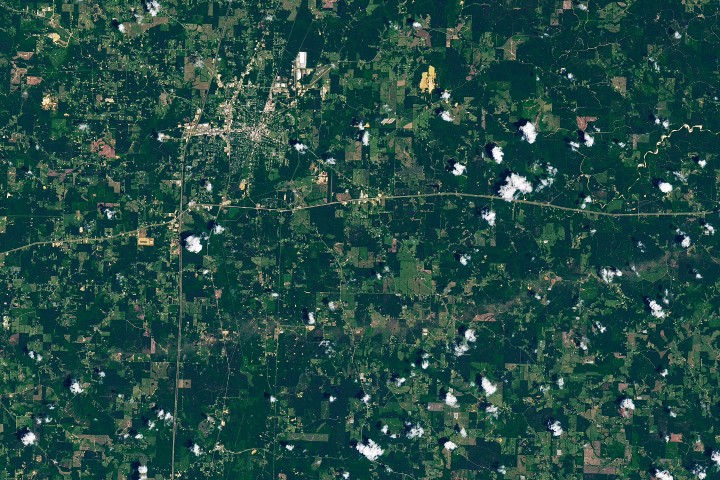
The strongest of several twisters to touch down in the southern part of the state in early May 2026 left a visible path of damaged vegetation.
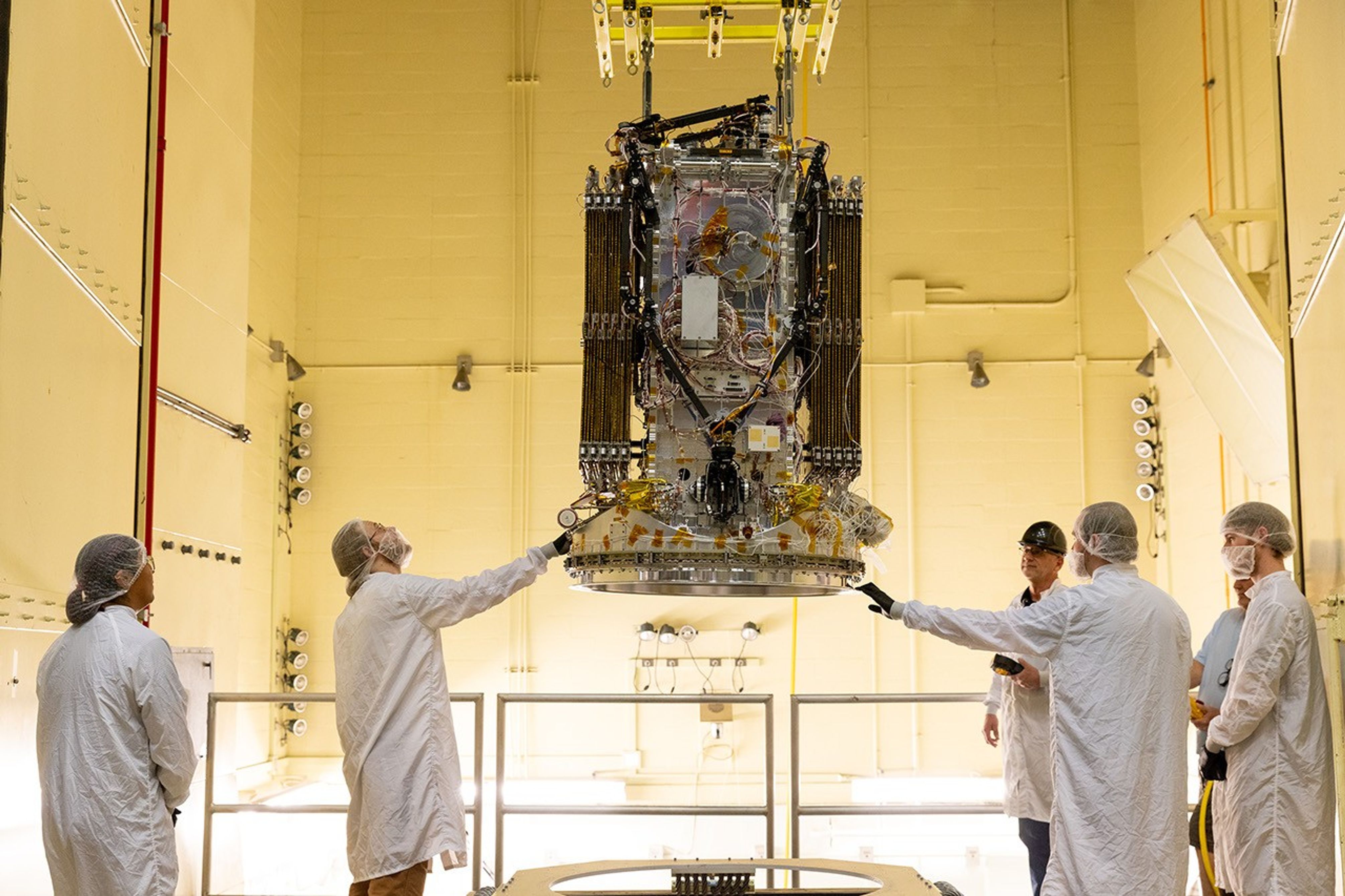
Media are invited to NASA’s Wallops Flight Facility in Virginia on Wednesday, June 17, to view Northrop Grumman’s Pegasus XL rocket, carrying a Katalyst robotic spacecraft that will attempt to boost the orbit of NASA’s Neil Gehrels Swift Observatory. Katalyst’s robotic servicing spacecraft, called LINK, will launch on Pegasus in June to rendezvous with Swift
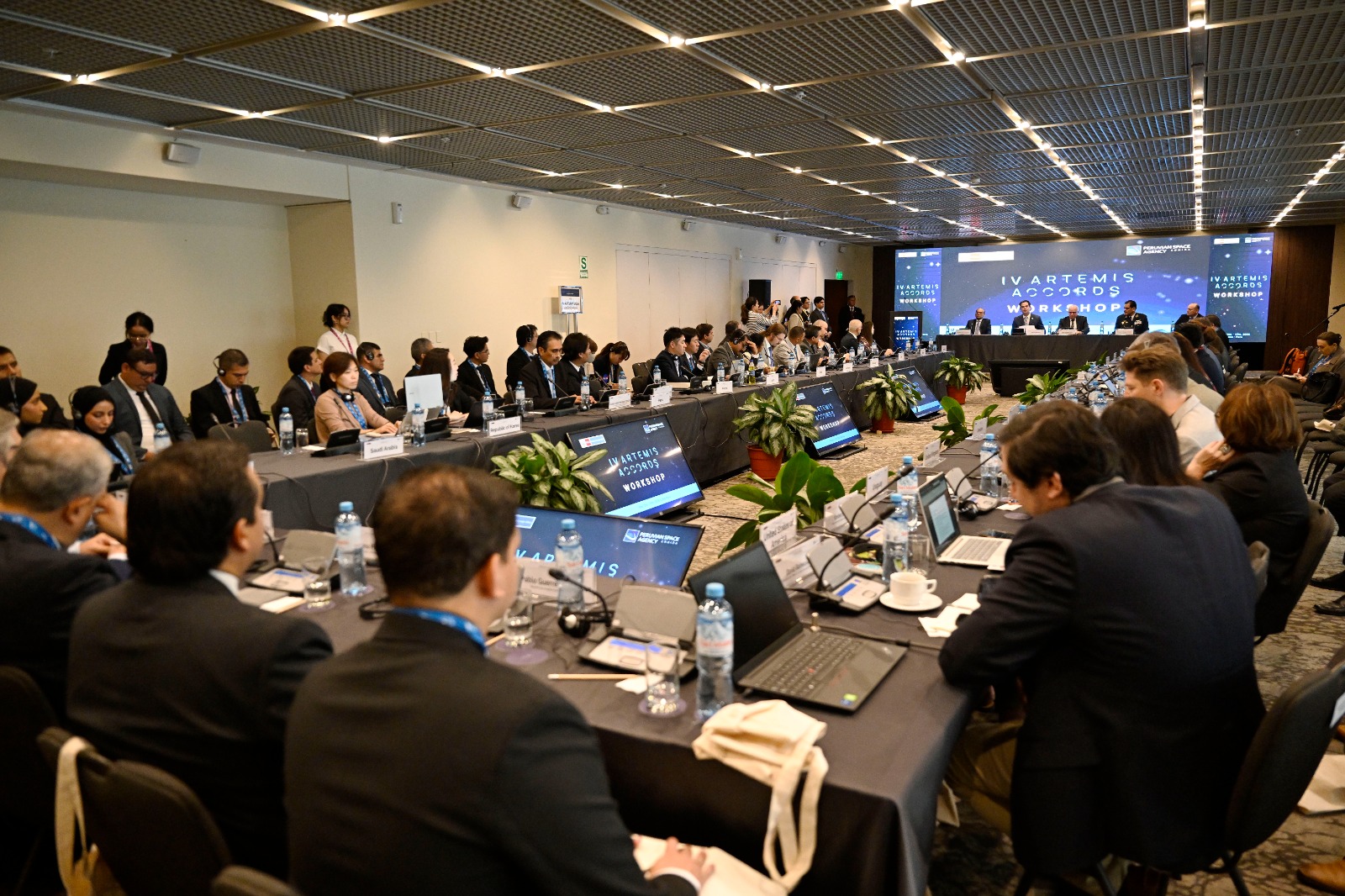
The United States participated in an Artemis Accords workshop in Lima, Peru, last week, following a new wave of nations committing to safe and responsible exploration of the Moon, Mars, and beyond. Leading up to the event, six countries, including Latvia, Jordan, Morocco, Malta, Ireland, and Paraguay, joined the growing coalition of Artemis Accords signatories
Organizations interested in launching CubeSats on future Artemis missions should respond to NASA’s request for information (RFI) by Monday, June 1, for initial consideration. “The SLS (Space Launch System) rocket and the Artemis missions provide great opportunities for teams to conduct important, science and technology investigations that contribute to the expansion of human space exploration,” said
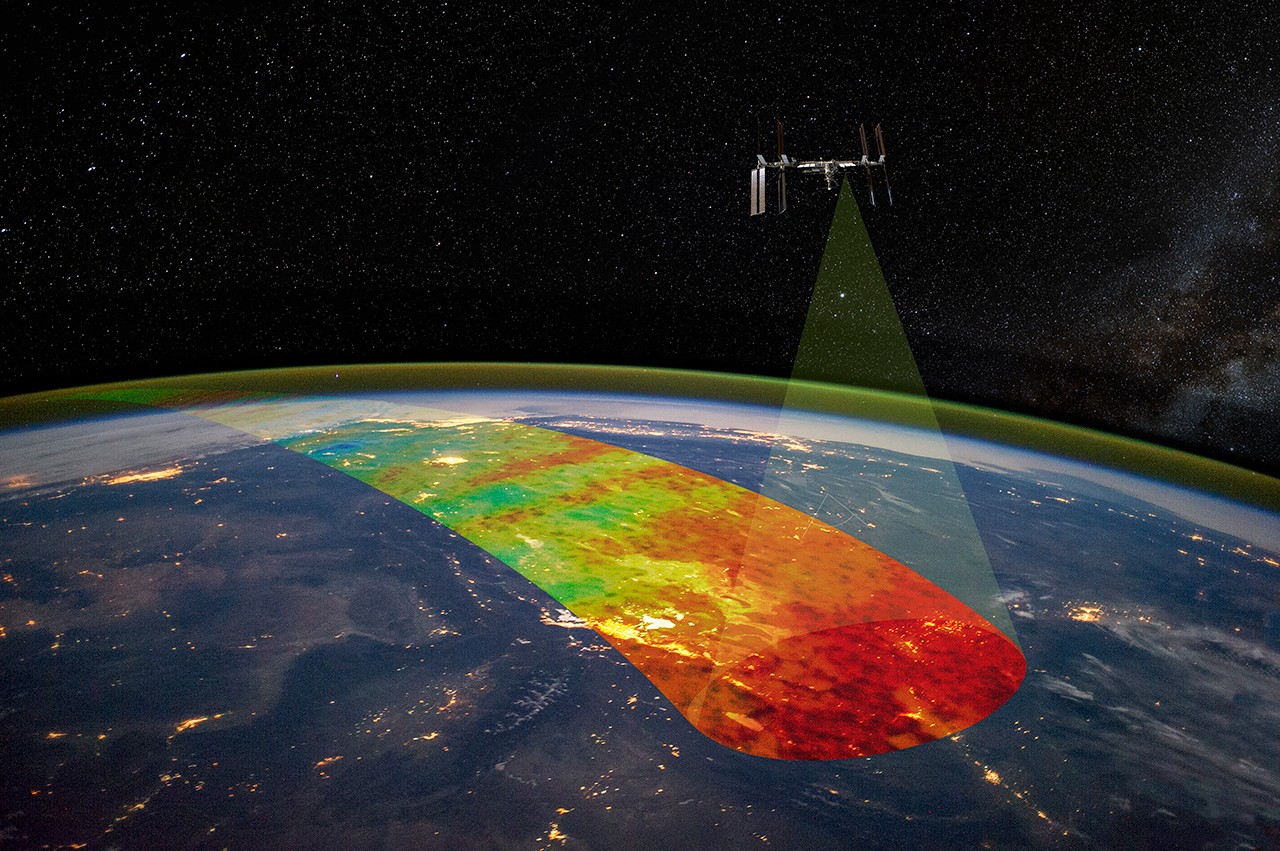
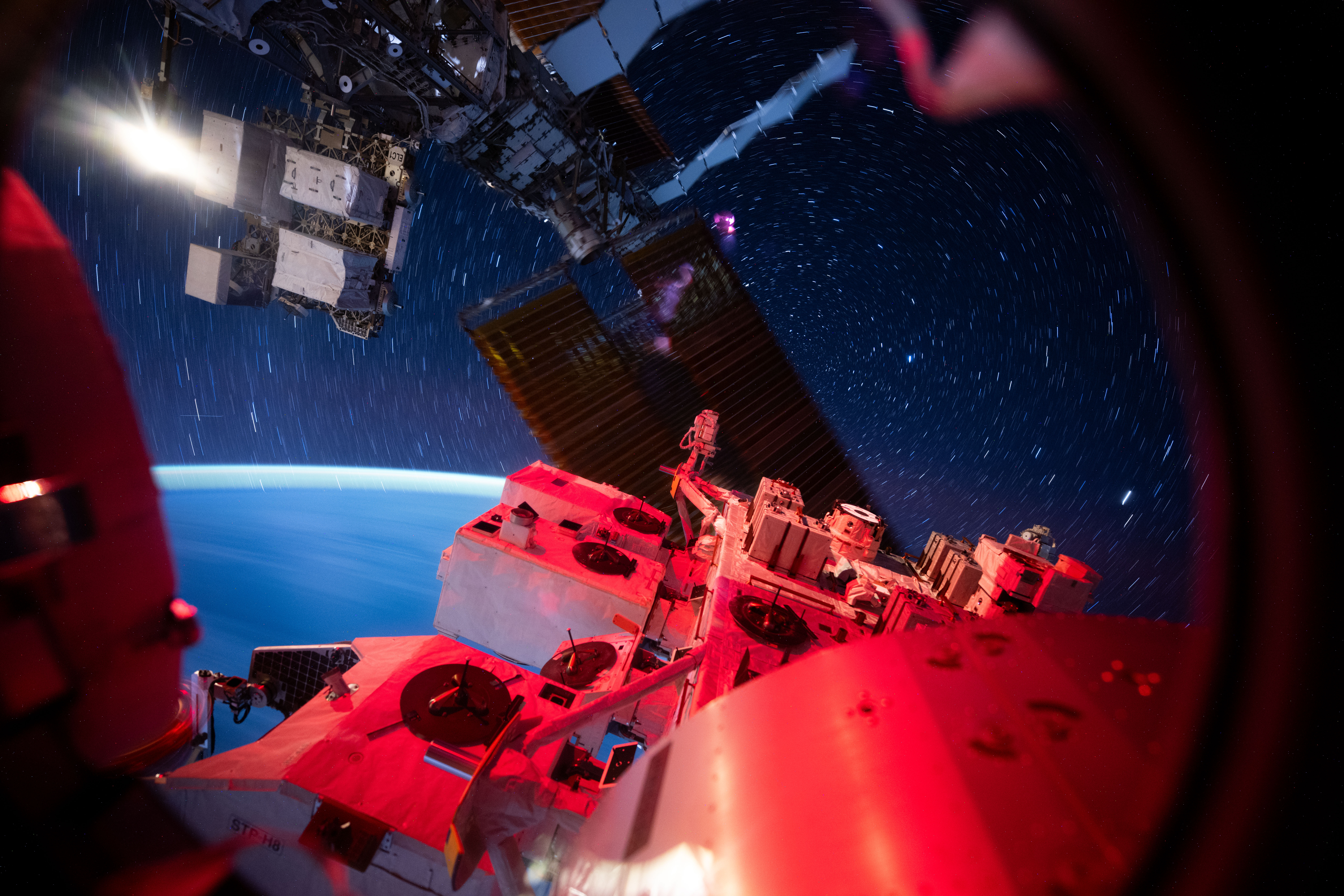
On May 21, ground controllers powered down NASA’s AWE (Atmospheric Waves Experiment) instrument, bringing the data collection phase of the mission to a successful and scheduled end, surpassing its planned two-year mission. Installed on the exterior of the International Space Station since November 2023, AWE studied atmospheric gravity waves, which are giant ripples in the
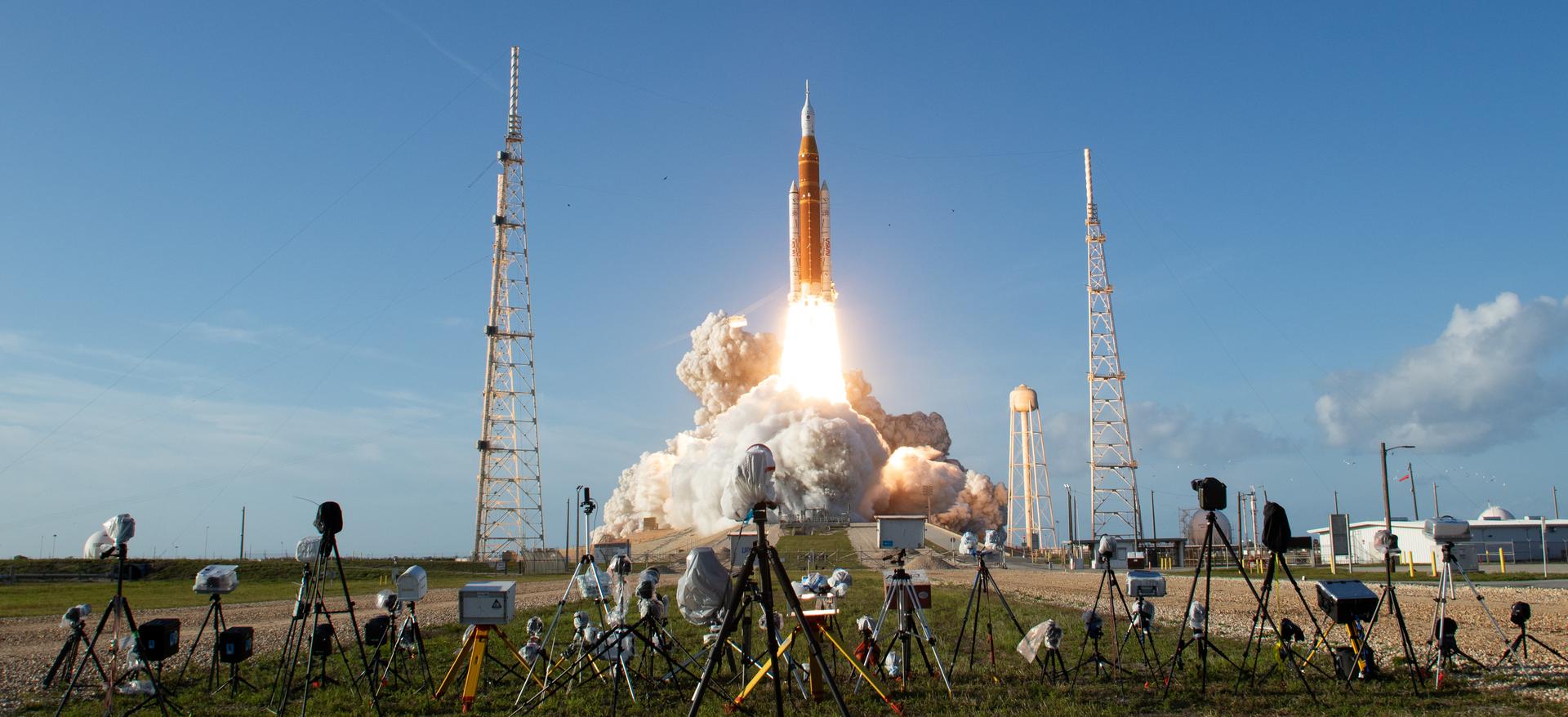
NASA’s historic Artemis II mission coverage, which connected global audiences to watch the first humans to travel around the Moon in more than half a century, is among the agency’s video productions recognized with four 2026 Telly Awards. “President Trump’s leadership in establishing the Artemis program reignited America’s bold vision for space exploration and set
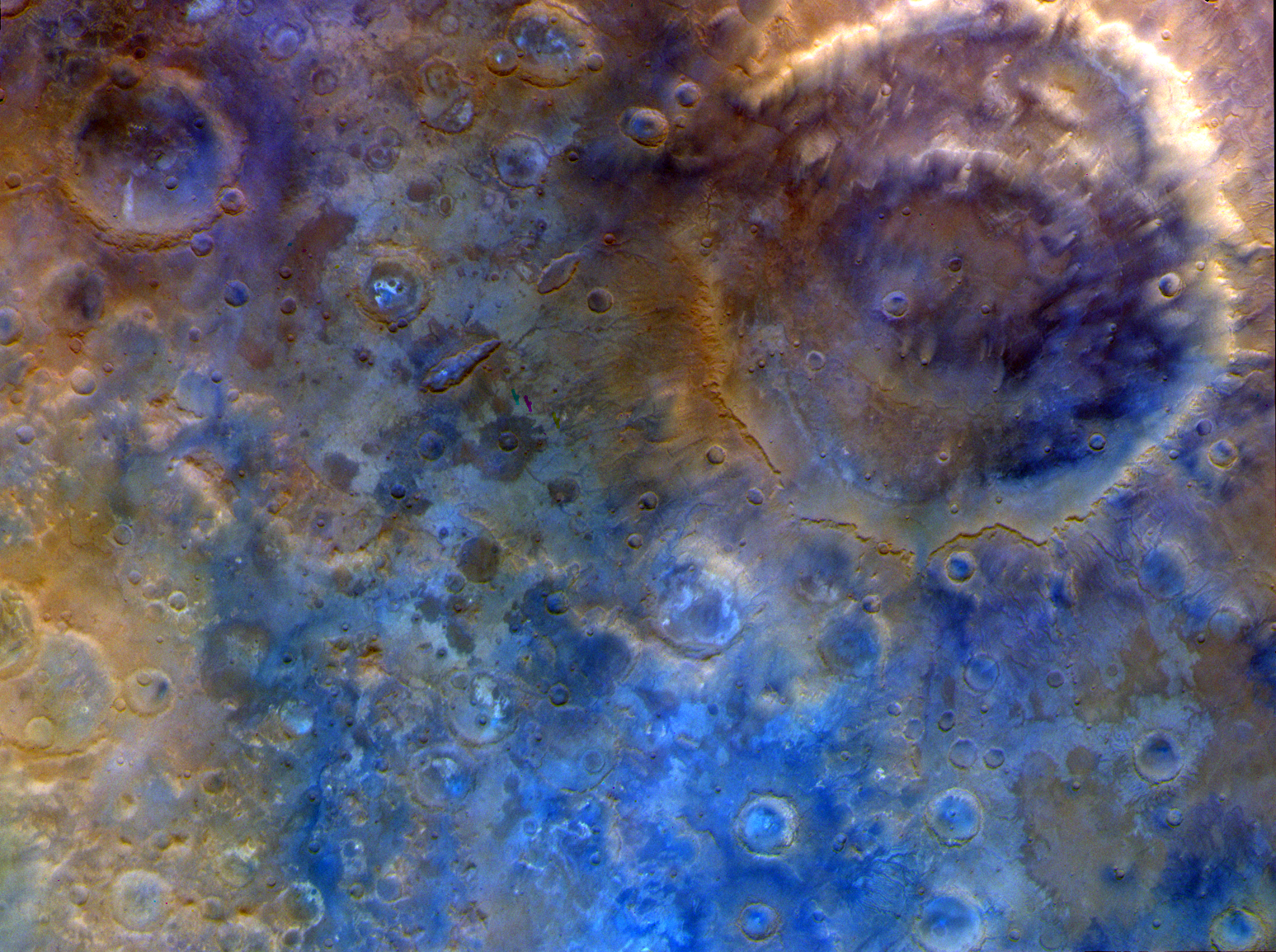
NASA’s Psyche spacecraft completed its close approach of Mars on May 15, capturing images as it came within 2,864 miles (4,609 kilometers) of the planet’s surface. This is an enhanced-color view of the large double-ring crater Huygens and the surrounding heavily cratered southern highlands.
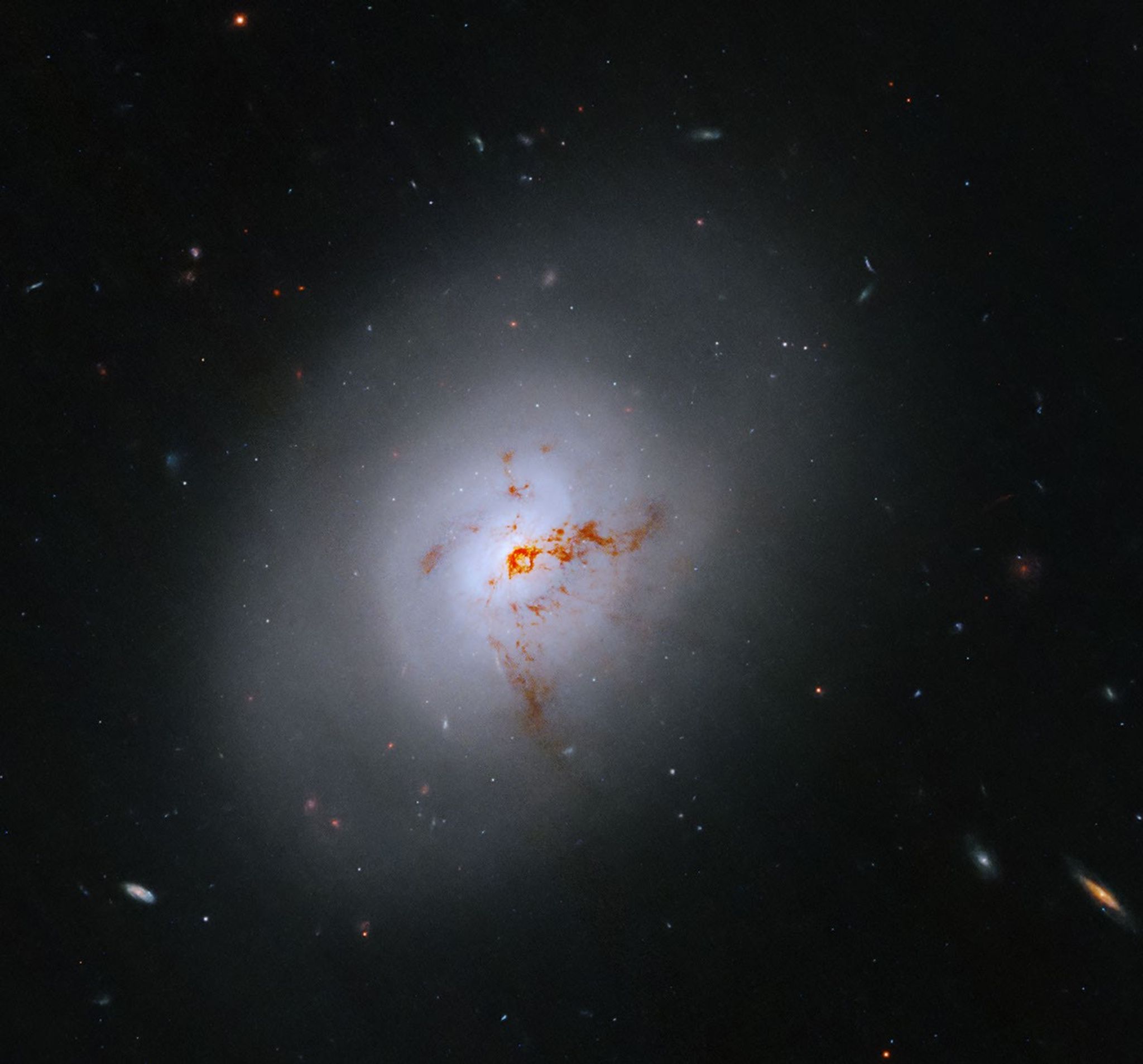
This NASA Hubble Space Telescope images reveals the lenticular galaxy, NGC 1266. This enigmatic post-starburst galaxy has a bright center and a face that hints at spiral structure, yet it holds no discernable spiral arms.
Matt Anderson was sworn in Thursday as NASA’s 16th deputy administrator by NASA Administrator Jared Isaacman. The oath was taken during a ceremony held at the Eisenhower Executive Office Building in Washington. As NASA deputy administrator, Anderson will help lead the agency’s efforts to execute the President’s national space policy, strengthen America’s leadership in space,

To dive deeper into the International Space Station research achievements from the past year, browse the 2025 Annual Highlights of Results, which NASA released in May 2026. In 2025, researchers using the orbital laboratory conducted more than 750 investigations that advanced understanding of life in space, drove innovations to benefit people on Earth, and supported
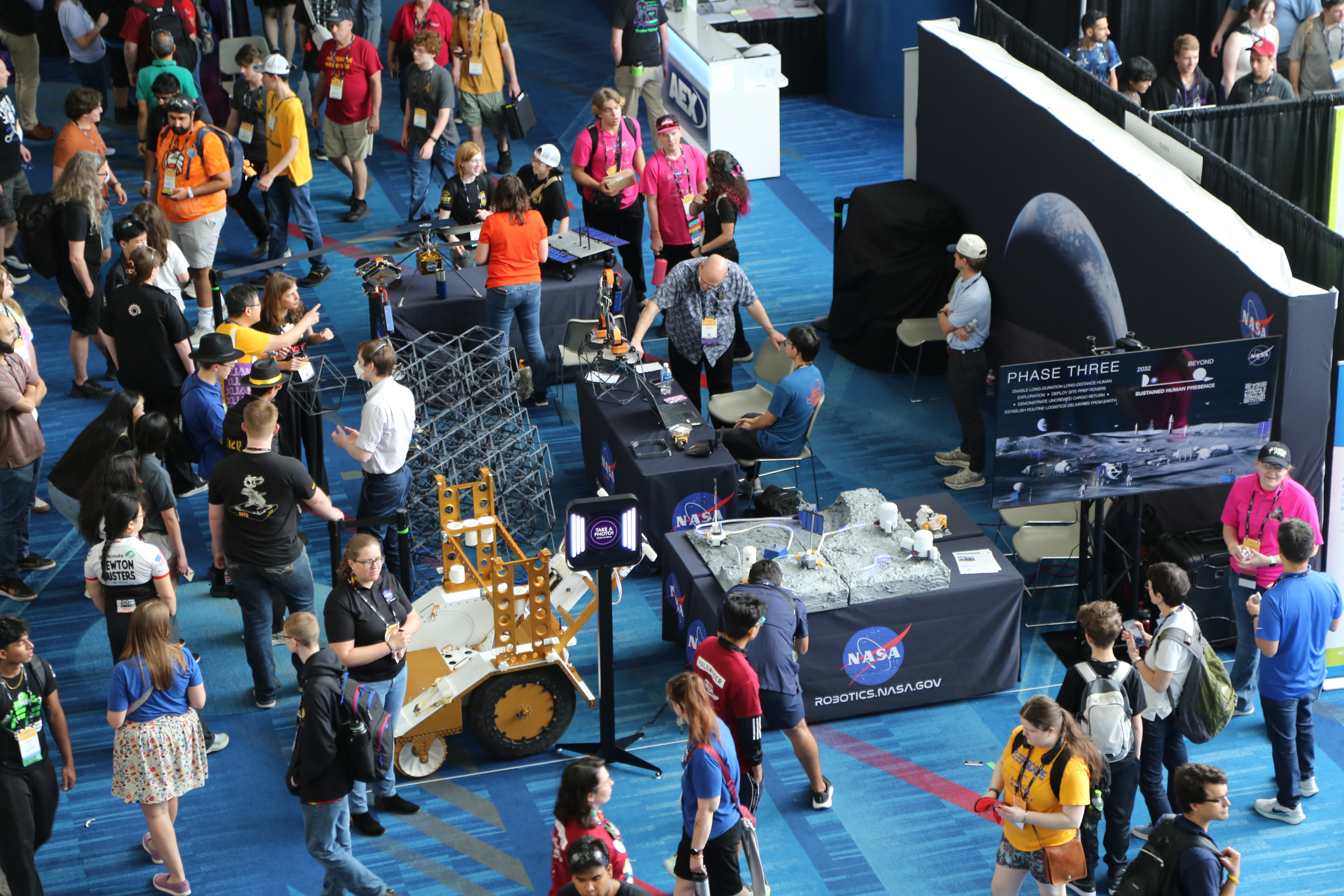
Robotics will play a critical role in NASA’s ambitious plan to establish a long-term presence on the Moon, presenting opportunities for the next generation of engineers, technologists, and innovators to contribute to a bold vision for the future. That was the agency’s message to students, partners, and industry leaders at the 2026 FIRST Robotics World
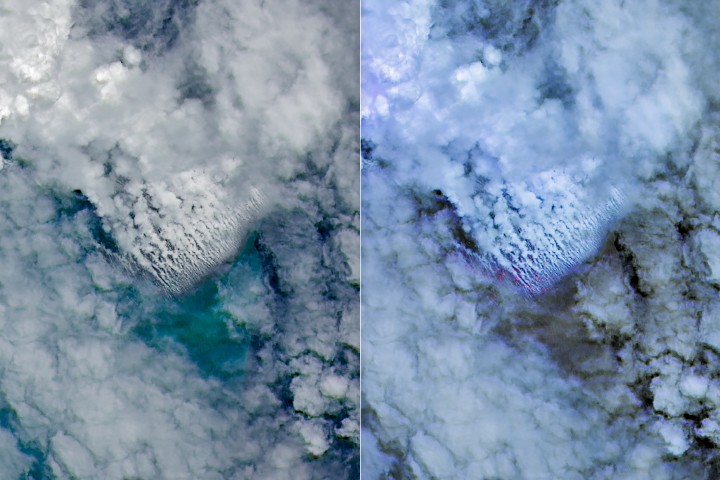
Satellite imagery shows a surge of new volcanic activity in the ocean near Papua New Guinea.
 ×
×
×
×
×
×
×
×