
Clear all
19 May 2026, 20:43 GMT 2 variants

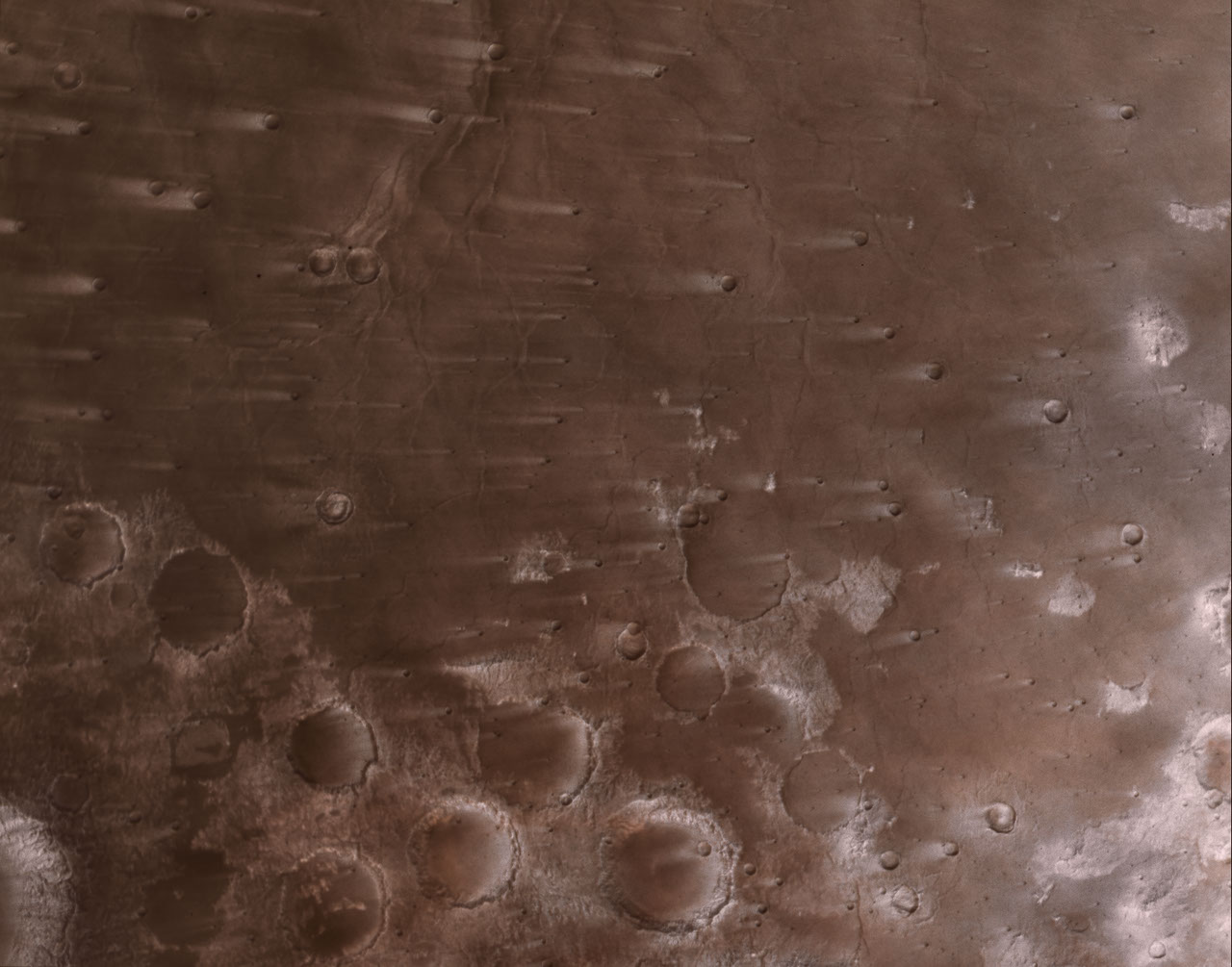
This view of the Martian surface, captured by NASA’s Psyche spacecraft on May 15, 2026, shows streaks that have formed due to wind blowing over impact craters in the Syrtis Major region.

Download item bundle
NASA’s Psyche Mission Spies Mars’ Wind-Blown Craters During Close Approach
19 May 2026, 20:38 GMT 2 variants

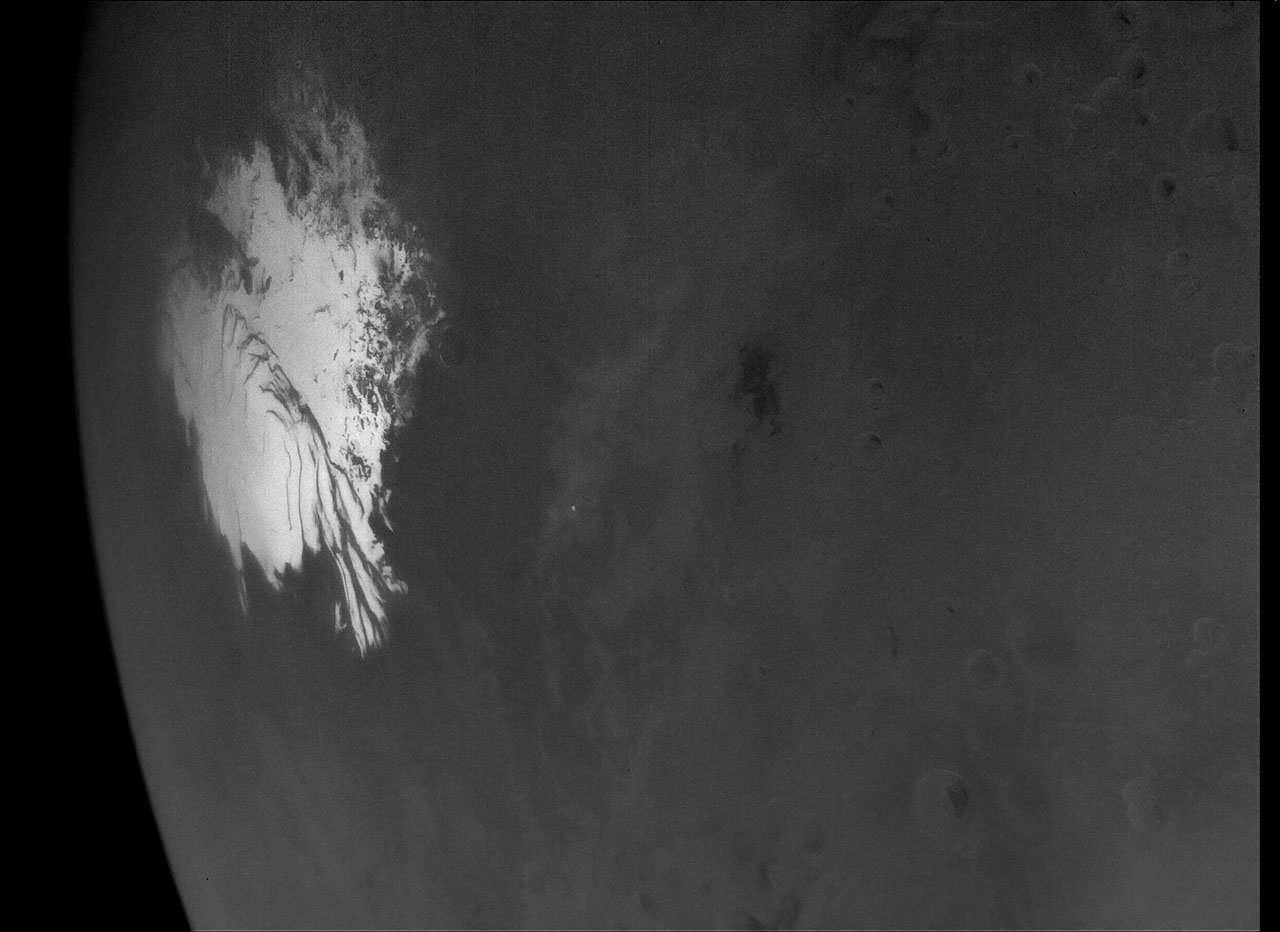
Description This is the highest-resolution view of the water ice-rich south polar cap of Mars captured by NASA’s Psyche mission after it made its close approach with the planet for a gravity assist. The image scale is around 0.7 miles per pixel (1.14 kilometers per pixel). The cap itself extends across more than 430 miles

Download item bundle
Psyche’s High-Resolution View of Mars’ South Pole
19 May 2026, 20:28 GMT 2 variants

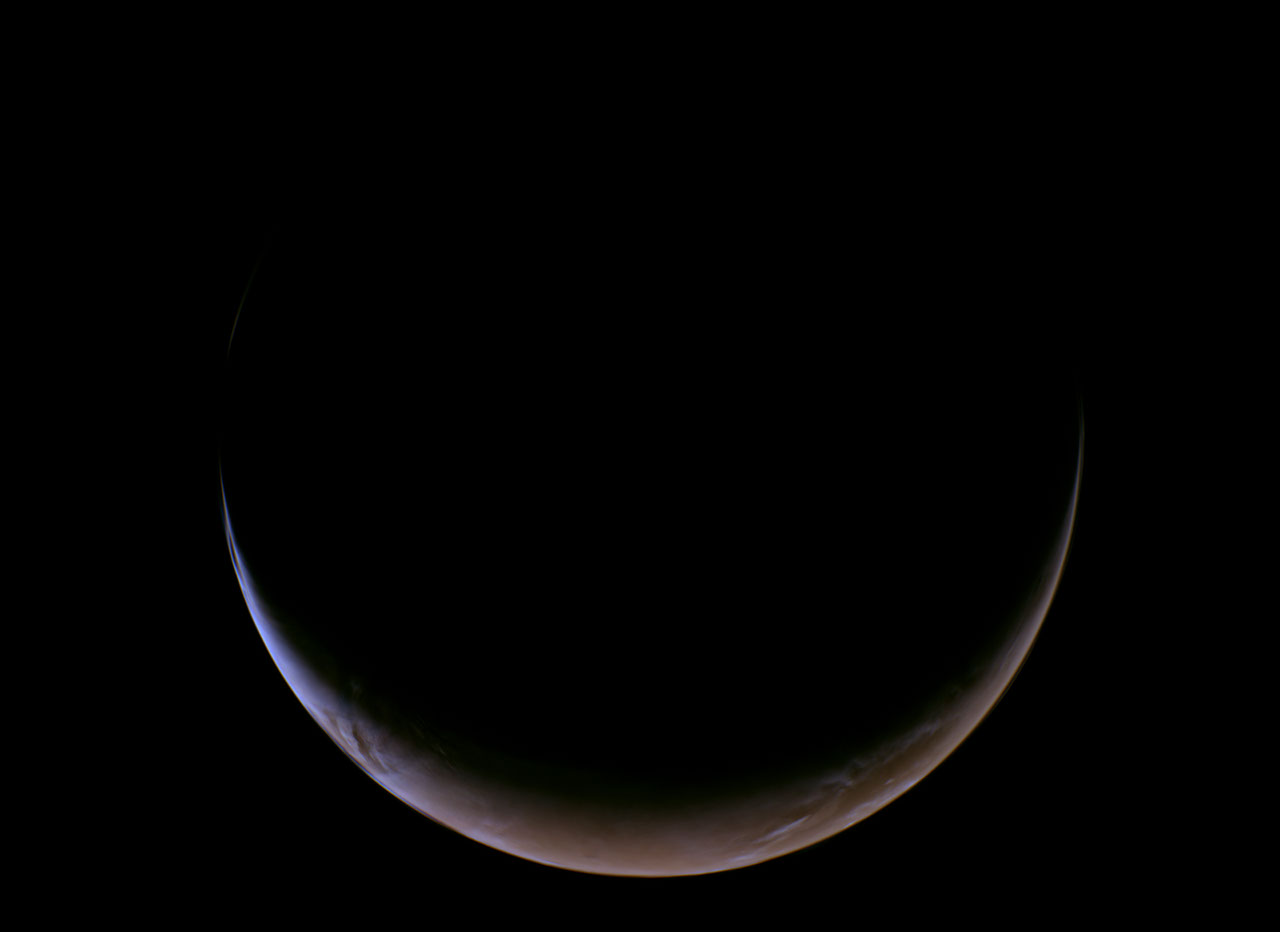
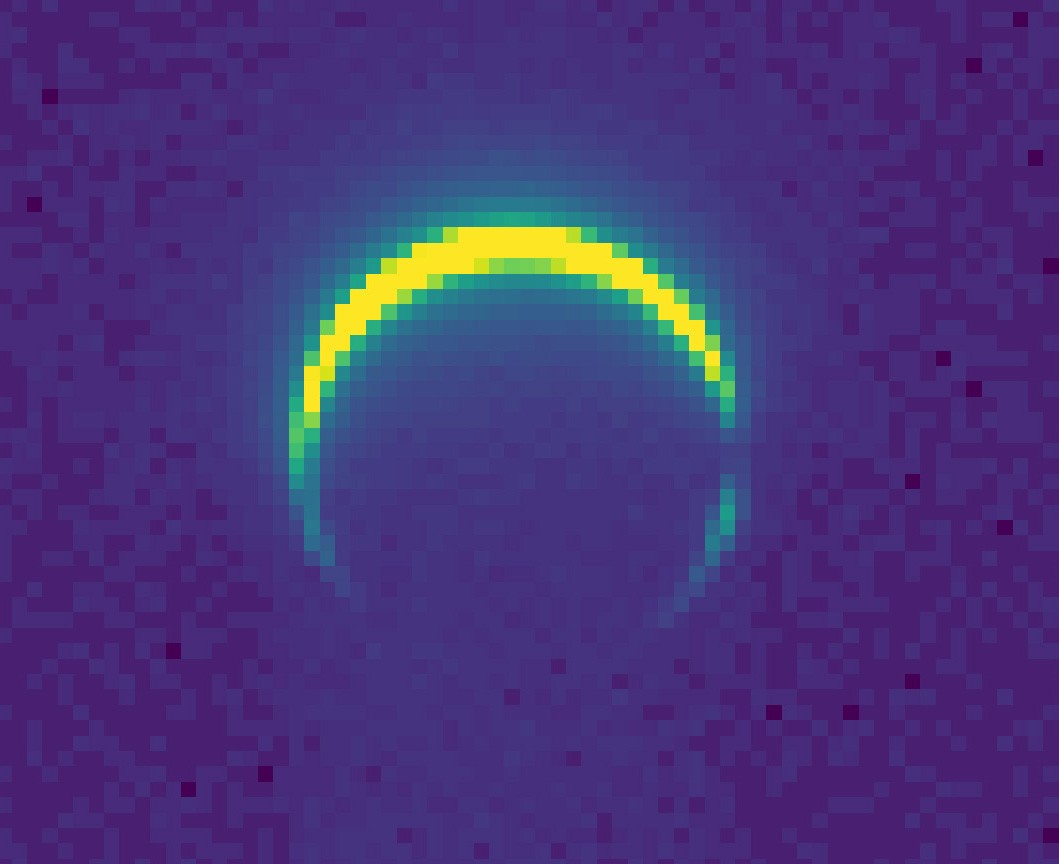
Description This view of a crescent Mars was captured on May 15, 2026, at about 5:03 a.m. PDT by NASA’s Psyche mission as it approached the planet for a gravity assist. Captured by the spacecraft’s multispectral imager instrument, this was the last view of the whole planet before it began to overfill the field of

Download item bundle
NASA’s Psyche Mission Images the Crescent of Mars
8 May 2026, 18:11 GMT 2 variants

Description This colorized image of Mars was captured by NASA’s Psyche mission on May 3, 2026, about 3 million miles (4.8 million kilometers) from the planet. The spacecraft is approaching the planet for a gravity assist on May 15 that will give it a boost in speed and adjust its trajectory toward asteroid Psyche for

Download item bundle
NASA’s Psyche Mission Captures Mars During Gravity Assist Approach
7 May 2026, 18:32 GMT 2 variants

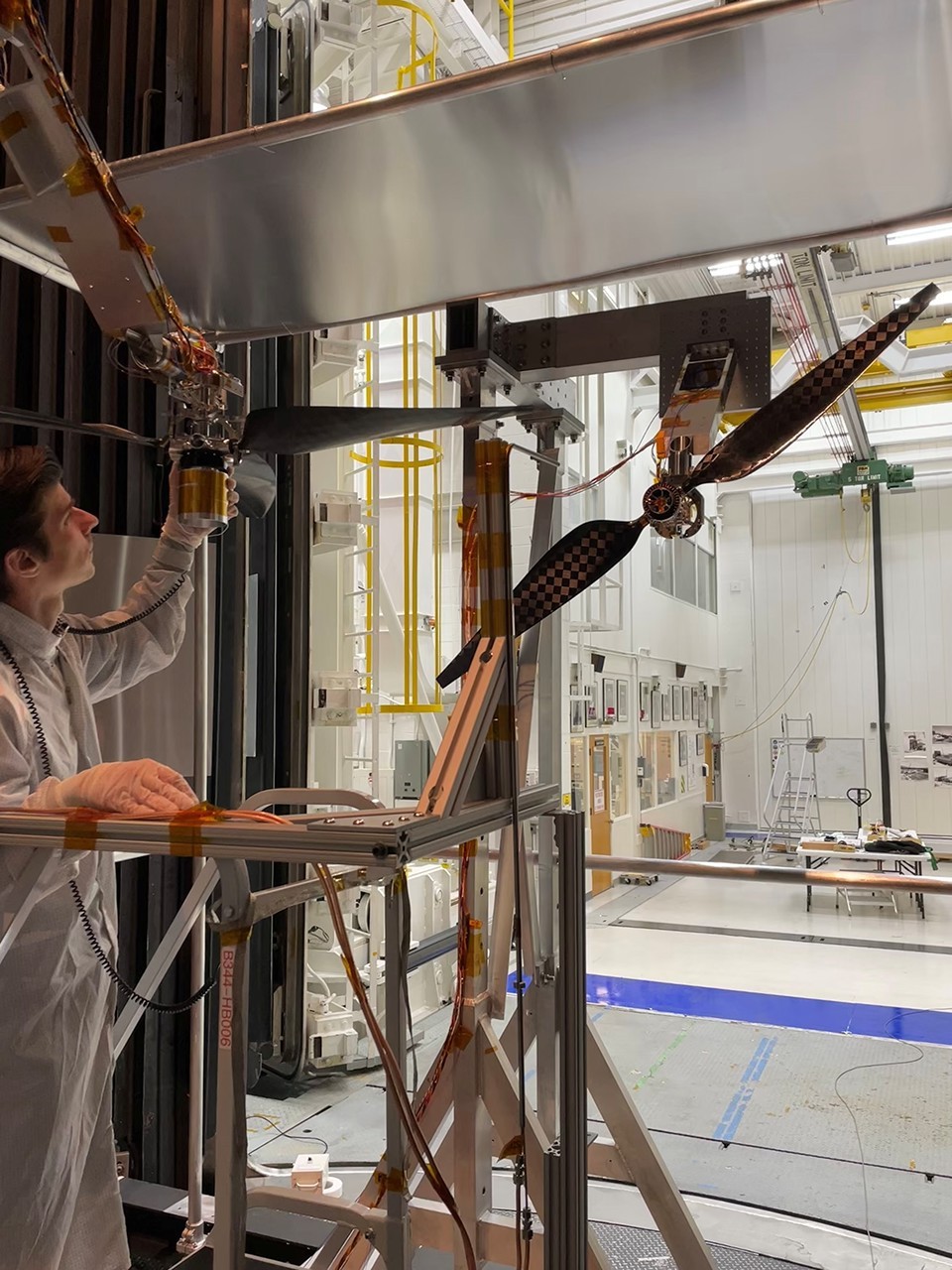
Description Engineer Jaakko Karras inspects a next-generation Mars helicopter rotor blade prior to supersonic speed testing in the 25-Foot Space Simulator at NASA’s Jet Propulsion Laboratory in Southern California in November 2025. The three-bladed rotor hanging horizontally in the foreground is the next-gen rotor being tested. The vertically aligned two-bladed rotor provided a “headwind,” enabling

Download item bundle
NASA’s Next-Gen Mars Helicopter Rotors Are Moving Fast
15 Apr 2026, 15:04 GMT 2 variants

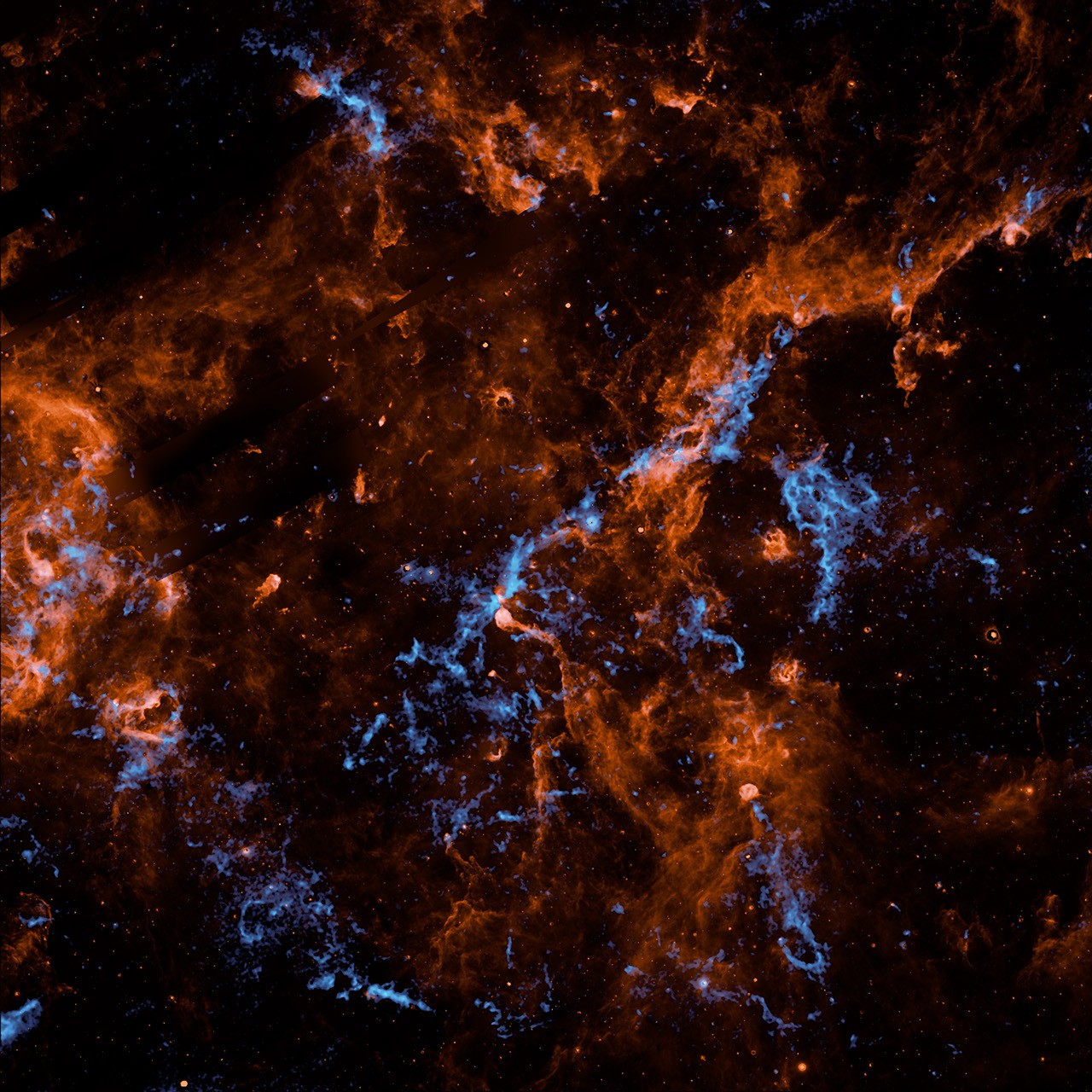
An observation made by NASA’s SPHEREx (Spectro-Photometer for the History of the Universe, Epoch of Reionization, and Ices Explorer) shows the chemical signatures of water ice (shown in bright blue) and polycyclic aromatic hydrocarbons (orange) in Cygnus X, one of the most active and turbulent regions of star birth in our Milky Way galaxy.

Download item bundle
NASA’s SPHEREx Mission Maps Water Ice Throughout Cygnus X