Featured update
An astronaut on the International Space Station was surprised to photograph a shower of light streaking through the darkness while looking out of the Cupola.
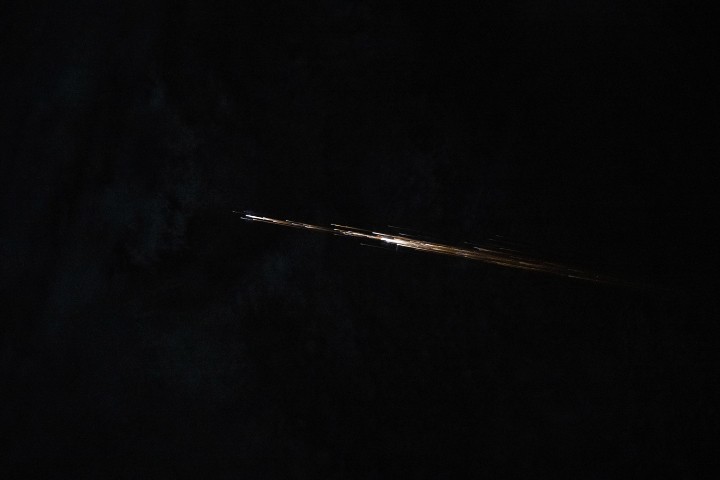


An astronaut on the International Space Station was surprised to photograph a shower of light streaking through the darkness while looking out of the Cupola.
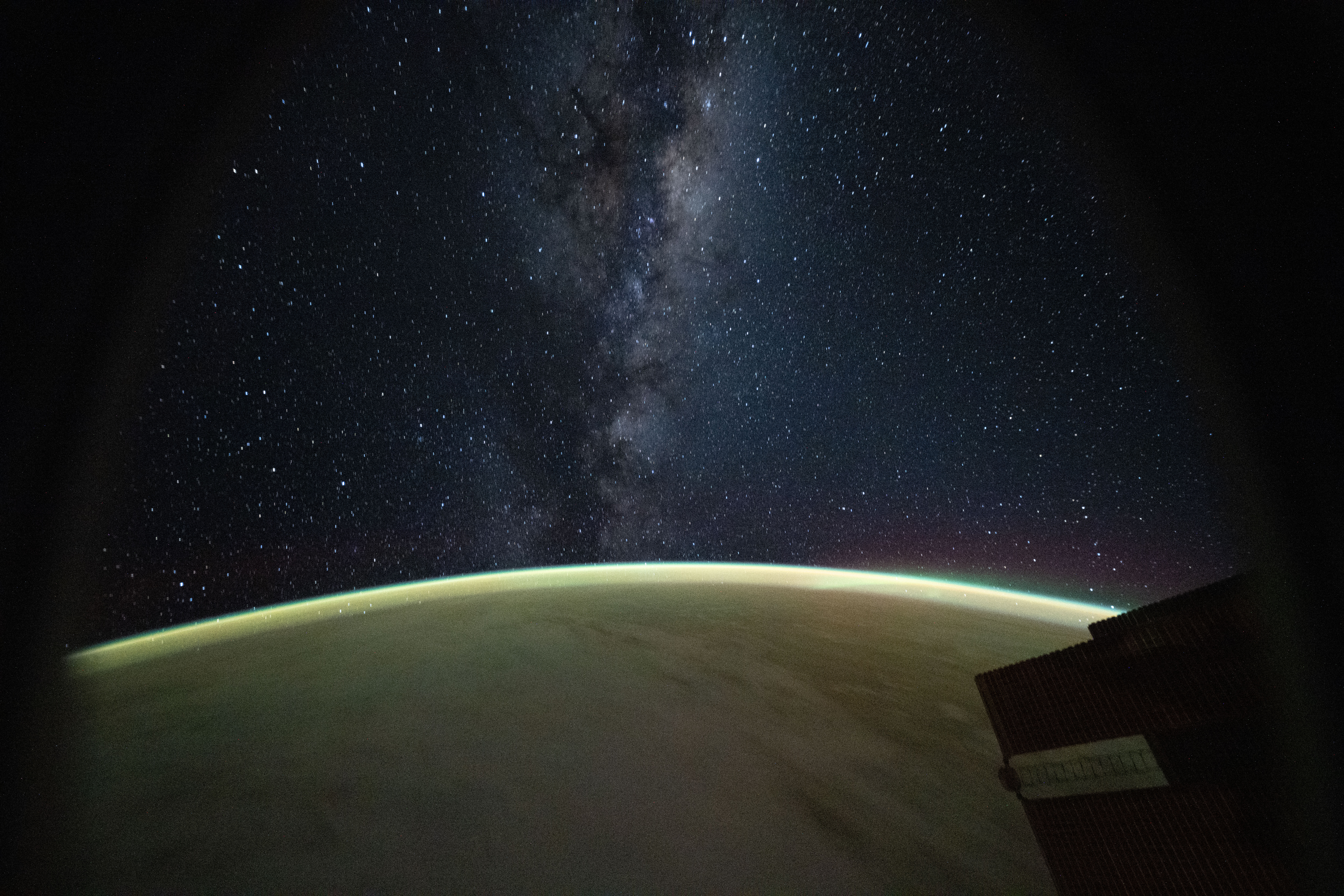
NASA astronaut Chris Williams captured the Milky Way rising above Earth’s atmospheric glow on April 13, 2026, while aboard a SpaceX Dragon docked to the International Space Station. This atmospheric glow is also called airglow. It occurs when atoms and molecules in the upper atmosphere, excited by sunlight, emit light to shed their excess energy.
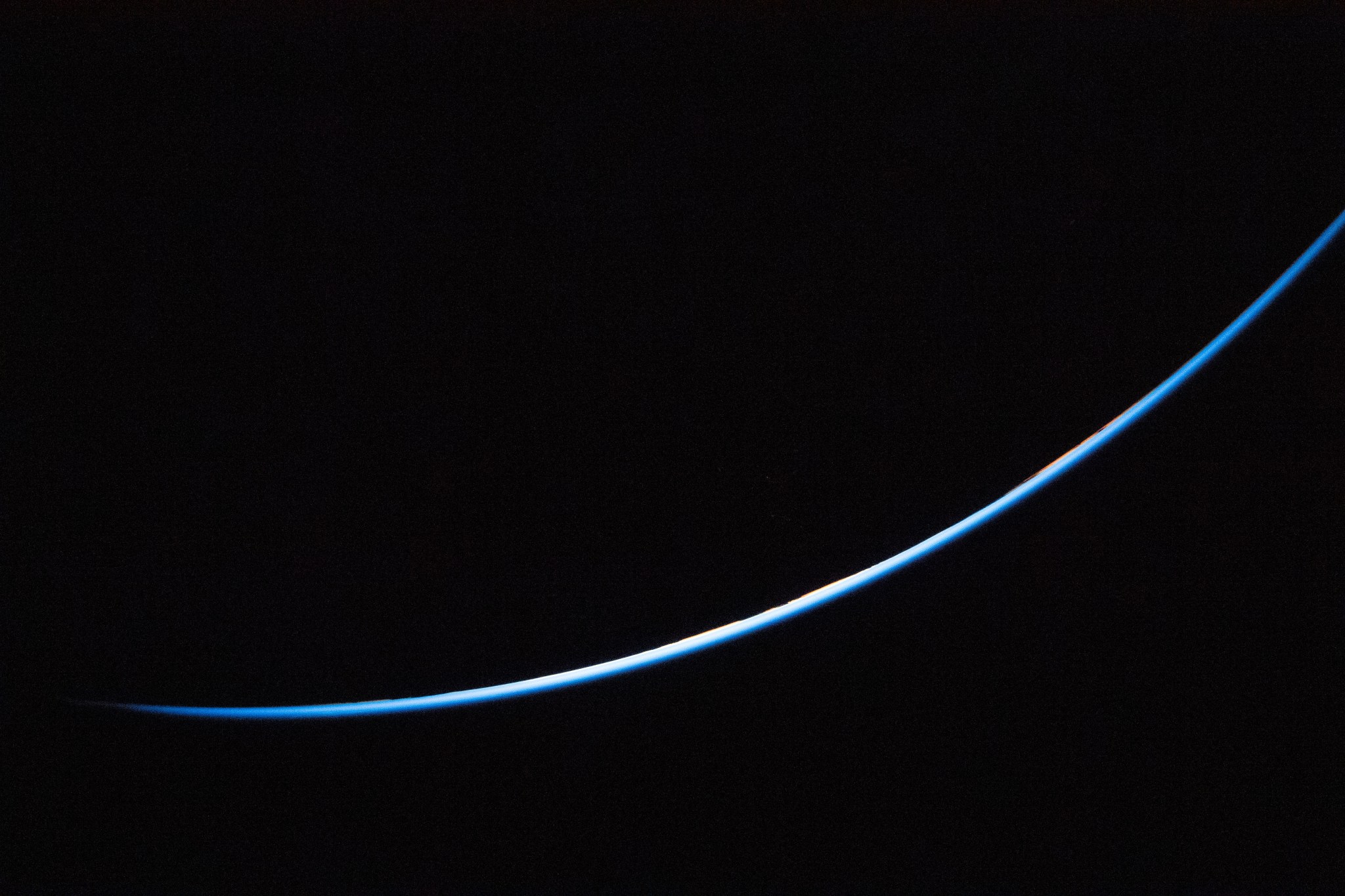
A thin sliver of Earth’s edge is brightly illuminated against the vast darkness of space in this April 3, 2026, image taken during the Artemis II mission. Artemis II was the first crewed flight in a series of missions to test NASA’s human deep space capabilities, paving the way for future lunar surface missions. See
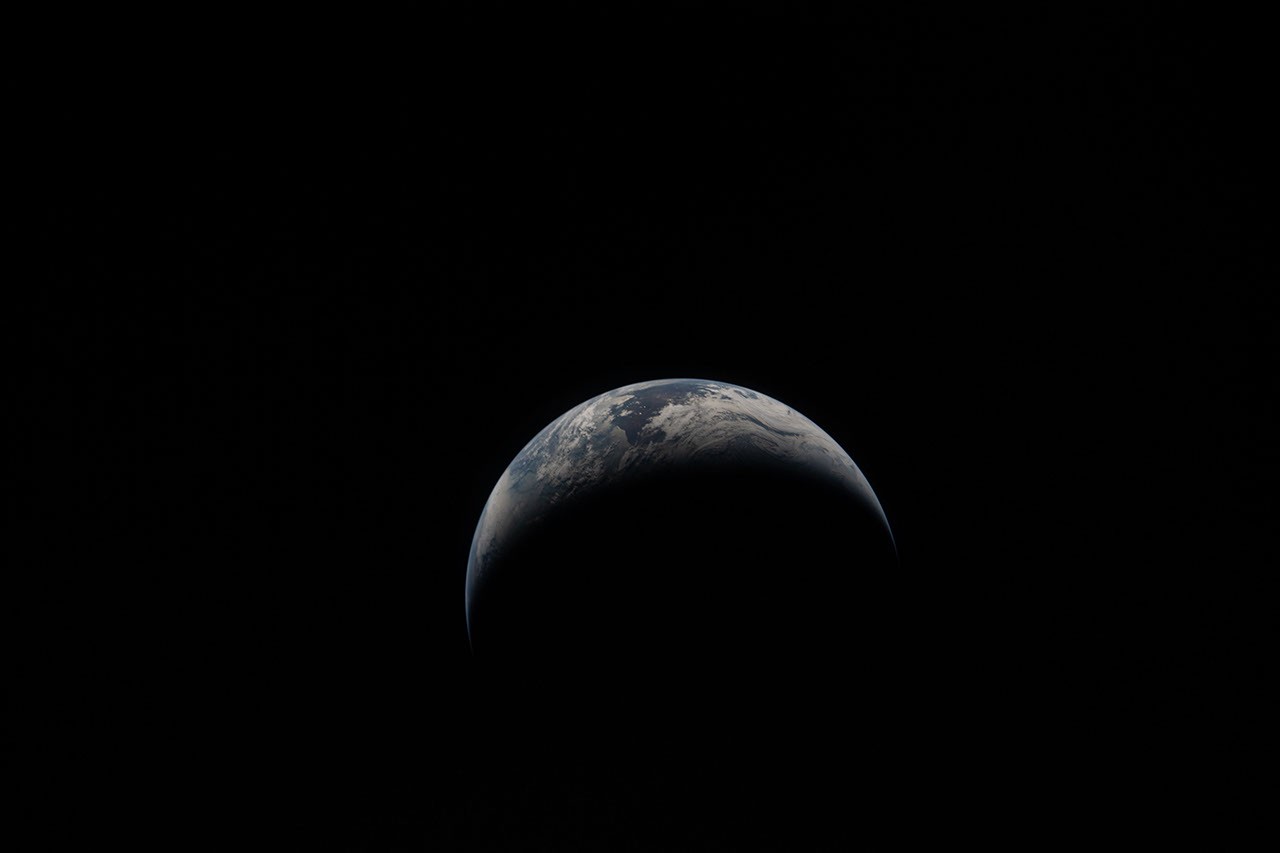
From cameras pressed against spacecraft windows to the most powerful radar ever flown, imaging technology has taken giant leaps since 1968, but the drive to understand our home in the cosmos has remained.
NASA Science at NSTA Hyperwall Schedule, April 16-18, 2026 Join NASA in the Exhibit Hall (Booth #1265) for Hyperwall Storytelling by NASA experts. Full Hyperwall Agenda below. THURSDAY, APRIL 16 11:00 AMTeaching Space Weather in the Artemis Mission EraChristina Milotte11:15 AM5E StoryMaps using NASA ResourcesTina HarteBallinger11:30 AMGrowing Beyond Earth: A Partnership BetweenFairchild Tropical Botanic Garden

Dr. Alex Goetz, who passed away in 2025, was a member of the Landsat 7 Science Team and a key figure in the history of Landsat science.

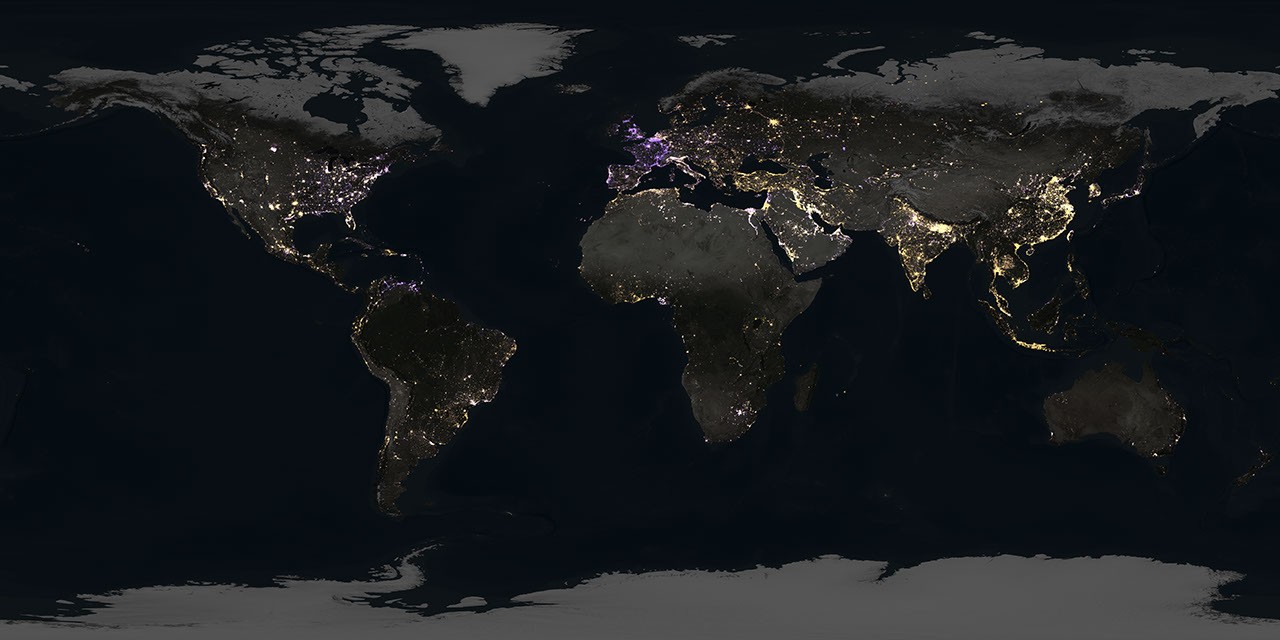
New nighttime maps based on NASA satellite imagery are upending assumptions, revealing a world where artificial brightening and dimming have intensified over the past decade. The findings show intense flaring over major oil and gas fields in the United States, while factors such as rural electrification and energy conservation are changing how billions around the
In a first, a space mission led by NASA and France has tracked Earth’s rivers swelling and shrinking from month to month over the course of a year and found significantly less of a swing than previous model-based estimates. A record drought in the Amazon likely influenced the tally made by the Surface Water and
Climate researchers from NASA and NOAA (National Oceanic and Atmospheric Administration) will release their annual assessments of global temperatures and discuss the major climate trends of 2024 during a media briefing at 12 p.m. EST Friday, Jan. 10. NASA will share the briefing on the agency’s website at: https://www.nasa.gov/live. Participants will include: Media interested in

The agency also shared new state-of-the-art datasets that allow scientists to track Earth’s temperature for any month and region going back to 1880 with greater certainty. August 2024 set a new monthly temperature record, capping Earth’s hottest summer since global records began in 1880, according to scientists at NASA’s Goddard Institute for Space Studies (GISS)

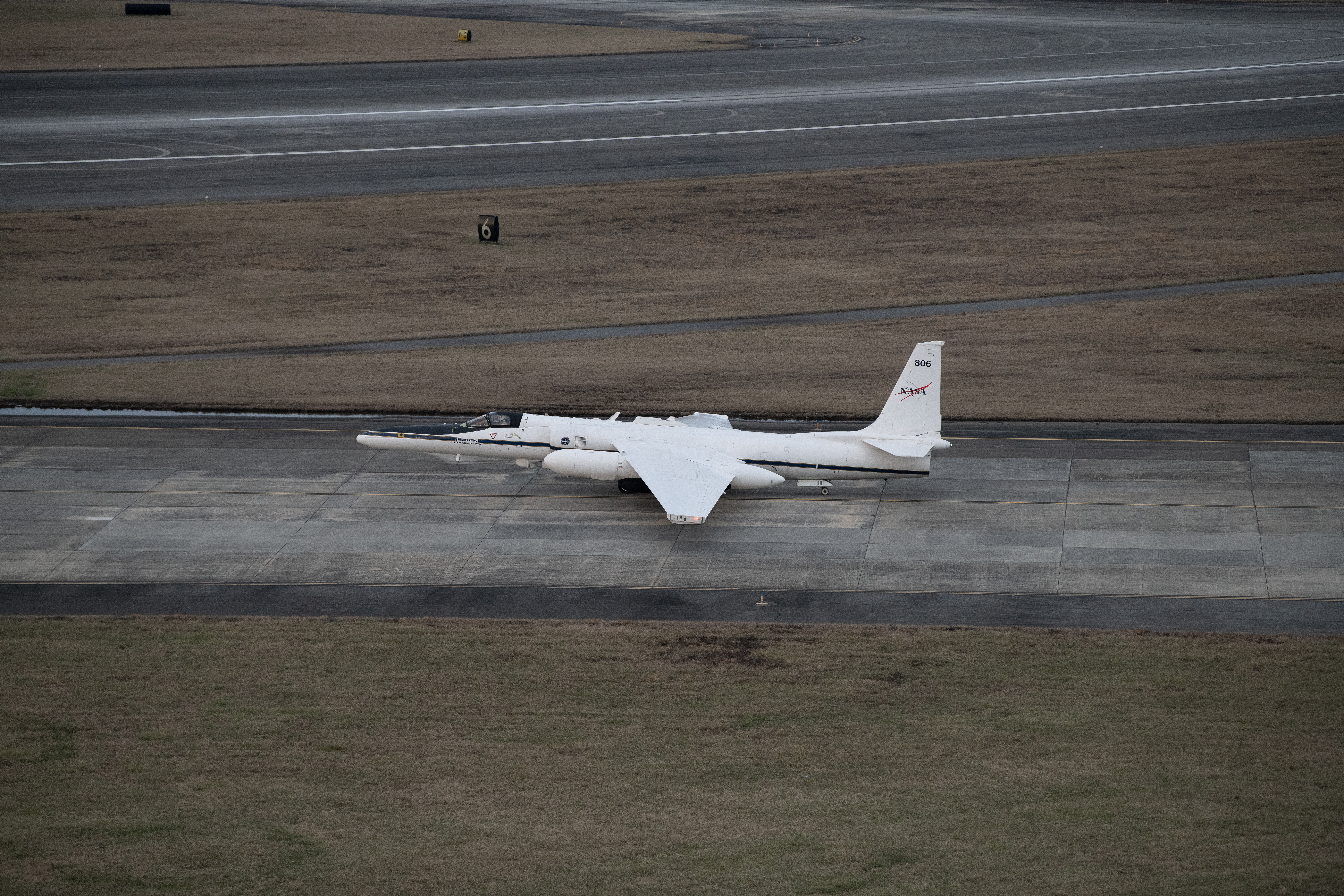
From sea to sky to orbit, a range of vantage points allow NASA Earth scientists to collect different types of data to better understand our changing planet. Collecting them together, at the same place and the same time, is an important step used to verify the accuracy of satellite data. NASA’s Plankton, Aerosol, Cloud, ocean
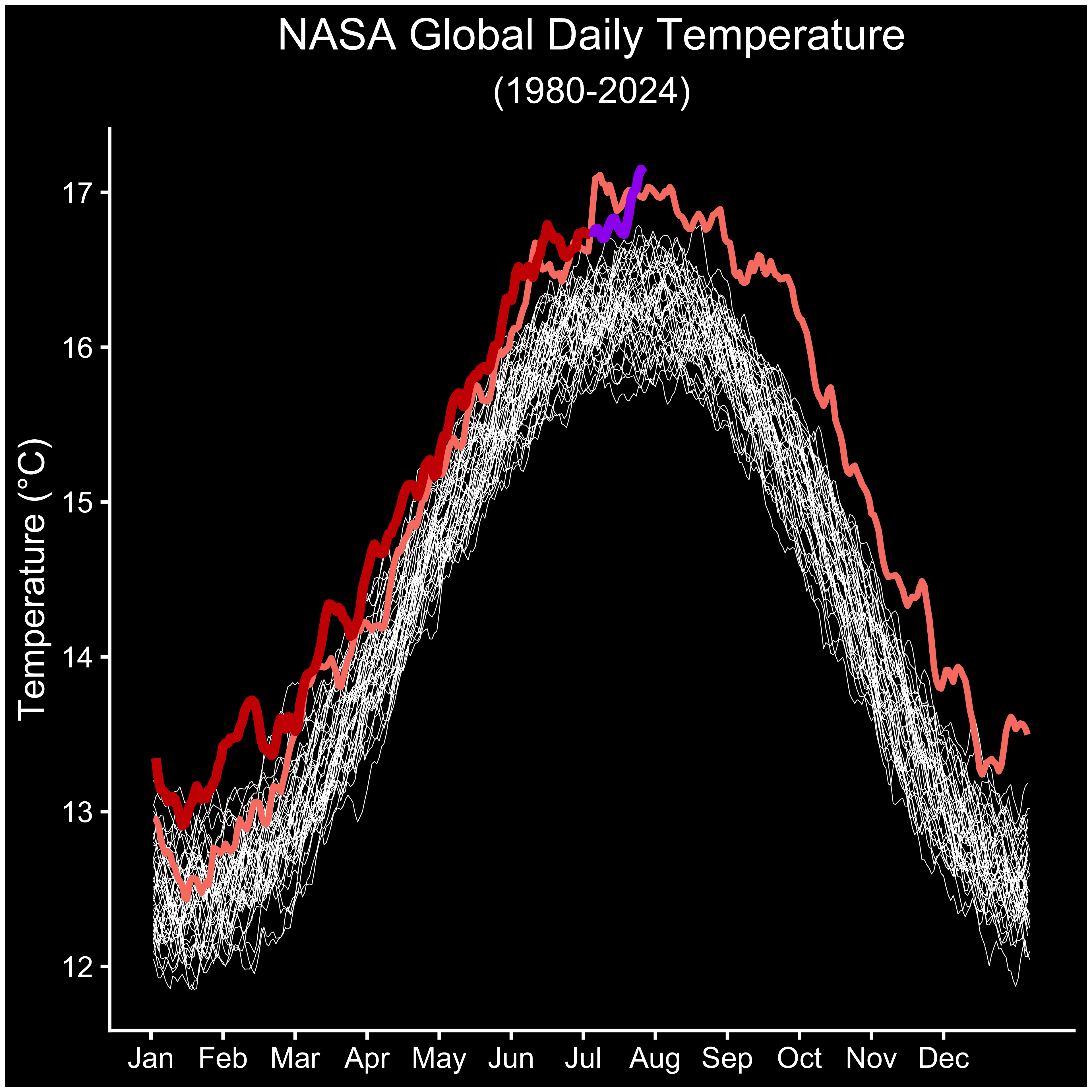
July 22, 2024, was the hottest day on record, according to a NASA analysis of global daily temperature data. July 21 and 23 of this year also exceeded the previous daily record, set in July 2023. These record-breaking temperatures are part of a long-term warming trend driven by human activities, primarily the emission of greenhouse
 ×
×
×
×
×
×
×
×