
Clear all
23 Apr 2026, 15:01 GMT By Monika Luabeya 2 variants

These images, released on April 14, 2026, show two open star clusters, Trumpler 3 (left) and NGC 2353 (right). They represent a recent study from NASA’s Chandra X-ray Observatory that shows how young Sun-like stars are dimmer in X-rays than previously thought. This latest study looked at eight clusters of stars between the ages of

Download item bundle
NASA’s Chandra Finds Young Stars Dim Quickly
24 Mar 2026, 19:57 GMT By Lee Mohon

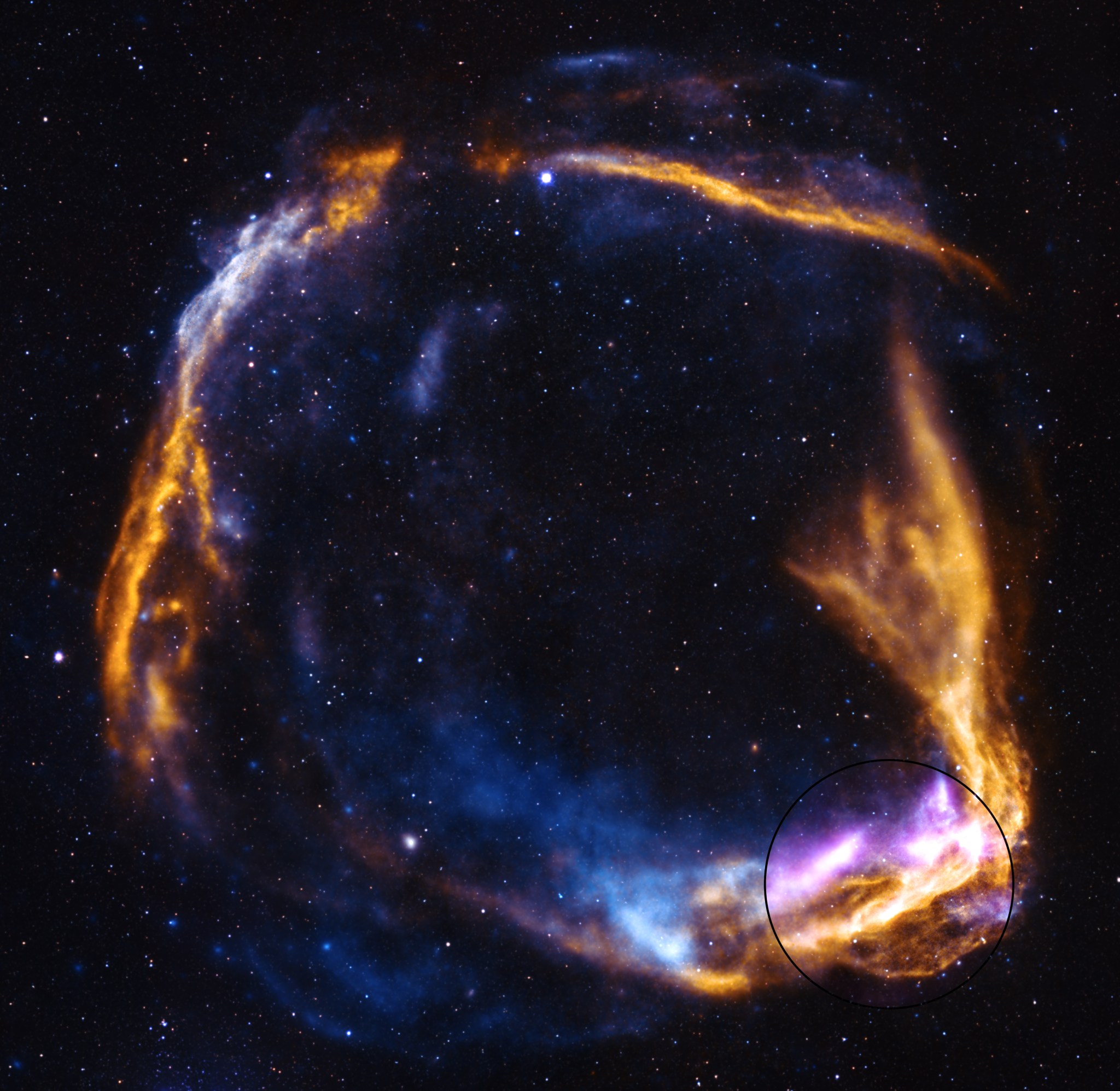
NASA’s IXPE (Imaging X-ray Polarimetry Explorer) mission has taken a new observation of a supernova, RCW 86, helping fill in a fuller picture of what other telescopes have observed. When astronomers using NASA’s Chandra X-ray Observatory previously targeted RCW 86, they discovered that a large “cavity” region around the system led the supernova to expand

Download item bundle
NASA X-Ray Mission Gets Fresh Look at 2,000-Year-Old Supernova
10 Mar 2026, 15:40 GMT By Lee Mohon

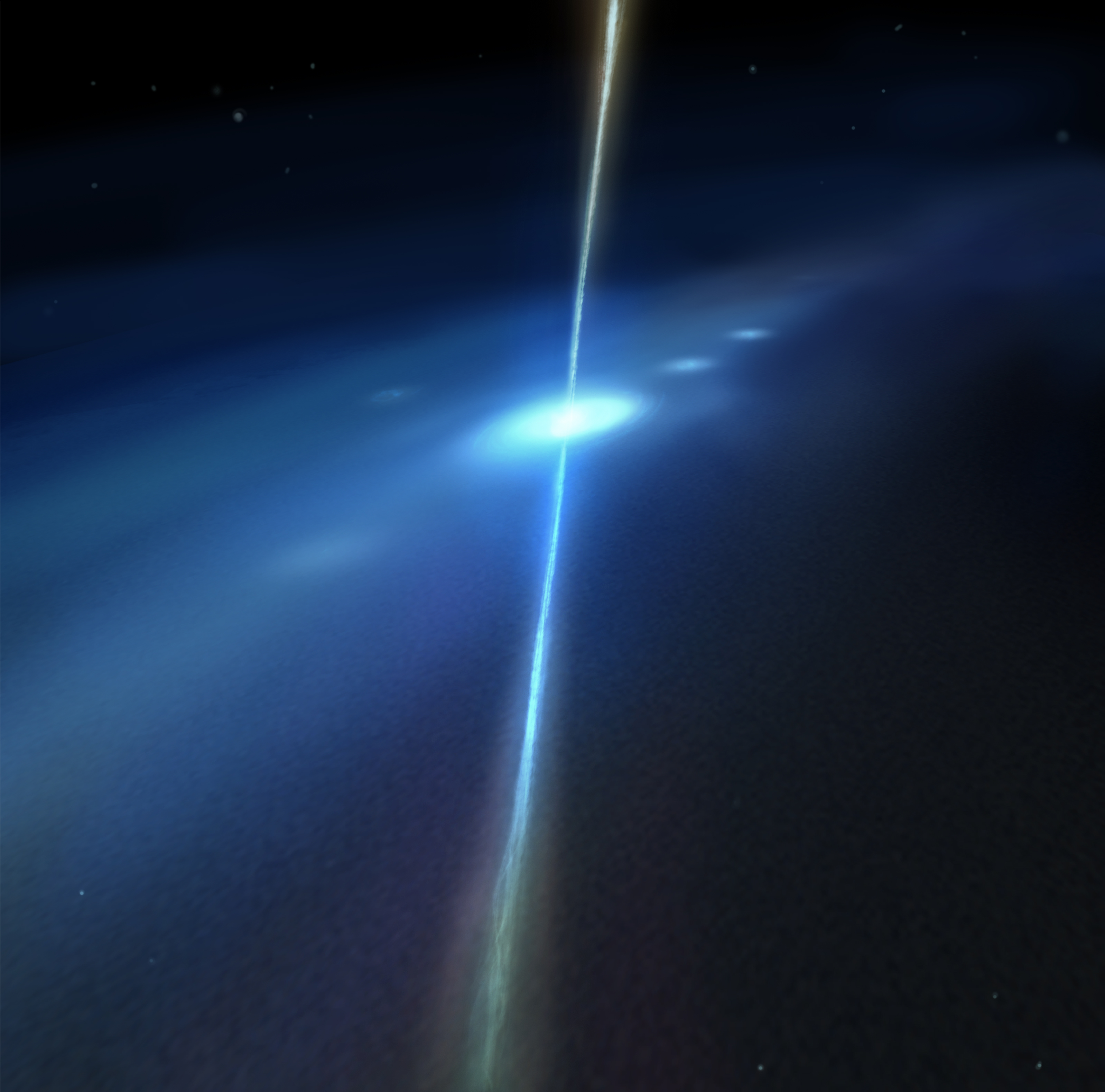
A fleet of NASA missions has likely uncovered a collision between two ultradense stars in a tiny galaxy buried in a huge stream of gas. Astronomers have never seen this type of explosive event in an environment like this before — and it may help solve two outstanding cosmic mysteries. A paper describing these results

Download item bundle
NASA Discovers Crash of Extreme Stars in Unexpected Site
25 Feb 2026, 17:26 GMT By Lee Mohon

In late February, people in the Northern Hemisphere can look up for a special sight: six planets will all be visible from clear and dark night skies. New sonifications from NASA’s Chandra X-ray Observatory released Feb. 25 will help commemorate this latest “planetary parade.” Because the planets in our solar system travel around the Sun

Download item bundle
Video
23 Feb 2026, 20:07 GMT By Lee Mohon

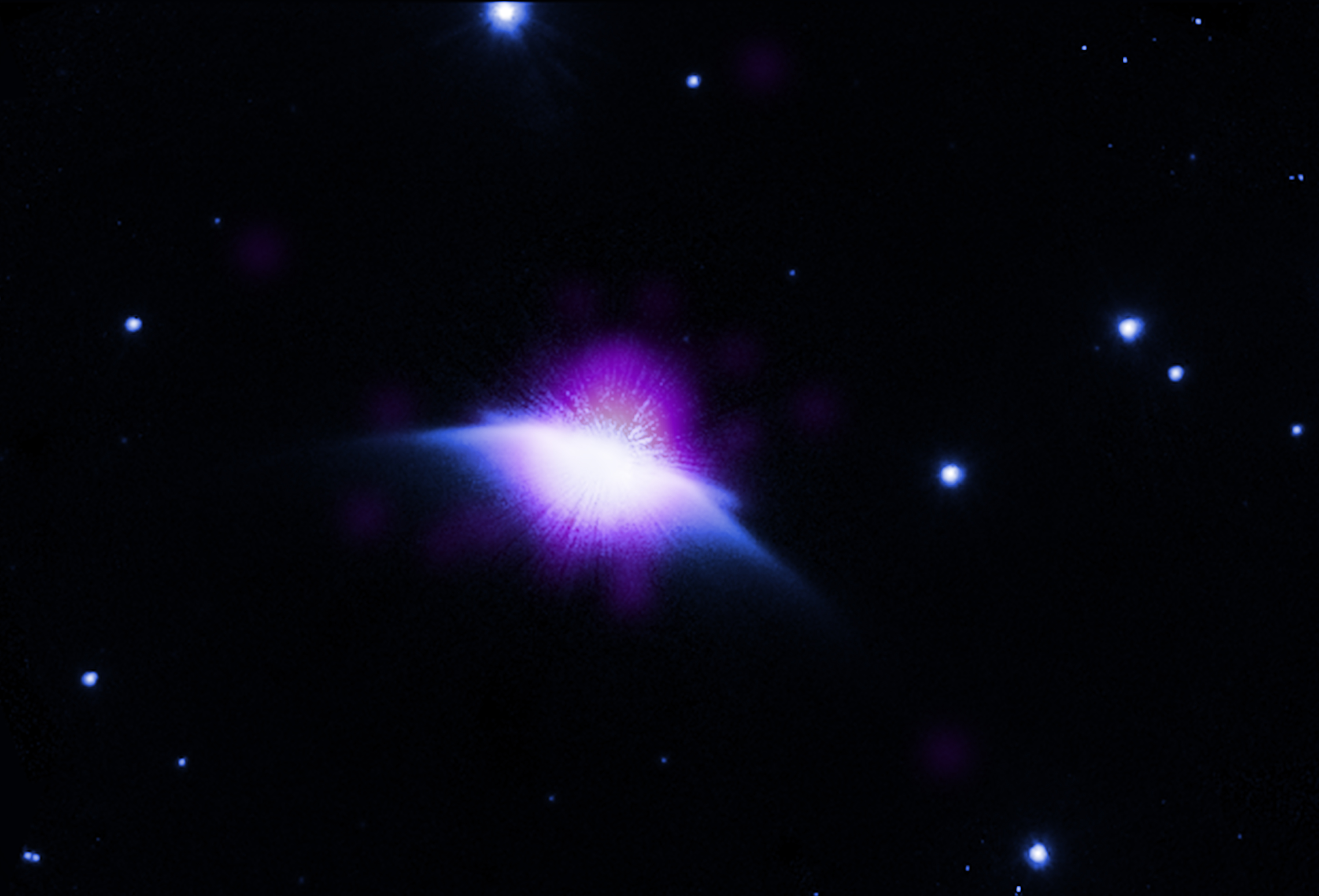
For the first time, a much younger version of the Sun has been caught red-handed blowing bubbles in the galaxy, by astronomers using NASA’s Chandra X-ray Observatory. The bubble – called an “astrosphere” – completely surrounds the juvenile star. Winds from the star’s surface are blowing up the bubble and filling it with hot gas

Download item bundle
Young ‘Sun’ Caught Blowing Bubbles by NASA’s Chandra
28 Jan 2026, 16:38 GMT By Lee Mohon

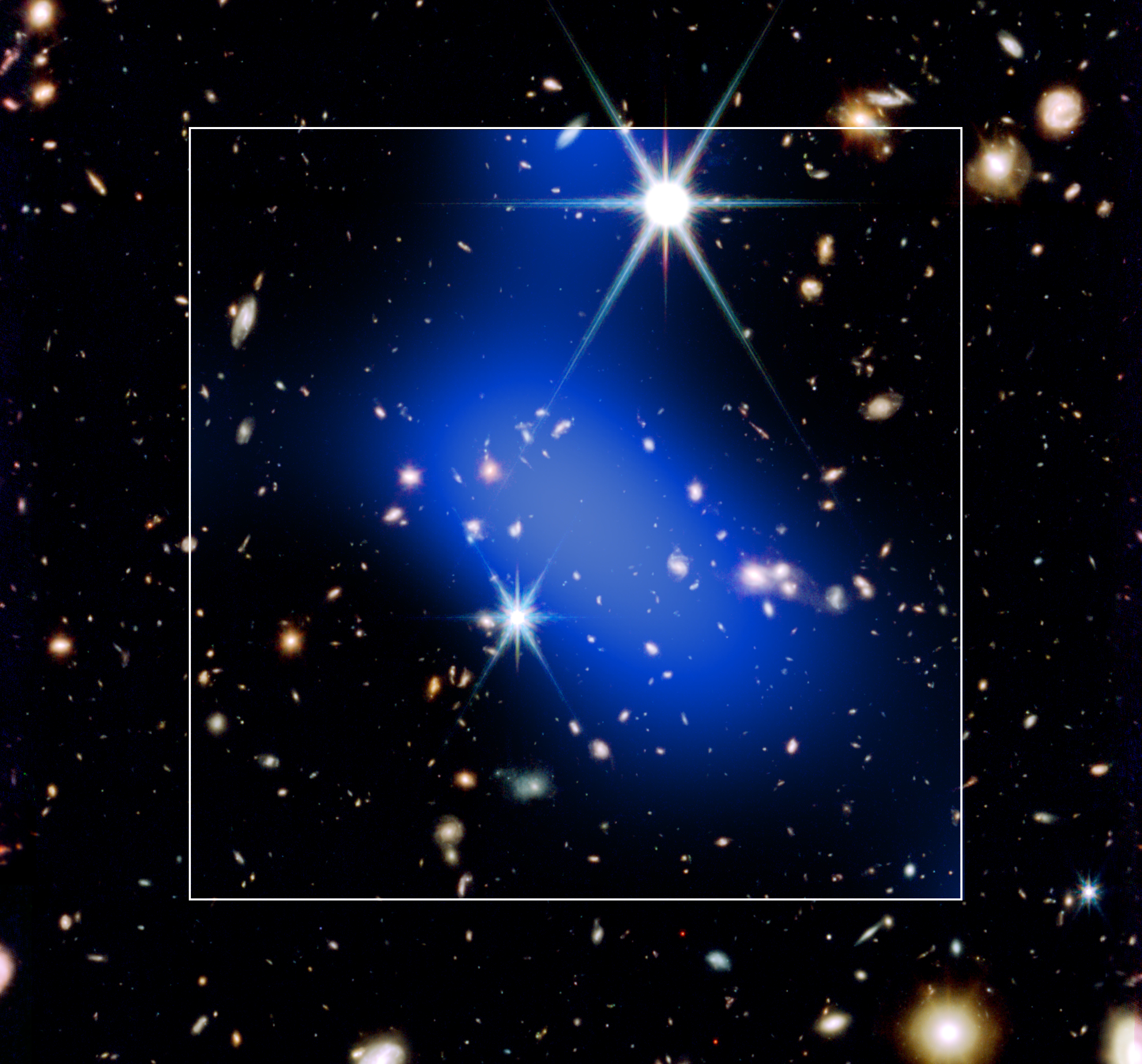
A new discovery captures the cosmic moment when a galaxy cluster – among the largest structures in the universe – started to assemble only about a billion years after the big bang, one or two billion years earlier than previously thought. This result, made using NASA’s Chandra X-ray Observatory and James Webb Space Telescope, will

Download item bundle
NASA Telescopes Spot Surprisingly Mature Cluster in Early Universe