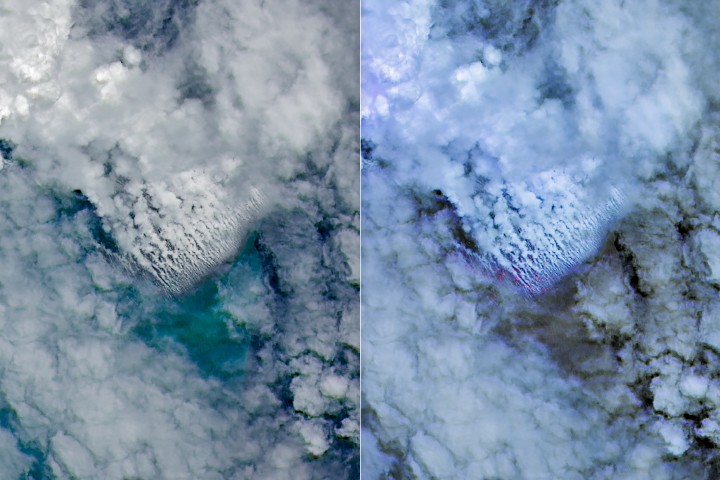

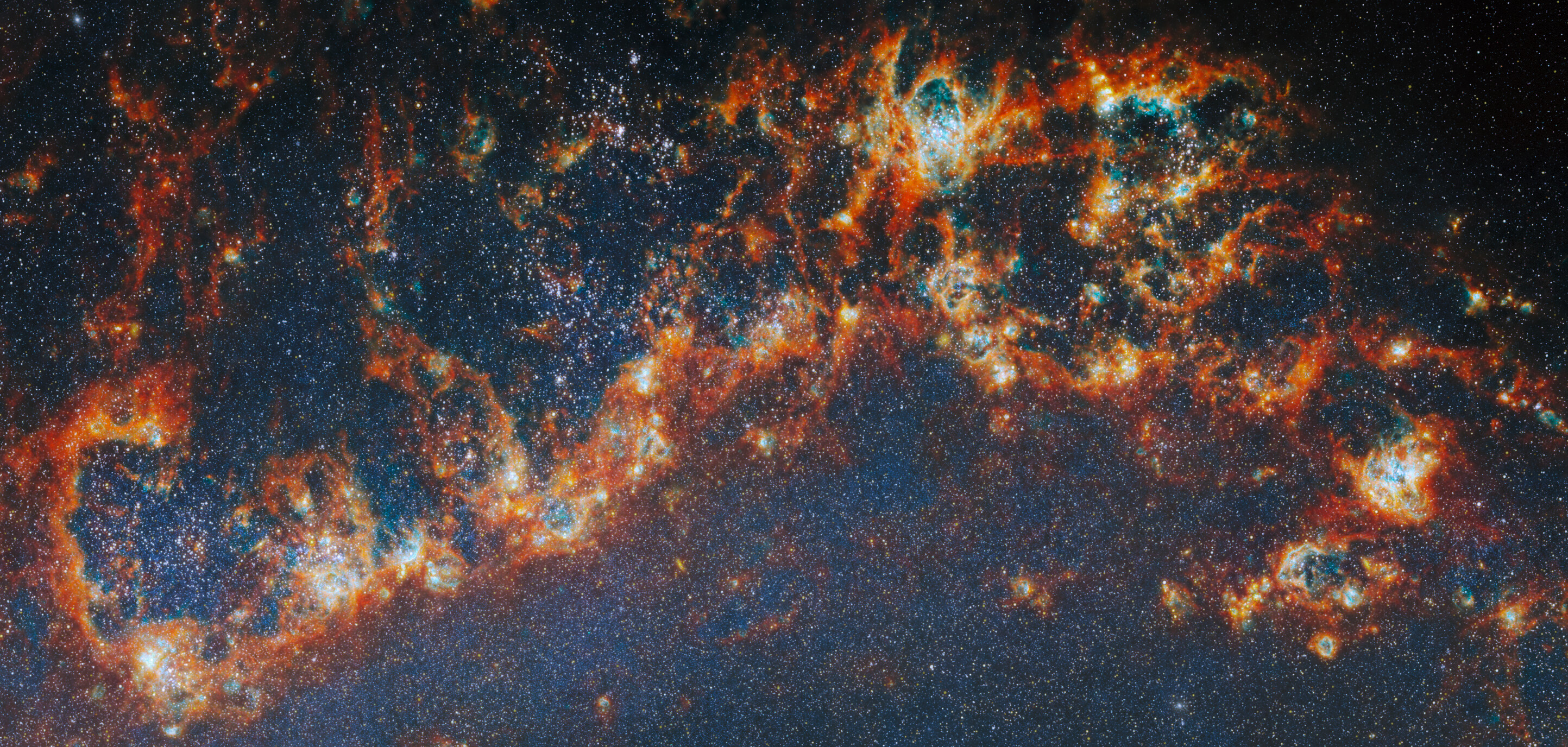
This near-infrared image released on May 6, 2026, shows a section of one of the spiral arms of Messier 51 (M51). M51 is one of four nearby galaxies observed by NASA’s James Webb Space Telescope in a study of nearly 9,000 star clusters. Data from the study shows that more massive star clusters emerge more
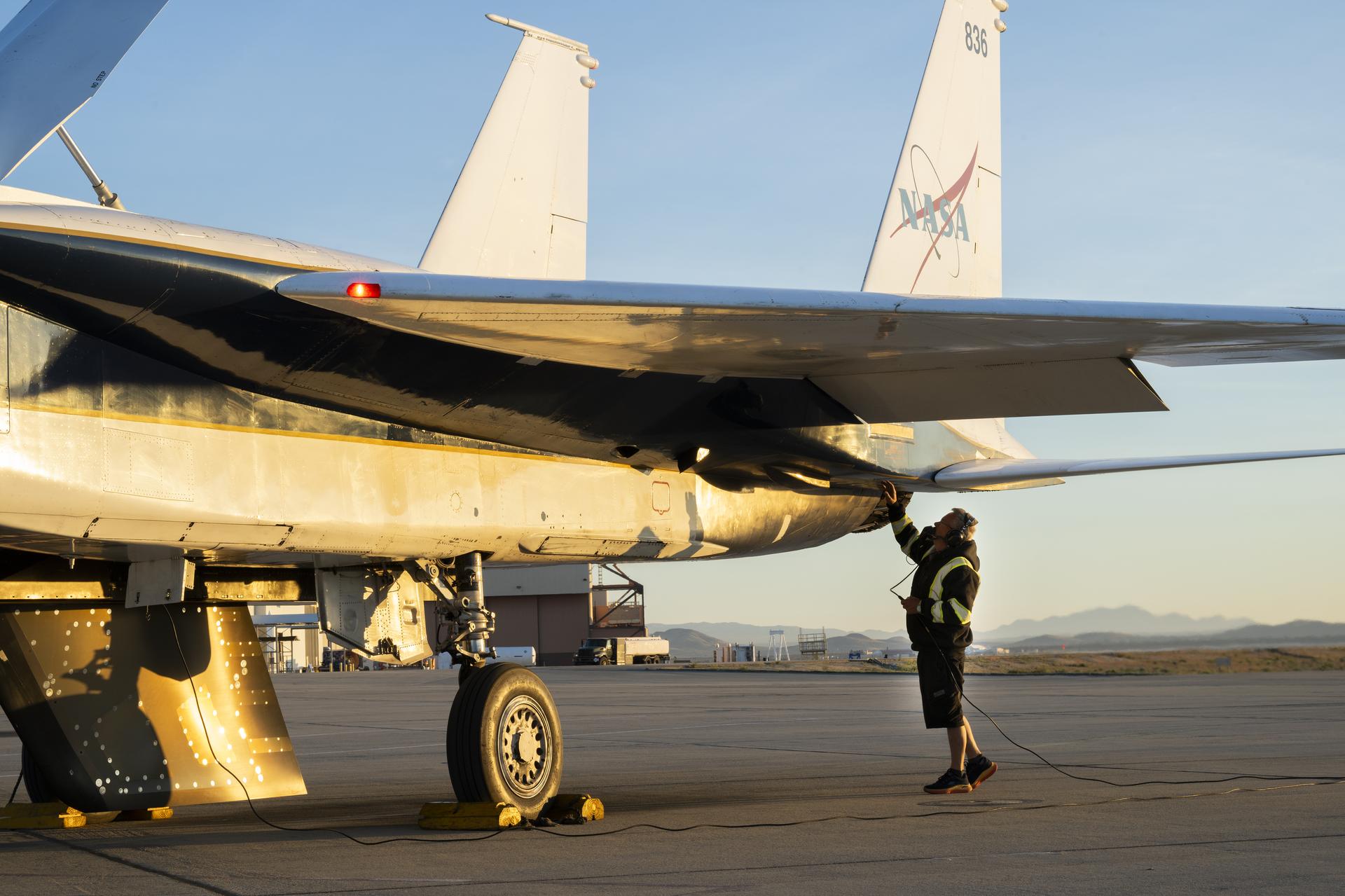
From high‑speed research flights to high‑altitude science campaigns, NASA depends on aircraft that perform at their best and the ground crews who keep them mission ready. At NASA’s Armstrong Flight Research Center in Edwards, California, specially trained maintenance crews are essential to keeping the agency’s aircraft flying safely and reliably. This year, NASA added two
NASA announced plans Friday to compete the next contract for managing and operating the agency’s federally funded research and development center (FFRDC) in Southern California at the Jet Propulsion Laboratory (JPL), to ensure continued accountability and strong value for U.S. taxpayers. The California Institute of Technology (Caltech) has managed the laboratory since its inception in
Editor’s Note: This advisory was updated May 22, 2026 to include a retirement. NASA announced Friday an agencywide realignment to increase mission focus and move out on the National Space Policy. These changes position the agency to better deliver on the nation’s highest‑priority objectives with speed and efficiency. During the Ignition event in late March,
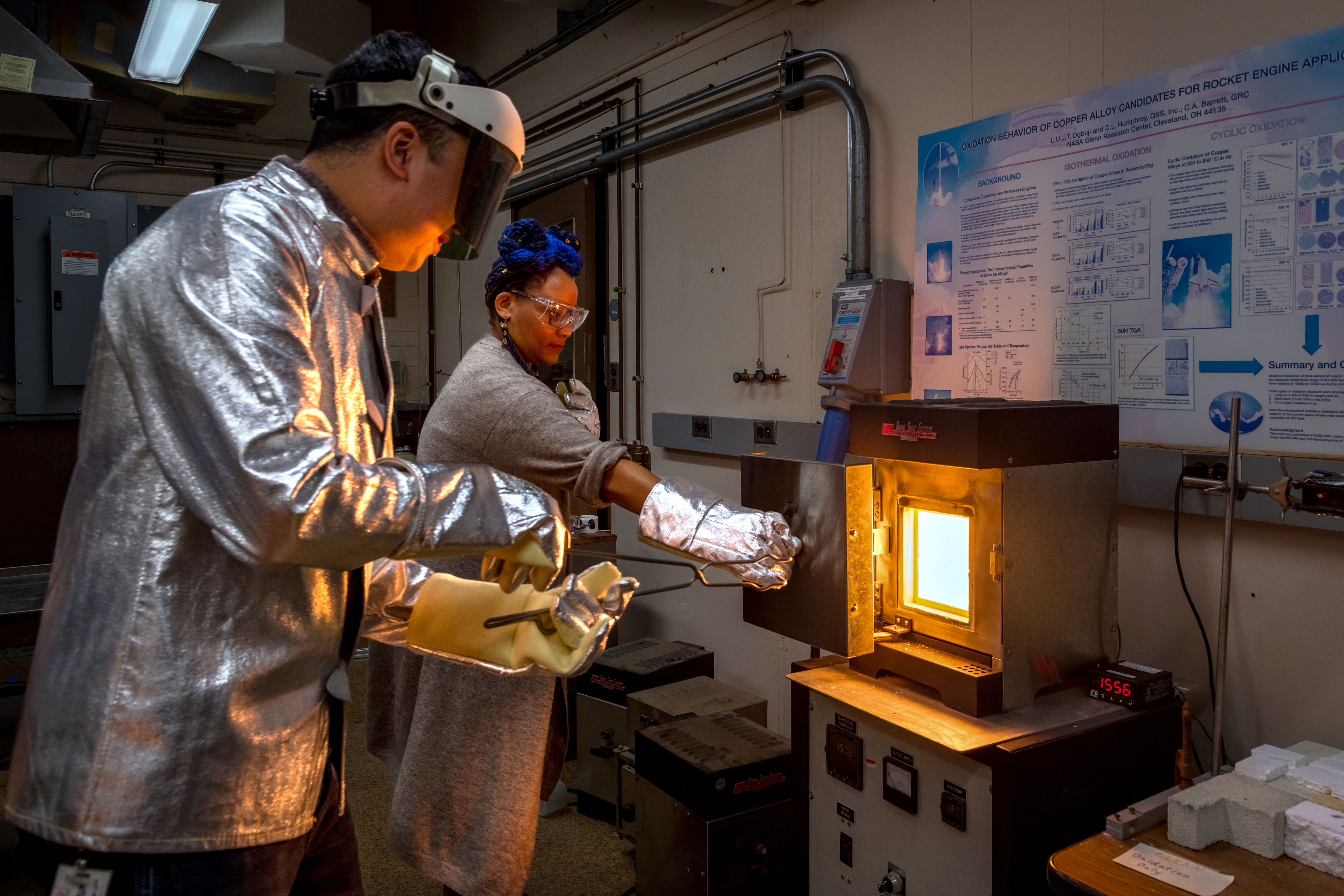
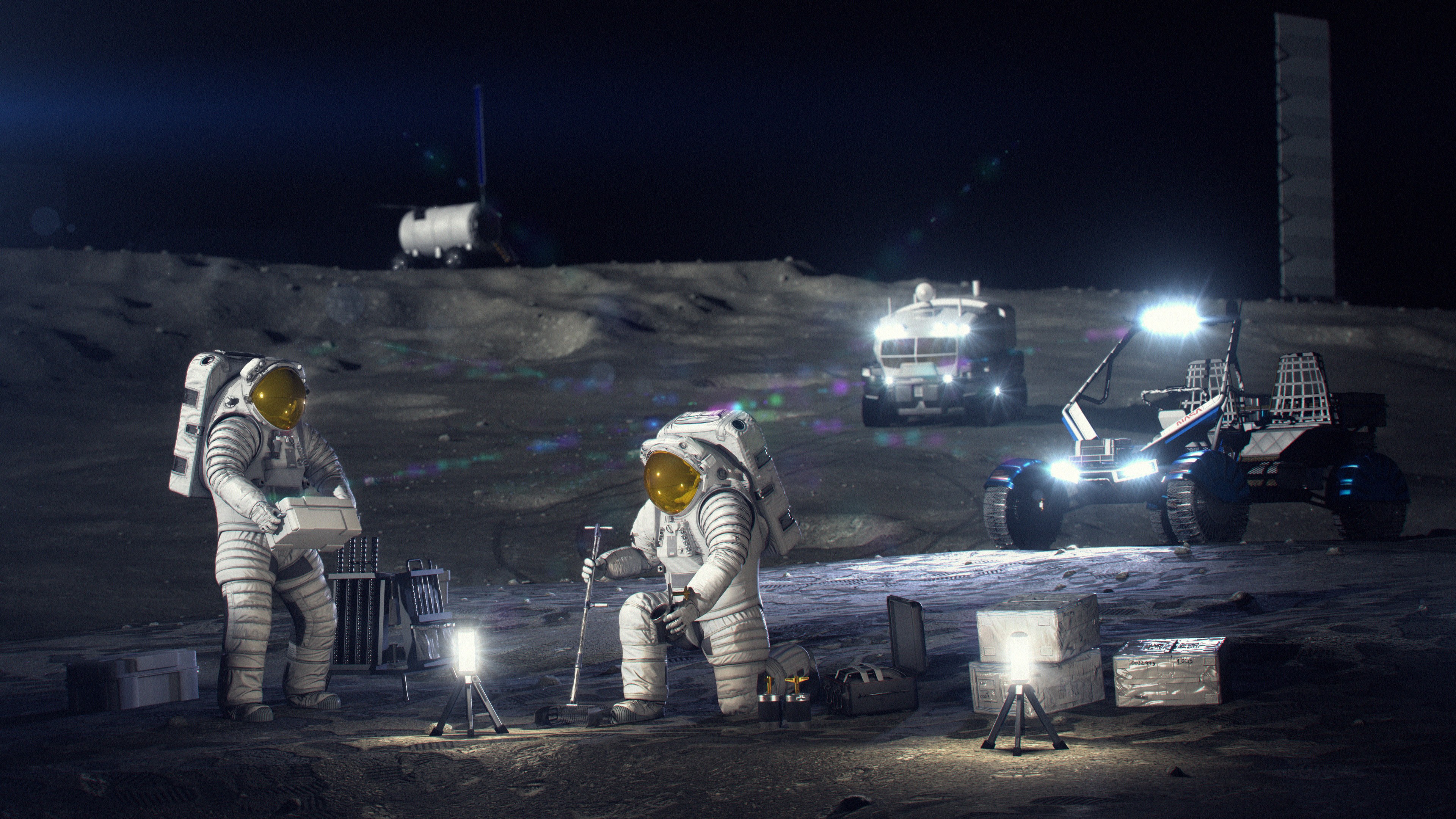
A material recently discovered and tested at NASA’s Glenn Research Center in Cleveland could help astronauts pack lighter for future missions to the Moon. NASA is researching ways explorers could “live off the land” by harnessing lunar resources, including melting Moon rocks to extract metals for building infrastructure and oxygen for fuel and life support.
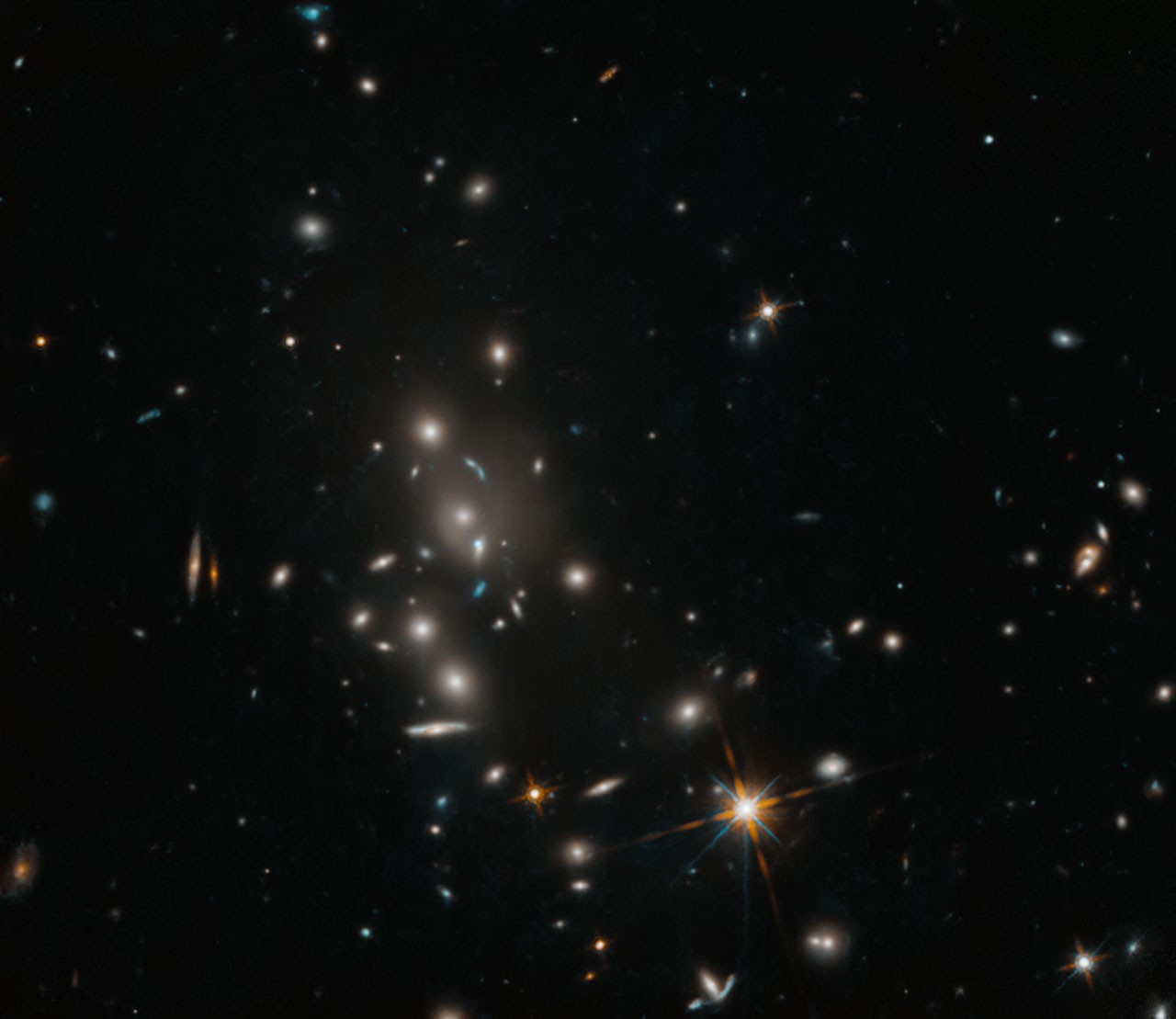
Look closely at this image from NASA’s Hubble Space Telescope and you’ll see galaxies of various shapes and sizes clustered together toward the center-left of the image. A few foreground stars shine brightly and are easily distinguished by the spikes that appear to extend outward from each star. These spikes, called diffraction spikes, are the
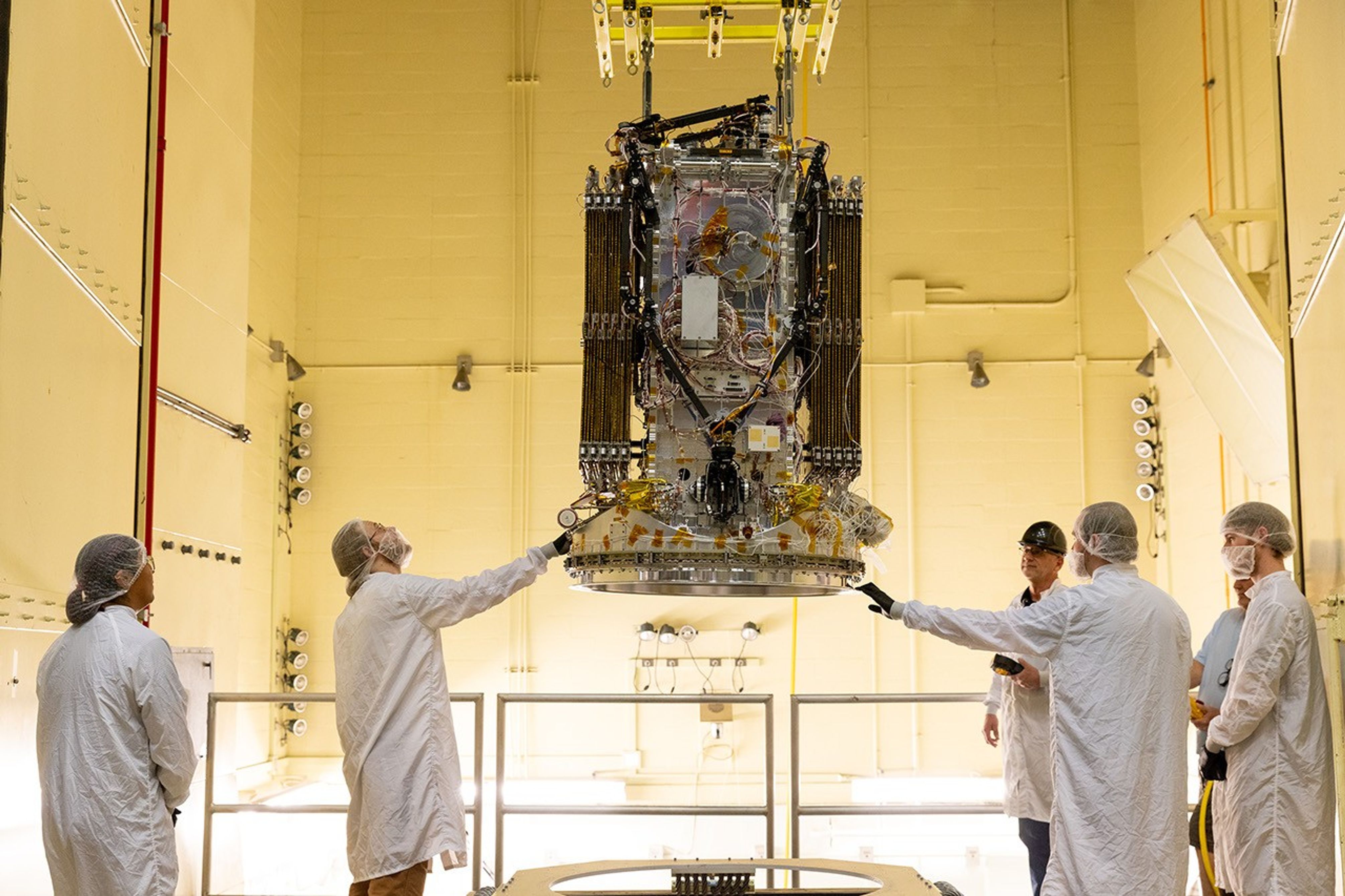
Media are invited to NASA’s Wallops Flight Facility in Virginia on Wednesday, June 17, to view Northrop Grumman’s Pegasus XL rocket, carrying a Katalyst robotic spacecraft that will attempt to boost the orbit of NASA’s Neil Gehrels Swift Observatory. Katalyst’s robotic servicing spacecraft, called LINK, will launch on Pegasus in June to rendezvous with Swift
21 May 2026, 21:03 GMTBy Gerelle Q. Dodson3 variants
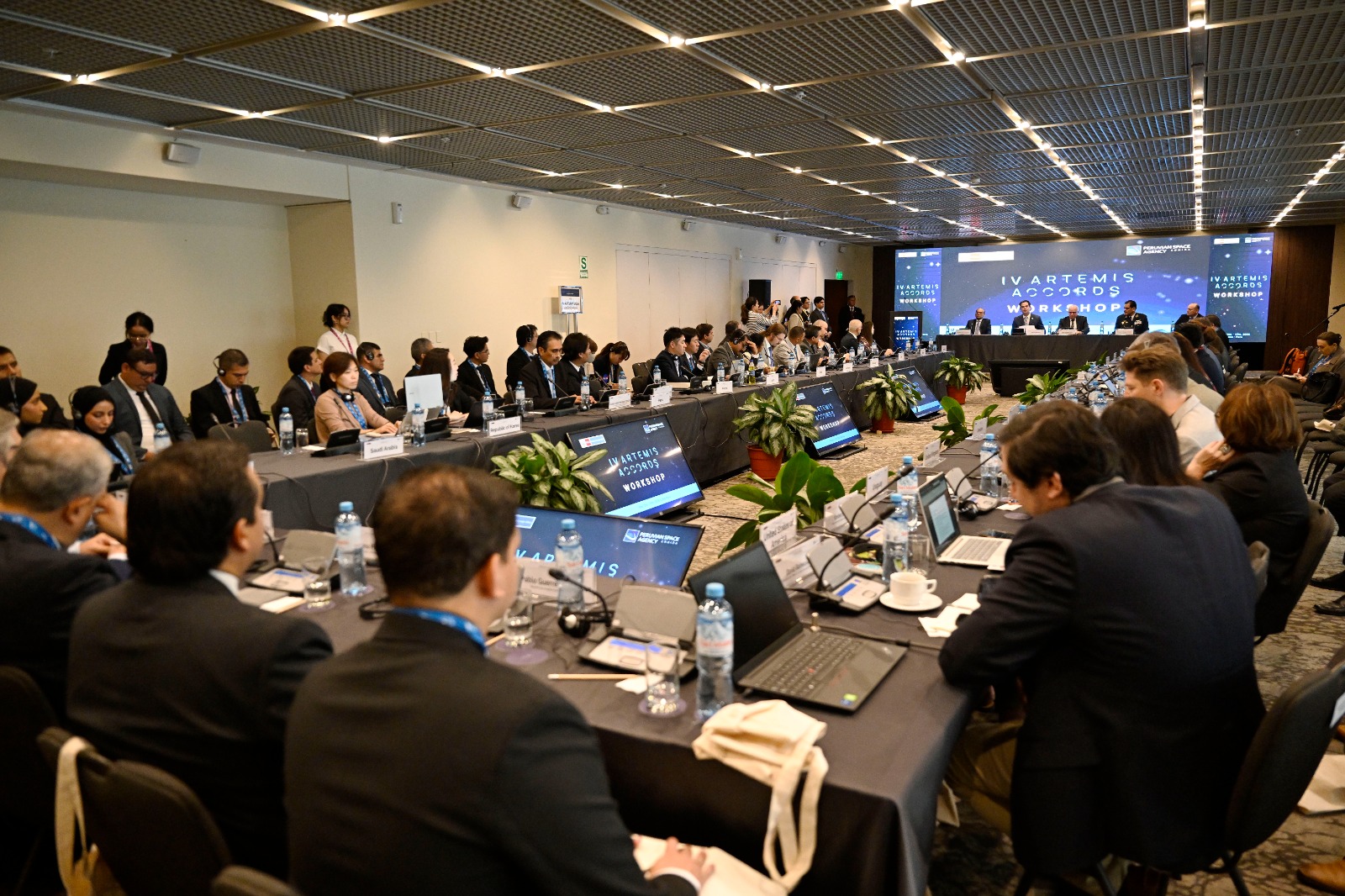
The United States participated in an Artemis Accords workshop in Lima, Peru, last week, following a new wave of nations committing to safe and responsible exploration of the Moon, Mars, and beyond. Leading up to the event, six countries, including Latvia, Jordan, Morocco, Malta, Ireland, and Paraguay, joined the growing coalition of Artemis Accords signatories
Organizations interested in launching CubeSats on future Artemis missions should respond to NASA’s request for information (RFI) by Monday, June 1, for initial consideration. “The SLS (Space Launch System) rocket and the Artemis missions provide great opportunities for teams to conduct important, science and technology investigations that contribute to the expansion of human space exploration,” said
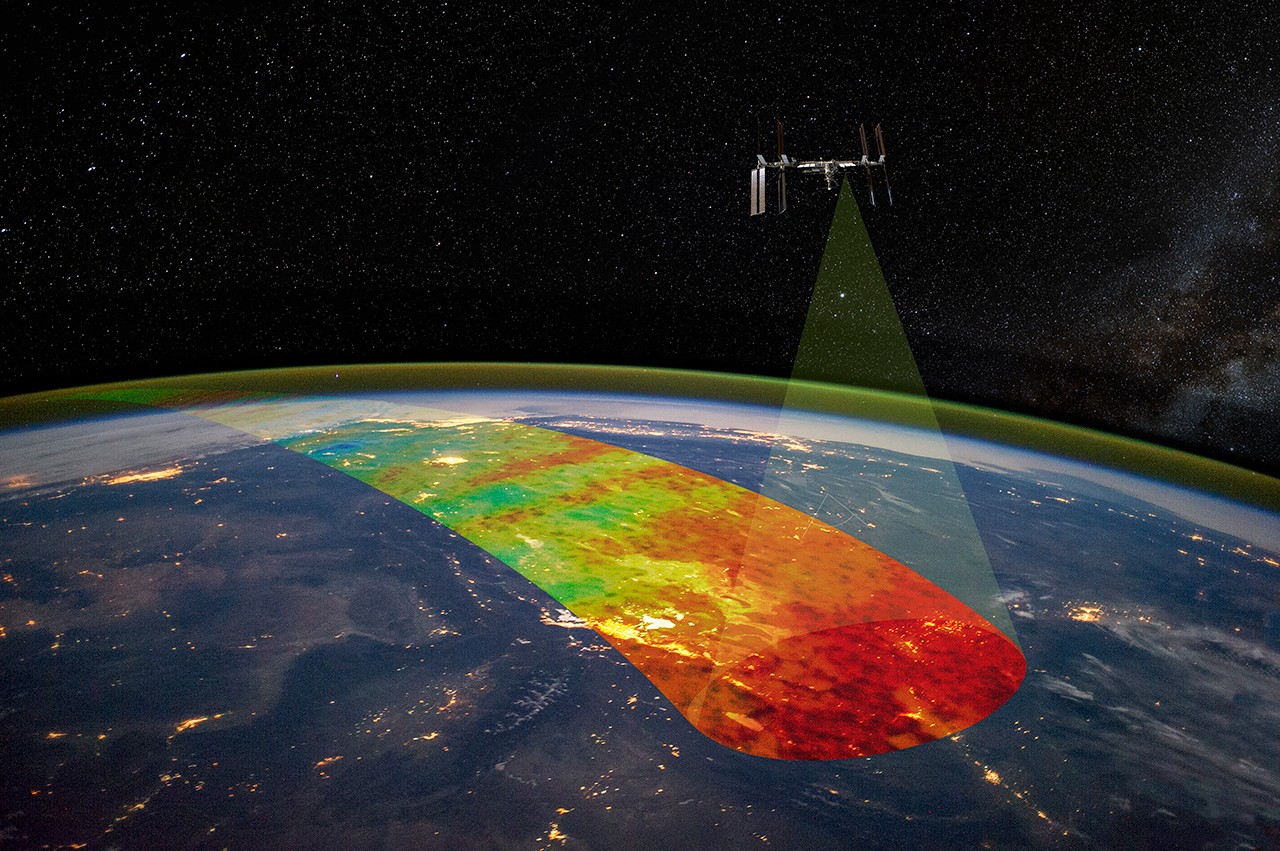
On May 21, ground controllers powered down NASA’s AWE (Atmospheric Waves Experiment) instrument, bringing the data collection phase of the mission to a successful and scheduled end, surpassing its planned two-year mission. Installed on the exterior of the International Space Station since November 2023, AWE studied atmospheric gravity waves, which are giant ripples in the
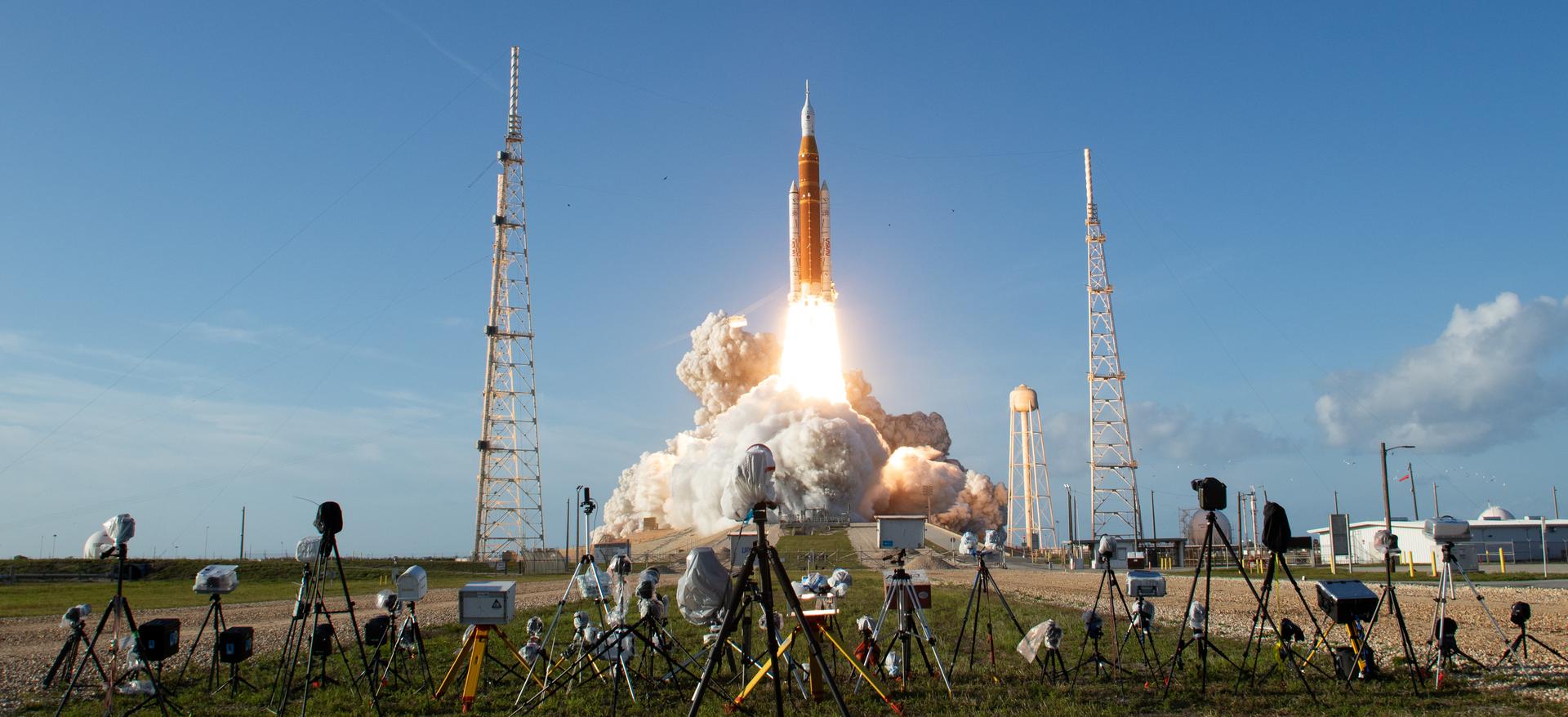
NASA’s historic Artemis II mission coverage, which connected global audiences to watch the first humans to travel around the Moon in more than half a century, is among the agency’s video productions recognized with four 2026 Telly Awards. “President Trump’s leadership in establishing the Artemis program reignited America’s bold vision for space exploration and set
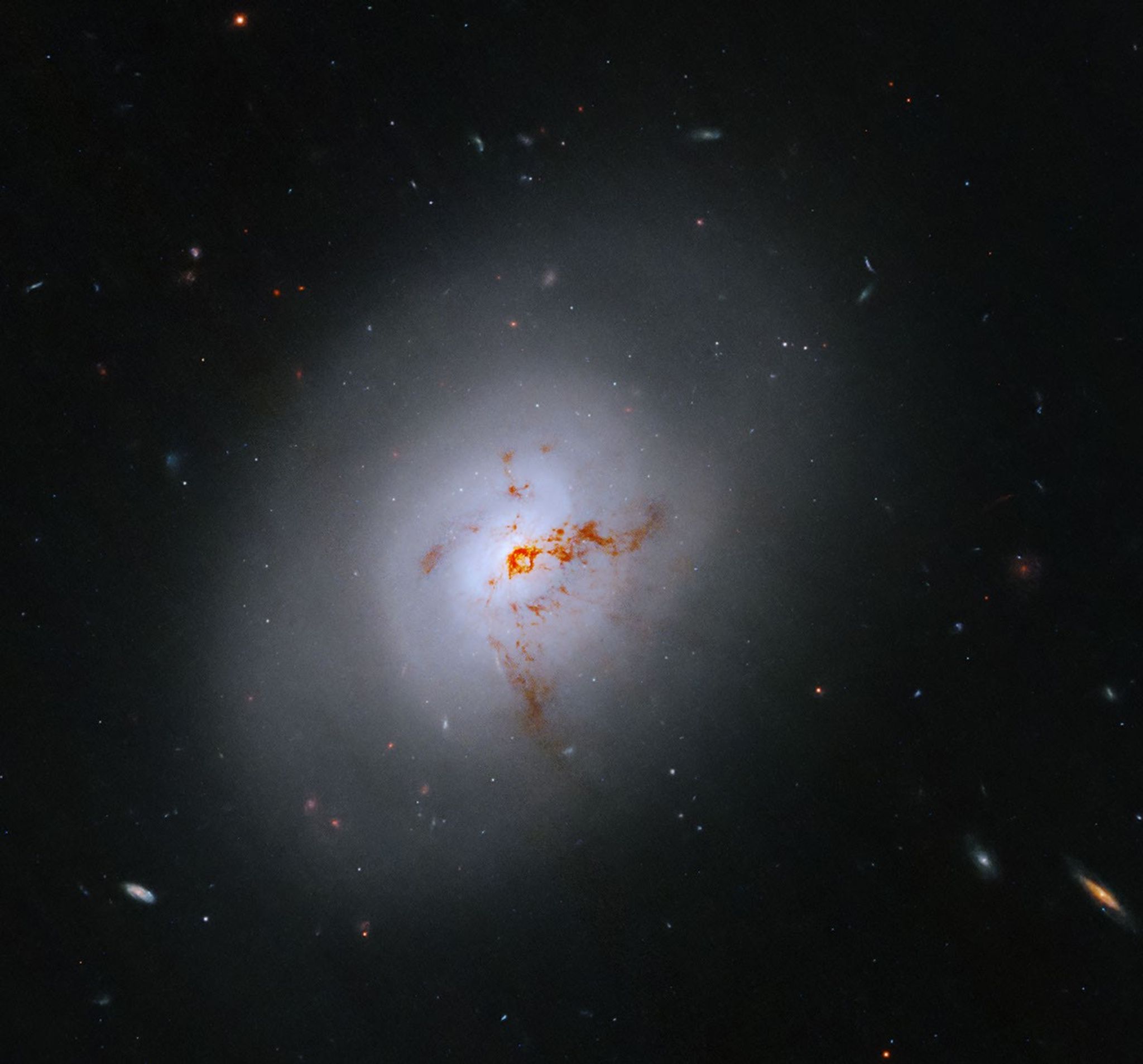
This NASA Hubble Space Telescope image reveals an enigmatic galaxy with a bright center and a face that hints at spiral structure, yet it holds no obvious spiral arms. Reddish-brown clumps and filaments of dust partially obscure the galaxy’s full face, while red, blue, and orange light from distant galaxies shines through its diffuse outer regions and
21 May 2026, 14:08 GMTBy Gerelle Q. Dodson3 variants
Matt Anderson was sworn in Thursday as NASA’s 16th deputy administrator by NASA Administrator Jared Isaacman. The oath was taken during a ceremony held at the Eisenhower Executive Office Building in Washington. As NASA deputy administrator, Anderson will help lead the agency’s efforts to execute the President’s national space policy, strengthen America’s leadership in space,
21 May 2026, 14:00 GMTBy Christian M. Getteau3 variants
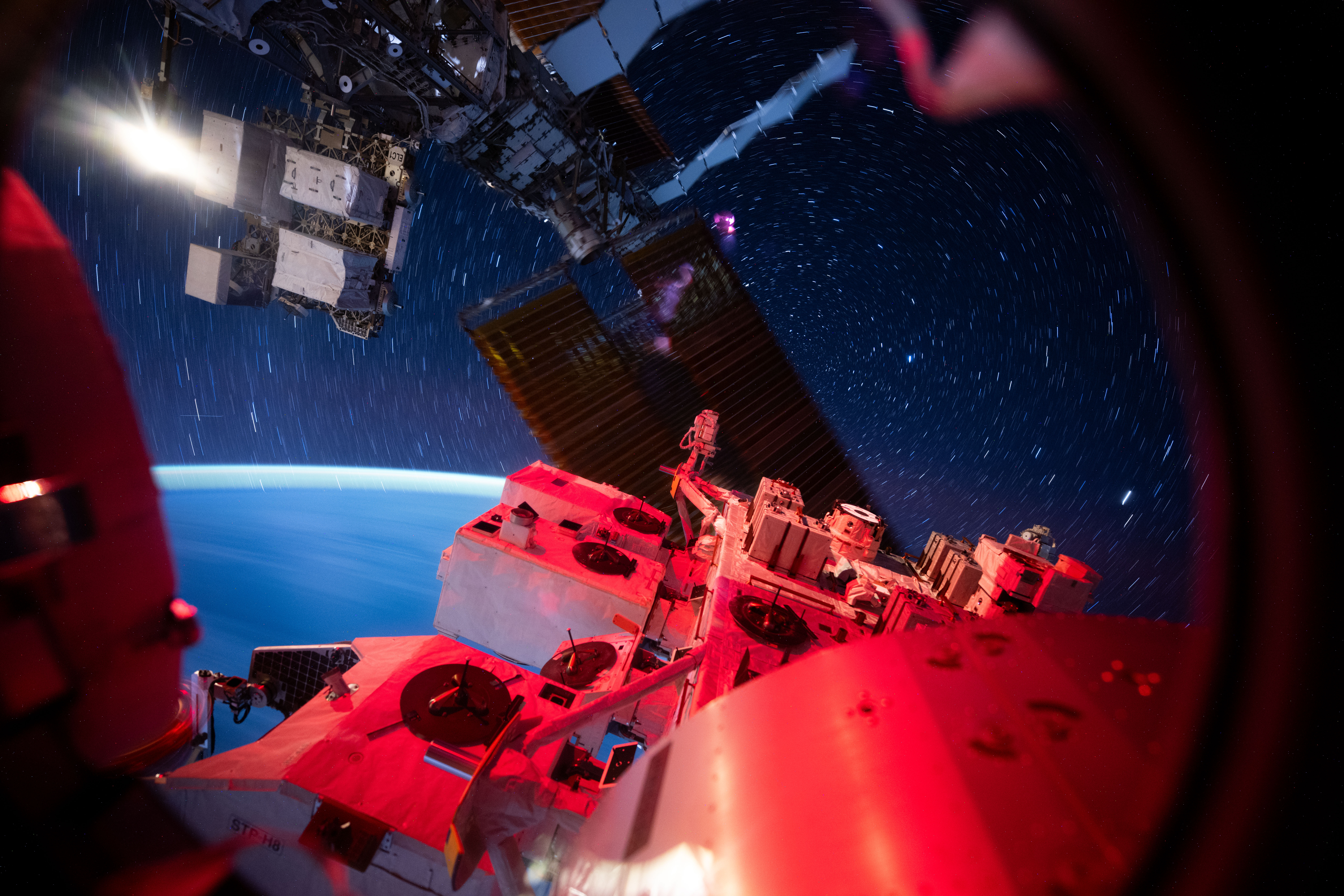
To dive deeper into the International Space Station research achievements from the past year, browse the 2025 Annual Highlights of Results, which NASA released in May 2026. In 2025, researchers using the orbital laboratory conducted more than 750 investigations that advanced understanding of life in space, drove innovations to benefit people on Earth, and supported
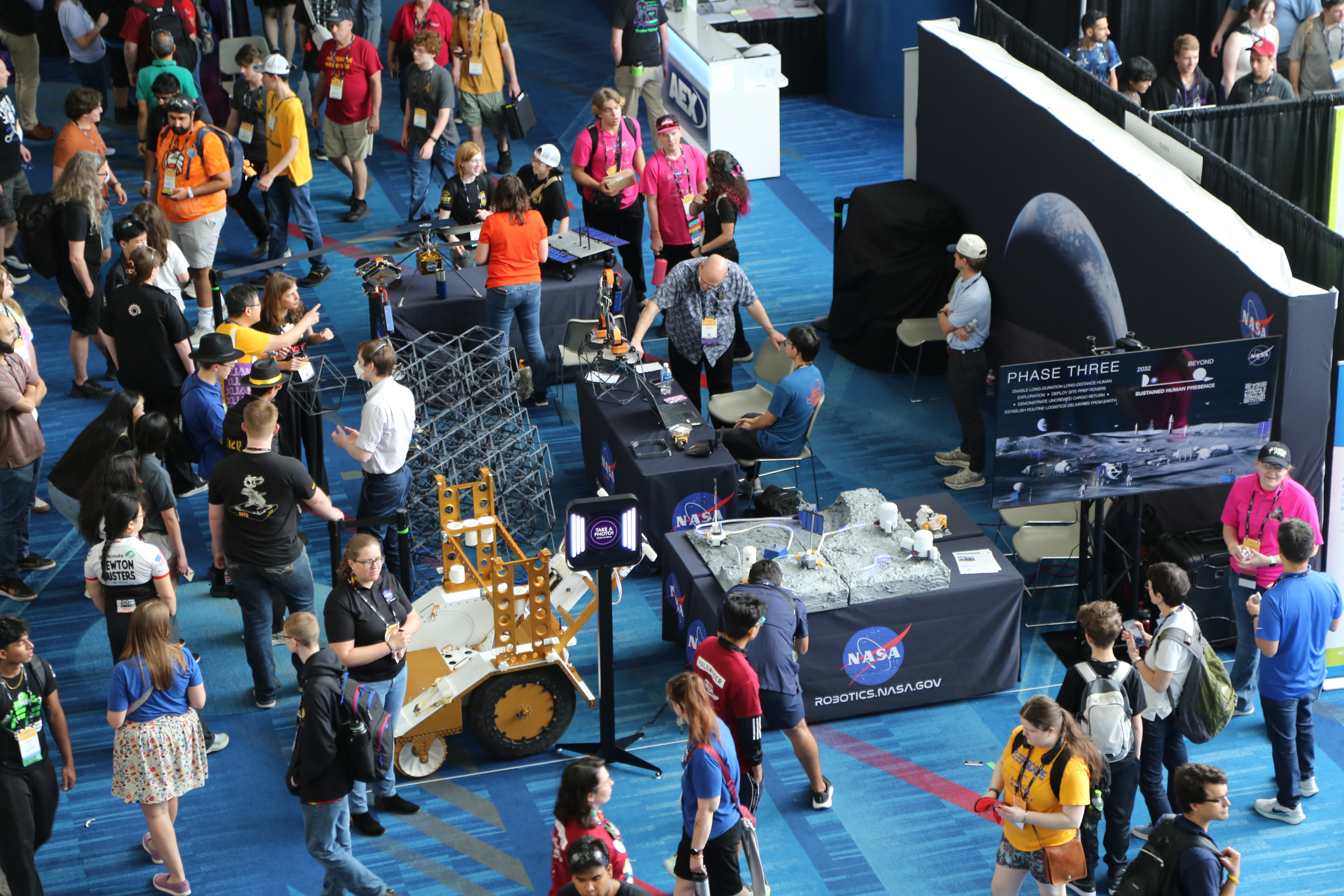
Robotics will play a critical role in NASA’s ambitious plan to establish a long-term presence on the Moon, presenting opportunities for the next generation of engineers, technologists, and innovators to contribute to a bold vision for the future. That was the agency’s message to students, partners, and industry leaders at the 2026 FIRST Robotics World
20 May 2026, 20:48 GMTBy Bailey G. Light4 variants
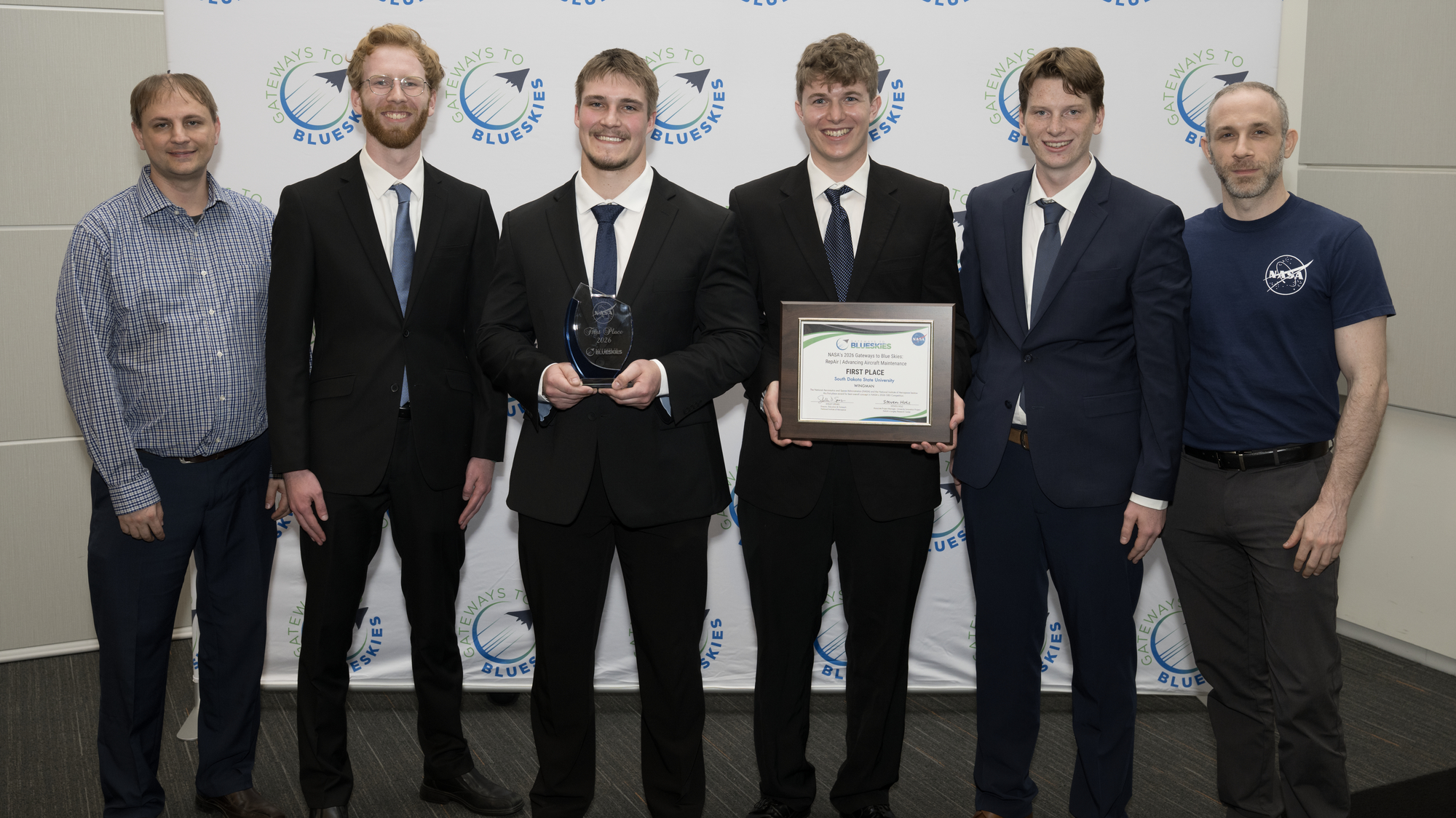
A South Dakota State University team took first place at NASA’s fifth annual Gateways to Blue Skies Competition, which challenged student teams to address a critical element of U.S. aviation: aircraft maintenance. This year’s competition, RepAir: Advancing Aircraft Maintenance, asked teams of postsecondary students to develop innovative systems and practices that could advance commercial aircraft maintenance
20 May 2026, 19:08 GMTBy Gerelle Q. Dodson2 variants
Read this news release in English here. La NASA ofrecerá una conferencia de prensa el martes 26 de mayo a las 2 p.m. EDT (hora del este) para compartir los planes para la Base Lunar y destacar los avances hacia una presencia sostenida en la superficie lunar. La sesión informativa para los medios tendrá lugar
20 May 2026, 19:02 GMTBy Bailey G. Light2 variants
The Robotically Manipulated Payload Challenge — the fifth in the NASA TechLeap Prize series — is a competition to advance persistent infrastructure for in-space servicing, assembly, and manufacturing. NASA Flight Opportunities invites applicants to propose a payload that can be manipulated by a robotic arm in low Earth orbit. Up to three winners will each receive up