
Clear all
8 May 2026, 17:05 GMT By Loura Hall 5 variants

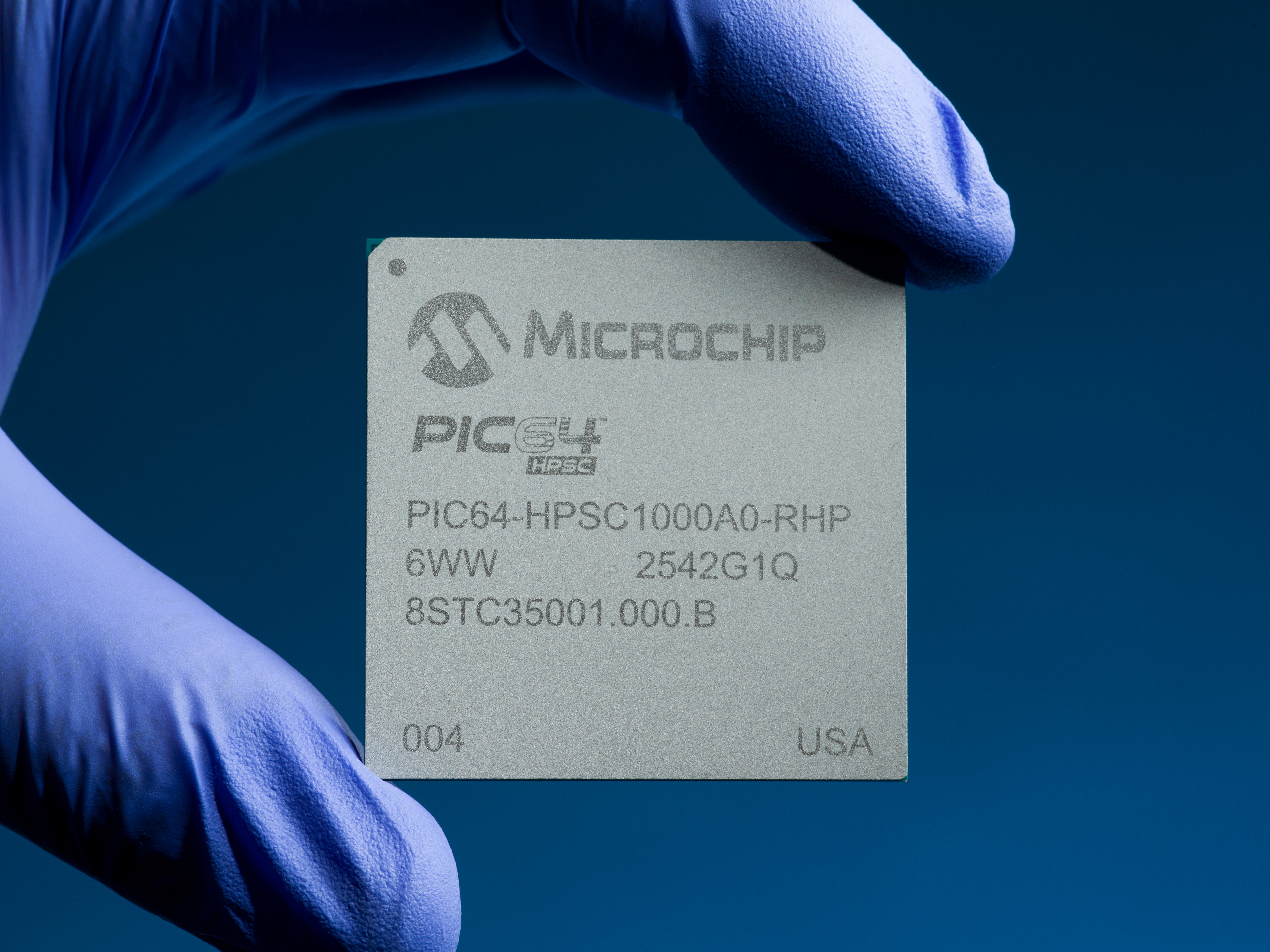
For decades, NASA has advanced on-board spacecraft computer processors that coordinate and execute the functions needed to support mission success. Space computing originated in the 1960s with the Apollo Guidance Computers, which were pivotal for guidance, navigation, and control computations during NASA’s first Moon missions. For decades, radiation-hardened processors have been the backbone of the

Download item bundle
NASA, Industry Advance High Performance Spaceflight Computing
8 May 2026, 14:00 GMT By Ellen Bausback 6 variants

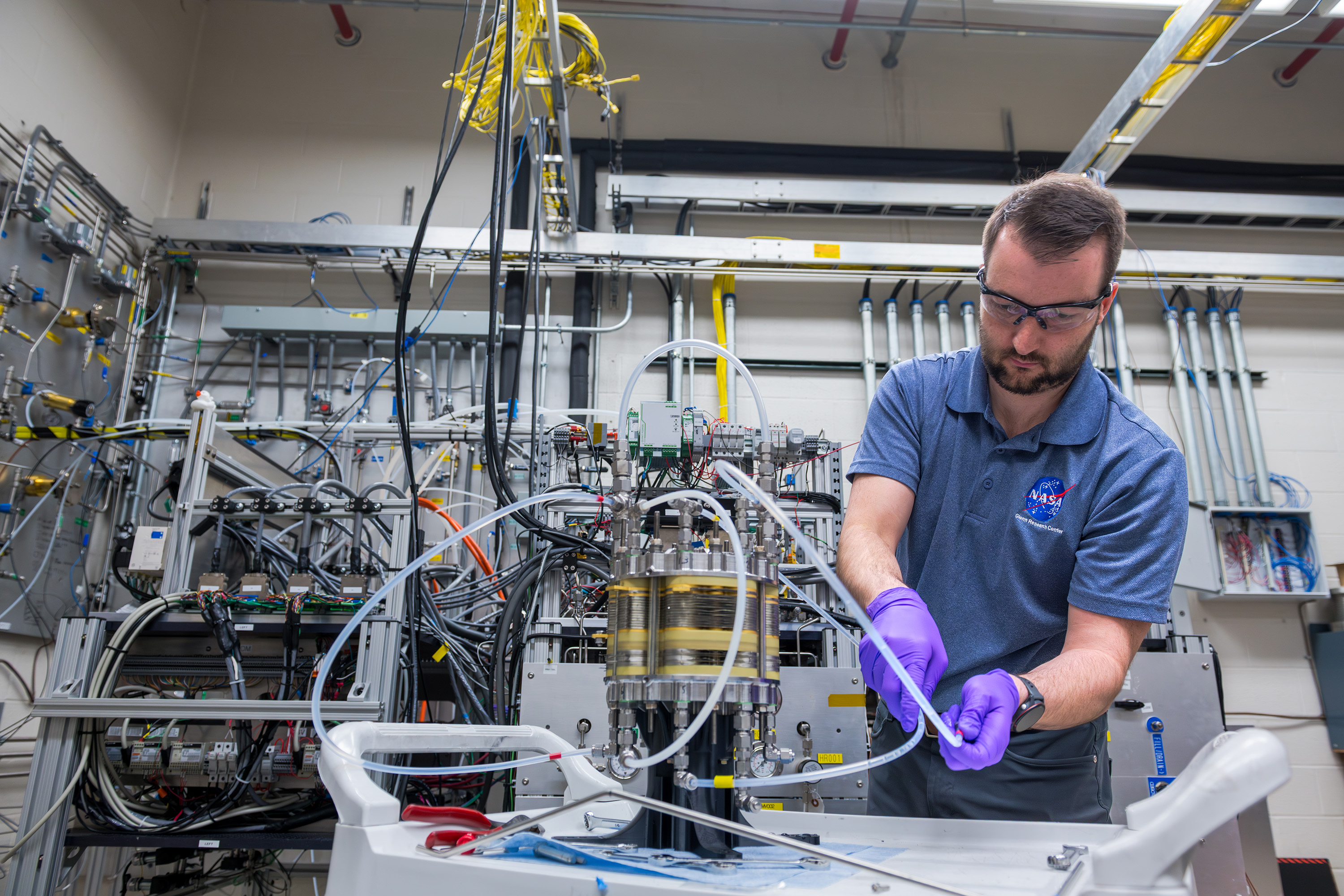
With a small blue crane, four researchers hoist a cylindrical fuel cell, which looks like a stack of flattened silver and gold soda cans bundled together, into the air and lower it into a rectangular cart on wheels. A tangle of tubes and wires spiral away from the system, where nearly 270 sensors and 1,000

Download item bundle
NASA Fuel Cell Tests Pave Way for Energy Storage on Moon
4 May 2026, 20:32 GMT By Loura Hall 6 variants

To support long-duration missions to the Moon and Mars, NASA and industry are developing technologies that can extract resources such as hydrogen and helium-3 from lunar soil, known as regolith. This capability, known as in-situ resource utilization (ISRU), allows explorers to use what is already available on other planetary bodies, from water ice to minerals.

Download item bundle
NASA Fosters Development of Lunar Resource-Seeking Technologies
4 May 2026, 16:31 GMT By Ivry Artis 7 variants

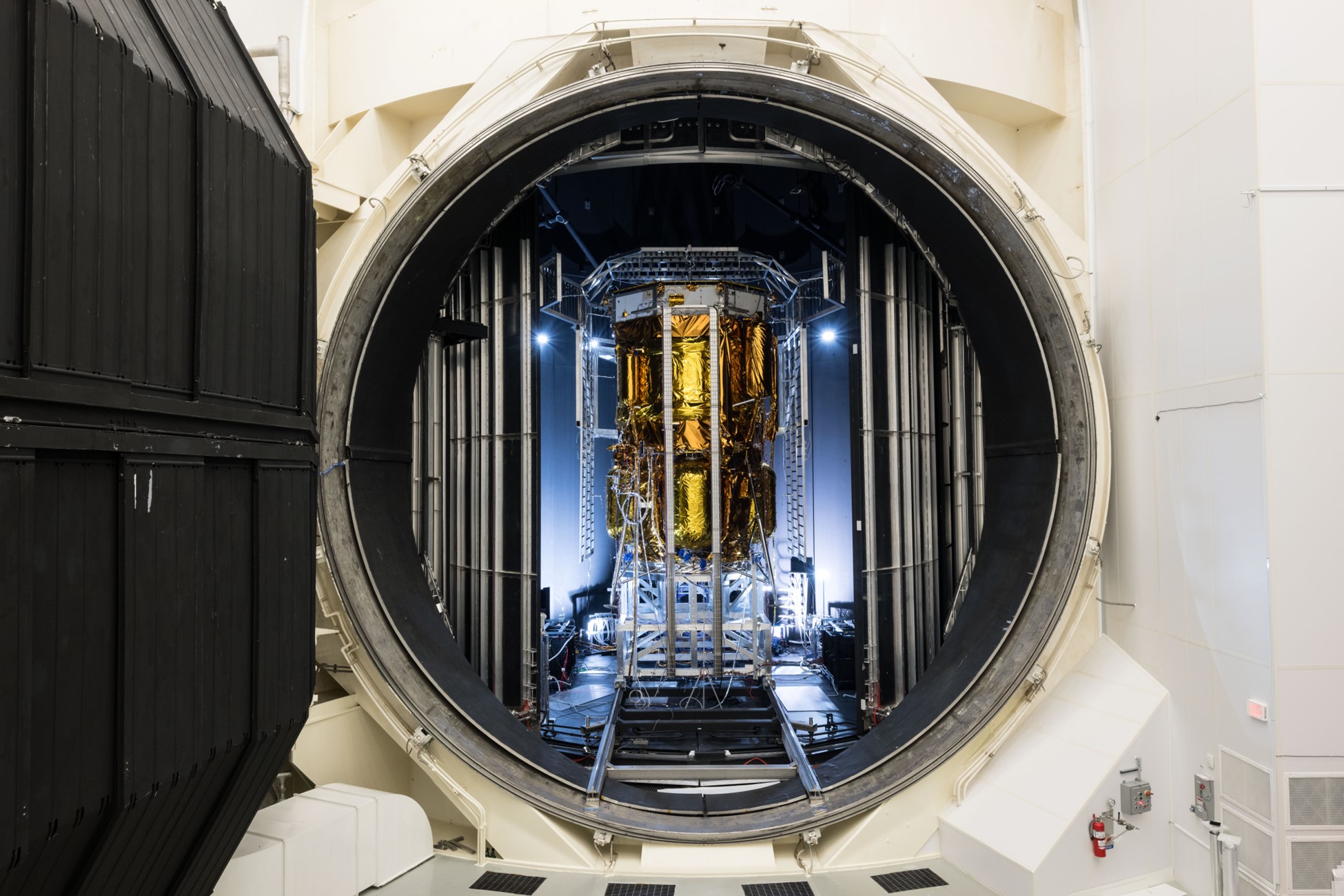
Also known as Endurance, MK1 is an uncrewed cargo lander funded by Blue Origin as a commercial demonstration mission to advance Human Landing System capabilities in support of NASA’s Artemis program. The tests in Chamber A represent a public-private partnership model, with Blue Origin conducting work through a reimbursable Space Act Agreement. Endurance will demonstrate

Download item bundle
Blue Origin Moon Lander Completes Testing at NASA Vacuum Chamber
29 Apr 2026, 15:10 GMT By Dede Dinius 6 variants

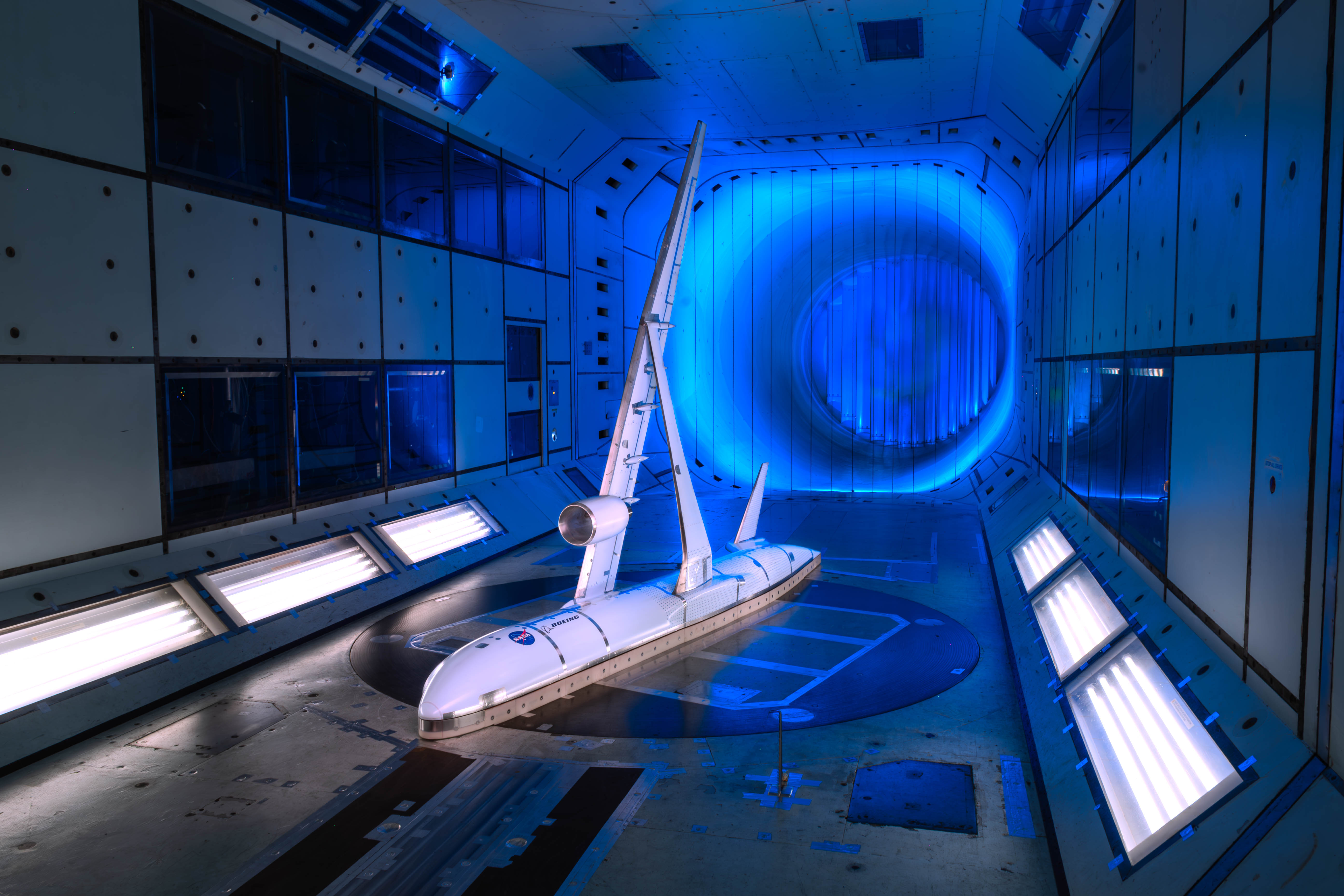
NASA and Boeing have completed wind tunnel testing to study an innovative advanced aircraft design intended to improve aerodynamic efficiency. A truss-braced wing configuration, involving a long, thin wing with aerodynamically shaped structural supports, has the potential to reduce fuel and operational costs for future airliners, which is why NASA has collaborated with Boeing to

Download item bundle
NASA, Boeing Advance Truss-Braced Wing Research in Test
22 Apr 2026, 20:29 GMT By Charles G. Hatfield 4 variants

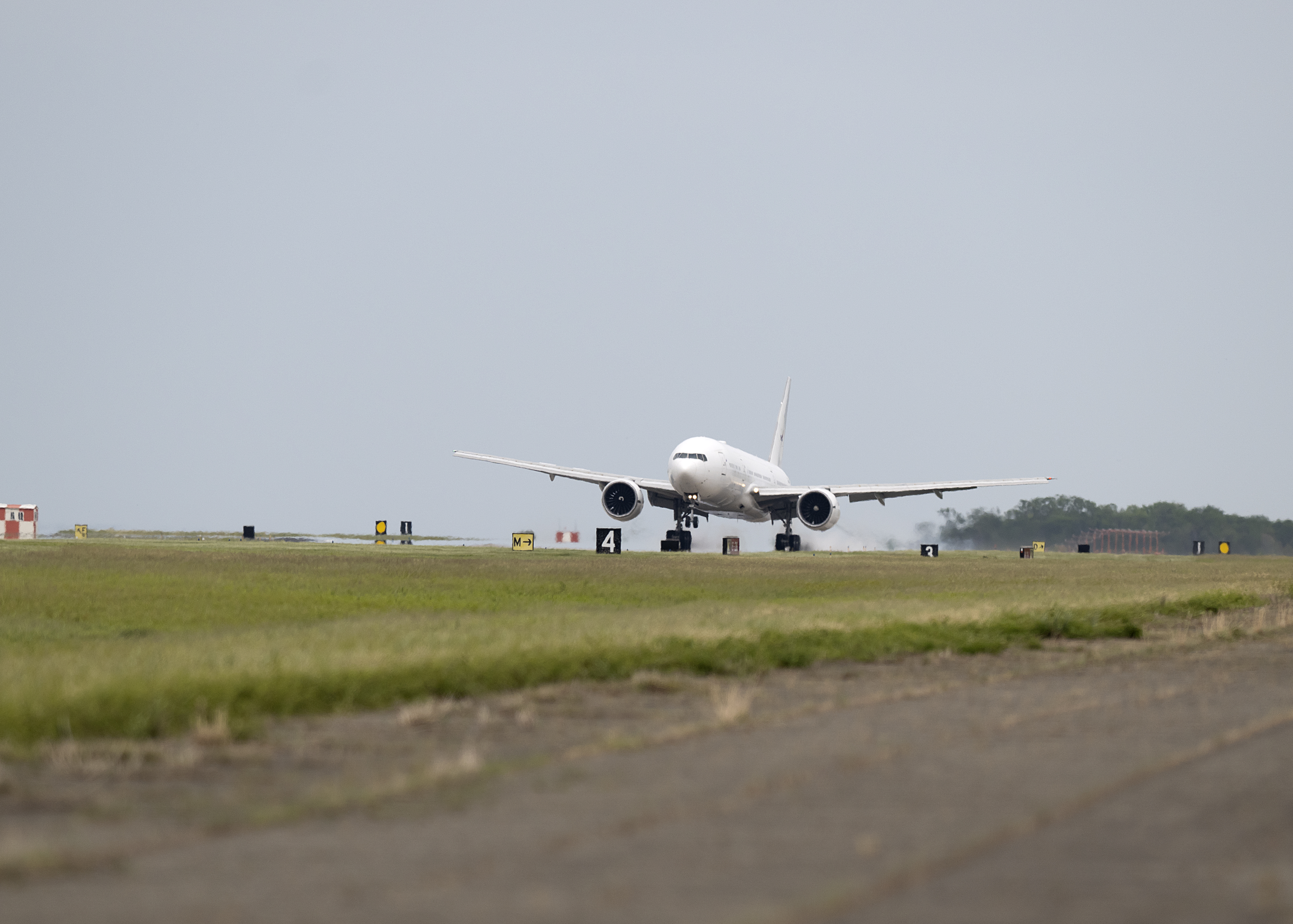
NASA’s Boeing 777 has returned to the agency’s fleet after undergoing heavy structural modifications as it transforms from a giant passenger plane into the agency’s next-generation airborne science laboratory. After a check flight and a three-hour transit from Waco, the aircraft returned to NASA’s Langley Research Center in Hampton, Virginia, on April 22. Since January

Download item bundle
NASA’s 777 Aircraft Returns Home with Science Flights on the Horizon
21 Apr 2026, 17:56 GMT By Joseph Atkinson 4 variants

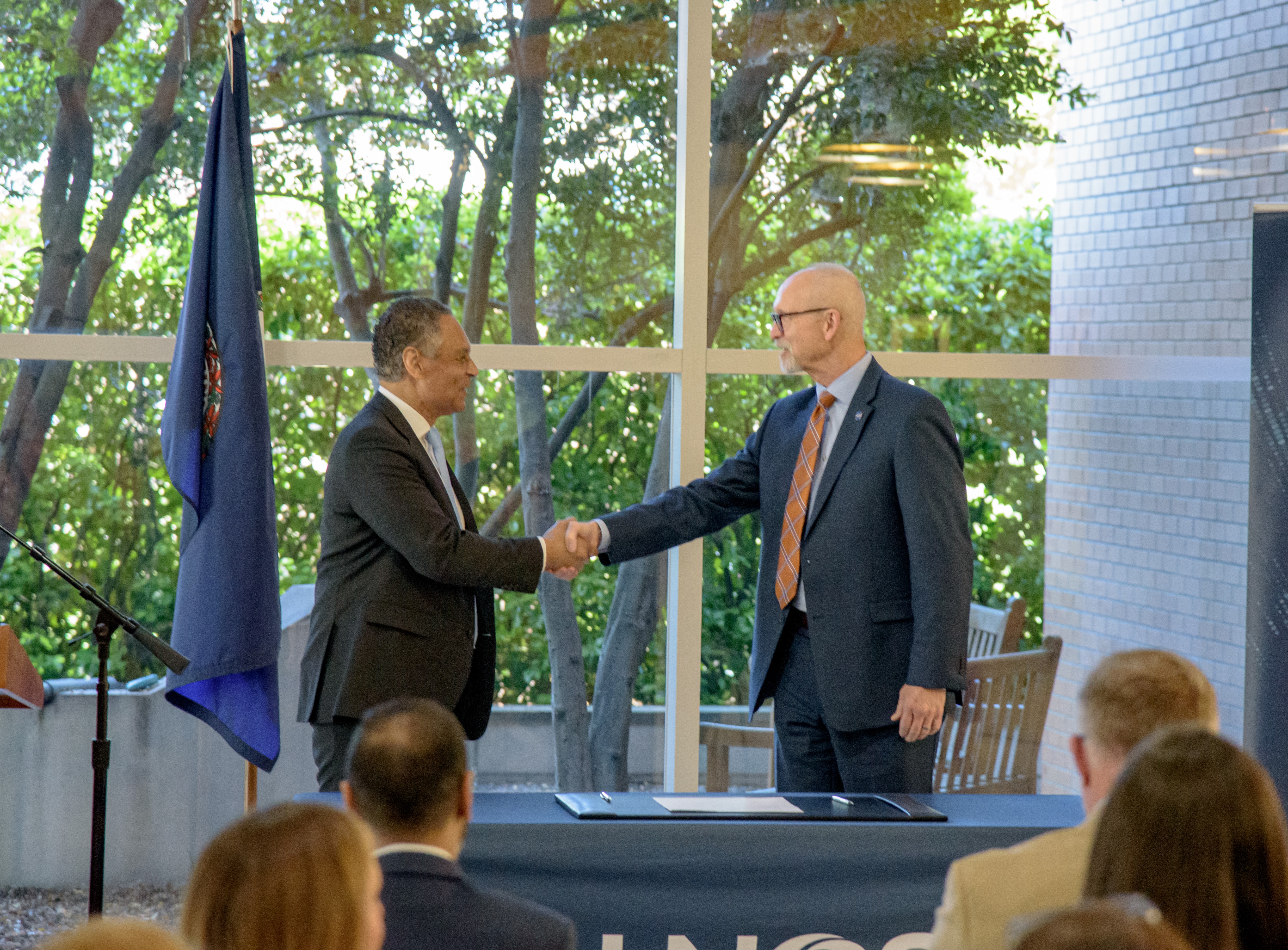
Editor’s Note: On April 23, we updated this story to acknowledge a change in the type of organ being used for testing. Every second counts in the life-saving world of medical transplants. To help address that urgency, NASA’s Langley Research Center in Hampton, Virginia, is teaming up with the United Network for Organ Sharing (UNOS) to explore faster,

Download item bundle
NASA, Organ Sharing Network UNOS to Study Faster Organ Transport
20 Mar 2026, 19:30 GMT By Bailey G. Light

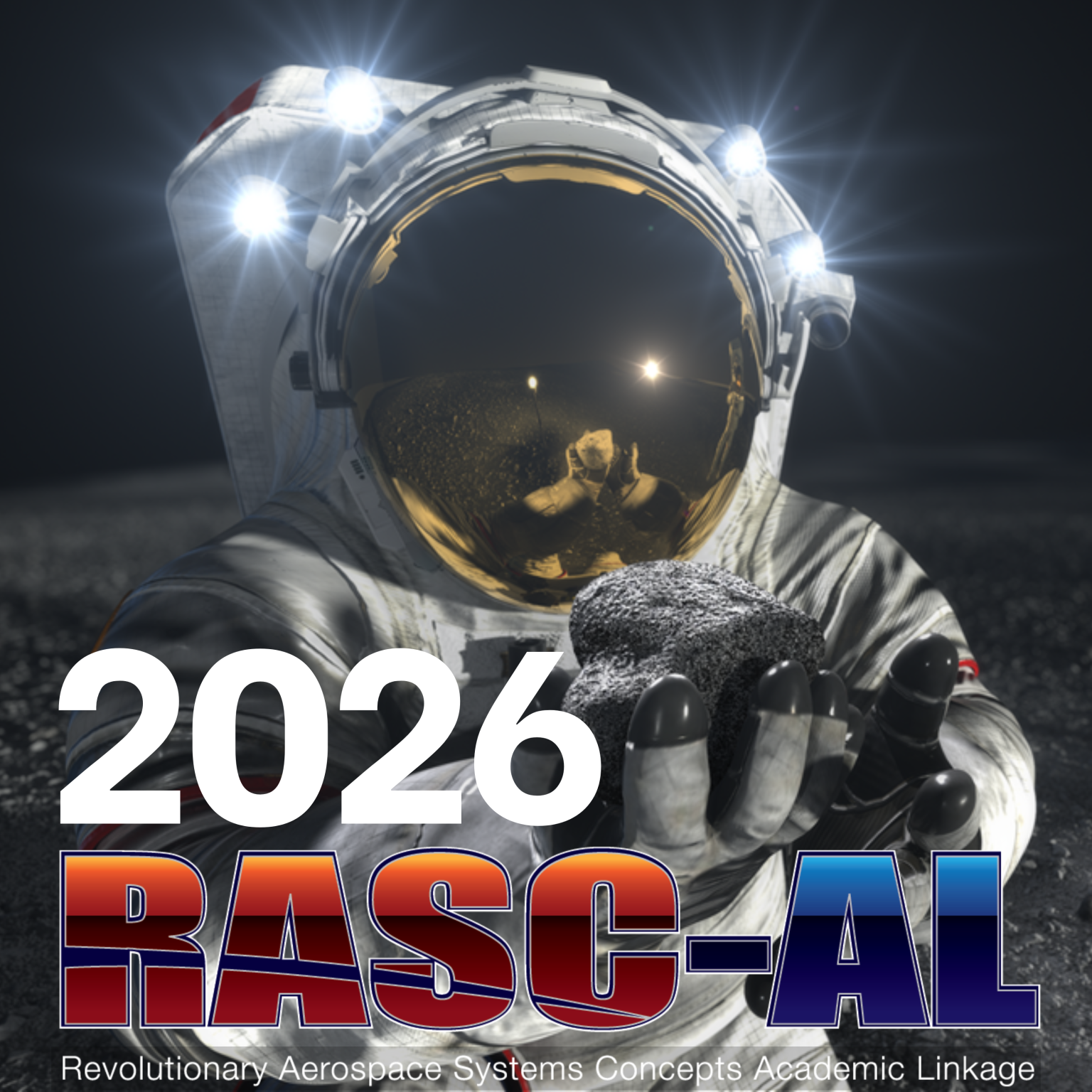
NASA selected 14 university teams from across the nation as finalists in the 2026 Revolutionary Aerospace Systems Concepts – Academic Linkage (RASC-AL) Competition. This NASA challenge tasks students to design innovative concepts that could further human life and work on the Moon, Mars, and beyond. The competition links academia and the aerospace community, fostering innovation,

Download item bundle
NASA Selects University Finalists for Technology Concepts Competition
17 Mar 2026, 20:55 GMT By Dede Dinius 5 variants

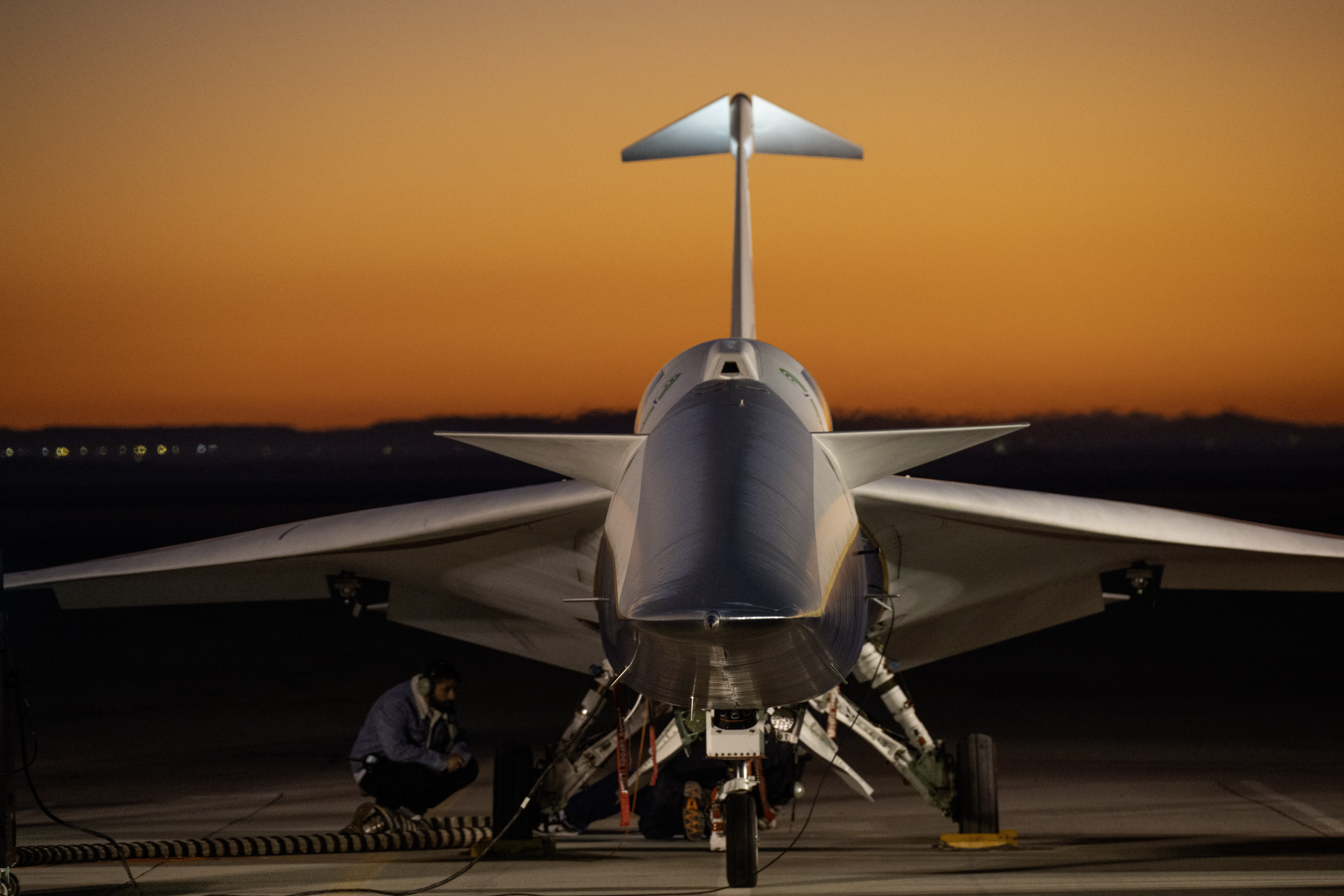
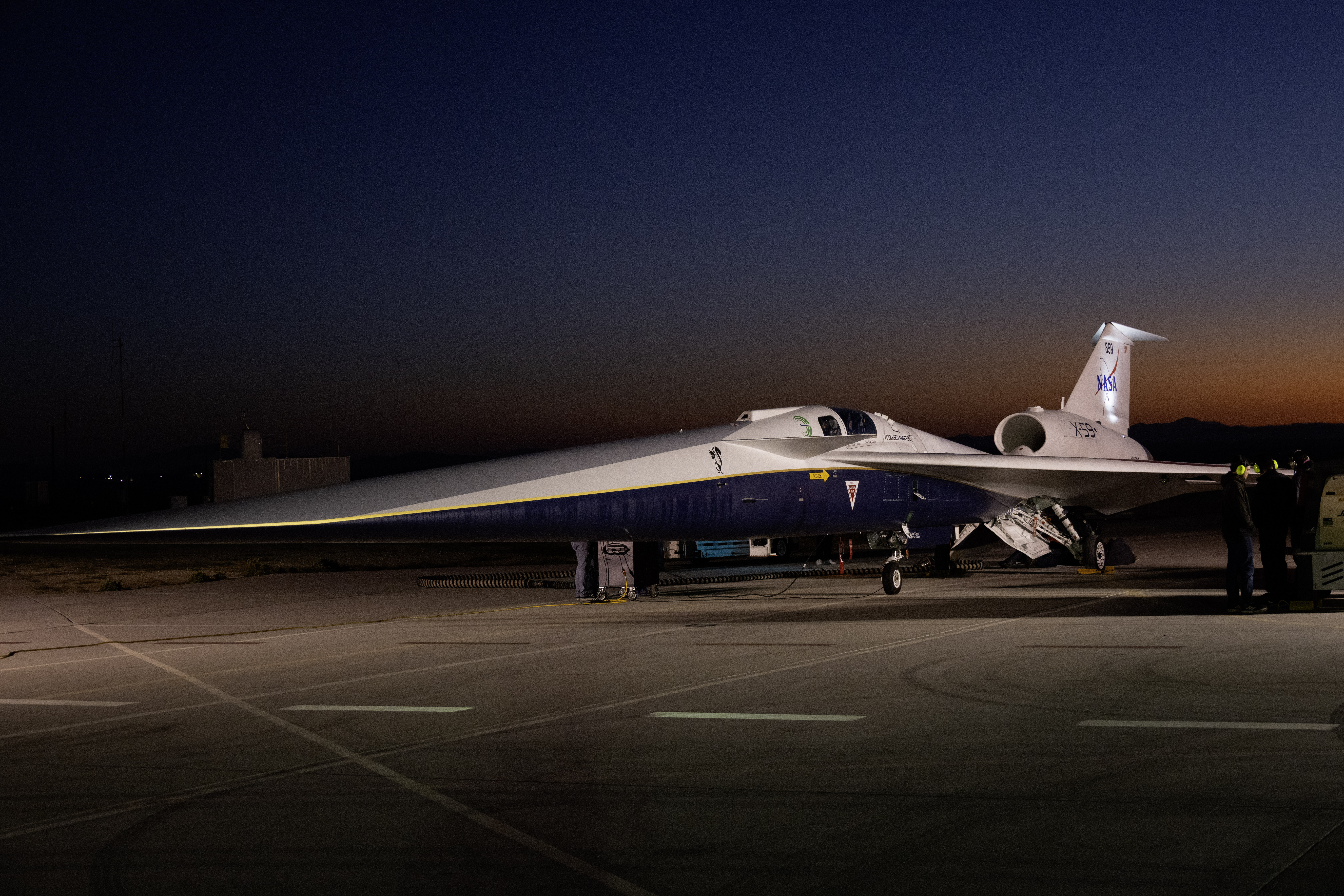
NASA’s X-59 experimental aircraft is preparing for its second flight, a step that will set the pace for more flight testing in 2026. Over the coming months, NASA will take the quiet supersonic jet faster and higher, while validating safety and performance, a process known as envelope expansion. NASA test pilot Jim “Clue” Less will be at the X-59’s

Download item bundle
NASA’s X-59 Prepares for Second Flight
16 Mar 2026, 19:48 GMT By Tiernan P. Doyle 3 variants

Editor’s note: This advisory was updated on March 20, 2026, to reflect a new time for the news conference and the participant list. Editor’s note: This advisory was updated on March 19, 2026, to update the news conference participant list. Editor’s note: This advisory was updated on March 18, 2026, to reflect the new date

Download item bundle
NASA Invites Media to Learn About Upcoming X-59 Test Flights
4 Mar 2026, 16:17 GMT By Gerelle Q. Dodson 8 variants

The U.S. Office of Personnel Management (OPM) and NASA announced NASA Force on Wednesday, a dedicated talent track within the US Tech Force initiative designed to recruit and deploy the nation’s top engineers and technologists to support America’s space program. NASA Force will identify and place high-impact technical talent into mission-critical roles supporting NASA’s exploration,

Download item bundle
NASA, OPM Launch NASA Force to Recruit Top Talent for US Space Program
19 Feb 2026, 20:54 GMT By Dede Dinius 3 variants

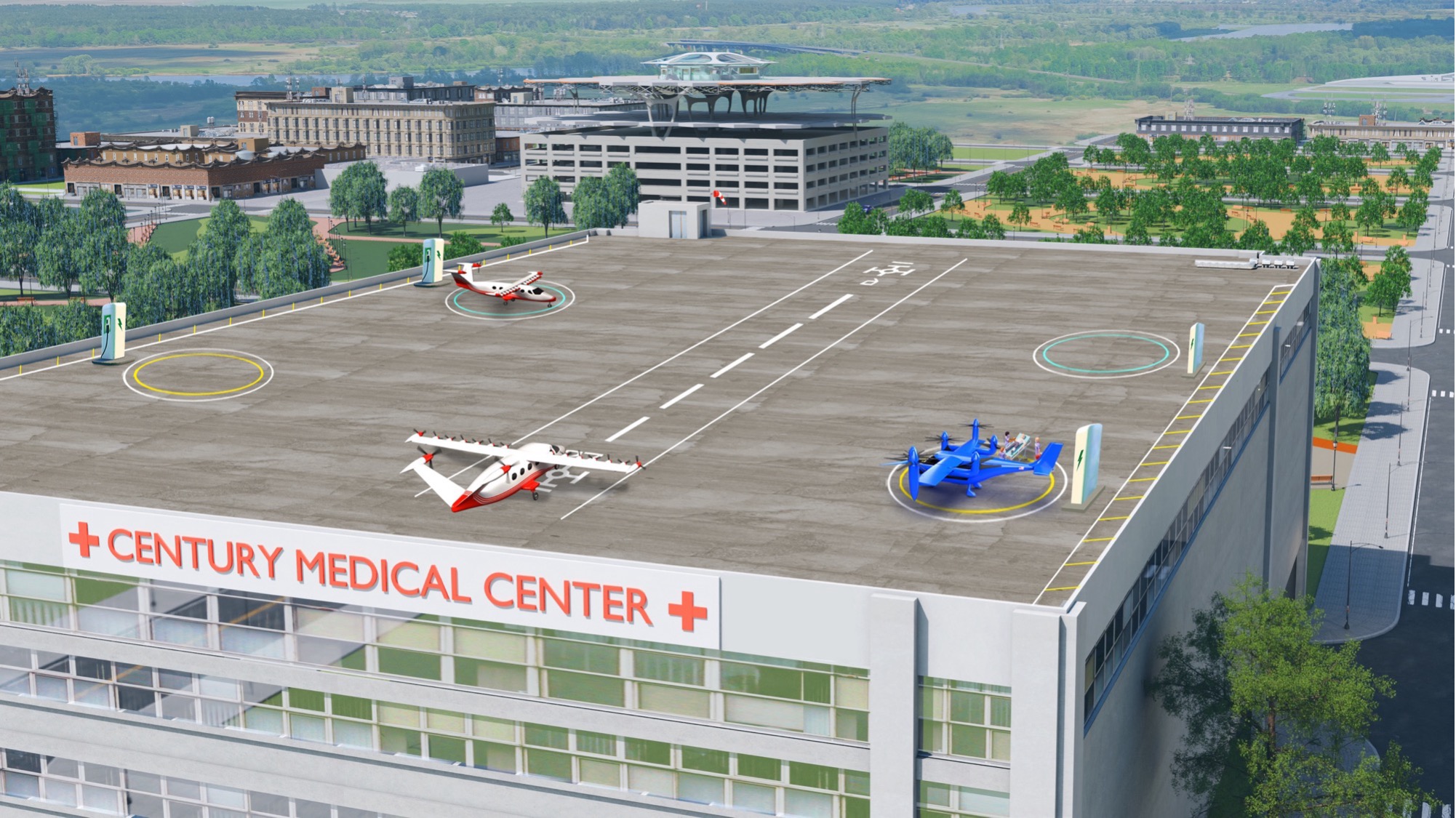
New kinds of aircraft taking to the skies could mean unfamiliar sounds overhead — and where you’re hearing them might matter, according to new NASA research. NASA aeronautics has worked for years to enable new air transportation options for people and goods, and to find ways to make sure they can be safely and effectively

Download item bundle
NASA Investigates How People Respond to Air Taxi Noise
19 Feb 2026, 16:31 GMT By Joseph Atkinson

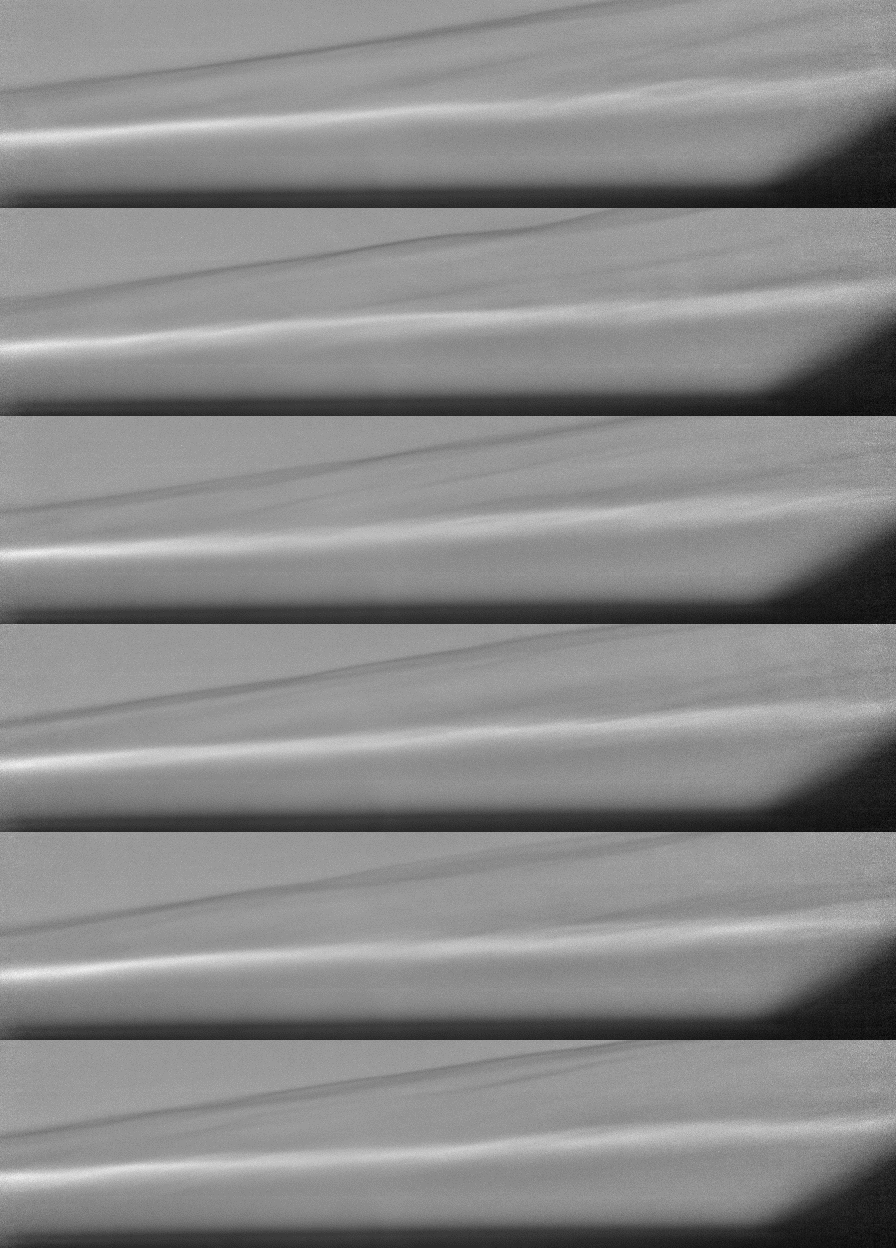
Imagine trying to photograph wind. That’s similar to what NASA engineers dealt with during a recent effort to study how air moves around planes, rockets, and other kinds of aerospace vehicles. Air is invisible, but our understanding of how it flows is crucial for building better, safer aircraft. For 80 years, researchers used a technique

Download item bundle
Award-Winning NASA Camera Revolutionizes How We See the Invisible
11 Feb 2026, 23:35 GMT By Dede Dinius

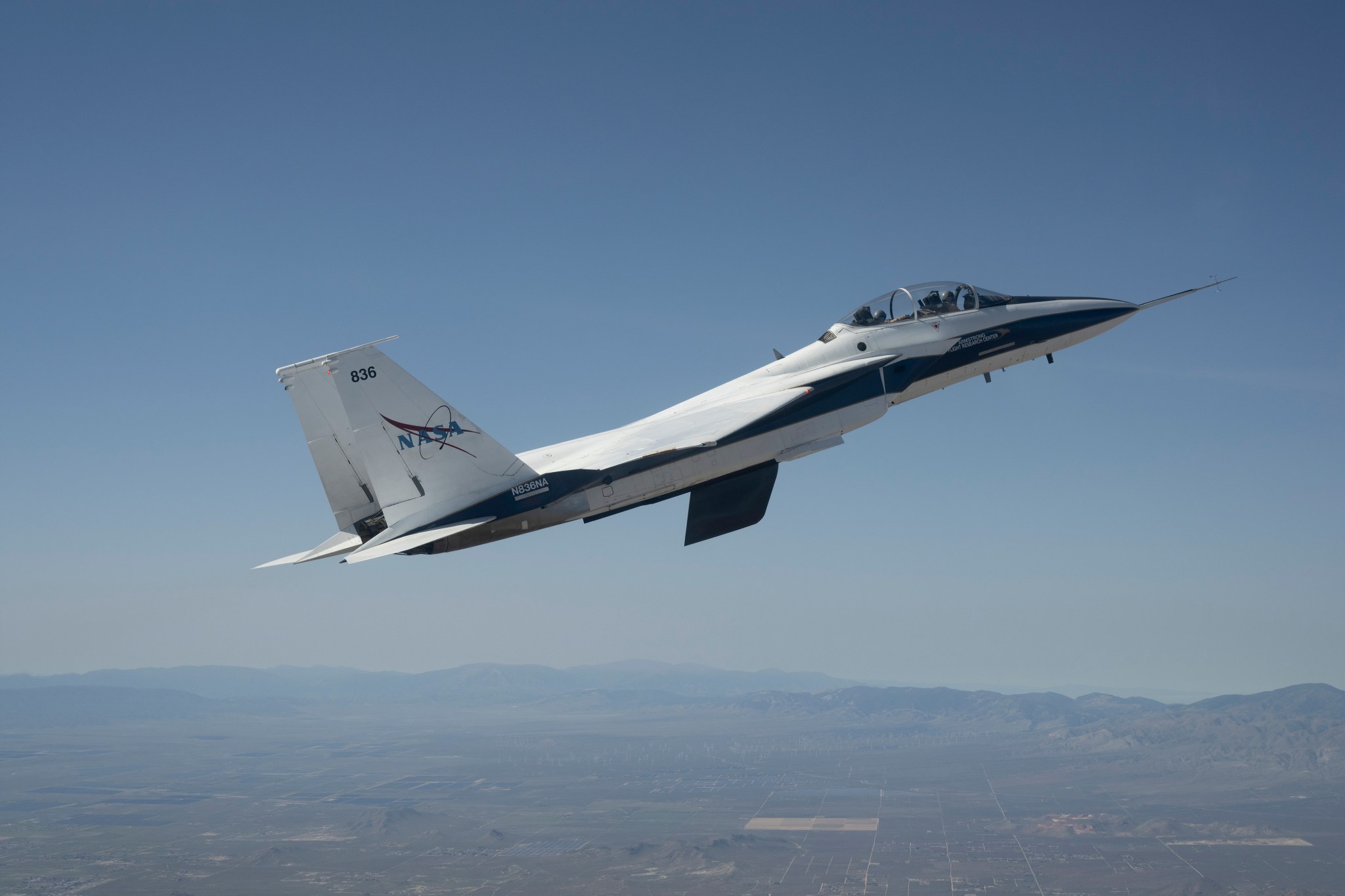
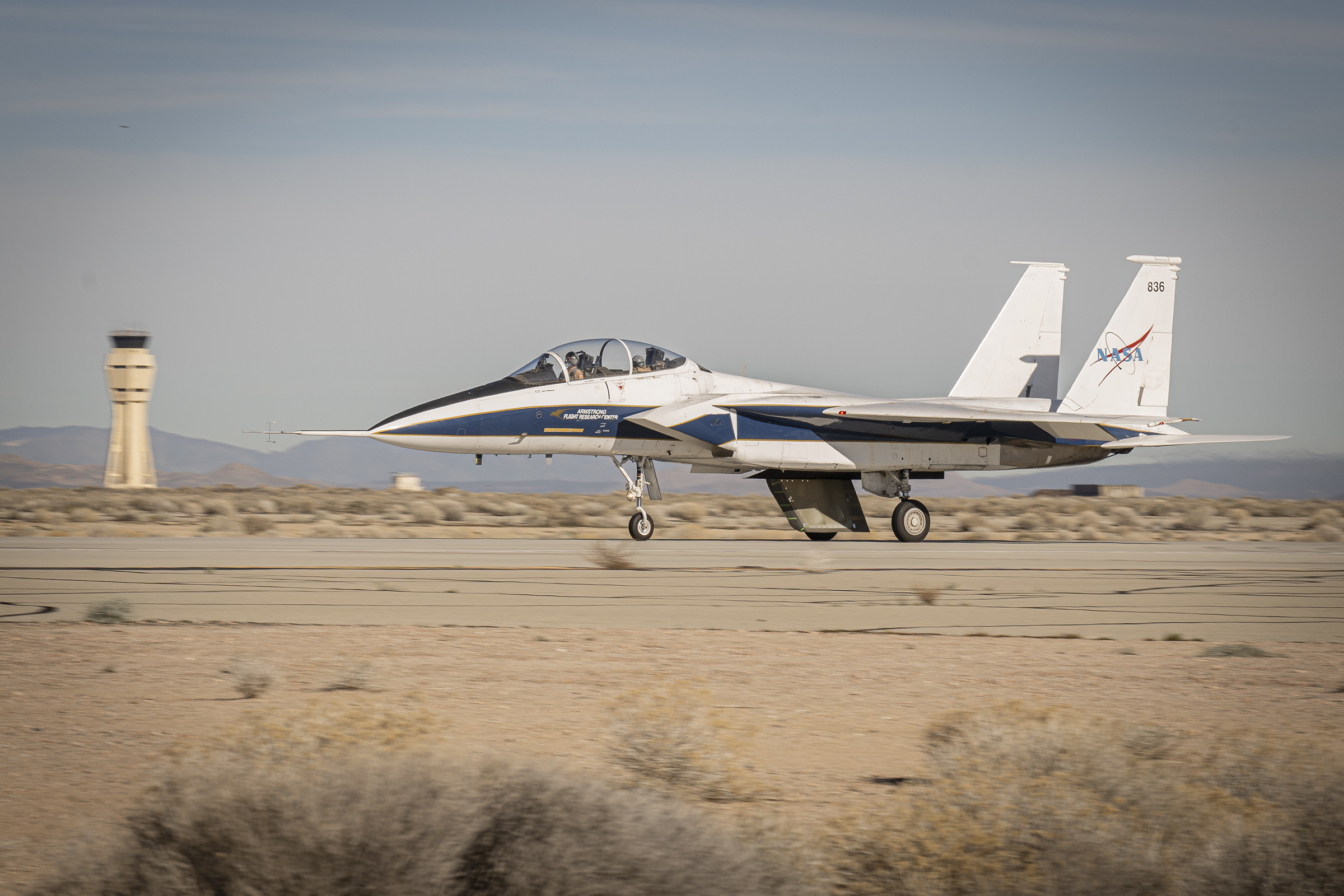
NASA completed the first flight test of a scale-model wing designed to improve laminar flow, reducing drag and lowering fuel costs for future commercial aircraft. The flight took place Jan. 29 at NASA’s Armstrong Flight Research Center in Edwards, California, using one of the agency’s F-15B research jets. The NASA-designed, 40-inch Crossflow Attenuated Natural Laminar Flow (CATNLF) wing model was attached to the aircraft’s underside vertically, like a fin. The flight lasted about 75 minutes, during

Download item bundle
NASA Completes First Flight of Laminar Flow Scaled Wing Design
27 Jan 2026, 21:44 GMT By Charles G. Hatfield

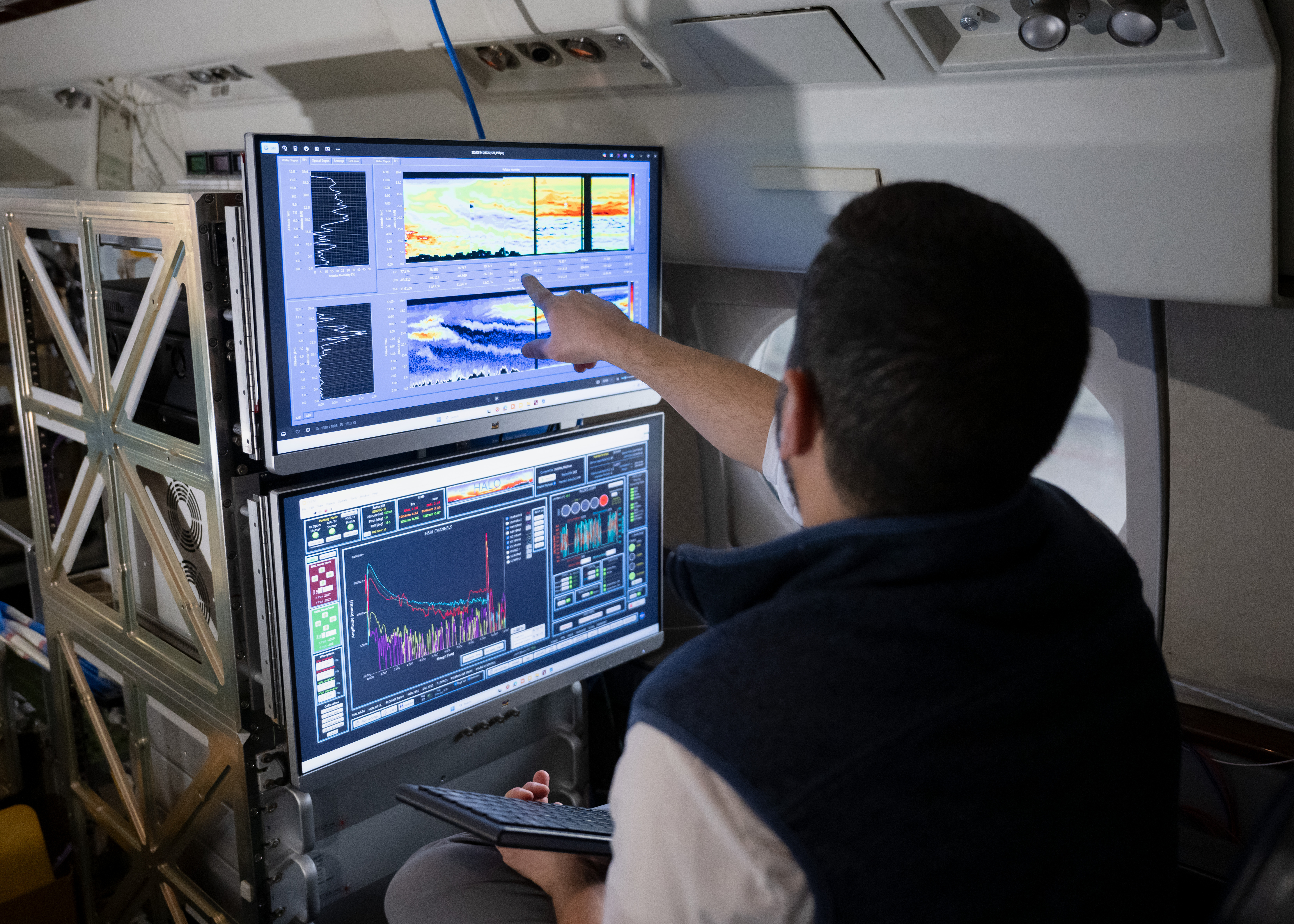
A team of NASA scientists deployed on an international mission designed to better understand severe winter storms. The North American Upstream Feature-Resolving and Tropopause Uncertainty Reconnaissance Experiment, or NURTURE, is an airborne campaign that uses a suite of remote sensing instruments to collect atmospheric data on winter weather with a goal of improving the models

Download item bundle
NASA Science Flights Venture to Improve Severe Winter Weather Warnings
21 Jan 2026, 18:32 GMT By Dede Dinius

NASA researchers successfully completed a high-speed taxi test of a scale model of a design that could make future aircraft more efficient by improving how air flows across a wing’s surface, saving fuel and money. On Jan. 12, the Crossflow Attenuated Natural Laminar Flow (CATNLF) test article reached speeds of approximately 144 mph, marking its

Download item bundle
NASA Tests Technology Offering Potential Fuel Savings for Commercial Aviation
20 Jan 2026, 23:17 GMT By Jennifer M. Dooren 3 variants

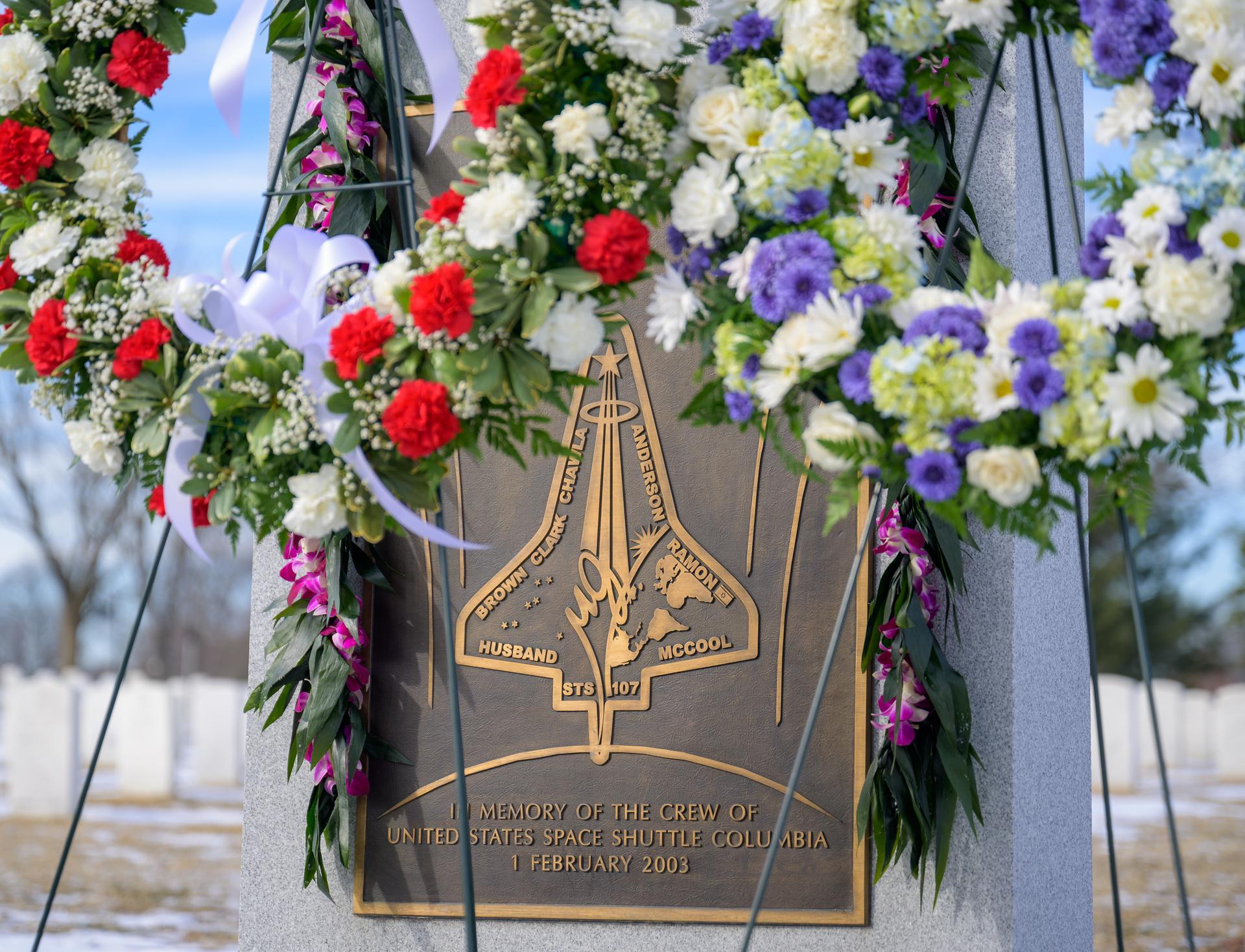
NASA will observe its annual Day of Remembrance on Thursday, Jan. 22, which includes commemorating the crews of Apollo 1 and the space shuttles Challenger and Columbia. The event is traditionally held every year on the fourth Thursday of January, as all three astronaut accidents happened around the end of the month. “On NASA’s Day

Download item bundle
NASA’s Day of Remembrance Honors Fallen Heroes of Exploration