Featured update
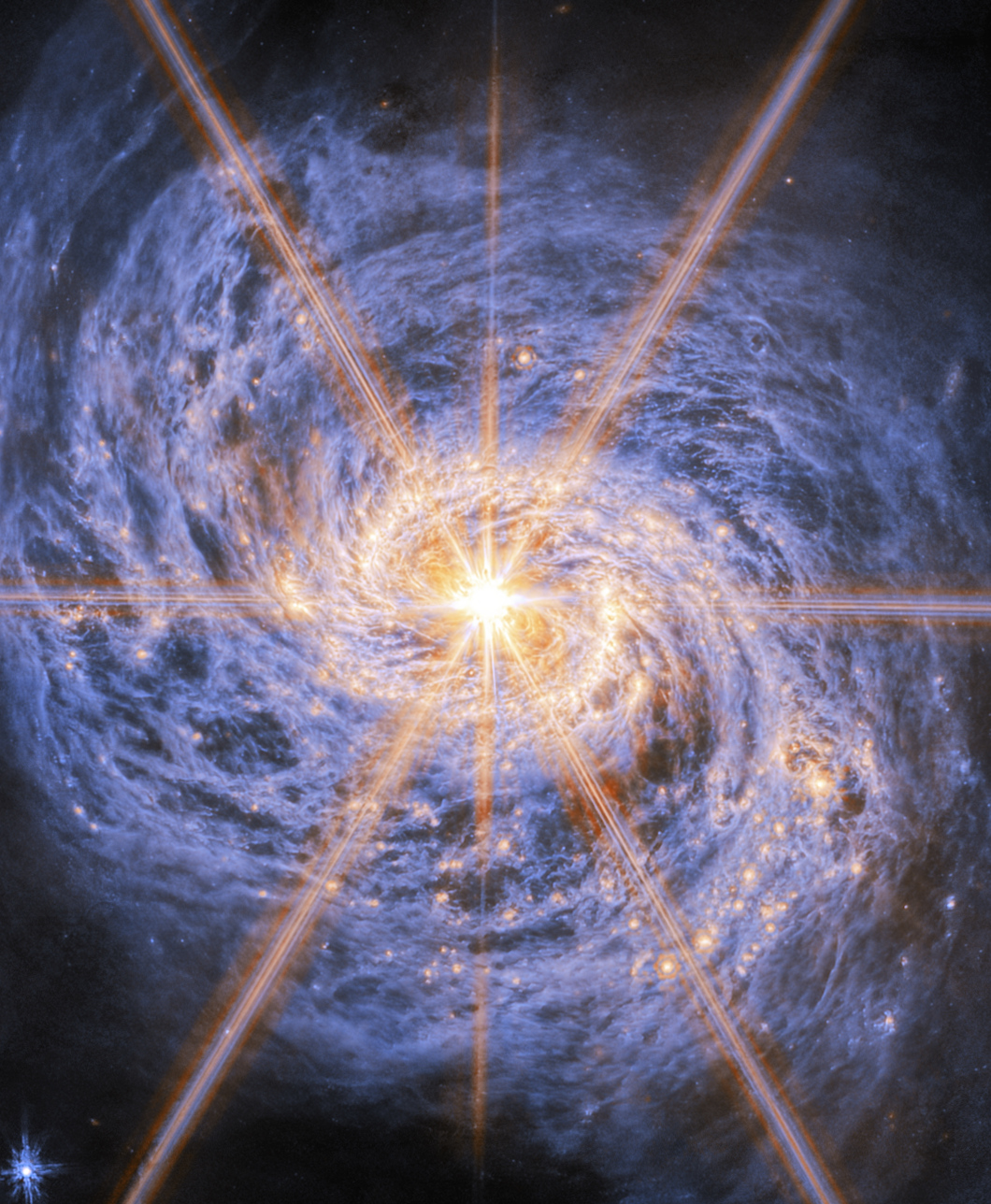
This near-infrared image shows a section of one of the spiral arms of Messier 51 (M51).
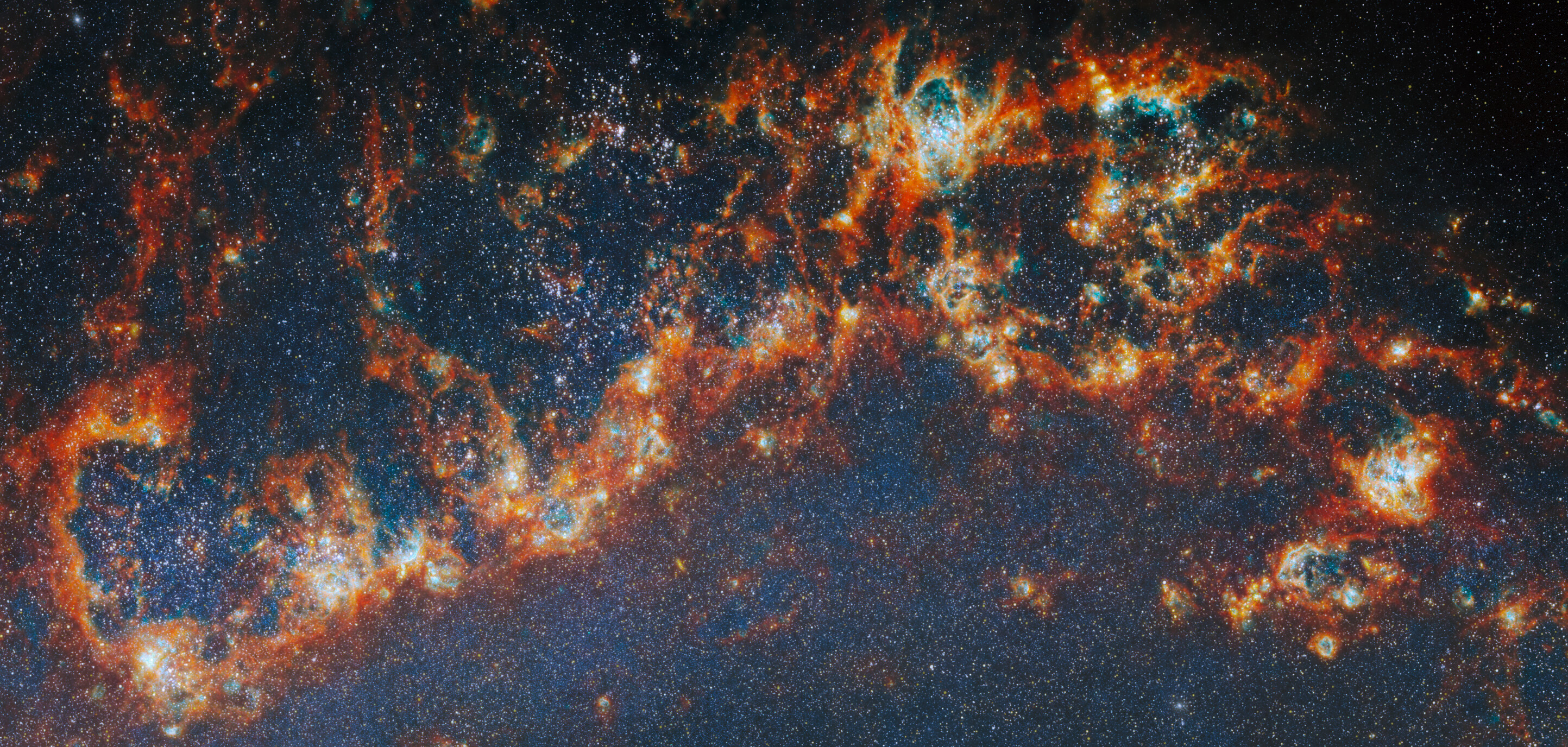


This near-infrared image shows a section of one of the spiral arms of Messier 51 (M51).
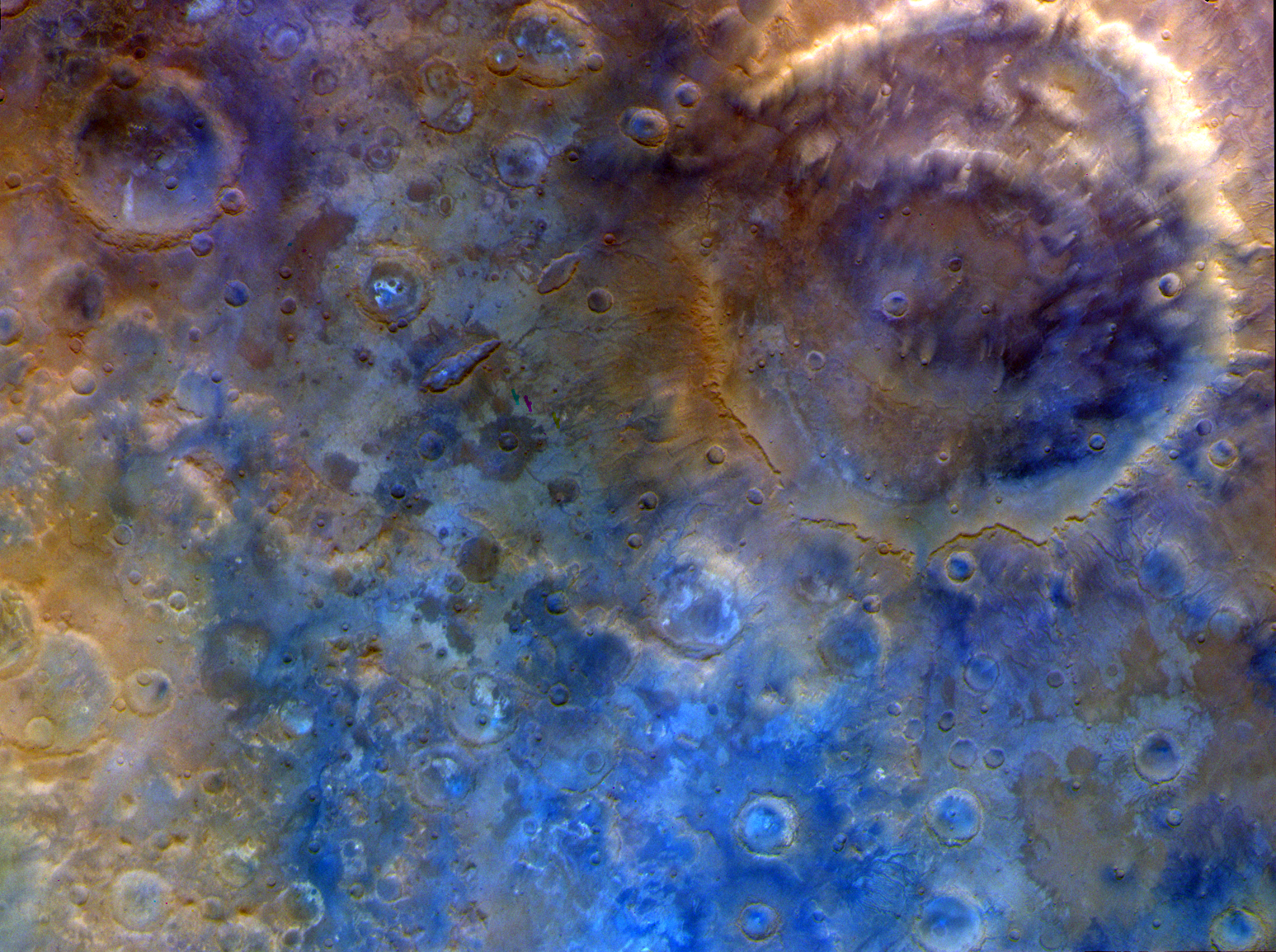
NASA’s Psyche spacecraft completed its close approach of Mars on May 15, capturing images as it came within 2,864 miles (4,609 kilometers) of the planet’s surface. This is an enhanced-color view of the large double-ring crater Huygens and the surrounding heavily cratered southern highlands.
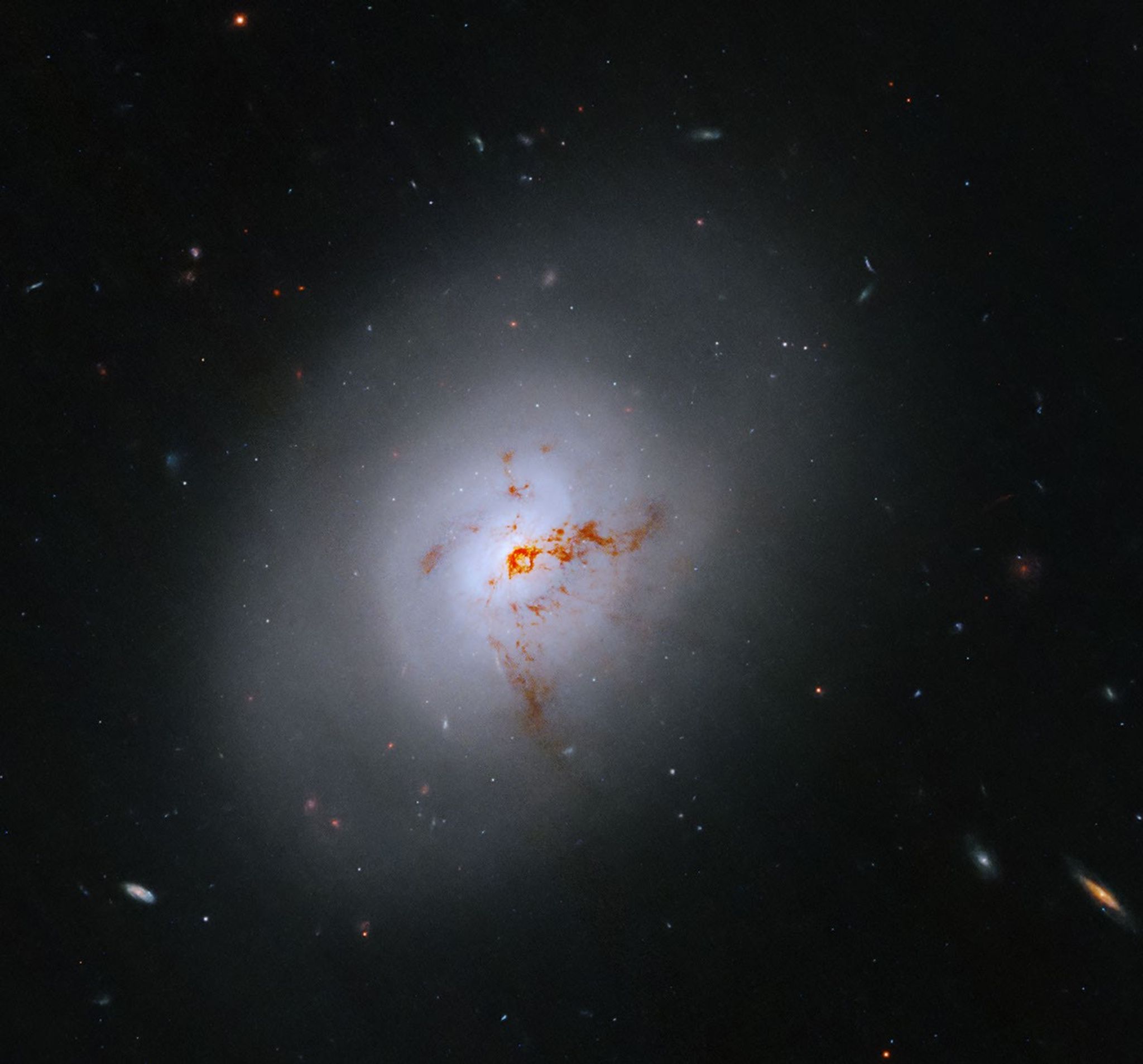
This NASA Hubble Space Telescope images reveals the lenticular galaxy, NGC 1266. This enigmatic post-starburst galaxy has a bright center and a face that hints at spiral structure, yet it holds no discernable spiral arms.
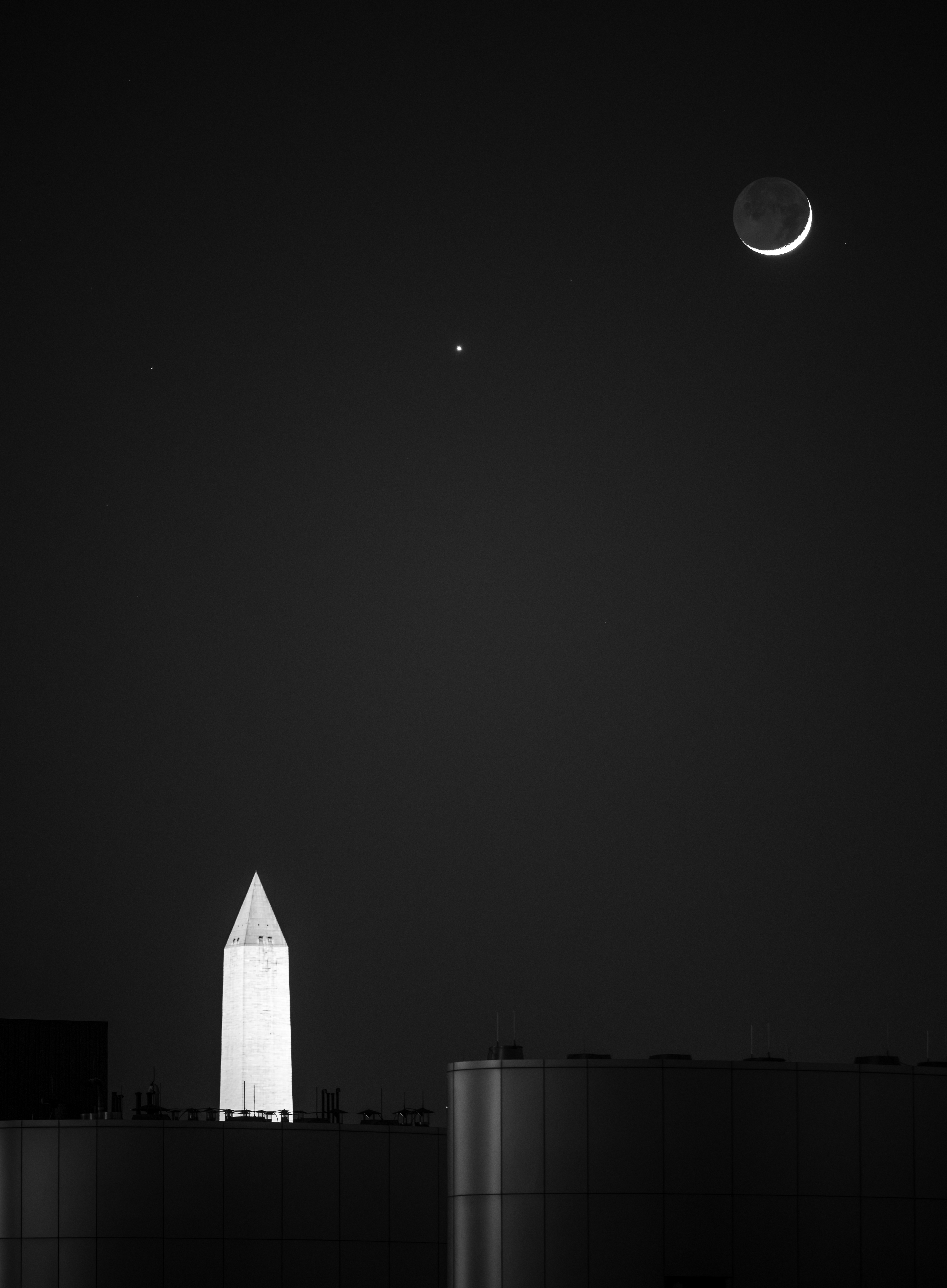
The Moon and Venus, center, are seen in conjunction above the Washington Monument, Monday, May 18, 2026, as viewed from the Mary W. Jackson NASA Headquarters Building in Washington.
This latest Picture of the Month from the NASA/ESA/CSA James Webb Space Telescope features Messier 77 (M77), a barred spiral galaxy famous and appreciated among astronomers for its combination of relative proximity and spectacular features to study. It is located 45 million light-years away in the constellation Cetus (The Whale).
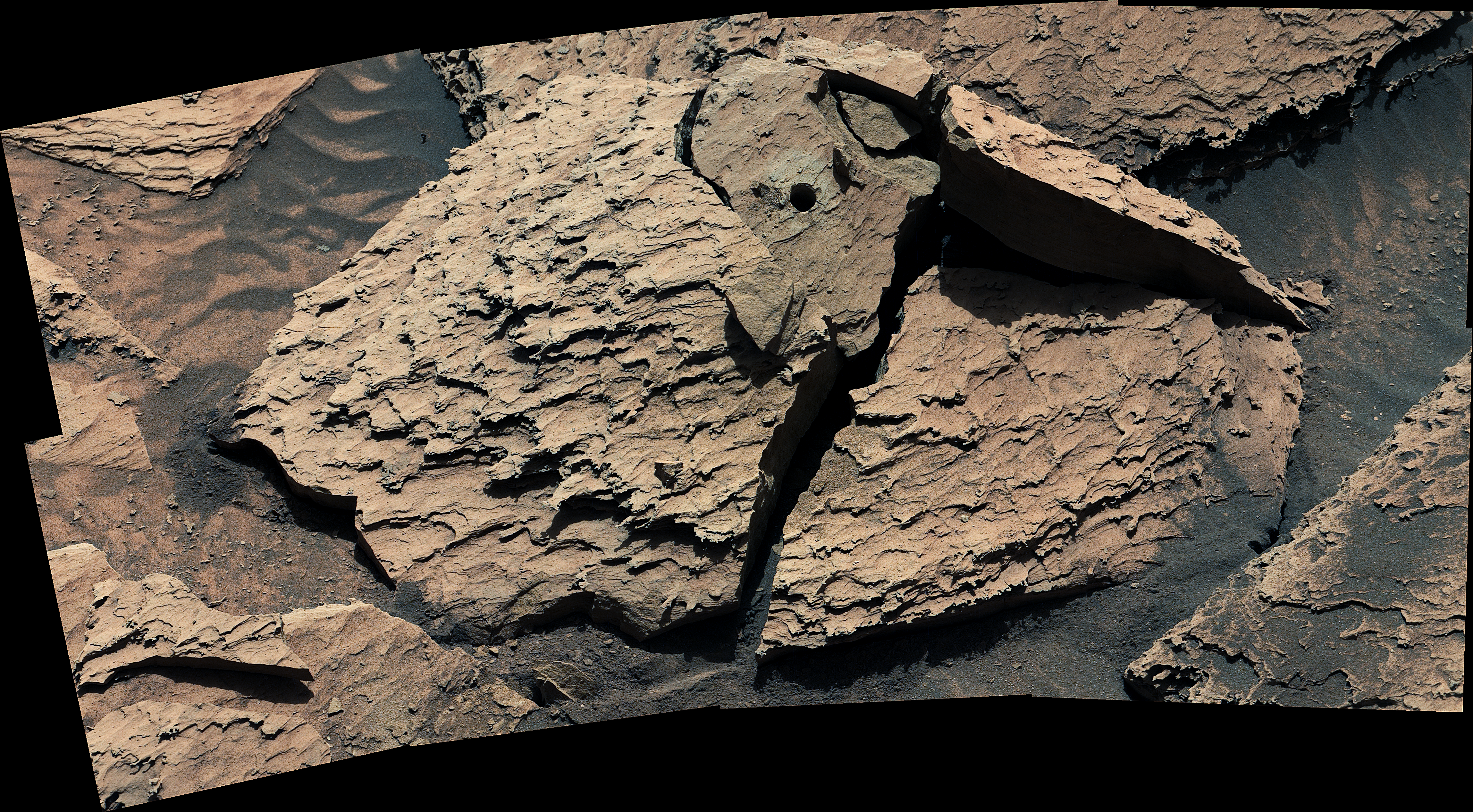
NASA’s Curiosity Mars rover used its Mast Camera, or Mastcam, to capture this view of a rock nicknamed “Atacama” on May 6, 2026, the 4,877th Martian day, or sol, of the mission. The rock had gotten stuck to the drill on the end of Curiosity’s robotic arm on April 25.
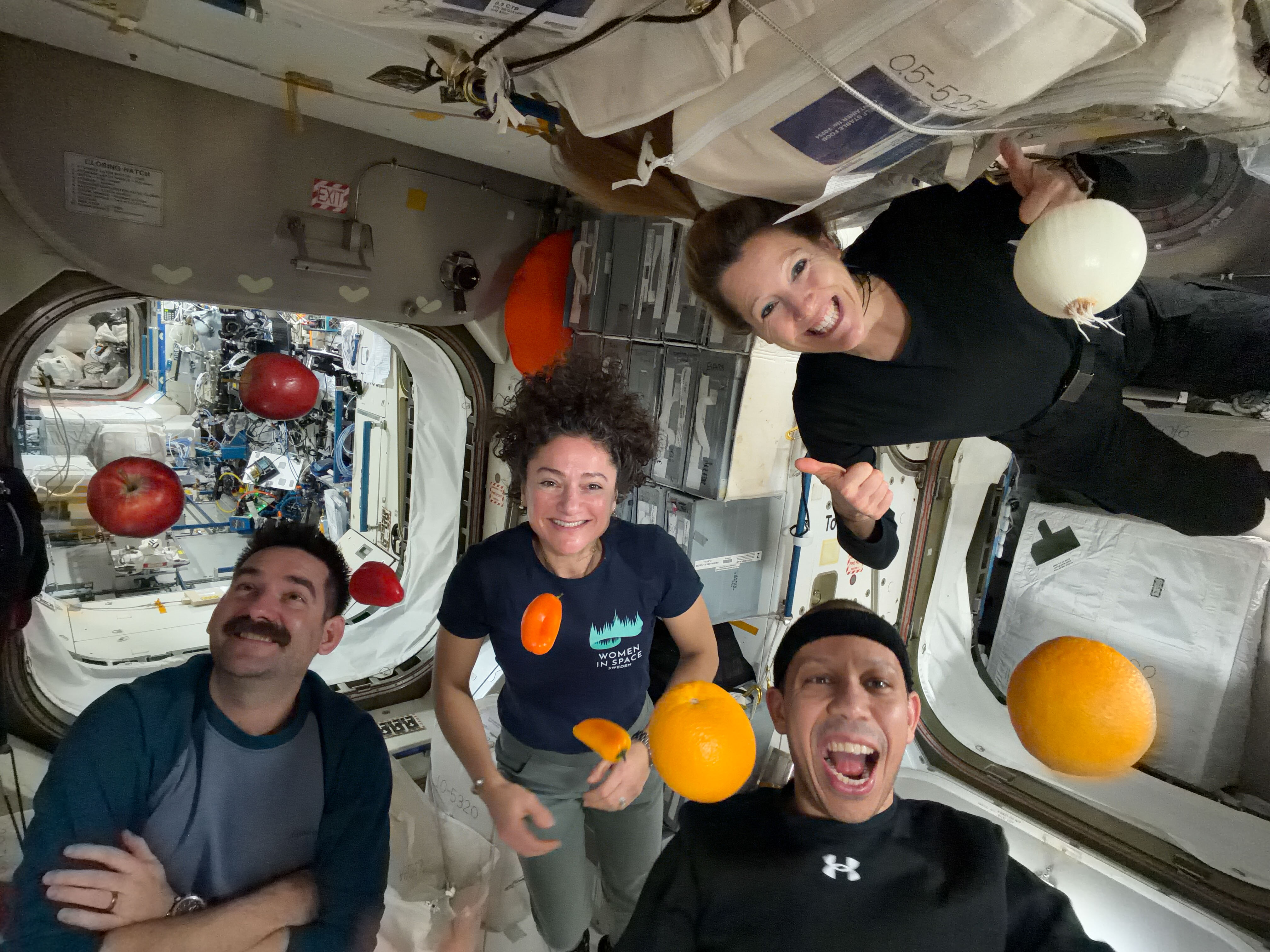
You're allowed to play with your food when you're on the International Space Station! To celebrate a delivery of fresh food, NASA astronauts Jack Hathaway (bottom left), Jessica Meir (middle left), and Chris Williams (bottom right), and ESA (European Space Agency) astronaut Sophie Adenot (top right) pose for a group photo.
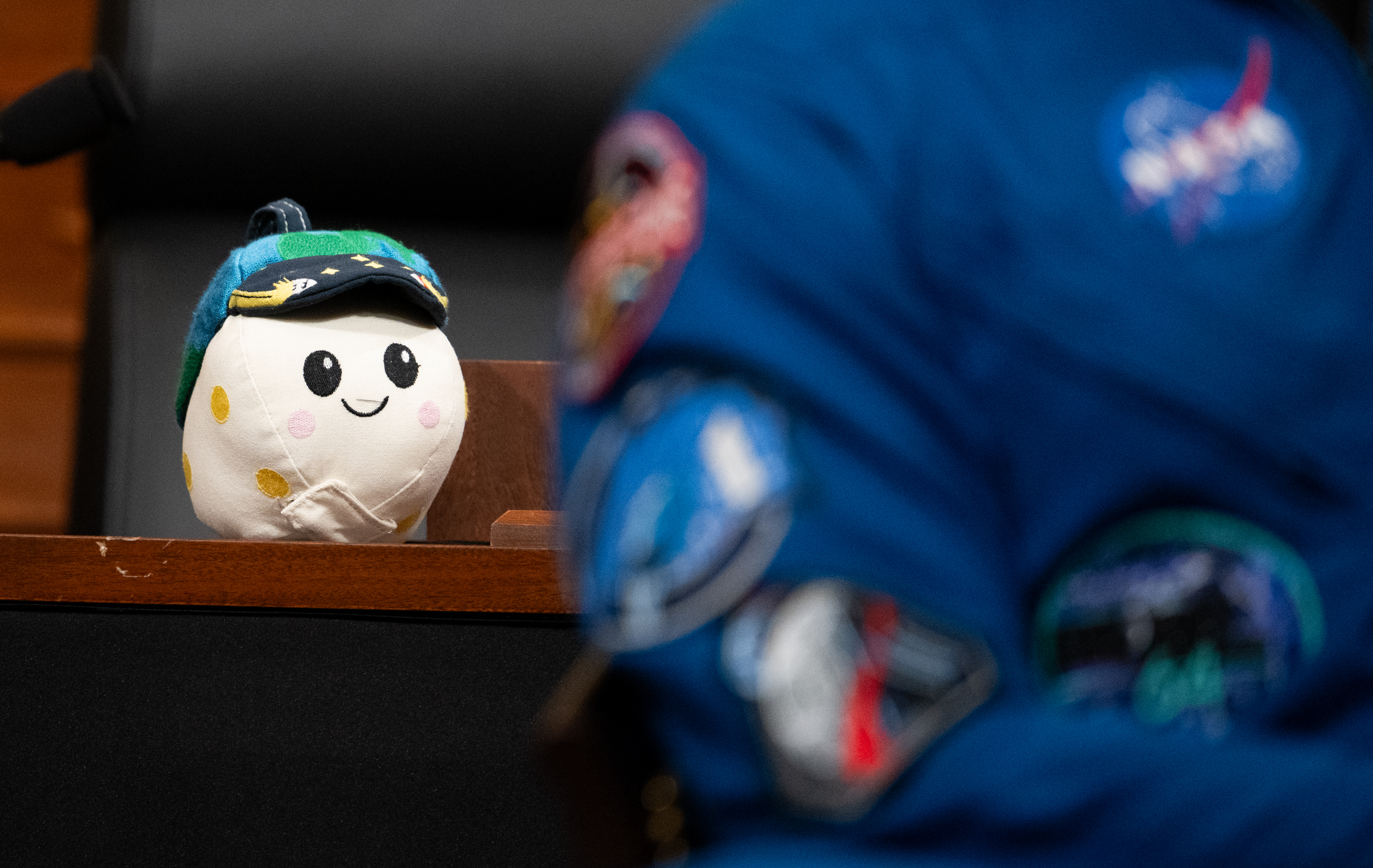
“Rise,” the Artemis II zero gravity indicator, is seen sitting on the dais as the Artemis II astronauts speak with congressional staff, Tuesday, May 12, 2026, in Washington.
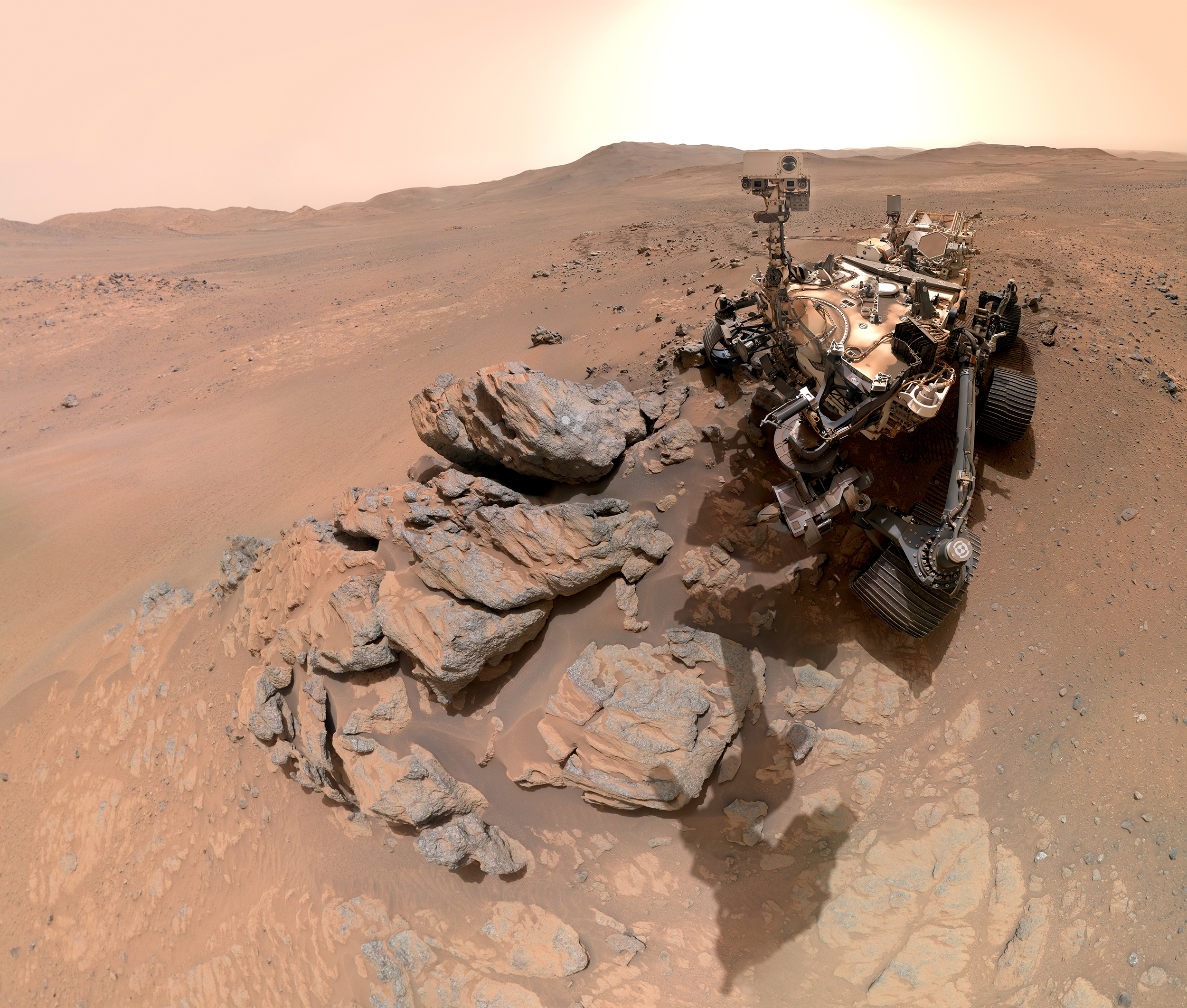
NASA’s Perseverance Mars rover recently took a self-portrait against a sweeping backdrop of ancient Martian terrain at a location the science team calls “Lac de Charmes.”
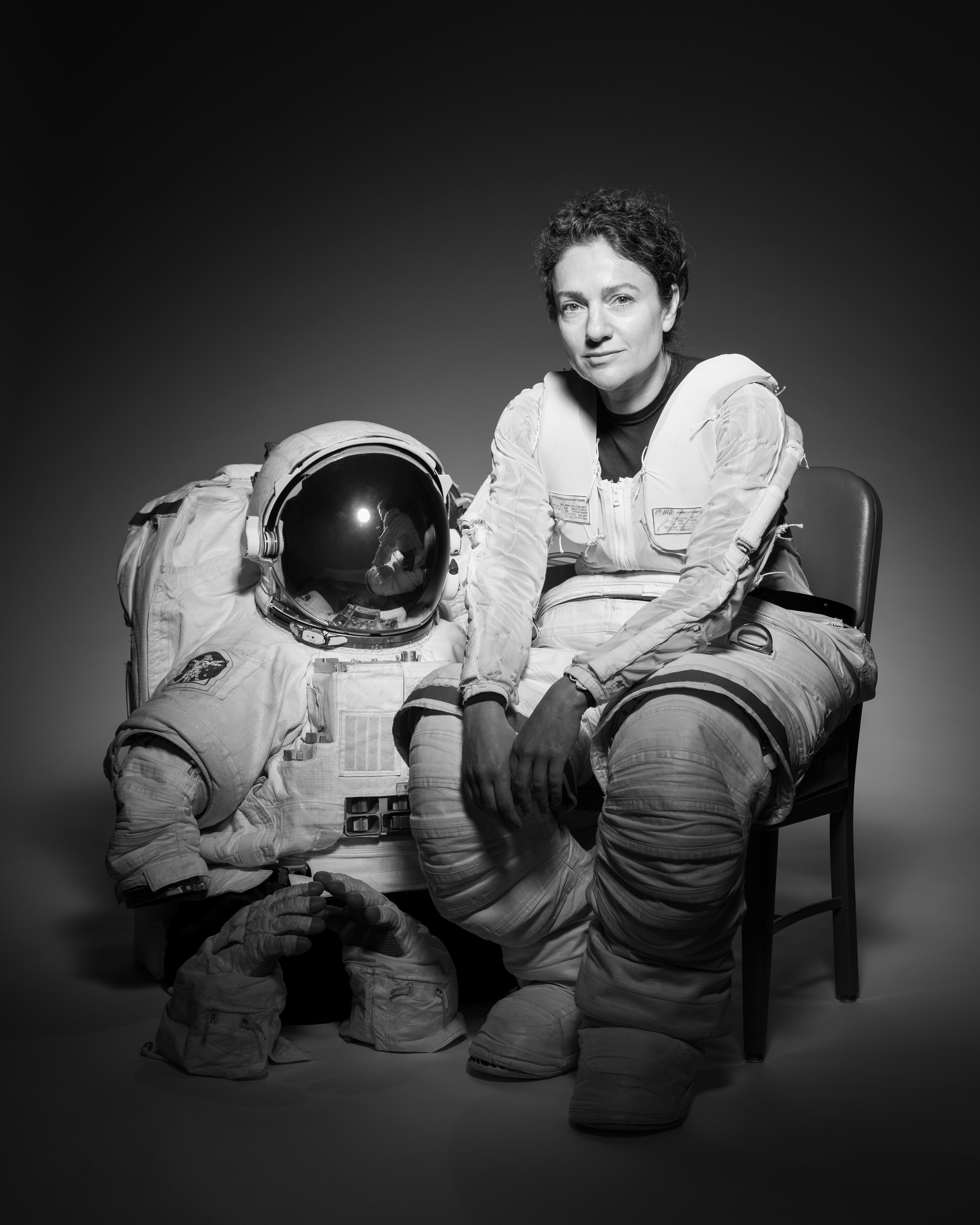
NASA astronaut Jessica Meir poses with an Extravehicular Mobility Unit (EMU) spacesuit during an official portrait session at NASA's Johnson Space Center in Houston.
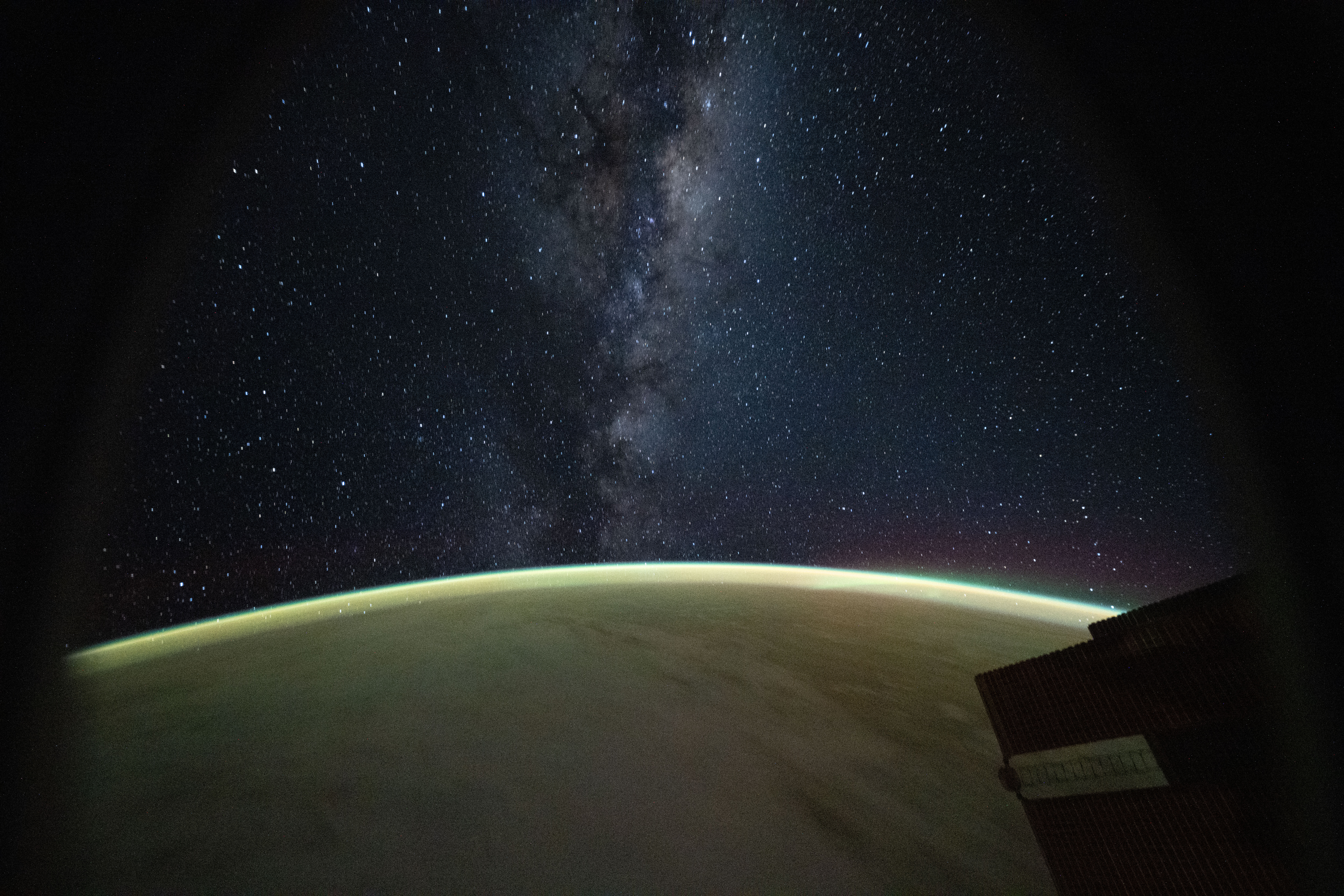
This celestial image captured from a window on a SpaceX Dragon spacecraft docked to the International Space Station highlights the Milky Way rising above Earth's atmospheric glow.
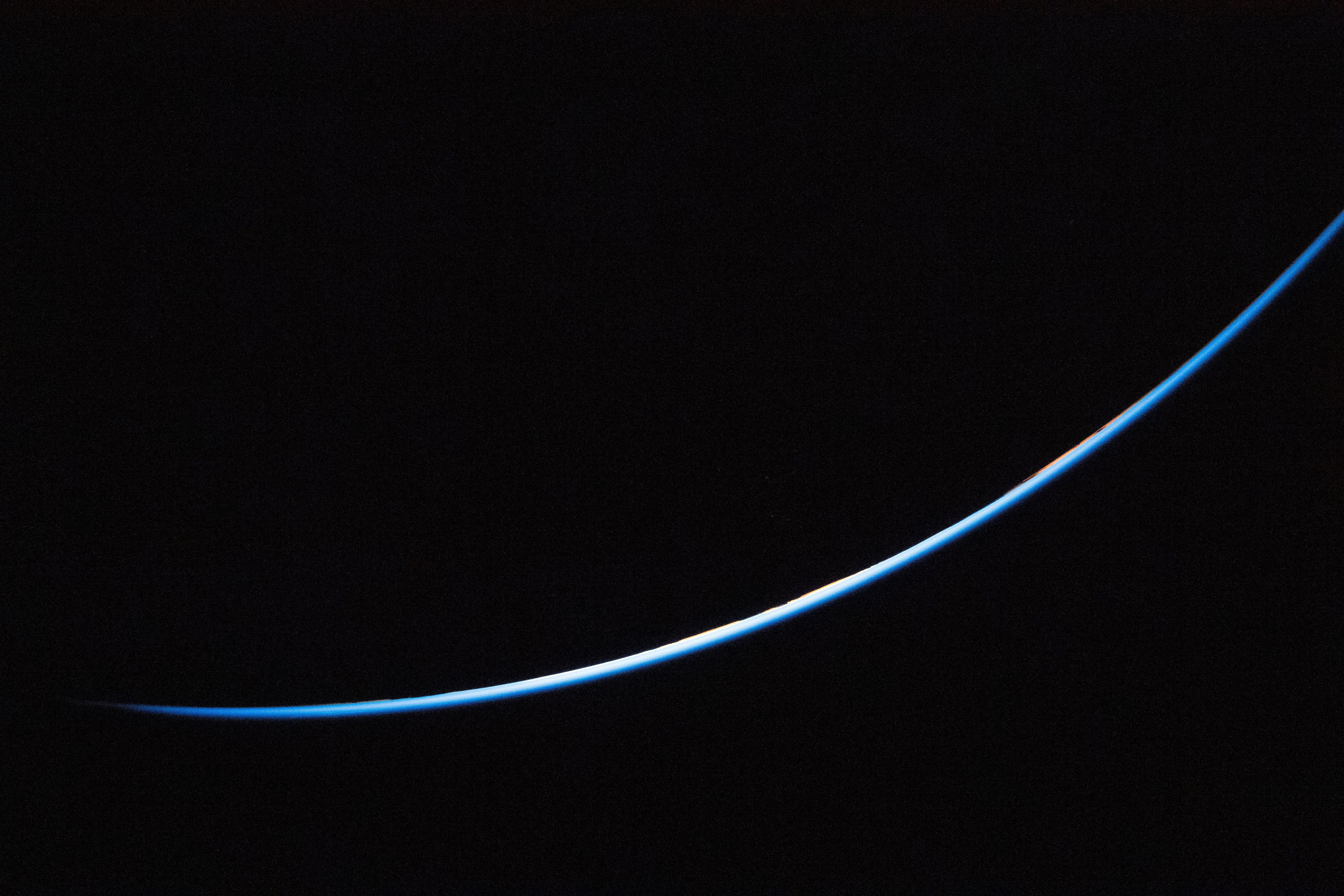
A sliver of the edge of Earth is brightly illuminated against the vast darkness of space.
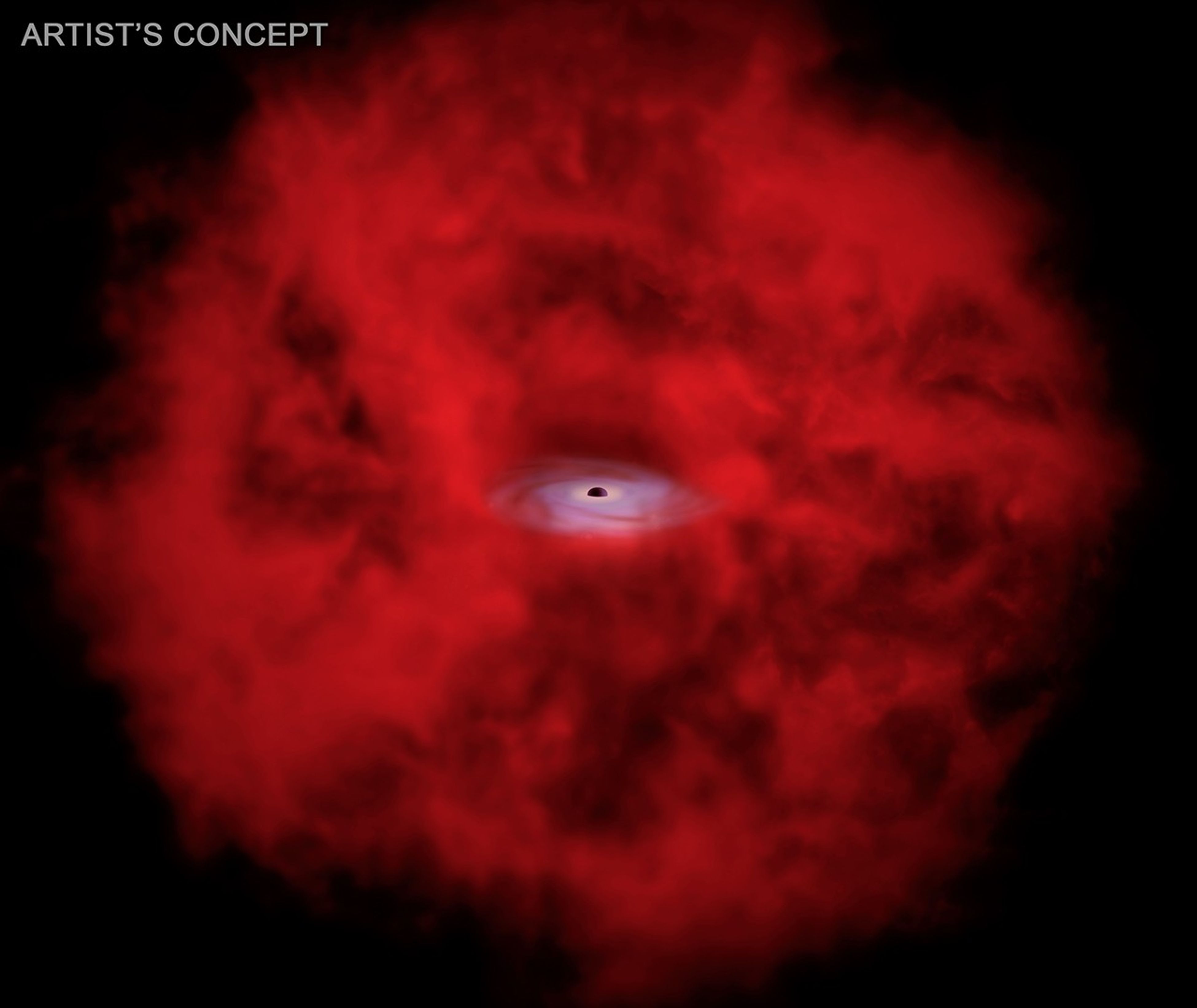
A newly discovered object may be a key to unlocking the true nature of a mysterious class of sources that astronomers have found in the early universe in recent years.
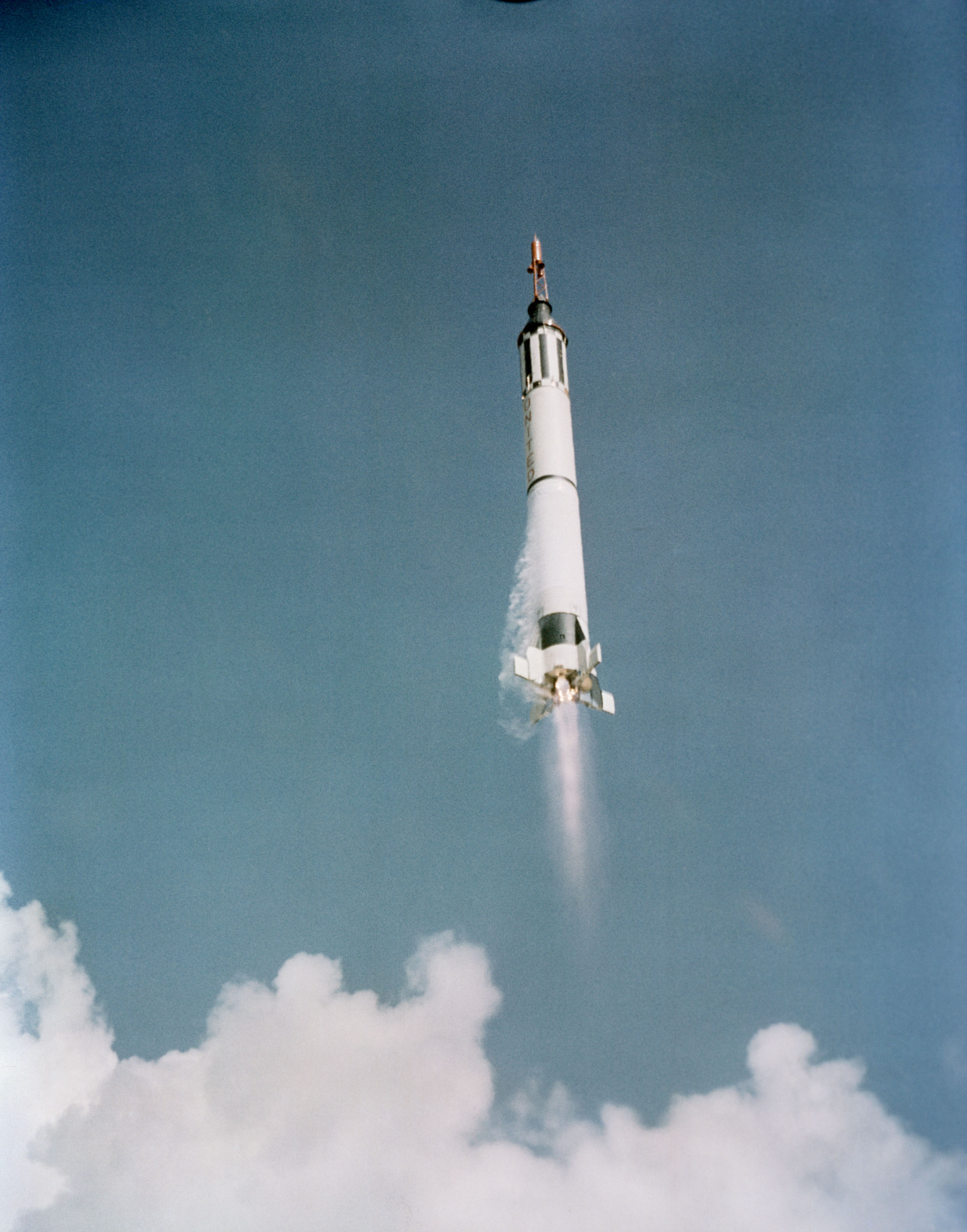
America’s first human spaceflight begins as the Mercury-Redstone 3 (MR-3) space vehicle, with astronaut Alan B. Shepard Jr. aboard, launches from Cape Canaveral, Florida on May 5, 1961.
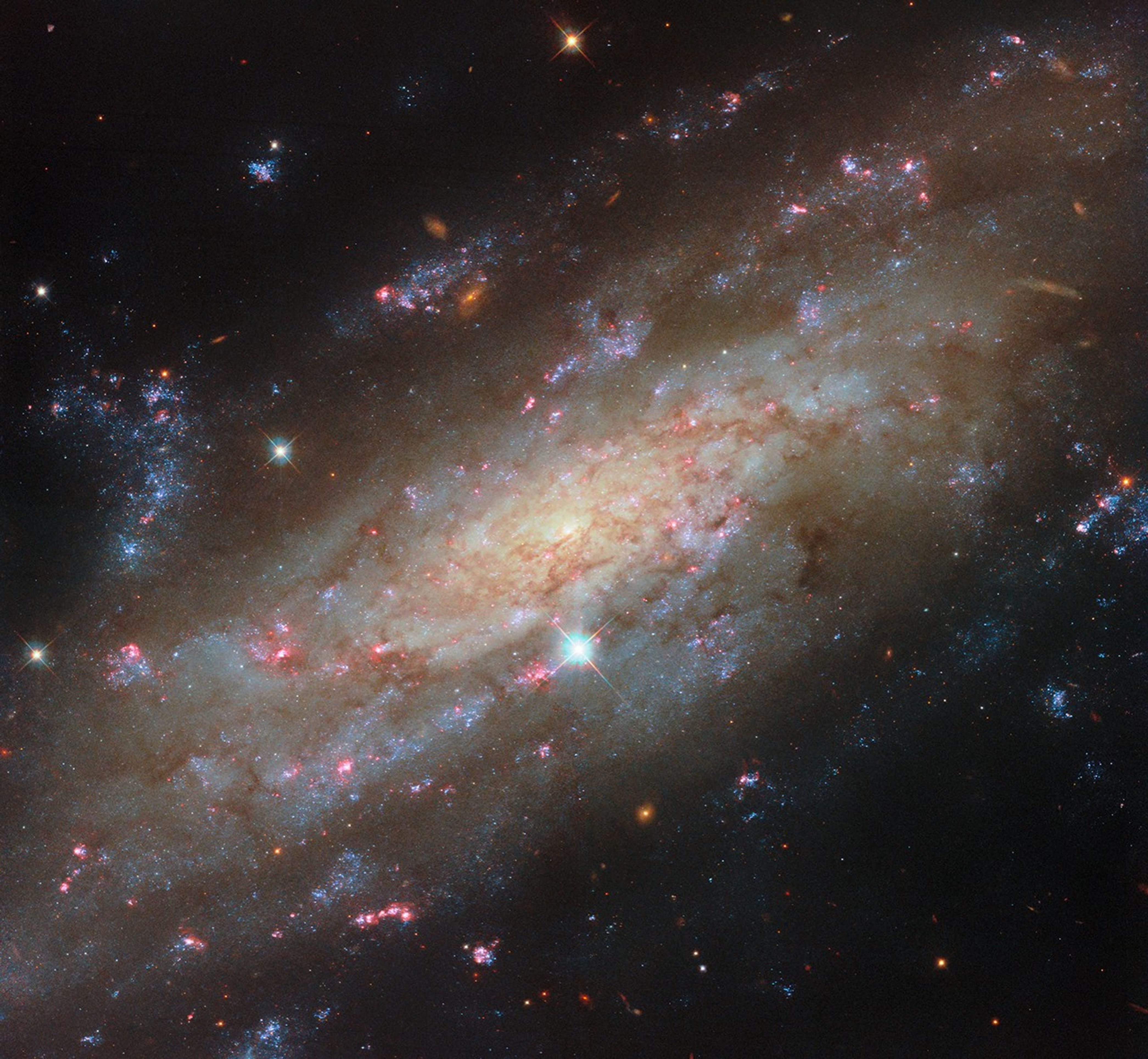
This NASA Hubble Space Telescope image features the glittering spiral galaxy NGC 3137, located 53 million light-years away in the constellation Antlia (the Air Pump).
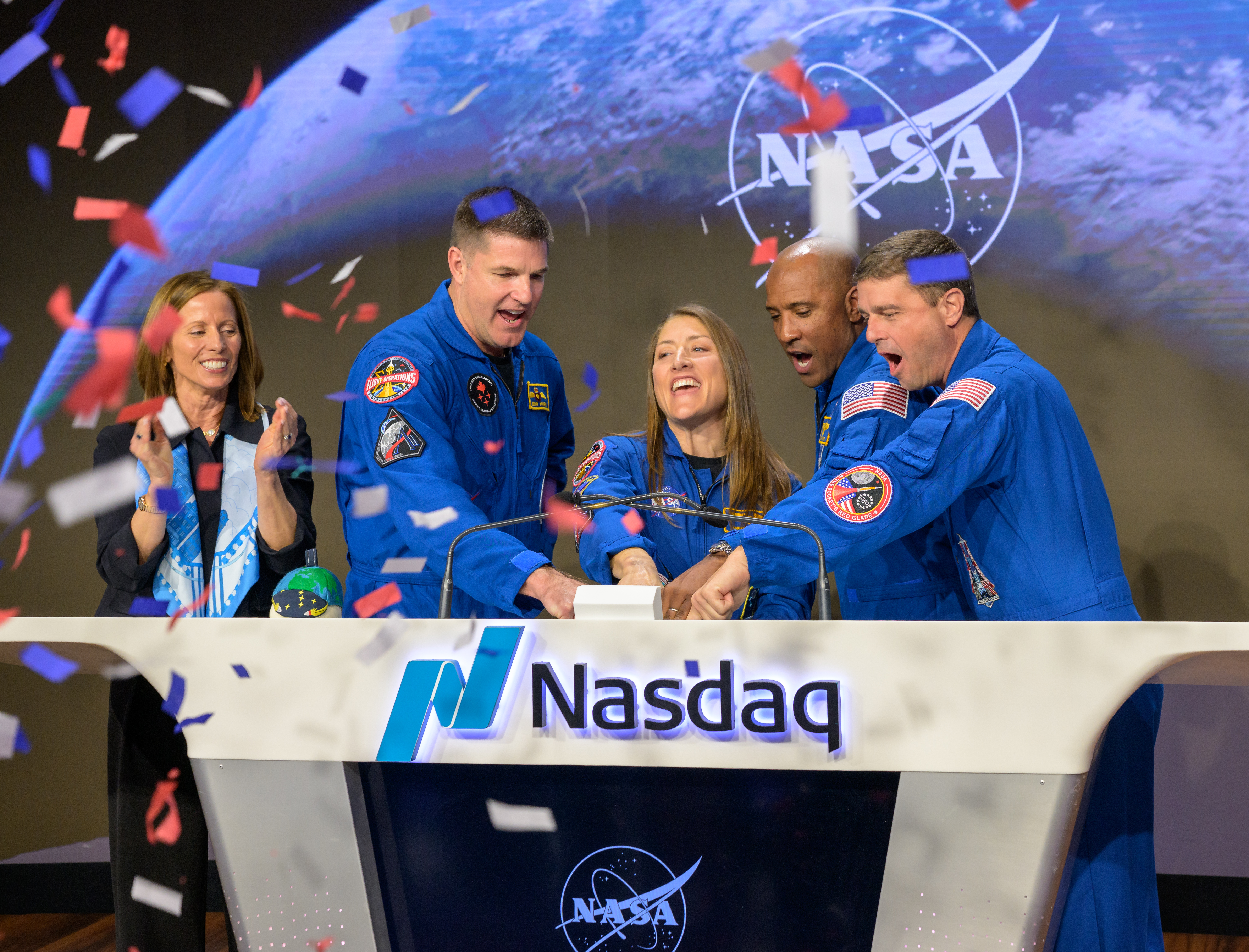
Nasdaq Chair and Chief Executive Officer Adena T. Friedman, left, and NASA’s Artemis II crew ring the closing bell of the Nasdaq market session, Thursday, April 30, 2026.
NASA’s SLS (Space Launch System) core stage for the Artemis III mission moves into the Vehicle Assembly Building at the agency's Kennedy Space Center in Florida on Tuesday, April 28, 2026.

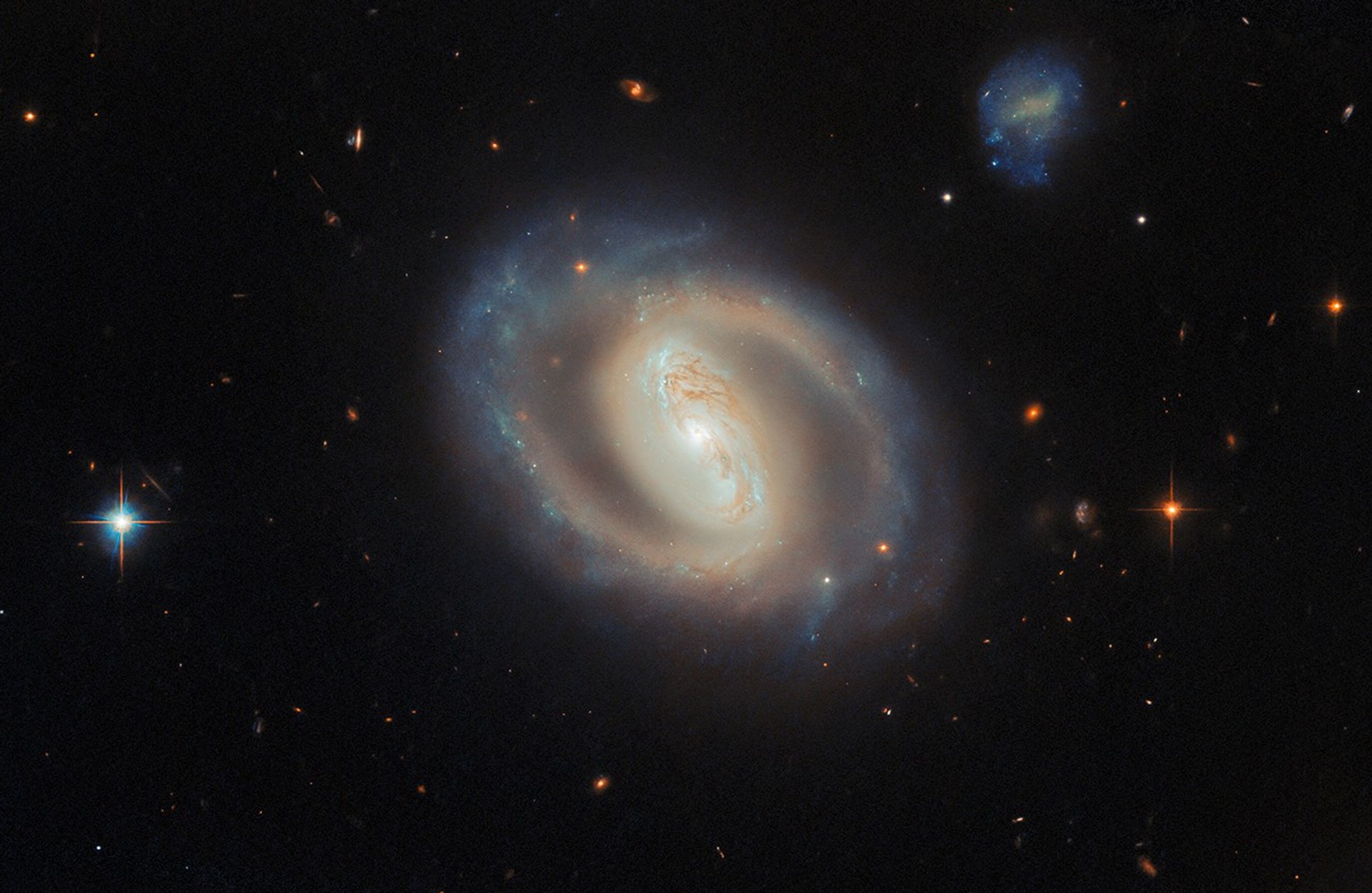
The barred spiral galaxy IC 486 glows with a soft, ethereal light in this NASA Hubble Space Telescope image.
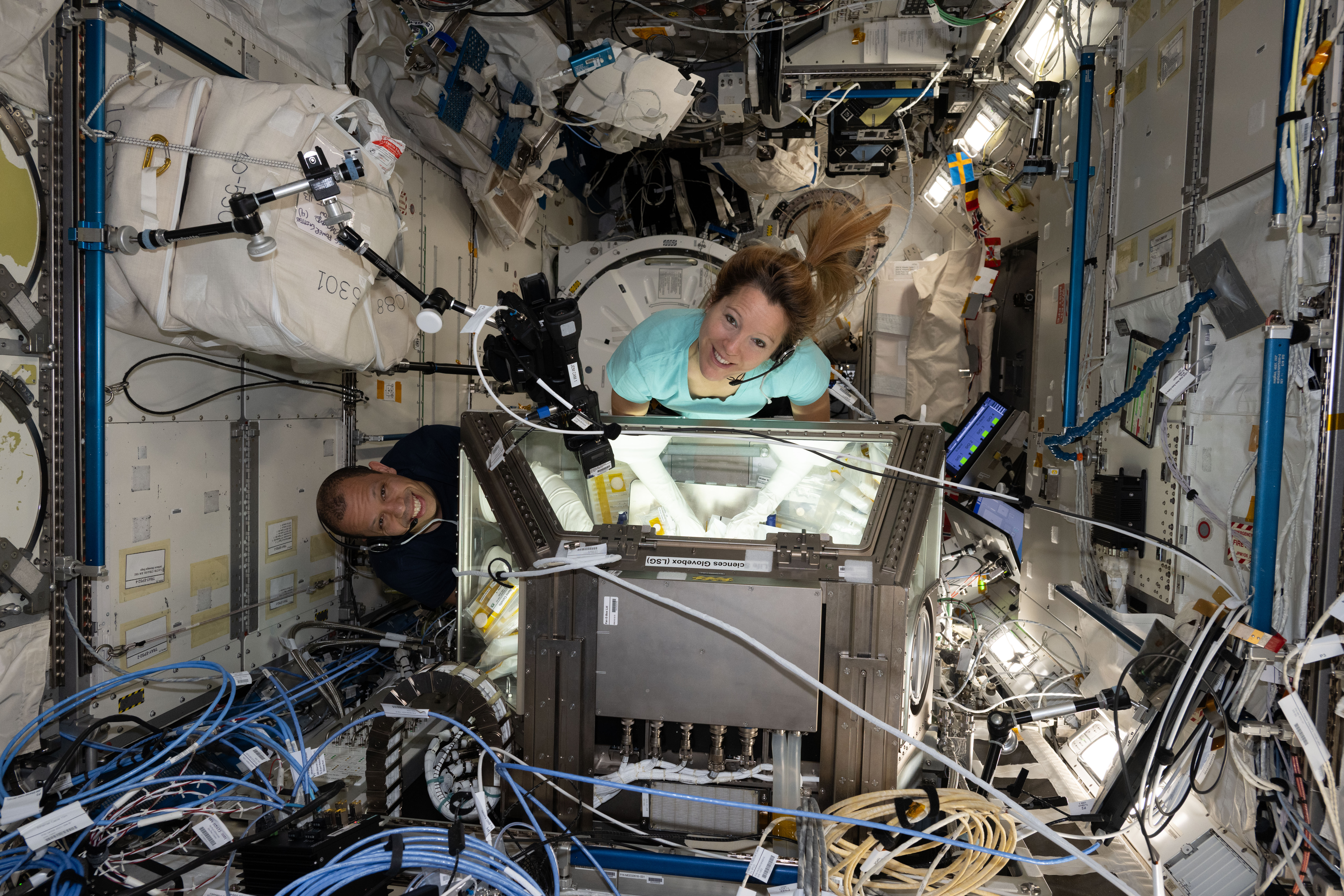
Expedition 74 flight engineers Chris Williams of NASA and Sophie Adenot of the European Space Agency work together in the Kibo laboratory module’s Life Science Glovebox.
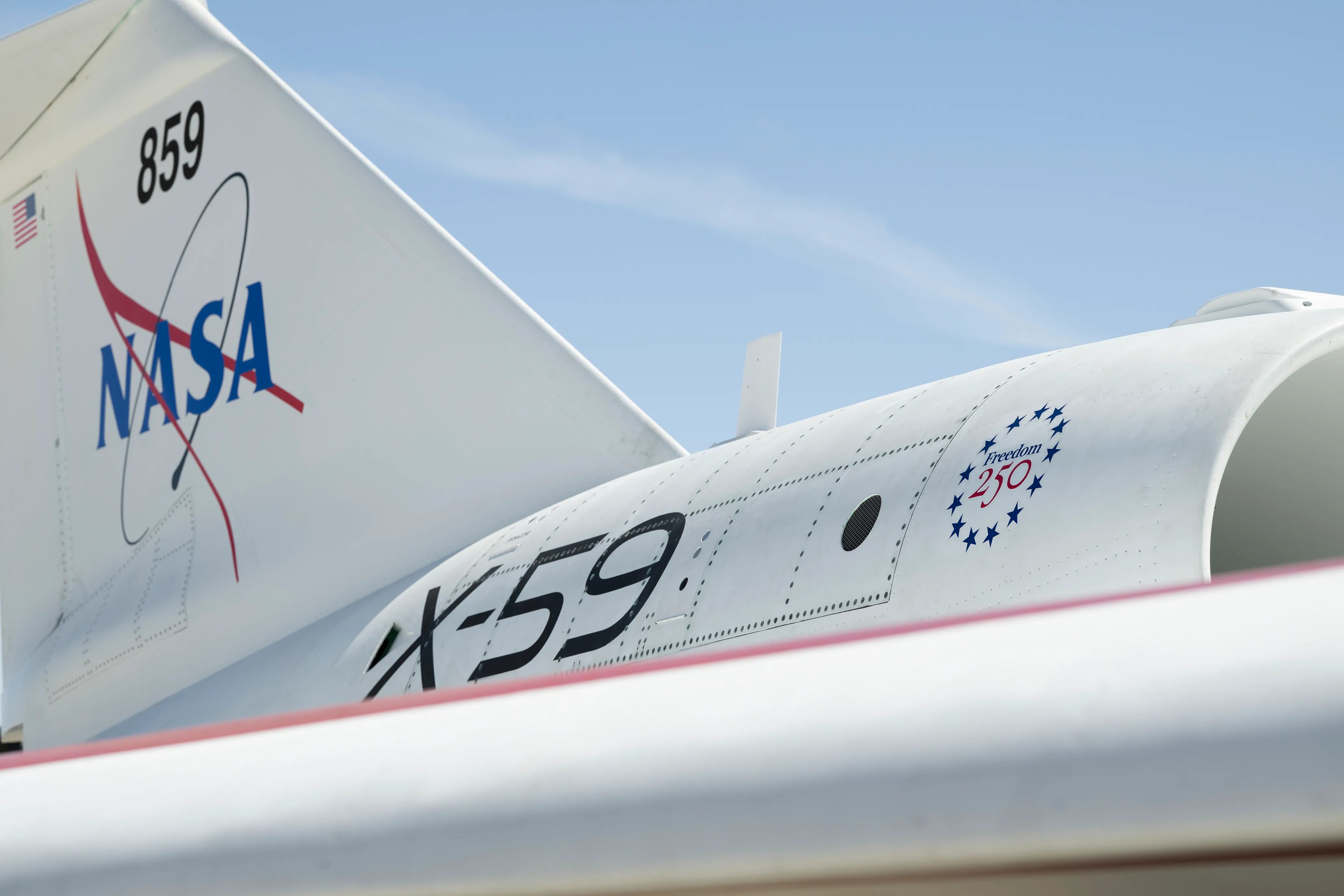
The X-59’s tail and jet engine feature a new marking — a Freedom 250 logo celebrating the nation’s 250th birthday in 2026.
 ×
×
×
×
×
×
×
×