
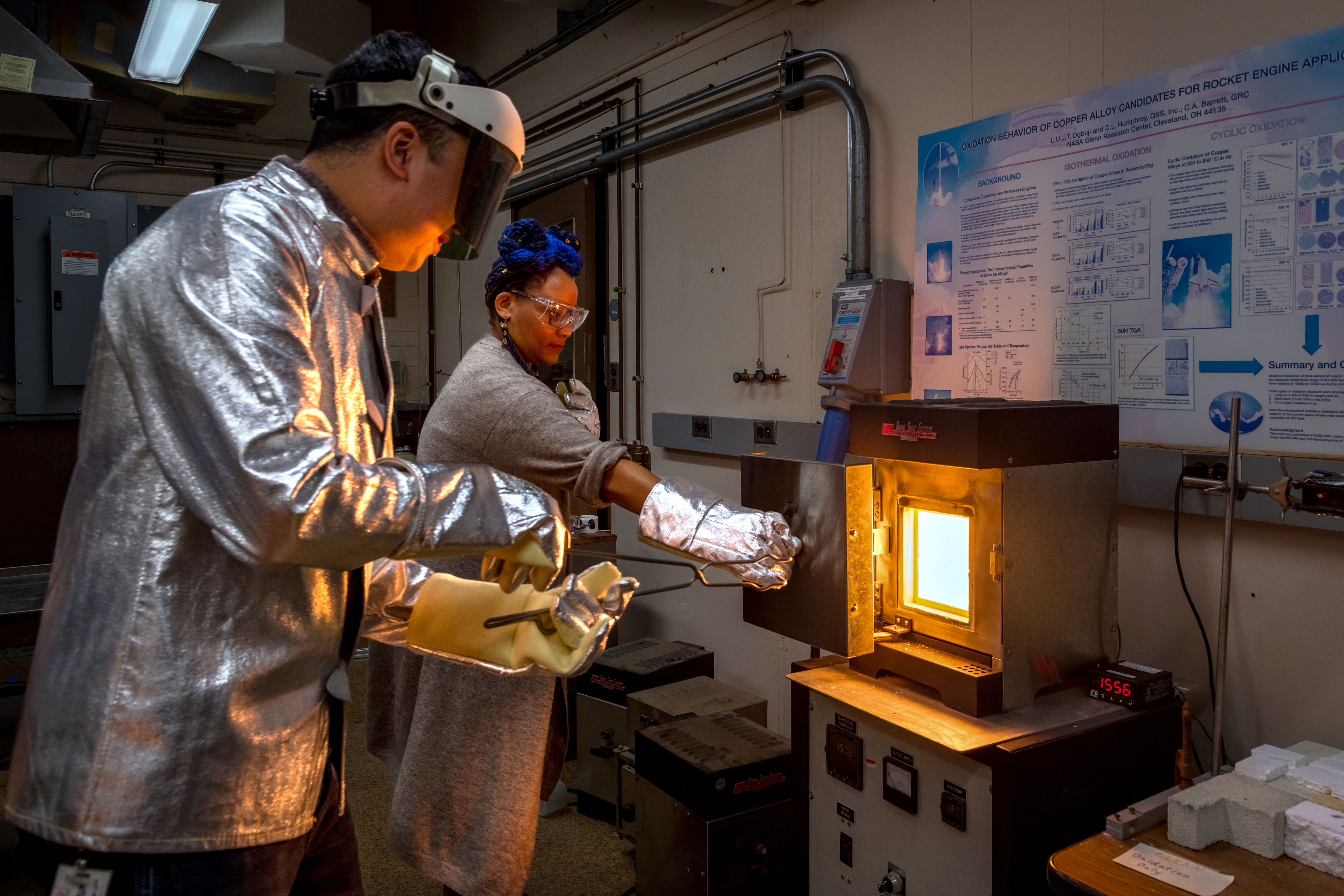
A material recently discovered and tested at NASA’s Glenn Research Center in Cleveland could help astronauts pack lighter for future missions to the Moon. NASA is researching ways explorers could “live off the land” by harnessing lunar resources, including melting Moon rocks to extract metals for building infrastructure and oxygen for fuel and life support.
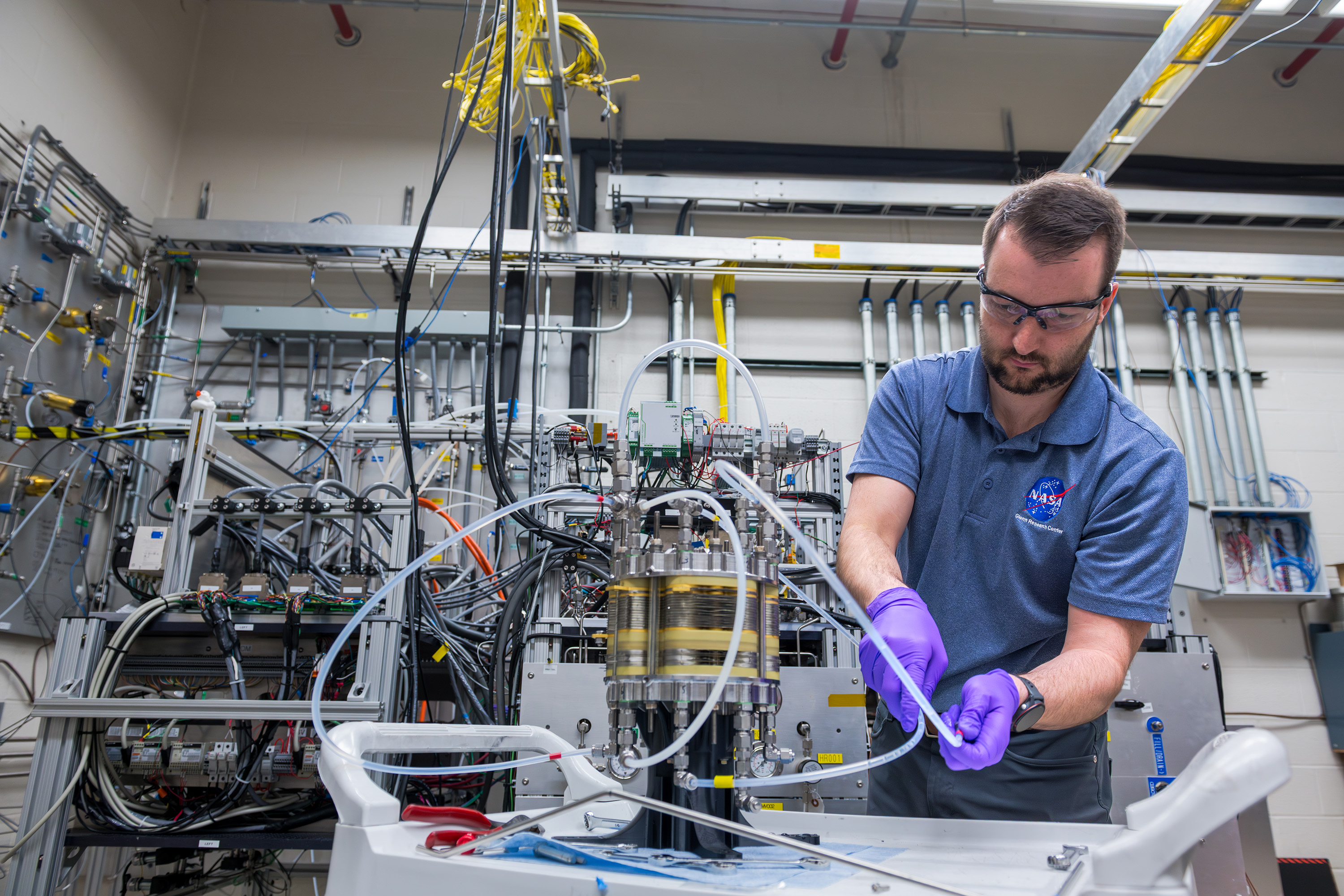
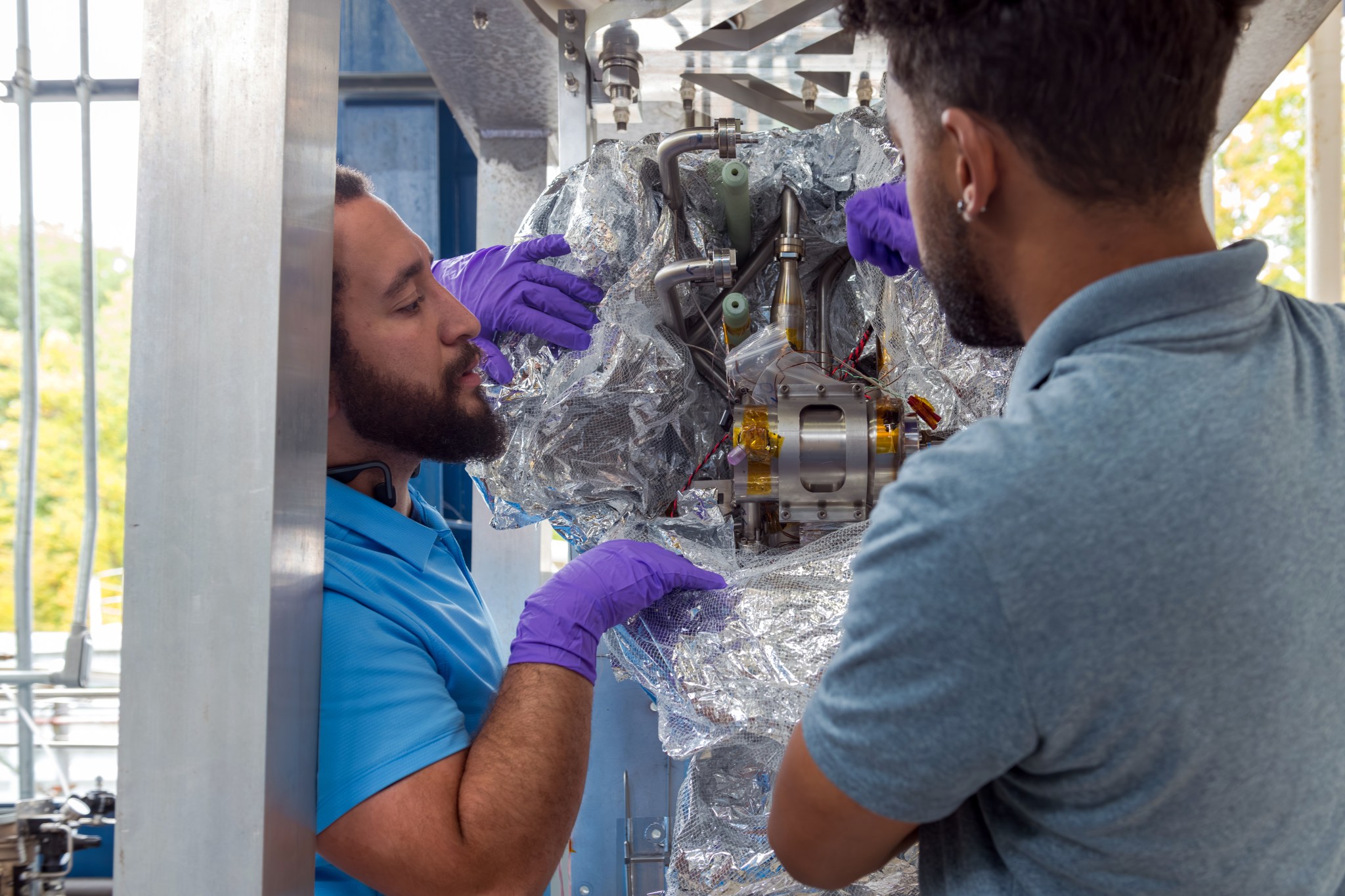
With a small blue crane, four researchers hoist a cylindrical fuel cell, which looks like a stack of flattened silver and gold soda cans bundled together, into the air and lower it into a rectangular cart on wheels. A tangle of tubes and wires spiral away from the system, where nearly 270 sensors and 1,000
As NASA looks to explore the Moon, Mars, and beyond, researchers must develop materials capable of withstanding the extreme temperatures found in space and on other planets and their moons. In frigid conditions, rubber can shatter like glass, circuit boards may fail, and electrical connections can freeze and fracture. Gaining a deeper understanding of how
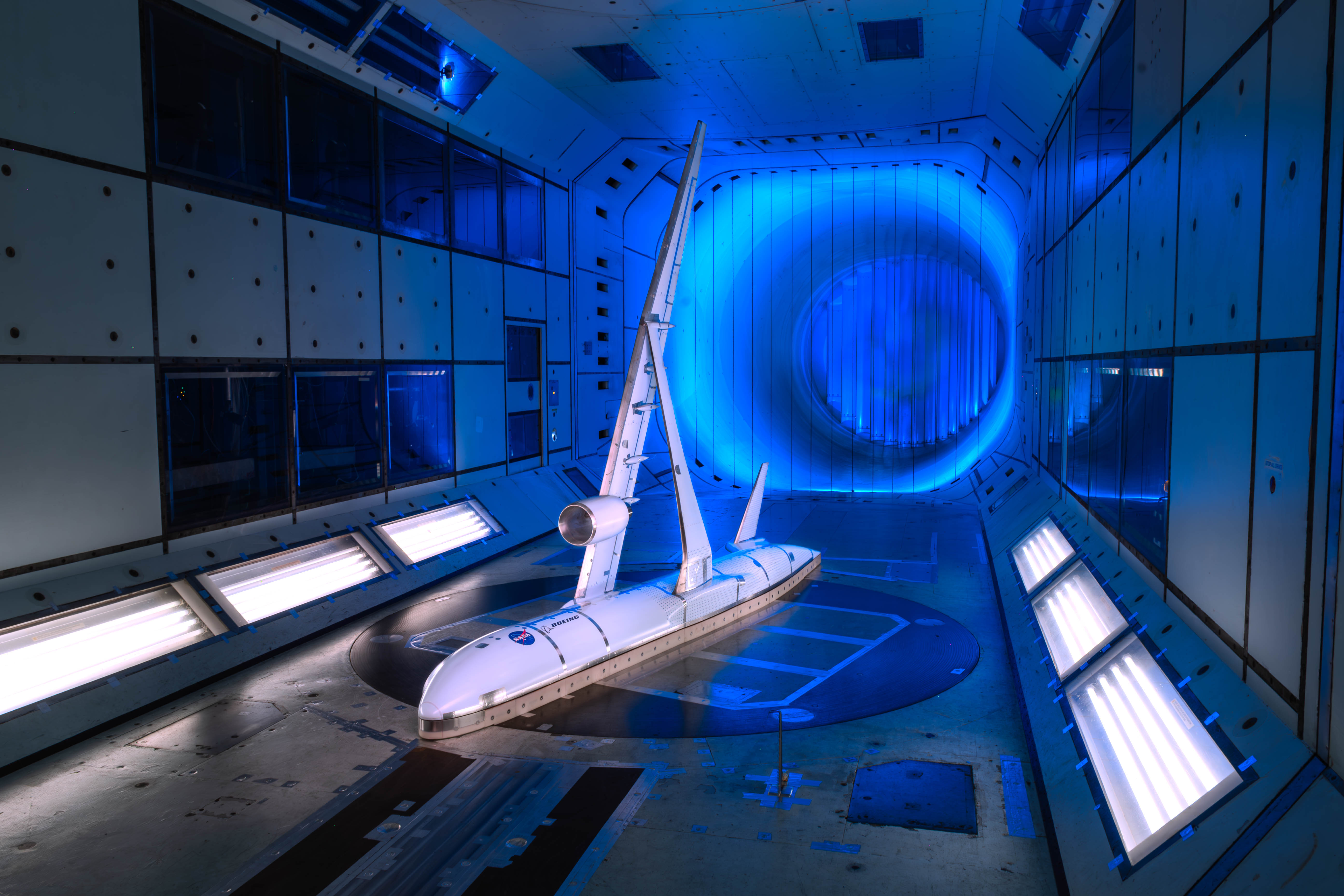
NASA and Boeing have completed wind tunnel testing to study an innovative advanced aircraft design intended to improve aerodynamic efficiency. A truss-braced wing configuration, involving a long, thin wing with aerodynamically shaped structural supports, has the potential to reduce fuel and operational costs for future airliners, which is why NASA has collaborated with Boeing to
A technology that could propel crewed missions to Mars and robotic spacecraft throughout the solar system was recently put to the test at NASA’s Jet Propulsion Laboratory in Southern California. On Feb. 24, for the first time in years and at power levels exceeding any previous test in the United States, a team fired up
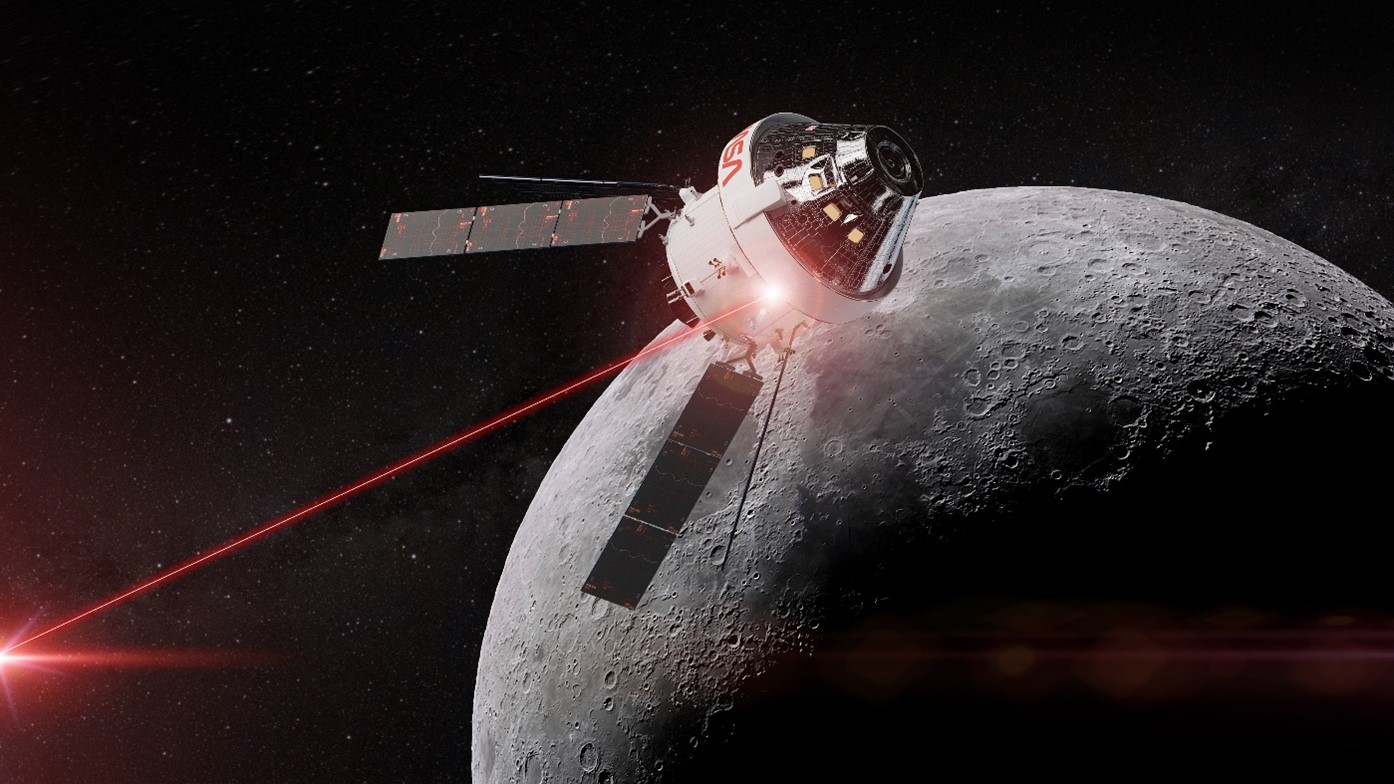
Millions of people watched the historic launch of Artemis II and were captivated by the mission’s 10-day journey around the Moon as NASA astronauts Reid Wiseman, Victor Glover, and Christina Koch, and CSA (Canadian Space Agency) astronaut Jeremy Hansen ventured farther into space than any human before. Part of the public’s ability to experience the
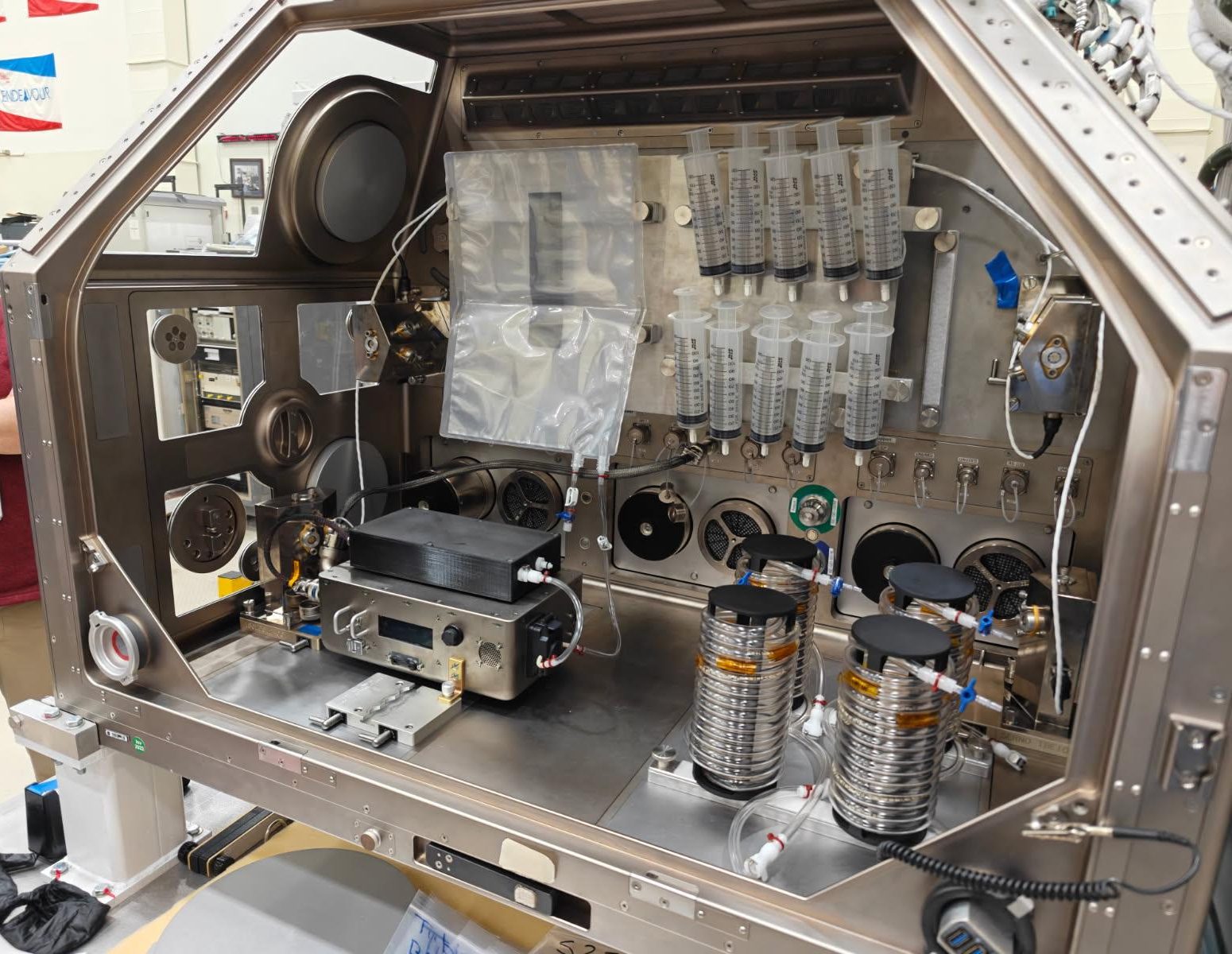
On every crewed mission, NASA packs pouches of a potentially life-saving liquid in its cargo, known as IV (or intravenous) fluid. A simple mix of sodium chloride and purified water, it can treat up to 30% of medical conditions in flight, resolving things like dehydration, burns, and more. Crewed missions beyond low Earth orbit into
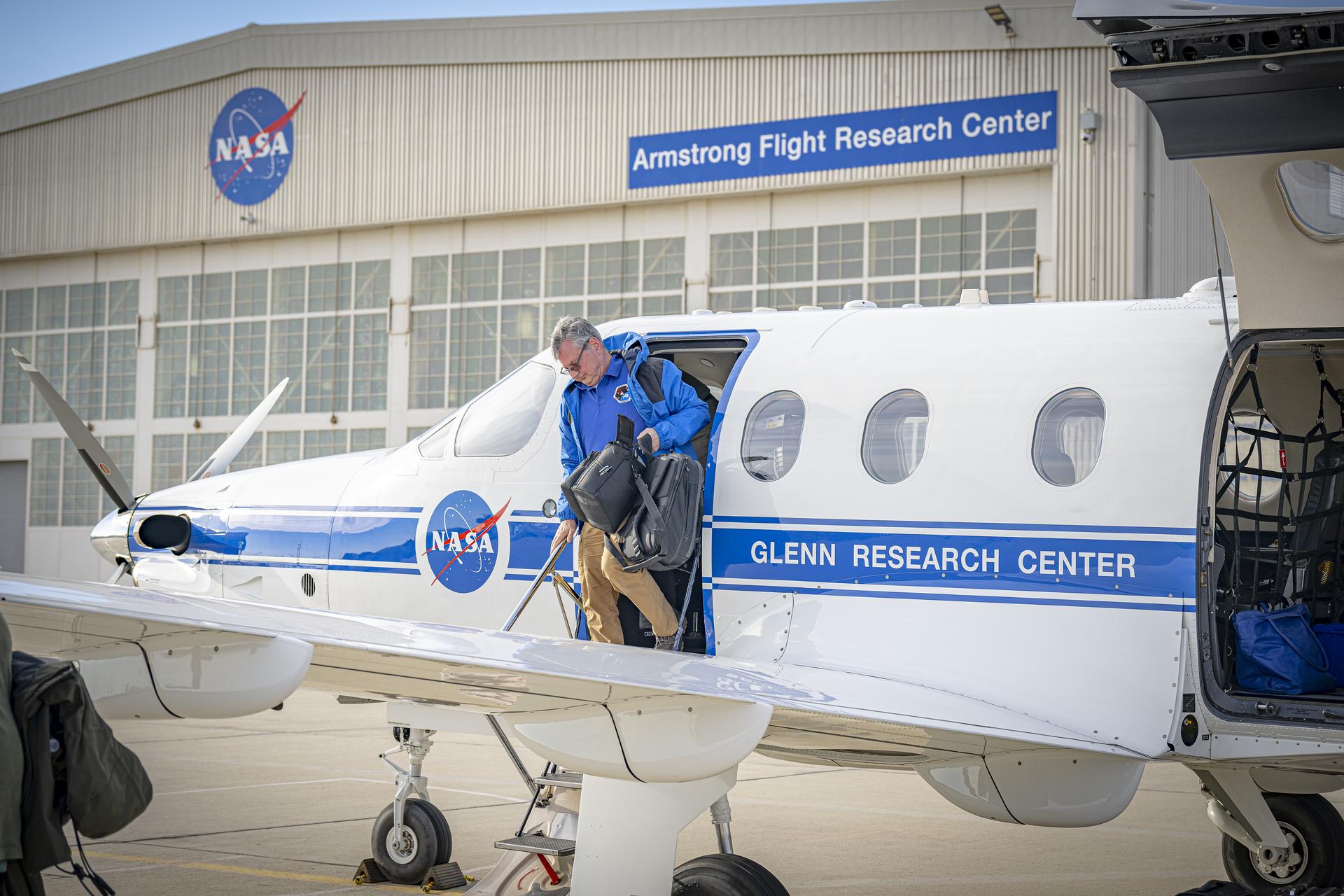
A NASA Pilatus PC-12 aircraft will now be based at NASA’s Armstrong Flight Research Center in Edwards, California, in order to support flight research efforts across the agency. The PC-12 was acquired in 2022 by NASA’s Glenn Research Center in Cleveland for use in advanced technology development. The PC-12 will continue to support research at
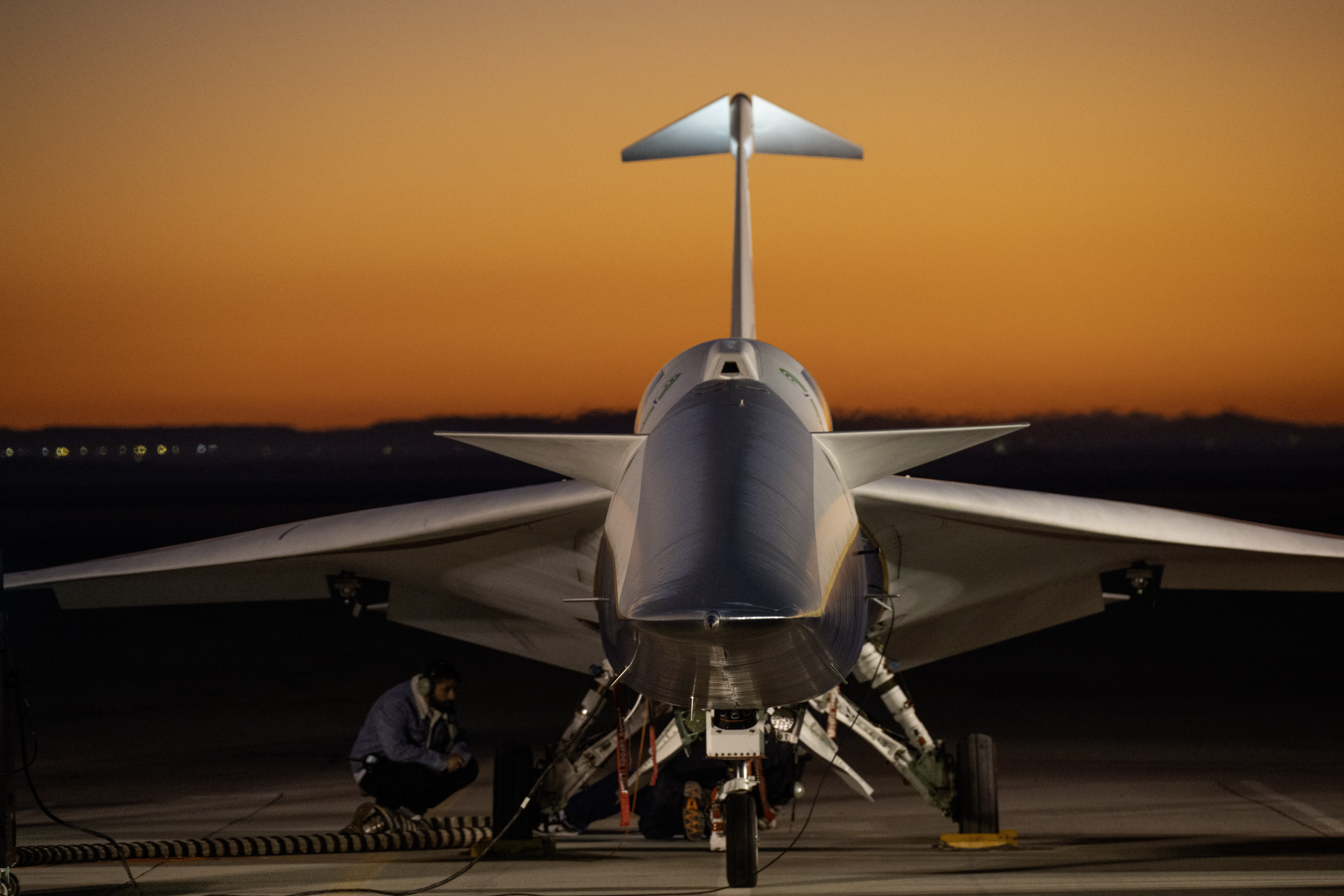
NASA’s X-59 experimental aircraft is preparing for its second flight, a step that will set the pace for more flight testing in 2026. Over the coming months, NASA will take the quiet supersonic jet faster and higher, while validating safety and performance, a process known as envelope expansion. NASA test pilot Jim “Clue” Less will be at the X-59’s
The farther the destination, the more fuel a rocket needs. The more fuel the rocket carries, the heavier the spacecraft. The heavier the spacecraft, the more fuel it requires to launch. Experts at NASA’s Glenn Research Center in Cleveland are testing technology that could solve this problem. The CryoFILL (Cryogenic Fluid In-Situ Liquefaction for Landers) project could transform the way NASA fuels future space exploration missions, reducing costs and extending the duration of planetary surface operations. “If
4 Mar 2026, 16:17 GMTBy Gerelle Q. Dodson8 variants
The U.S. Office of Personnel Management (OPM) and NASA announced NASA Force on Wednesday, a dedicated talent track within the US Tech Force initiative designed to recruit and deploy the nation’s top engineers and technologists to support America’s space program. NASA Force will identify and place high-impact technical talent into mission-critical roles supporting NASA’s exploration,
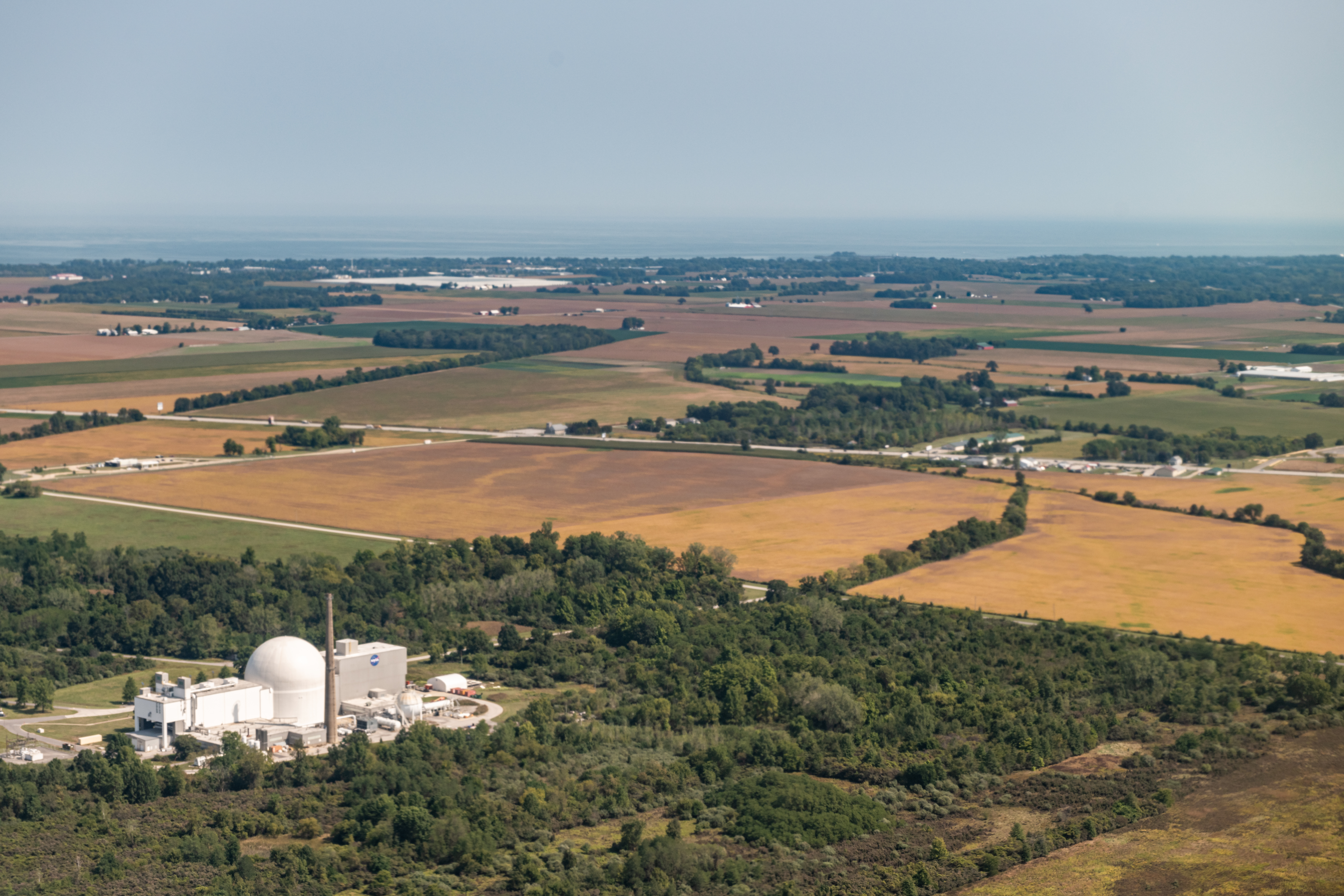
Editor’s note: This release was updated on March 5, 2026, to link to the most recent version of the Announcement for Proposal. NASA’s Glenn Research Center is seeking proposals to lease select land parcels at its Neil Armstrong Test Facility in Sandusky, Ohio. Proposals are due by 5 p.m. EST on July 2, 2026. The