Featured update
https://www.nasa.gov/sbir_sttr/nasa-sbir-sttr-program-program-year-2026-information-hub
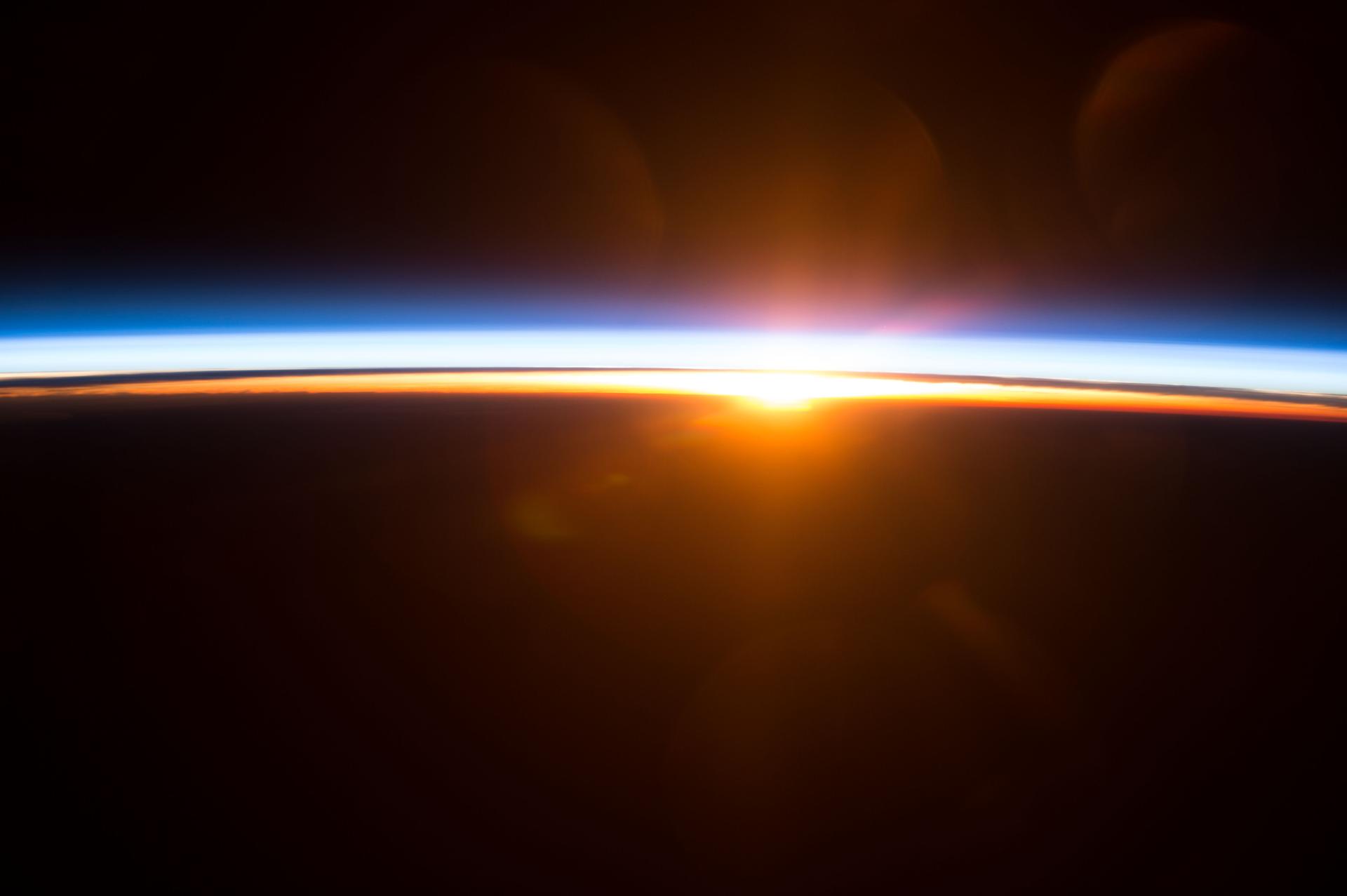


https://www.nasa.gov/sbir_sttr/nasa-sbir-sttr-program-program-year-2026-information-hub
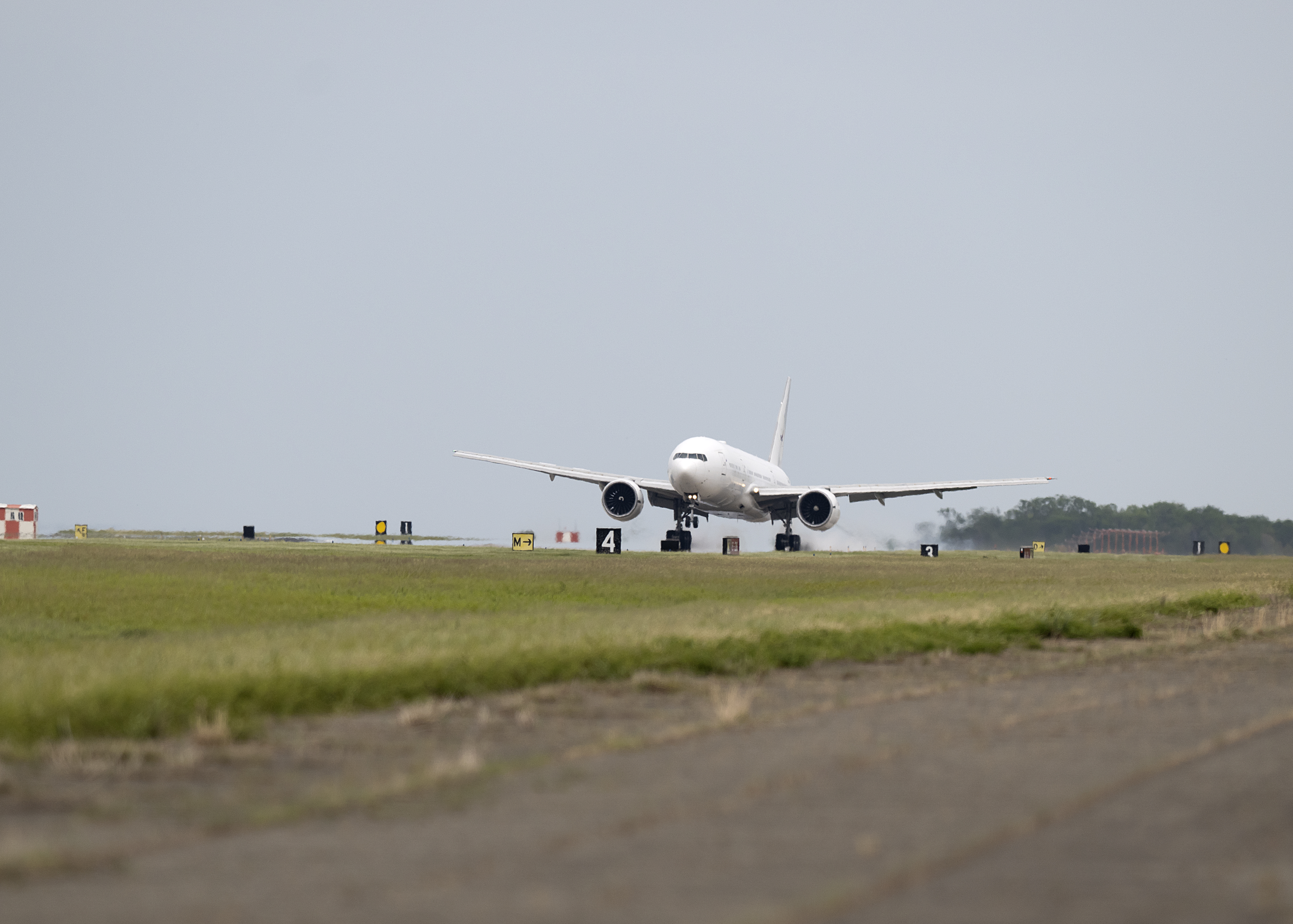
NASA’s Boeing 777 has returned to the agency’s fleet after undergoing heavy structural modifications as it transforms from a giant passenger plane into the agency’s next-generation airborne science laboratory. After a check flight and a three-hour transit from Waco, the aircraft returned to NASA’s Langley Research Center in Hampton, Virginia, on April 22. Since January
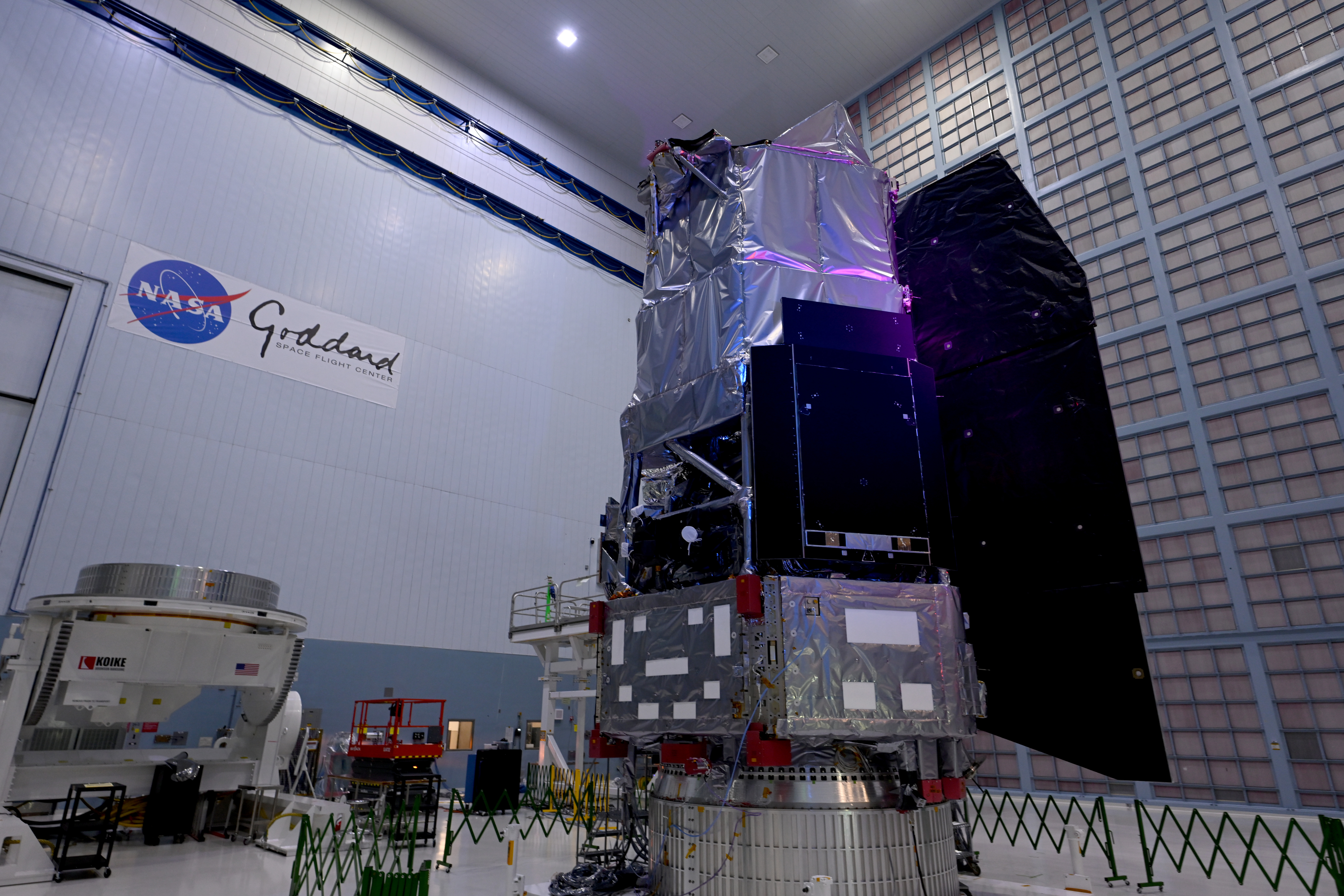
NASA’s Nancy Grace Roman Space Telescope team now is targeting as soon as early September 2026 for launch, ahead of the agency’s commitment to flight no later than May 2027. “Roman’s accelerated development is a true success story of what we can achieve when public investment, institutional expertise, and private enterprise come together to take
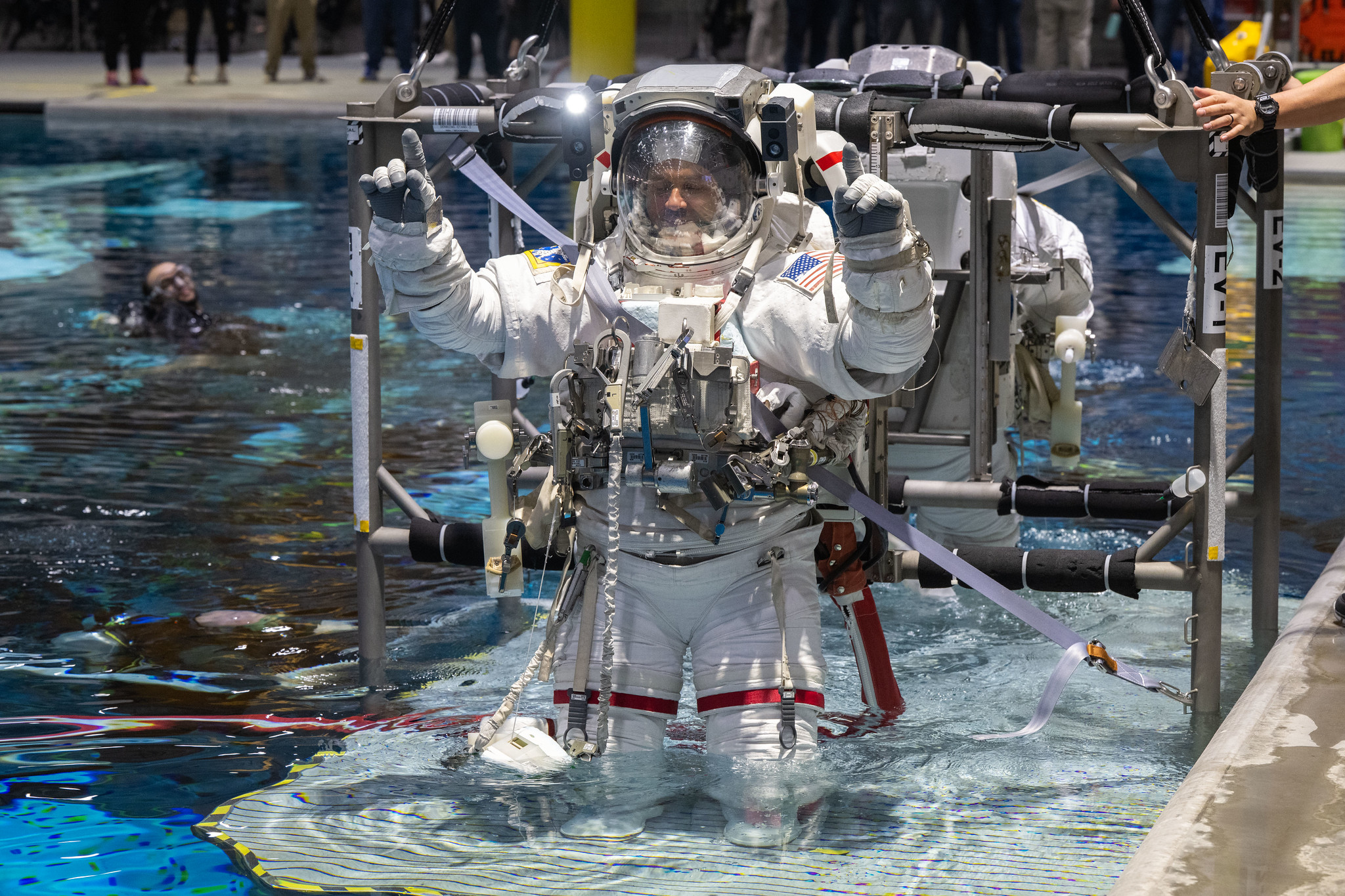
Editor’s Note: This advisory was updated on April 23, 2026, to extend the deadline for phone RSVPs, as well as to correctly state that Anil Menon is a colonel in the United States Space Force. NASA will host a news conference at 1:45 p.m. EDT Wednesday, April 29, from the agency’s Johnson Space Center in
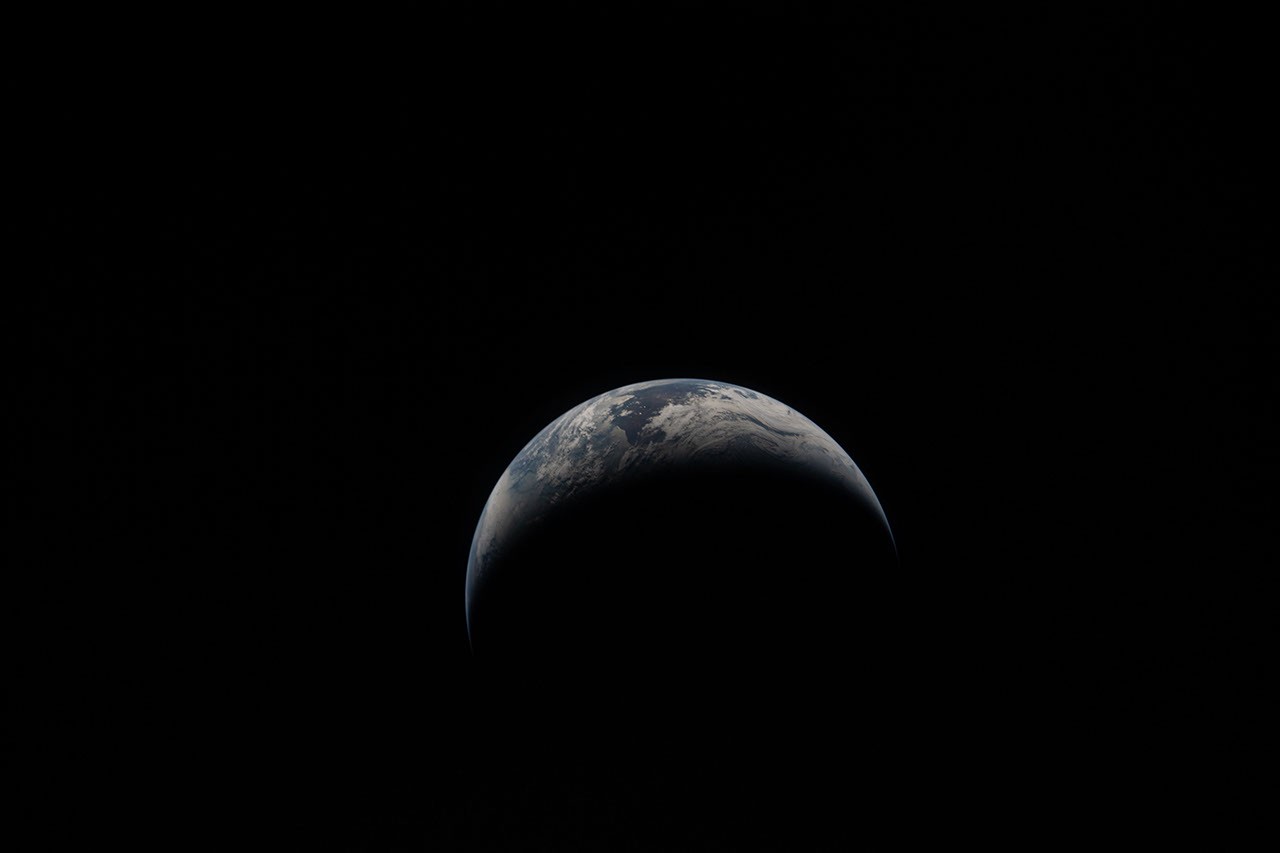
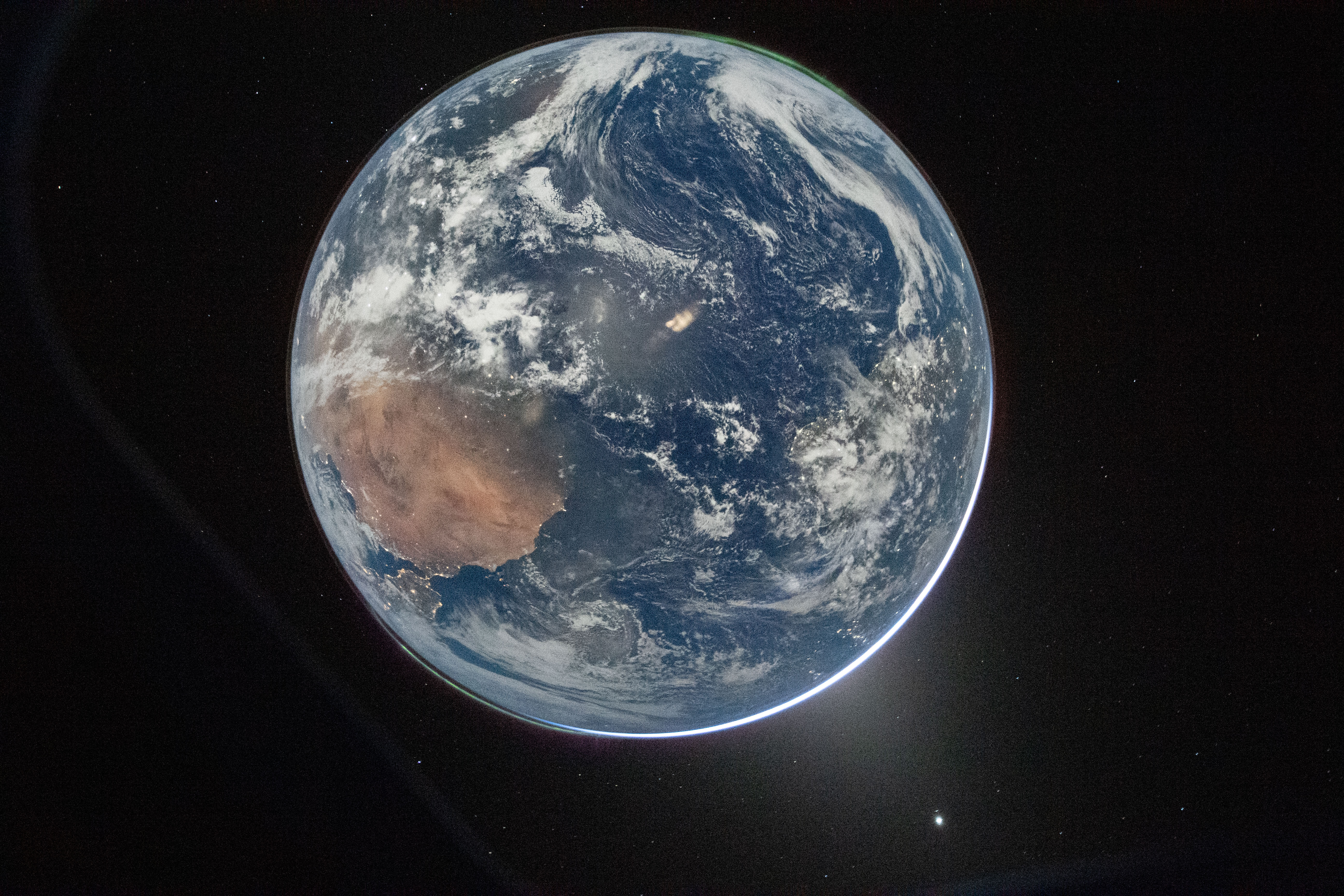
This image, released in celebration of Earth Day, shows the terminator – the line between night and day – on Earth. The Artemis II astronauts captured this view on April 2, 2026, during their journey to the Moon. NASA science improves life on Earth every day. The agency provides insights on our home planet that

From cameras pressed against spacecraft windows to the most powerful radar ever flown, imaging technology has taken giant leaps since 1968, but the drive to understand our home in the cosmos has remained.
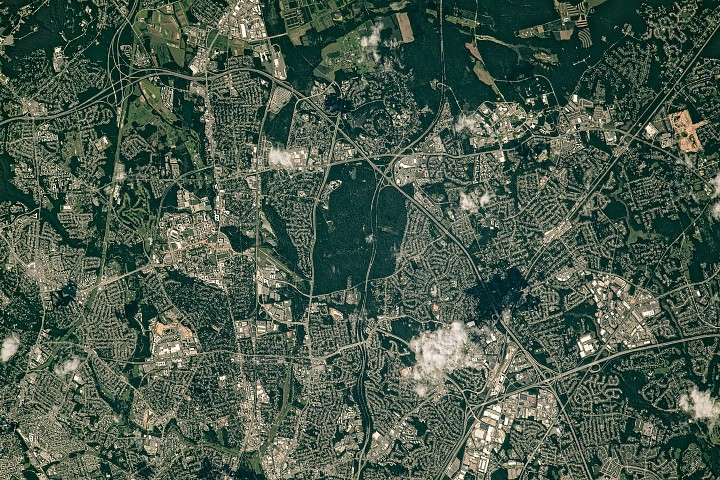
Along the northeast side of the Capital Beltway in Maryland, green spaces weave through the developed landscape.
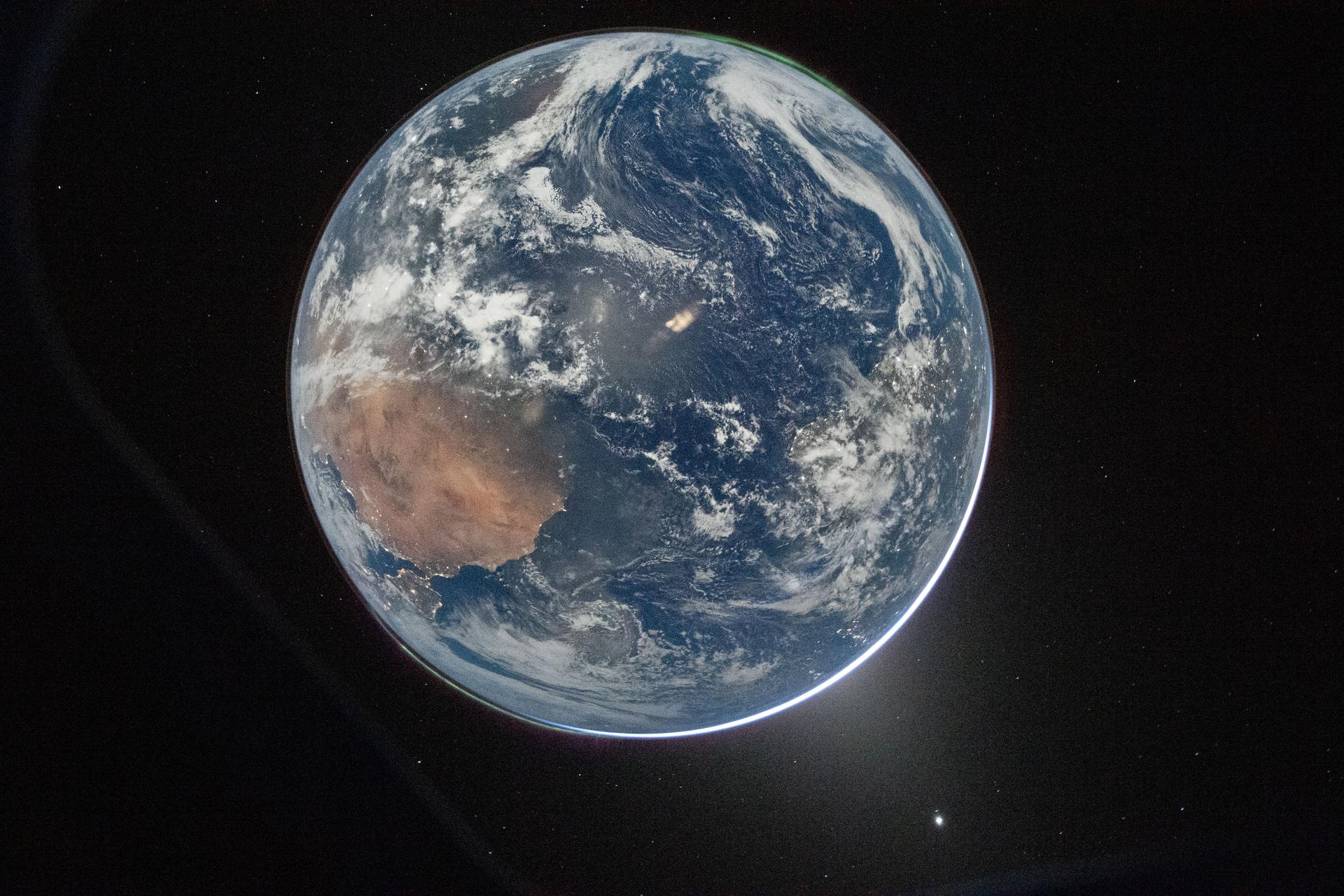
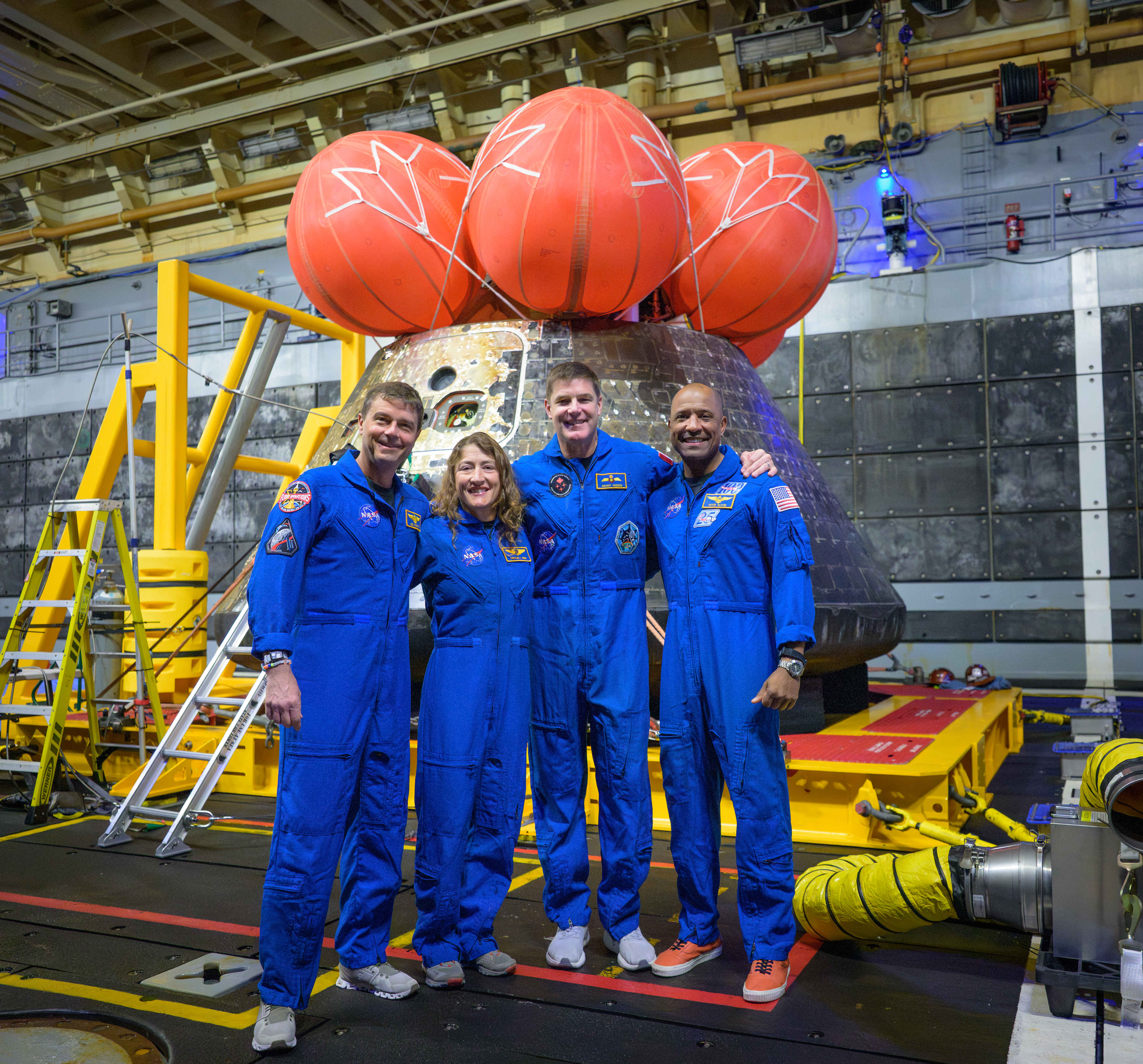
On April 1, 2026, Artemis II launched on a nearly 10-day voyage around the Moon, marking the first crewed flight of NASA’s Orion spacecraft. NASA astronauts Reid Wiseman, Victor Glover, and Christina Koch, along with CSA (Canadian Space Agency) astronaut Jeremy Hansen, splashed down on April 10 in the Pacific Ocean off the coast of San Diego. At their farthest
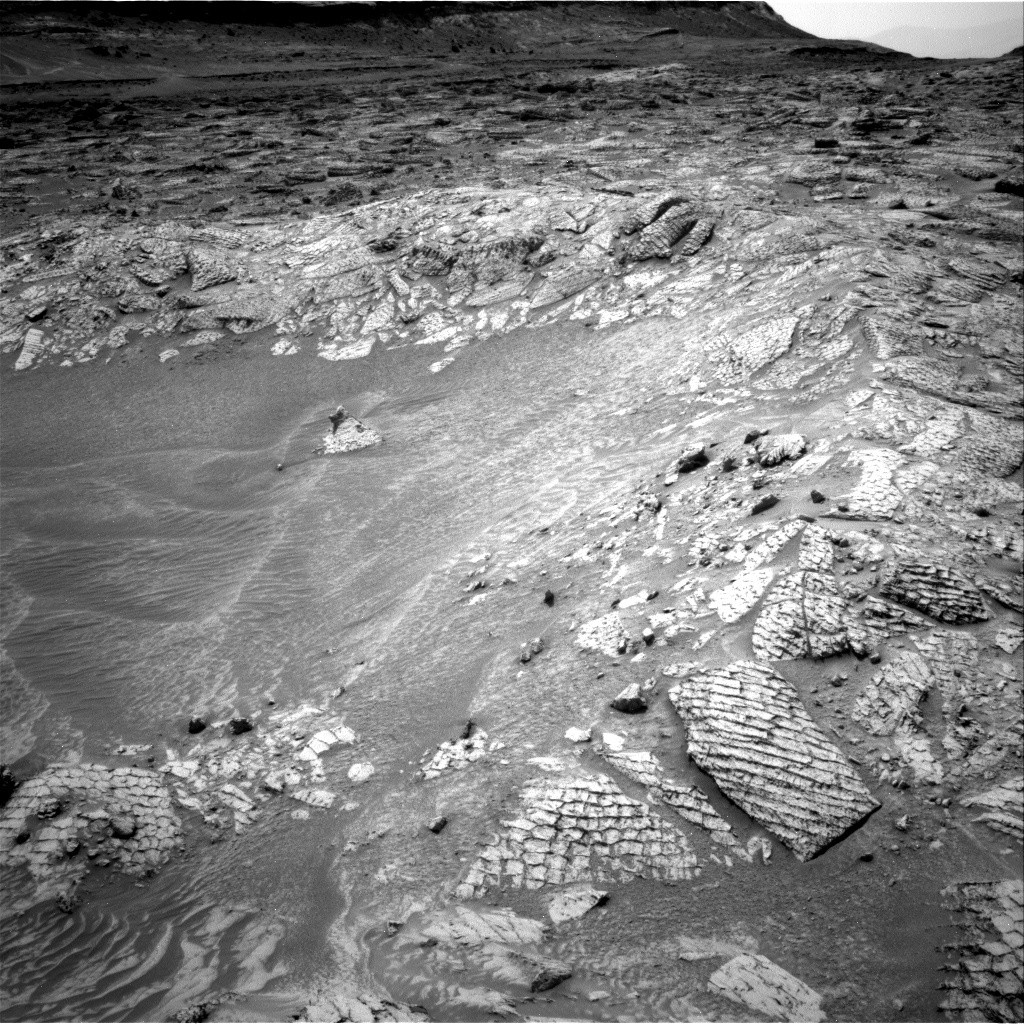
Written by Lucy Lim, Planetary Scientist at NASA’s Goddard Space Flight Center Earth planning date: Friday, April 17, 2026 At the beginning of the week, Curiosity arrived right on target on the rim of the 10-meter (33 feet) “Antofagasta” crater. The crater looked fresh and deep as we had hoped with a nice well-defined
The Hashemite Kingdom of Jordan will sign the Artemis Accords during a ceremony at 9:30 a.m. EDT Thursday, April 23, at NASA Headquarters in Washington. NASA Administrator Jared Isaacman will host Ambassador Dina Kawar of the Hashemite Kingdom of Jordan and U.S. Department of State Principal Deputy Assistant Secretary for Oceans and International Environmental and
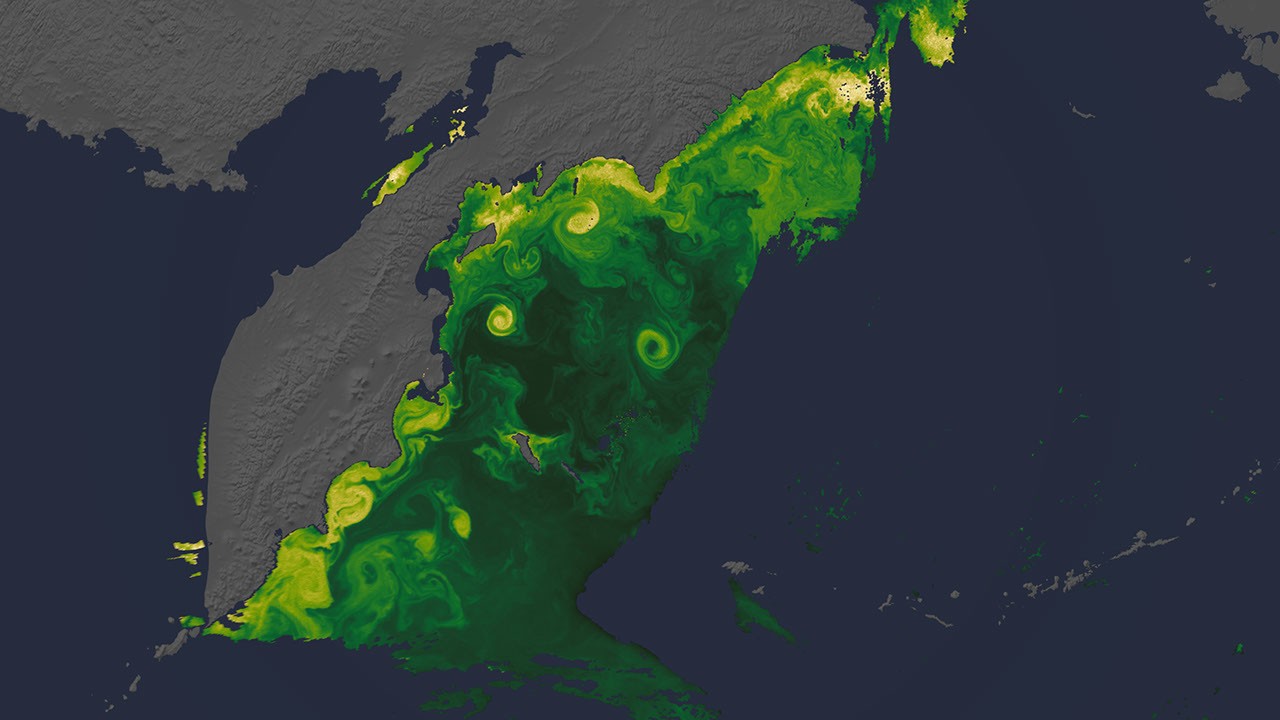
NASA has a fleet of satellites in orbit, gathering data around the clock, to explore unique views of our home planet’s ocean, atmosphere, and land surfaces.
Continuing NASA’s longtime support of American industry, the agency announced its selection of more than 30 companies to develop innovative technology through its Small Business Innovation Research (SBIR) and Small Business Technology Transfer (STTR) program. With these awards, NASA is investing approximately $16.3 million in seed funding of technology solutions to benefit the agency and energize the space economy.
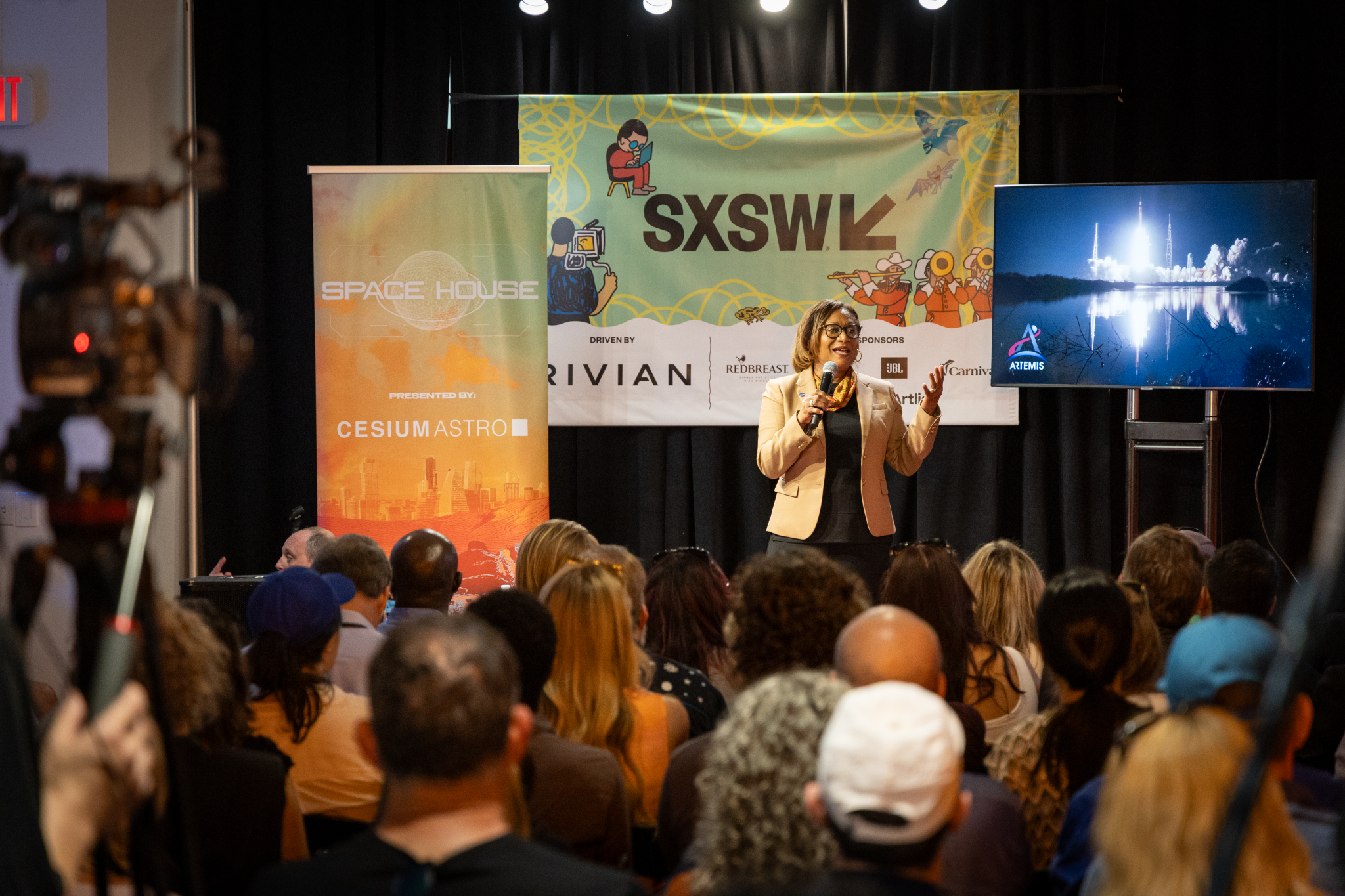
On March 21, 2026, NASA’s Johnson Space Center Director Vanessa Wyche took the stage at the Space House event at South by Southwest in Austin, Texas, to outline NASA’s next giant leap in human spaceflight — from low Earth orbit to the Moon, and ultimately Mars. As NASA prepares for a new era of exploration, Wyche made clear that the agency’s Artemis
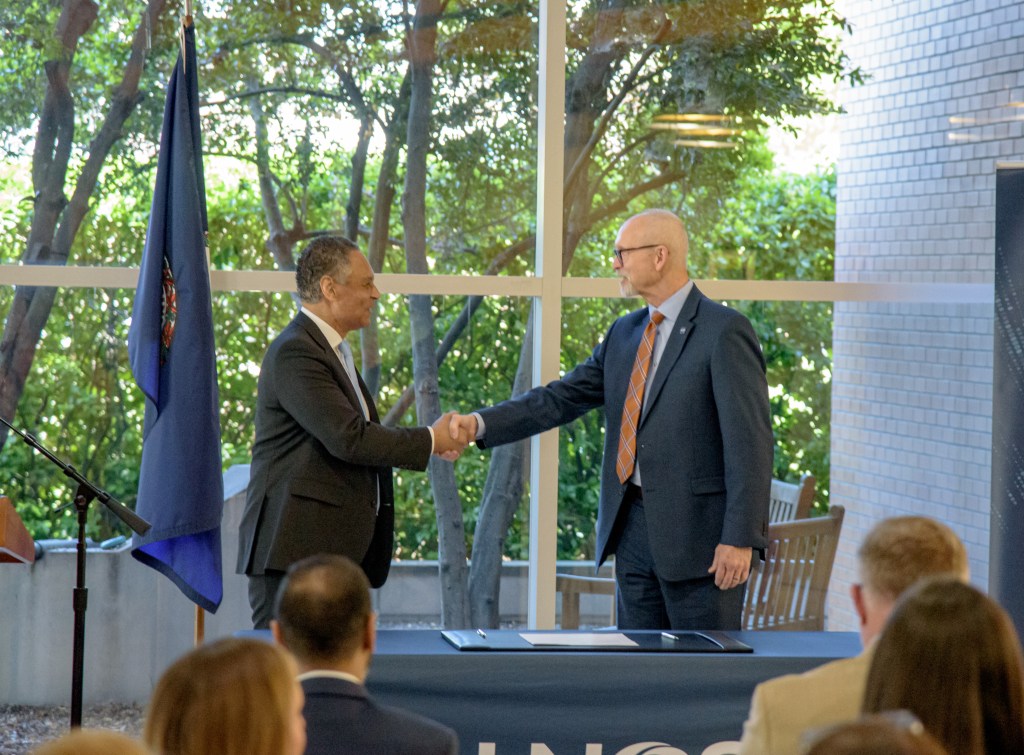
Every second counts in the life-saving world of medical transplants. To help address that urgency, NASA’s Langley Research Center in Hampton, Virginia, is teaming up with the United Network for Organ Sharing (UNOS) to explore faster, more reliable ways to transport donor organs using advanced aviation technologies. NASA Langley and UNOS will collaborate under a new Space Act Agreement announced
NASA successfully sent four astronauts around the Moon for the first time in more than 50 years, setting the stage for future lunar landing missions. As the agency continues to push the bounds of space exploration, NASA’s Ames Research Center in California’s Silicon Valley provided essential support in preparing for the mission. Artemis II was the first crewed test flight under NASA’s
NASA was recognized today by the 30th Annual Webby Awards with two Webby Awards and five Webby People’s Voice Awards, the latter of which are awarded by the voting public. Reflecting the tremendous growth of the Internet, The Webbys now honors excellence in 8 major media types: Websites & Mobile Sites; Video & Film; Advertising, Media & PR;
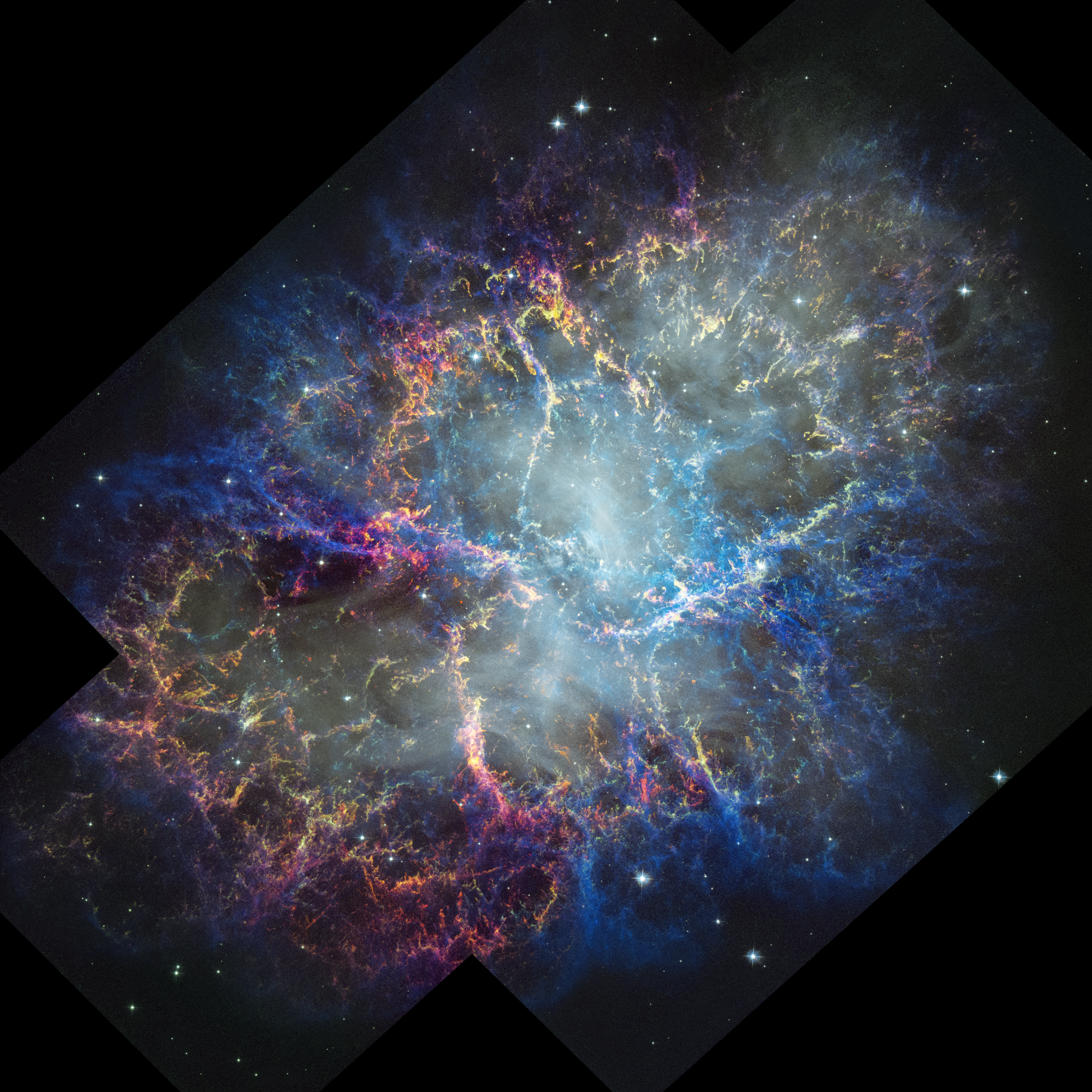
This observation from NASA’s Hubble Space Telescope, released on March 23, 2026, gives an unparalleled, detailed look at the aftermath of a supernova and how it has evolved over the telescope’s long lifetime. Hubble captured the nebula’s intricate filamentary structure, as well as the considerable outward movement of those filaments over 25 years, at a
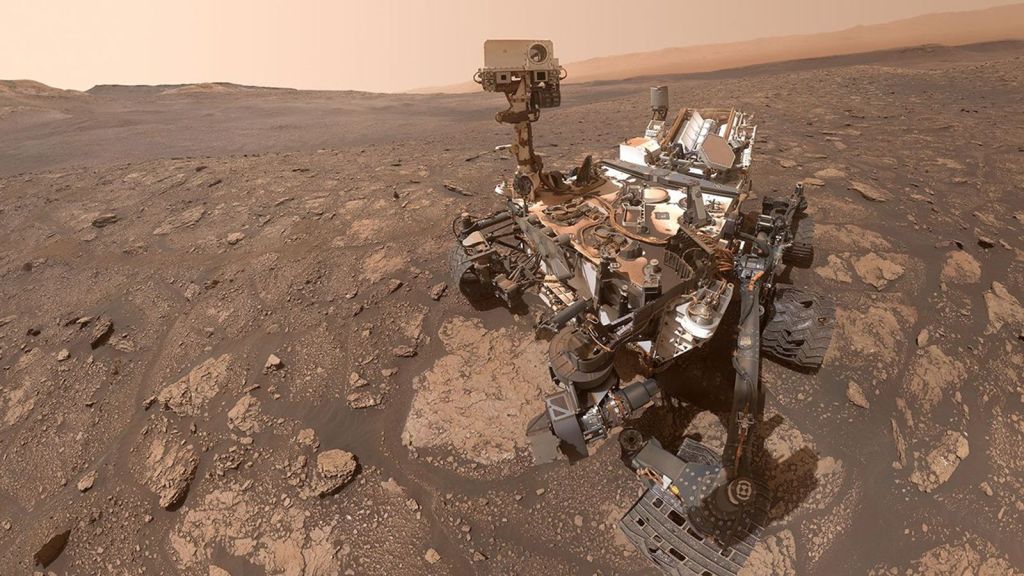
After years of lab work, the results are in: A rock that NASA’s Curiosity Mars rover drilled and analyzed in 2020 includes the most diverse collection of organic molecules ever found on the Red Planet. Of the 21 carbon-containing molecules identified in the sample, seven of them were detected for the first time on Mars.
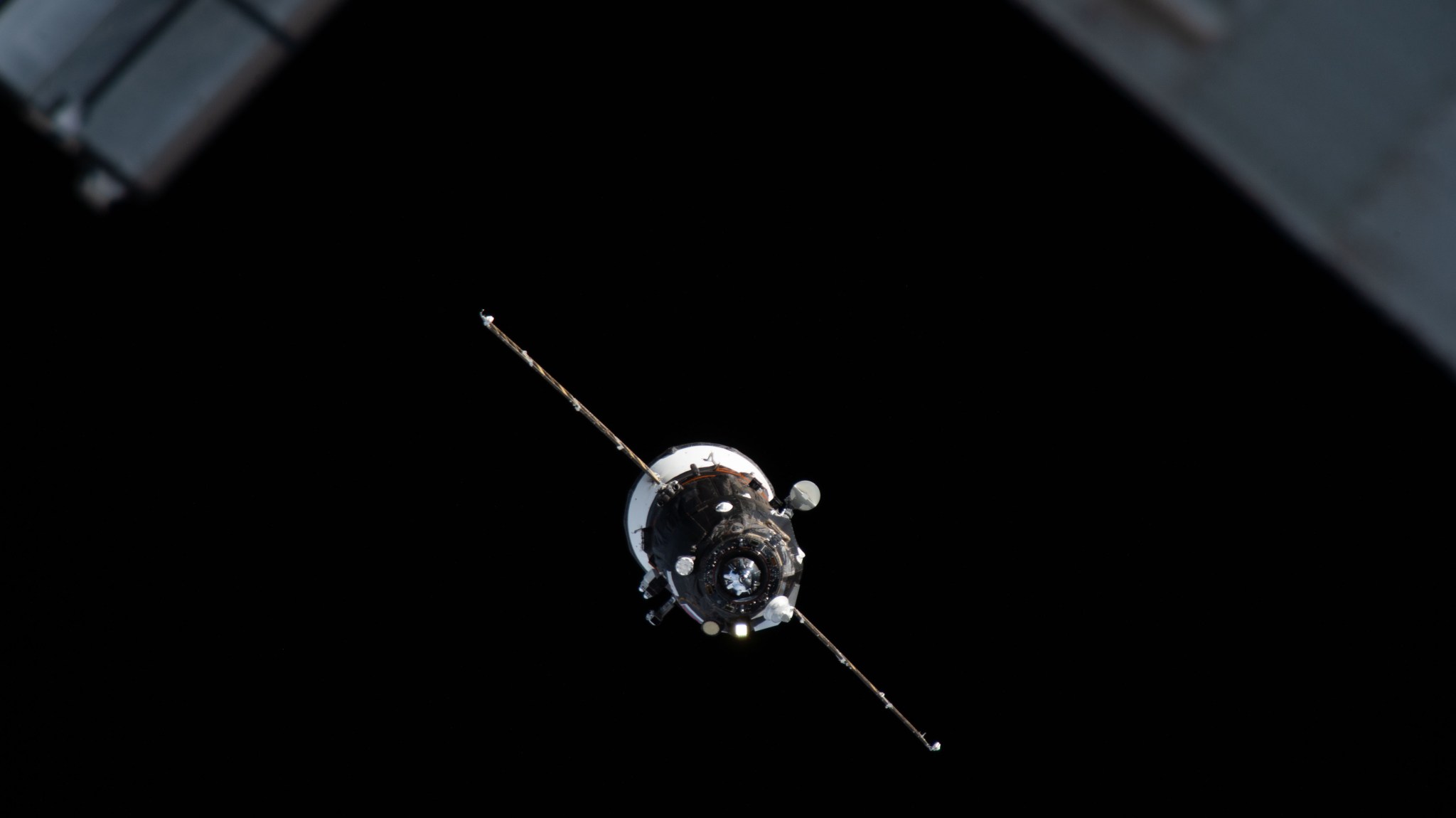
NASA will provide live coverage of the launch and docking of a Roscosmos cargo spacecraft carrying about three tons of food, fuel, and supplies for the crew aboard the International Space Station. The unpiloted Progress 95 resupply spacecraft is scheduled to launch at 6:21 p.m. EDT on Saturday, April 25 (3:21 a.m. Baikonur time on
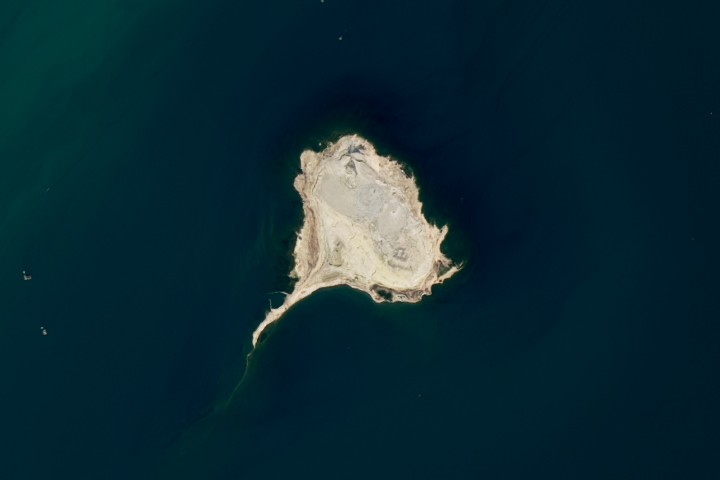
The tadpole-shaped islands along the Absheron Peninsula were born by explosive mud volcano eruptions and reshaped by erosion.
 ×
×
×
×
×
×
×
×