
Active filters Type: Media
Clear all
3 Apr 2026, 13:34 GMT

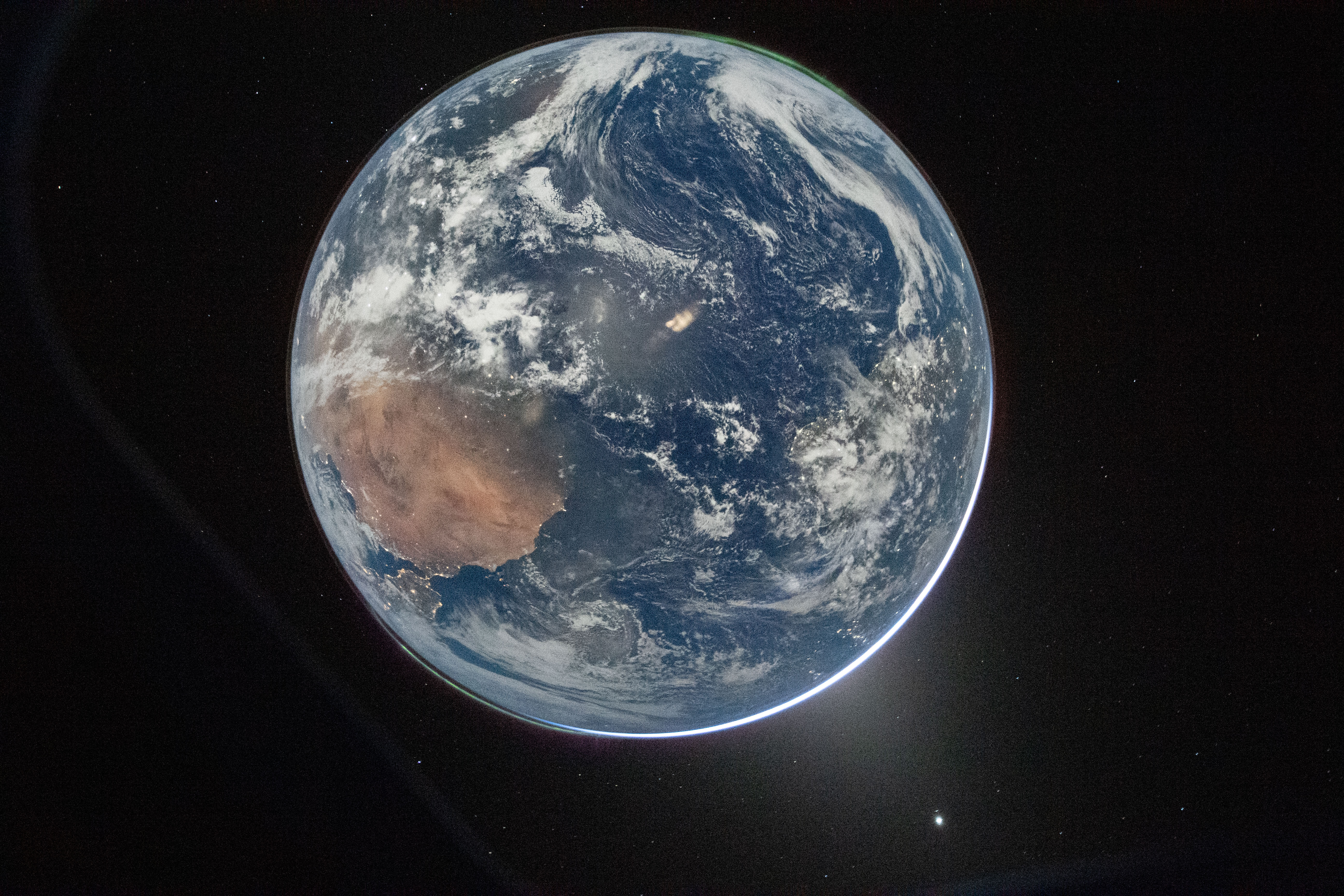
This nighttime picture of Earth was taken on April 2, 2026, by an Artemis II crew member aiming a camera through a window of the Orion spacecraft. The image was captured after Orion completed its translunar injection burn, the critical maneuver that sent the spacecraft on its path toward the Moon and back.

Download item bundle
Hello, World
2 Apr 2026, 16:50 GMT

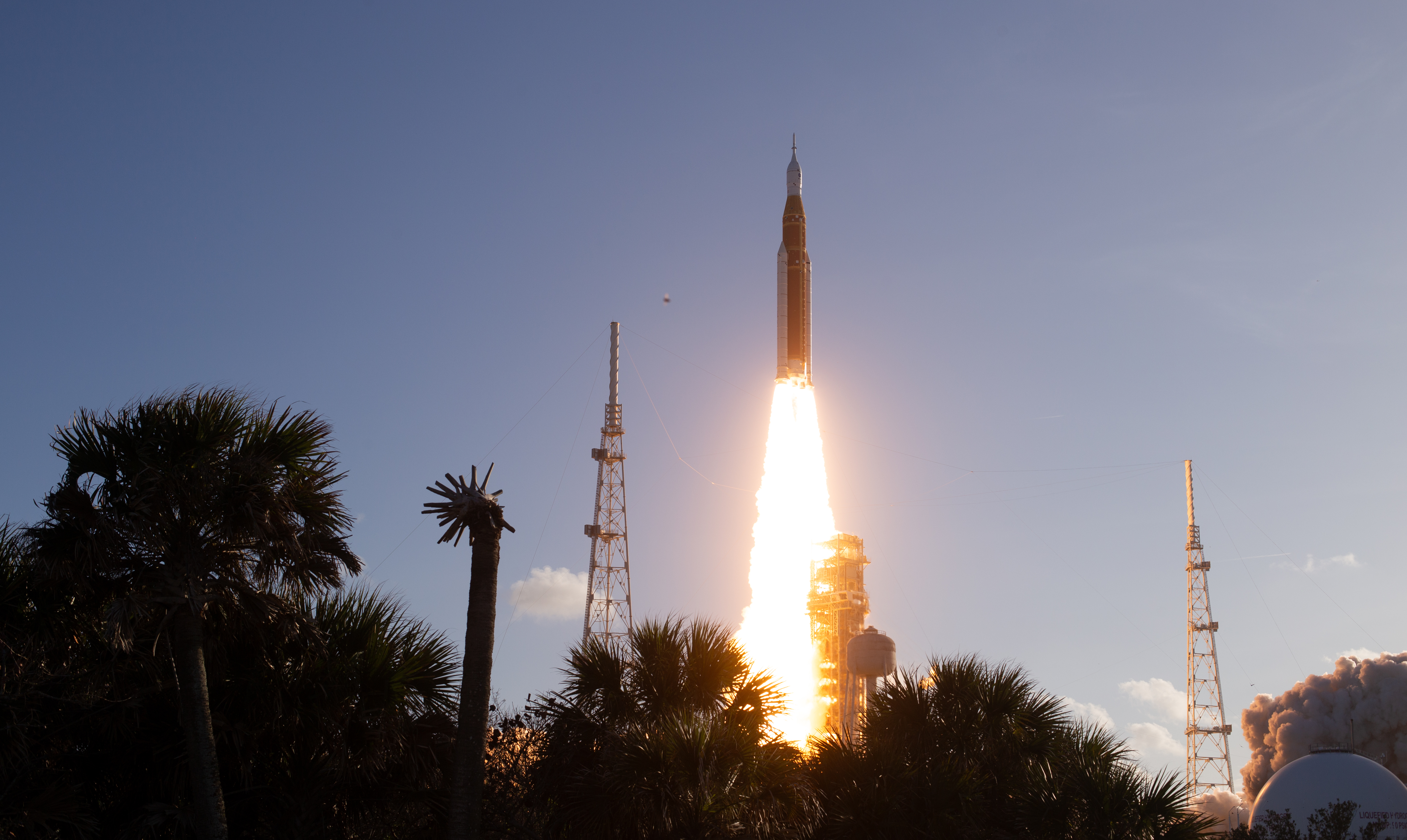
NASA’s Space Launch System rocket carrying the Orion spacecraft with NASA astronauts Reid Wiseman, commander; Victor Glover, pilot; Christina Koch, mission specialist; and CSA (Canadian Space Agency) astronaut Jeremy Hansen, mission specialist onboard launches on the Artemis II mission, Wednesday, April 1, 2026, from Launch Complex 39B at NASA’s Kennedy Space Center in Florida.

Download item bundle
Artemis II Astronauts Launch to Moon
1 Apr 2026, 00:00 GMT By KSC 6 frames

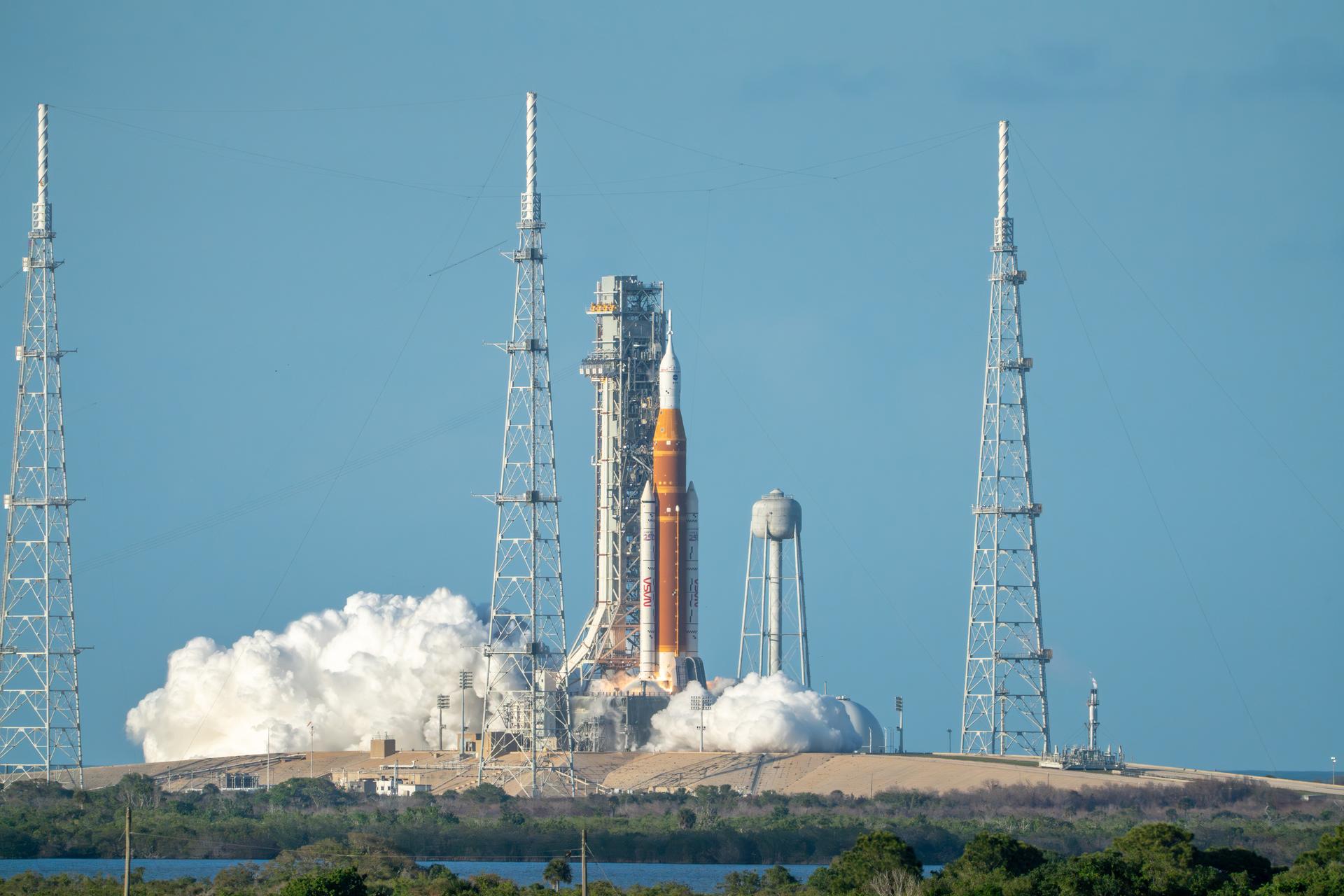
Four astronauts aboard NASA’s Orion spacecraft atop the SLS (Space Launch System) rocket launch on the agency’s Artemis II test flight, Wednesday, April 1 from Launch Complex 39B at NASA’s Kennedy Space Center in Florida. Artemis II lifted off at 6:35 p.m. ET. Artemis II is the first crewed mission of the agency’s Artemis campaign. The mission will send NASA astronauts Reid Wiseman, Victor Glover, and Christina Koch and CSA (Canadian Space Agency) astronaut Jeremy Hanson on an approximately 10-day journey around the Moon and back to Earth.

Download item bundle
Sequence Artemis II Launch
31 Mar 2026, 15:56 GMT

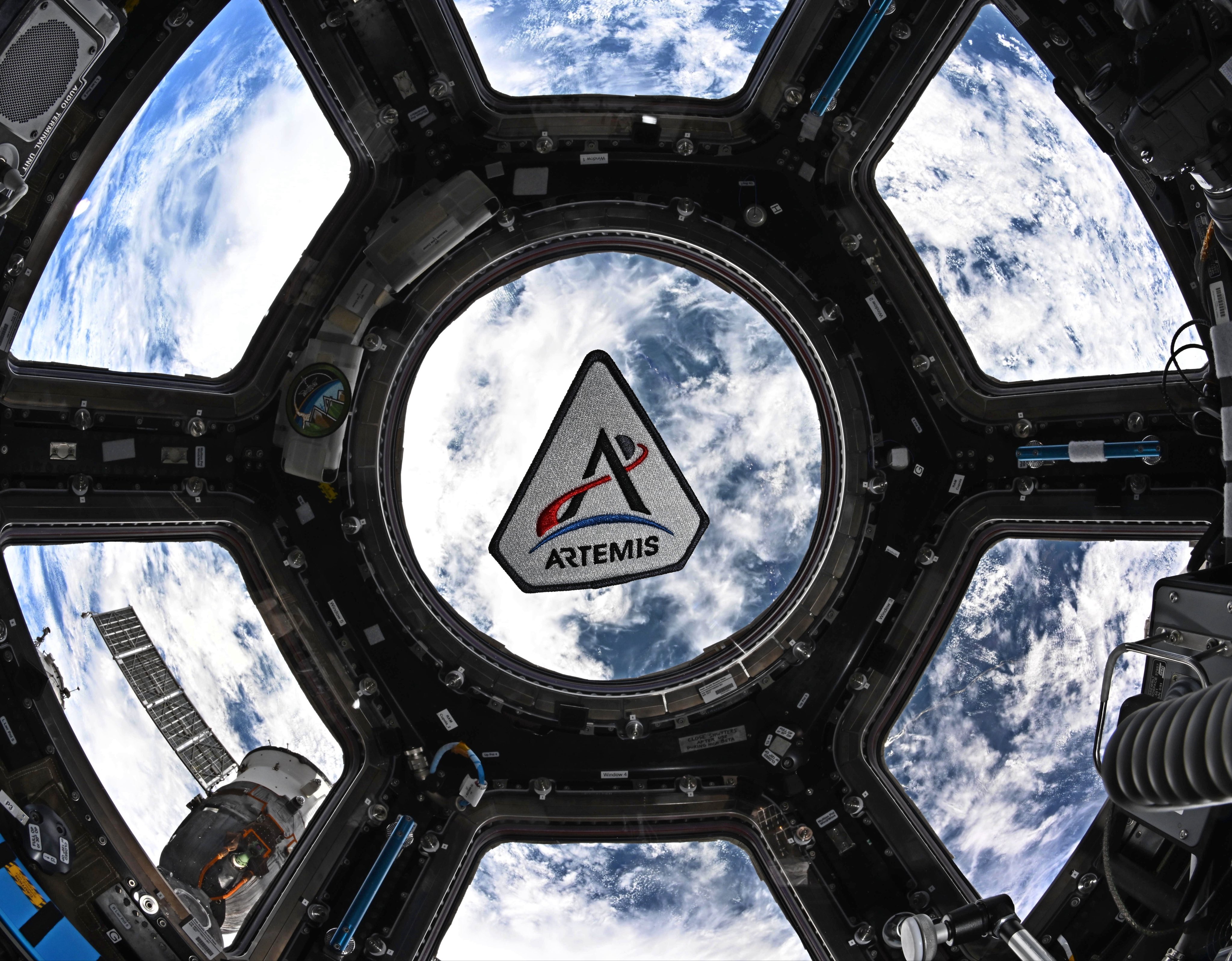
NASA astronaut Jessica Meir shared this photo of an Artemis program patch floating in the International Space Station's cupola on X.

Download item bundle
Godspeed, Artemis II!
30 Mar 2026, 18:21 GMT

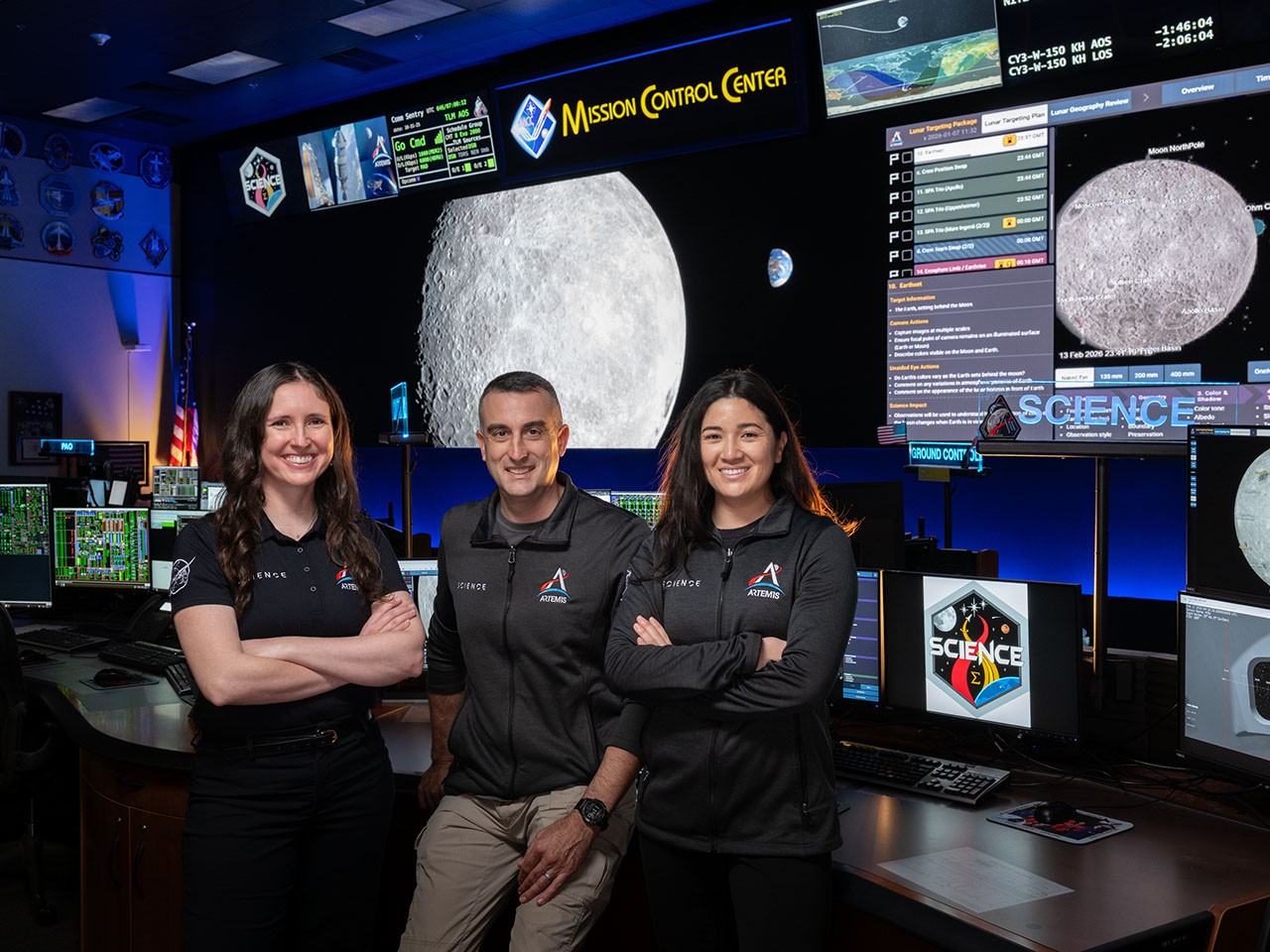
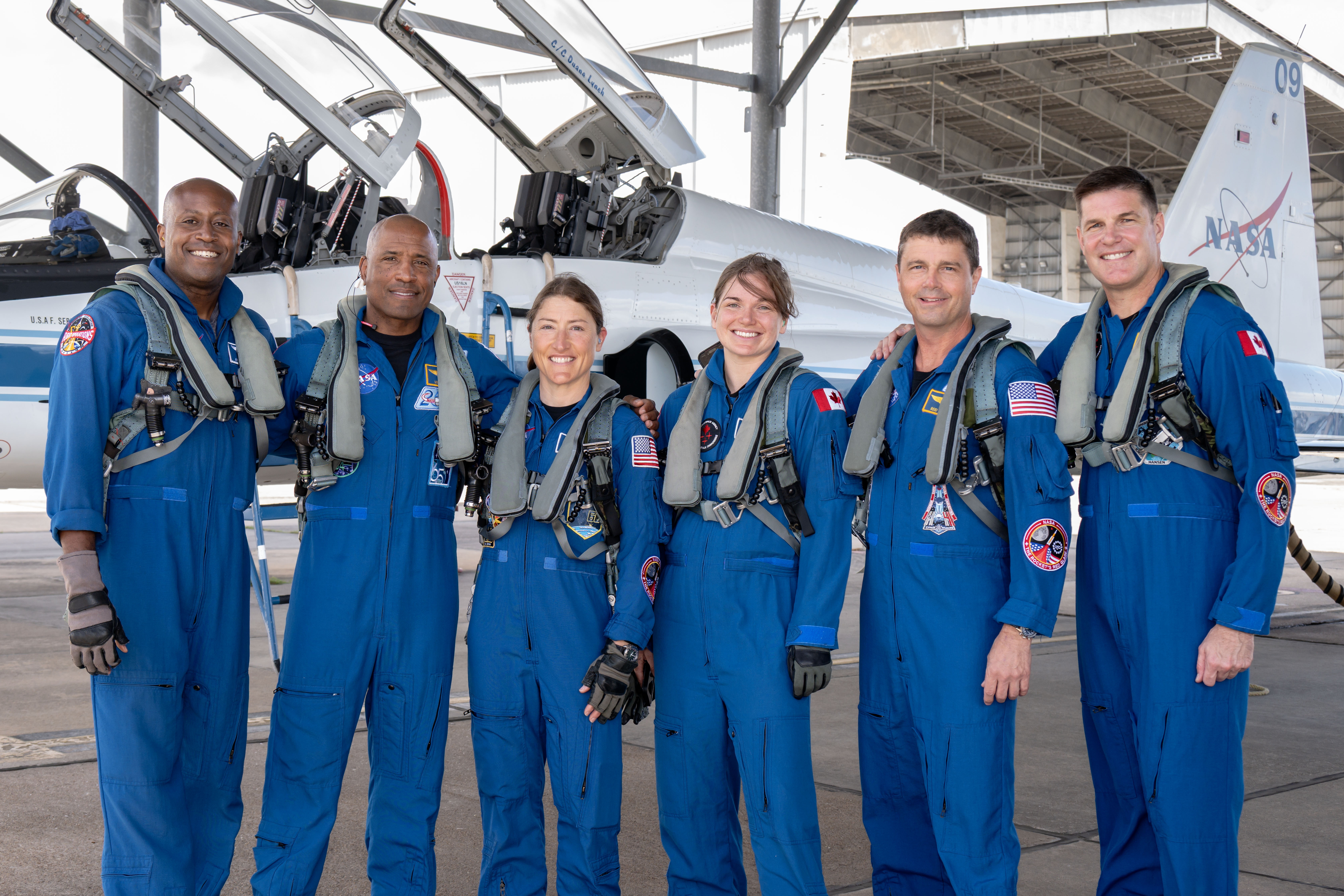
From left to right, NASA astronauts Andre Douglas, Victor Glover, and Christina Koch, CSA (Canadian Space Agency) astronauts Jenni Gibbons, NASA astronaut Reid Wiseman, and CSA astronaut Jeremy Hansen pose for a photo before the Artemis II crew proceed to a media event on March 27, 2026.

Download item bundle
Sendoff for Artemis II Crew
27 Mar 2026, 15:24 GMT

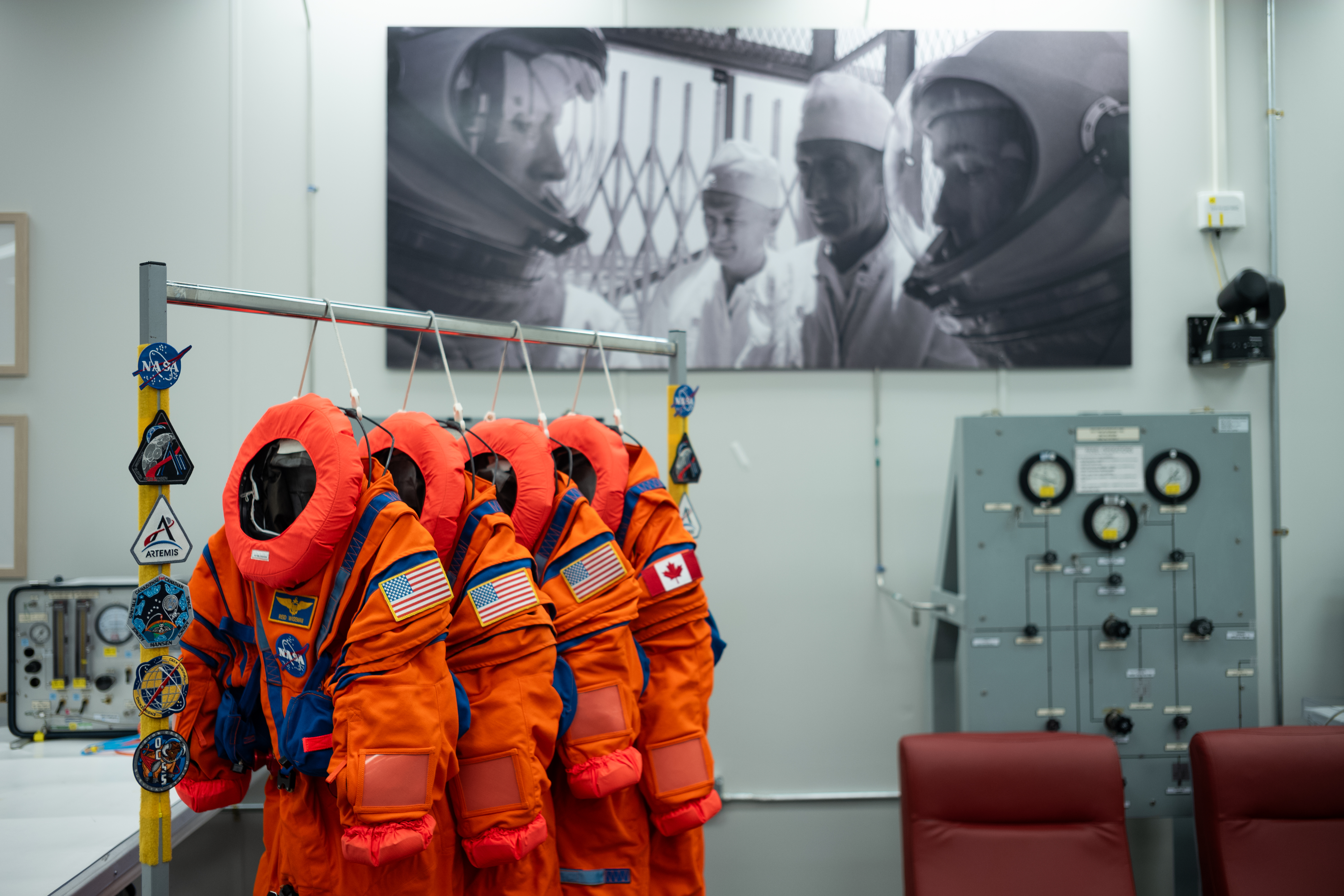
The Orion Crew Survival System suits that Commander Reid Wiseman, Pilot Victor Glover, and Mission Specialist Christina Koch from NASA, and Mission Specialist Jeremy Hansen from the CSA (Canadian Space Agency) will wear on the Artemis II test flight are seen in the suit-up room of the Neil A. Armstrong Operations and Checkout Building, Saturday, Jan. 17, 2026, at NASA’s Kennedy Space Center in Florida.

Download item bundle
Artemis II Crew’s Suits
26 Mar 2026, 17:00 GMT

For the second consecutive year, winter sea ice in the Arctic reached a level that matches the lowest peak observed since satellite monitoring began in 1979. On March 15, Arctic sea ice extent reached 5.52 million square miles (14.29 million square kilometers), very close to the 2025 peak of 5.53 million square miles (14.31 million

Download item bundle
Video
26 Mar 2026, 16:59 GMT

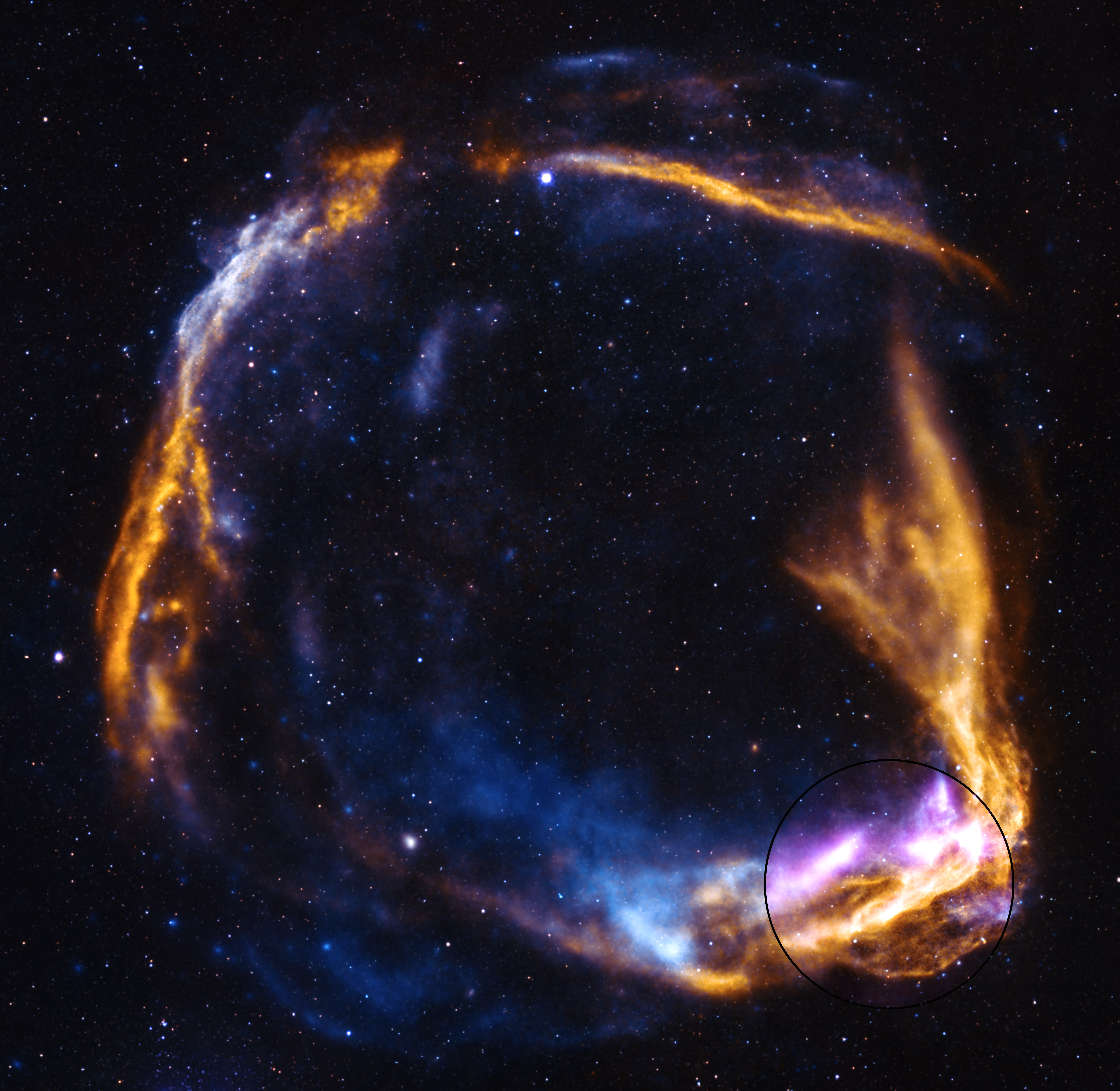
NASA’s IXPE observed the outer rim of the supernova remnant highlighted in purple in the inset. Data from IXPE is combined with data from NASA’s Chandra X-ray Observatory and ESA’s XMM-Newton.

Download item bundle
NASA's IXPE Gets Fresh Look at Supernova
26 Mar 2026, 14:00 GMT

Astronomers using NASA’s Hubble Space Telescope have found evidence that the spinning of a small comet slowed and then reversed its direction of rotation, offering a dramatic example of how volatile activity can affect the spin and physical evolution of small bodies in the solar system. This is the first time researchers have observed evidence

Download item bundle
Video
25 Mar 2026, 18:38 GMT

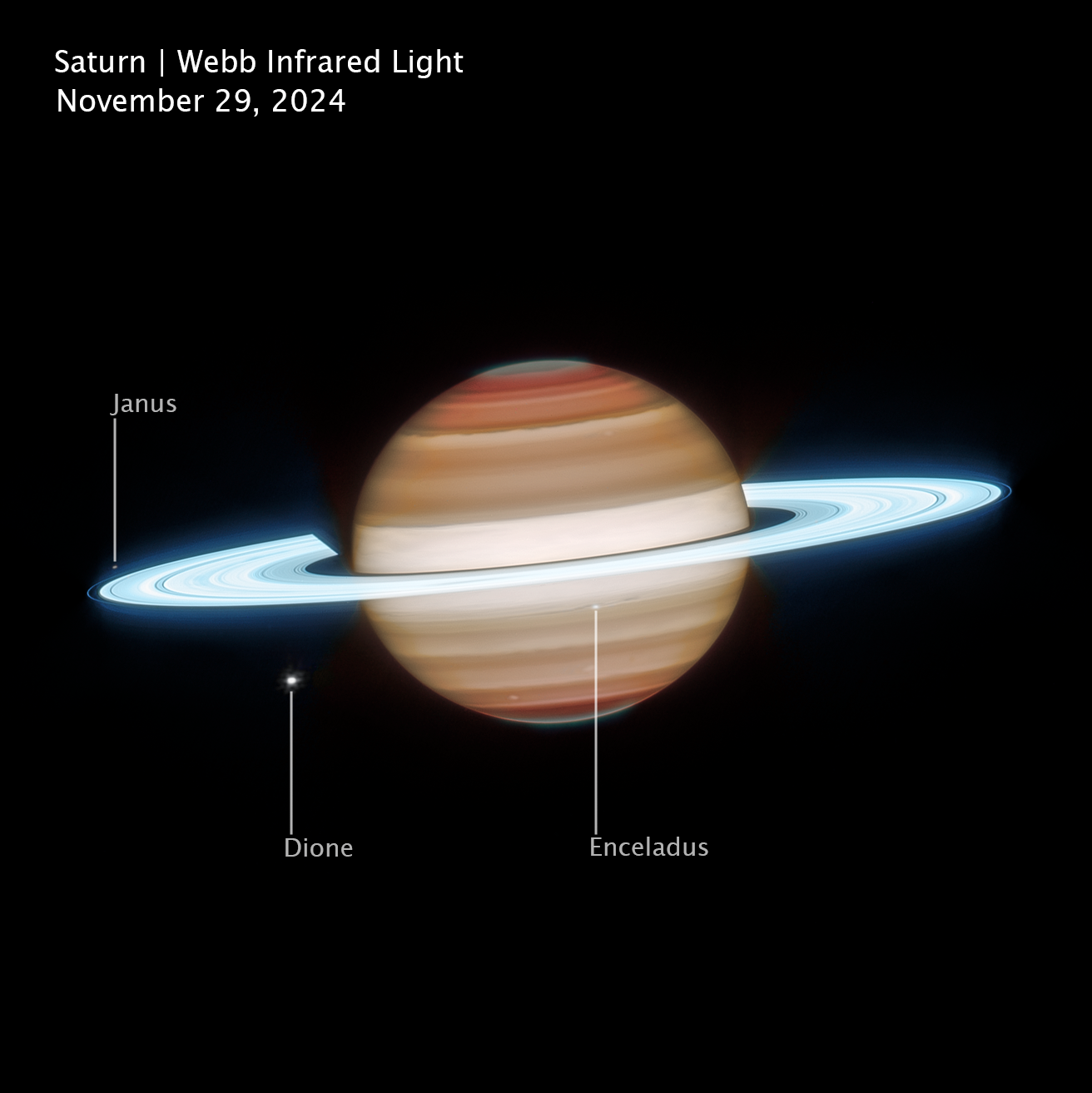
Captured Nov. 29, 2024 by NASA’s James Webb Space Telescope, this infrared view of Saturn shows its glowing icy rings and layered atmosphere. Several moons are visible, including Janus, Dione, and Enceladus.

Download item bundle
Webb Captures Saturn in Infrared
25 Mar 2026, 16:10 GMT

For the first time, astronomers have directly measured the speed of superheated gas billowing from a cauldron of stellar activity at the heart of M82.

Download item bundle
Video
24 Mar 2026, 20:58 GMT

Moon rocks are seen during a March 24, 2026, event where NASA is outlining how the agency is executing the National Space Policy and accelerating preparations for America’s return to the surface of the Moon by 2028.

Download item bundle
Reminders of Where We've Been, Where We're Going
24 Mar 2026, 14:18 GMT By Loura Hall 4 variants

As NASA seeks to understand the mysteries of the universe, the agency is advancing technologies to locate and explore Earth-like planets far beyond our solar system. A key element of this research involves observing reflected light from exoplanets, which can reveal indicators of Earth-like features such as water and oxygen. However, detecting this faint reflected

Download item bundle
20 Mar 2026, 20:53 GMT By Rachel Hoover

Editor’s Note: This article was originally published on April 25, 2022 and has been updated to reflect changes including the completion of Hangar One’s restoration. Restoration has been completed on Hangar One, a historic landmark in the San Francisco Bay Area and a key part of the region’s early aviation history. In December 2025, Planetary Ventures completed restoration of

Download item bundle
Video
20 Mar 2026, 18:28 GMT

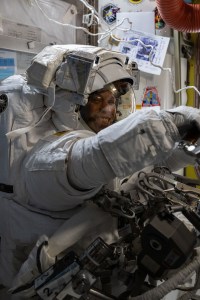
NASA astronaut and Expedition 74 crew member Chris Williams smiles for the camera during a spacesuit fit verification inside the International Space Station’s Quest airlock.

Download item bundle
Smiles and Spacesuits
20 Mar 2026, 14:00 GMT By Lillian Gipson 2 variants

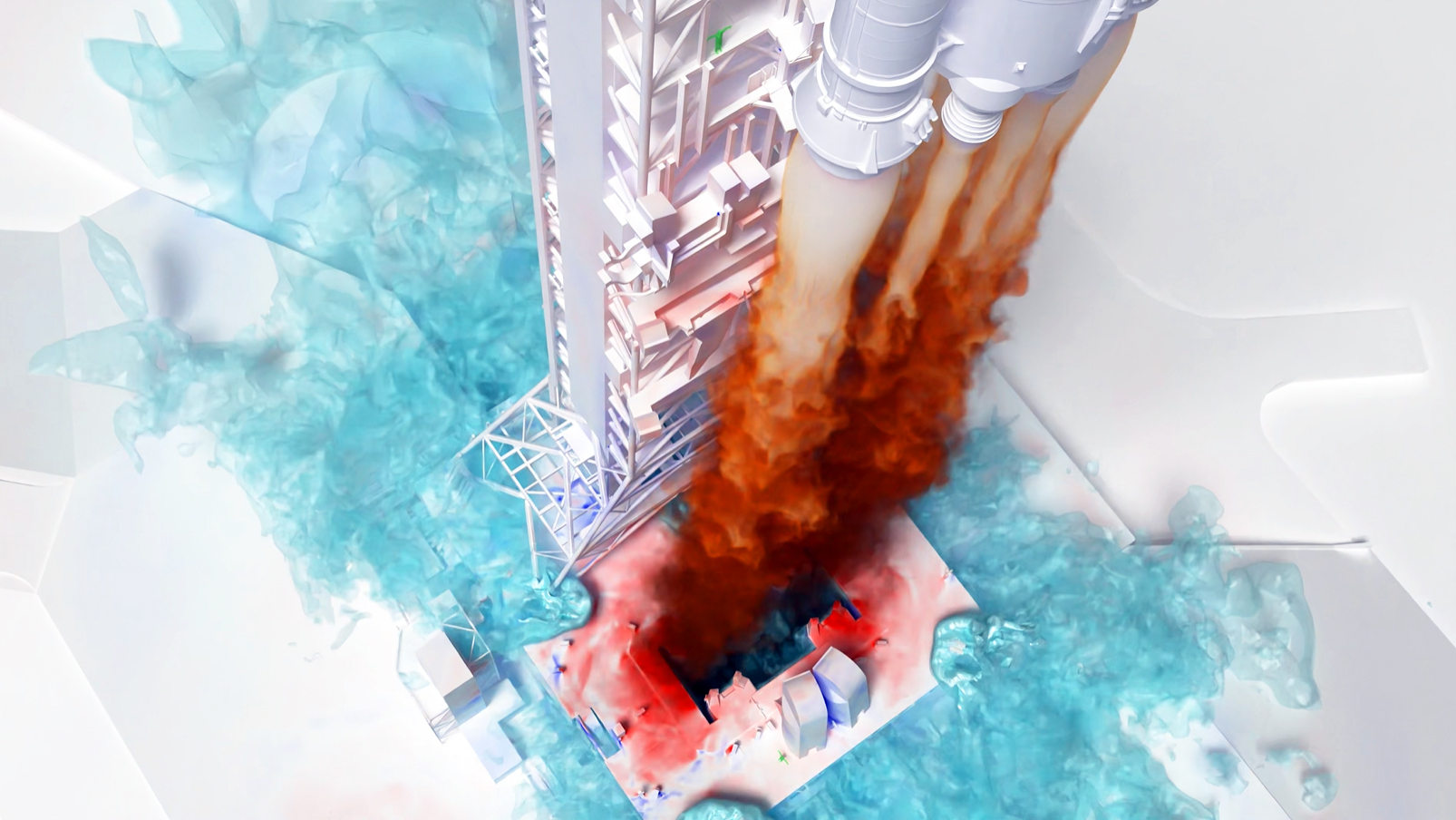
Airflow around rockets as they travel from Earth into space can have a dramatic impact on a mission, which is why NASA used advanced simulations to provide the best possible launch conditions for the Artemis II test flight around the Moon. To better understand the Artemis Space Launch System (SLS) rocket’s flight environment, engineers turned to a NASA-developed tool called the Launch, Ascent, and Vehicle Aerodynamics

Download item bundle
19 Mar 2026, 15:13 GMT By LaToya Dean 2 variants

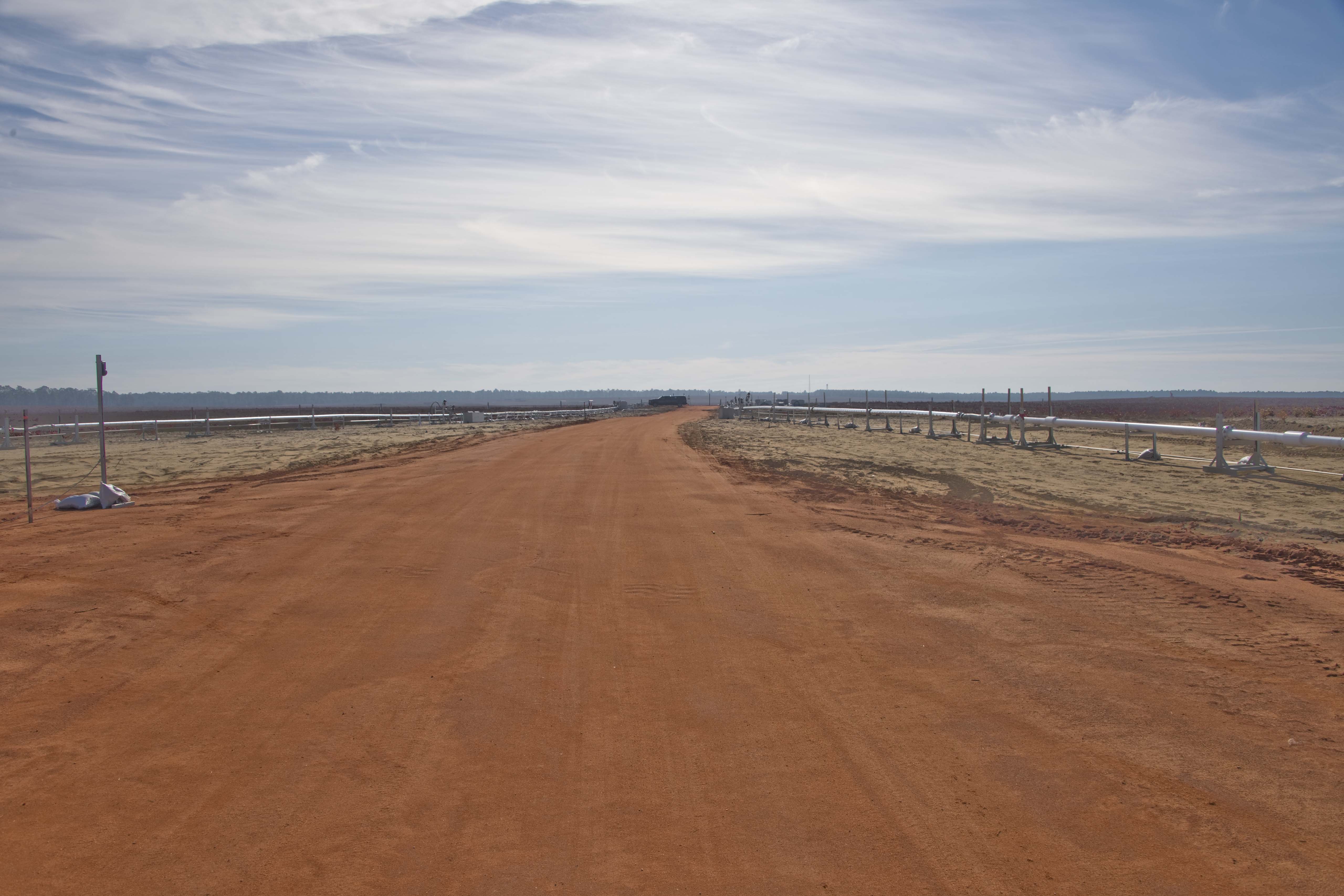
Commercial launch providers continue to advance propulsion technology with a renewed focus on liquid oxygen and methane propelled rockets and spacecraft. As systems grow in scale, carrying millions of pounds of propellant, so too does the responsibility to fully understand the safety profile. Engineers at NASA, with decades of cryogenic and test operations expertise, are

Download item bundle