Featured update
Near-constant activity continues on the volcano in Russia.



Near-constant activity continues on the volcano in Russia.
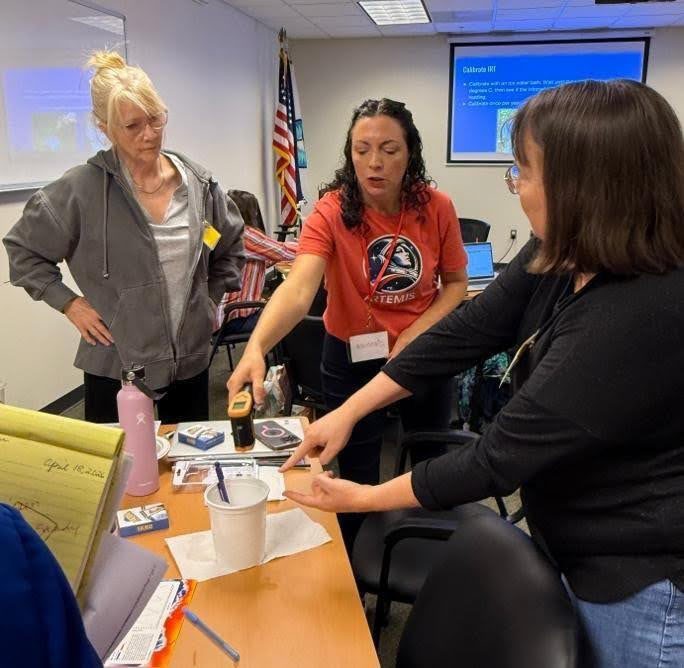
Thirty-eight science educators representing seven school districts across Virginia’s Tidewater region joined forces with community organizations, such as the Elizabeth River Project, to deepen their instructional practice through a dynamic collaboration between NASA eClips and the GLOBE (Global Learning and Observation to Benefit the Environment) Program. Together, these groups are cultivating a regional STEM ecosystem
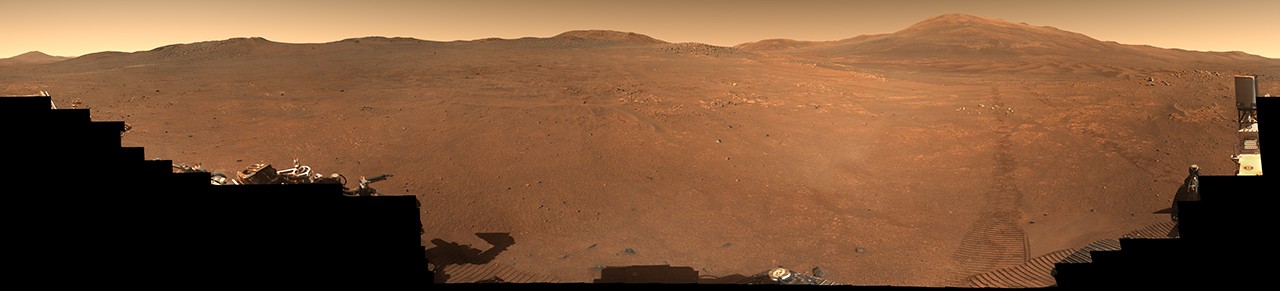
Description NASA’s Perseverance Mars rover used its Mastcam-Z camera system to capture this 360-degree panorama of a region nicknamed “Crocodile Bridge” on Jezero Crater’s rim. The panorama is made up of 980 images, 971 of which were taken on Dec. 18, 2025, the 1,717th Martian day, or sol, of the mission. An additional nine were
Seen in 14 Photojournal categories
Description NASA’s Perseverance Mars rover used its Mastcam-Z camera system to capture this 360-degree panorama of a region nicknamed “Crocodile Bridge” on Jezero Crater’s rim. The panorama is made up of 980 images, 971 of which were taken on Dec. 18, 2025, the 1,717th Martian day, or sol, of the mission. An additional nine were […] The post NASA’s Perseverance Mars Rover Surveys ‘Crocodile Bridge’ appeared first on NASA Science .
Written by William Farrand, Senior Research Scientist, Space Science Institute Earth planning date: Friday, May 1, 2026 Chile’s Atacama desert is the driest mid-latitude desert in the world, receiving only 15 millimeters (0.59 inches) of precipitation per year. Only the dry valleys of Antarctica receive less precipitation. These environmental conditions have made the Atacama a
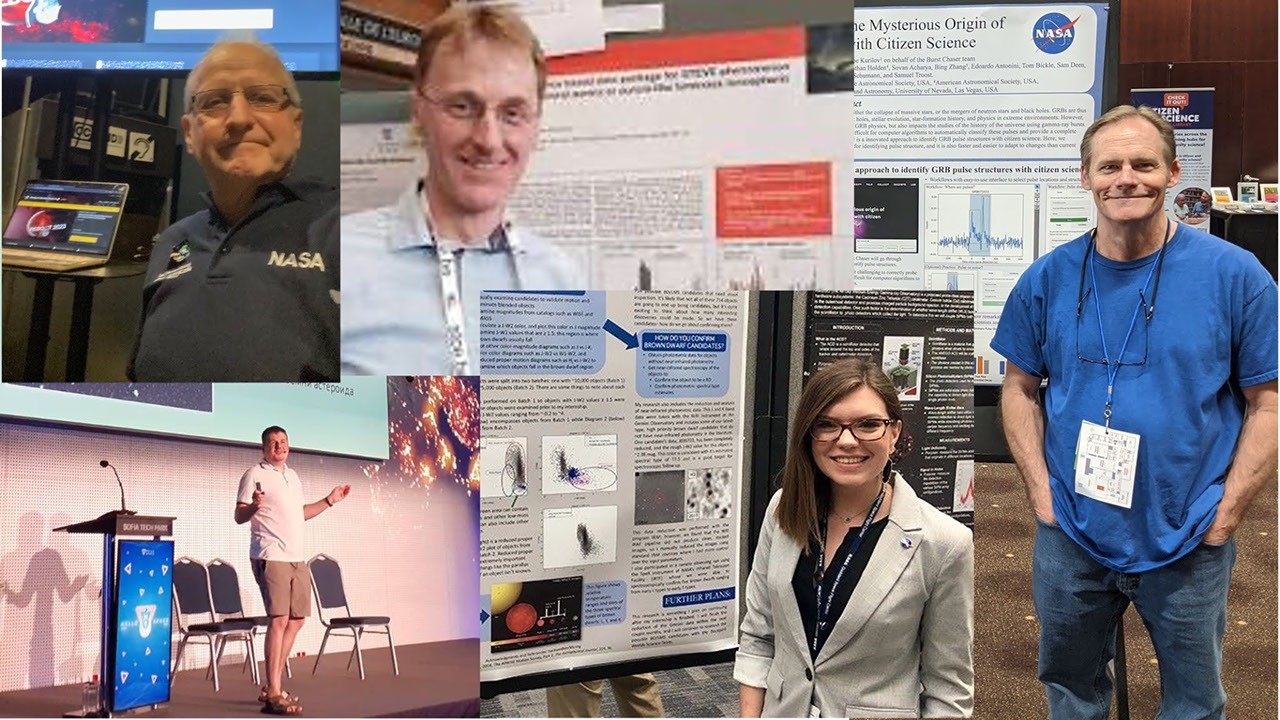
After a recent count, NASA Citizen Science is proud to report that more than 650 people who have volunteered to participate in NASA citizen science projects have co-authored peer-reviewed research papers with scientists on those project teams. These volunteers made incredible contributions like: And all of them saw their passion and dedication translated into lasting
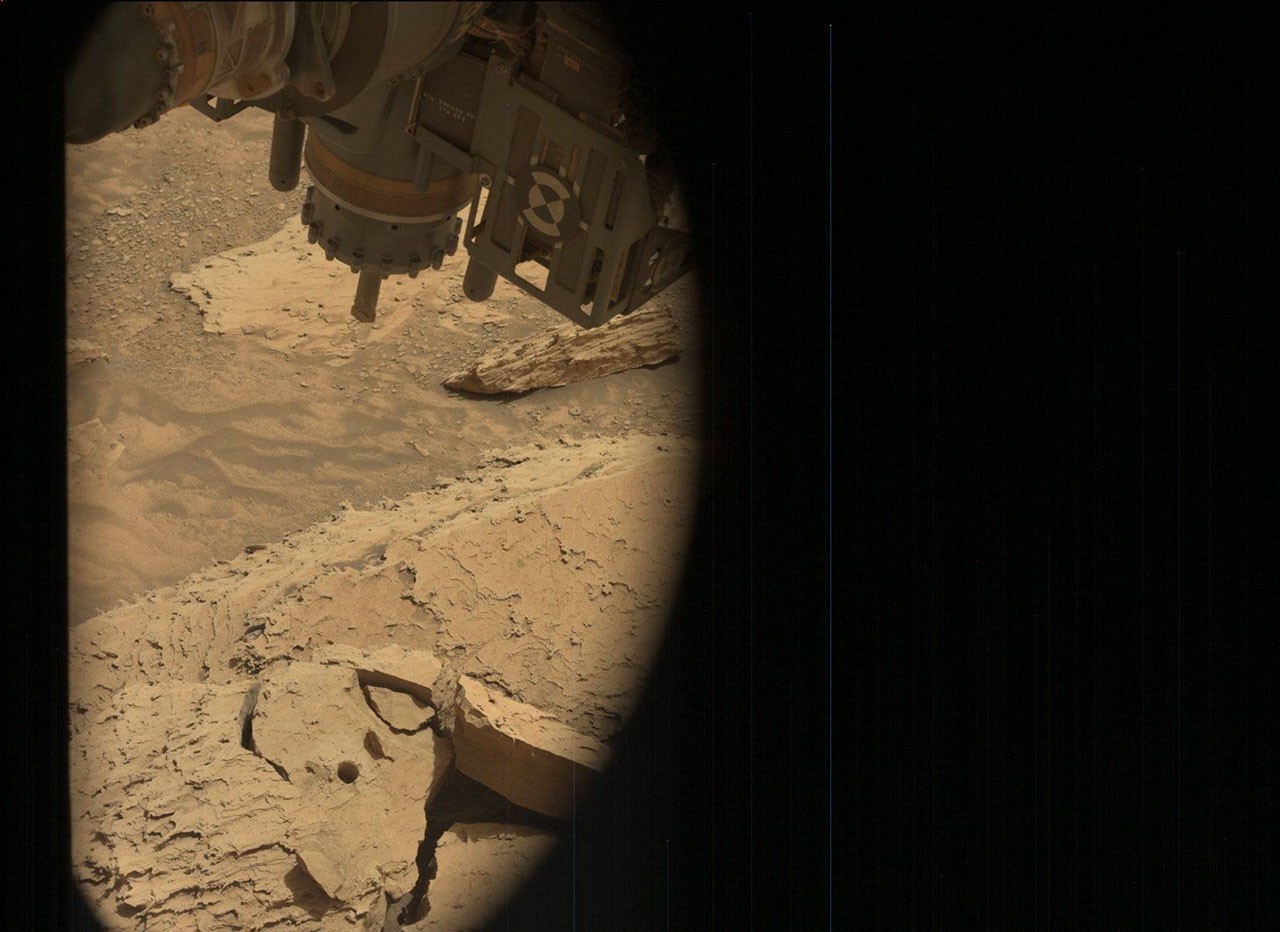
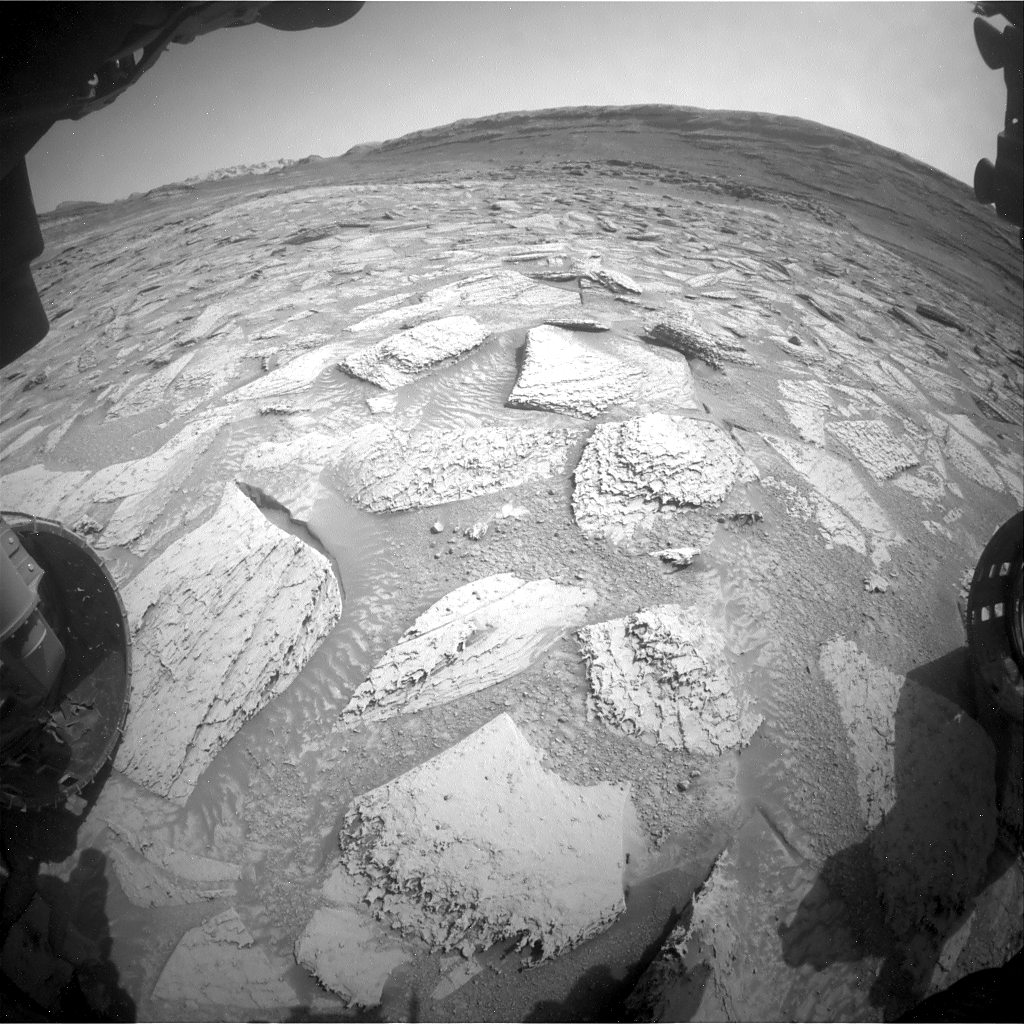
Description This series of images shows NASA’s Curiosity Mars rover as it got a rock stuck to the drill on the end of its robotic arm and, after waving the arm and running the drill a few times, finally detached the rock. The imagery showing the entire process was captured by the black-and-white hazard cameras
Seen in 14 Photojournal categories
On April 25, 2026, Curiosity drilled a sample from a rock nicknamed “Atacama,” which is an estimated 1.5 feet in diameter at its base, 6 inches thick and weighs roughly 28.6 pounds (13 kilograms). When the rover retracted its arm, the entire rock lifted out of the ground, suspended by the fixed sleeve that surrounds the rotating drill bit. The post NASA’s Curiosity Rover Frees Its Drill From a Rock appeared first on NASA Science .
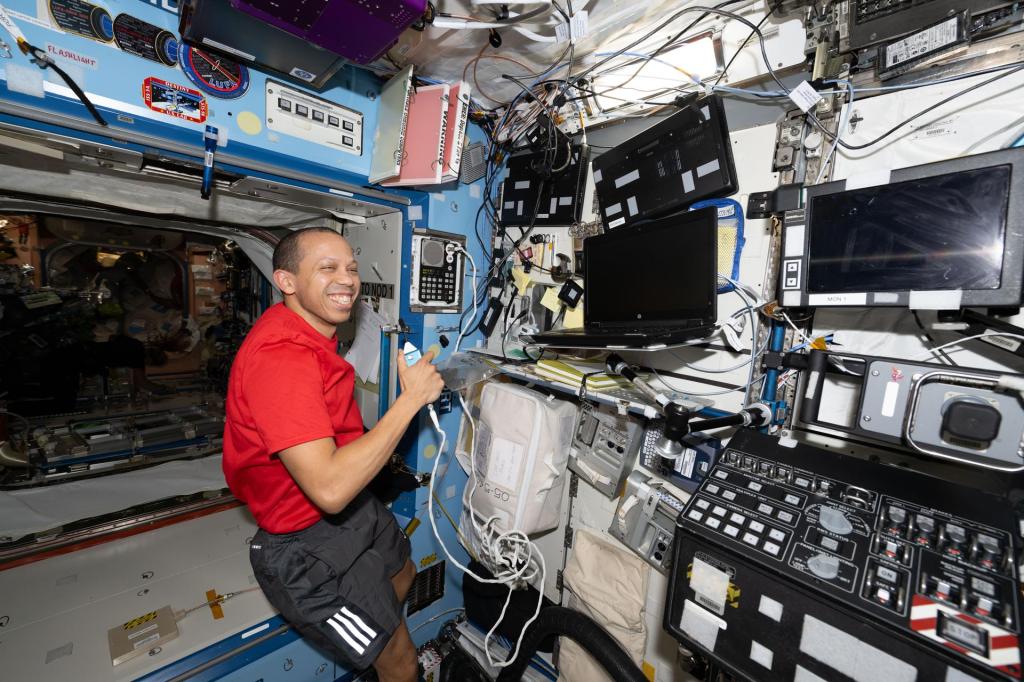
Students in Florida will hear from NASA astronaut Chris Williams as he answers prerecorded science, technology, engineering, and mathematics (STEM) questions while aboard the International Space Station. The Earth-to-space call will begin at 11 a.m. EDT Friday, May 8, and will stream live on the agency’s Learn With NASA YouTube channel. This event is hosted
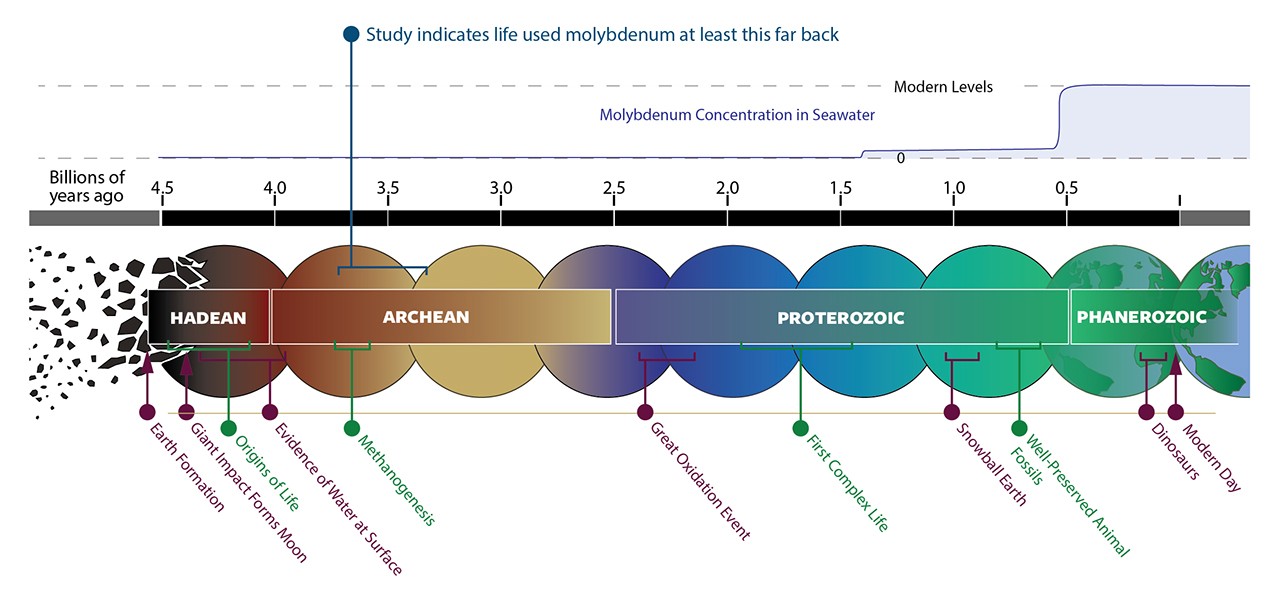
NASA-funded scientists have discovered that life on Earth over 3 billion years ago relied on the metal molybdenum, which was incredibly scarce in the environment at the time. The study, published in Nature Communications on Tuesday, is the first to show that molybdenum was used by ancient life this far back in our planet’s history.
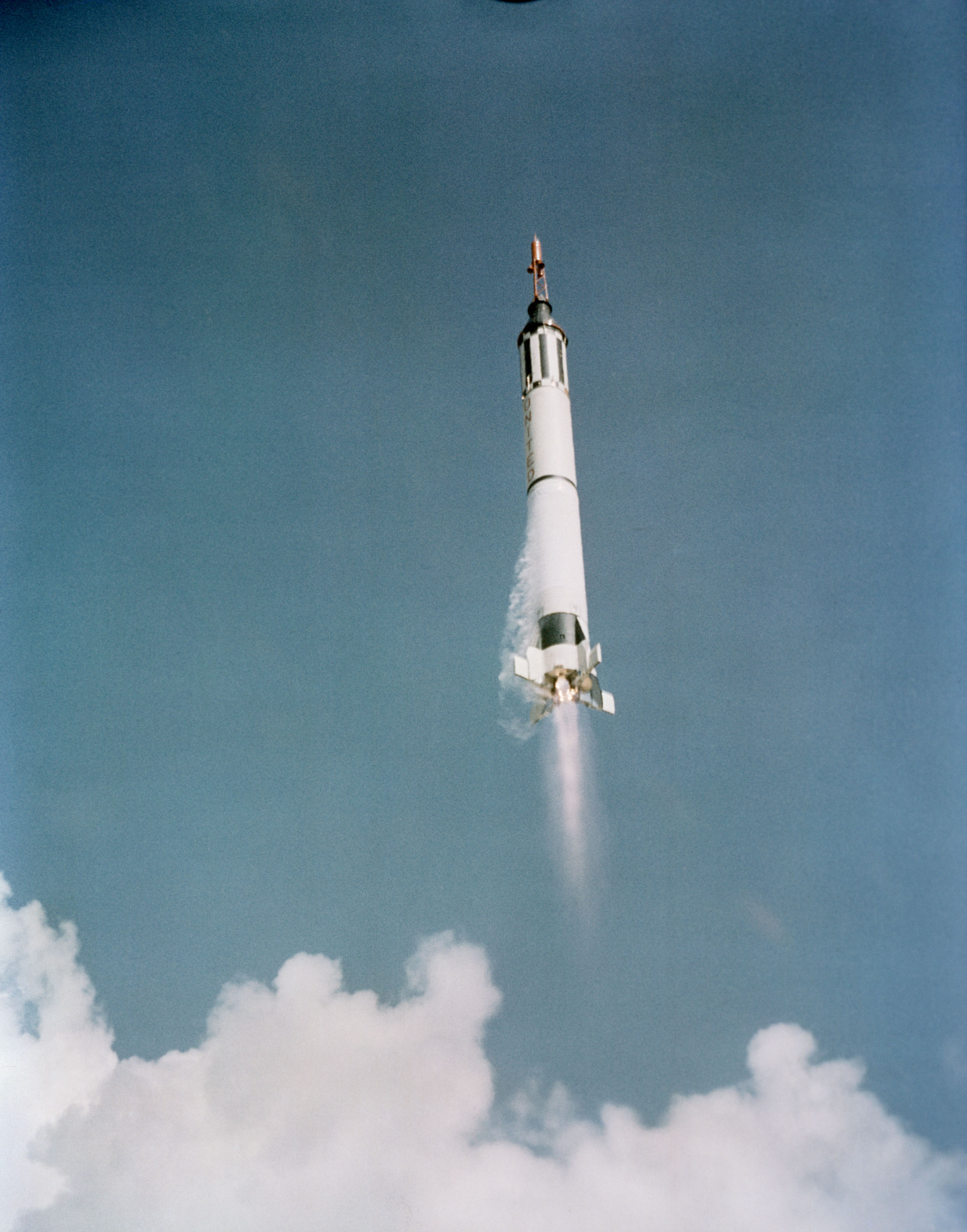
America’s first human spaceflight begins as the Mercury-Redstone 3 (MR-3) space vehicle, with astronaut Alan B. Shepard Jr. aboard, launches from Cape Canaveral, Florida on May 5, 1961.
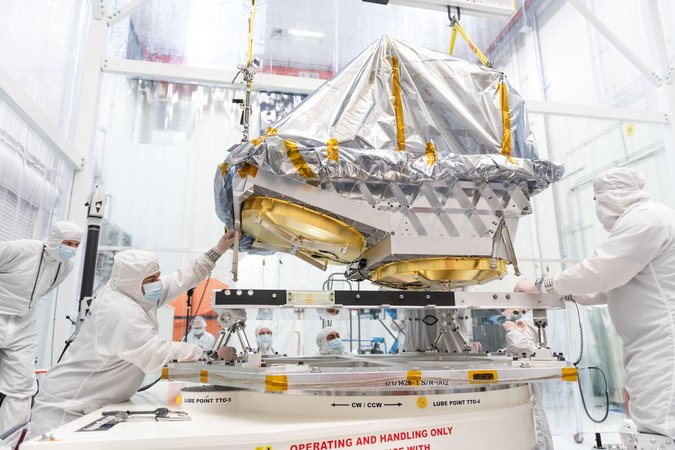
A team of engineers and scientists are building NEO Surveyor to seek out the hardest-to-find asteroids and comets that could impact Earth.
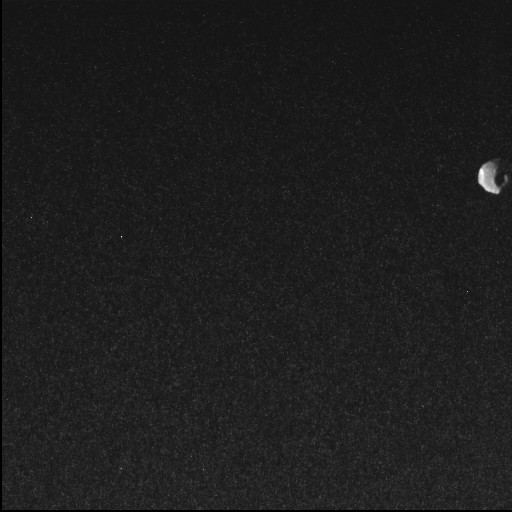
Description NASA’s Juno spacecraft captured this view of Thebe, the second largest of Jupiter’s inner moons, during a close pass on May 1, 2026. The spacecraft’s Stellar Reference Unit (SRU) captured this image from a distance of approximately 3,100 miles (5,000 kilometers) at a resolution of about 1.9 miles (3 kilometers) per pixel. Thebe resides
Seen in 14 Photojournal categories
Description NASA’s Juno spacecraft captured this view of Thebe, the second largest of Jupiter’s inner moons, during a close pass on May 1, 2026. The spacecraft’s Stellar Reference Unit (SRU) captured this image from a distance of approximately 3,100 miles (5,000 kilometers) at a resolution of about 1.9 miles (3 kilometers) per pixel. Thebe resides […] The post NASA’S Juno Misson Captures Jupiter Moon Thebe appeared first on NASA Science .
A new Sun-centered and science-focused coloring book produced by NASA in partnership with the University of Alaska Fairbanks (UAF) is now available for people to learn while showing their artistic side.

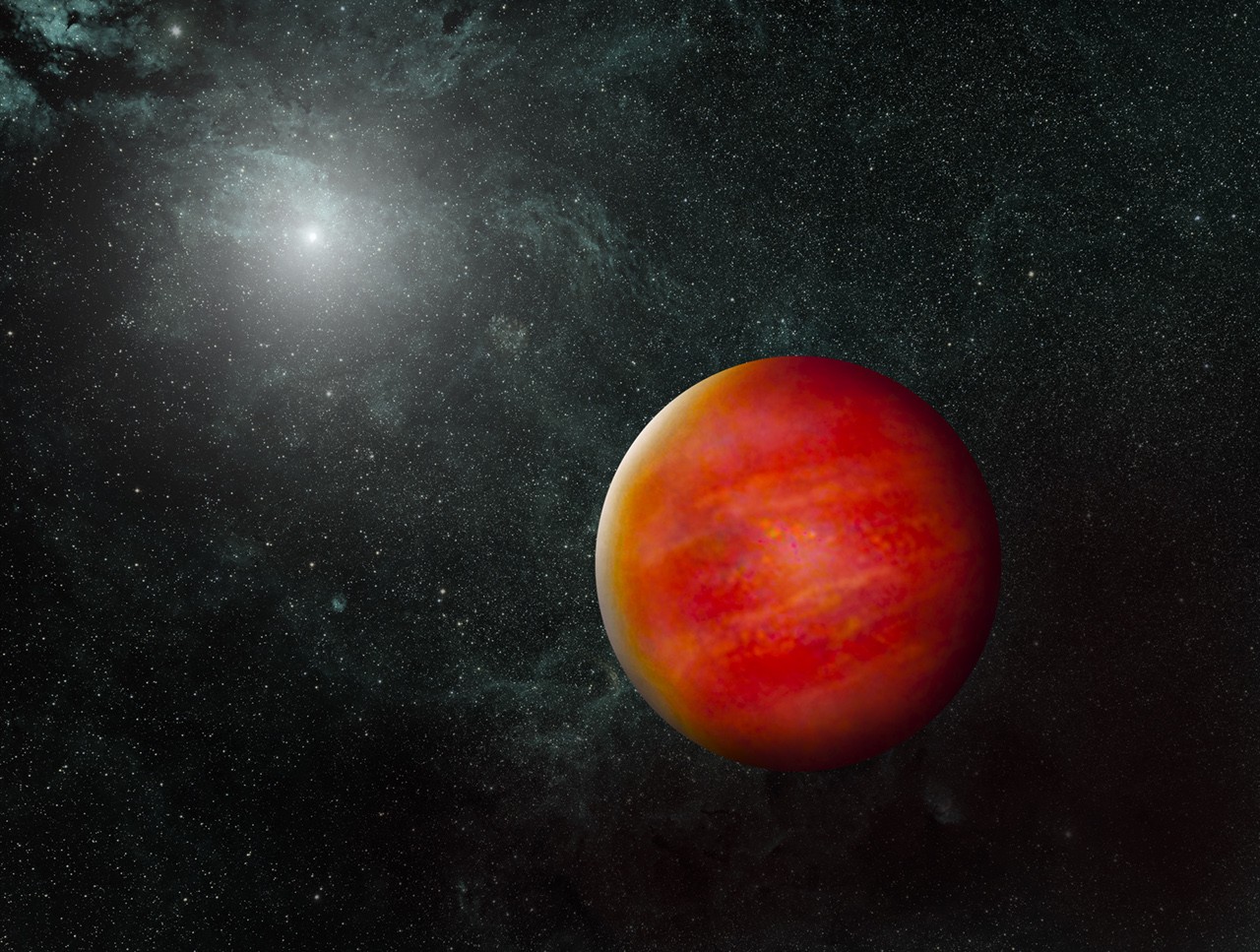
A new paper from NASA’s Backyard Worlds: Planet 9 project announces that volunteers have essentially doubled the number of known brown dwarfs, with over 3,000 new discoveries made over the past 10 years since the project began. Brown dwarfs are balls of gas the size of Jupiter, less massive than stars. There’s one for every three or four stars near the Sun.
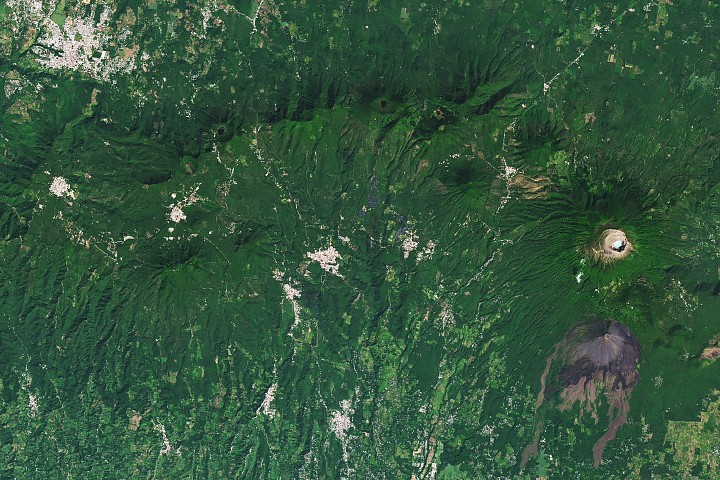
From a geothermal hotspot to the one-time “Lighthouse of the Pacific,” the heat is on beneath the volcanic landscape of western El Salvador.
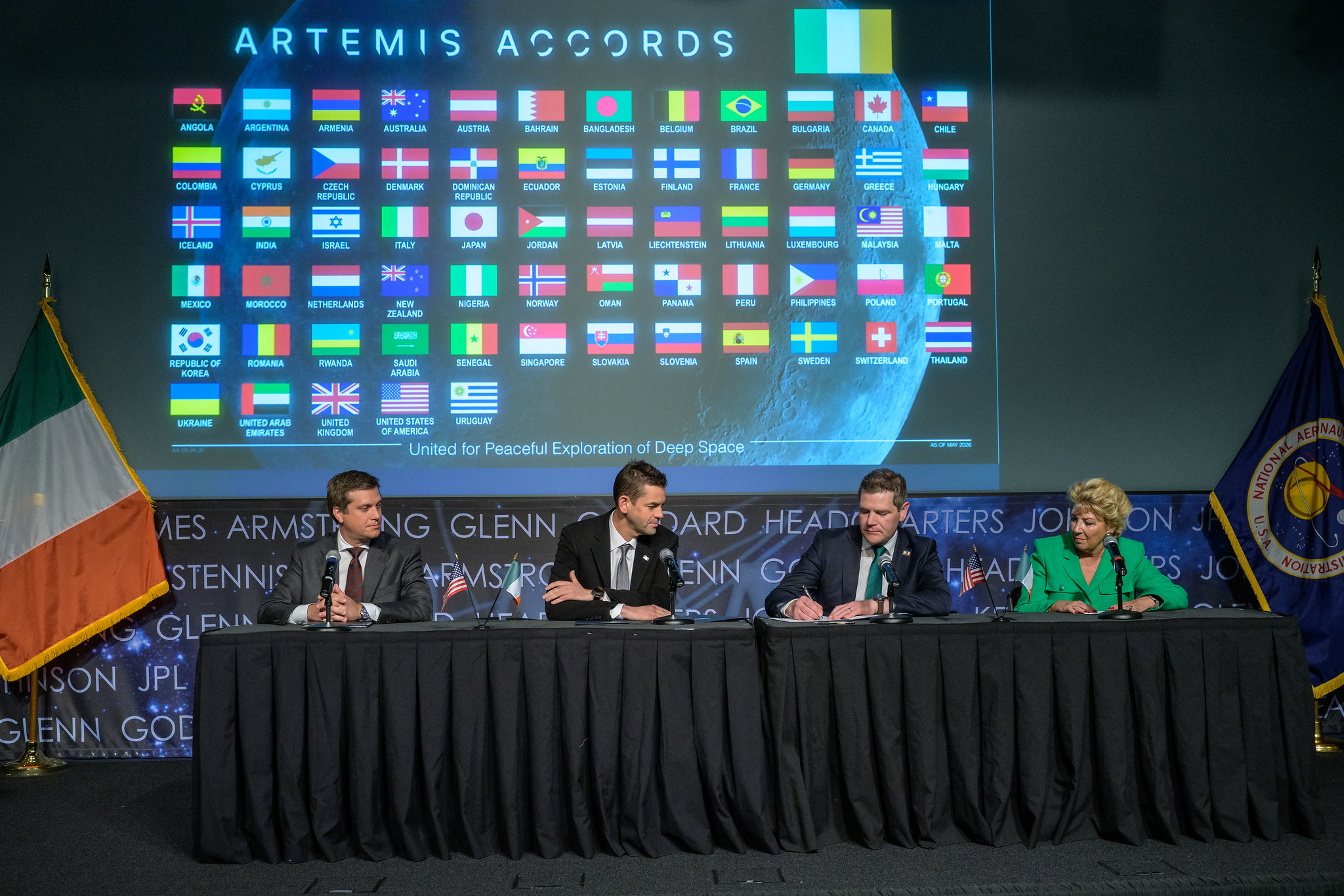
Ireland signed the Artemis Accords Monday during a signing ceremony hosted by NASA, becoming the latest nation to commit to the responsible exploration of space for all humanity. Ireland, a longstanding member of ESA (European Space Agency) and a valued international partner for NASA, now joins all 23 ESA member states as a signatory of
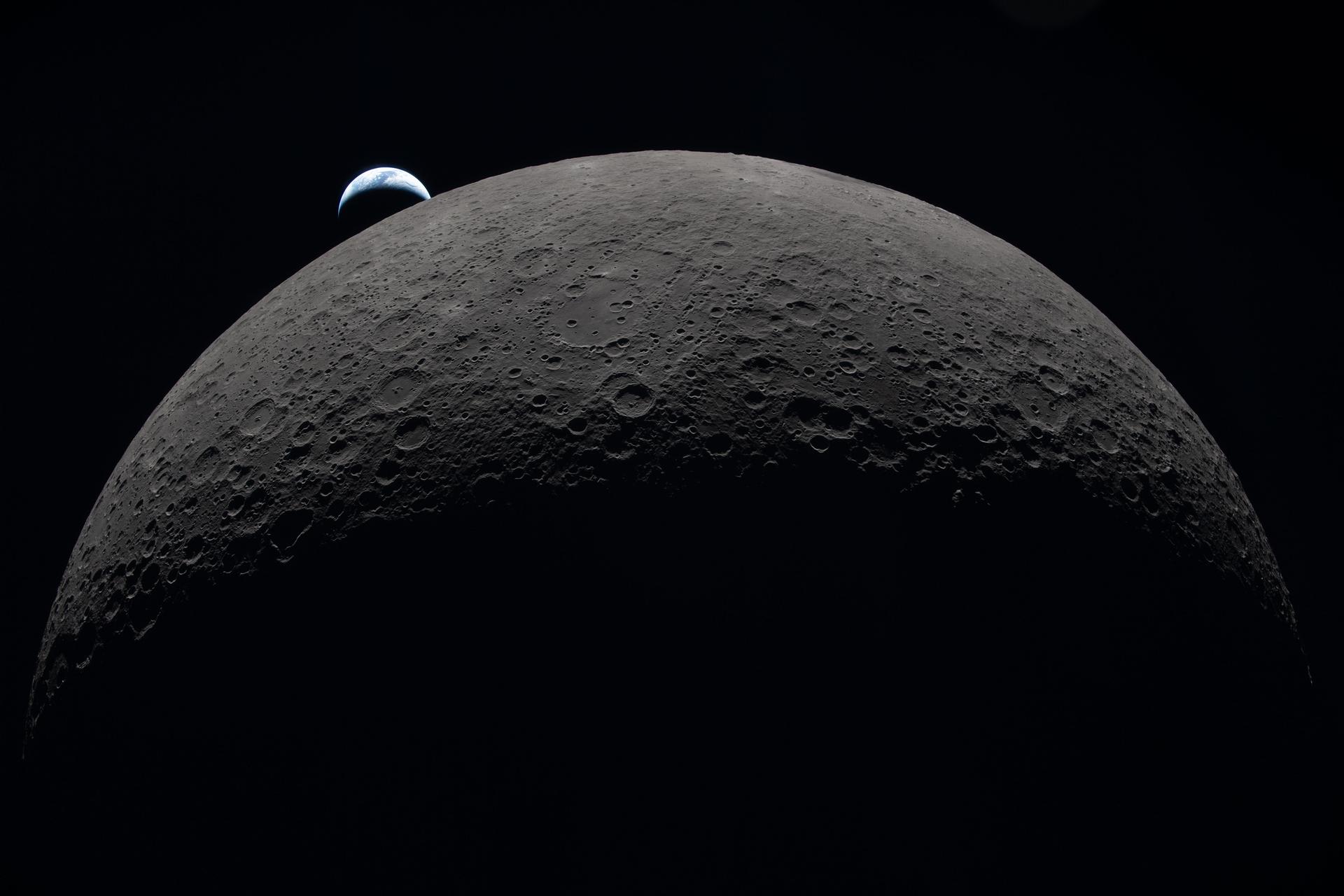
To support long-duration missions to the Moon and Mars, NASA and industry are developing technologies that can extract resources such as hydrogen and helium-3 from lunar soil, known as regolith. This capability, known as in-situ resource utilization (ISRU), allows explorers to use what is already available on other planetary bodies, from water ice to minerals.
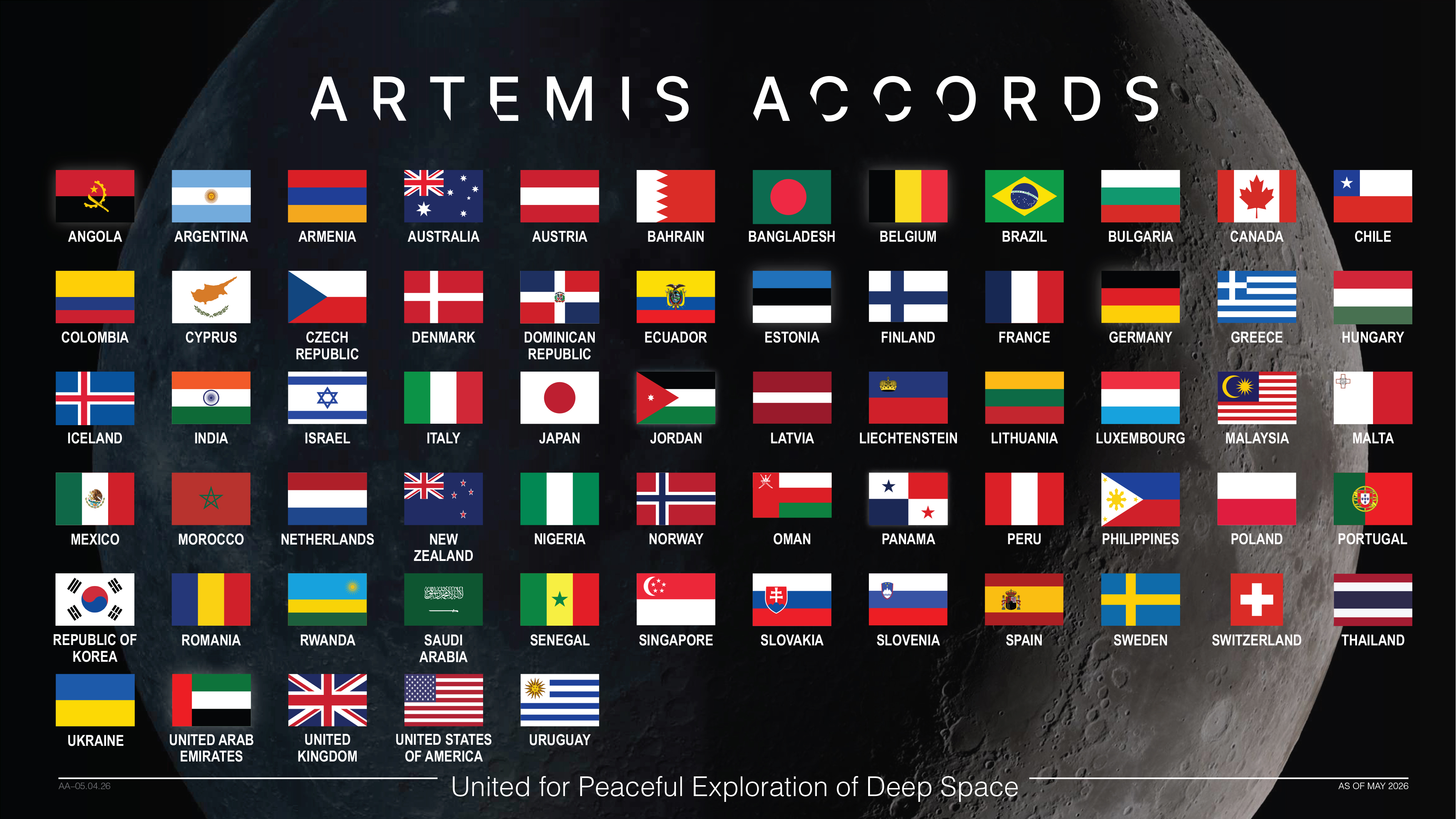
The Republic of Malta became the 65th signatory to the Artemis Accords on Monday during a ceremony in the town of Kalkara with NASA and U.S. Department of State officials present. “Today, it’s my pleasure to welcome the Republic of Malta to the Artemis Accords community,” NASA Administrator Jared Isaacman said in recorded remarks. “By
 ×
×
×
×
×
×
×
×