Featured update
For the first time, a much younger version of the Sun has been caught red-handed blowing bubbles in the galaxy, by astronomers using NASA’s Chandra X-ray Observatory.
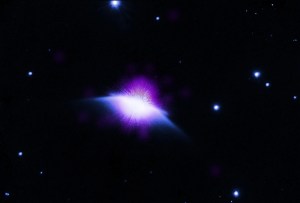


For the first time, a much younger version of the Sun has been caught red-handed blowing bubbles in the galaxy, by astronomers using NASA’s Chandra X-ray Observatory.
Off the coast of California, NASA’s Artemis Landing and Recovery team and the Department of War that will work together to retrieve the Artemis II crew and Orion spacecraft following their return to Earth and splashdown in the Pacific Ocean are performing a final simulation of their activities, called a just-in-time training, at sea on Tuesday, Jan. 27, 2026. During the training, teams use the Crew Module Test Article, a full-scale mockup of the Orion spacecraft, to simulate as close as possible the conditions they can expect to encounter during splashdown of the Artemis II mission.

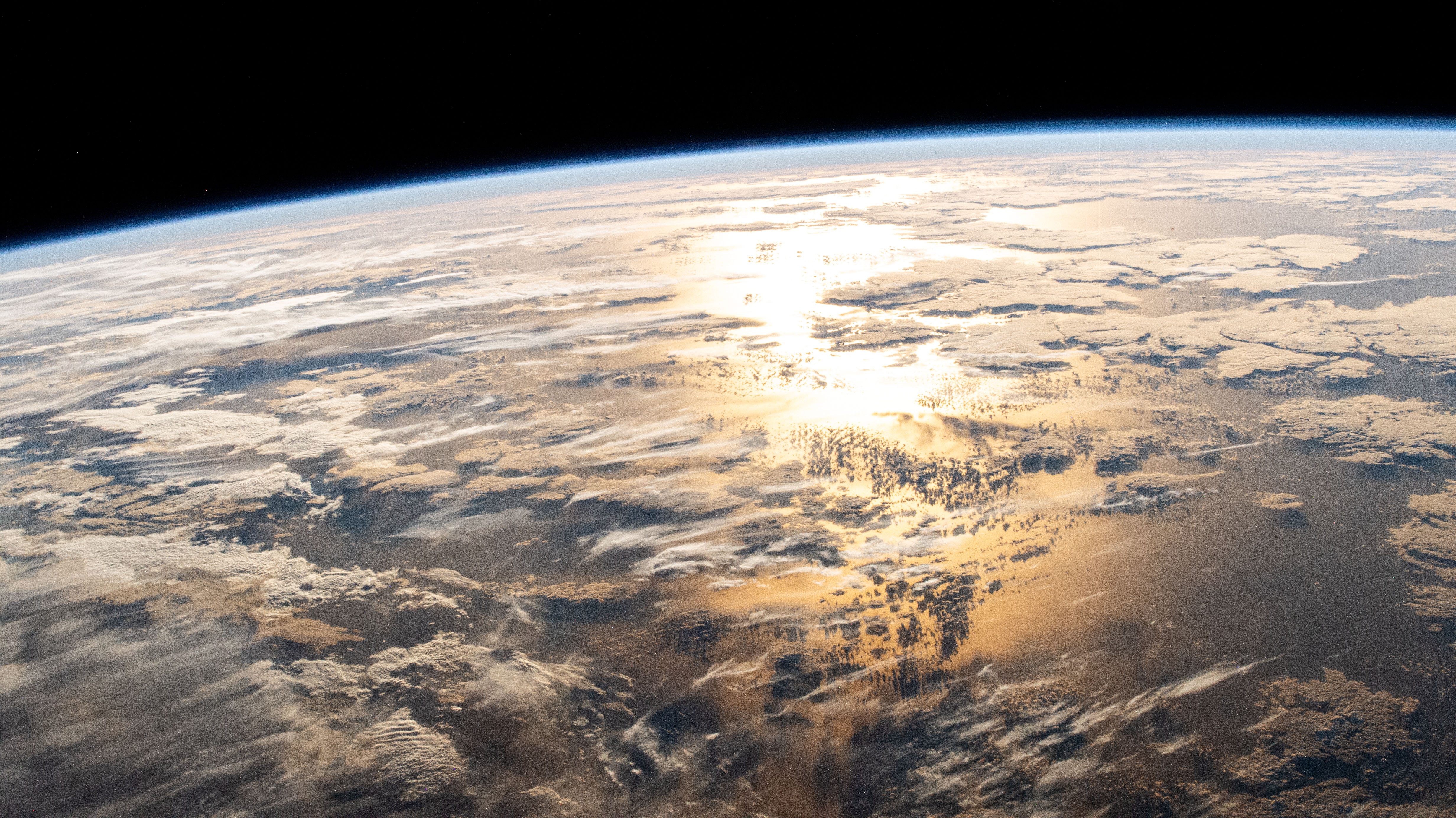
The sun's glint beams off a partly cloudy Atlantic Ocean just after sunrise as the International Space Station orbited 263 miles above.
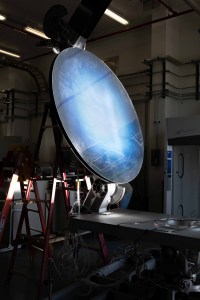
The Carbothermal Reduction Demonstration (CaRD) project aims to demonstrate the carbothermal reduction of lunar regolith to produce oxygen on the Moon's South Pole. For this test, the team integrated the solar concentrator, mirrors, and software and confirmed the production of carbon monoxide.
NASA astronaut Kjell Lindgren takes a selfie with the people behind "Project Hail Mary" and the audience during a panel about the movie at NASA's Jet Propulsion Laboratory on Feb. 25, 2026.

NASA astronaut and SpaceX Crew-12 Pilot Jack Hathaway enters the International Space Station after docking aboard the Dragon spacecraft to join Expedition 74 and begin a long-duration microgravity research mission.
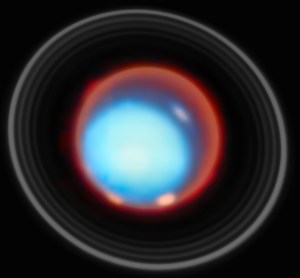
For the first time, an international team of astronomers have mapped the vertical structure of Uranus’s upper atmosphere, uncovering how temperature and charged particles vary with height across the planet.
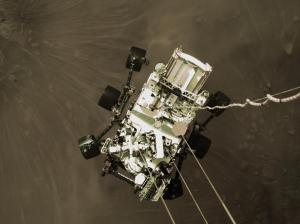
This high-resolution still image is part of a video taken by several cameras as NASA's Perseverance rover touched down on Mars on February 18, 2021.
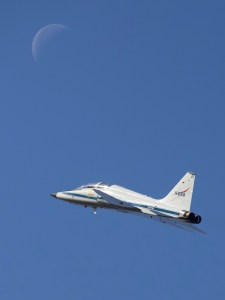
NASA astronaut Christina Koch and Canadian Space Agency astronaut Jeremy Hansen take off on a T-38 training flight from Ellington Field on Feb. 11, 2026, as a waning crescent Moon hovers above.
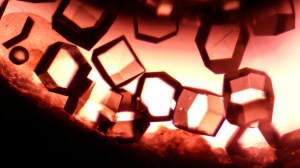
This image of lysozyme crystals grown aboard the International Space Station was taken after the crystals returned to Earth in April 2024. Lysozyme is a protein found in bodily fluids like tears, saliva, and milk. It is used as a control compound to demonstrate well-formed crystals.
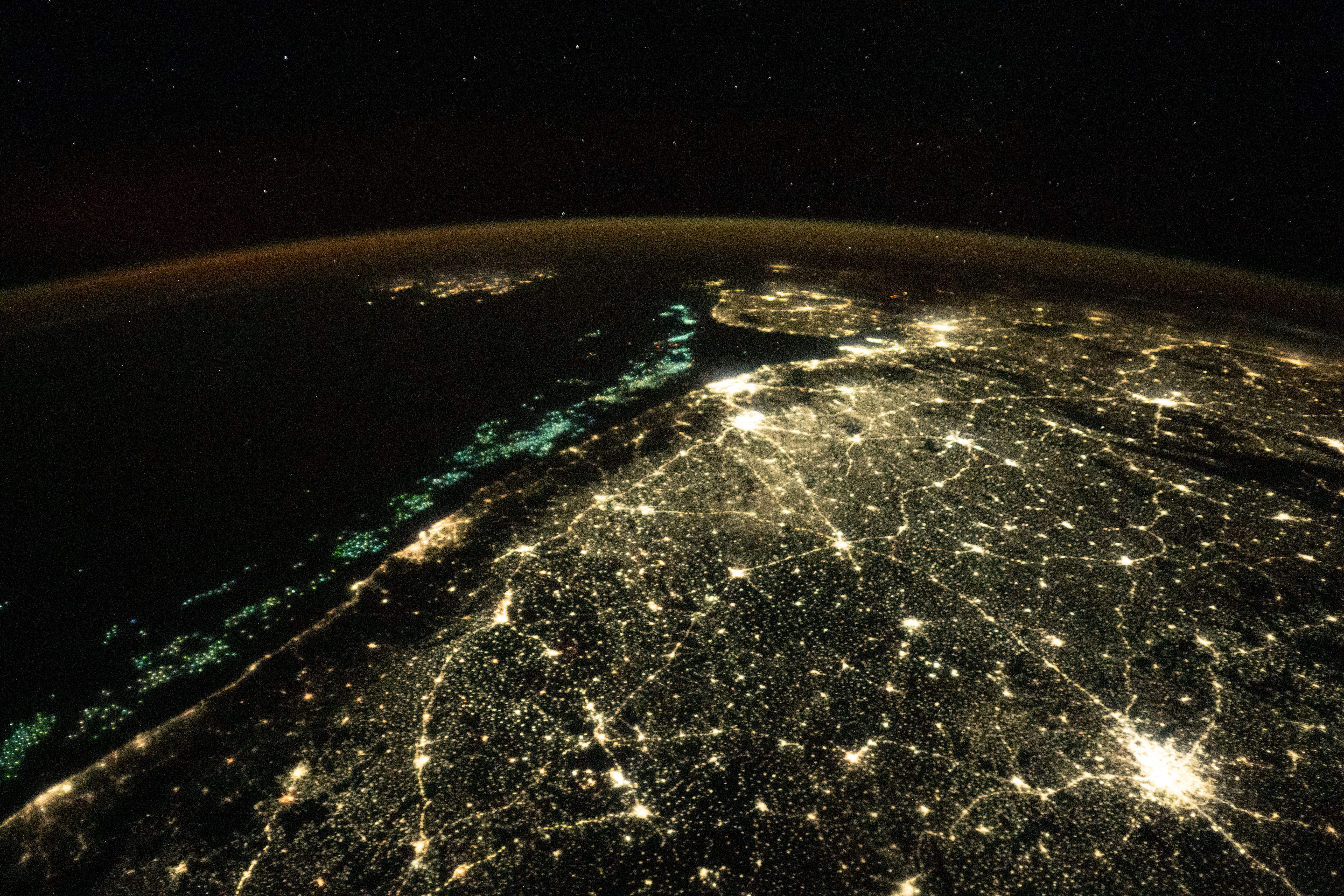
Fishing boats illuminate the Arabian Sea along India’s west coast with green lights designed to attract squid, shrimp, sardines, and mackerel in this nighttime photograph from the International Space Station, orbiting 259 miles above Earth. At lower right, the city lights of Hyderabad—renowned for its historic diamond and pearl trade—stretch westward toward the Mumbai Metropolitan Region, home to over 26 million people and the heart of Bollywood.
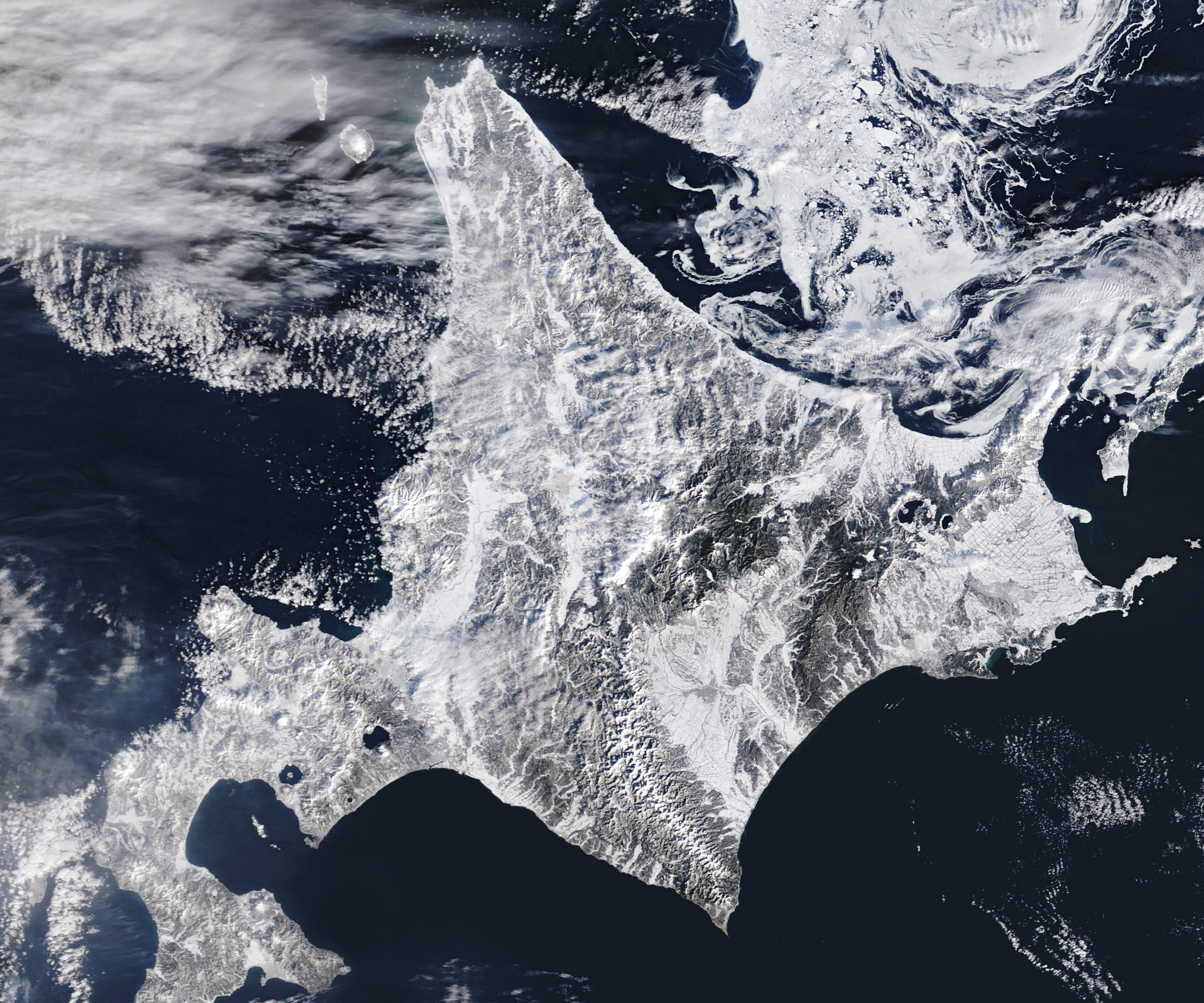
Northern Japan, especially the island of Hokkaido, is home to some of the snowiest cities in the world. Sapporo, the island's largest city and host of an annual snow festival, typically sees more than 140 days of snowfall, with nearly 6 meters (20 feet) accumulating on average each year.
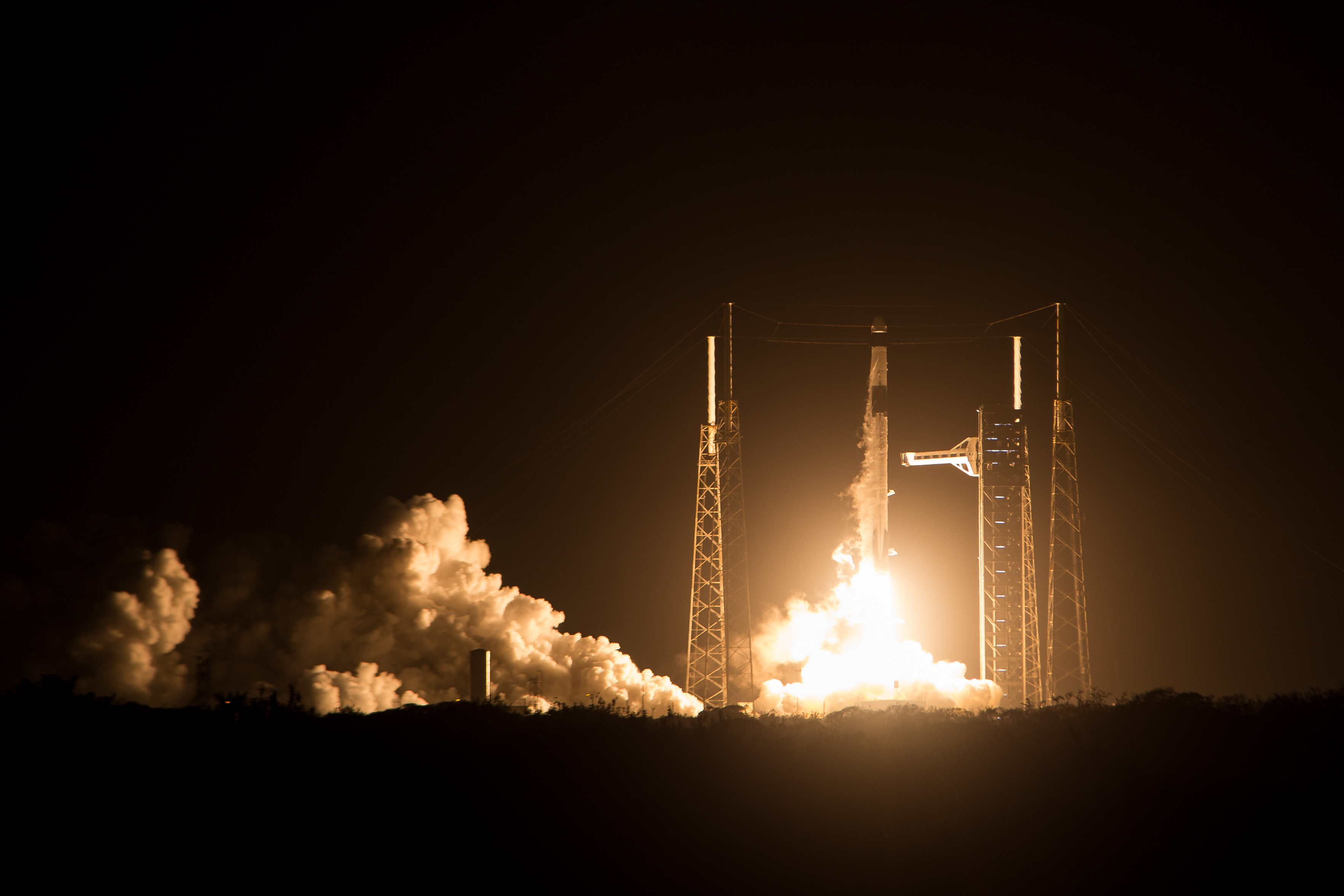
A SpaceX Falcon 9 rocket carrying the company's Dragon spacecraft is launched on NASA’s SpaceX Crew-12 mission to the International Space Station with NASA astronauts Jessica Meir, Jack Hathaway, ESA (European Space Agency) astronaut Sophie Adenot, and Roscosmos cosmonaut Andrey Fedyaev onboard, Friday, Feb. 13, 2026, from Cape Canaveral Space Force Station in Florida. NASA’s SpaceX Crew-12 mission is the twelfth crew rotation mission of the SpaceX Dragon spacecraft and Falcon 9 rocket to the International Space Station as part of the agency’s Commercial Crew Program. Meir, Hathaway, Adenot, and Fedyaev launched at 5:15 a.m. EST from Space Launch Complex 40 at the Cape Canaveral Space Force Station to begin a mission aboard the orbital outpost.
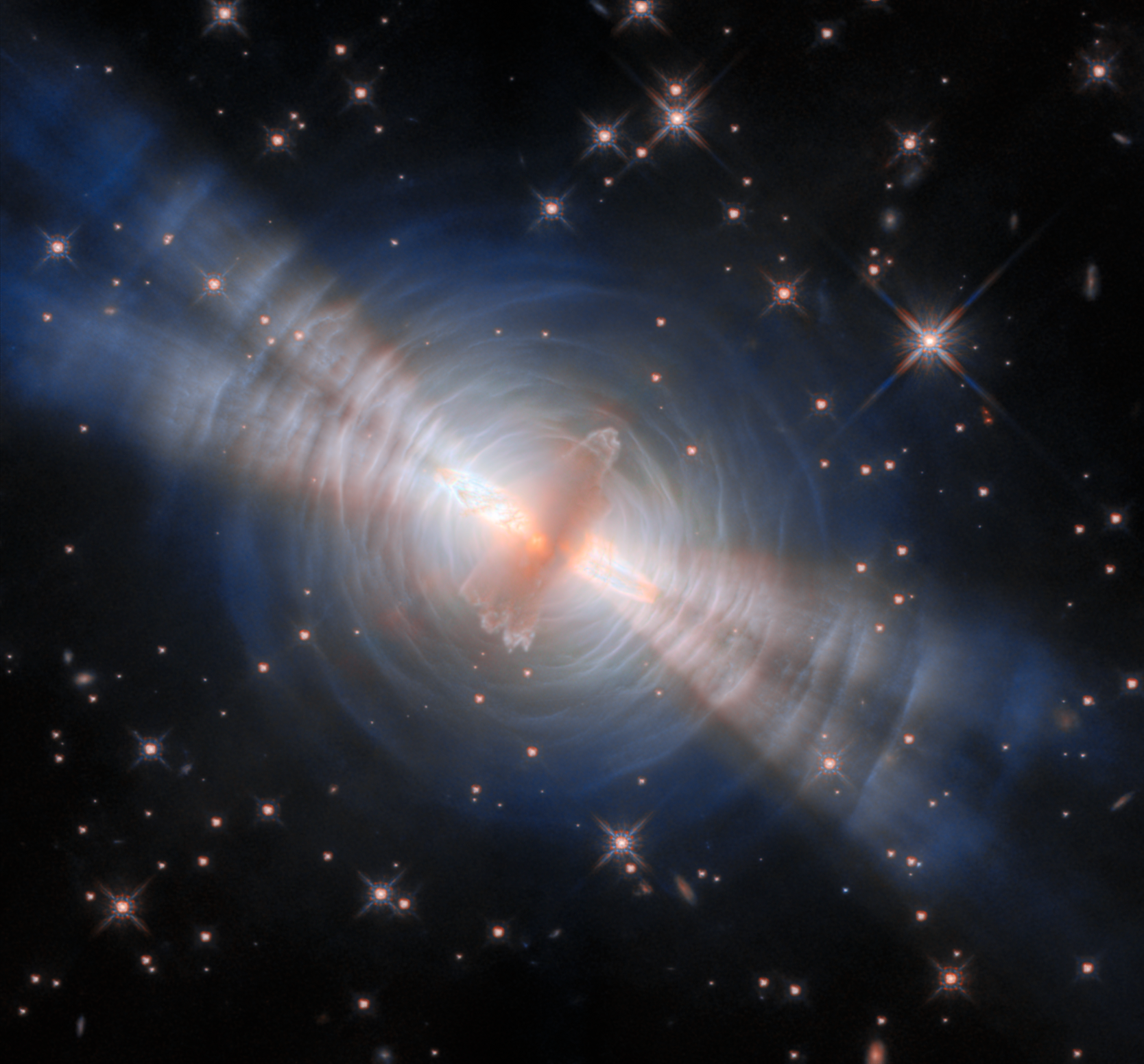
NASA’s Hubble Space Telescope reveals the clearest view yet of the Egg Nebula. This structure of gas and dust was created by a dying, Sun-like star. These newest observations were taken with Hubble’s Wide Field Camera 3.
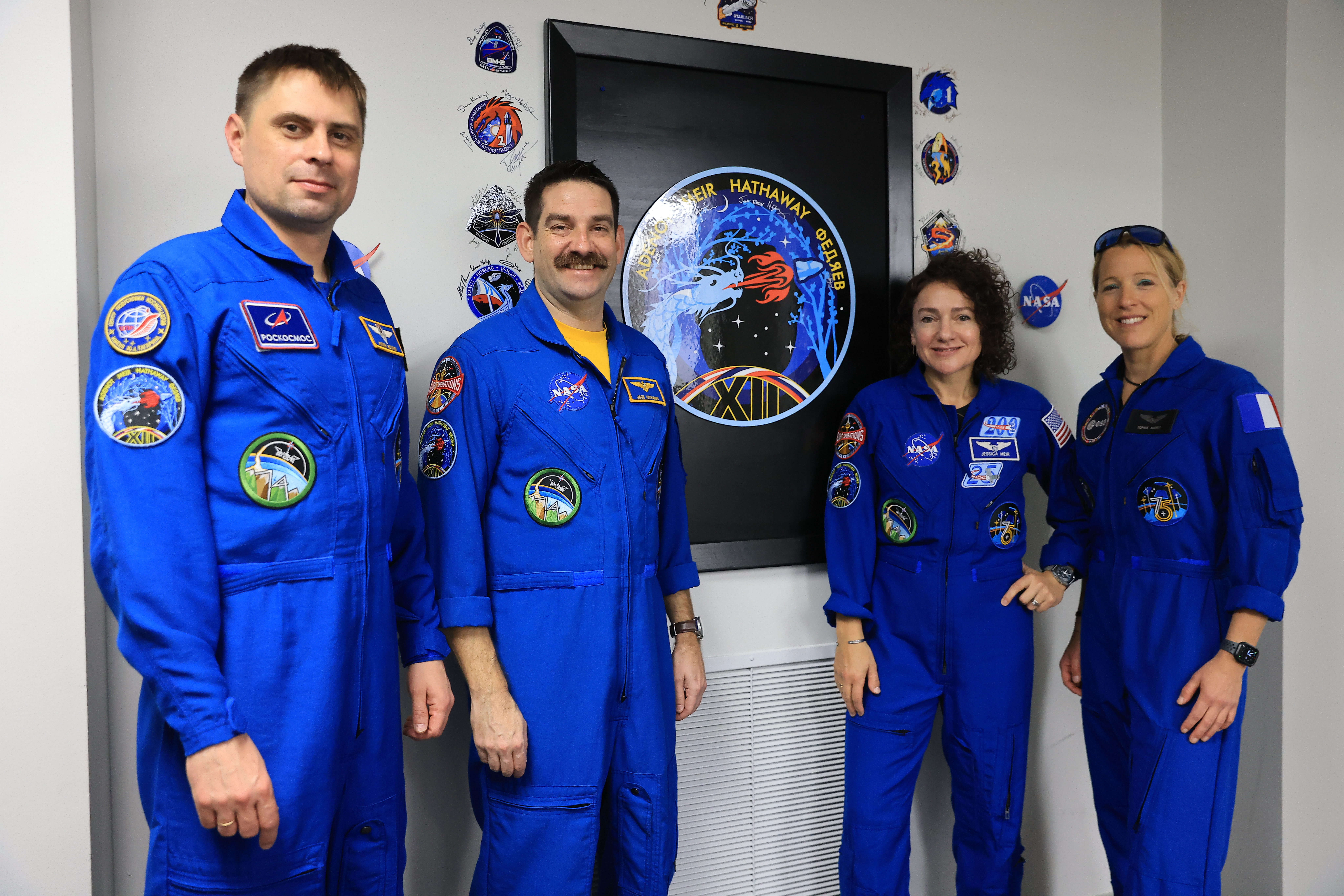
From left, NASA’s SpaceX Crew-12 crew members – Roscosmos cosmonaut Andrey Fedyaev, NASA astronauts Jack Hathaway and Jessica Meir, and ESA (European Space Agency) astronaut Sophie Adenot – pose next to their mission insignia inside the Astronaut Crew Quarters in the Neil A. Armstrong Operations and Checkout Building at NASA’s Kennedy Space Center in Florida on Monday, Feb. 9, 2026.
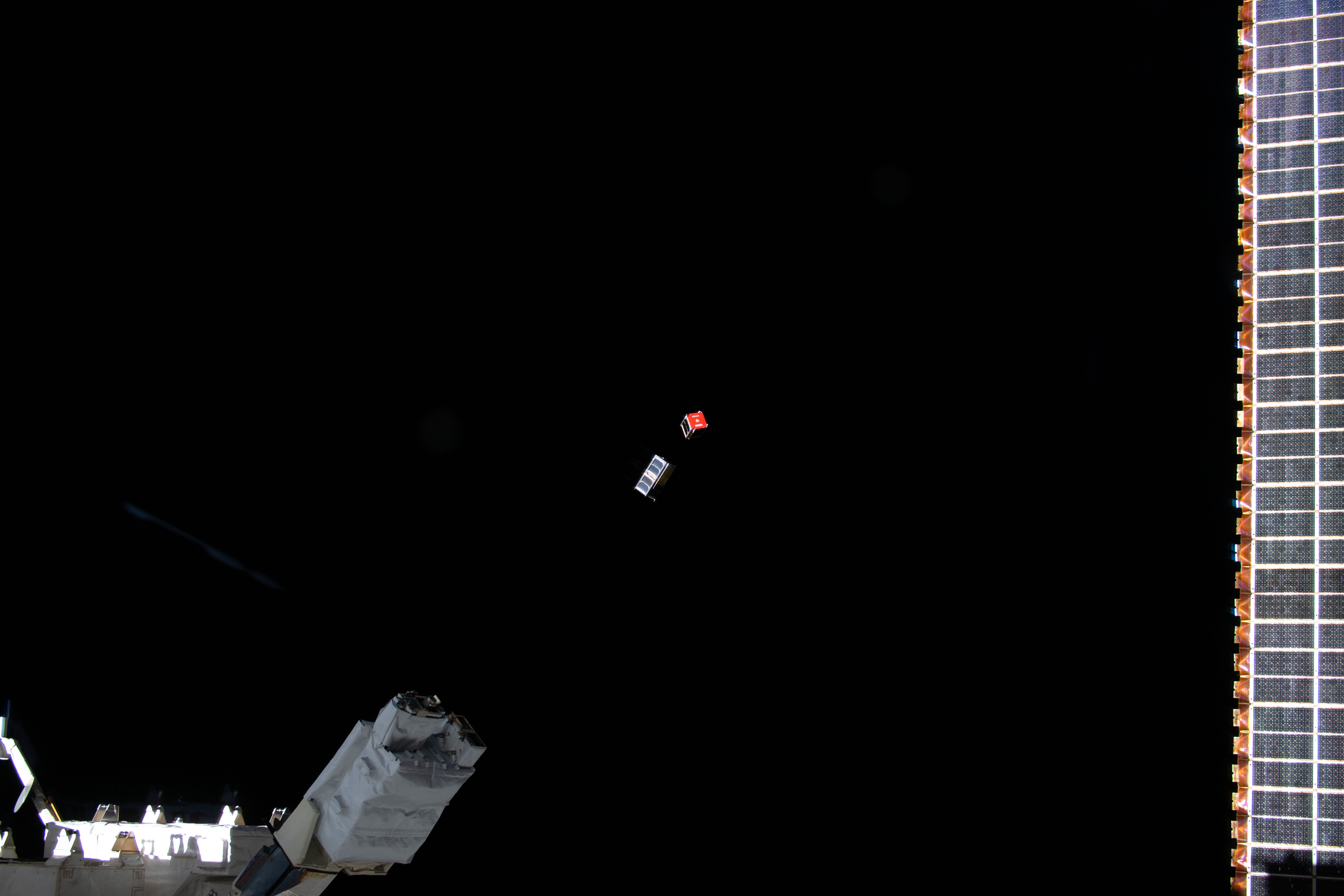
A pair of CubeSats designed by college students from around the world is deployed into Earth orbit from a small satellite orbital deployer on the outside of the International Space Station's Kibo laboratory module. Students from Mexico, Italy, Thailand, Malaysia, and Japan designed the shoe-boxed sized satellites for a series of Earth observations and technology demonstrations.
 ×
×
×
×
×
×
×
×