
Active filters Type: Media
Clear all
11 Apr 2026, 03:00 GMT By NASA

Live now • 58,099 watching • Artemis II is back on Earth. Join us as agency leaders talk about today's splashdown and answer questions from the media. NASA astronauts Reid Wiseman, Victor Glover, Christina Koch, and CSA...

Download item bundle
Live now
11 Apr 2026, 02:01 GMT By NASA

Live now • 1,396,960 watching • Around the Moon and back. Watch the Artemis II astronauts come home. NASA's Artemis II mission is splashing down in the Pacific Ocean at about 8:07 p.m. EDT on Friday, April 10 (0007 UTC April...

Download item bundle
Live now
11 Apr 2026, 02:01 GMT By NASA

Live now • 522,952 watching • This feed will provide continuous coverage of Artemis II mission activities with live commentary, beginning with tanking of the SLS (Space Launch System) rocket at NASA's Kennedy Space Center...

Download item bundle
Live now
11 Apr 2026, 00:00 GMT By NASA

Live now • 14,491 watching • As bandwidth allows, this stream will feature live views from the Orion spacecraft, without commentary, as it makes its journey around the Moon. Viewers will see a blue screen if there is a...

Download item bundle
Live now
11 Apr 2026, 00:00 GMT

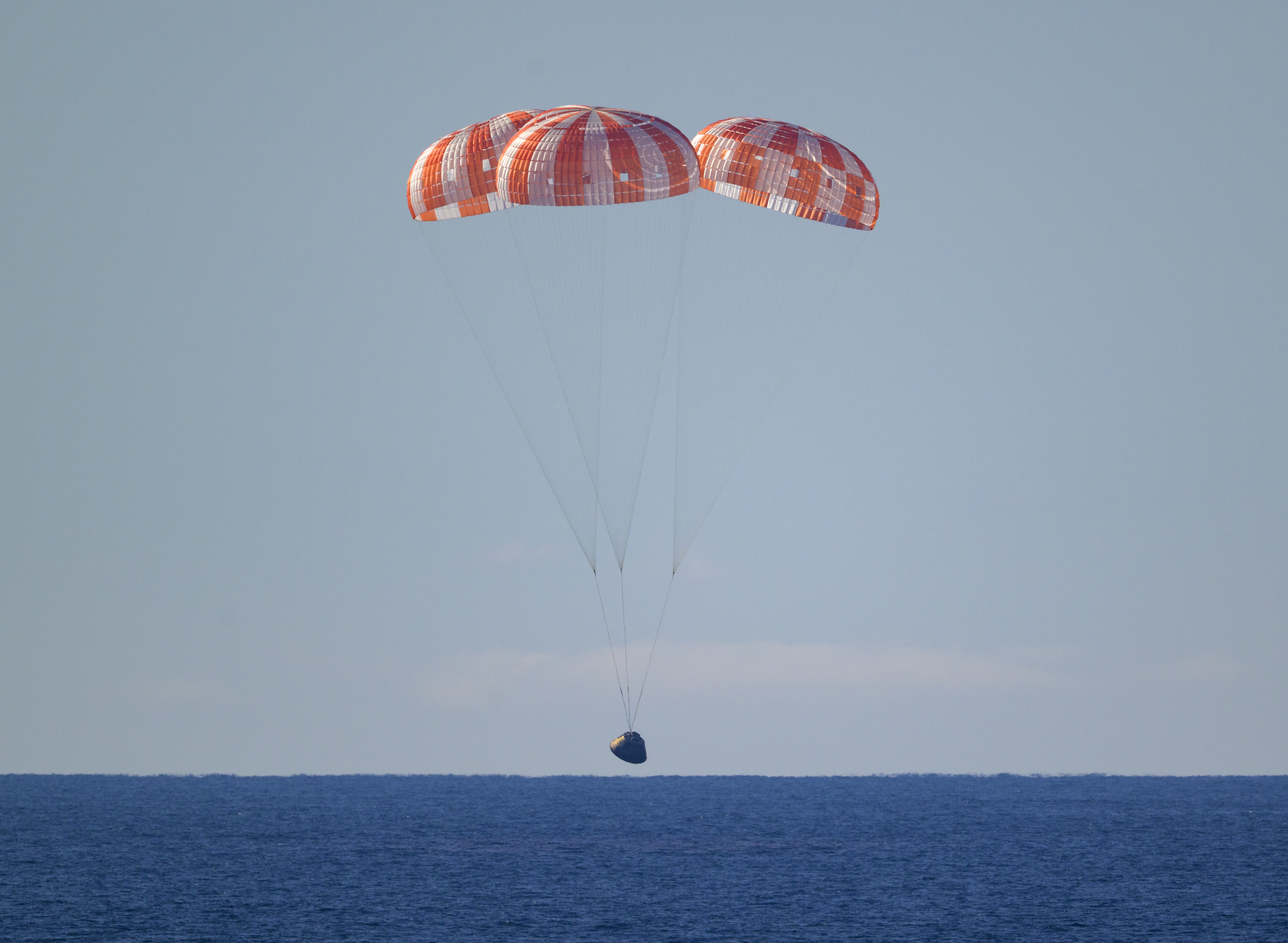
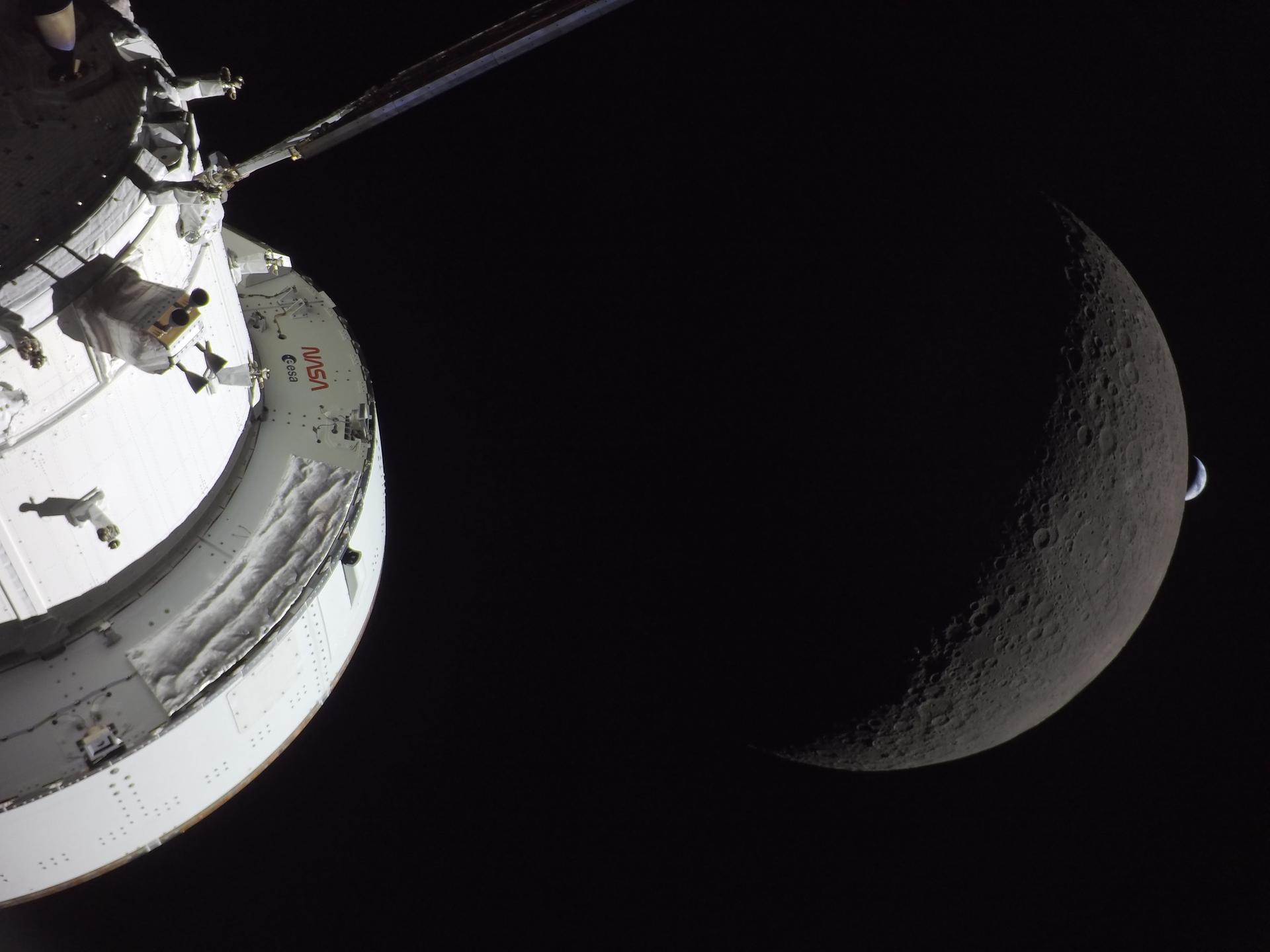
On flight day 6 (April 6) the Artemis II mission achieved a historic lunar flyby. Rounding the lunar far side, the deep space maneuver marked humanity's first venture to the Moon since Apollo 17 in 1972. The Orion spacecraft Integrity reached a maximum distance of nearly 407,000 kilometers, and the Artemis II crew, Reid Wiseman, Victor Glover, and Christina Koch, and Jeremy Hansen, set the record for the farthest distance from Earth traveled by any human since the Apollo 13 crew in 1970. From behind the Moon on flight day 6, a solar array wing camera recorded this space age selfie, framing the spacecraft and lunar far side. Planet Earth, home to the Artemis II crew, is the small, bright crescent beyond the lunar limb. The crew safely returned home on Artemis II mission flight day 10. Artemis II: Splashdown

Download item bundle
Artemis II: Flight Day 6
10 Apr 2026, 16:35 GMT

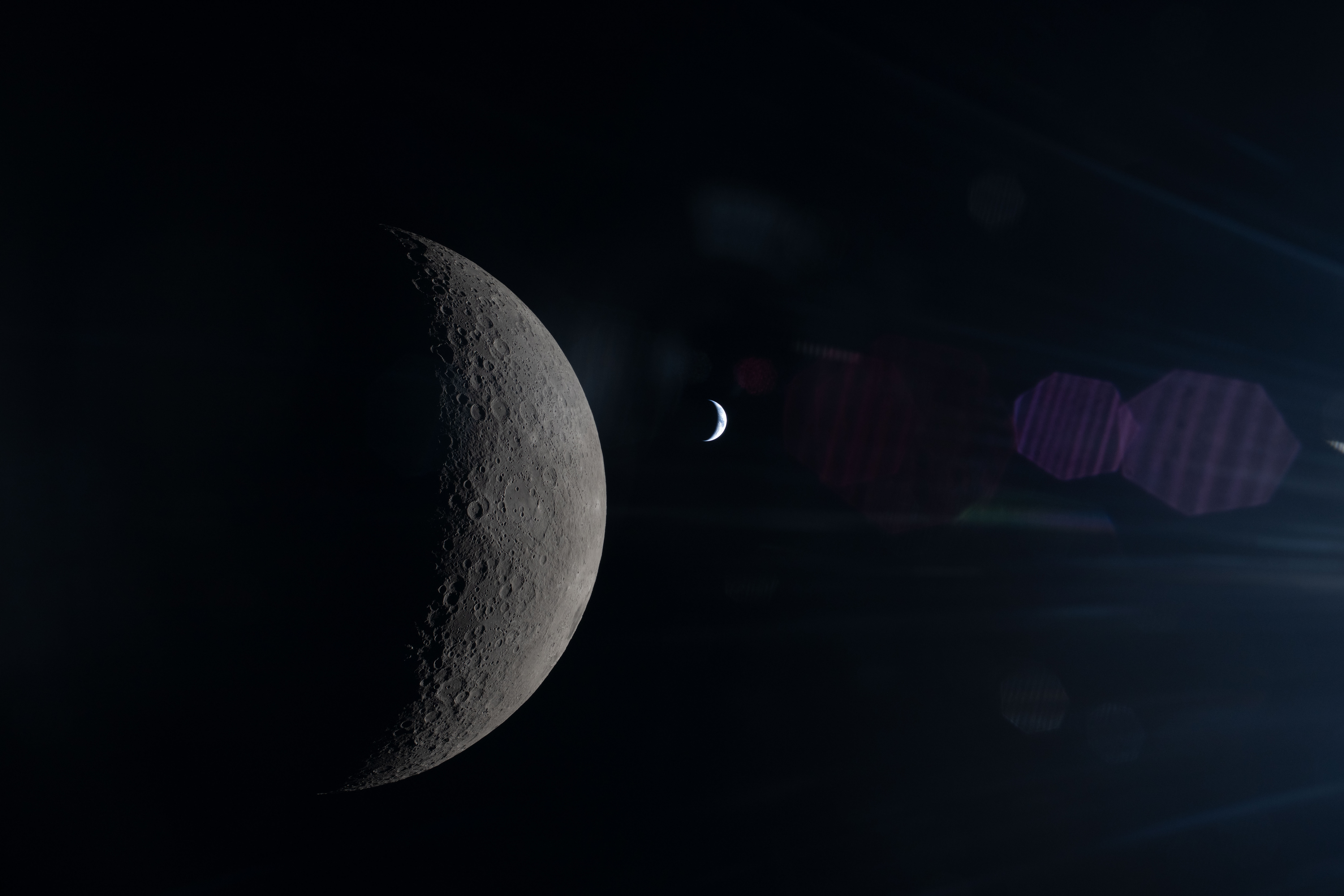
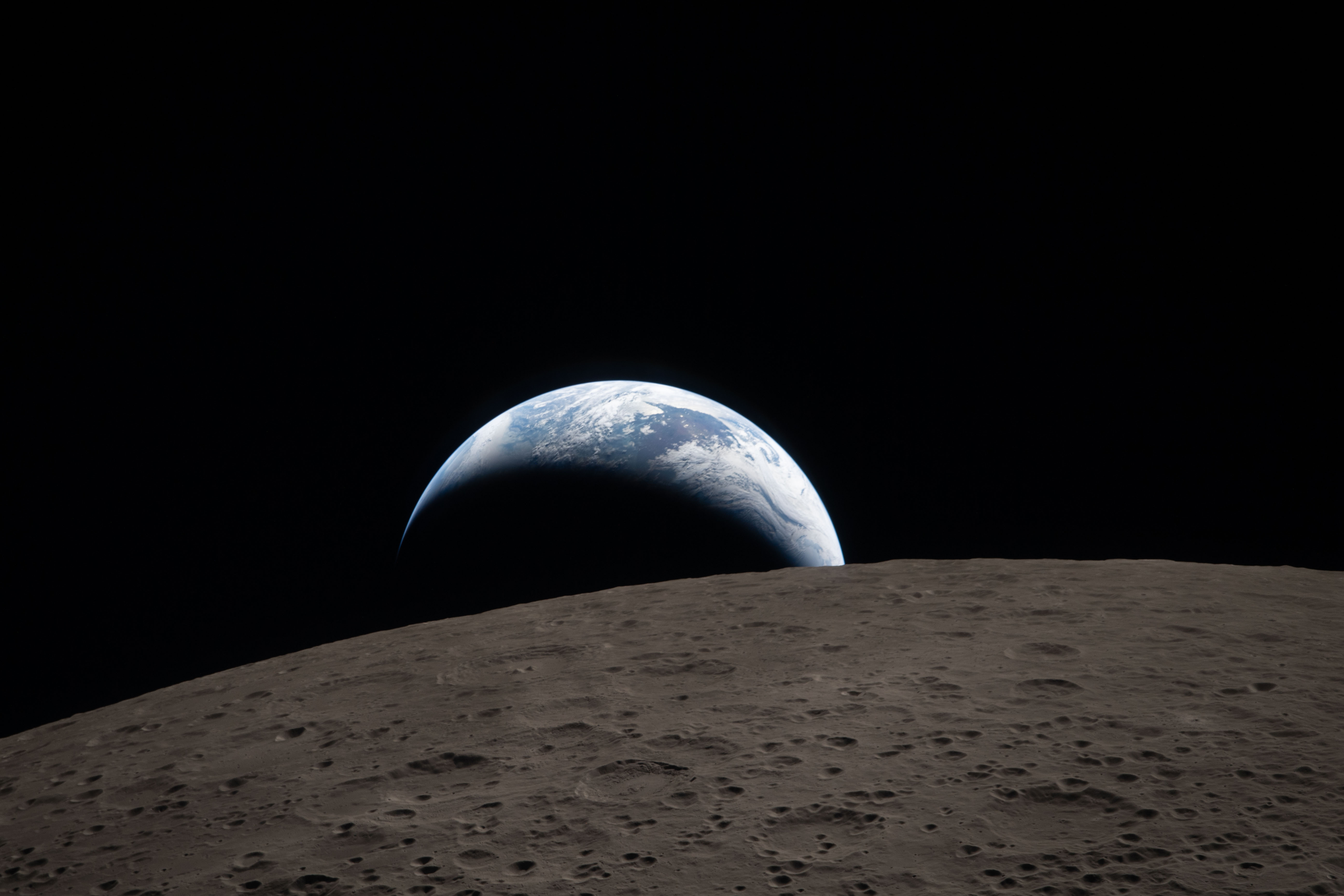
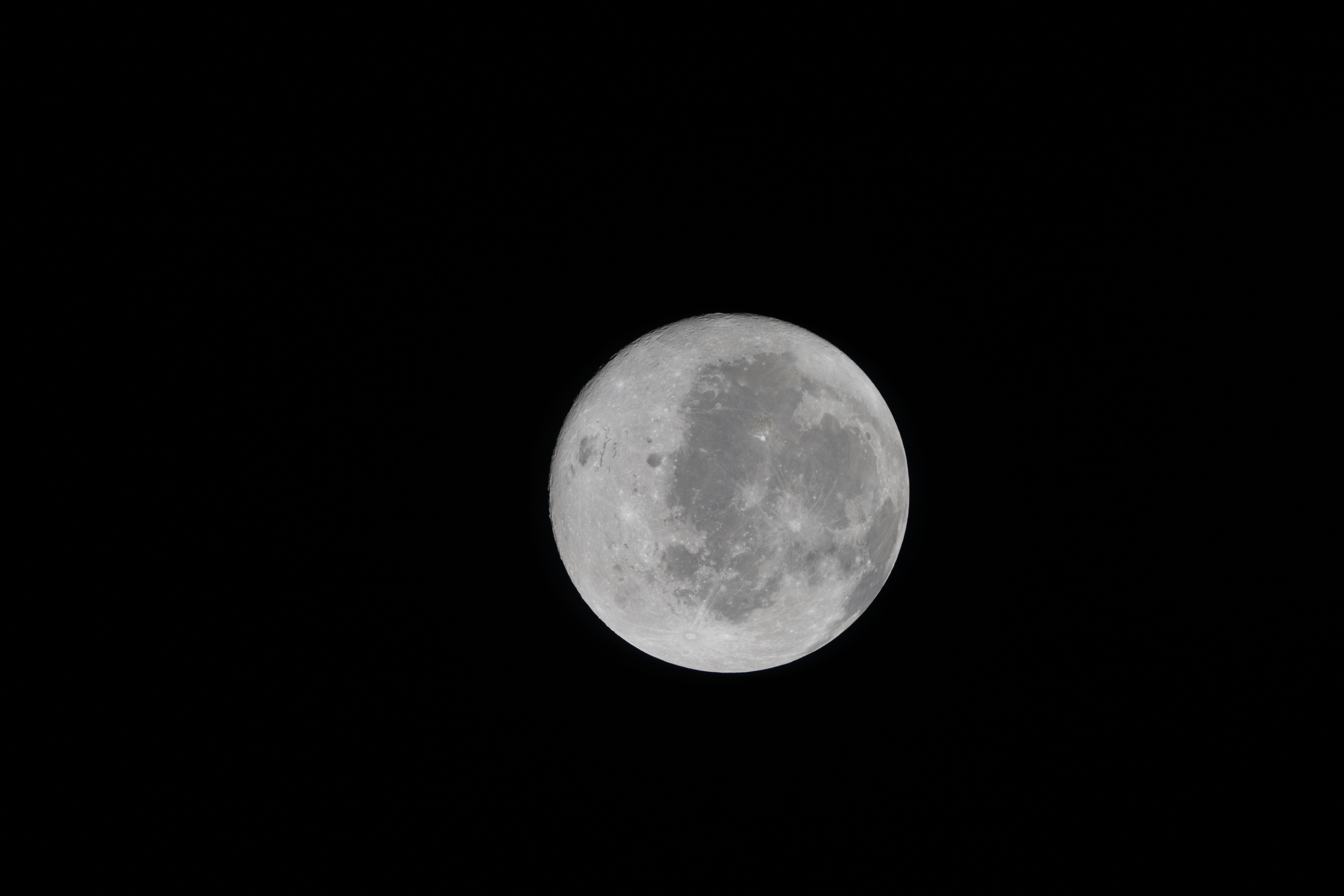
Seen during the Artemis II mission, the Moon and Earth align in the same frame, each partially illuminated by the Sun.

Download item bundle
New Perspective of Home
10 Apr 2026, 00:00 GMT By Mike Selby

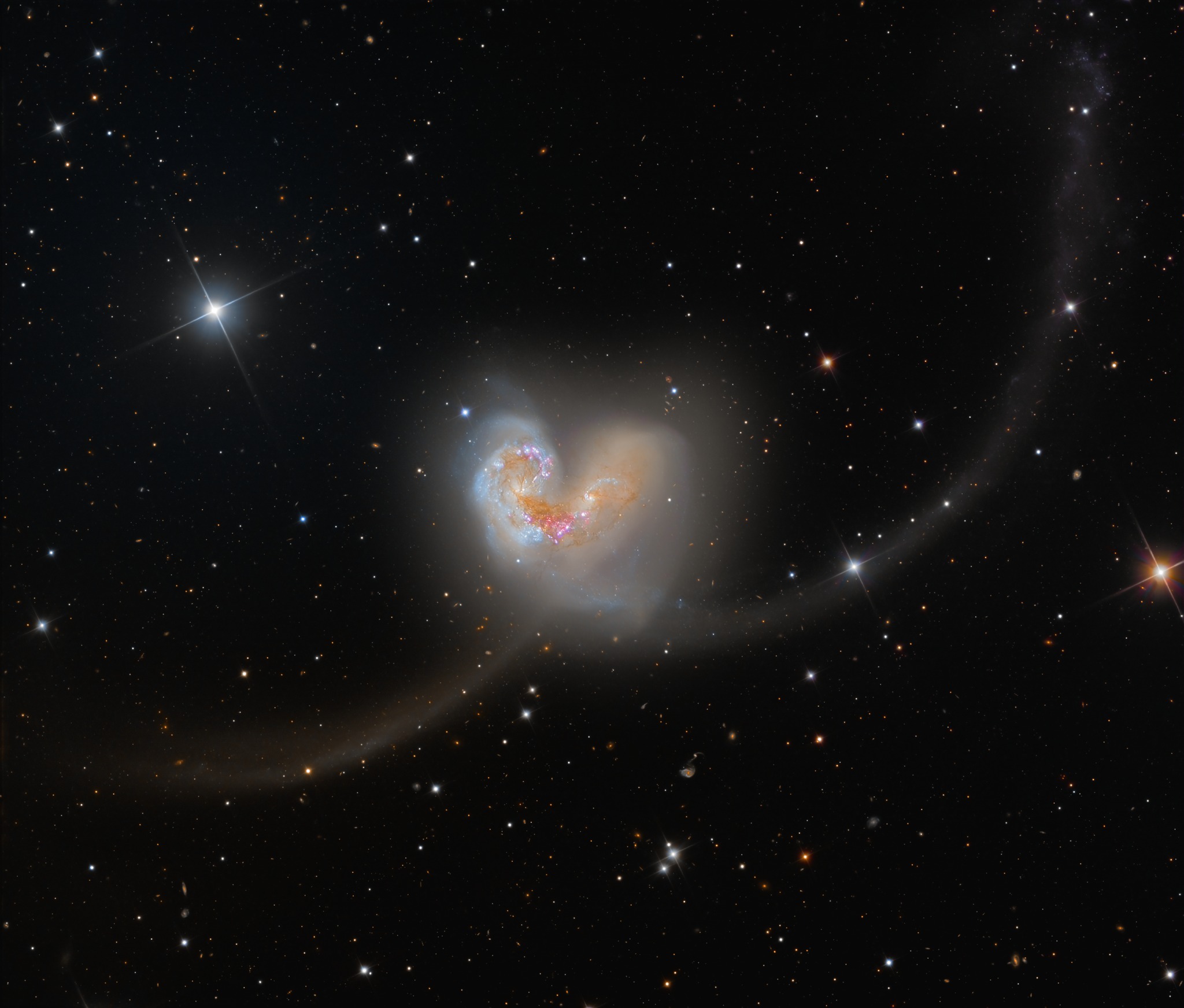
Some 60 million light-years away in the southerly constellation Corvus, two large galaxies are colliding. Stars in the two galaxies, cataloged as NGC 4038 and NGC 4039, very rarely collide in the course of the ponderous cataclysm that lasts for hundreds of millions of years. But the galaxies' large clouds of molecular gas and dust often do, triggering furious episodes of star formation near the center of the cosmic wreckage. Spanning over 50 thousand light-years, this stunning telescopic frame also reveals new star clusters and matter flung far from the scene of the accident by gravitational tidal forces. The remarkably sharp ground-based image follows the faint tidal tails and distant background galaxies in the field of view. The suggestive overall visual appearance of the extended arcing structures gives the galaxy pair, also known as Arp 244, its popular name - The Antennae. Artemis II: Splashdown

Download item bundle
Exploring the Antennae
Credit: Mike Selby
9 Apr 2026, 20:32 GMT

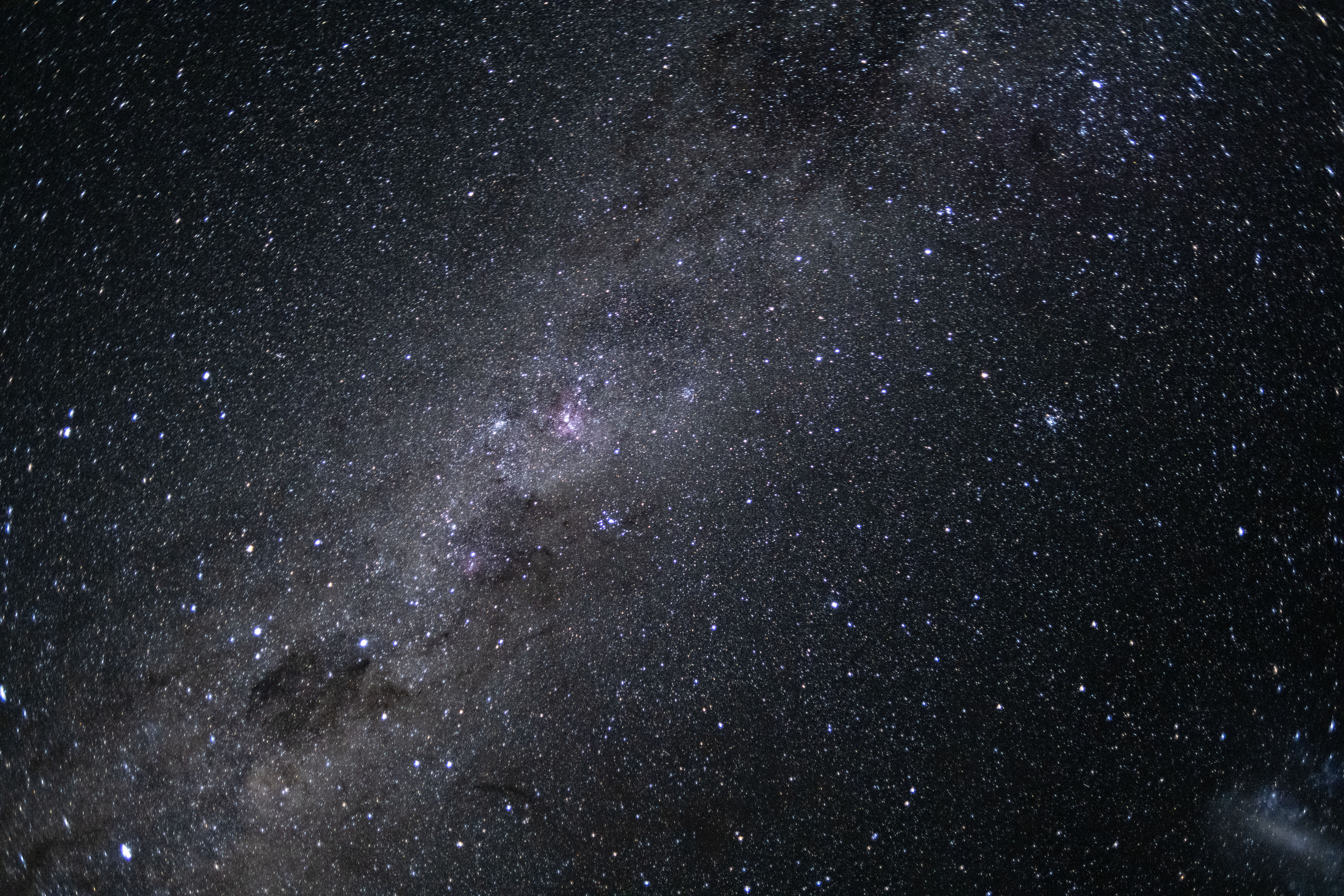
A stunning snapshot in time. The Artemis II crew captured this breathtaking photo of our galaxy, the Milky Way.

Download item bundle
Starstruck
9 Apr 2026, 20:01 GMT By NASA

Live now • 7,610 watching • Join us for today's mission briefing following the successful launch of Artemis II on April 1, 2026. NASA leaders are providing status updates, answering media questions, and discussing mission...

Download item bundle
Live now
9 Apr 2026, 03:00 GMT By NASA

Live now • 11,563 watching • Join us as Artemis II astronauts aboard the Orion spacecraft hold a news conference to answer media questions on their way home to Earth. Participants include: - NASA astronaut Reid Wiseman,...

Download item bundle
Live now
8 Apr 2026, 21:31 GMT By NASA

Live now • 11,835 watching • Join us for today's mission briefing following the successful launch of Artemis II on April 1, 2026. NASA leaders are providing status updates, answering media questions, and discussing mission...

Download item bundle
Live now
8 Apr 2026, 17:15 GMT

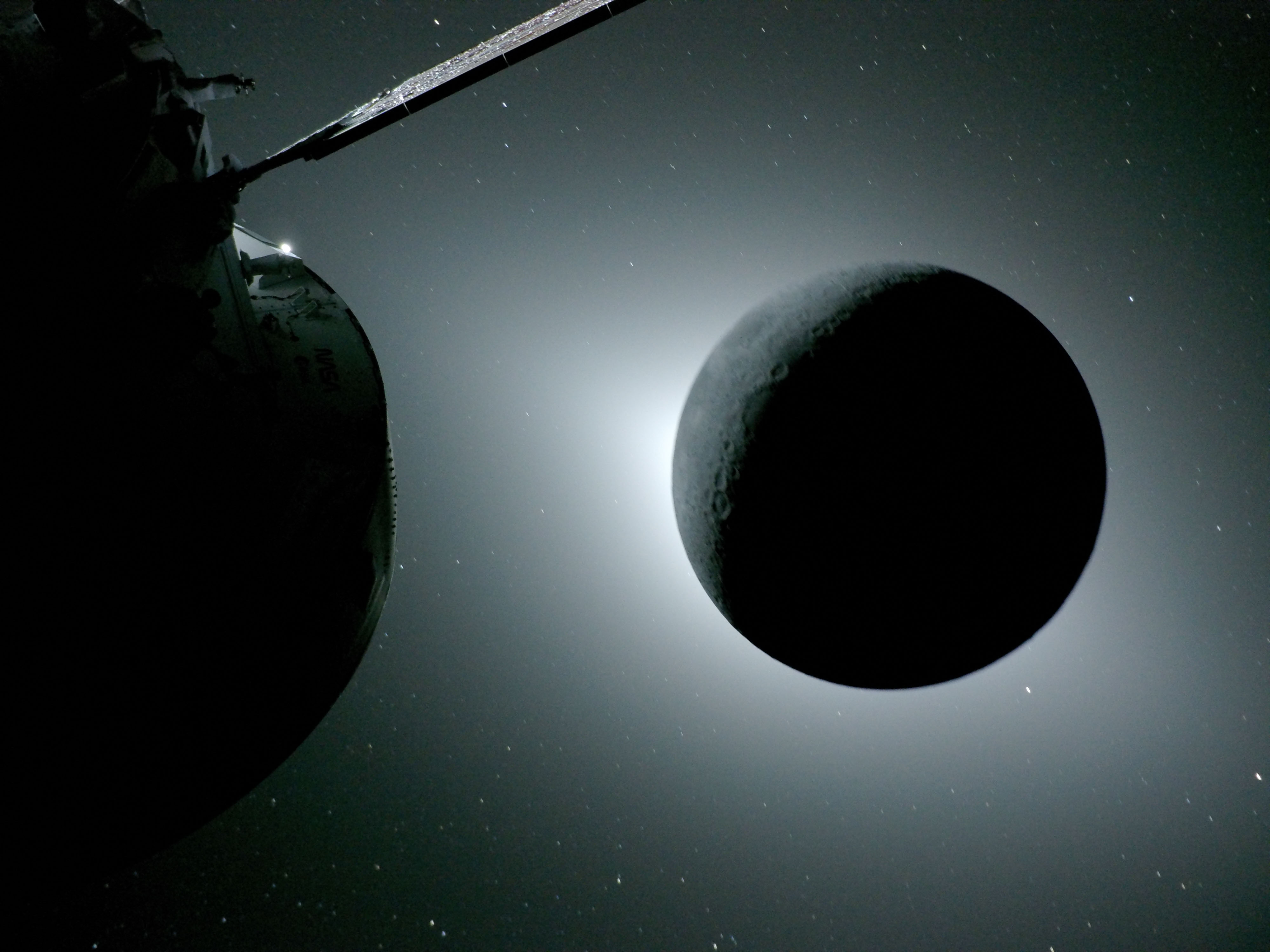
The Moon, seen here backlit by the Sun during a solar eclipse on April 6, 2026, is photographed by one of the cameras on the Orion spacecraft’s solar array wings. Orion is visible in the foreground on the left.

Download item bundle
Solar Eclipse of the Heart
8 Apr 2026, 00:00 GMT 2 variants

And to all of you down there on Earth and around Earth, we love you, from the Moon. We will see you on the other side, said Artemis II pilot Victor Glover on April 6th at 6:44pm ET as 8.3 billion minus four people and one Earth set below the Moon's horizon. The Orion spacecraft, Integrity, then traveled behind the Moon as part of its seven-hour lunar flyby. The crew characterized never-before-seen regions of the far side of the Moon, which is puzzlingly less volcanically active than the near side. New observations of crater peaks, floors, terraces, and rings preserved on the lunar surface will help piece together the impact history of the Solar System. Among many other surface characterizations, the crew observed one of the Moon's best-preserved basins, the Orientale basin, and identified two new craters. As Earth rose above the Moon’s horizon and Integrity began its return home, Artemis II mission specialist Christina Koch powerfully summarized humanity’s grander mission: ...we will always choose Earth. We will always choose each other.

Download item bundle
Earthset
7 Apr 2026, 21:34 GMT By NASA

Live now • 23,962 watching • Join us for today's mission briefing following the lunar flyby on April 6, 2026. NASA leaders are providing status updates, answering media questions, and discussing mission activities for...

Download item bundle
Live now
7 Apr 2026, 00:00 GMT By Rabeea Alkuwari

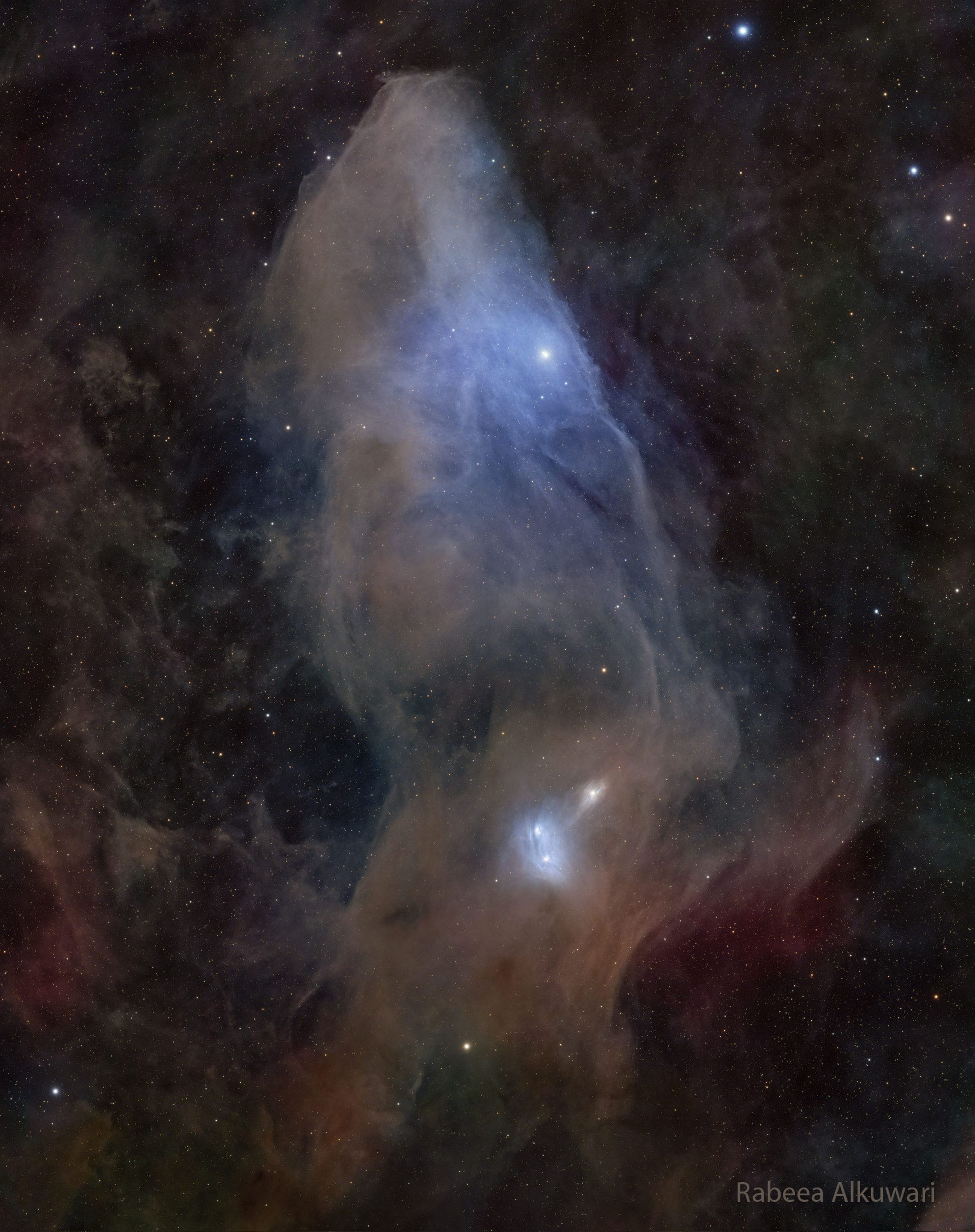
Do you see the horse's head? What you are seeing is not the famous Horsehead nebula toward Orion, but rather a fainter nebula that only takes on a familiar form with deeper imaging. The main part of the here-imaged molecular cloud complex is reflection nebula IC 4592. Reflection nebulas are made up of very fine dust that normally appears dark but can look quite blue when reflecting the visible light of energetic nearby stars. In this case, the source of much of the reflected light is a star at the eye of the horse. That star is part of Nu Scorpii, one of the brighter star systems toward the constellation of the Scorpion (Scorpius). A second reflection nebula dubbed IC 4601 is visible surrounding two stars just below the image center. The featured picture was taken from Sawda Natheel in Qatar. Jigsaw Nebula: Astronomy Puzzle of the Day

Download item bundle
IC 4592: The Blue Horsehead Reflection Nebula
Credit: Rabeea Alkuwari
6 Apr 2026, 15:00 GMT

A view of the near side of the Moon, the side we always see from Earth, as seen from the Orion spacecraft.

Download item bundle
The Near Side of the Moon
5 Apr 2026, 14:05 GMT

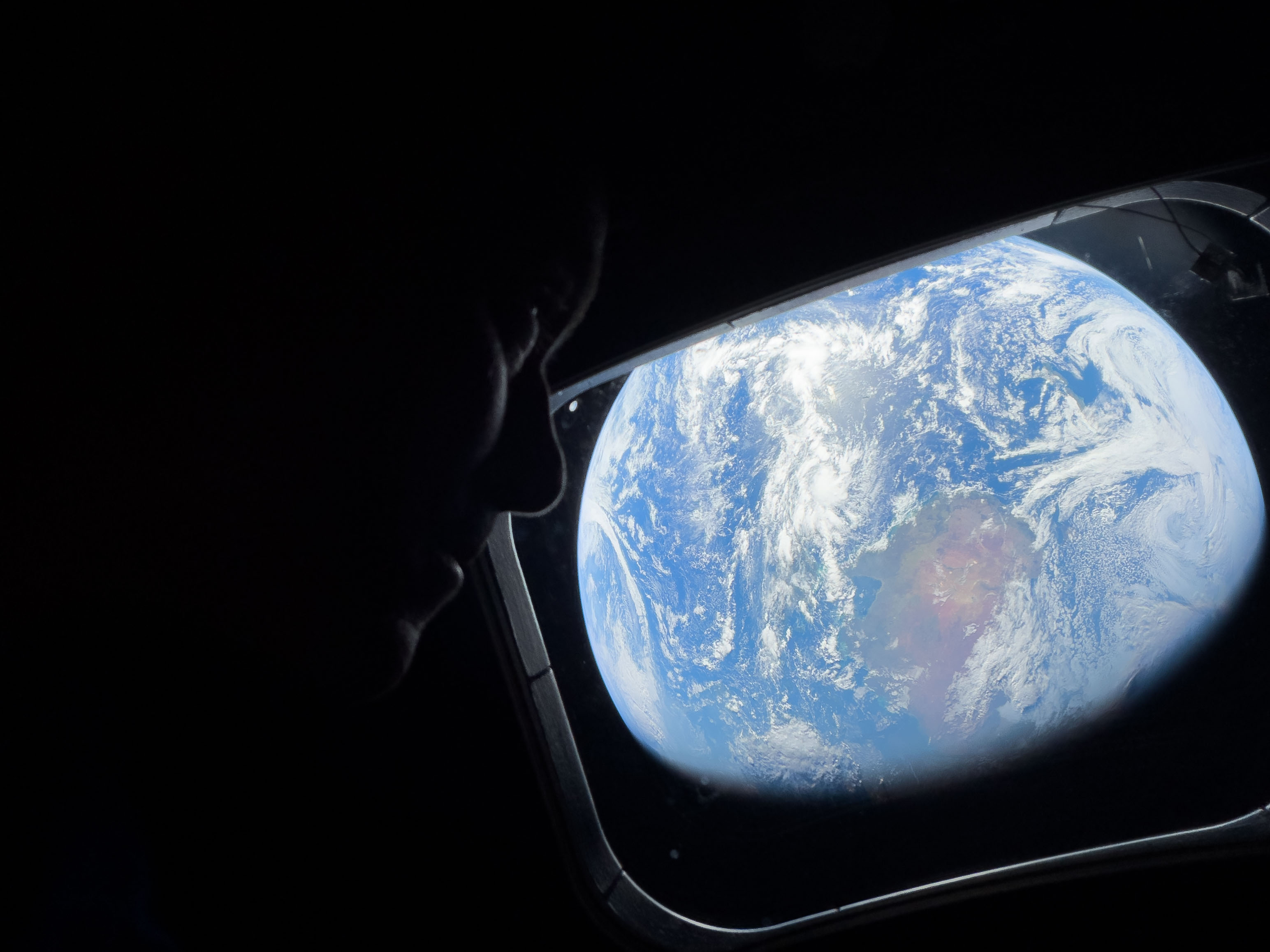
NASA astronaut and Artemis II Commander Reid Wiseman peers out of one of the Orion spacecraft's main cabin windows on April 4, 2026, looking back at Earth, as the crew travels towards the Moon.

Download item bundle
Thinking of You, Earth
5 Apr 2026, 00:00 GMT By AAO ITSO Office, Gemini Obs./AURA & T. A. Rector (U. Alaska Anchorage)

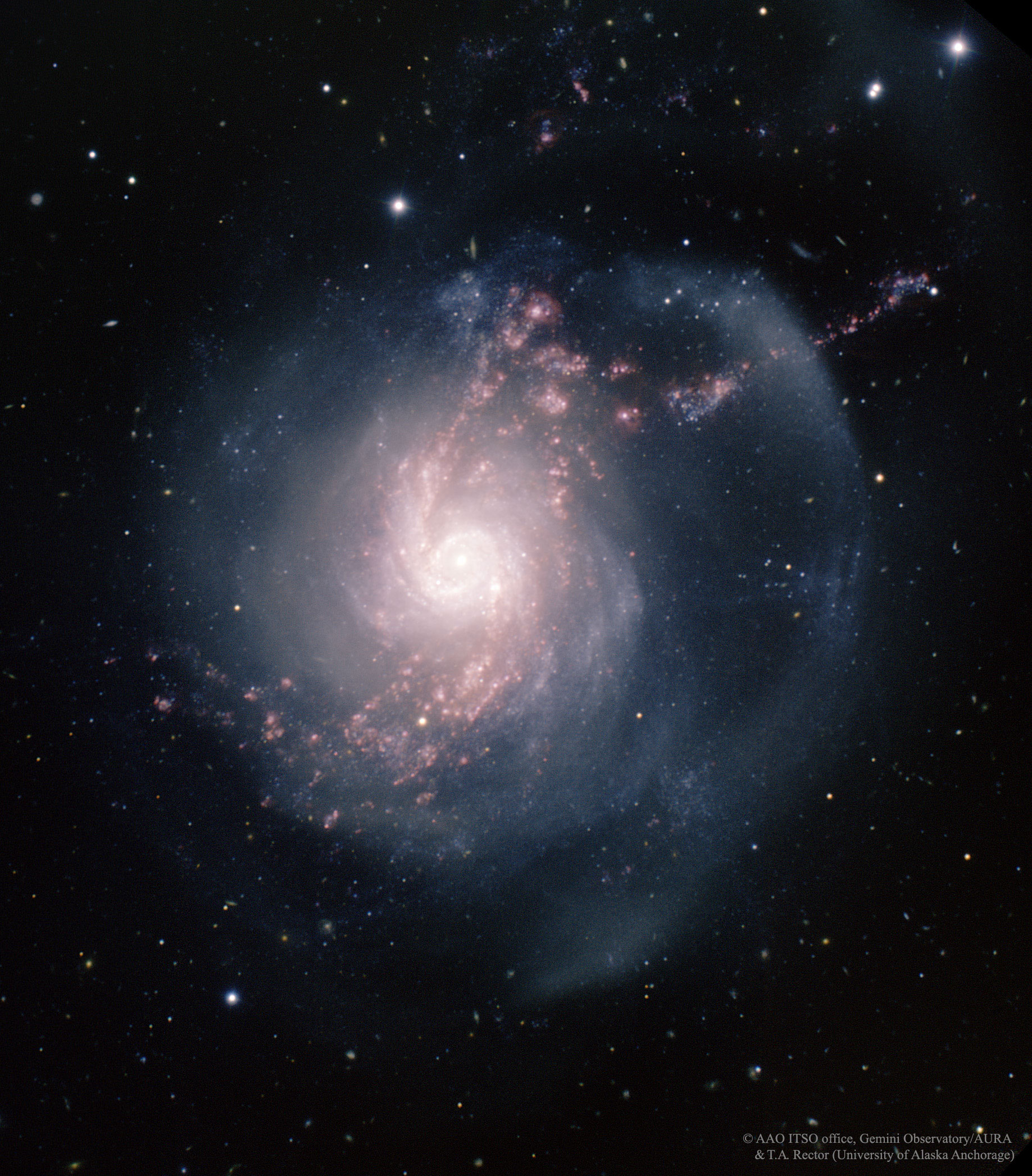
The party is still going on in spiral galaxy NGC 3310. Roughly 100 million years ago, NGC 3310 likely collided with a smaller galaxy causing the large spiral galaxy to light up with a tremendous burst of star formation. The changing gravity during the collision created density waves that compressed existing clouds of gas and triggered the star-forming party. The featured image from the Gemini North Telescope shows the galaxy in great detail, color-coded so that pink highlights gas while white and blue highlight stars. Some of the star clusters in the galaxy are quite young, indicating that starburst galaxies may remain in star-burst mode for quite some time. NGC 3310 spans about 50,000 light years, lies about 50 million light years away, and is visible with a small telescope towards the constellation of Great Bear Ursa Major.

Download item bundle
NGC 3310: A Starburst Spiral Galaxy
Credit: AAO ITSO Office, Gemini Obs./AURA & T. A. Rector (U. Alaska Anchorage)
4 Apr 2026, 15:08 GMT

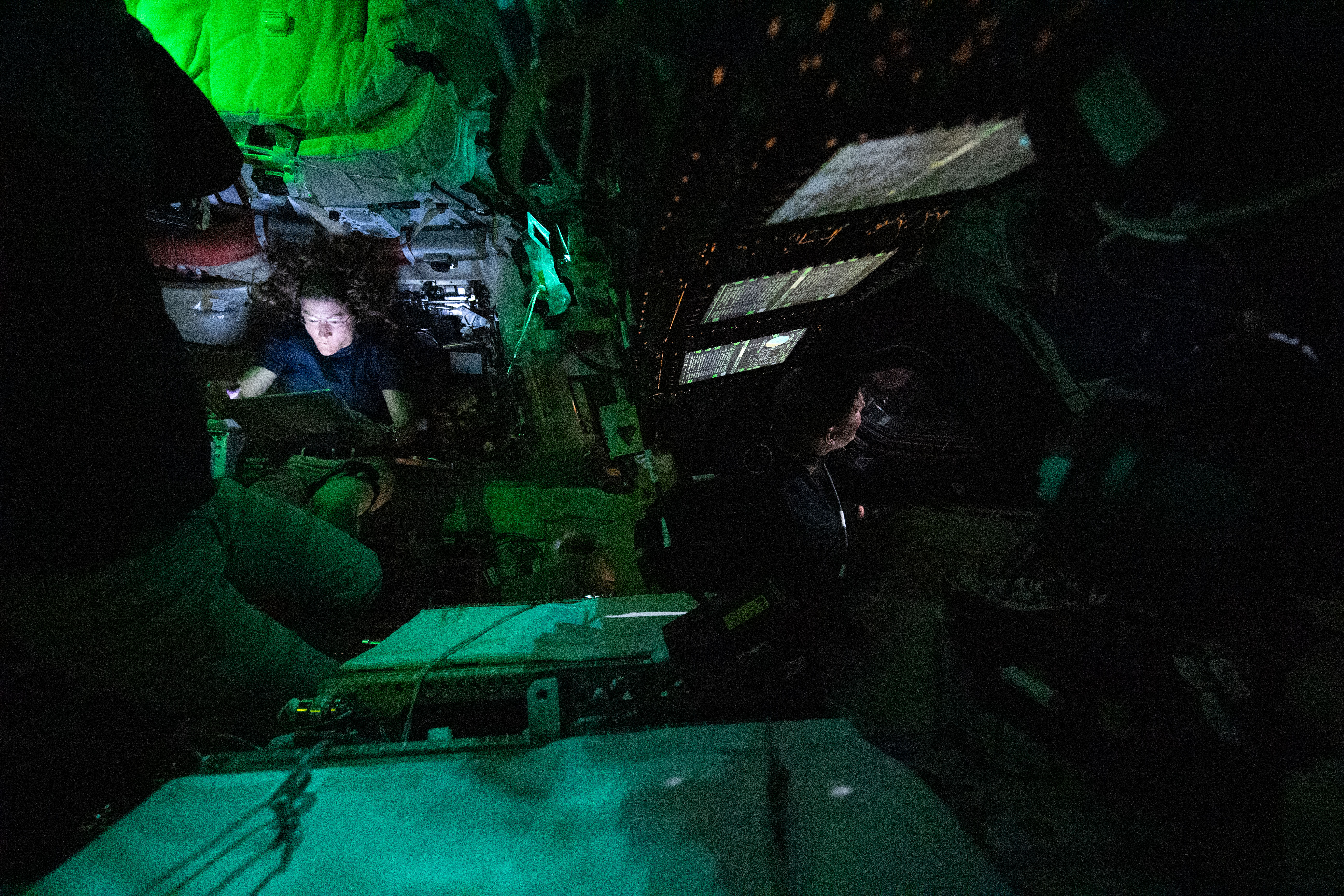
NASA astronaut Christina Koch is illuminated by a screen inside the darkened Orion spacecraft on the third day of the agency's Artemis II mission. To the right of the image's center, CSA (Canadian Space Agency) astronaut Jeremy Hansen is seen in profile peering out of one of Orion's windows. Lights are turned off to avoid glare on the windows.

Download item bundle
Illuminated in Orion