Featured update
“Rise,” the Artemis II zero gravity indicator, is seen sitting on the dais as the Artemis II astronauts speak with congressional staff, Tuesday, May 12, 2026, in Washington.
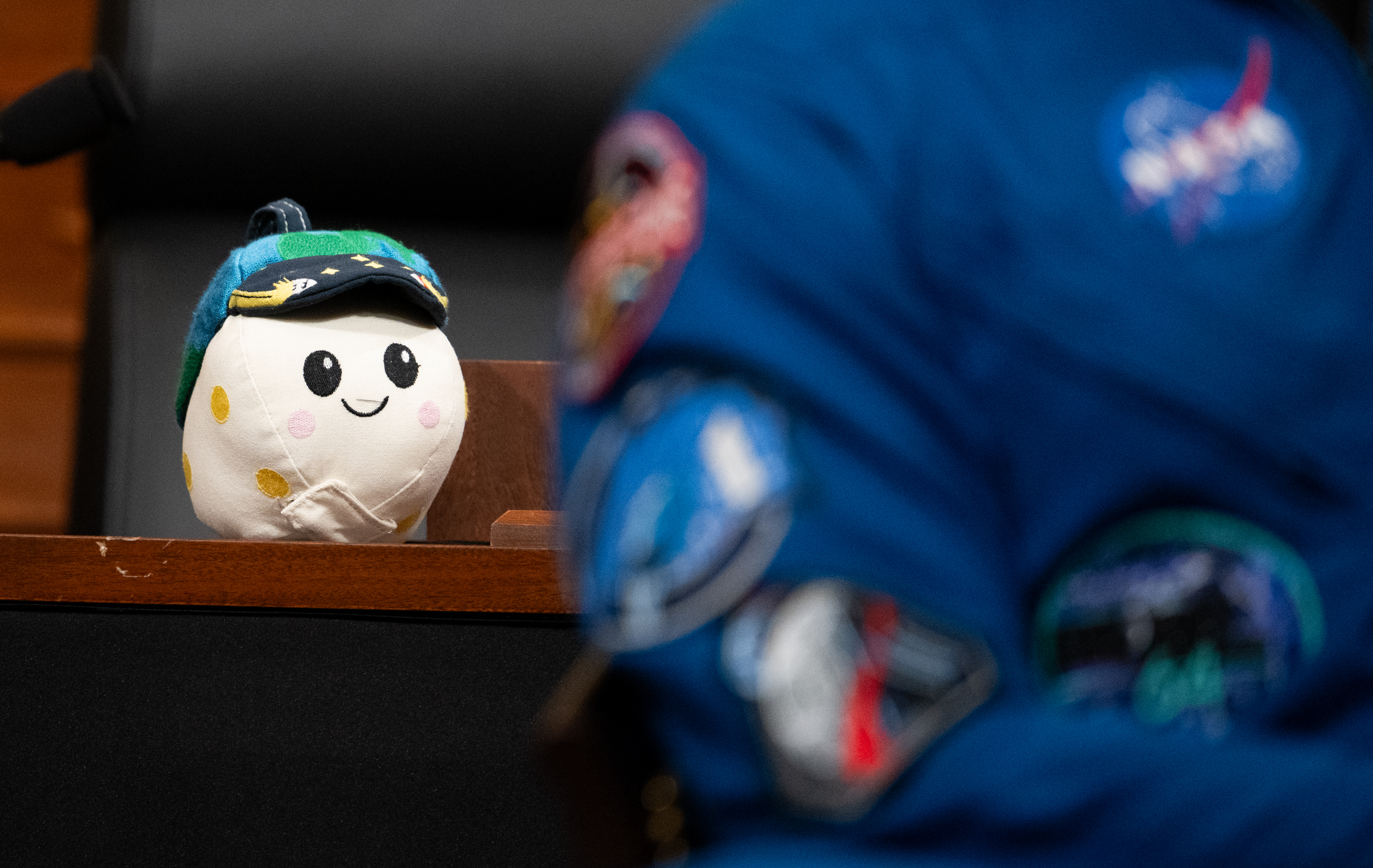


“Rise,” the Artemis II zero gravity indicator, is seen sitting on the dais as the Artemis II astronauts speak with congressional staff, Tuesday, May 12, 2026, in Washington.
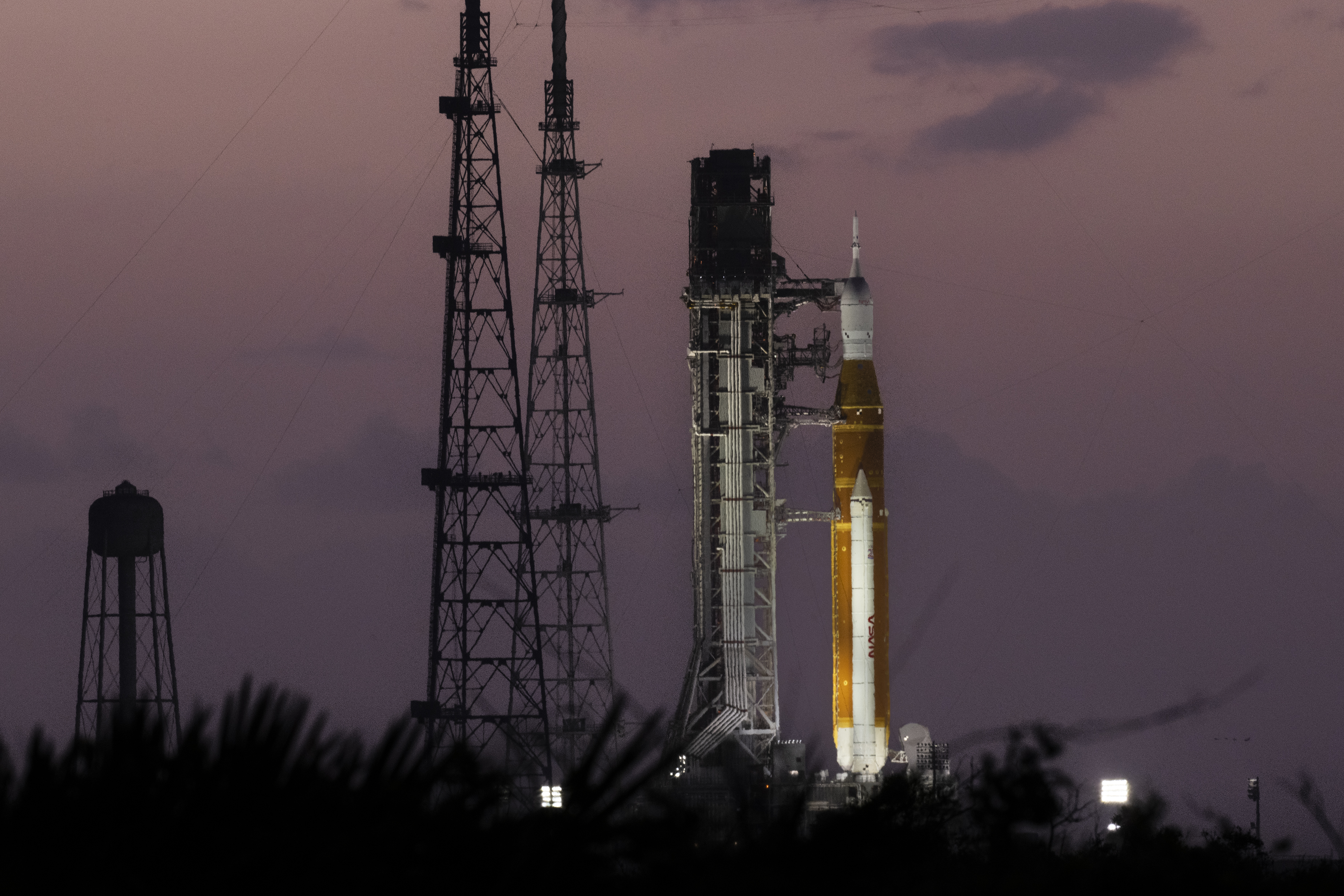
Editor’s note: This article was updated May 15, 2026, to add clarification to the spacer design. NASA is moving quickly to define next year’s Artemis III mission in Earth orbit, a crewed flight that will test rendezvous and docking capabilities between the agency’s Orion spacecraft and commercial landers from Blue Origin and SpaceX. Since a February
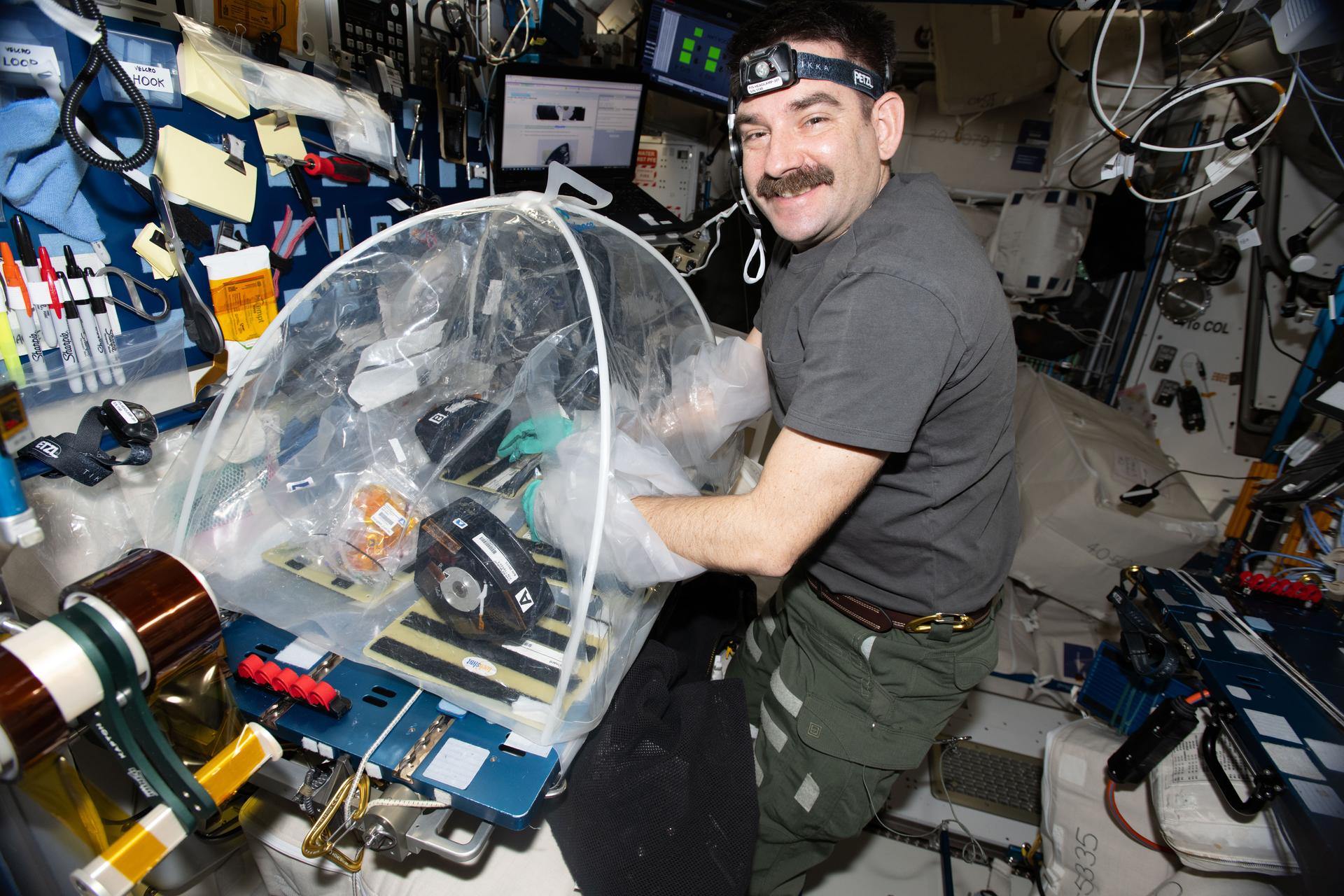
Expedition 74 astronauts aboard the International Space Station are uncovering how bacteria that causes pneumonia can lead to long-term damage in the heart. Researchers are leveraging the space environment to observe how stem cell derived heart tissues respond to bacterial infections, to discover new methods to manage cardiovascular health and infectious diseases. In space, bacteria
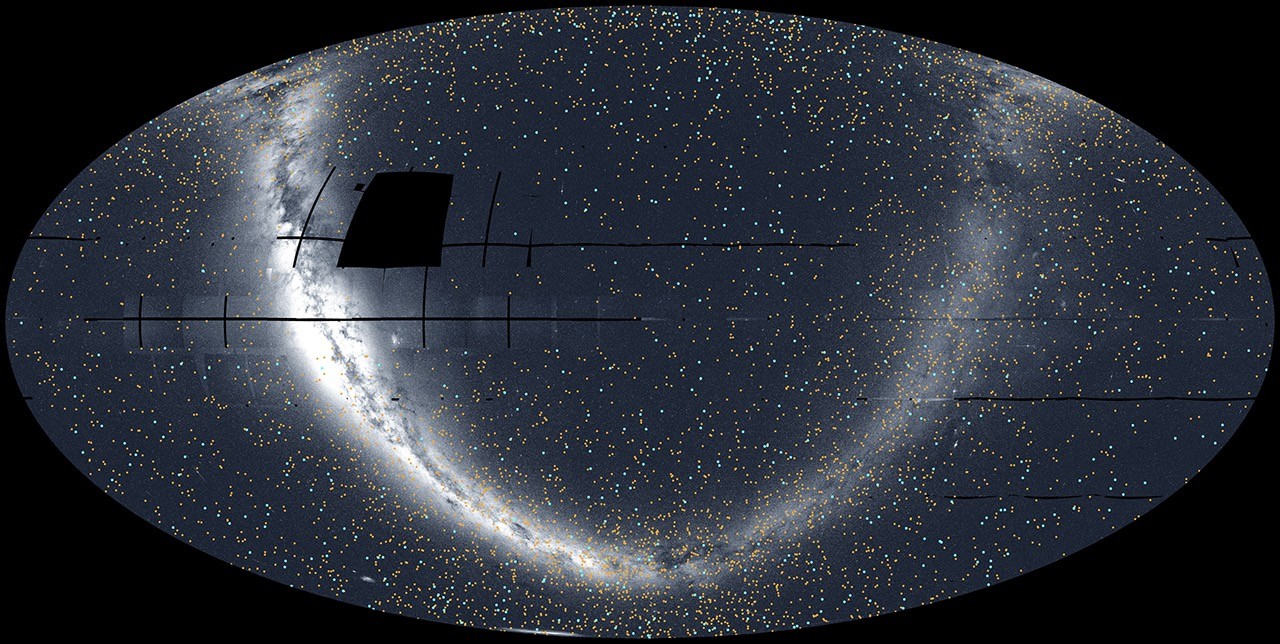
NASA’s TESS has released its most complete view of the starry sky to date
Beaver Island is one in a string of verdant and scenic jewels in a northern Lake Michigan archipelago.

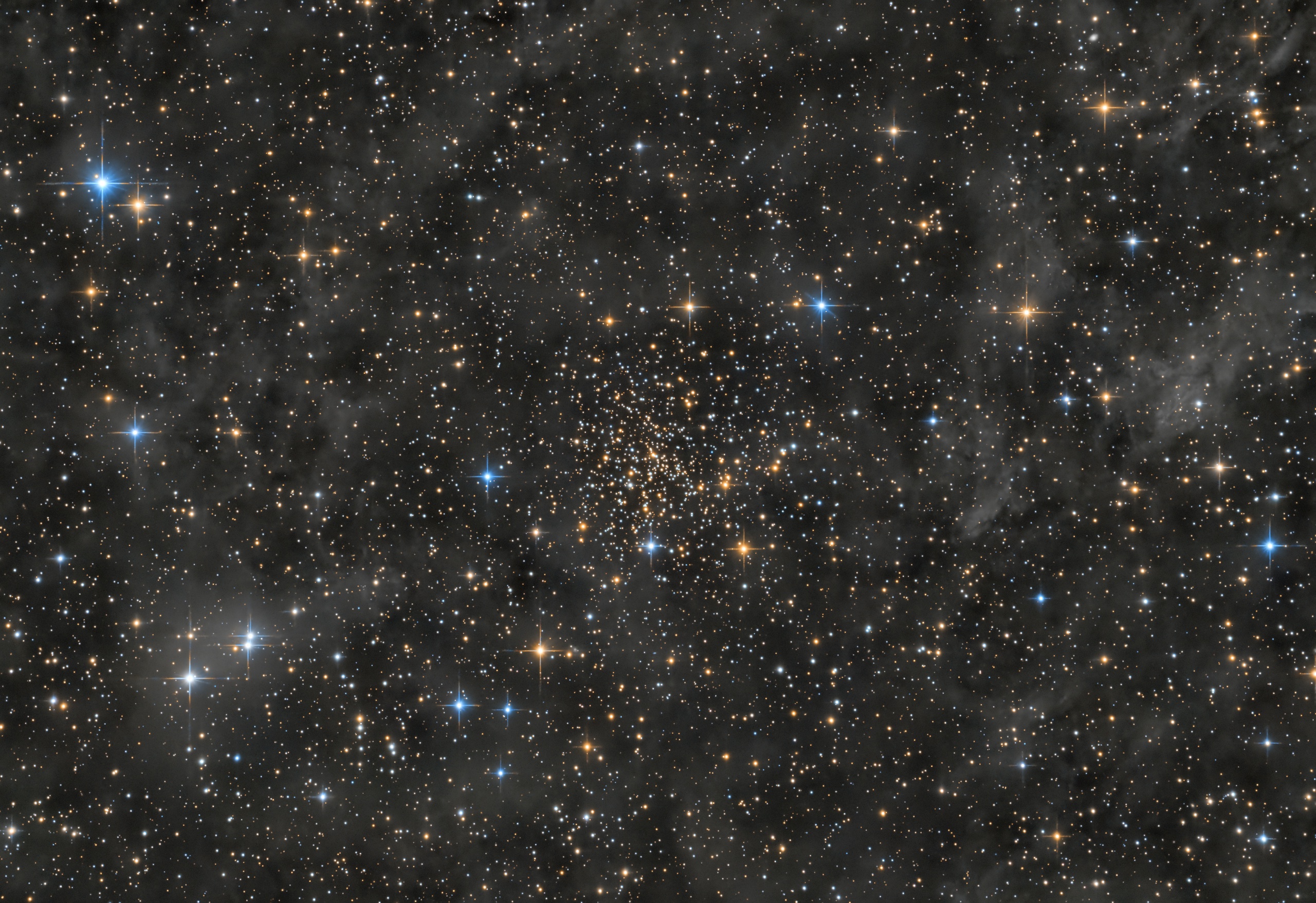
The New General Catalog of star clusters and nebulae really isn't so new. In fact, it was published in 1888 - an effort by J. L. E. Dreyer to consolidate the work of astronomers William, Caroline, and John Herschel along with others into a useful single, complete catalog of astronomical discoveries and measurements. Dreyer's work was largely successful and is still important today, as this famous catalog continues to lend its "NGC" to bright clusters, galaxies, and nebulae. Take for example the star cluster known as NGC 188 (item number 188 in the NGC compilation). It lies about 6,000 light-years distant in the northern constellation Cepheus and represents a galactic or open star cluster. With an age of about 7 billion years, NGC 188 is old for an open cluster. Its old, evolved red giant stars have yellowish hues in this colorful, deep sky view. NGC 188 also enjoys the designation Caldwell 1 in a modern compilation of deep sky objects. Located well above the plane of the Milky Way and seen in the direction of planet Earth's north celestial pole, the ancient stellar group is known to some as the Polarissima Cluster.
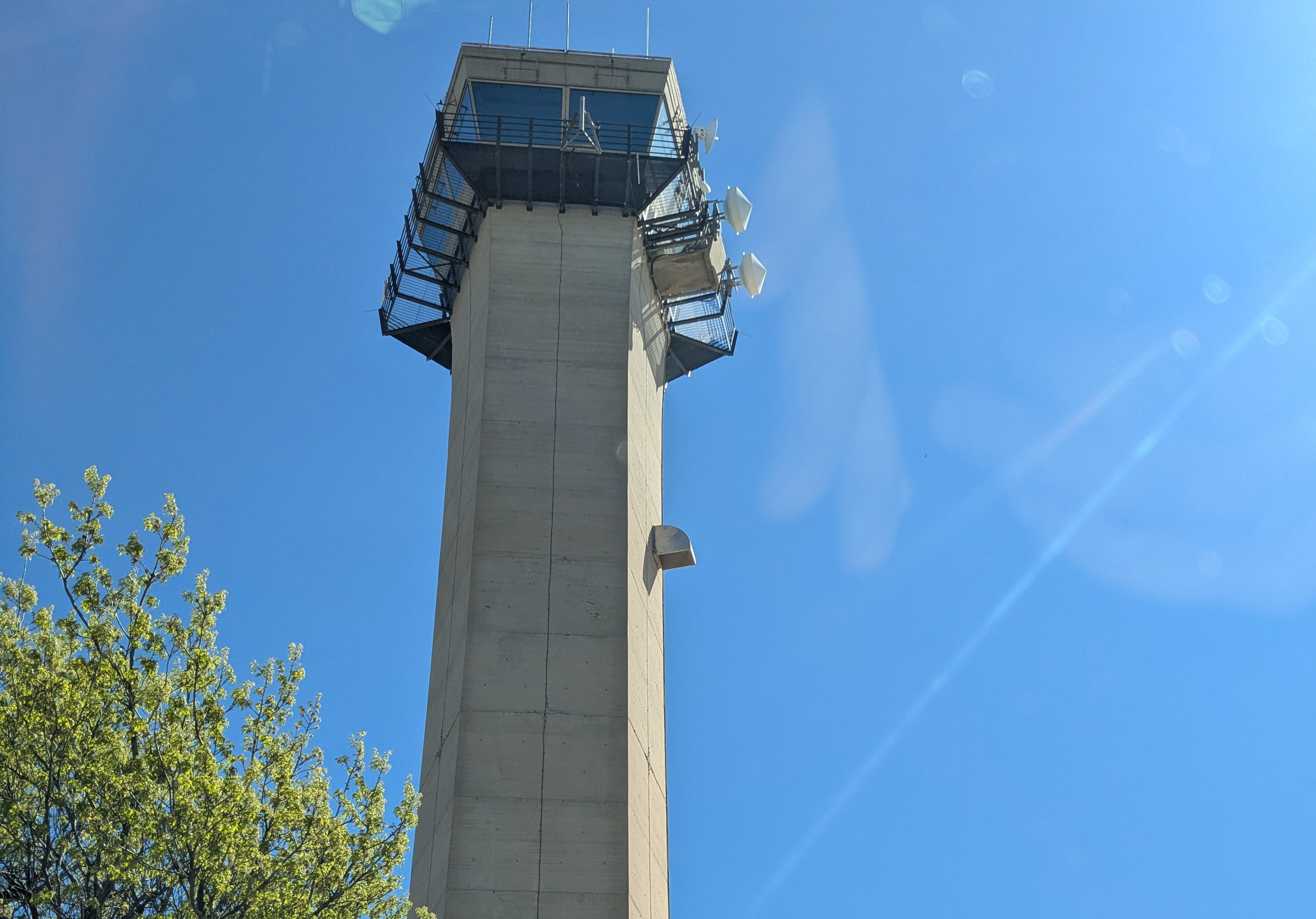
At a busy airport, every aircraft in the area shares just a handful of radio frequencies. Spectrum and time are constrained and if multiple people speak at once, both messages can get lost. Communications like “clearance delivery,” which require long transmissions and readbacks, are challenging in high-traffic areas, particularly when weather or other factors require
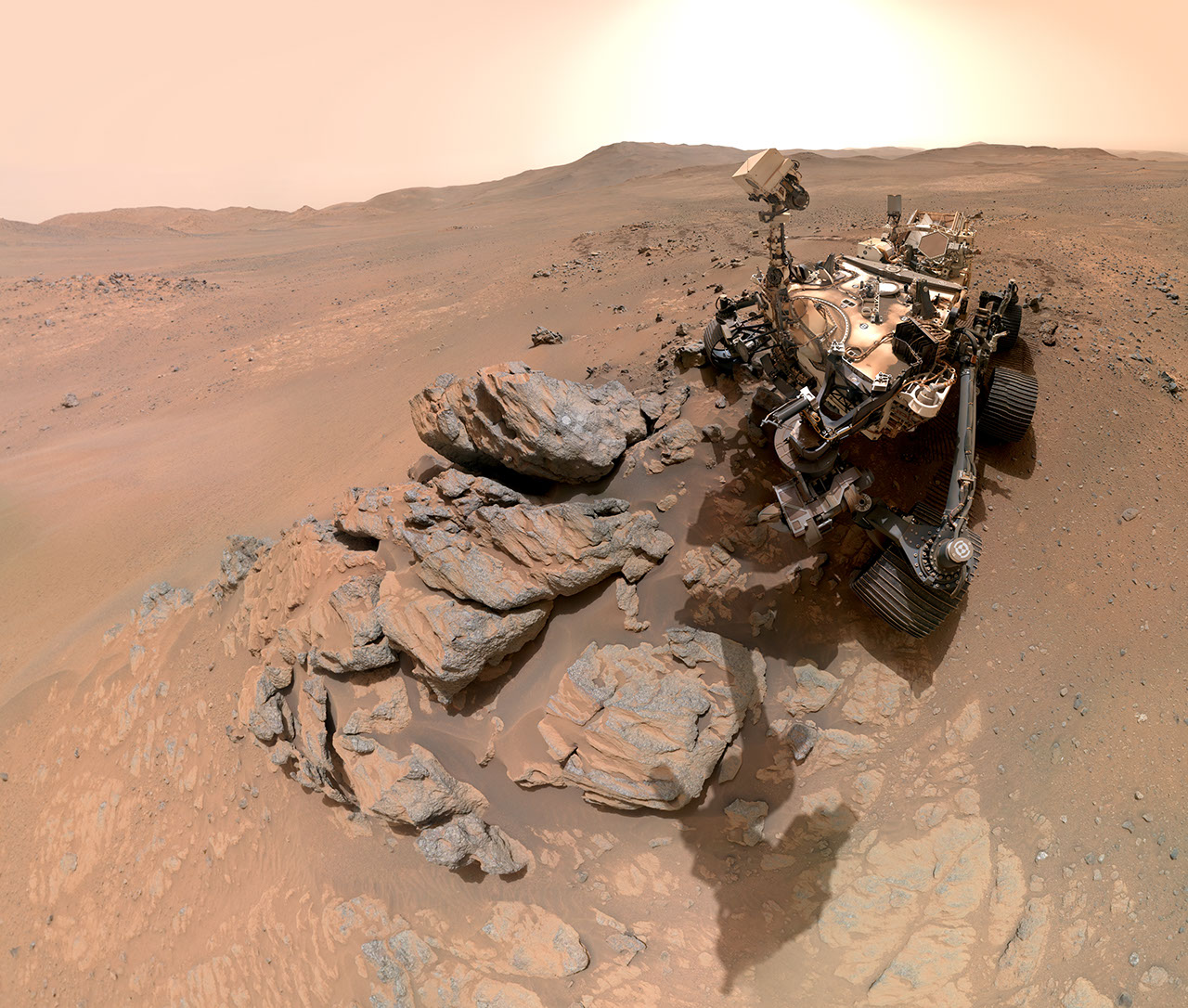
NASA’s Perseverance Mars rover recently took a self-portrait against a sweeping backdrop of ancient Martian terrain at a location the science team calls “Lac de Charmes.”
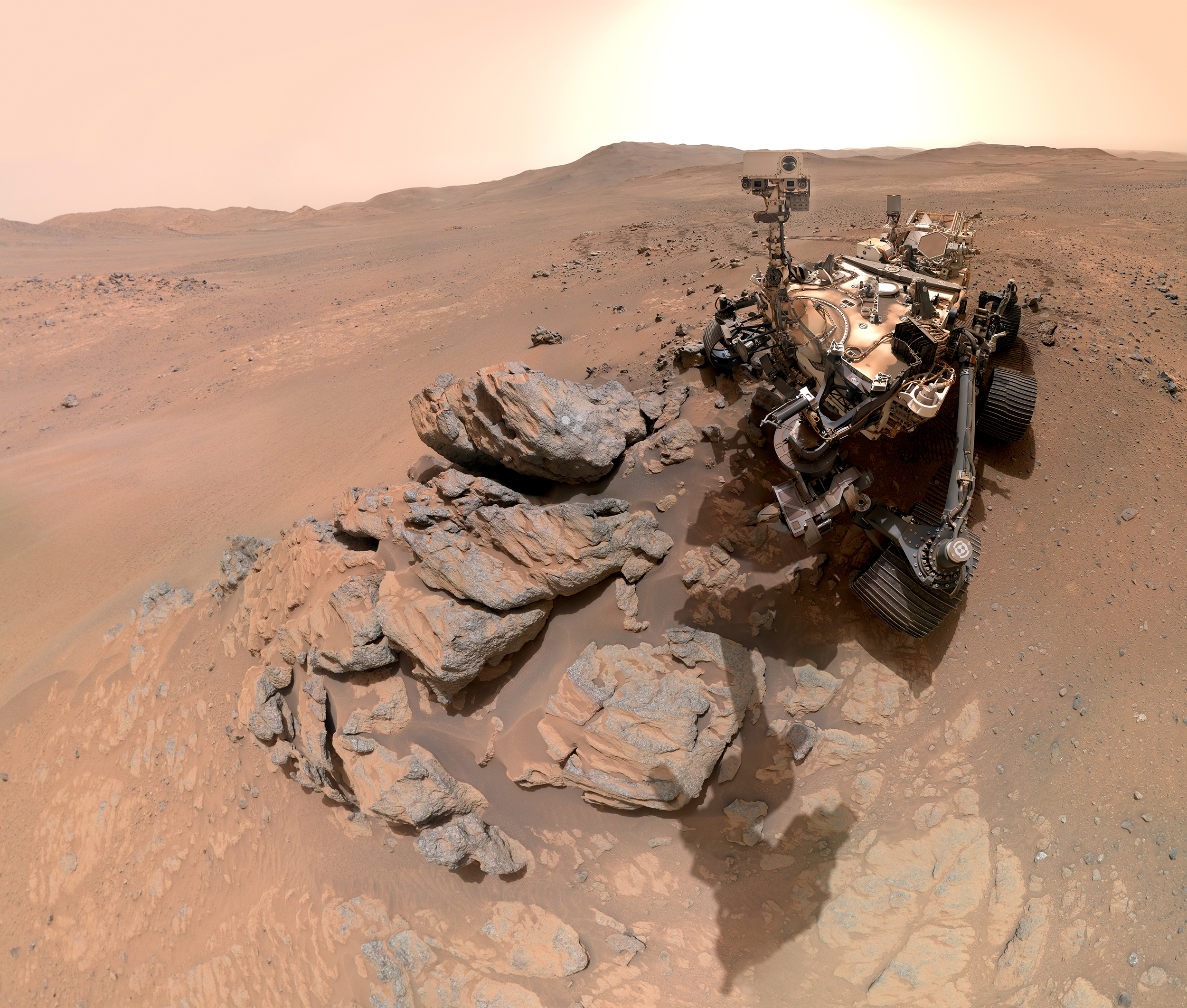
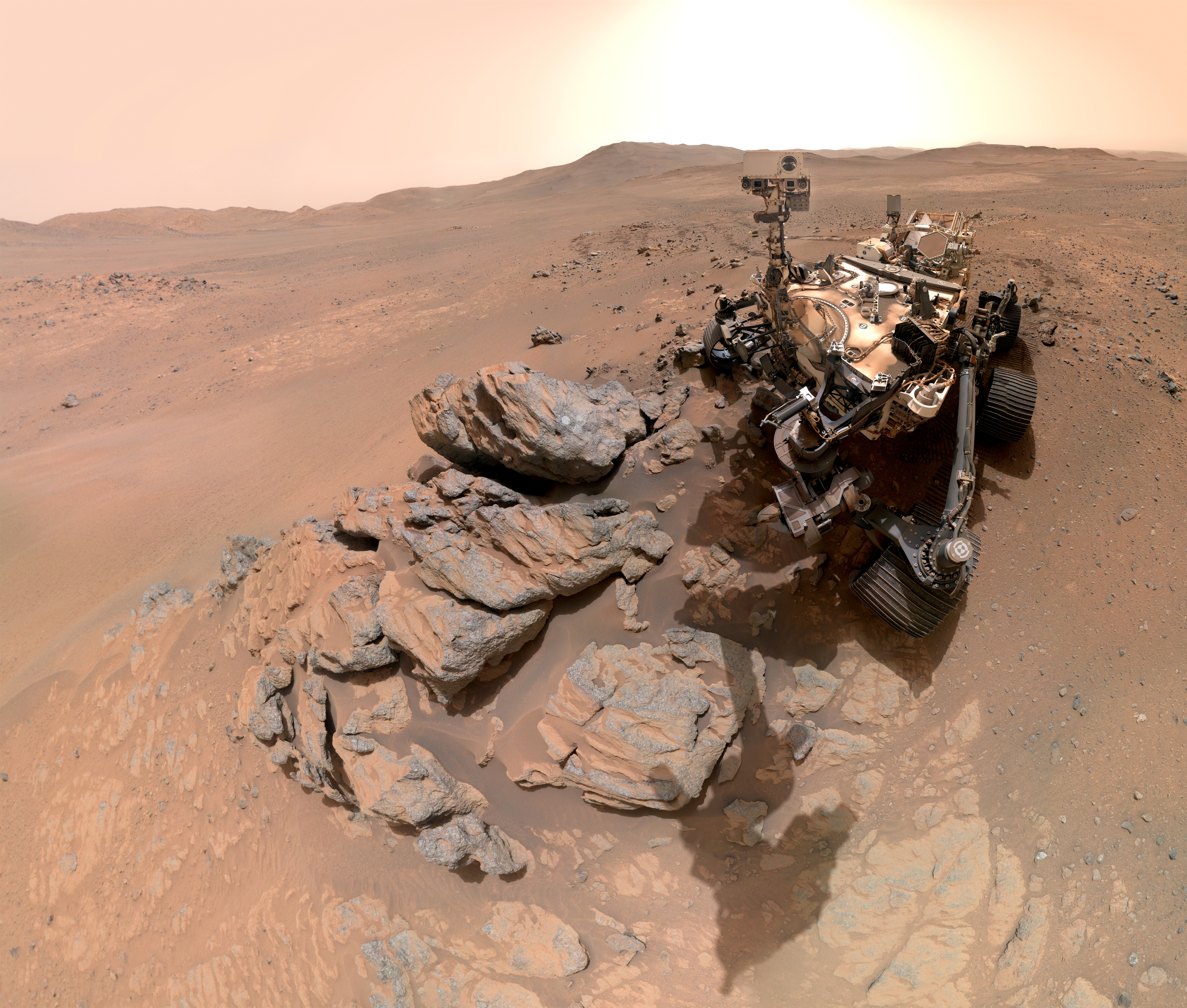
Editor’s note: The text was updated on March 13, 2026, to correct the spelling of the outcrop nicknamed “Arathusa.” NASA’s Perseverance Mars rover recently took a self-portrait against a sweeping backdrop of ancient Martian terrain at a location the science team calls “Lac de Charmes.” Assembled from 61 individual images, the selfie shows Perseverance training
Description NASA’s Perseverance Mars rover used its Mastcam-Z camera to capture this panorama of an area nicknamed “Arbot” on April 5, 2026, the 1,882nd Martian day, or sol, of the mission, during the rover’s deepest push west beyond Jezero Crater. Made of 46 images, the panorama offers one of the richest geological vistas of the

Seen in 14 Photojournal categories
Description NASA’s Perseverance Mars rover used its Mastcam-Z camera to capture this panorama of an area nicknamed “Arbot” on April 5, 2026, the 1,882nd Martian day, or sol, of the mission, during the rover’s deepest push west beyond Jezero Crater. Made of 46 images, the panorama offers one of the richest geological vistas of the […] The post NASA’s Perseverance Captures Panorama at ‘Arbot’ appeared first on NASA Science .
Description NASA’s Perseverance Mars rover took this selfie on March 11, 2026, the 1,797th Martian day, or sol, of the mission, during the rover’s deepest push west beyond Jezero Crater. Assembled from 61 individual images, the selfie shows Perseverance training its mast on the “Arethusa” rocky outcrop after creating a whitish circular abrasion patch. The
Seen in 14 Photojournal categories
Description NASA’s Perseverance Mars rover took this selfie on March 11, 2026, the 1,797th Martian day, or sol, of the mission, during the rover’s deepest push west beyond Jezero Crater. Assembled from 61 individual images, the selfie shows Perseverance training its mast on the “Arathusa” rocky outcrop after creating a whitish circular abrasion patch. The […] The post NASA’s Perseverance Rover Snaps Westernmost Selfie appeared first on NASA Science .
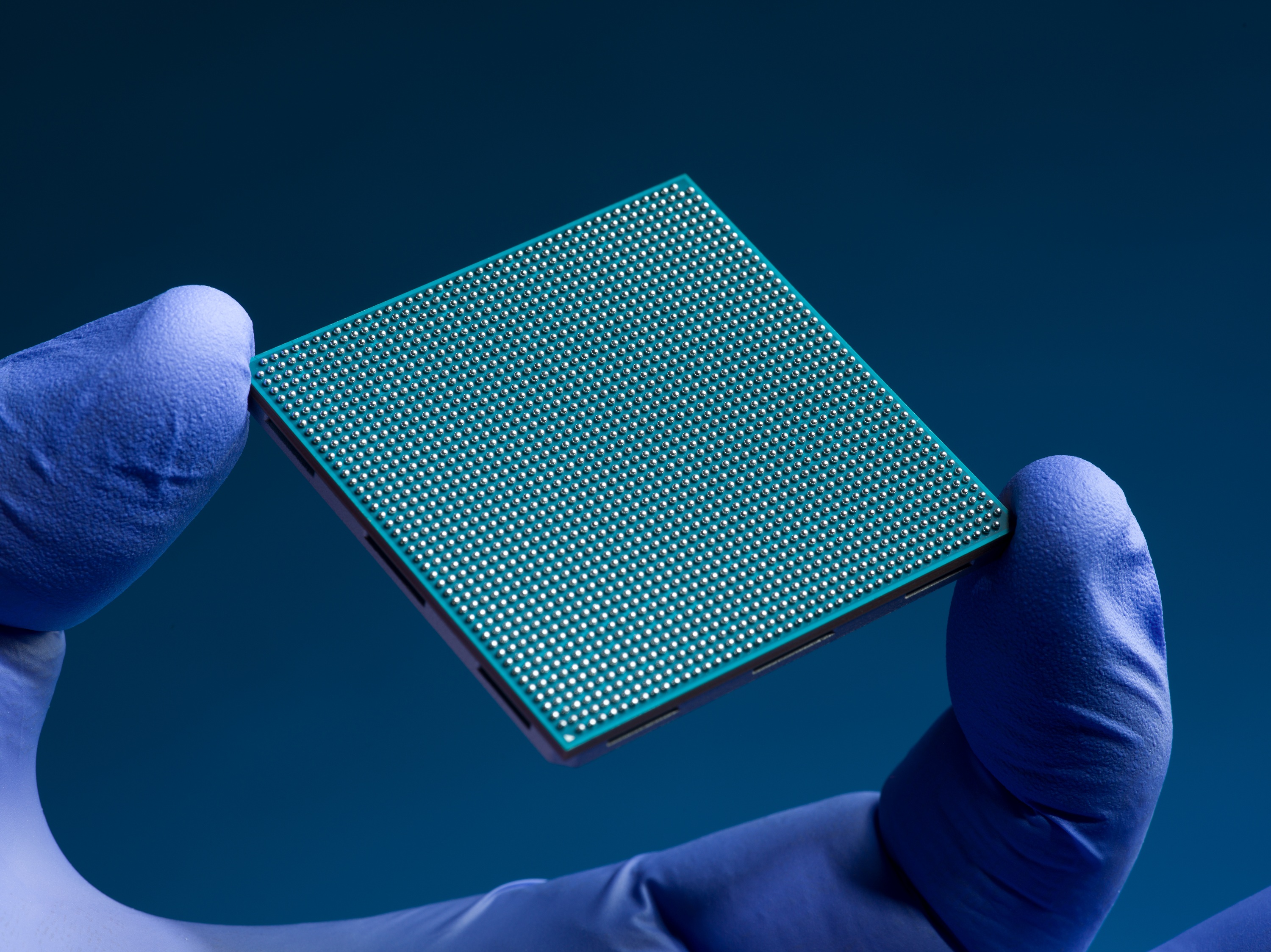
NASA’s High Performance Spaceflight Computing project aims to dramatically improve the computing power of spacecraft. Missions need processors that can withstand the harsh space environment, so they use chips developed years ago that are hardy and reliable. But upgraded chips are needed to enable the development of autonomous spacecraft, accelerate the rate of scientific discovery
Listen to this audio excerpt from Kathleen Harmon, the Artemis II Mission Interface Manager for NASA’s Deep Space Network: Captivated by Apollo launches on her television as a child, Kathleen Harmon now plays a key role in NASA’s Artemis program. Harmon serves as the Artemis II mission interface manager for NASA’s Deep Space Network, an

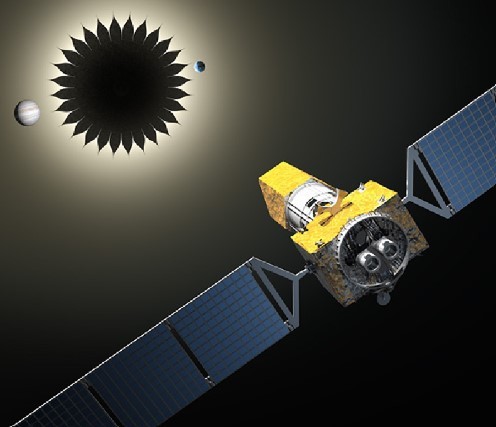
A recently developed ultra-black coating not only efficiently absorbs light, but is also extremely thin and durable, enabling its potential use on starshades that could someday support the imaging of exoplanets and potentially facilitate the detection of life beyond our solar system.
Valley fog gathered in the Victorian Alps while an arch-shaped cloud drifted across Port Phillip Bay.

Written by Michelle Minitti, MAHLI Deputy Principal Investigator Earth planning date: Friday, May 8, 2026 While we know the monikers Ingenuity and Perseverance are attached to our sister helicopter and rover on the Mars 2020 mission, those characteristics were in full force with Curiosity over the past week. The science we achieved this week was
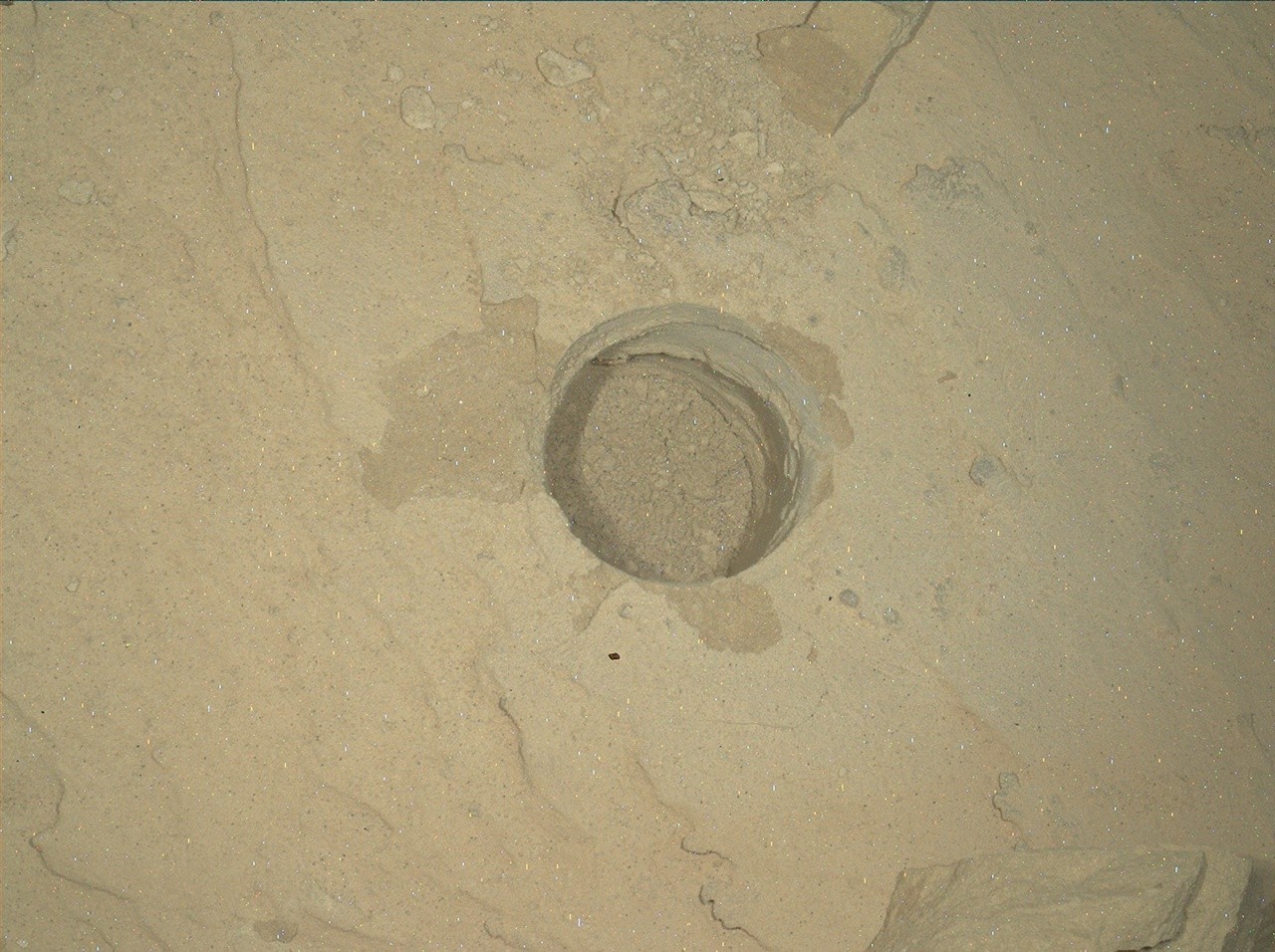
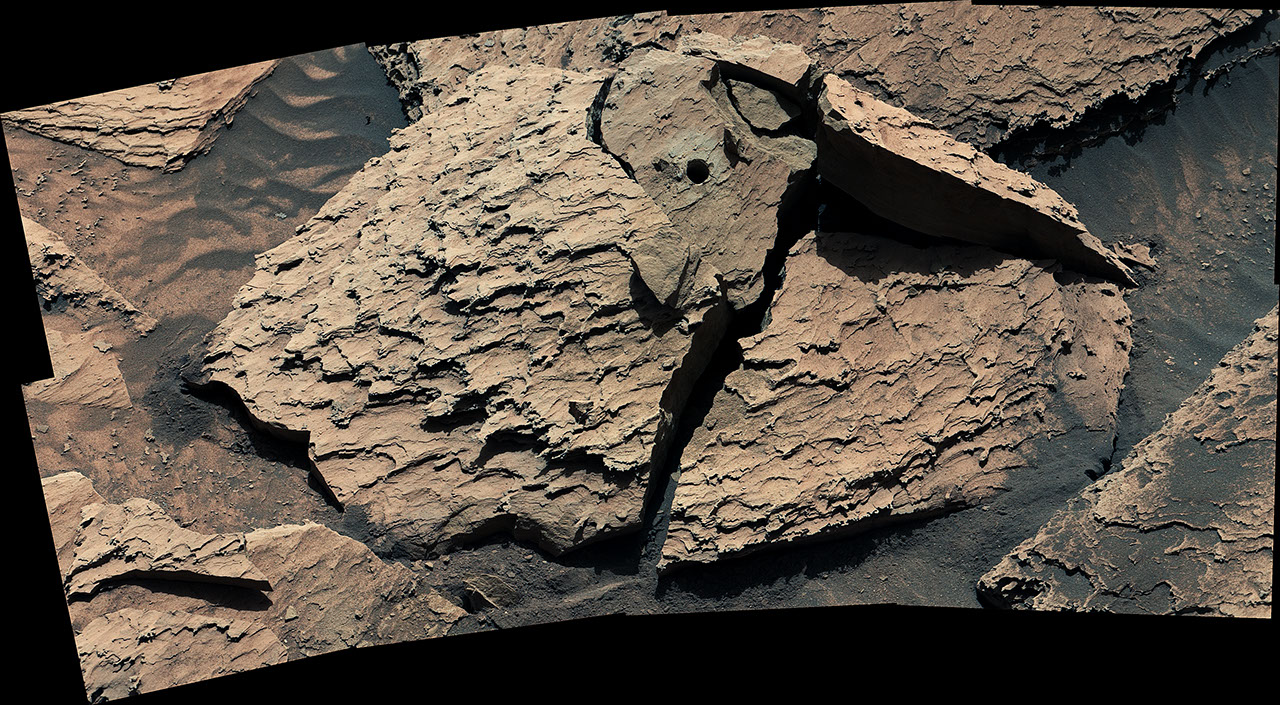
Description NASA’s Curiosity Mars rover used its Mast Camera, or Mastcam, to capture this view of a rock nicknamed “Atacama” on May 6, 2026, the 4,877th Martian day, or sol, of the mission. The rock had gotten stuck to the drill on the end of Curiosity’s robotic arm on April 25. Engineers spent several days
Seen in 14 Photojournal categories
Description NASA’s Curiosity Mars rover used its Mast Camera, or Mastcam, to capture this view of a rock nicknamed “Atacama” on May 6, 2026, the 4,877th Martian day, or sol, of the mission. The rock had gotten stuck to the drill on the end of Curiosity’s robotic arm on April 25. Engineers spent several days […] The post NASA’s Curiosity Takes Close Look at Rock That Got Stuck on Drill appeared first on NASA Science .
 ×
×
×
×
×
×
×
×