Featured update
You might think you know Earth, but astronaut’s views from outer space help us see our world in a whole new light.


You might think you know Earth, but astronaut’s views from outer space help us see our world in a whole new light.
In season 3, we’ll travel to the ends of the Earth with scientists who explore different aspects of our unique planet.
While more research is needed, Smith and others are fascinated by the possibility that airborne microbes could also be found elsewhere in the solar system, and beyond.
Astronaut Chris Hadfield flew to space three times, and was the first Canadian to walk in space. His cover of David Bowie's Space Oddity that he recorded on the International Space Station has over 47 million views, and as you're about to hear, he's given a lot of thought to the future of space exploration, and what it can mean for all of us.
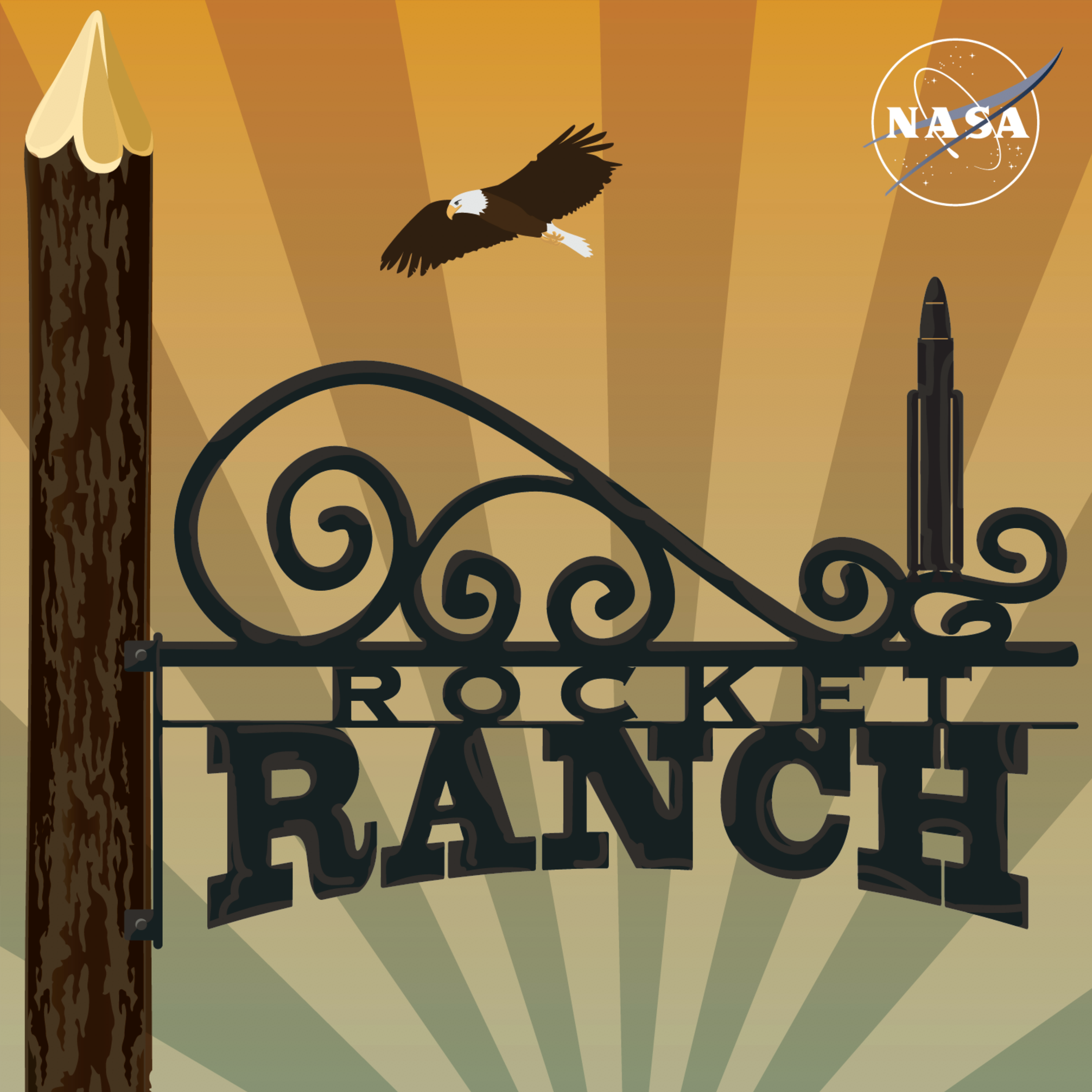
General Dynamics delivered one of its Atlas rockets to Plum Brook Station (today, Armstrong Test Facility) on July 31, 1963 for a series of structural tests in the Dynamics Stand. The company created a special 64-foot long trailer to transport the missile from its plant in San Diego to Ohio. The journey required a police escort
The NASA Kennedy Launch team has persevered through a global pandemic to get a Mars Rover named Perseverance to the launch pad on time. The cloud of doubt the virus cast over the Mars mission and how NASA overcame it, next on the Rocket Ranch.
Bob Behnken and Doug Hurley will make history when they break the bond from Earth in a SpaceX Crew Dragon capsule that's never been flown by humans before. But find out how the strong bond of friendship they share gives them the edge in space.
And with the number one overall pick in the Kennedy Space Center NFL Draft, NASA selects Jacksonville, Jaguar quarterback and aerospace engineer Josh Dobbs. Next on the Rocket Ranch.
Pluto is not a planet...or is it? Next on the "Rocket Ranch.”
Sometimes history inspires us. Sometimes we find ourselves in the middle of history being made. Now we are in the middle of the most aggressive push for the Moon since we landed there the first time 50 years ago.
At its core the NASA History Office ensures that, as we look forward to the Moon, Mars and beyond, we remember the lessons we’ve learned from our predecessors. The race to the Moon in the 1960s occurred against a very different backdrop than today's Artemis program — but both exhibit what humanity can achieve when we set ourselves to lofty aims.
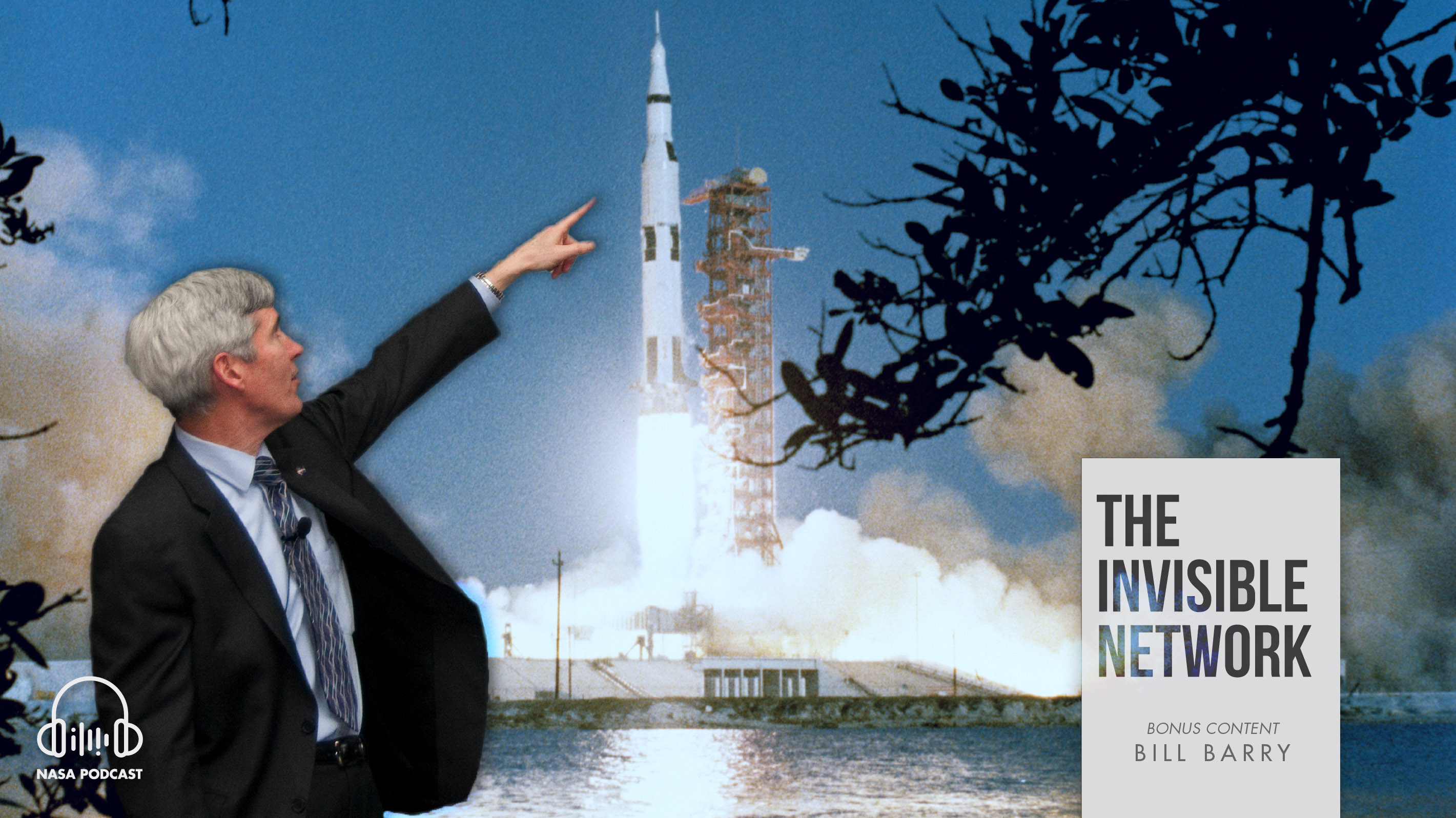
There is perhaps no one better than Jim Garvin to outline the unique opportunities for research that the Artemis missions to the Moon could provide scientists on Earth. Jim is chief scientist at NASA’s Goddard Space Flight Center in Greenbelt, Maryland, and a tireless champion for crewed exploration of the Moon.
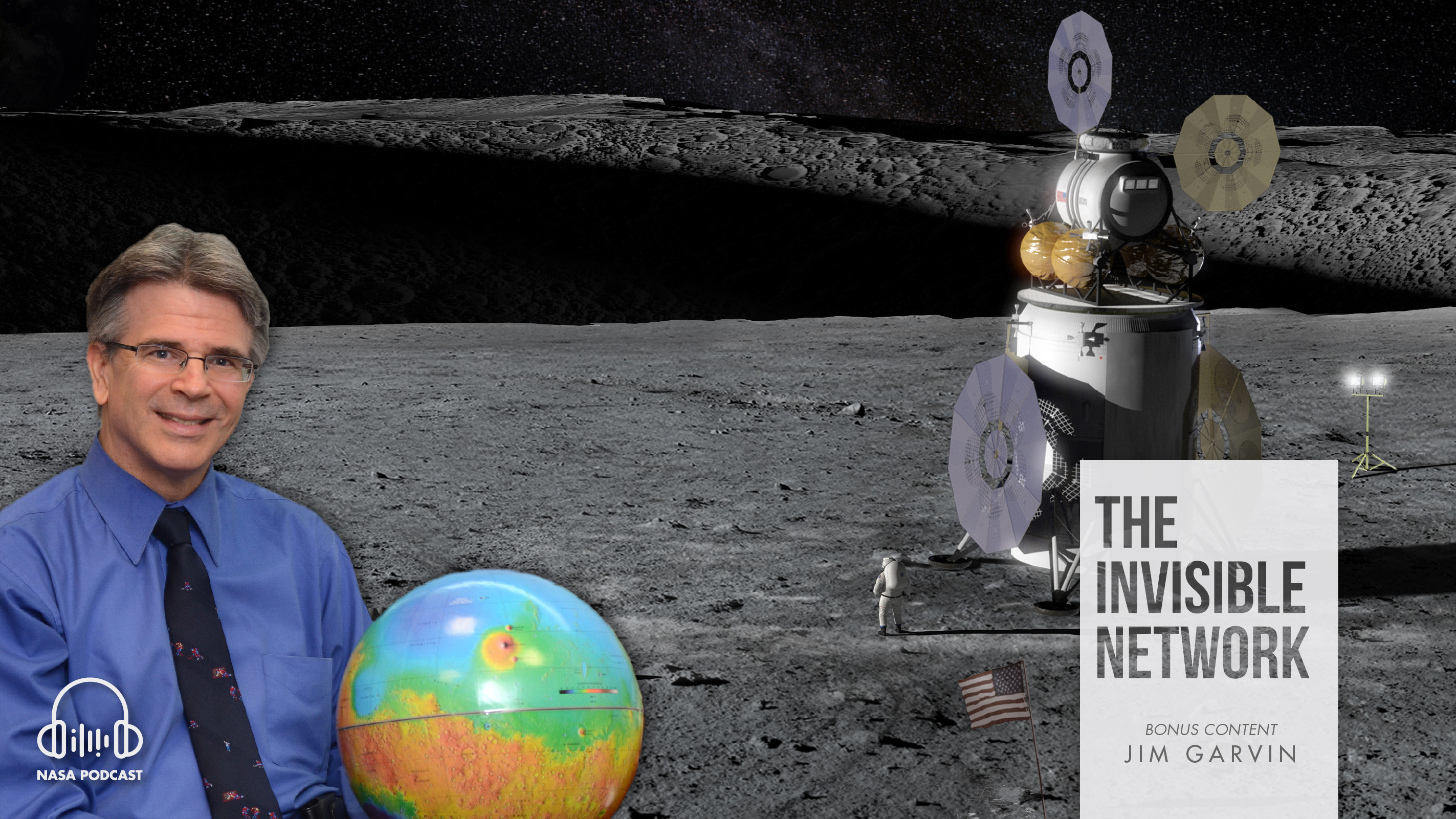
Science fiction and science fact have long enjoyed a symbiotic relationship, with ideas in one prompting innovations in the other, and so on. Dan Curry, a filmmaker, artist and visual effects producer best known for his Star Trek work, shares his perspectives.
In this episode streamed on Dec. 19, 2019, we talk about air taxis and the future of flight.

Faster-than-light communications might not be a possibility now — our current understanding of natural laws don’t allow for it. But who knows what innovations await us just beyond the horizon?
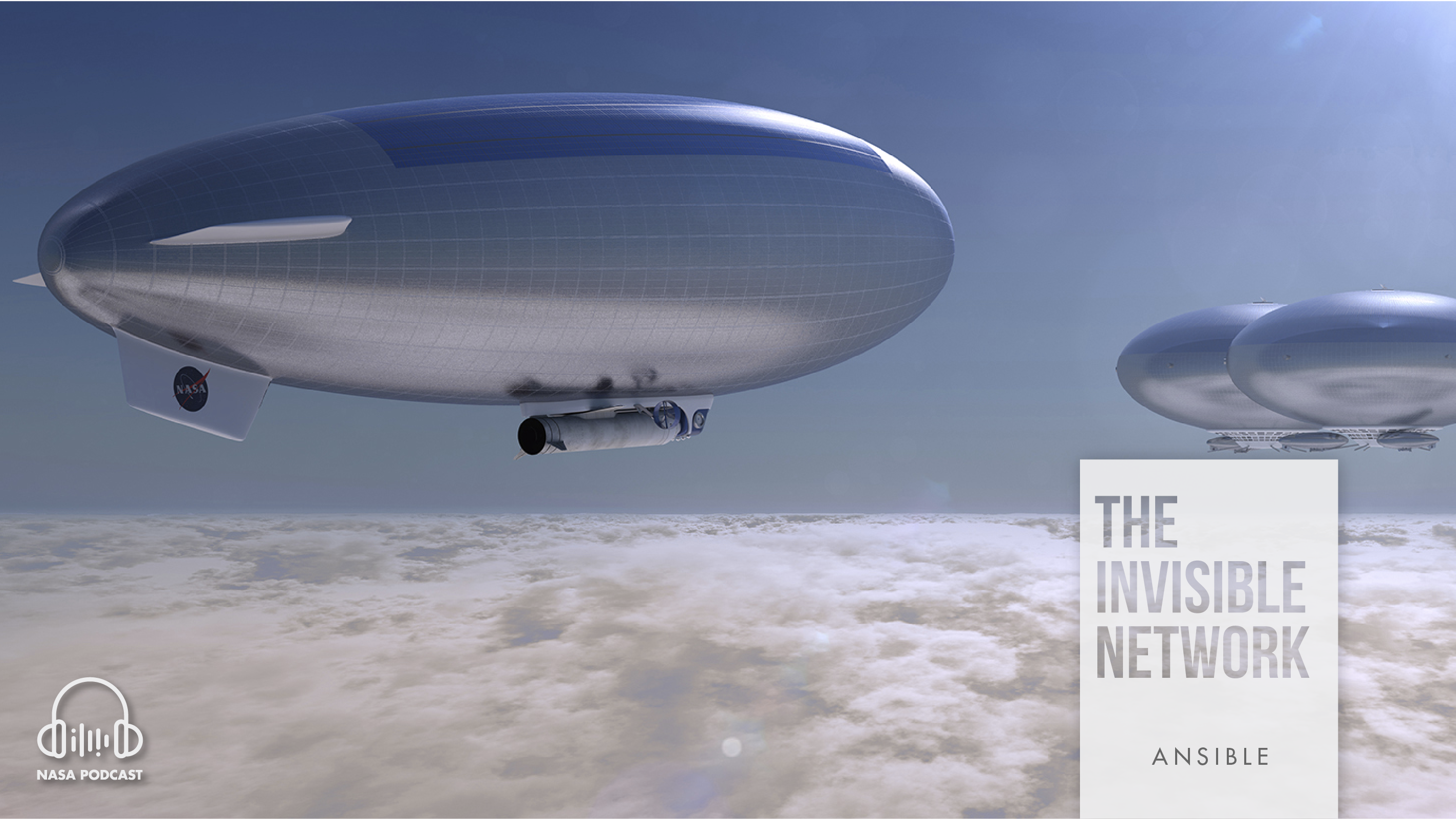
What does the Pony Express of the 19th century have in common with the internet and disruption-tolerant networking? They're all (for their times) innovative communications technologies that revolutionize the way we share data.
Commercial and government partnerships and contracts might not sound that fascinating, but when we're talking about certifying Boeing Starliner to carry humans to space, the challenges and complexities become a whole lot more interesting.
Without communications there is no exploration: To reveal the unknown, a spacecraft must be able to share its data. In a sense, today's space communications networks are like the roadways of ancient empires, allowing information to move across vast distances. But how might our satellite data highways evolve to enable exploration centuries from now?
Eugene and Carolyn Shoemaker’s love of exploration changed our understanding of the cosmos.
For billions of years, the Earth and the Moon have danced together. Since the Apollo era, scientists have used lasers — a technology then in its infancy — to measure their waltz. Lasers have since played increasingly important roles in spaceflight. They may even play a part in keeping the next generation of lunar astronauts connected to home.
 ×
×
×
×
×
×
×
×