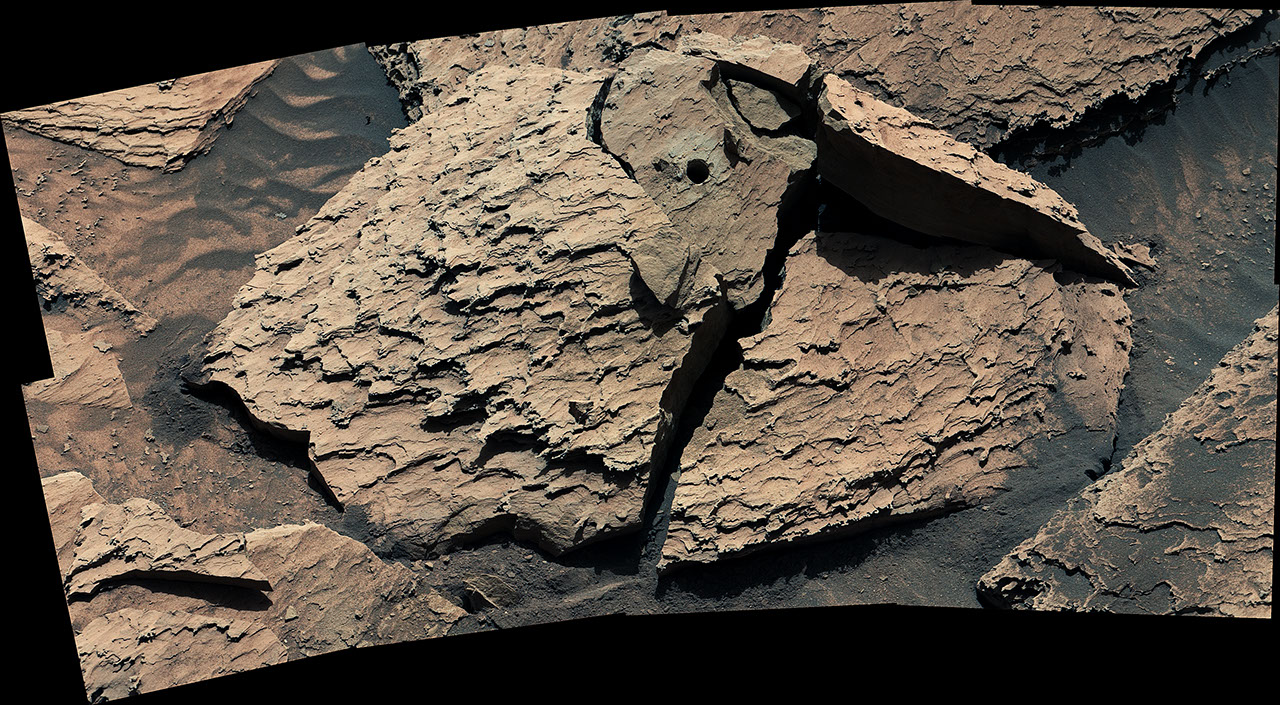

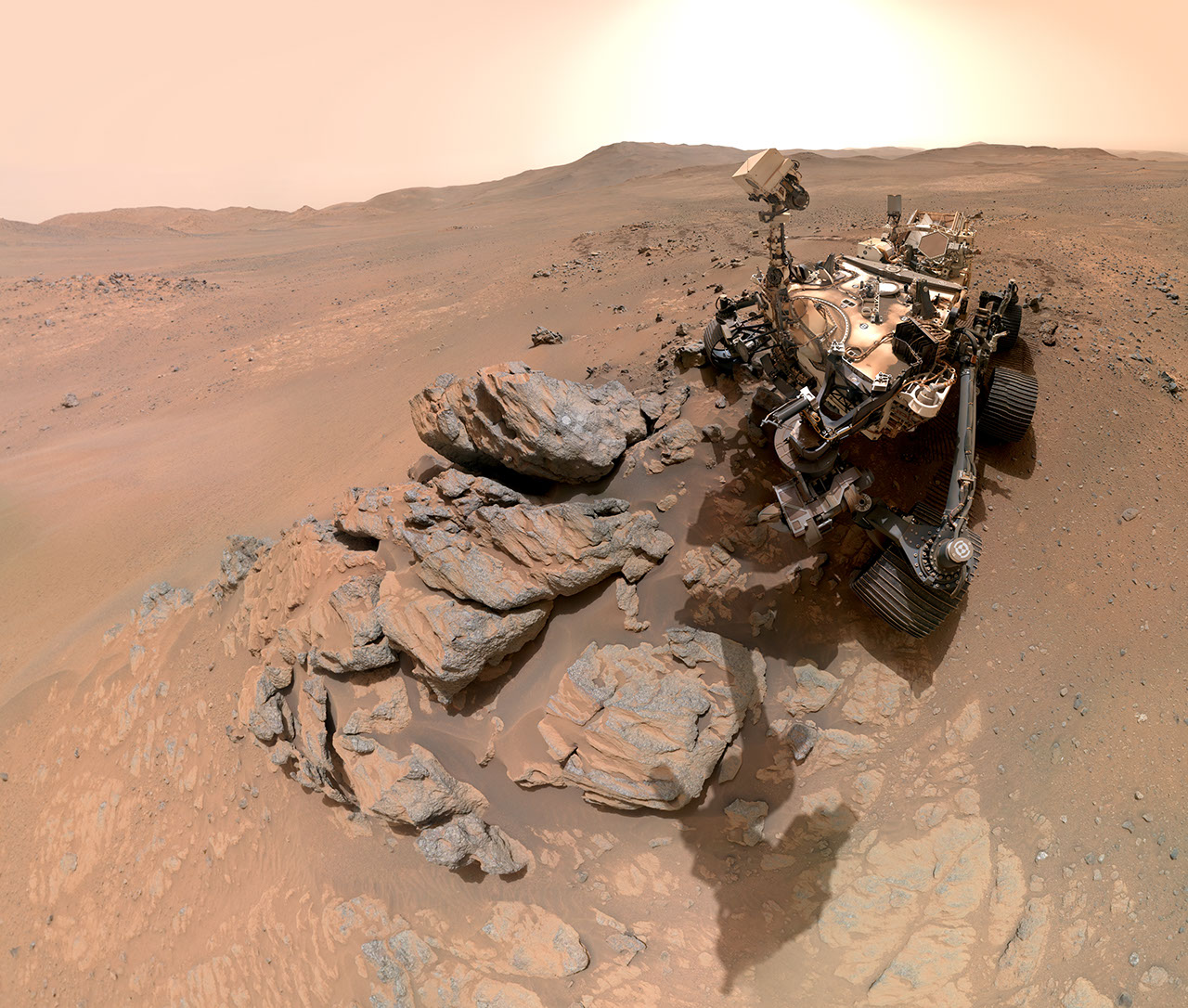
Description NASA’s Perseverance Mars rover took this selfie on March 11, 2026, the 1,797th Martian day, or sol, of the mission, during the rover’s deepest push west beyond Jezero Crater. Assembled from 61 individual images, the selfie shows Perseverance training its mast on the “Arethusa” rocky outcrop after creating a whitish circular abrasion patch. The
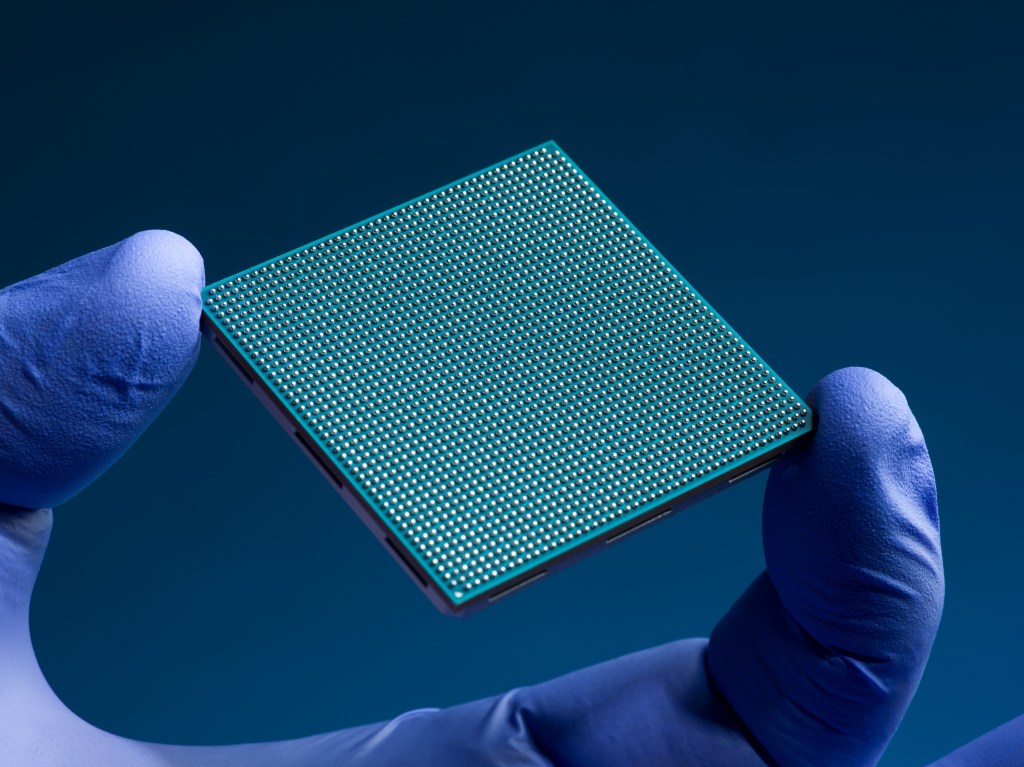
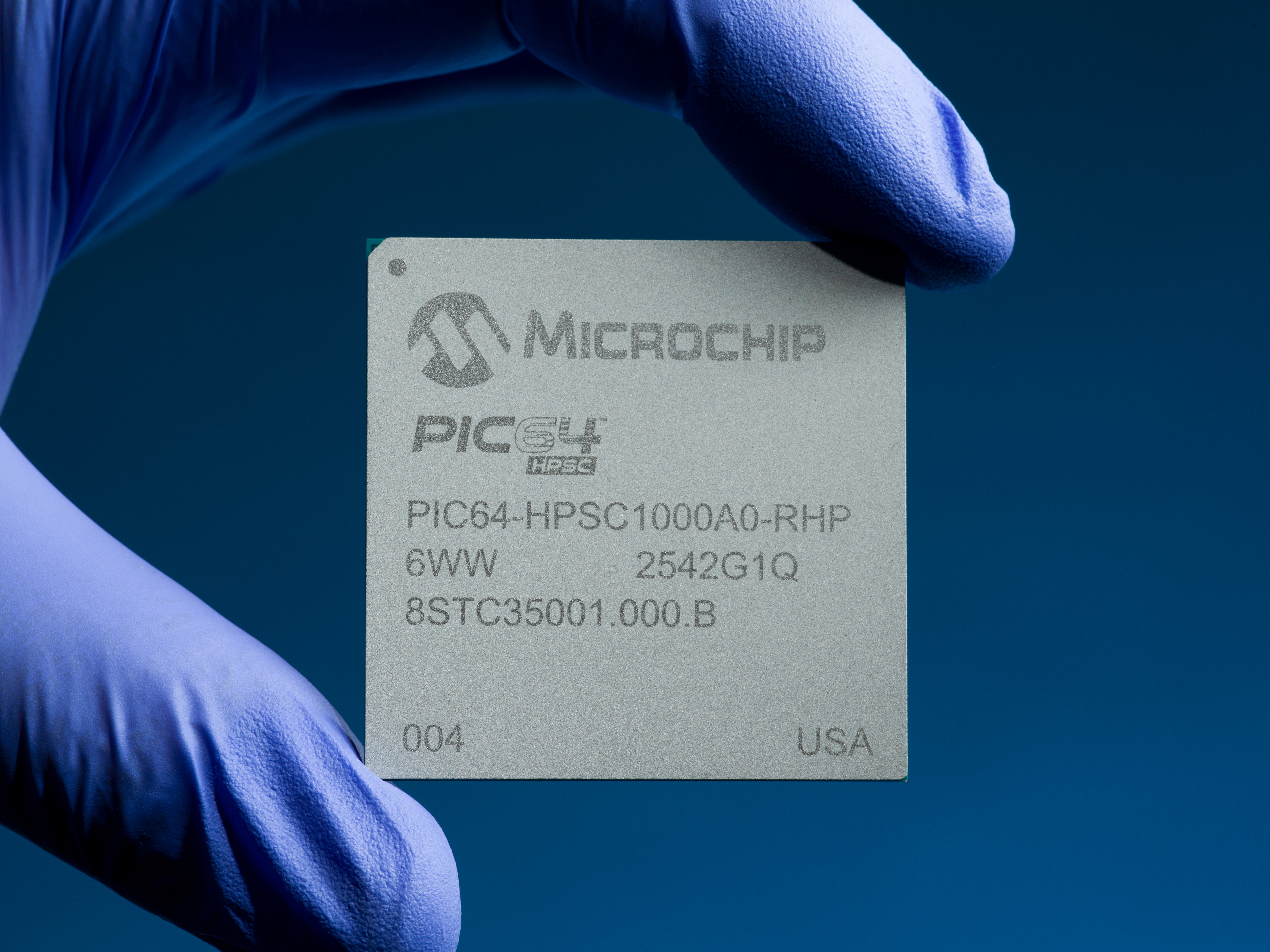
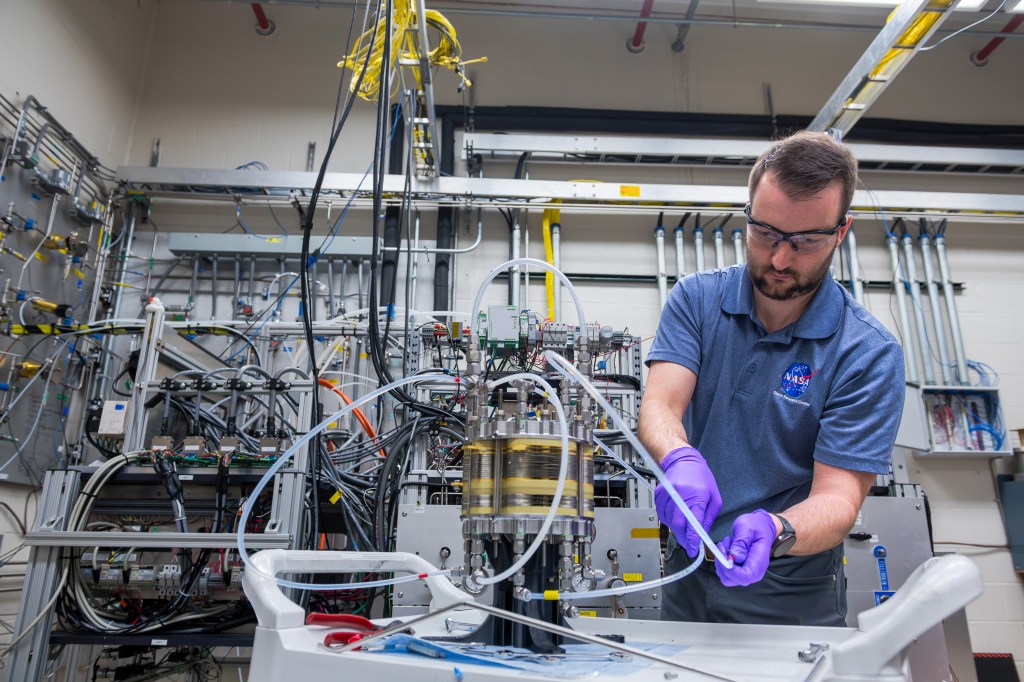
NASA’s High Performance Spaceflight Computing project aims to dramatically improve the computing power of spacecraft. Missions need processors that can withstand the harsh space environment, so they use chips developed years ago that are hardy and reliable. But upgraded chips are needed to enable the development of autonomous spacecraft, accelerate the rate of scientific discovery
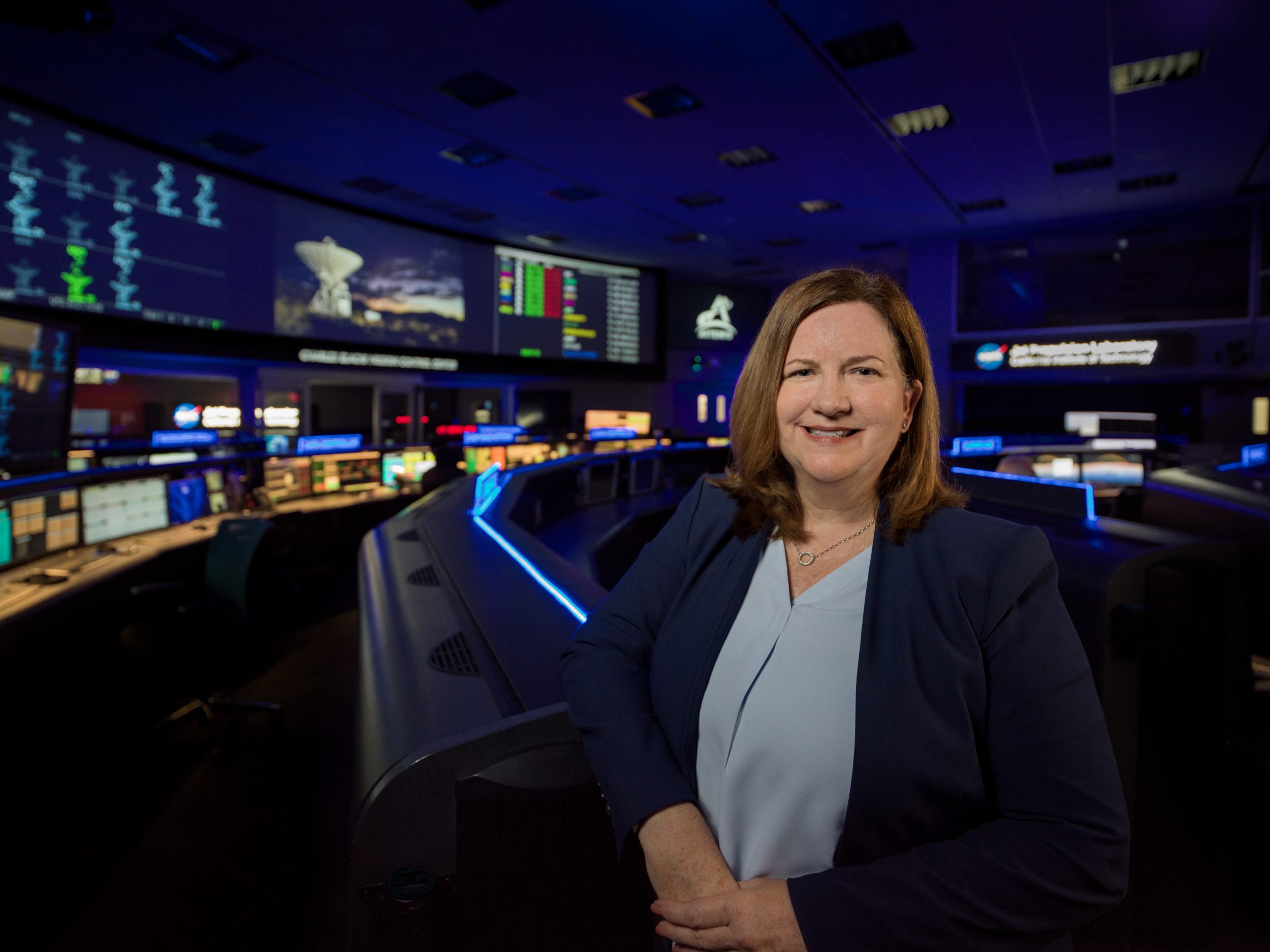
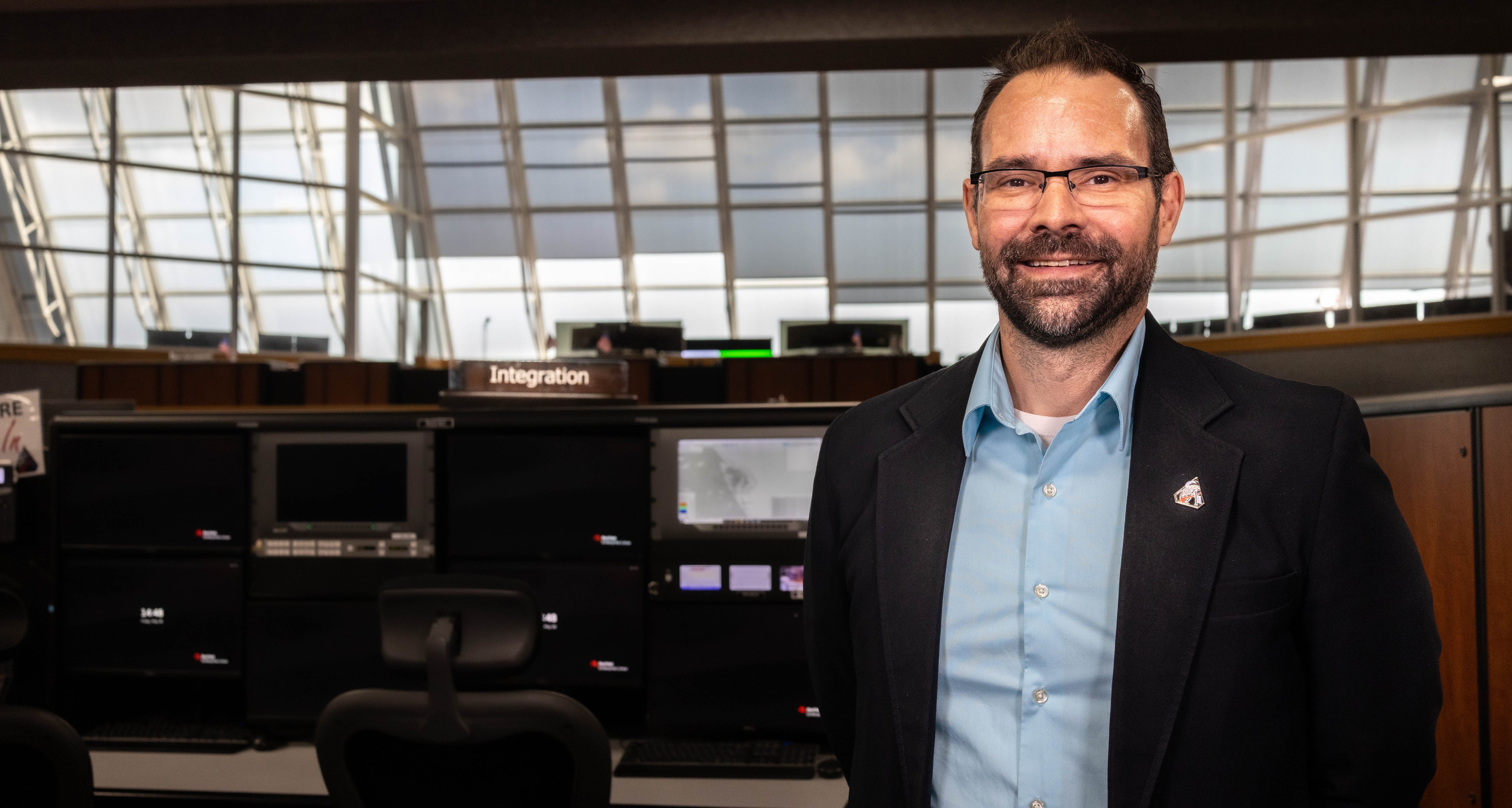
Listen to this audio excerpt from Kathleen Harmon, the Artemis II Mission Interface Manager for NASA’s Deep Space Network: Captivated by Apollo launches on her television as a child, Kathleen Harmon now plays a key role in NASA’s Artemis program. Harmon serves as the Artemis II mission interface manager for NASA’s Deep Space Network, an
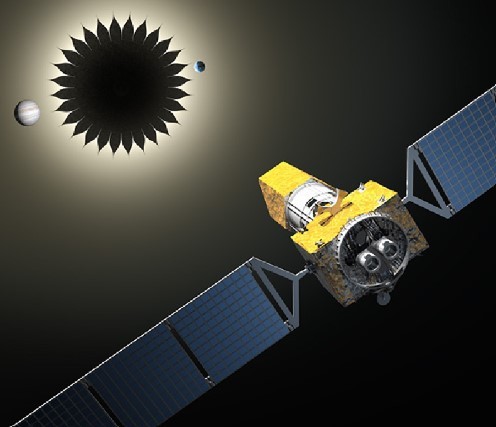
A recently developed ultra-black coating not only efficiently absorbs light, but is also extremely thin and durable, enabling its potential use on starshades that could someday support the imaging of exoplanets and potentially facilitate the detection of life beyond our solar system.
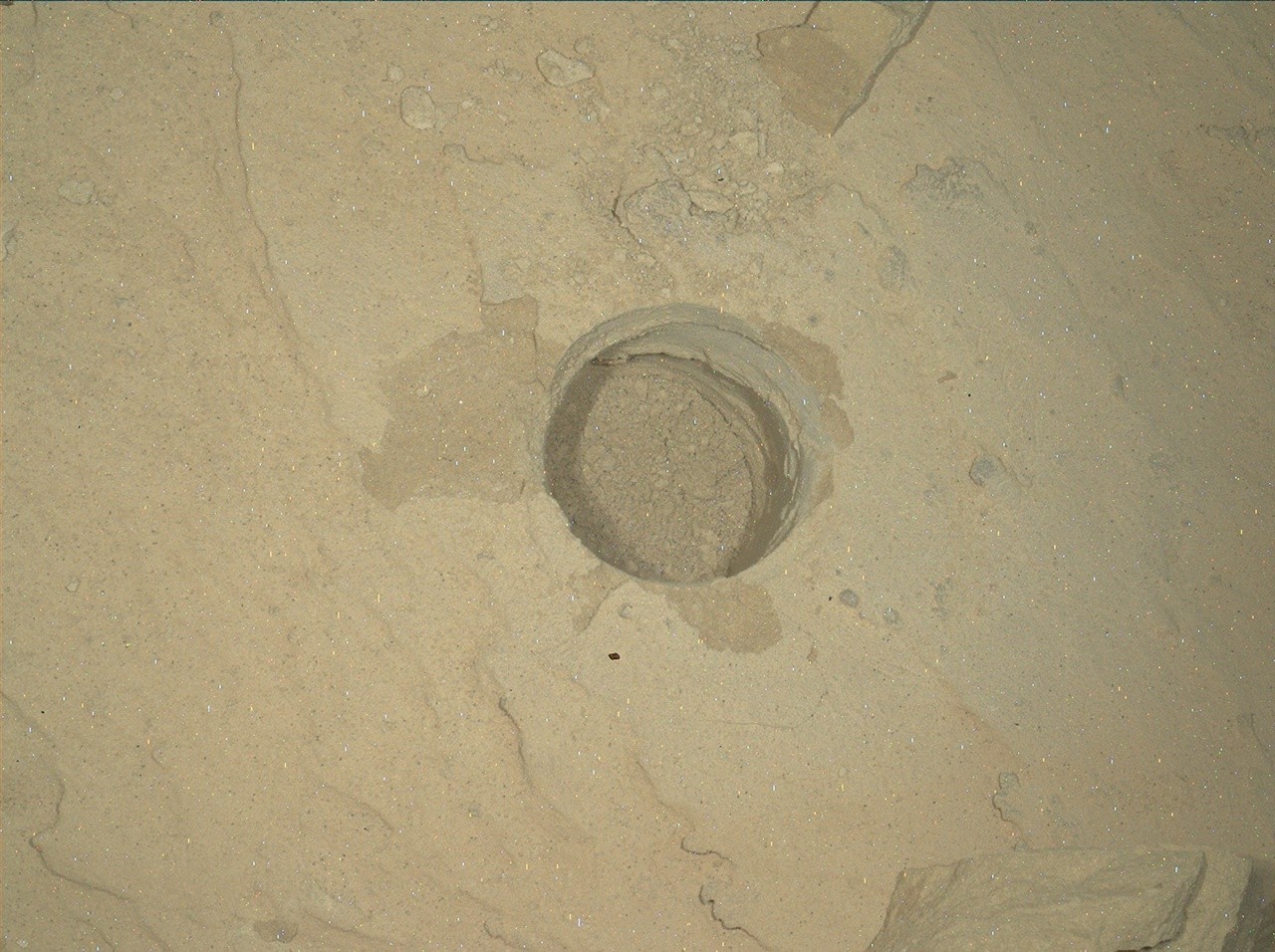
Written by Michelle Minitti, MAHLI Deputy Principal Investigator Earth planning date: Friday, May 8, 2026 While we know the monikers Ingenuity and Perseverance are attached to our sister helicopter and rover on the Mars 2020 mission, those characteristics were in full force with Curiosity over the past week. The science we achieved this week was
Description NASA’s Curiosity Mars rover used its Mast Camera, or Mastcam, to capture this view of a rock nicknamed “Atacama” on May 6, 2026, the 4,877th Martian day, or sol, of the mission. The rock had gotten stuck to the drill on the end of Curiosity’s robotic arm on April 25. Engineers spent several days
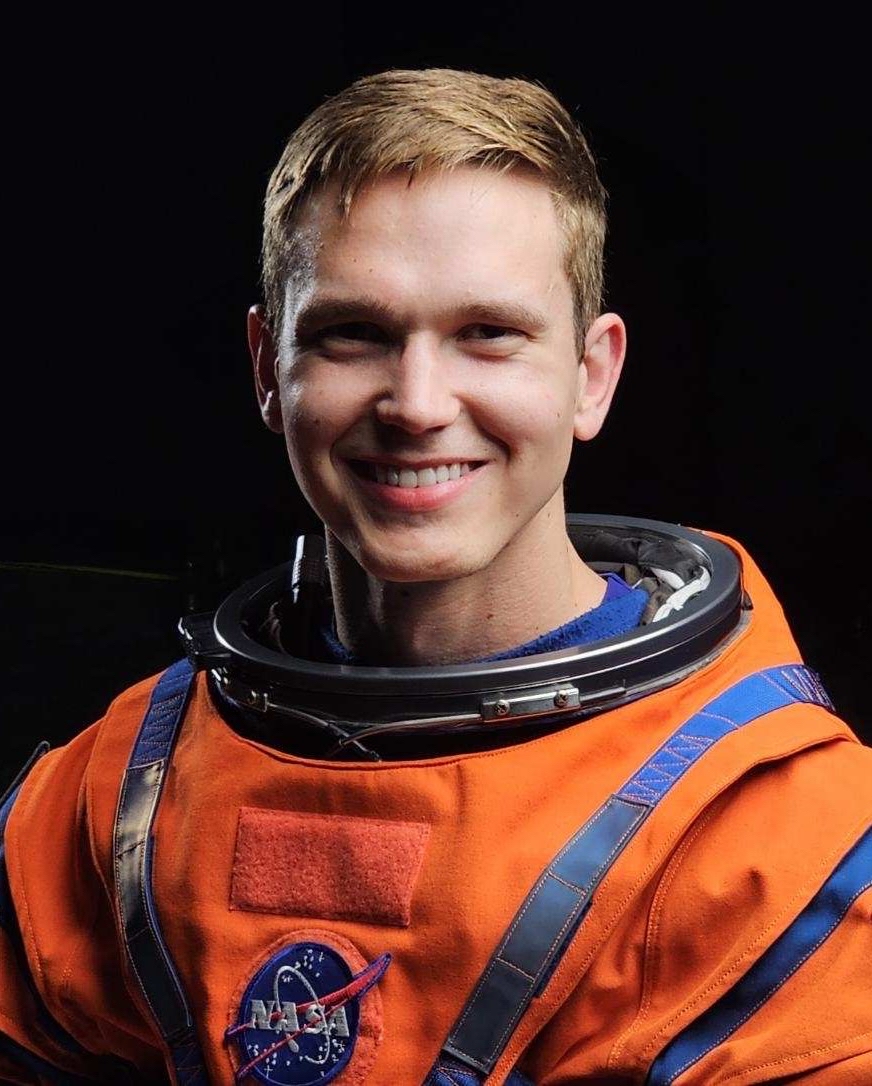
Nicholas Houghton always dreamed of working at NASA and one day becoming an astronaut. Today, he helps design systems that keep crews safe during missions aboard NASA’s Orion spacecraft, including the successful Artemis II mission around the Moon. After joining NASA as a Pathways intern, Houghton later became a full-time engineer on the Orion Crew Survival Systems (OCSS)
11 May 2026, 19:11 GMTBy Elyna Niles-Carnes4 variants
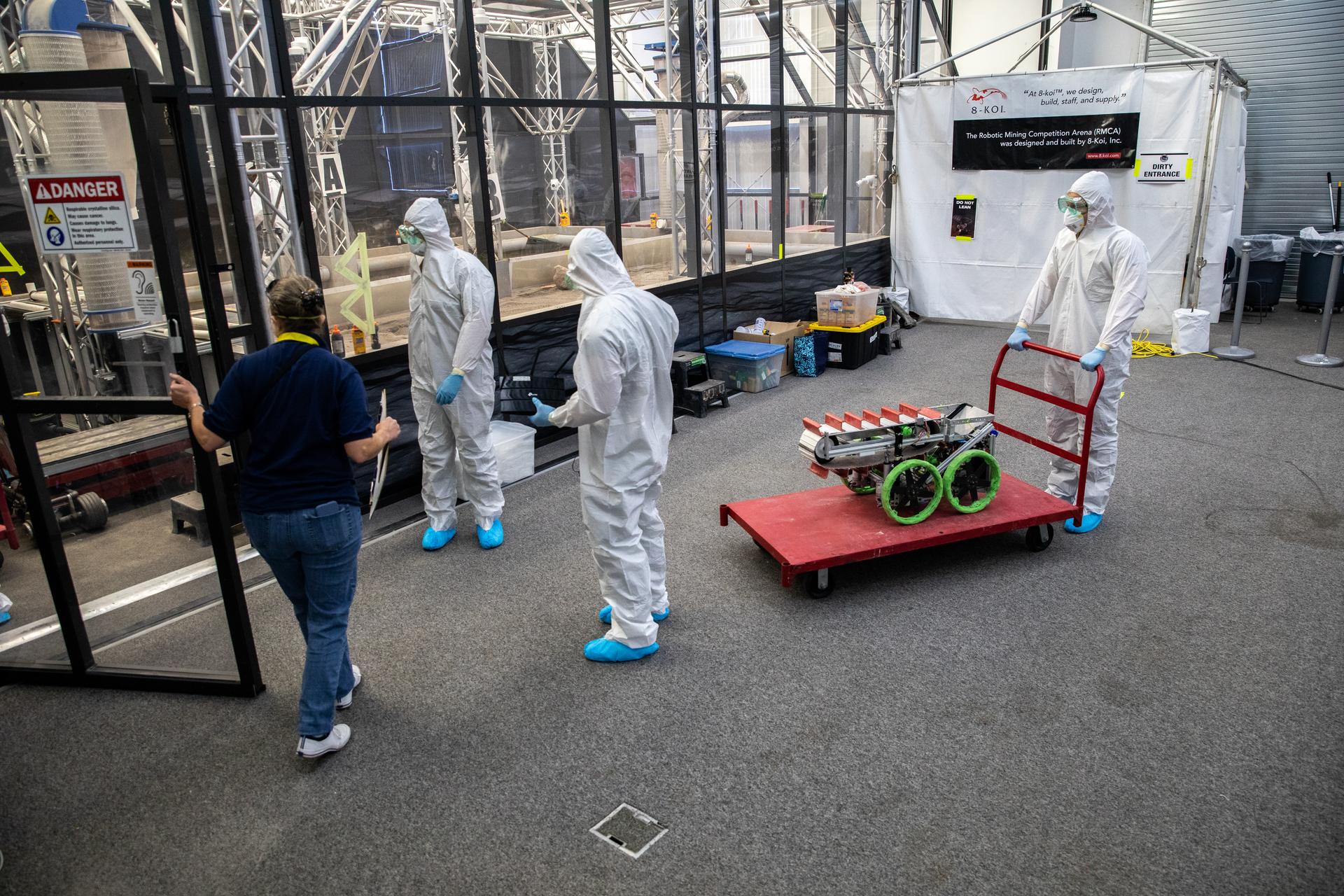
NASA will hold its 2026 Lunabotics Challenge Tuesday, May 19, to Thursday, May 21, at the Astronauts Memorial Foundation’s Center for Space Education at the Kennedy Space Center Visitor Complex in Florida. Links to view the Lunabotics competition live can be found on the agency’s Lunabotics page. The competition is slated to run between 8 a.m. and 6 p.m. each day. Media are invited to attend the
The Optical Guidelines document provides standardized, transparent, and repeatable process for assessing the quality of optical data from commercial Earth Observation missions.
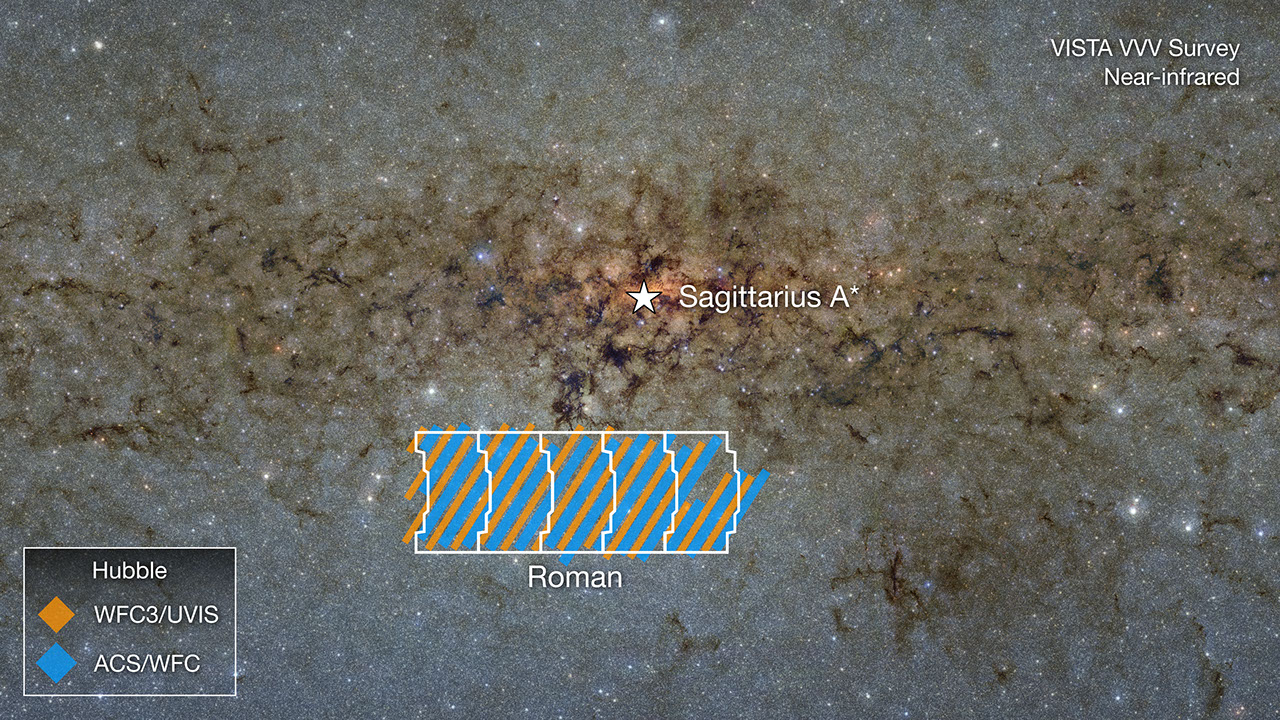
The Milky Way’s galactic bulge, the bulbous region that surrounds the galactic center, contains a dense collection of stars, planets, and other free-floating objects. This region has been studied for decades with numerous ground-based and space-based telescopes, including NASA’s Hubble and James Webb space telescopes. Soon, NASA’s Nancy Grace Roman Space Telescope will be the
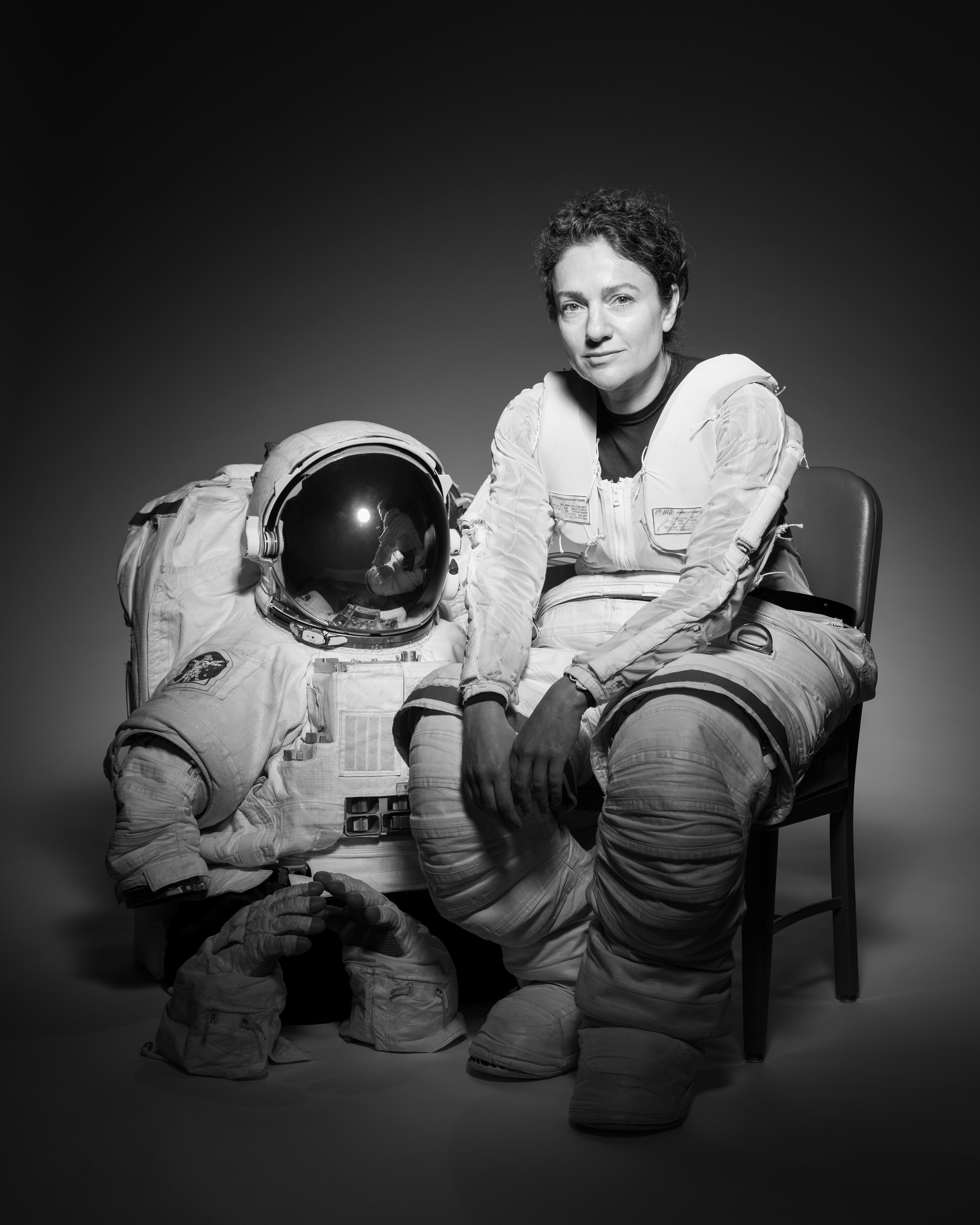
NASA Astronaut Jessica Meir sits for a portrait at NASA’s Johnson Space Center in Houston on Sept. 23, 2025. This photo was chosen as one of the 2025 NASA Photographer of the Year finalists. Meir launched on NASA’s SpaceX Crew-12 mission to the International Space Station in February 2026 with fellow NASA astronaut Jack Hathaway,
8 May 2026, 22:50 GMTBy Joseph Zakrzewski3 variants
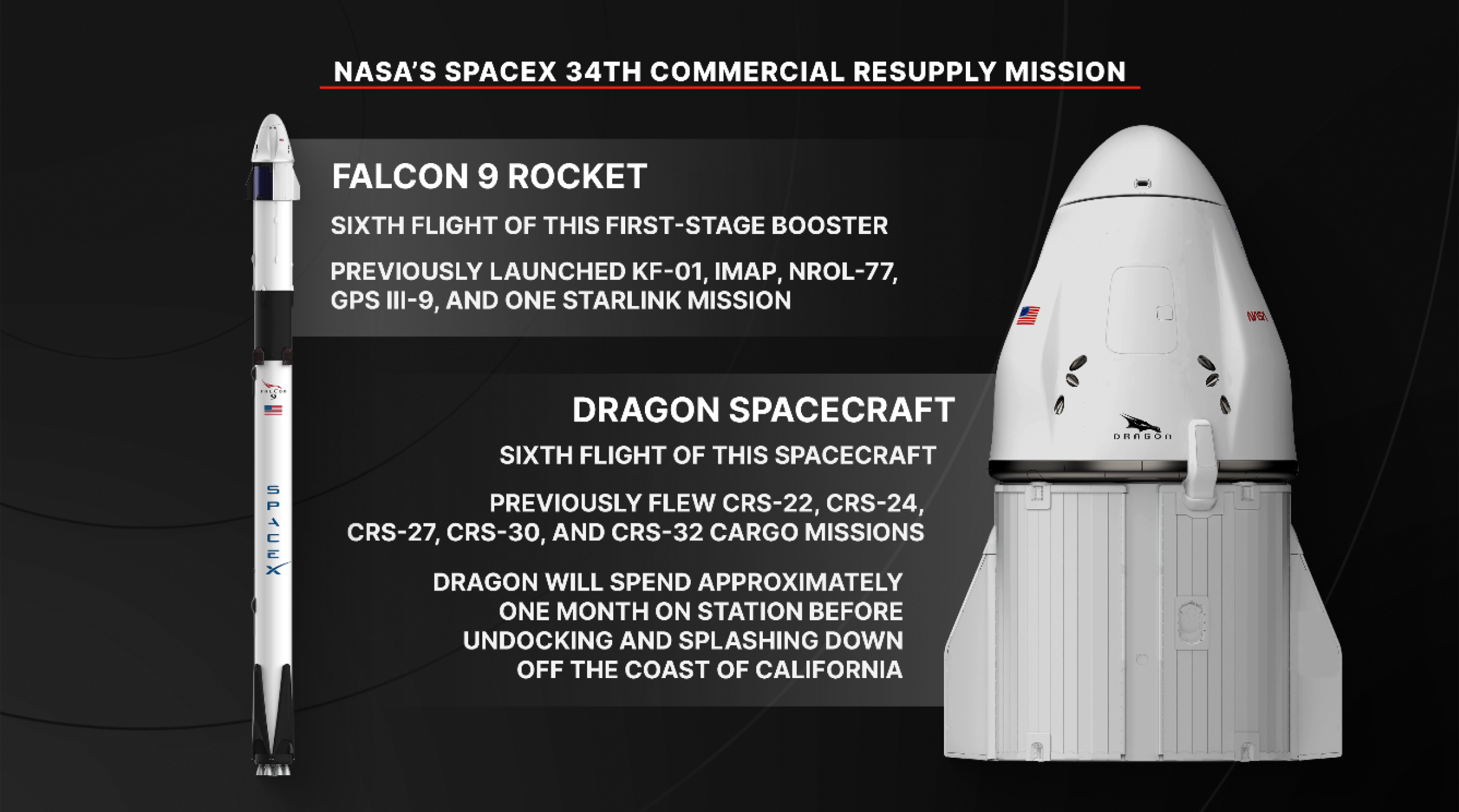
NASA and SpaceX are targeting a mid-May launch to deliver scientific investigations, supplies, and equipment to the International Space Station. Loaded with about 6,500 pounds of supplies, the SpaceX Dragon spacecraft will lift off aboard the company’s Falcon 9 rocket from Launch Complex 40 at Cape Canaveral Space Force Station in Florida. Following its arrival to the orbital complex, Dragon will dock autonomously to the forward port of
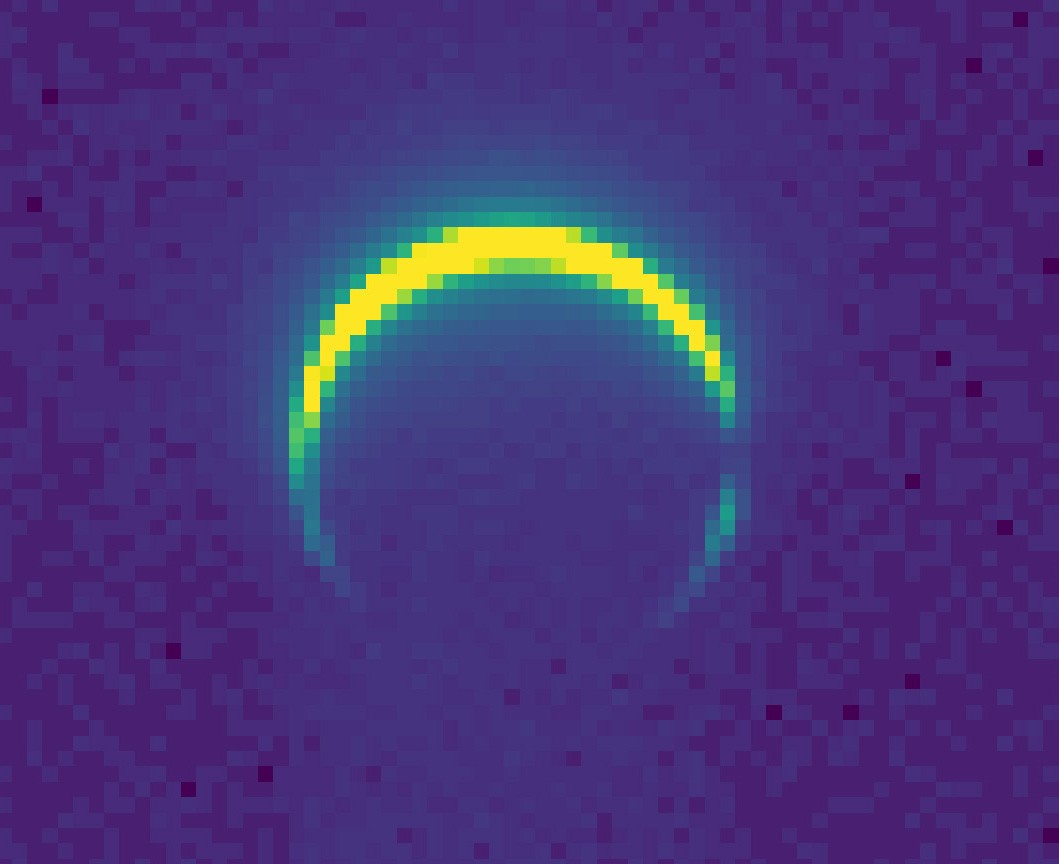
Description This colorized image of Mars was captured by NASA’s Psyche mission on May 3, 2026, about 3 million miles (4.8 million kilometers) from the planet. The spacecraft is approaching the planet for a gravity assist on May 15 that will give it a boost in speed and adjust its trajectory toward asteroid Psyche for
Listen to this audio excerpt from Anton Kiriwas, senior technical integration manager for NASA’s Exploration Ground Systems Program: When Anton Kiriwas first spotted an image of the Moon and Mars hanging over a job fair booth while in college, it captured his imagination, yet felt like a dream too distant to chase. He had no
For decades, NASA has advanced on-board spacecraft computer processors that coordinate and execute the functions needed to support mission success. Space computing originated in the 1960s with the Apollo Guidance Computers, which were pivotal for guidance, navigation, and control computations during NASA’s first Moon missions. For decades, radiation-hardened processors have been the backbone of the
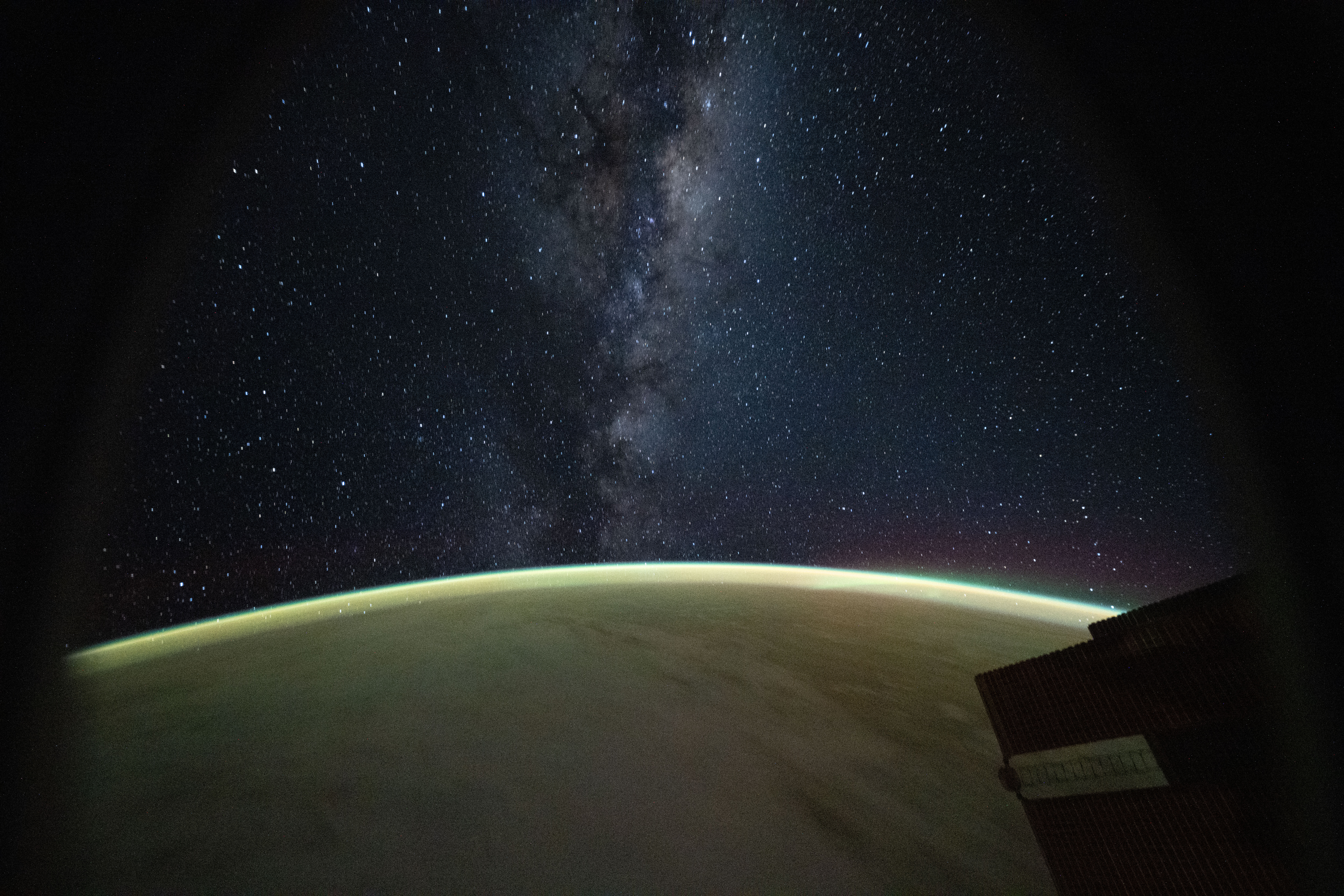
NASA astronaut Chris Williams captured the Milky Way rising above Earth’s atmospheric glow on April 13, 2026, while aboard a SpaceX Dragon docked to the International Space Station. This atmospheric glow is also called airglow. It occurs when atoms and molecules in the upper atmosphere, excited by sunlight, emit light to shed their excess energy.
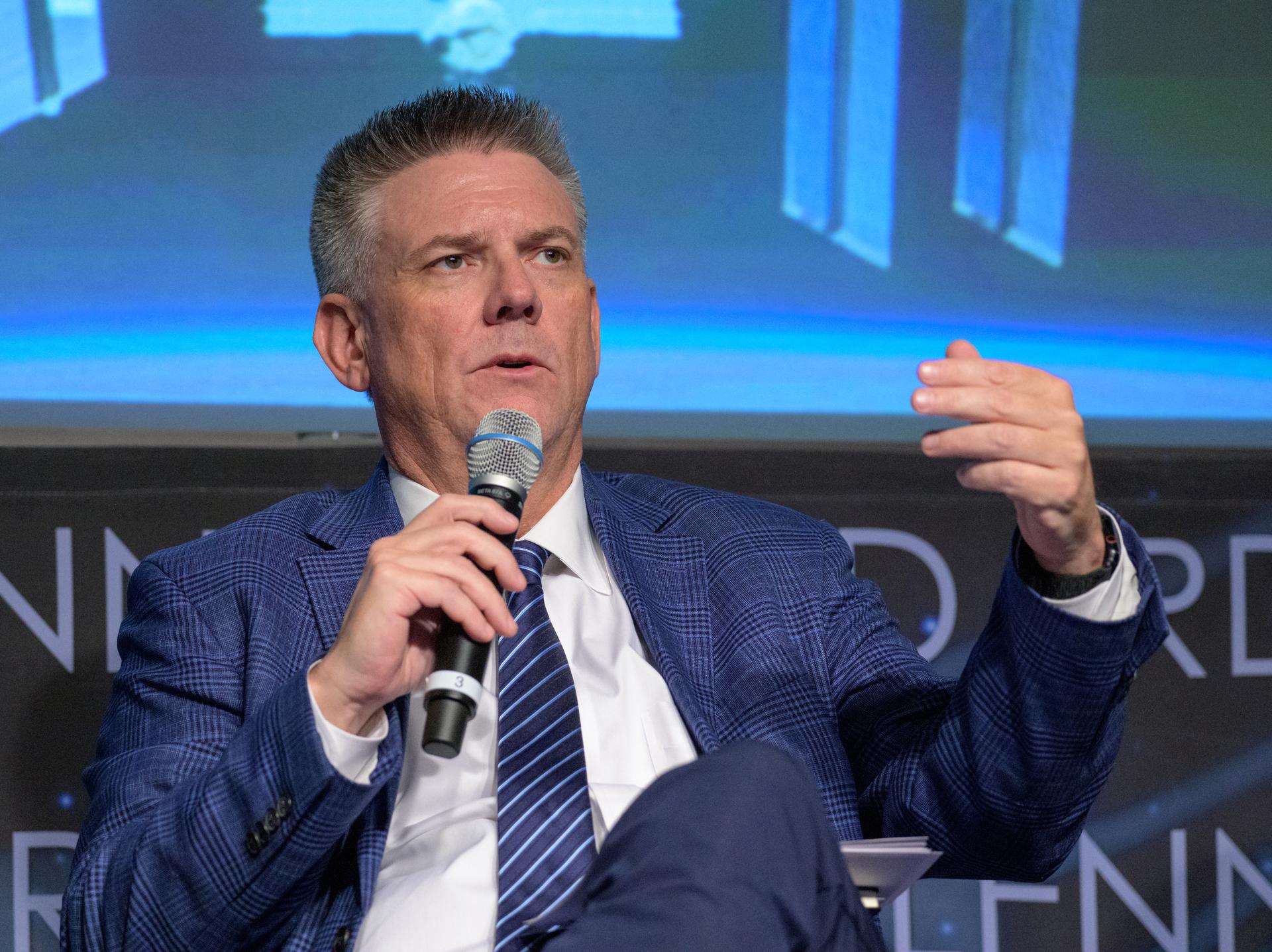
NASA announced Friday that Brian Hughes will return to the agency as senior director of launch operations, based at the agency’s Kennedy Space Center in Florida. In this role, Hughes will provide enterprise-level leadership, strategic direction, and operational oversight for NASA’s launch infrastructure. Reporting to NASA Headquarters in Washington, Hughes will have direct responsibility for
With a small blue crane, four researchers hoist a cylindrical fuel cell, which looks like a stack of flattened silver and gold soda cans bundled together, into the air and lower it into a rectangular cart on wheels. A tangle of tubes and wires spiral away from the system, where nearly 270 sensors and 1,000