
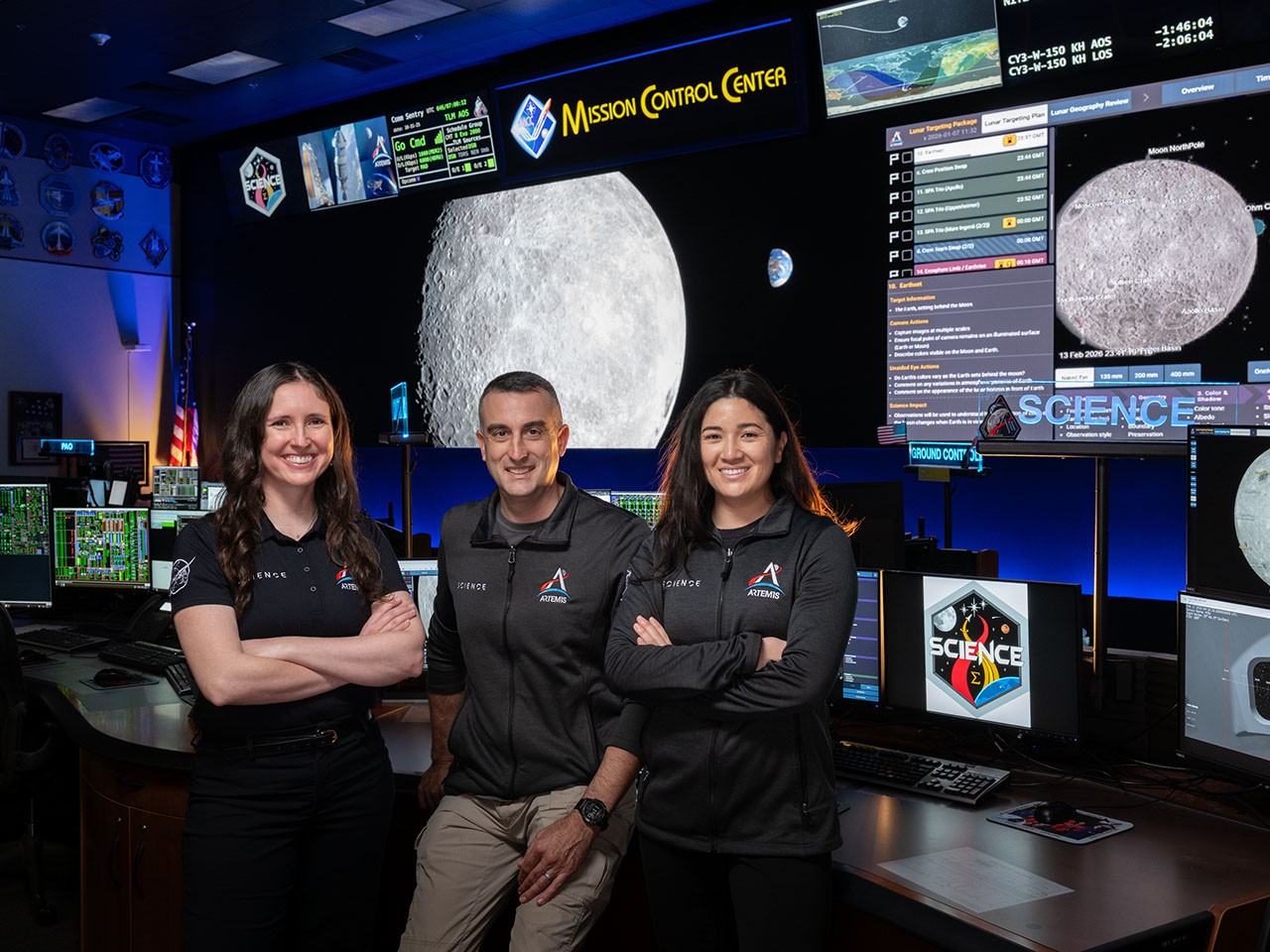
NASA’s first Artemis II science officers—Kelsey Young, Trevor Graff, and Angela Garcia—are pioneering a new era of mission operations by integrating advanced lunar science directly into Mission Control. Their work will shape how future Artemis crews observe, analyze, and deepen our understanding of the Moon.
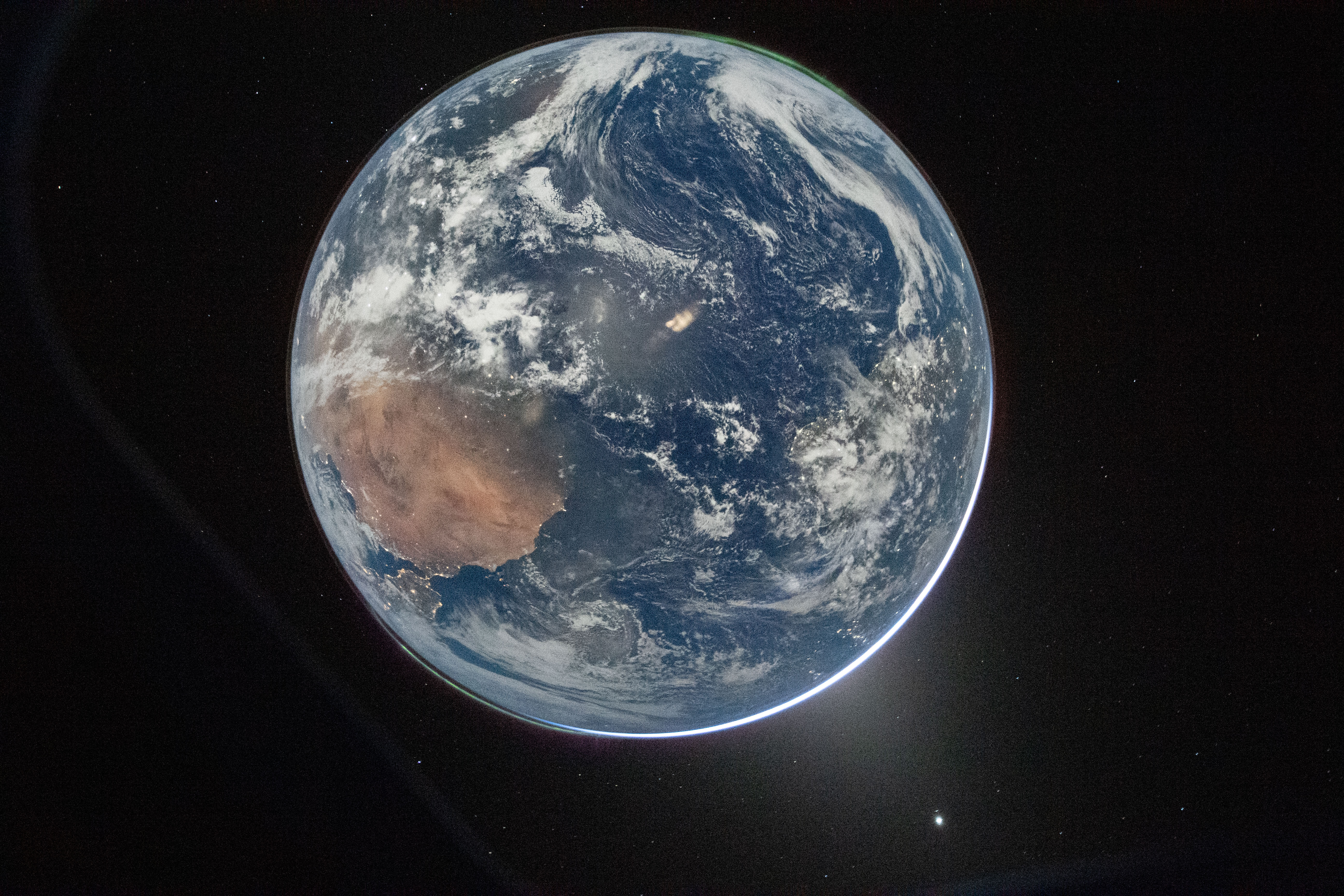
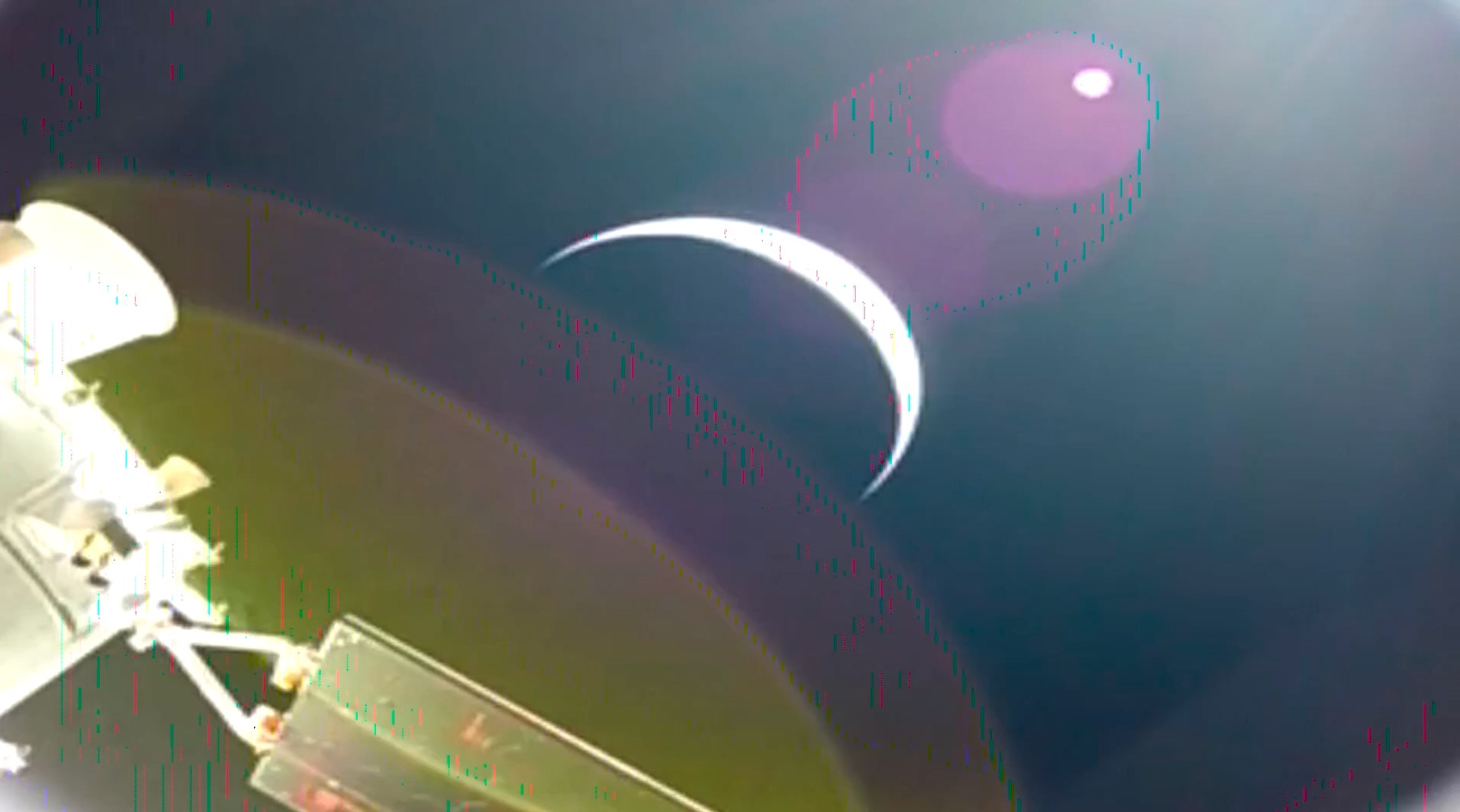
NASA astronaut and Artemis II Commander Reid Wiseman took this picture of Earth from the Orion spacecraft’s window after completing the translunar injection burn. There are two auroras (top right and bottom left) and zodiacal light (bottom right) is visible as the Earth eclipses the Sun. This and another photo of Earth are the first
For the first time in more than 50 years, astronauts on a NASA mission are bound to fly around the Moon after successfully completing a key burn of Orion’s main engine. With the approximately six-minute firing of the spacecraft’s service module engine on Thursday, known as the translunar injection burn, Orion and its crew of
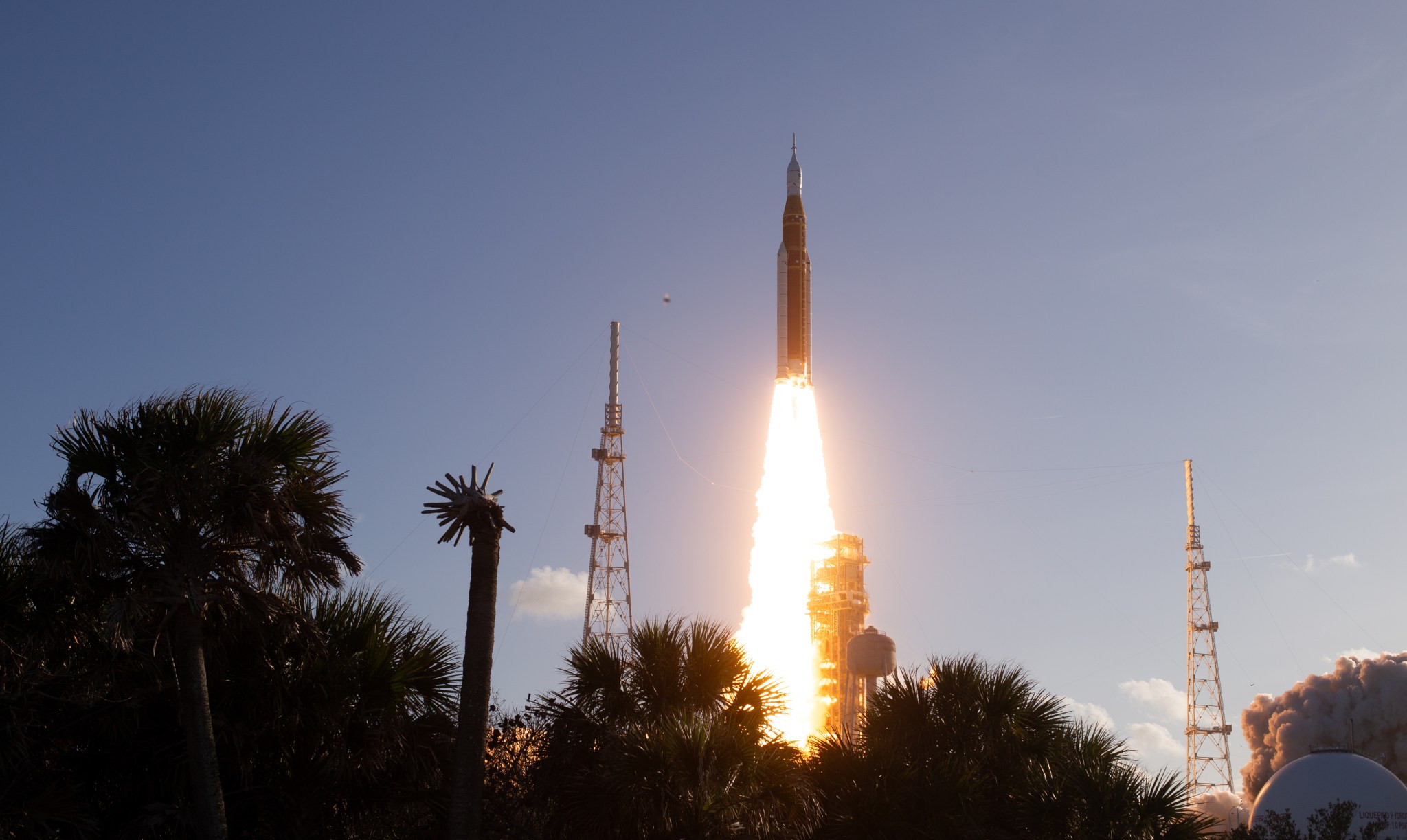
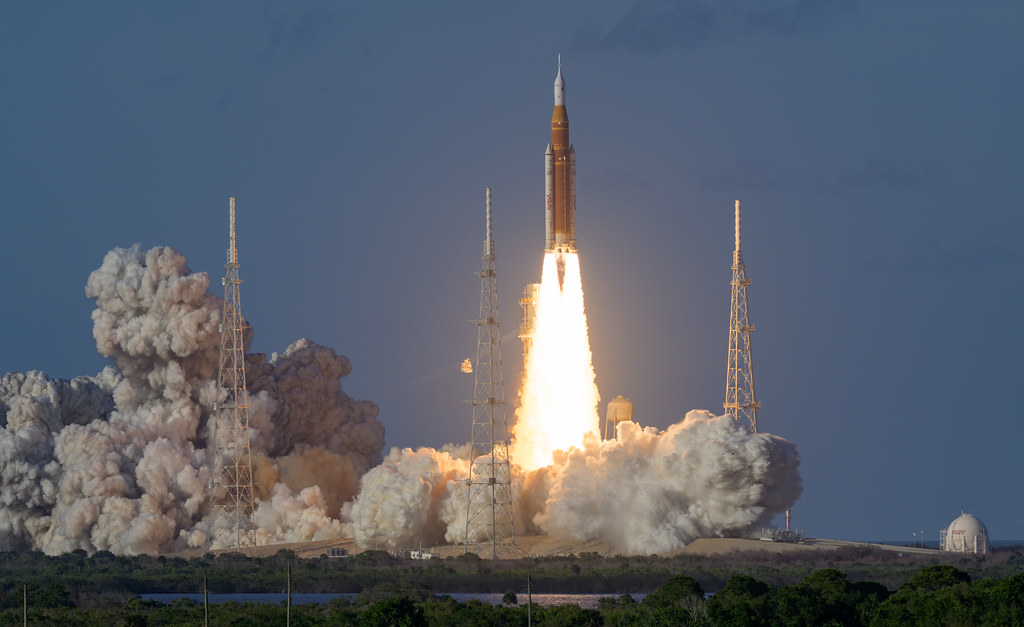
NASA’s Space Launch System rocket and Orion spacecraft lift off in this April 1, 2026, image. NASA’s Artemis II mission will take NASA astronauts Reid Wiseman, Victor Glover, and Christina Koch, and CSA (Canadian Space Agency) astronaut Jeremy on an approximately 10-day journey around the Moon and back aboard their Orion spacecraft. See more launch
Spurred by American ingenuity, astronauts on NASA’s Artemis II mission are in flight, preparing for the first crewed lunar flyby in more than 50 years. NASA’s SLS (Space Launch System) rocket lifted off from Launch Pad 39B at the agency’s Kennedy Space Center in Florida at 6:35 p.m. EDT Wednesday, sending four astronauts aboard the