
Active filters None
16 May 2026, 18:38 GMT 10 variants

## Community Coordinated Modeling Center Database Of Notifications, Knowledge, Information ( CCMC DONKI ) ## Message Type: Space Weather Notification - CME (Europa Clipper, OSIRIS-APEX, Missions Near Earth) ## ## Message Issue Date: 2026-05-16T18:38:46Z ## Message ID: 20260516-AL-006 ## ## Disclaimer: NOAA's Space Weather Prediction Center is the United States Government official source for space weather forecasts. This "Experimental Research Information" consists of preliminary NASA research products and should be interpreted and used accordingly. ## Summary: O-type CME detected by STEREO A / GOES / SOHO. Start time of the event: 2026-05-16T16:36Z. Estimated speed: ~1201 km/s. Estimated opening half-angle: 22 deg. Direction (lon./lat.): 9/37 in Heliocentric Earth Equatorial coordinates. Activity ID: 2026-05-16T16:36:00-CME-001 Based on preliminary analysis by the Moon to Mars Space Weather Analysis Office and heliospheric modeling carried out at NASA Community Coordinated Modeling Center, it is estimated that this CME may affect Europa Clipper (glancing blow) and OSIRIS-APEX (glancing blow). The flank of the CME will reach Europa Clipper at 2026-05-20T21:00Z and OSIRIS-APEX at 2026-05-19T16:00Z (plus minus 7 hours). The simulation also indicates that the CME may have a glancing blow at NASA missions near Earth. Simulations indicate that the flank of the CME will reach NASA missions near Earth at about 2026-05-19T00:00Z (plus minus 7 hours). The roughly estimated expected range of the maximum Kp index is 3-5 (below minor to minor). Links to the movies of the modeled event (includes CME: 2026-05-16T16:36:00-CME-001): https://iswa.gsfc.nasa.gov/api/redirect?filename=20260516_192700_2.0_anim.tim-den.gif https://iswa.gsfc.nasa.gov/api/redirect?filename=20260516_192700_2.0_anim.tim-vel.gif https://iswa.gsfc.nasa.gov/api/redirect?filename=20260516_192700_2.0_ENLIL_CONE_timeline.gif https://iswa.gsfc.nasa.gov/api/redirect?filename=20260516_192700_2.0_ENLIL_CONE_Osiris_timeline.gif https://iswa.gsfc.nasa.gov/api/redirect?filename=20260516_192700_2.0_ENLIL_CONE_EuropaClippr_timeline.gif ## Notes: This CME event (2026-05-16T16:36:00-CME-001) is associated with M1.9 flare from AR 14436 (N22W17) with ID 2026-05-16T15:50:00-FLR-001 which peaked at 2026-05-16T16:12Z. SCORE CME typification system: S-type: CMEs with speeds less than 500 km/s C-type: Common 500-999 km/s O-type: Occasional 1000-1999 km/s R-type: Rare 2000-2999 km/s ER-type: Extremely Rare >3000 km/s

Download item bundle
CME
16 May 2026, 15:39 GMT 6 variants

https://webtools.ccmc.gsfc.nasa.gov/DONKI/view/HSS/46175/-1

Download item bundle
HSS
16 May 2026, 15:29 GMT

https://webtools.ccmc.gsfc.nasa.gov/DONKI/view/RBE/46199/-1

Download item bundle
16 May 2026, 00:10 GMT 2 variants

## Community Coordinated Modeling Center Database Of Notifications, Knowledge, Information ( CCMC DONKI ) ## Message Type: Space Weather Notification - Geomagnetic Storm ## ## Message Issue Date: 2026-05-16T00:10:22Z ## Message ID: 20260516-AL-002 ## ## Disclaimer: NOAA's Space Weather Prediction Center is the United States Government official source for space weather forecasts. This "Experimental Research Information" consists of preliminary NASA research products and should be interpreted and used accordingly. ## Summary: Ongoing space weather storm in the Earth's magnetosphere. Geomagnetic Kp index has reached level 6.33 (moderate) during the synoptic period 2026-05-15T21:00Z to 2026-05-16T00:00Z. The storm is caused by the coronal hole high speed stream starting on 2026-05-15. NASA spacecraft at GEO, MEO, polar and other orbits passing through or in the vicinity of the Earth's ring current and auroral regions can be impacted. Activity ID: 2026-05-15T21:00:00-GST-001. ## Notes: This event is associated with Interplanetary Shock with ID 2026-05-15T07:14:00-IPS-001 (see notification 20260515-AL-001).

Download item bundle
GST
16 May 2026, 00:00 GMT

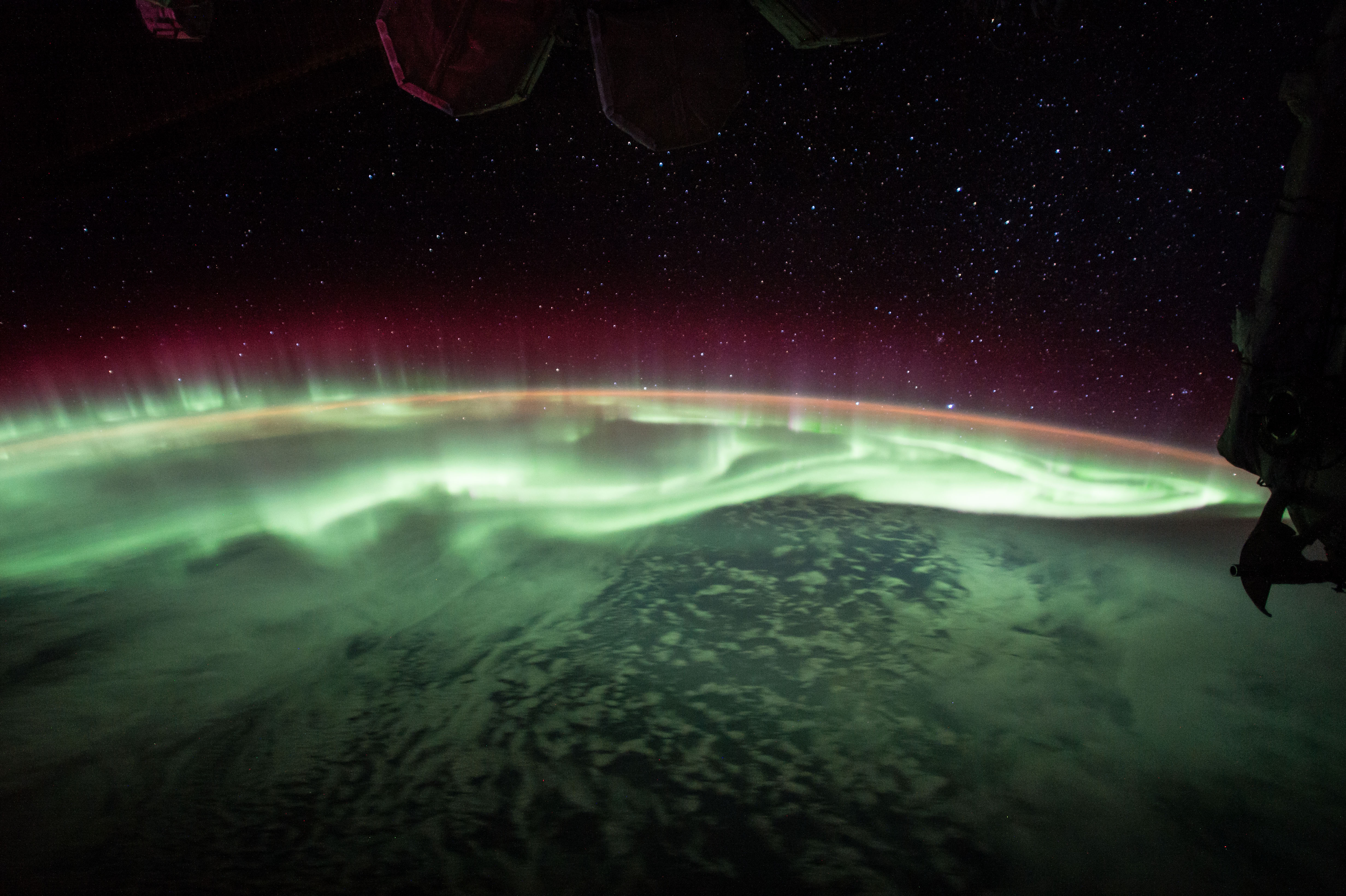
Like salsa verde on your favorite burrito, a green aurora slathers up the sky in this 2017 June 25 snapshot from the International Space Station. About 400 kilometers (250 miles) above Earth, the orbiting station is itself within the upper realm of the auroral displays. Aurorae have the signature colors of excited molecules and atoms at the low densities found at extreme altitudes. Emission from atomic oxygen dominates this view. The tantalizing glow is green at lower altitudes, but rarer reddish bands extend above the space station's horizon. The orbital scene was captured while passing over a point south and east of Australia, with stars above the horizon at the right belonging to the constellation Canis Major, Orion's big dog. Sirius, alpha star of Canis Major, is the brightest star near the Earth's limb.

Download item bundle
Aurora Slathers Up the Sky
15 May 2026, 22:52 GMT By Gerelle Q. Dodson 6 variants

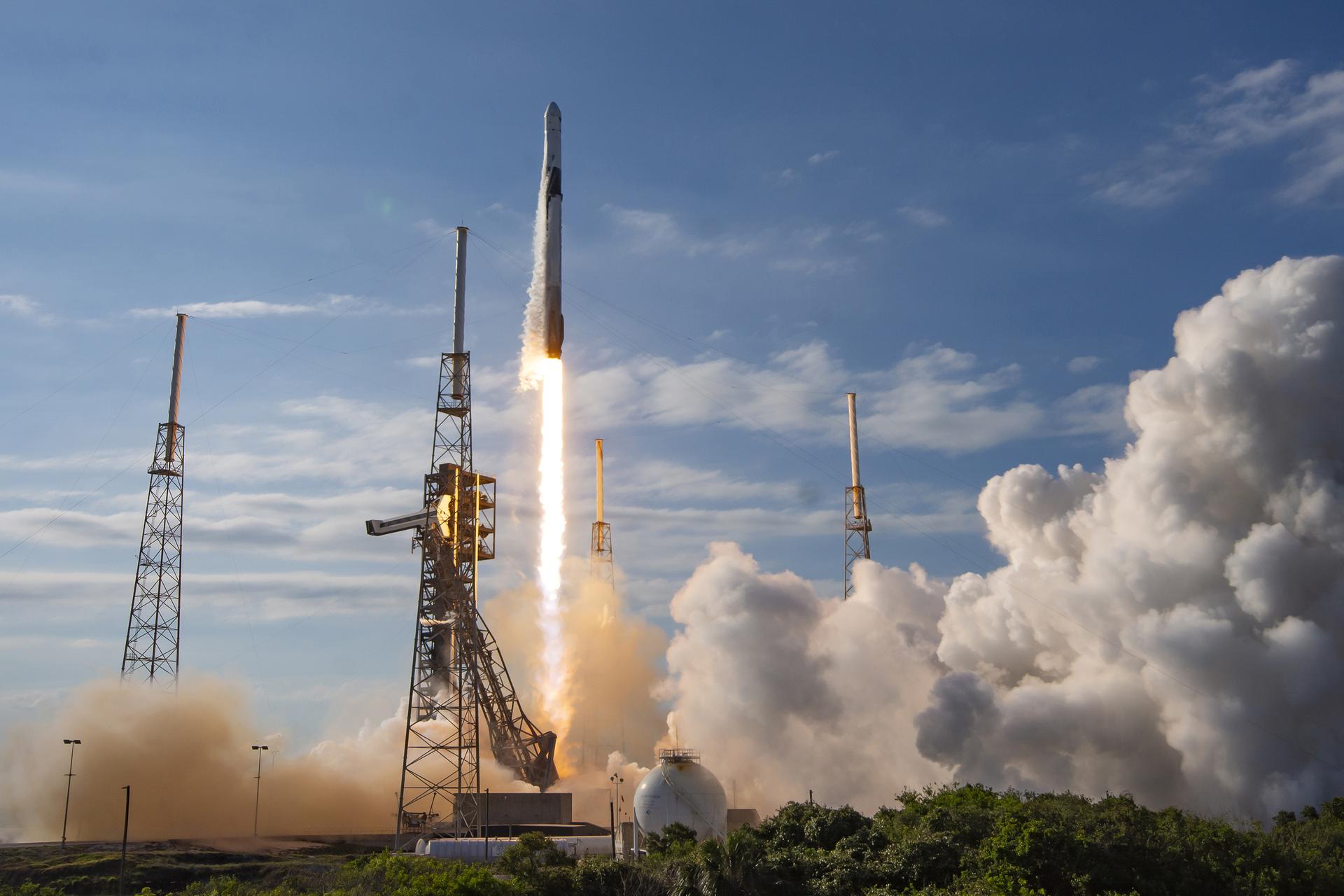
The 34th SpaceX commercial resupply mission under contract with NASA is headed to the International Space Station with new scientific experiments after lifting off at 6:05 p.m. EDT Friday on a Falcon 9 rocket from Space Launch Complex 40 at Cape Canaveral Space Force Station in Florida. The SpaceX spacecraft, loaded with nearly 6,500 pounds

Download item bundle
NASA Science, Cargo Launch on 34th SpaceX Resupply Mission to Station
15 May 2026, 21:00 GMT

https://webtools.ccmc.gsfc.nasa.gov/DONKI/view/GST/46192/-1

Download item bundle
15 May 2026, 15:05 GMT 3 variants

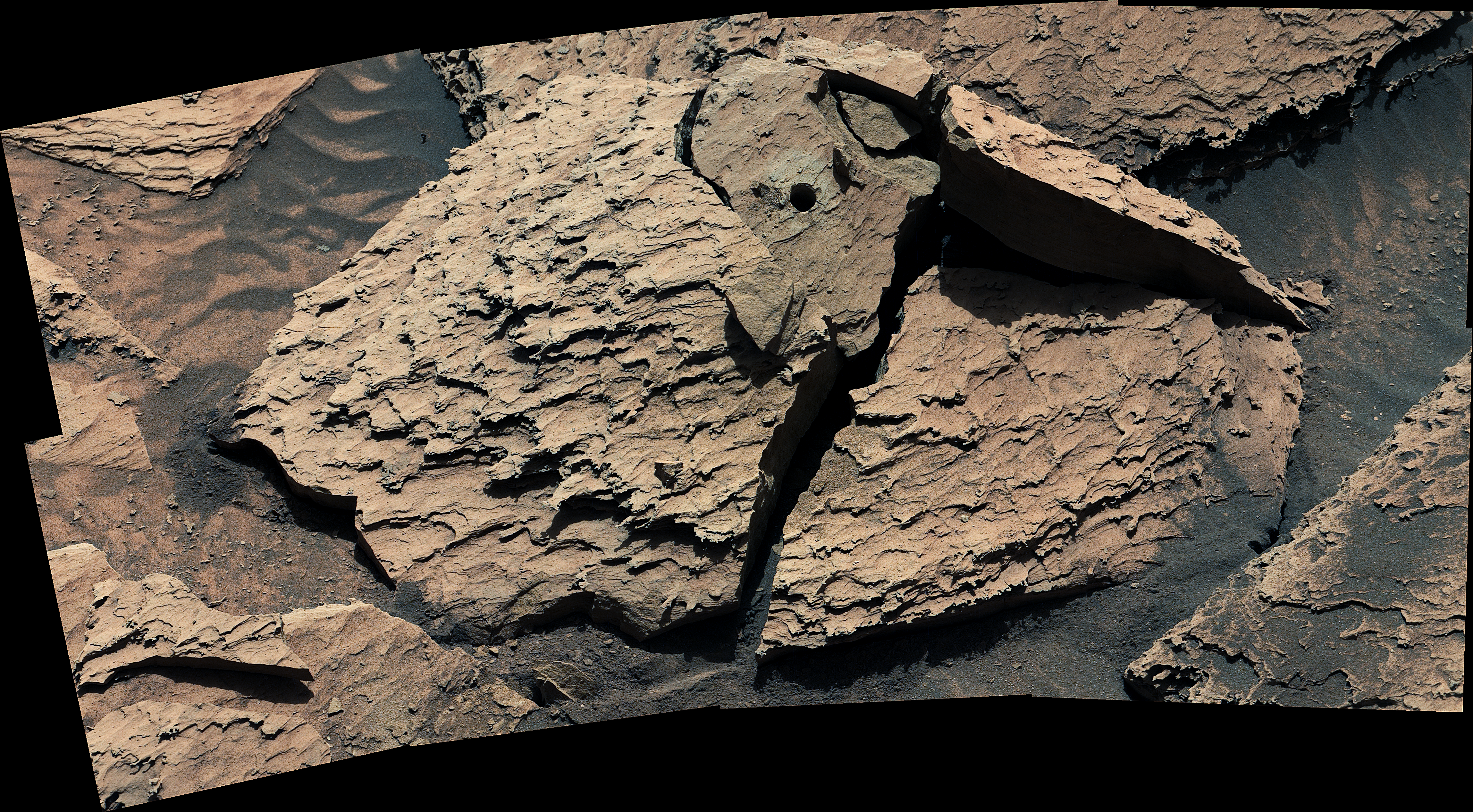
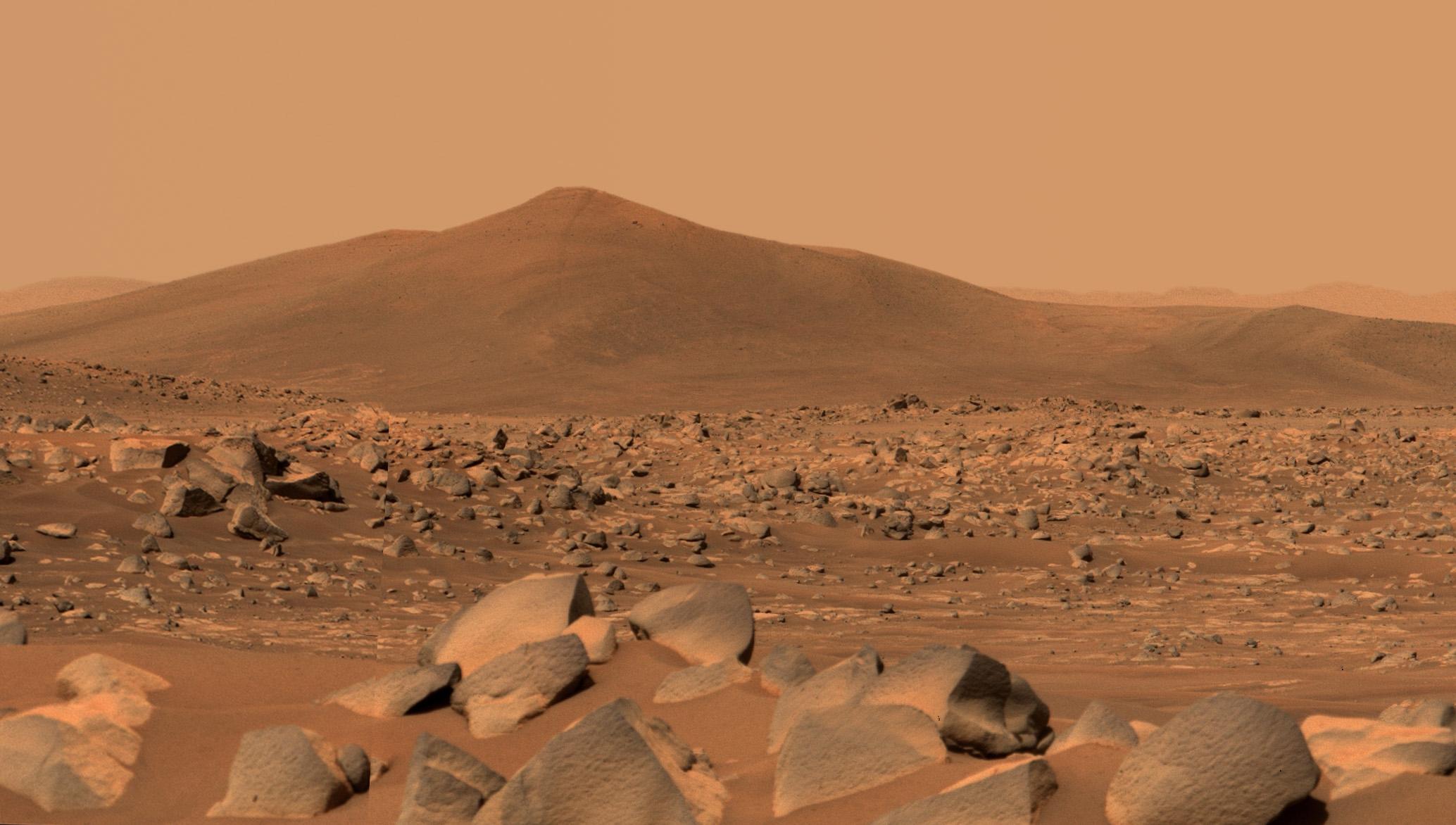
NASA’s Curiosity Mars rover used its Mast Camera, or Mastcam, to capture this view of a rock nicknamed “Atacama” on May 6, 2026, the 4,877th Martian day, or sol, of the mission. The rock had gotten stuck to the drill on the end of Curiosity’s robotic arm on April 25.

Download item bundle
Curiosity Shakes Loose a Pesky Rock
15 May 2026, 13:59 GMT

NASA’s Kathleen Karika and Kim Hurst discuss how the Artemis Accords are helping shape a safe, peaceful, and prosperous future for lunar exploration and beyond.

Download item bundle
The Artemis Accords
15 May 2026, 13:48 GMT 2 variants

## Community Coordinated Modeling Center Database Of Notifications, Knowledge, Information ( CCMC DONKI ) ## Message Type: Space Weather Notification - Interplanetary Shock ## ## Message Issue Date: 2026-05-15T13:48:30Z ## Message ID: 20260515-AL-001 ## ## Disclaimer: NOAA's Space Weather Prediction Center is the United States Government official source for space weather forecasts. This "Experimental Research Information" consists of preliminary NASA research products and should be interpreted and used accordingly. ## Summary: Significant interplanetary shock detected by ACE at L1 at 2026-05-15T07:14Z. The shock is likely caused by the arrival of a coronal hole high speed stream starting on 2026-05-15Z. Some magnetospheric compression likely and moderate geomagnetic storming possible. Activity ID: 2026-05-15T07:14:00-IPS-001. ## Notes:

Download item bundle
IPS
15 May 2026, 00:00 GMT By Chester Hall-Fernandez

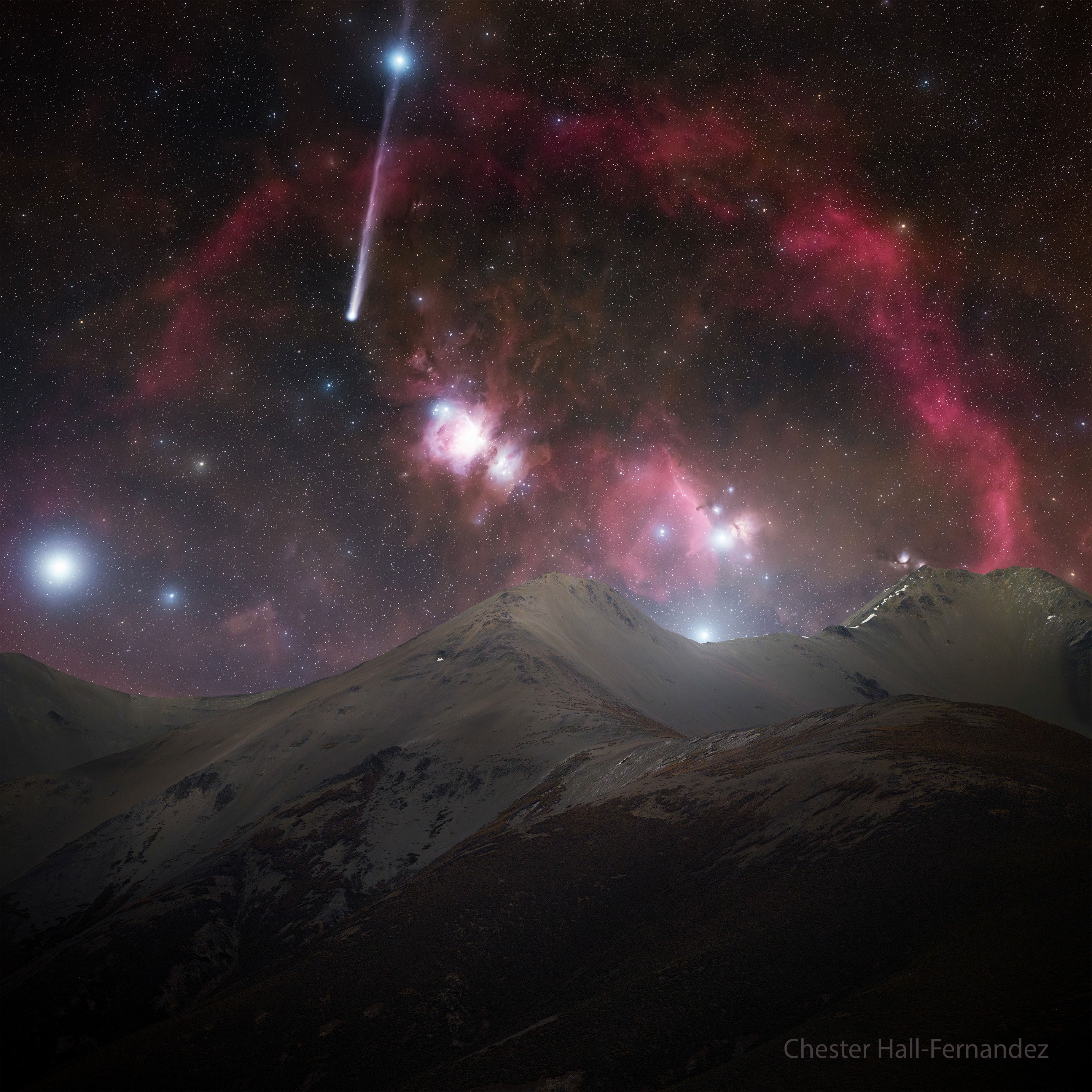
Comet R3 PanSTARRS might be best remembered as an Orion comet. A key reason is because Comet C/2025 R3 (PanSTARRS) was near its most spectacular -- in terms of tail visibility -- when passing in front of the iconic constellation. Although rare, other bright comets, too, have ventured across Orion, including Lovejoy in 2015, Hale-Bopp in 1997, and the Great Comet of 1264. Best visible in long duration exposures, the featured image was captured last week from the Craigieburn Mountain Range in New Zealand. Visible in the deep background image are the Orion Nebula, Barnard's Loop, and through R3's tail, the bright star Saiph, the sixth brightest star in the constellation of Orion. Comet R3 PanSTARRS continues to fade as it moves further south, passing into the constellation of the Unicorn (Monoceros) in the next few days. Sky Surprise: What picture did APOD feature on your birthday? (after 1995)

Download item bundle
R3 PanSTARRS: An Orion Comet
Credit: Chester Hall-Fernandez
14 May 2026, 20:53 GMT By Lauren E. Low 4 variants

On Thursday, NASA issued a Request for Proposal (RFP), seeking industry collaboration for the Mars Telecommunications Network. Reliable, high bandwidth communications is necessary to relay science data, high-definition imagery, and critical information during Mars missions. The network will use high-performance Mars telecommunications orbiters at the Red Planet to support future surface, orbital, and human exploration.

Download item bundle
NASA Draws on Industry for Mars Telecommunications Network
14 May 2026, 16:32 GMT By Lee Mohon 4 variants

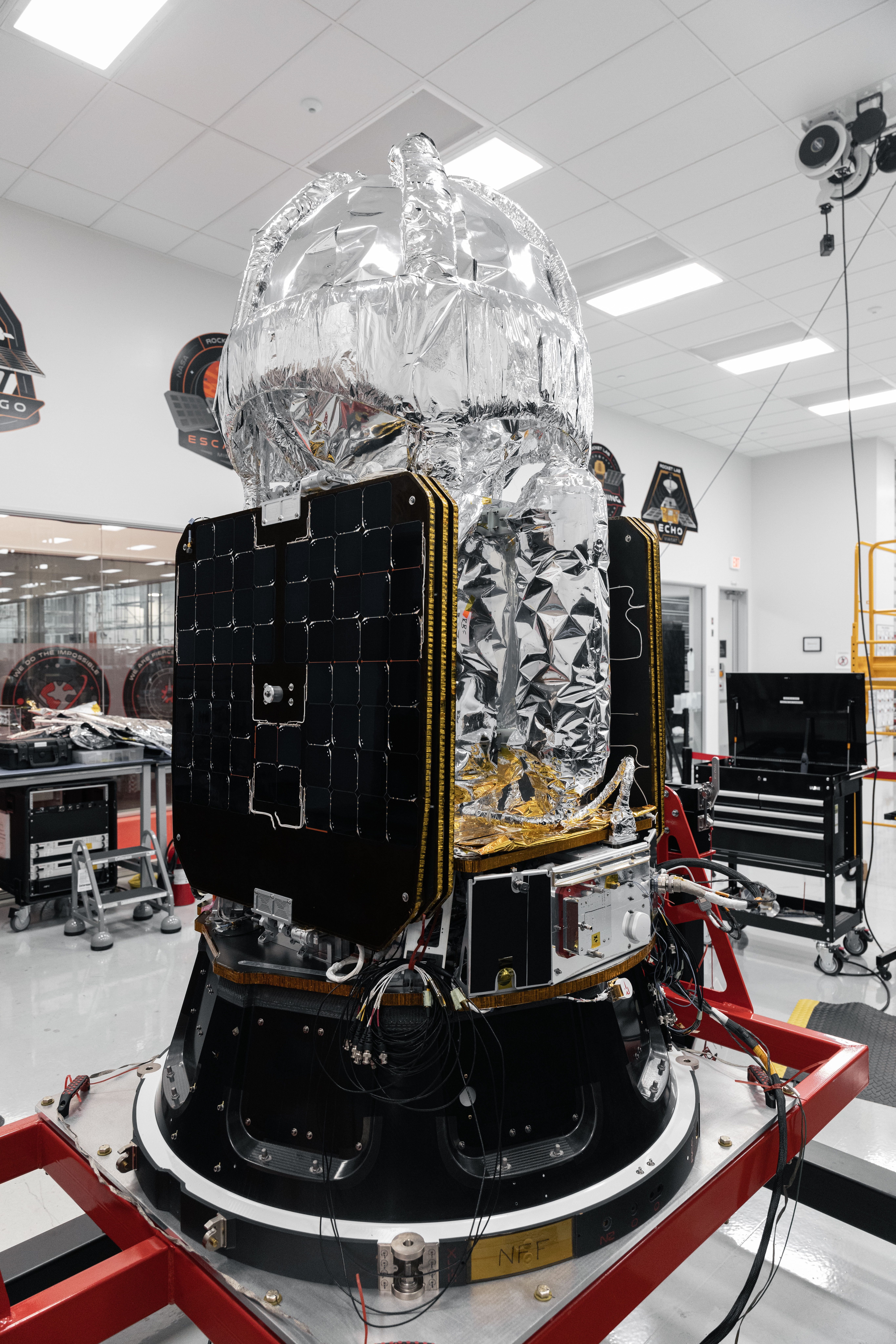
NASA is collaborating with Eta Space of Rockledge, Florida, on an in‑orbit technology demonstration to advance a key capability for future deep space missions. The Liquid Oxygen Flight Demonstration, or LOXSAT, will test cryogenic fluid management technologies necessary for creating in-space propellant depots, essentially gas stations in space, that could support long-term exploration. During a

Download item bundle
NASA, Industry Prepare Cryogenic Fuel Technology Demo
14 May 2026, 14:56 GMT 4 variants

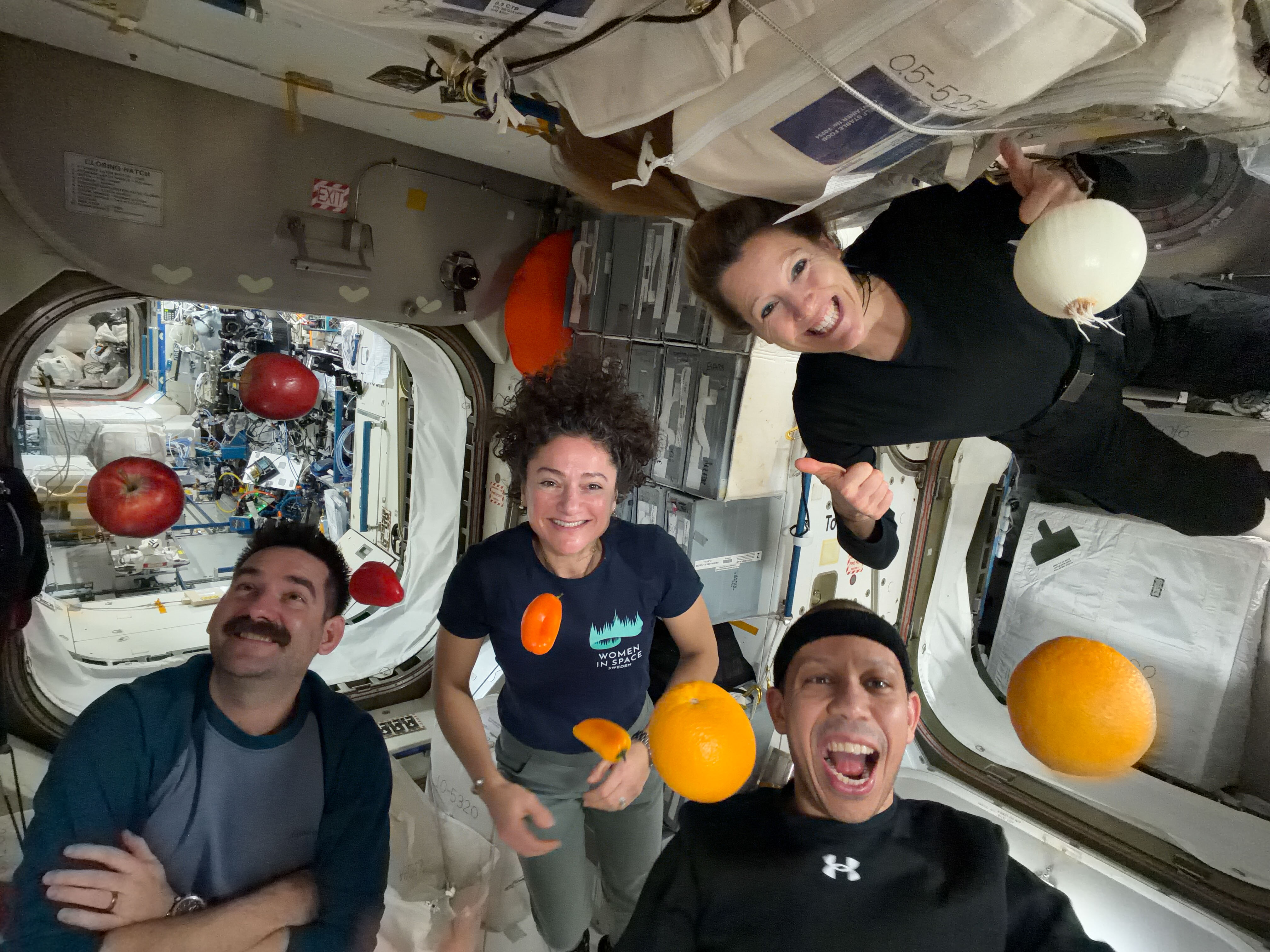
You're allowed to play with your food when you're on the International Space Station! To celebrate a delivery of fresh food, NASA astronauts Jack Hathaway (bottom left), Jessica Meir (middle left), and Chris Williams (bottom right), and ESA (European Space Agency) astronaut Sophie Adenot (top right) pose for a group photo.

Download item bundle
Fresh Food Delivery for Space Station
14 May 2026, 00:00 GMT

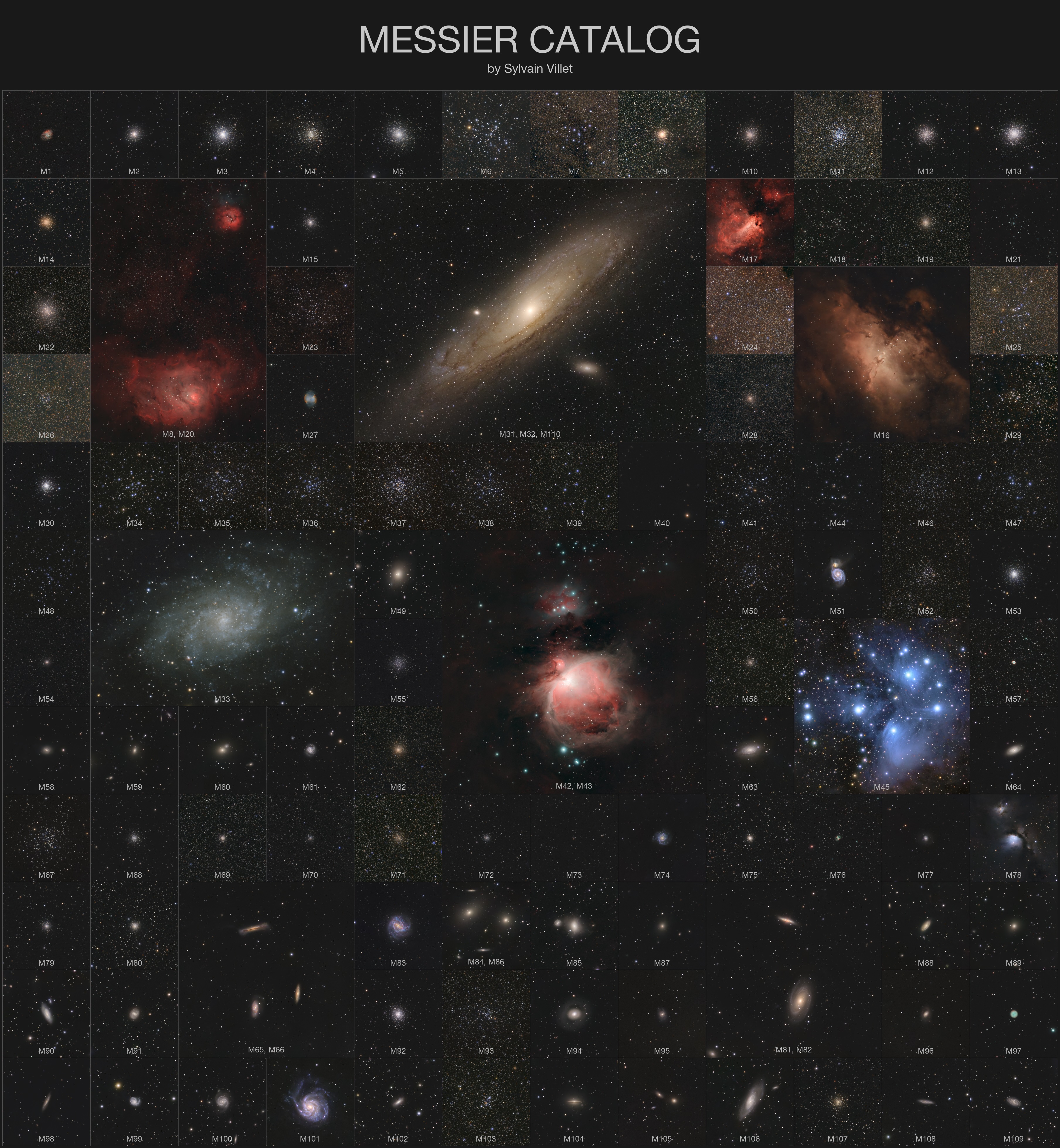
What are some of the most interesting astronomical objects you can see in the night sky? Armed with a good pair of binoculars or a small telescope, if you live in the Northern Hemisphere, you can look for the very popular objects in the Messier Catalog. Most of them, but not all, are also visible from the southern half of the Earth. The featured image shows all 110 objects in the catalog at uniform scale -- the same magnification. Charles Messier created the catalog in the 18th century. He was interested in comets, and his catalog was a list of known comet-like "objects to avoid" in the sky when observing or hunting for comets. The deep sky objects in the catalog include a supernova remnant (the Crab Nebula, M1), other galaxies (such as Andromeda, M31), nebulae (e.g. the Orion Nebula, M42, a star-forming region) and stellar clusters (such as the Pleiades, M45, a bright young open cluster).

Download item bundle
Messier Catalog at Uniform Scale
13 May 2026, 19:47 GMT By Andrew Wagner 3 variants

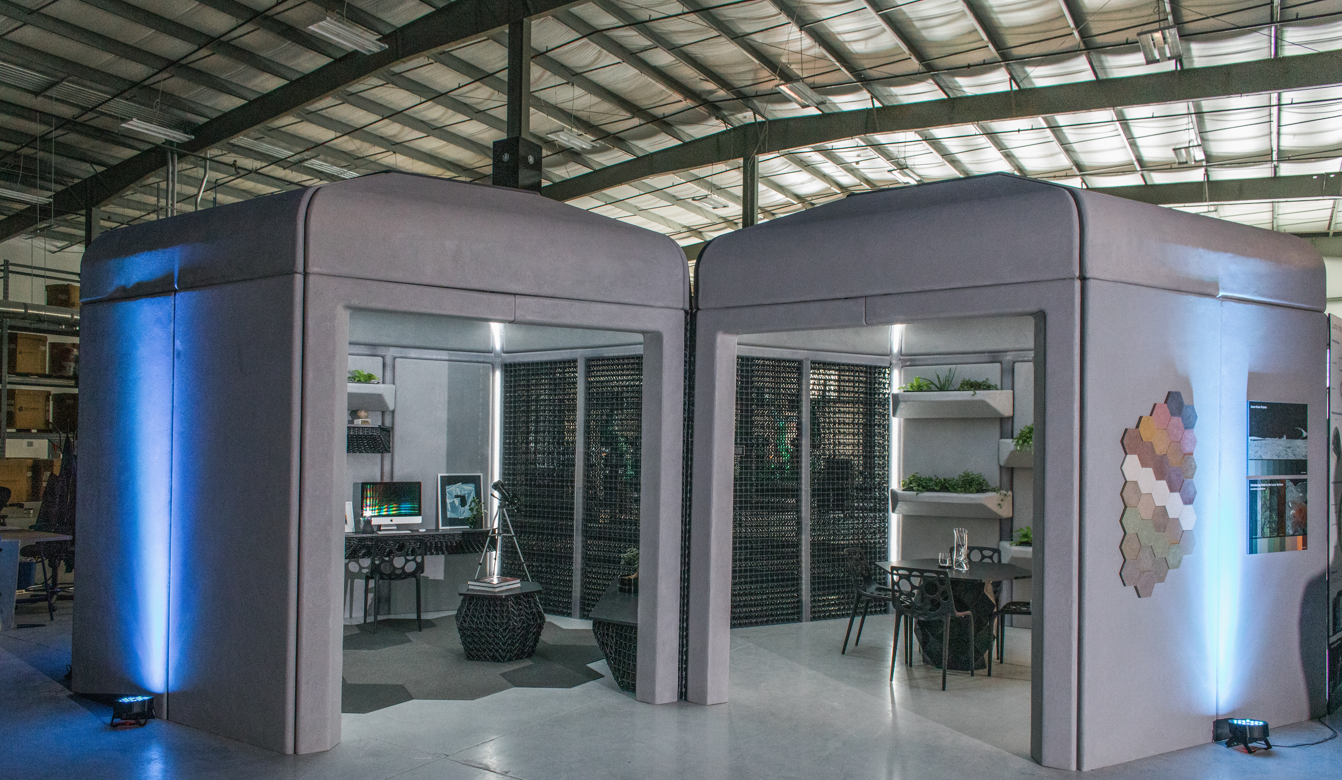
An innovative 3D printing process that advanced NASA’s approach to outfitting a lunar habitat is making buildings on Earth beautiful, efficient, and strong. Instead of building structures layer by layer, Branch Technology Inc. of Chattanooga, Tennessee, has developed a process the company calls Freeform 3D Printing, which creates shapes with lightweight lattice structures that can be filled or covered. The company uses the technique to manufacture

Download item bundle
NASA-Supported Space Tech Advances Earthly Construction