
Earth has an incredibly varied and ever-changing landscape—jagged mountains, arid deserts, lush rainforests, rolling wheat fields. Before NASA came on the scene, no one was keeping a systematic eye on the ground from above. NASA scientist Brad Doorn explains how one long-running satellite program collects the data farmers need to grow the crops that feed the world.
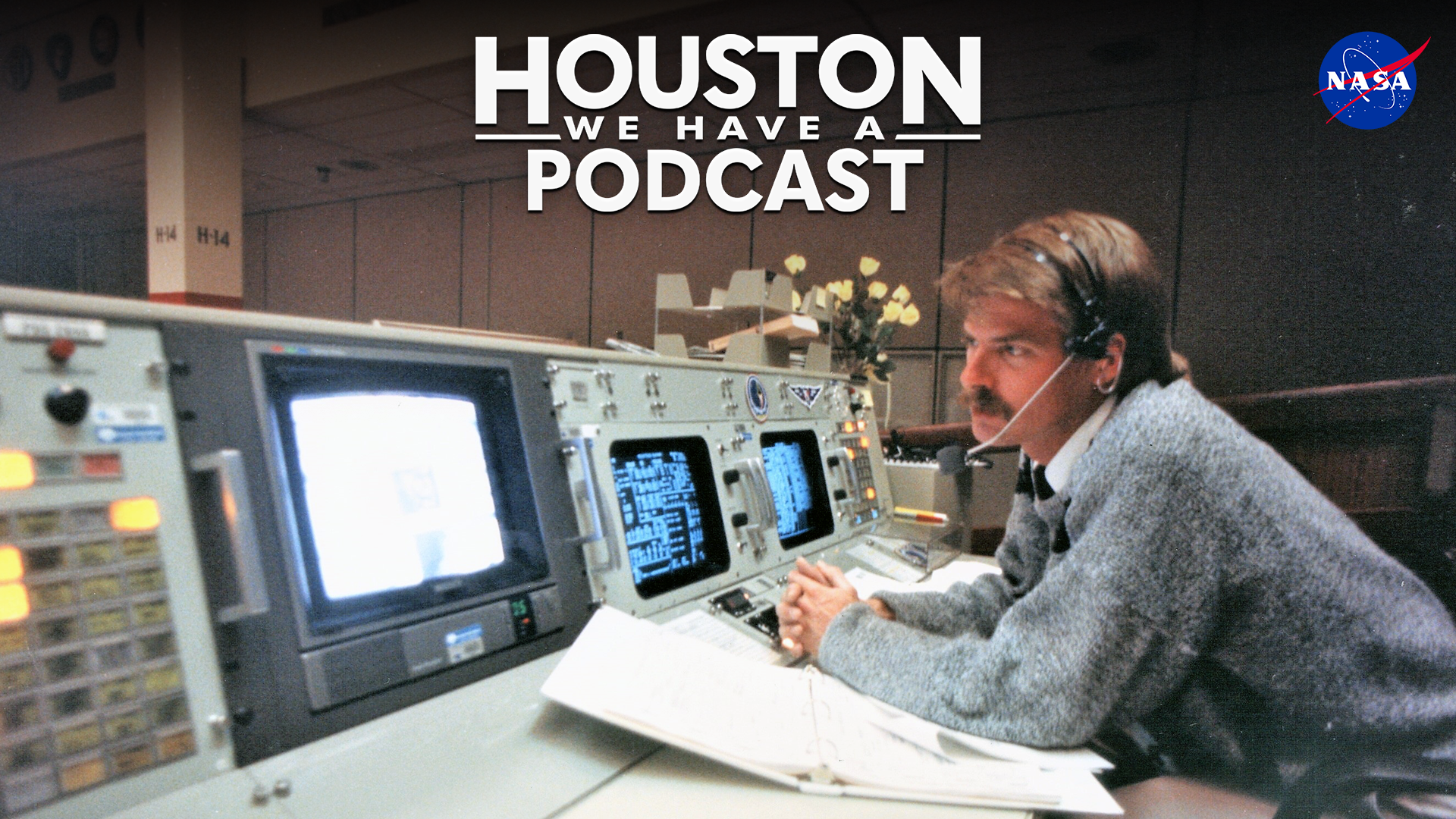
After 37 years at NASA, an experienced commentator of more than 80 shuttle flights shares lessons of communications and leadership ahead of his retirement. HWHAP 382
Life all over the planet—even far from the coasts—depends on the oceans. A pair of NASA satellites, PACE and SWOT, is giving us a fresh look at Earth’s water. PACE tracks color changes driven by tiny plankton, which give us a big-picture view of ocean life. By measuring sea level height from space, SWOT shows ocean currents and other features in new detail. NASA scientists Cecile Rousseaux, Kelsey Bisson, and Josh Willis dive into new research with a lot of color and a little bit of rock and roll.
NASA’s C-130 Hercules, fondly known as the Herc, went wheels up at 9:45 a.m., Friday, April 18, as it departed from its decade-long home at NASA’s Wallops Flight Facility in Virginia, for the final time. The aircraft is embarking on a new adventure to serve and protect in the state of California where it is
Two NASA Artemis experts discuss how the agency is preparing future moonwalkers to use new tools to explore the unique science near the lunar South Pole. HWHAP 381
NASA is an exploration agency, and one of our missions is to know our home. In the 1960s, NASA astronauts orbiting the Moon captured a revelatory view of Earth. Today, NASA explores our home planet with a fleet of dozens of spacecraft. In this episode–the first in a miniseries all about Earth–we take in the view from space with Karen St. Germain, the director of NASA’s Earth Science Division.
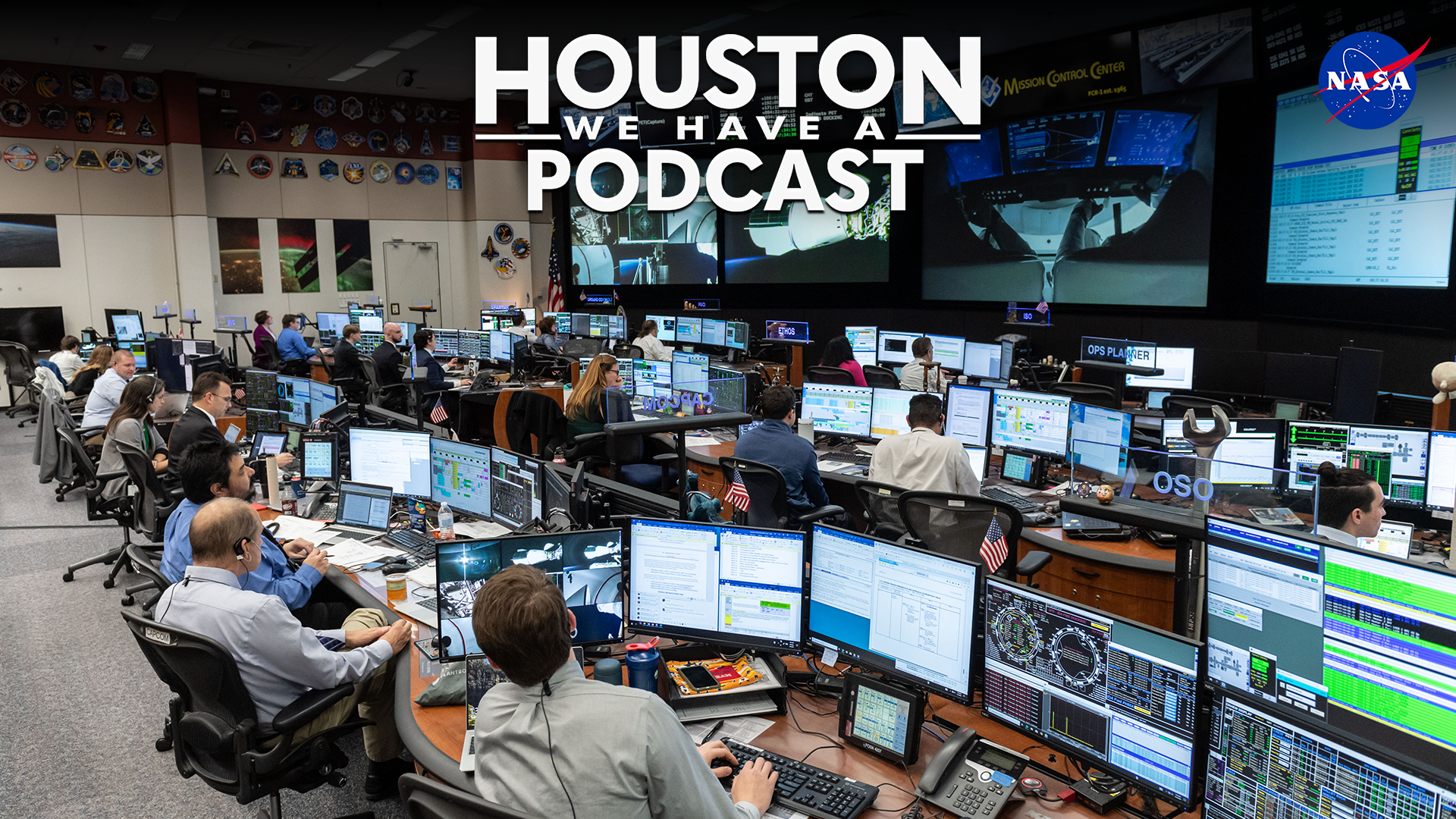
Four flight controllers from NASA’s Mission Control Center discuss how they create astronauts’ daily schedules, track where all equipment is stored, and manage electricity and internet on the space station. HWHAP 380
There’s one planet NASA studies more than any other: Earth. With our unique vantage point from space, NASA collects information about our home in ways nobody else can. In this podcast miniseries, celebrate our home planet by learning how NASA studies Earth—including unique views of ocean color and sea level, land data that help farmers improve crop production, and researching our atmosphere from the air we breathe to layers high above us that protect every living thing on the planet.
Long before joining NASA’s Test and Evaluation Support Team contract in October 2024, Angel Saenz was already an engineer at heart. A STEM education program at his high school helped unlock that passion, setting him on a path that would eventually lead to NASA’s White Sands Test Facility in Las Cruces, New Mexico. The program
NASA and Axiom Space experts discuss the lunar spacesuit Axiom is developing that astronauts will wear when they step foot on the Moon again during the Artemis III mission. HWHAP 379
A Martian dust devil can be seen consuming its smaller friend in this short video made of images taken at the rim of Jezero Crater by NASA's Perseverance Mars rover on Jan. 25, 2025.
NASA has a long history of bringing together science, engineering and art. Space exploration is a human endeavor—one that requires creativity. In this special live episode, NASA astronaut Matthew Dominick and comedian and musician Reggie Watts talk flow states, aircraft ejector seats and more. Plus, a new NASA tool that lets you make music from iconic Hubble Space Telescope imagery.
NASA astronaut Jonny Kim discusses his upcoming mission to the International Space Station, his experience in the military and medical field, and his journey to becoming an astronaut. HWHAP 378
The phases of the lunar eclipse are visible in this time-lapse image of the Moon above the Space Environments Complex at NASA’s Glenn Research Center at NASA’s Neil Armstrong Test Facility in Sandusky, OH on March 14, 2025. Toward the middle of the Moon’s track through the sky, it appears red – this is the
When it launched in 1990, NASA expected the Hubble Space Telescope to last for about 15 years. Thirty-five years later, Hubble is still showing us the universe as no other telescope can. Go behind the scenes with Morgan Van Arsdall, deputy operations manager for Hubble, on an audio tour of Hubble’s control center. Morgan’s team keeps Hubble operating smoothly, and when something goes wrong, they snap into action to fix it. Plus, hear how Hubble tag-teams with newer observatories—including the James Webb Space Telescope—and continues to push the frontiers of astronomy.
NASA engineers turn dreams into reality, solving complex challenges to push exploration forward. From landing rovers on Mars to advancing deep space missions, their ingenuity makes it all possible. This episode with Chief Engineer Joe Pellicciotti and Deputy Chief Engineer Katherine Van Hooser celebrates the innovation, dedication, and impact of NASA’s engineering community.
Ever wondered what it takes to capture NASA’s most breathtaking moments? From rocket launches to behind-the-scenes astronaut training, Bill Ingalls, senior contract photographer for NASA Headquarters has spent decades framing history through his lens. In this episode, we dive into his journey, how he and his team prepare for assignments, and the importance of visual storytelling.