Live now • 14,491 watching • As bandwidth allows, this stream will feature live views from the Orion spacecraft, without commentary, as it makes its journey around the Moon. Viewers will see a blue screen if there is a...
Live now • 7,610 watching • Join us for today's mission briefing following the successful launch of Artemis II on April 1, 2026. NASA leaders are providing status updates, answering media questions, and discussing mission...
Live now • 11,563 watching • Join us as Artemis II astronauts aboard the Orion spacecraft hold a news conference to answer media questions on their way home to Earth. Participants include: - NASA astronaut Reid Wiseman,...
Live now • 11,835 watching • Join us for today's mission briefing following the successful launch of Artemis II on April 1, 2026. NASA leaders are providing status updates, answering media questions, and discussing mission...
Live now • 23,962 watching • Join us for today's mission briefing following the lunar flyby on April 6, 2026. NASA leaders are providing status updates, answering media questions, and discussing mission activities for...
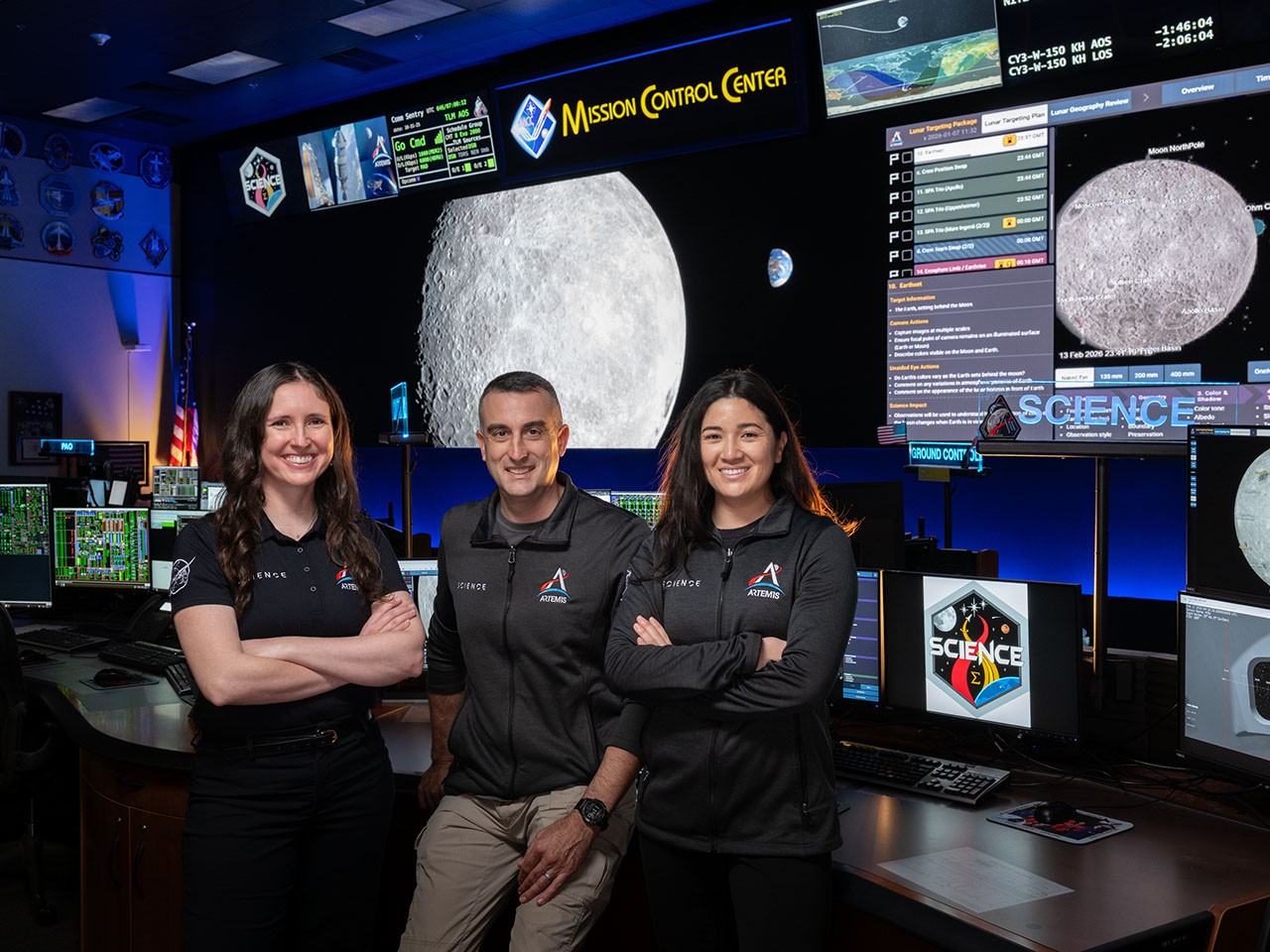
NASA’s first Artemis II science officers—Kelsey Young, Trevor Graff, and Angela Garcia—are pioneering a new era of mission operations by integrating advanced lunar science directly into Mission Control. Their work will shape how future Artemis crews observe, analyze, and deepen our understanding of the Moon.
For the second consecutive year, winter sea ice in the Arctic reached a level that matches the lowest peak observed since satellite monitoring began in 1979. On March 15, Arctic sea ice extent reached 5.52 million square miles (14.29 million square kilometers), very close to the 2025 peak of 5.53 million square miles (14.31 million
Astronomers using NASA’s Hubble Space Telescope have found evidence that the spinning of a small comet slowed and then reversed its direction of rotation, offering a dramatic example of how volatile activity can affect the spin and physical evolution of small bodies in the solar system. This is the first time researchers have observed evidence
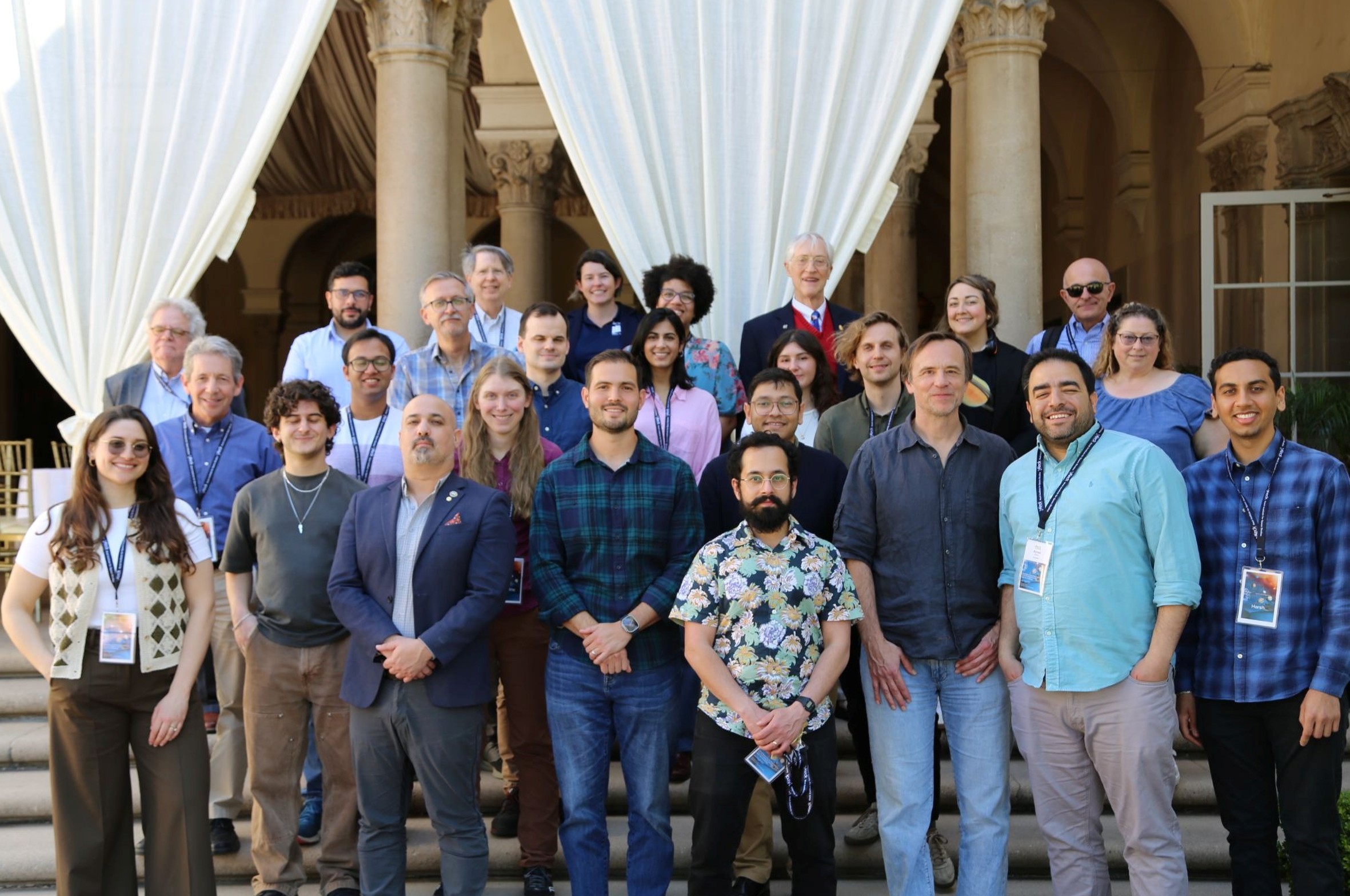
As NASA seeks to understand the mysteries of the universe, the agency is advancing technologies to locate and explore Earth-like planets far beyond our solar system. A key element of this research involves observing reflected light from exoplanets, which can reveal indicators of Earth-like features such as water and oxygen. However, detecting this faint reflected
Editor’s Note: This article was originally published on April 25, 2022 and has been updated to reflect changes including the completion of Hangar One’s restoration. Restoration has been completed on Hangar One, a historic landmark in the San Francisco Bay Area and a key part of the region’s early aviation history. In December 2025, Planetary Ventures completed restoration of
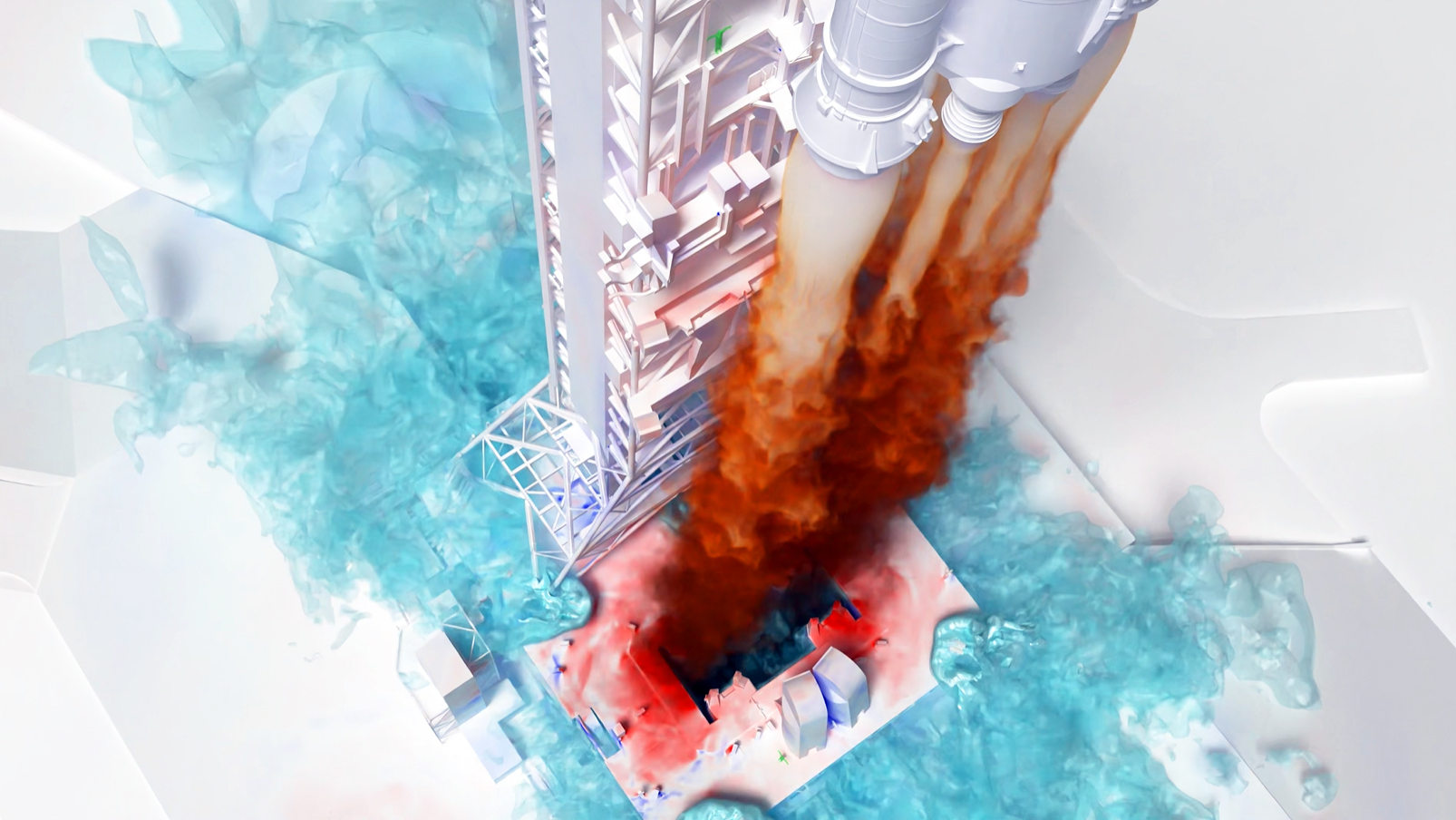
Airflow around rockets as they travel from Earth into space can have a dramatic impact on a mission, which is why NASA used advanced simulations to provide the best possible launch conditions for the Artemis II test flight around the Moon. To better understand the Artemis Space Launch System (SLS) rocket’s flight environment, engineers turned to a NASA-developed tool called the Launch, Ascent, and Vehicle Aerodynamics
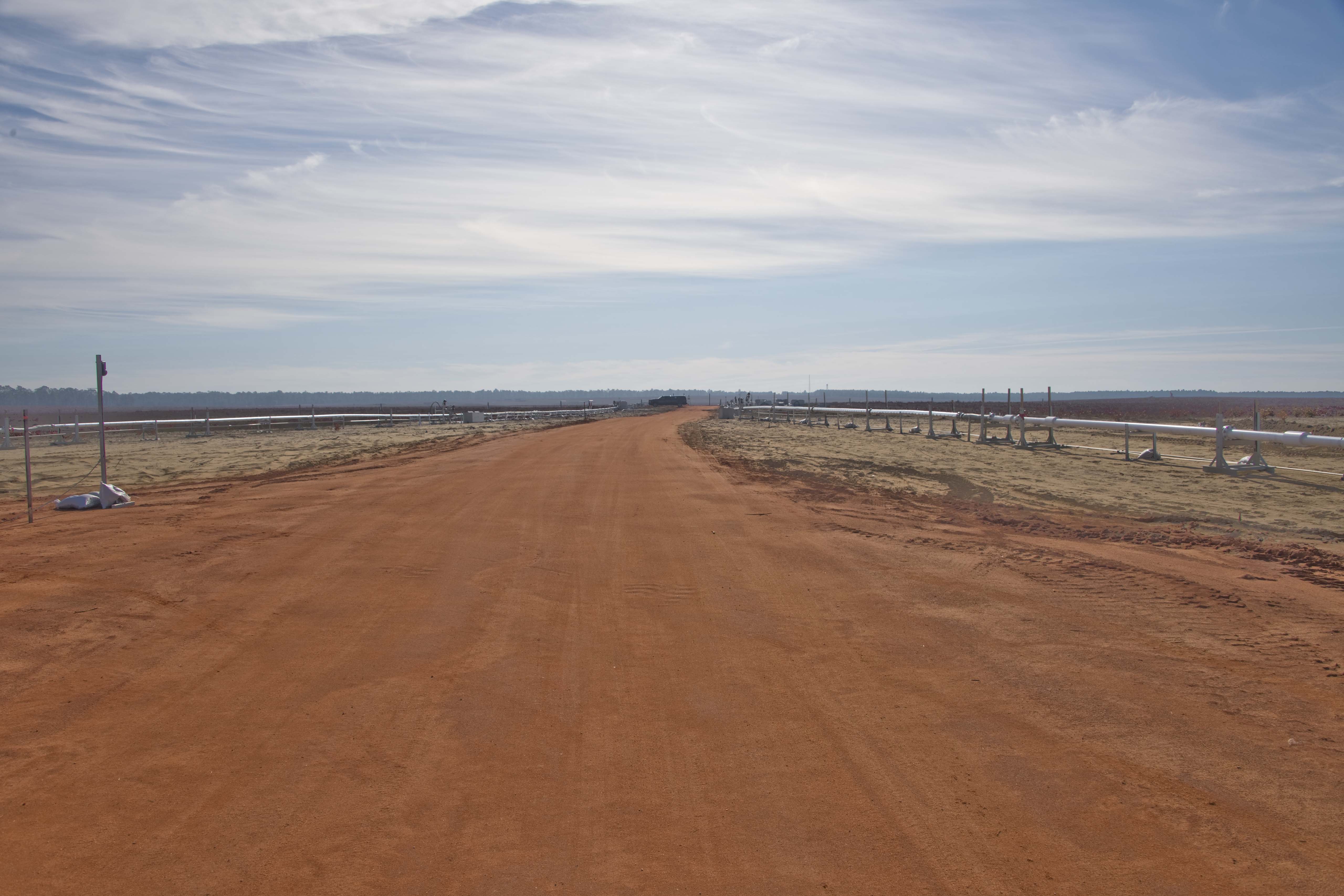
Commercial launch providers continue to advance propulsion technology with a renewed focus on liquid oxygen and methane propelled rockets and spacecraft. As systems grow in scale, carrying millions of pounds of propellant, so too does the responsibility to fully understand the safety profile. Engineers at NASA, with decades of cryogenic and test operations expertise, are
In one of the biggest surprises of NASA’s OSIRIS-REx mission, its target asteroid, Bennu, turned out to be a jagged, rugged world covered in large boulders, with few of the smooth patches of sandy or pebbly material scientists had expected based on observations with Earth-based instruments. Bennu’s looks were quite deceiving, and until now, scientists struggled to figure out why.
As four astronauts travel around the Moon on NASA’s Artemis II mission, they will venture beyond Earth’s protective magnetic field. The crew’s spacecraft, Orion, will carry and protect them as they journey into deep space and serves as the main protection against the Sun’s intense power. During their 10-day flight, NASA and the National Oceanic and Atmospheric Administration (NOAA) will monitor the
A testing replica of the “backbone” of NASA’s James Webb Space Telescope and a full-scale model of the agency’s Parker Solar Probe are now on permanent display at the Smithsonian’s National Air and Space Museum, Steven F. Udvar-Hazy Center in Chantilly, Virginia.
The Graphics and Visualization Lab (GVIS) at NASA Glenn Research Center creates a variety of immersive visualizations and simulations in support of NASA’s missions, projects, and future innovations. These visual tools help scientists, engineers, and researchers develop new solutions that bring their projects to life. Virtual System Simulations The GVIS Lab prides itself on creating
The Graphics and Visualization Lab (GVIS) at NASA Glenn Research Center creates a variety of immersive visualizations and simulations in support of NASA’s missions, projects, and future innovations. These visual tools help scientists, engineers, and researchers develop new solutions that bring their projects to life. Conceptual Visual Designs GVIS creates conceptual visual designs for proposed
The Graphics and Visualization Lab (GVIS) at NASA Glenn Research Center creates a variety of immersive visualizations and simulations in support of NASA’s missions, projects, and future innovations. These visual tools help scientists, engineers, and researchers develop new solutions that bring their projects to life. Scientific Visualizations GVIS creates scientific visualizations to explain complex scientific
The Graphics and Visualization Lab (GVIS) at NASA Glenn Research Center creates a variety of immersive visualizations and simulations in support for NASA’s missions, projects, and future innovations. These visual tools help scientists, engineers, and researchers develop solutions to bring their projects to life. Test Facility Models GVIS creates visualizations of various NASA test facilities.