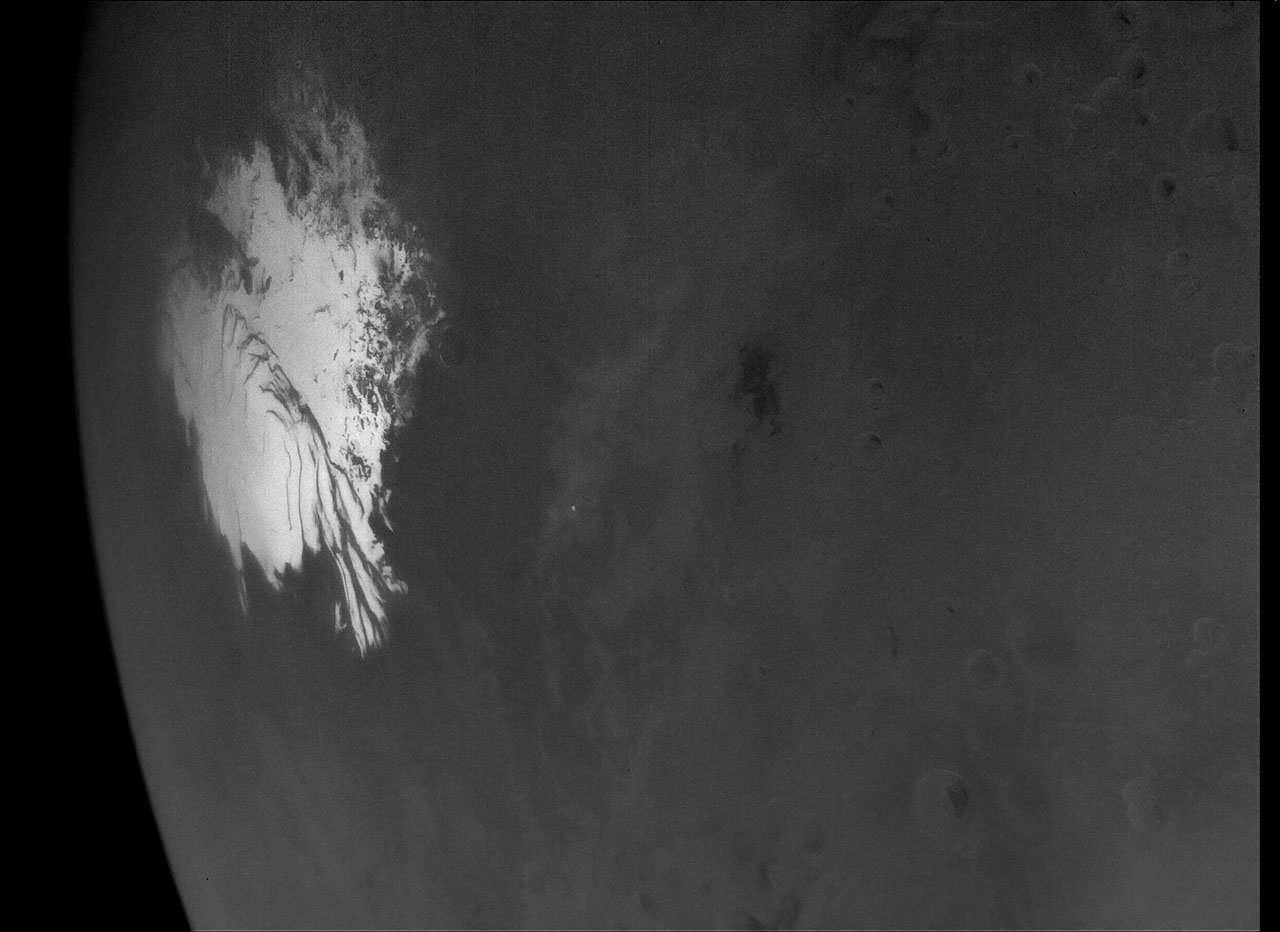
Description This is the highest-resolution view of the water ice-rich south polar cap of Mars captured by NASA’s Psyche mission after it made its close approach with the planet for a gravity assist. The image scale is around 0.7 miles per pixel (1.14 kilometers per pixel). The cap itself extends across more than 430 miles
Description This is the highest-resolution view of the water ice-rich south polar cap of Mars captured by NASA’s Psyche mission after it made its close approach with the planet for a gravity assist. The image scale is around 0.7 miles per pixel (1.14 kilometers per pixel). The cap itself extends across more than 430 miles […] The post Psyche’s High-Resolution View of Mars’ South Pole appeared first on NASA Science .
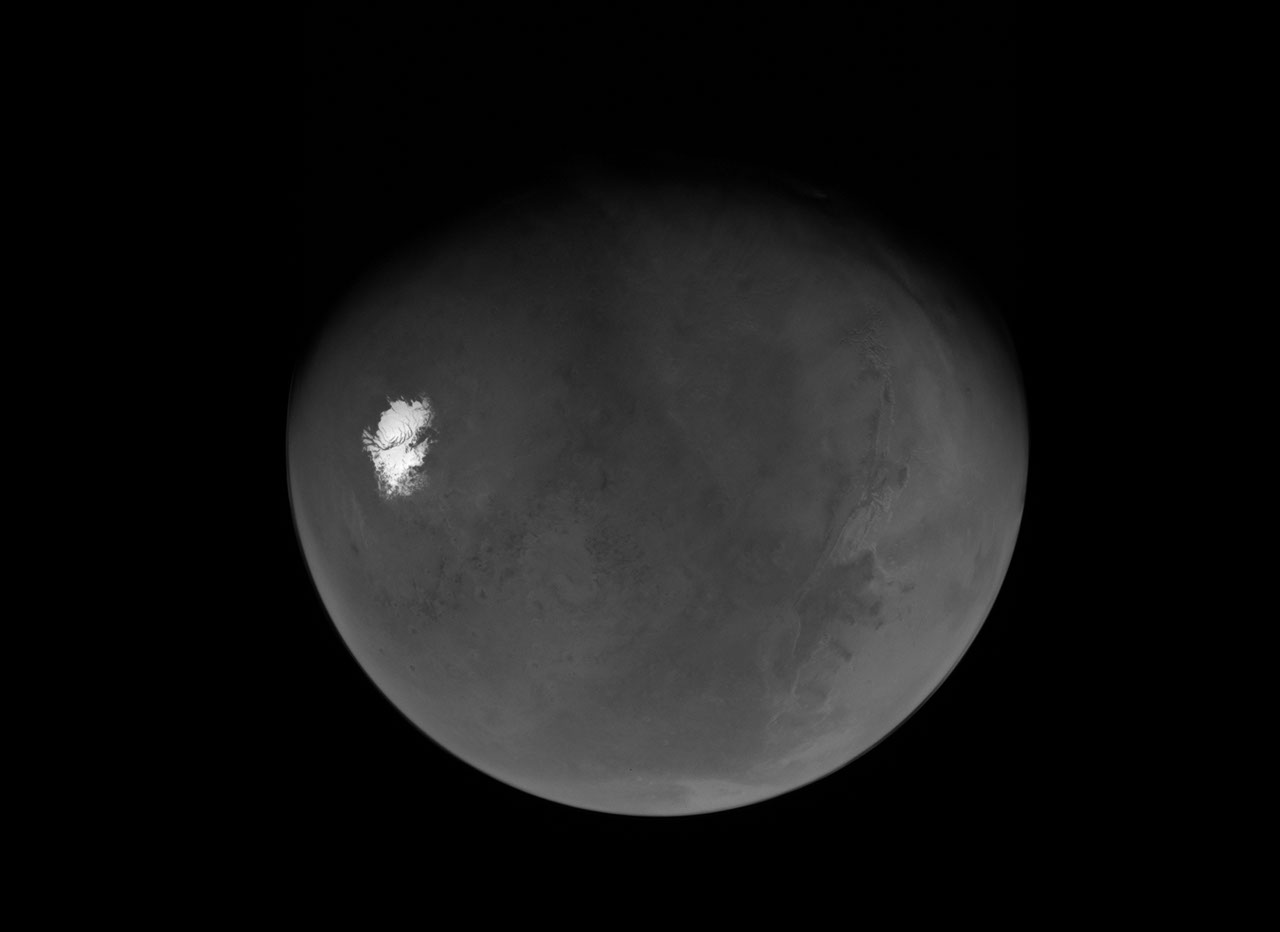
Description This is Psyche’s first view of a nearly “full Mars” seen shortly after the spacecraft’s closest approach to the planet on May 15, 2026. The view extends from the south polar cap northwards to the Valles Marineris canyon system and beyond. With Mars in the rearview mirror, the spacecraft will soon resume use of
Description This is Psyche’s first view of a nearly “full Mars” seen shortly after the spacecraft’s closest approach to the planet on May 15, 2026. The view extends from the south polar cap northwards to the Valles Marineris canyon system and beyond. With Mars in the rearview mirror, the spacecraft will soon resume use of […] The post NASA’s Psyche Mission Sees Mars’ South Pole After Flyby appeared first on NASA Science .
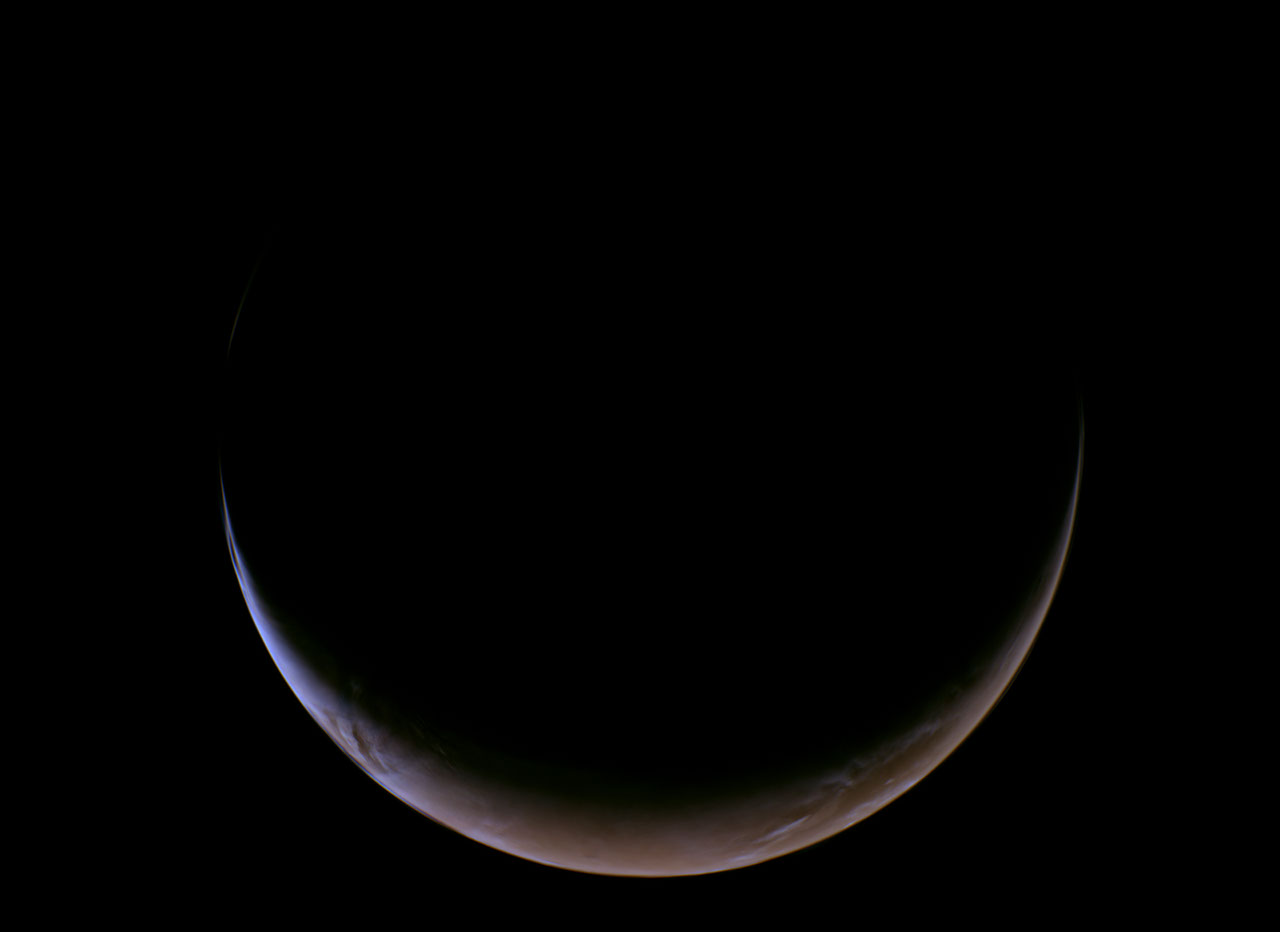
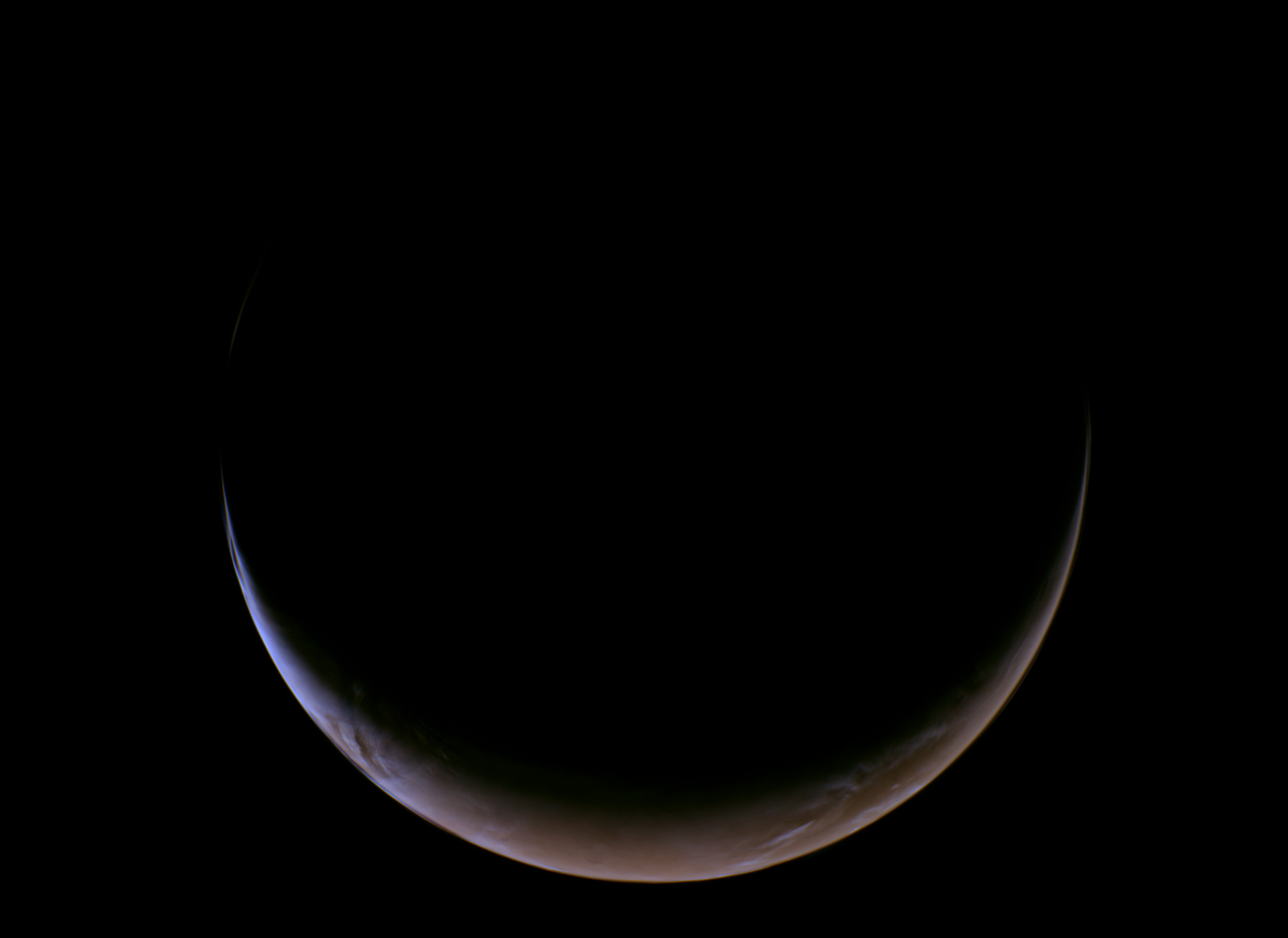
Description This view of a crescent Mars was captured on May 15, 2026, at about 5:03 a.m. PDT by NASA’s Psyche mission as it approached the planet for a gravity assist. Captured by the spacecraft’s multispectral imager instrument, this was the last view of the whole planet before it began to overfill the field of
Description This view of a crescent Mars was captured on May 15, 2026, at about 5:03 a.m. PDT by NASA’s Psyche mission as it approached the planet for a gravity assist. Captured by the spacecraft’s multispectral imager instrument, this was the last view of the whole planet before it began to overfill the field of […] The post NASA’s Psyche Mission Images the Crescent of Mars appeared first on NASA Science .
NASA’s Psyche spacecraft completed its close approach of Mars on May 15, coming within 2,864 miles (4,609 kilometers) of the planet’s surface. This flyby used a gravity assist from Mars to provide a critical boost in speed and to adjust the spacecraft’s orbital plane without using any onboard propellant, sending it on its way toward
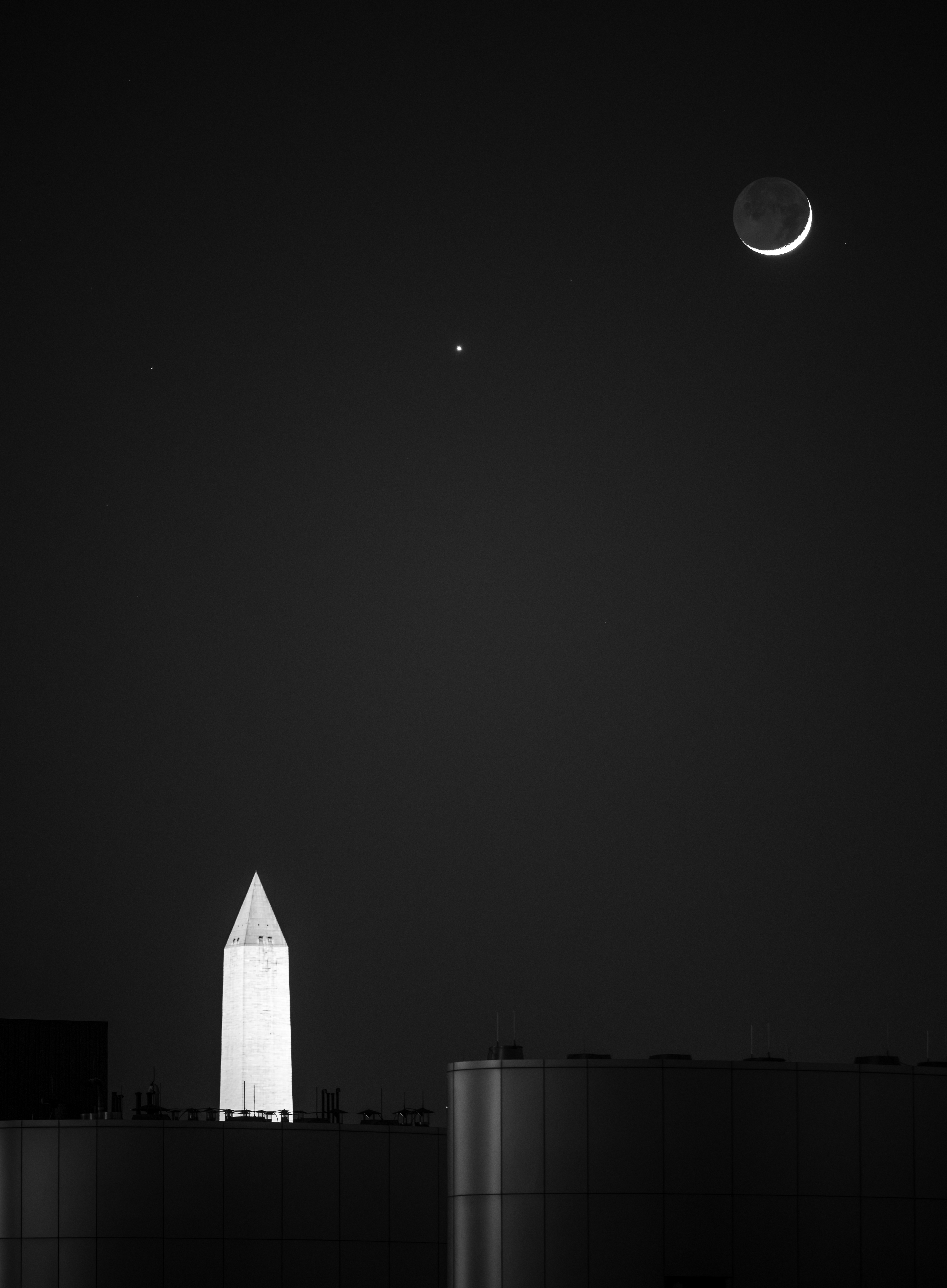
The Moon and Venus, center, are seen in conjunction above the Washington Monument, Monday, May 18, 2026, as viewed from the Mary W. Jackson NASA Headquarters Building in Washington.
NASA’s Artemis II crew had many technical and operational responsibilities during their historic mission to the Moon, but they also served an important role as scientific ambassadors to Earth’s nearest neighbor. On their 10-day journey, the crew flew by the far side of the Moon, analyzing and photographing geologic features such as impact craters and
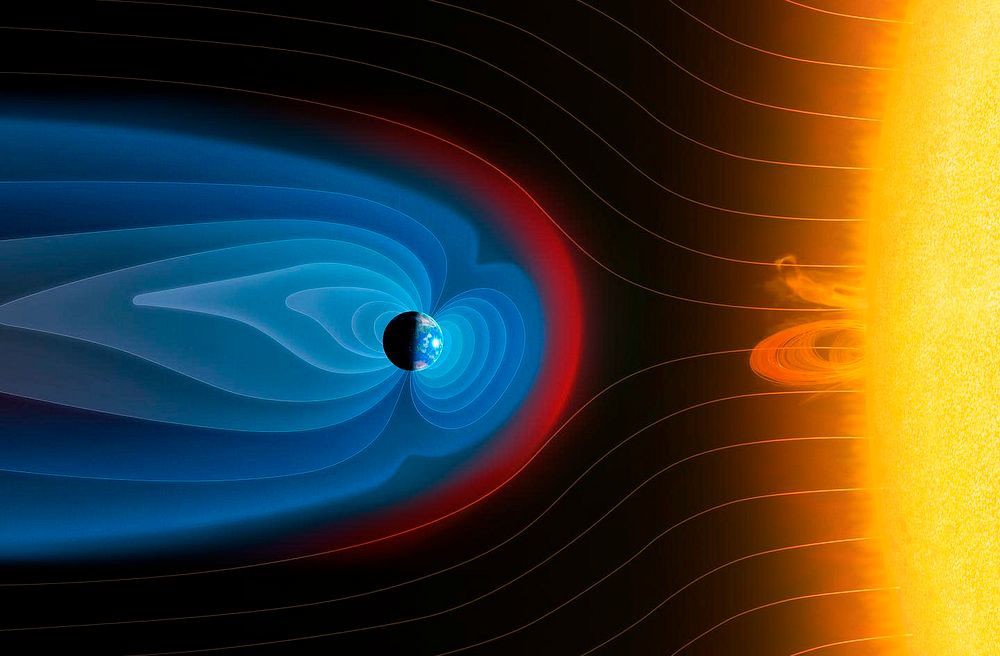
NASA’s Magnetospheric Multiscale (MMS) mission has collected more than ten years of data from this zone – more than scientists can analyze alone. As Shock Detectives, you’ll help sort the chaotic from peaceful regions of the data, giving researchers a crucial set of clues.
The glacial lake left a layer of silt and clay in southeastern Manitoba, creating fertile farmland that was divided during 19th-century land surveys and is still farmed today.
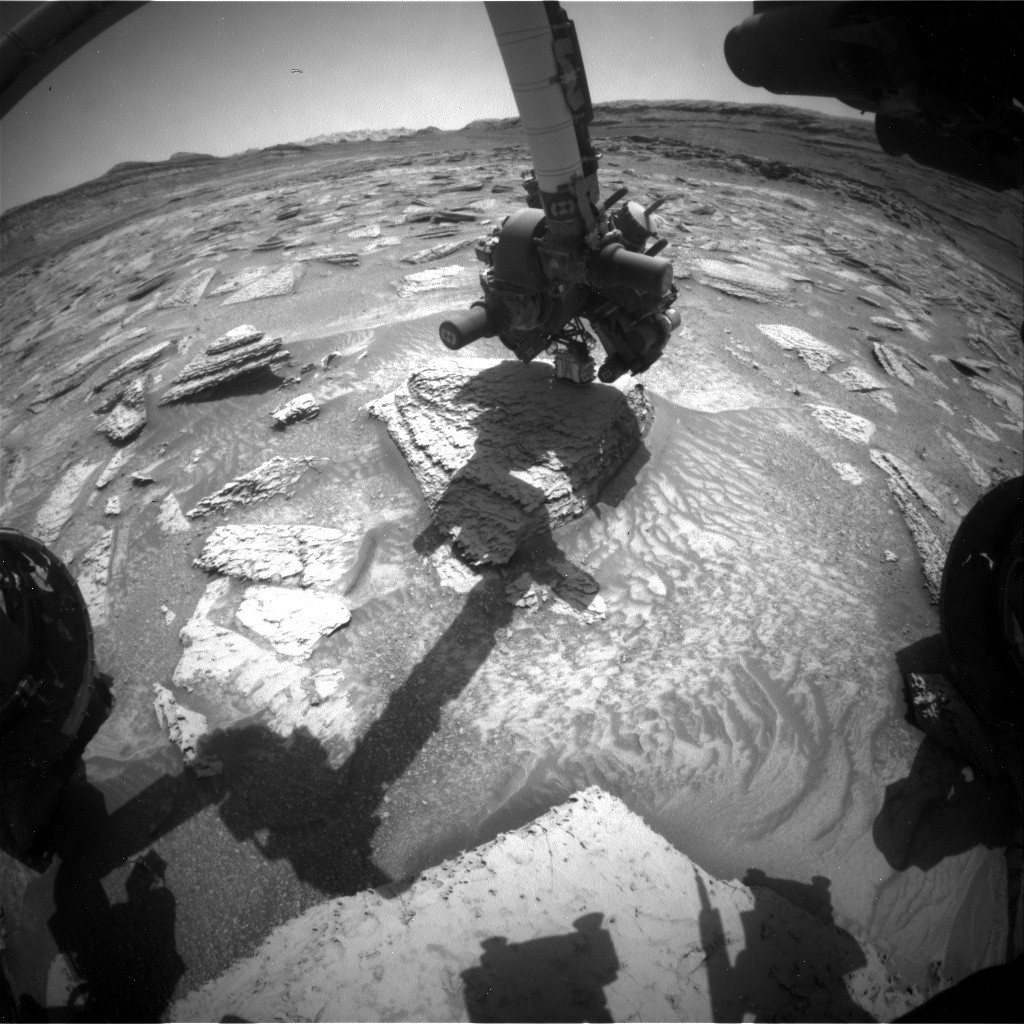
Written by Lucy Lim, Planetary Scientist at NASA Goddard Space Flight Center Earth planning date: Friday, May 15, 2026 After freeing the rover’s arm from the “Atacama” block, we are ready to drill again! The new drill target will represent the same geologic stratum as Atacama, which is the layered sulfate unit above the boxwork
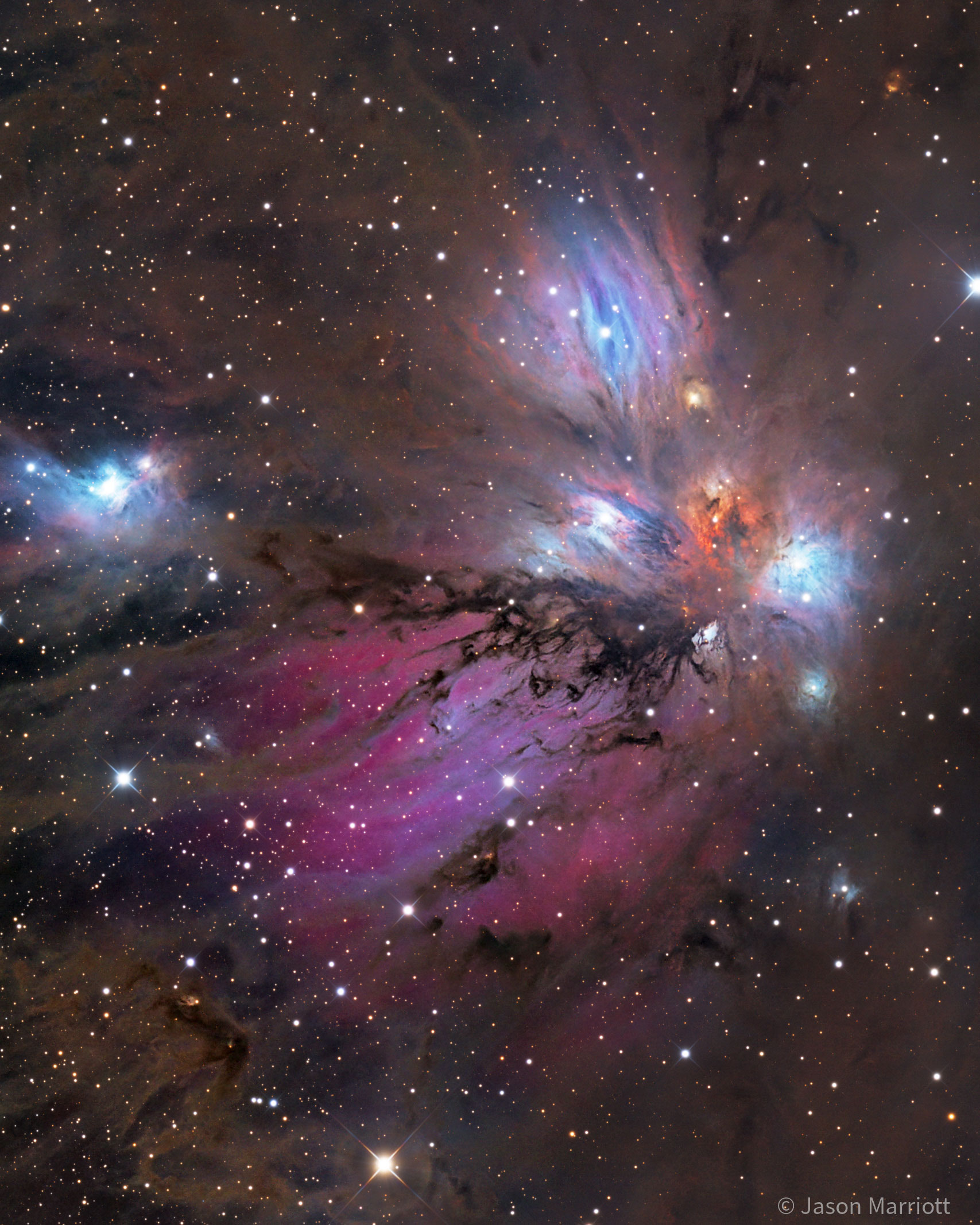
Is this a painting or a photograph? In this celestial abstract art composed with a cosmic brush, dusty nebula NGC 2170, also known as the Angel Nebula, shines just above the image center. Reflecting the light of nearby hot stars, NGC 2170 is joined by other bluish reflection nebulae, a red emission region, many dark absorption nebulae, and a backdrop of colorful stars. Like the common household items that abstract painters often choose for their subjects, the clouds of gas, dust, and hot stars featured here are also commonly found in a setting like this one -- a massive, star-forming molecular cloud in the constellation of the Unicorn (Monoceros). The giant molecular cloud Mon R2, is impressively close, estimated to be only 2,400 light-years or so away. At that distance, this canvas would be over 60 light-years across. Almost Hyperspace: Random APOD Generator
Faint but fast CME with a dimpled, unclear front seen to the E in SOHO LASCO C2/C3 and GOES CCOR-1 coronagraphs but fully covered by the night-time data gap in STEREO A COR2. The source of it is clearly far-sided, as indicated by a minor but clear movement/opening of field lines seen behind the E limb only in GOES SUVI 195 starting at 2026-05-18T21:05Z.
Three photographers at NASA’s Johnson Space Center who inspire the world through visual storytelling earned top honors in the portrait category at the 2025 NASA Imagery Experts Program Annual Awards. “Congratulations to all three on this impressive achievement and for capturing such breathtaking imagery,” said Johnson Director Vanessa Wyche. “Their work represents the collaboration, precision,
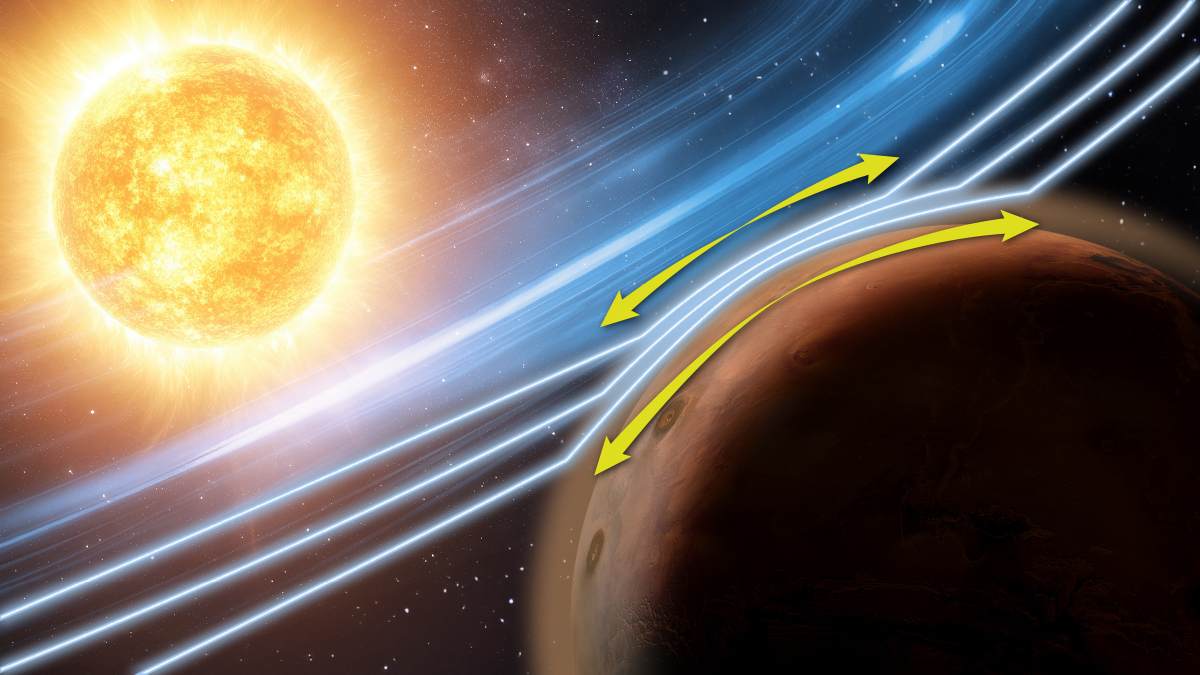
In December 2023, scientists looking at Mars data stumbled across something completely unexpected — observations of an atmospheric effect never before seen in the Red Planet’s atmosphere. Using instruments aboard NASA’s MAVEN (Mars Atmosphere and Volatile Evolution) mission, scientists identified a phenomenon known to occur in Earth’s magnetosphere, where charged particles are squeezed like toothpaste
18 May 2026, 17:00 GMTBy Nathan Cranford2 variants
The NASA-funded Translational Research Institute for Space Health (TRISH) has selected two early‑career scientists for its next class of postdoctoral fellows. The new fellows will begin their projects in May, focusing on space food systems and astronaut eye health. The TRISH Postdoctoral Fellowship Program supports independent research that advances biomedical, behavioral, and technological approaches relevant
This latest Picture of the Month from the NASA/ESA/CSA James Webb Space Telescope features Messier 77 (M77), a barred spiral galaxy famous and appreciated among astronomers for its combination of relative proximity and spectacular features to study. It is located 45 million light-years away in the constellation Cetus (The Whale).
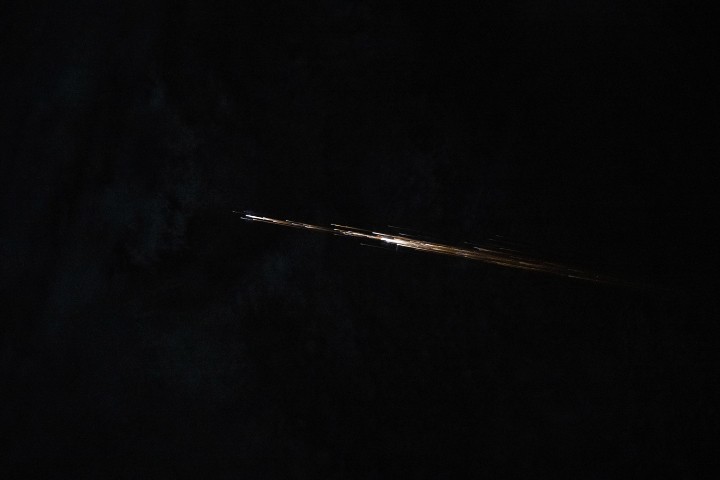
An astronaut on the International Space Station was surprised to photograph a shower of light streaking through the darkness while looking out of the Cupola.
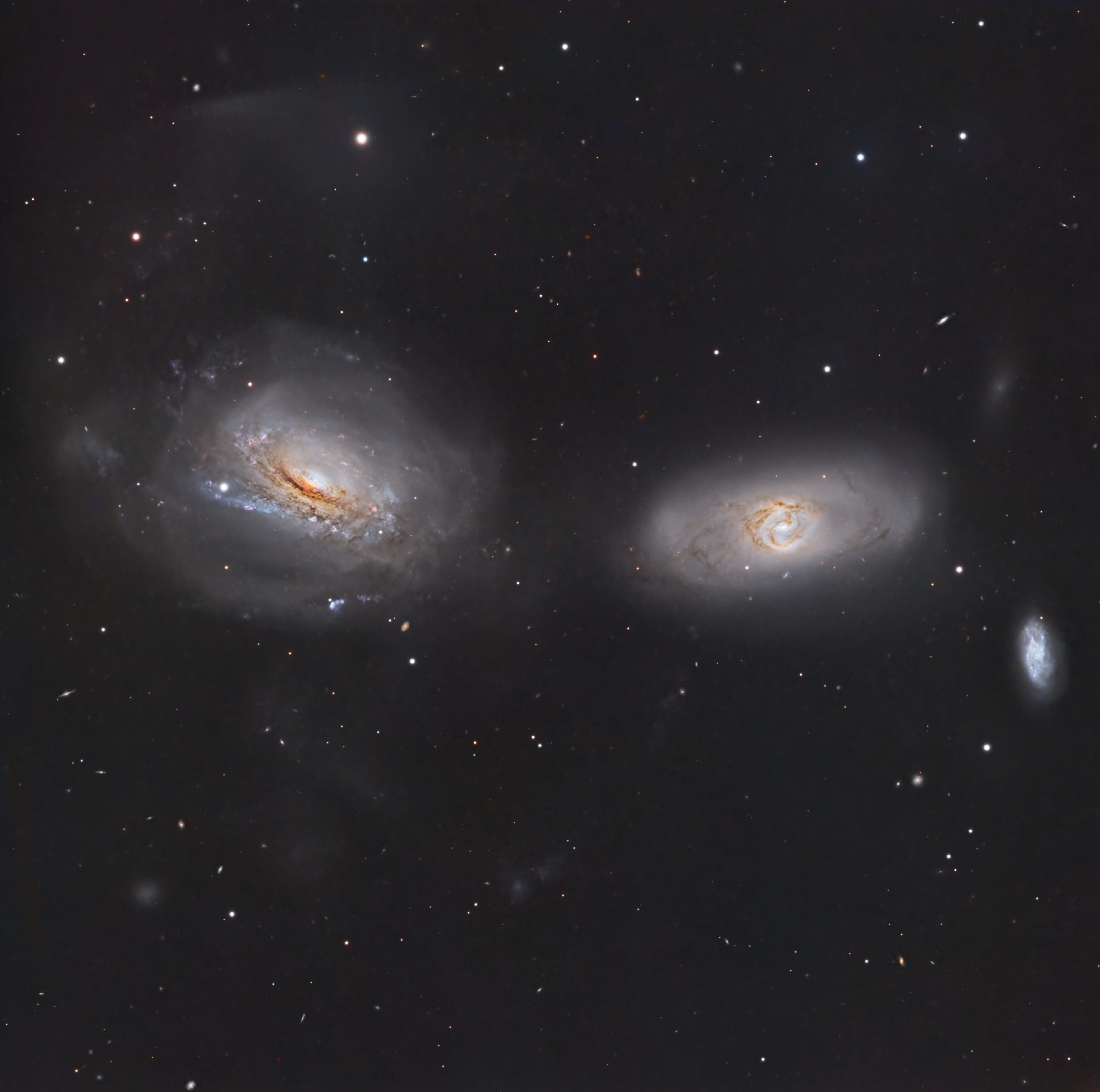
Spiral galaxy NGC 3169 looks to be unraveling like a ball of cosmic yarn. It lies some 70 million light-years away, south of bright star Regulus toward the faint constellation Sextans. Wound up spiral arms are pulled out into sweeping tidal tails as NGC 3169 (left) and neighboring NGC 3166 interact gravitationally. Eventually the galaxies will merge into one, a common fate even for bright galaxies in the local universe. Drawn out stellar arcs and plumes are clear indications of the ongoing gravitational interactions across the deep and colorful galaxy group photo. The telescopic frame spans about 20 arc minutes or about 400,000 light-years at the group's estimated distance, and includes smaller, bluish NGC 3165 to the right. NGC 3169 is also known to shine across the spectrum from radio to X-rays, harboring an active galactic nucleus that is the site of a supermassive black hole.