
Active filters Type: Article
Clear all
30 Sep 2025, 13:19 GMT

In the space between stars, dark clouds of gas, dust, and ice mingle in a chemical laboratory unlike any on Earth. Ewine van Dishoeck, an astronomer who studies molecules in space and who helped develop an instrument aboard NASA’s James Webb Space Telescope, explains how Webb is revealing new details about the formation of stars and planets. This research could help unlock a key question about Earth: how did our planet end up with water and the ingredients for life?

Download item bundle
How Webb Illuminates Stars’ Cloudy Origins
24 Sep 2025, 18:00 GMT

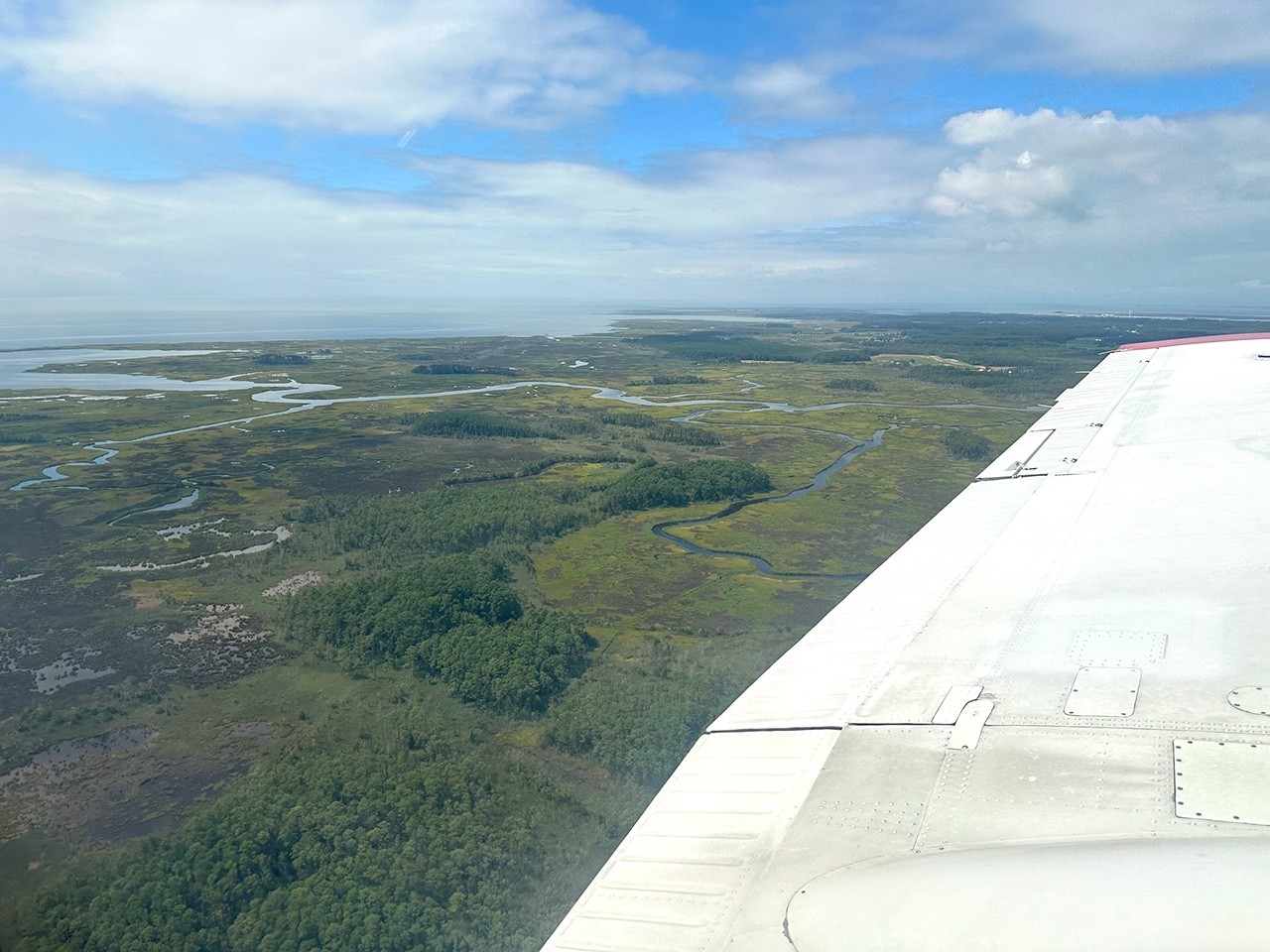
Magic is in the air. No wait… MAGEQ is in the air, featuring scientists from NASA centers across the country who teamed up with the National Oceanic and Atmospheric Administration (NOAA), the University of Maryland Baltimore County, and several other university and government partners and collaborators. This summer, six planes collectively flew more than 400

Download item bundle
NASA Aircraft Coordinate Science Flights to Measure Air Quality
23 Sep 2025, 13:00 GMT

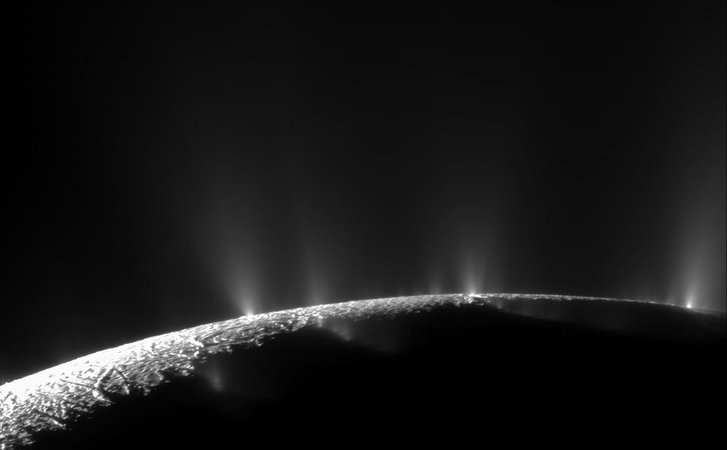
NASA’s James Webb Space Telescope is hard at work answering our biggest questions about the birth of our universe and faraway galaxies. But some astronomers are pointing its powerful eyes much closer to home. In this episode, Caltech astronomer Katherine de Kleer explains how Webb is rewriting our understanding of objects within our solar system–from space rocks in the asteroid belt to the icy and volcanic moons of Jupiter and Saturn.

Download item bundle
18 Sep 2025, 14:25 GMT

On September 17, 2025, NASA announced that the number of exoplanets, planets outside our solar system, tracked by NASA has reached 6,000. In the three decades since the groundbreaking detection of exoplanet 51 Pegasi b, the first confirmed planet orbiting a Sun-like star, astronomers have concluded that exotic worlds are everywhere.

Download item bundle
16 Sep 2025, 14:36 GMT By Gerelle Q. Dodson

NASA has earned a spot on The Webby 30, a curated list celebrating 30 companies and organizations that have shaped the digital landscape. “This honor reflects the talent of NASA’s communications professionals who bring our story to life,” said Will Boyington, associate administrator for the Office of Communications at NASA Headquarters in Washington. “Being recognized

Download item bundle
NASA Makes Webby 30s List of Most Iconic, Influential on Internet
15 Sep 2025, 20:16 GMT By Tiernan P. Doyle

NASA has selected Bastion Technologies Inc. of Houston to provide safety and mission assurance services for the agency’s Marshall Space Flight Center in Huntsville, Alabama. The Safety and Mission Assurance II (SMAS II) award is a performance-based, indefinite-delivery/indefinite-quantity contract with a maximum potential value of $400 million. A phase-in period begins Monday, followed by a

Download item bundle
NASA Awards Safety, Mission Assurance Services Contract
12 Sep 2025, 13:17 GMT

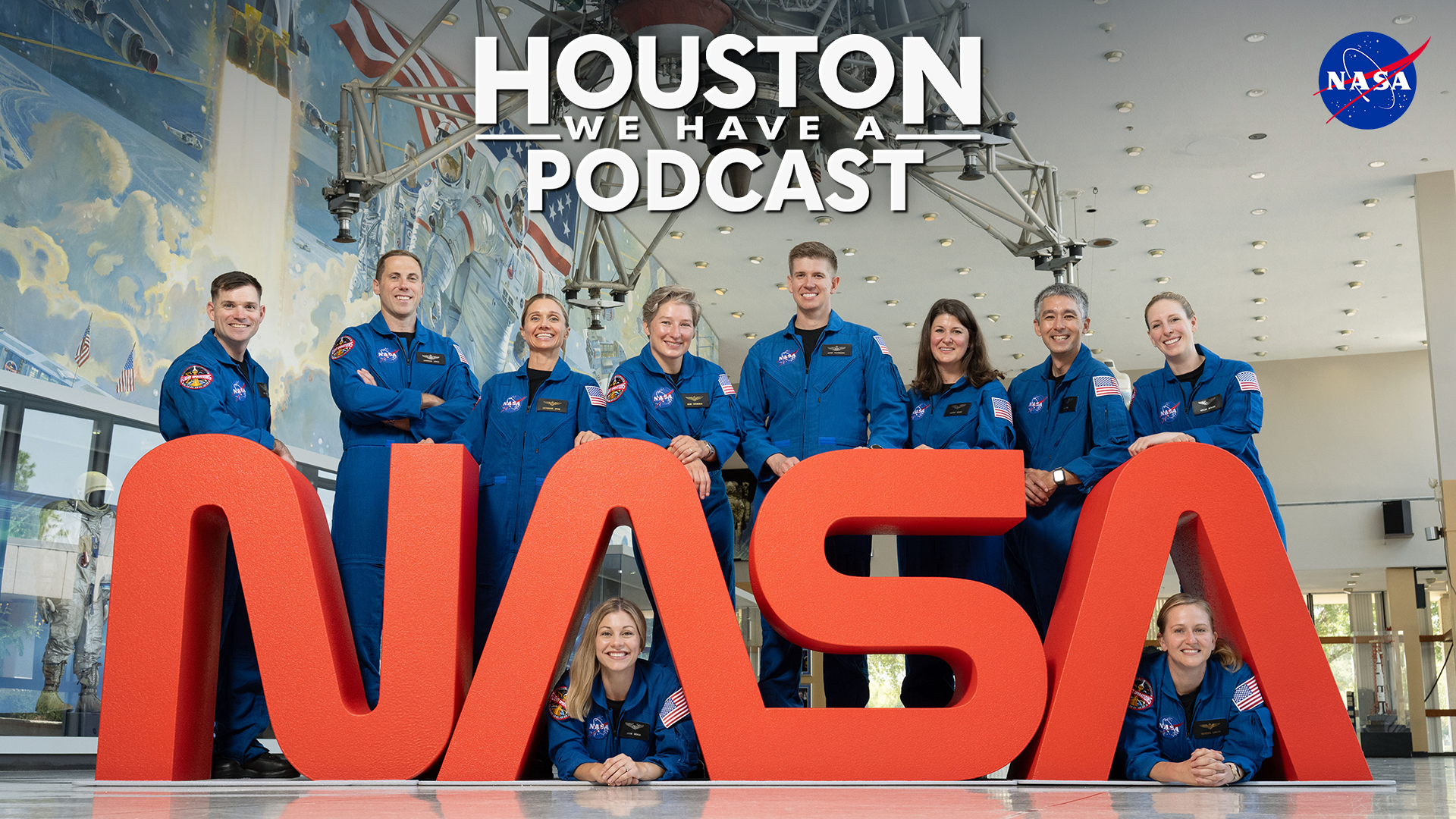
NASA Artemis II launch director Charlie Blackwell-Thompson shares her path to the console and what it takes to launch the first crewed Artemis mission to the Moon. HWHAP 401.

Download item bundle
Artemis II: Launch
5 Sep 2025, 14:00 GMT

Acting NASA Administrator Sean Duffy joins us for our milestone 400th episode to share his journey and vision for advancing NASA into the future. HWHAP 400.

Download item bundle
Advancing NASA
3 Sep 2025, 16:09 GMT

Some exoplanets—like a gas giant with rain made of glass and 5,000-mile-per-hour winds—sound like worlds dreamed up by a science fiction writer. But they’re real. From light-years away, scientists can uncover details about planets orbiting distant stars and even ask whether some exoplanets could support life. Néstor Espinoza, an astronomer at the Space Telescope Science Institute, explains how NASA’s James Webb Space Telescope is revealing new details about exoplanets, especially rocky worlds like Earth.

Download item bundle
2 Sep 2025, 14:00 GMT

Predecir la meteorología espacial es fundamental para el regreso de los seres humanos a la Luna con la campaña Artemis. Comprender la radiación solar y desarrollar sistemas de protección no es solo una cuestión de descubrimiento científico: es esencial para la seguridad de los astronautas más allá de la magnetósfera protectora de la Tierra. Y, en última instancia, para el éxito de nuestros ambiciosos planes de establecer una presencia sostenible en la Luna y, más adelante, en Marte.

Download item bundle
A toda vela: Cómo el estudio del Sol impulsa la exploración espacial