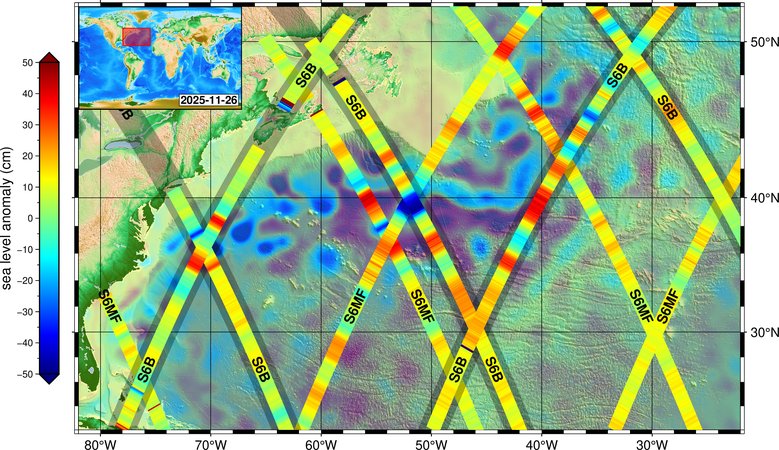
Read this press release in English here. La temperatura global de la superficie terrestre en 2025 fue un poco más cálida que en 2023 pero, dentro de los márgenes de error, ambos años está prácticamente empatados, según un análisis realizado por científicos de la NASA. Desde que comenzaron los registros en 1880, 2024 sigue siendo el
Lee este comunicado de prensa en español aquí. Earth’s global surface temperature in 2025 was slightly warmer than 2023 – but within the margin of error: the two years are effectively tied according to an analysis by NASA scientists. Since record-keeping began in 1880, the hottest year on record remains 2024. Global temperatures in 2025 were
El cosmos se expande cada vez más rápido y aún no sabemos por qué. En este episodio, nos adentramos en el cautivador misterio de la energía oscura, uno de los principales objetivos del próximo telescopio espacial Nancy Grace Roman de la NASA. Junto con la misión Euclid y otros observatorios, Roman nos permitirá finalmente responder a una de las grandes preguntas de la astrofísica moderna: ¿qué es la energía oscura?
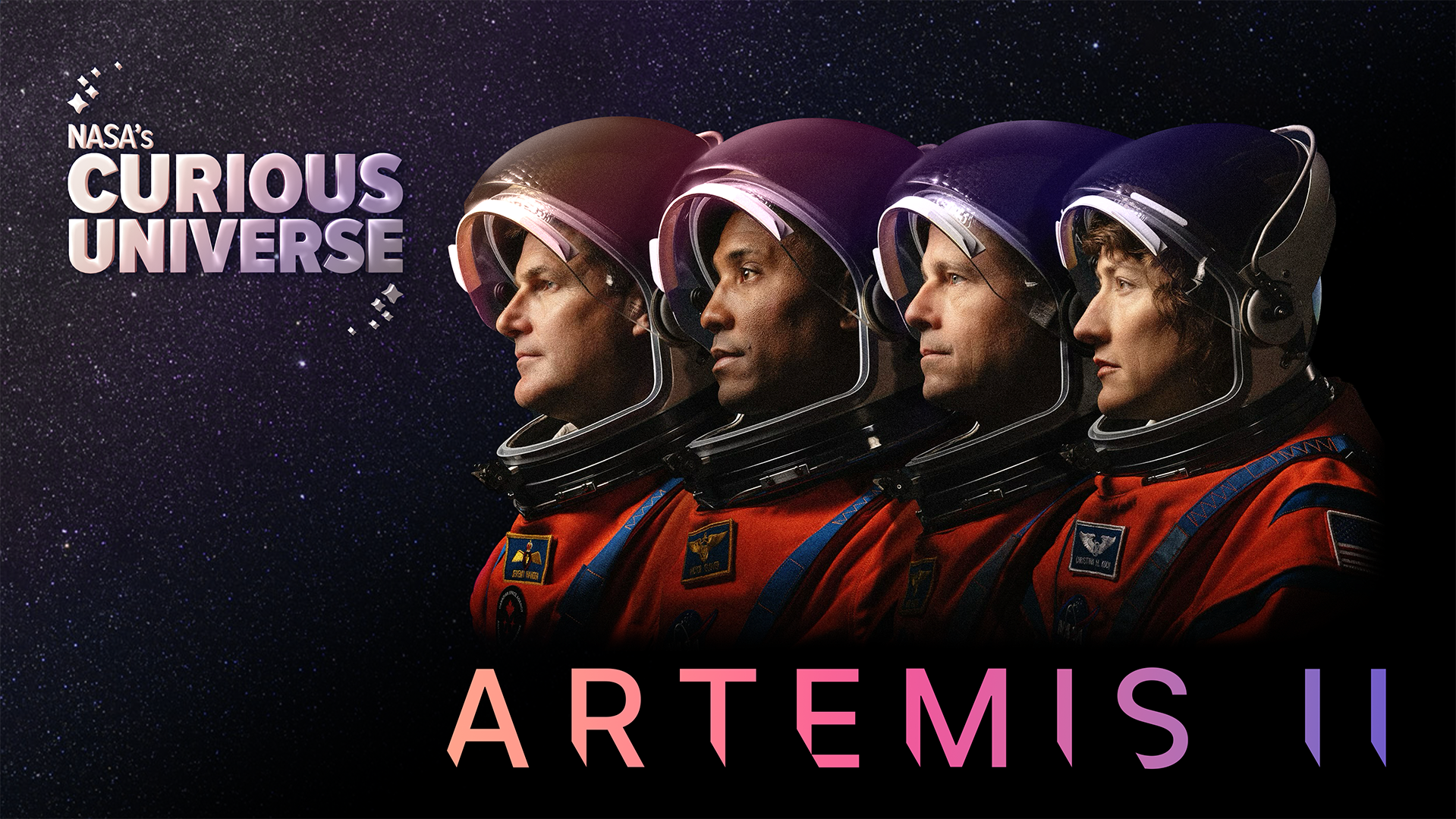
This year, four NASA astronauts will fly around the Moon and back for the first time since the Apollo program. Their mission is called Artemis II. It’s a key test flight that will set the stage for humans to land on the lunar South Pole for the first time and set up a long-term presence there. In this episode, meet your intrepid Artemis II crew: commander Reid Wiseman, pilot Victor Glover and mission specialists Christina Koch and Jeremy Hansen. For Artemis II news and the latest launch information, visit nasa.gov/artemis-ii
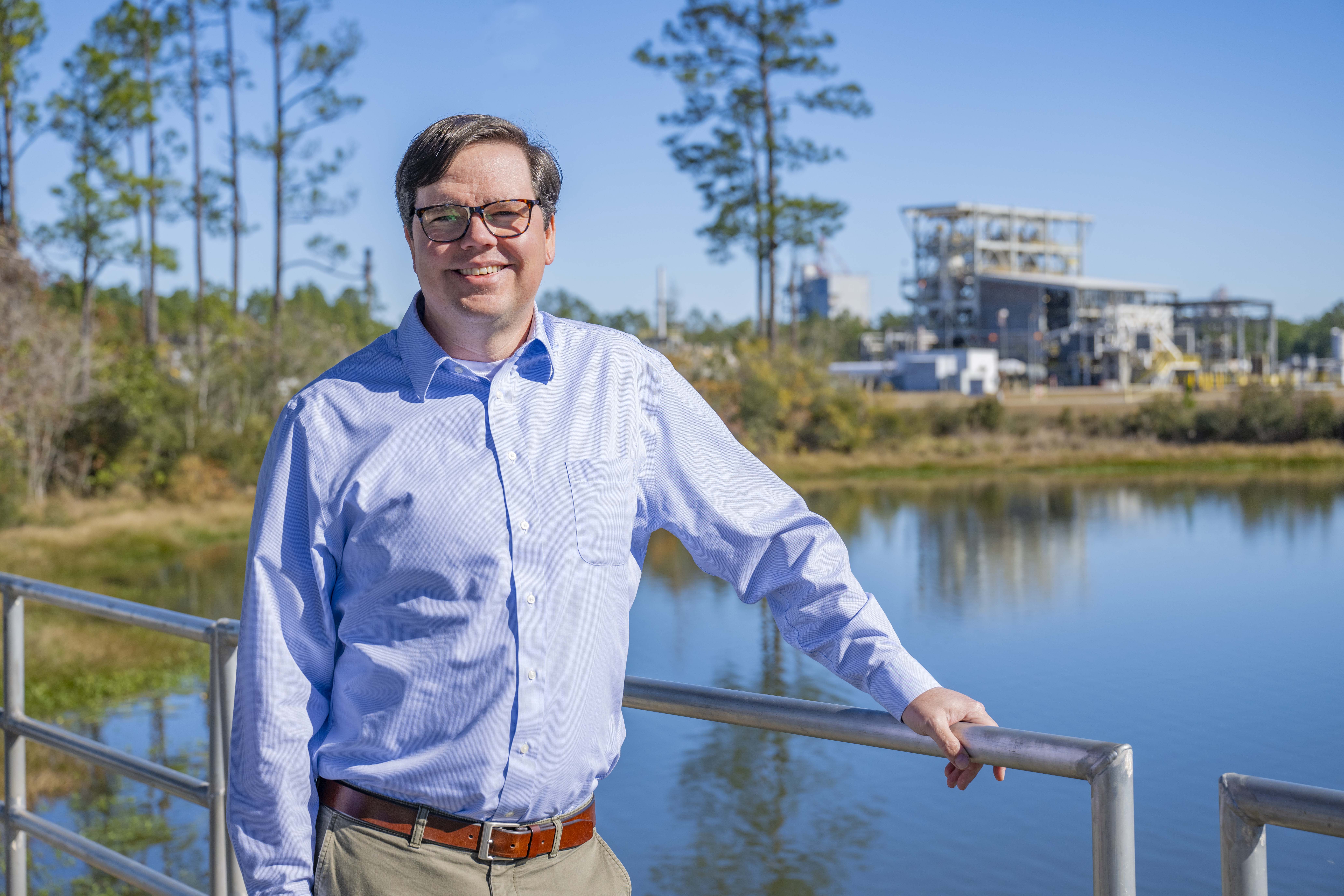
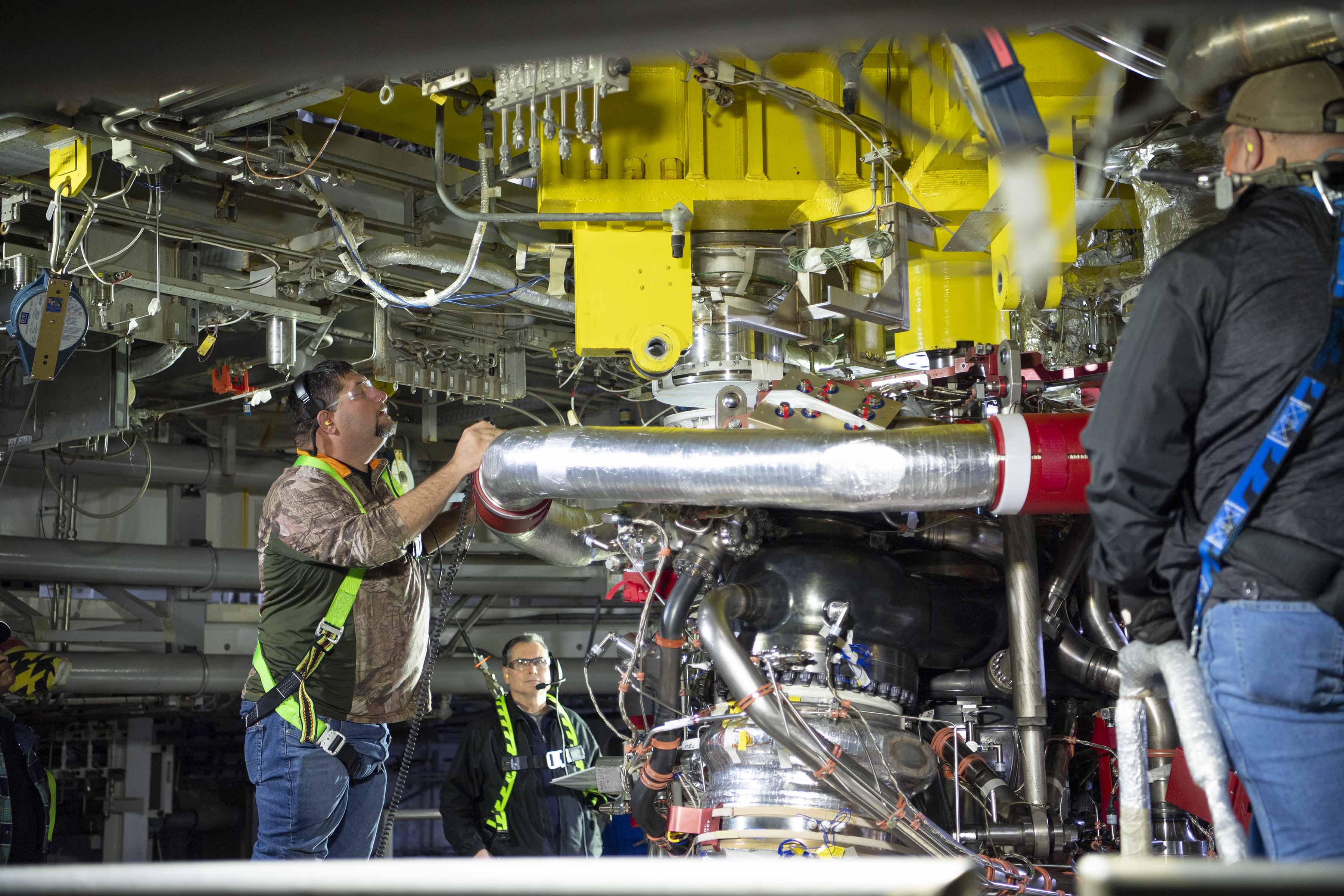
Richard Wear calls it an honor to be working at NASA’s Stennis Space Center near Bay St. Louis, Mississippi, during a historic time as NASA prepares to send astronauts around the Moon for the first time in more than 50 years on the Artemis II mission. “I have not stopped learning in the 15 years
This year, four NASA astronauts are flying around the Moon and back—and Curious Universe is bringing you along for the ride. The mission is called Artemis II. It’s a key test flight that will set the stage for future missions to land on the lunar South Pole for the first time and set up a long-term presence there. In this limited series, get to know your Artemis II astronaut crew, go behind the scenes at NASA facilities across the country and discover the teamwork, passion and problem-solving fueling humanity’s return to the Moon—and beyond. For Artemis II news and the latest launch information, visit nasa.gov/artemis-ii
NASA has selected ARES Technical Services Corporation of McLean, Virginia, to provide launch range operations support at the agency’s Wallops Flight Facility in Virginia. The Wallops Range Contract has a total potential value of $339.8 million with a one-year base period expected to begin Tuesday, Feb. 10, and four one-year option periods that if exercised
The James Webb Space Telescope is doing something astronomers dreamed about for decades: peering into our universe’s early past, a period known as cosmic dawn. A new NASA documentary—also called Cosmic Dawn—chronicles the inside story of Webb’s design, construction, and launch. John Mather, who won the 2006 Nobel Prize for Physics, proposed the telescope and led its science team for decades. In this interview, Mather talks about his life, his research, and the pre-dawn phone call telling him he had won the Nobel Prize. Find more at nasa.gov/cosmicdawn This episode was updated on Dec. 19, 2025, to provide a video version on platforms that support video.
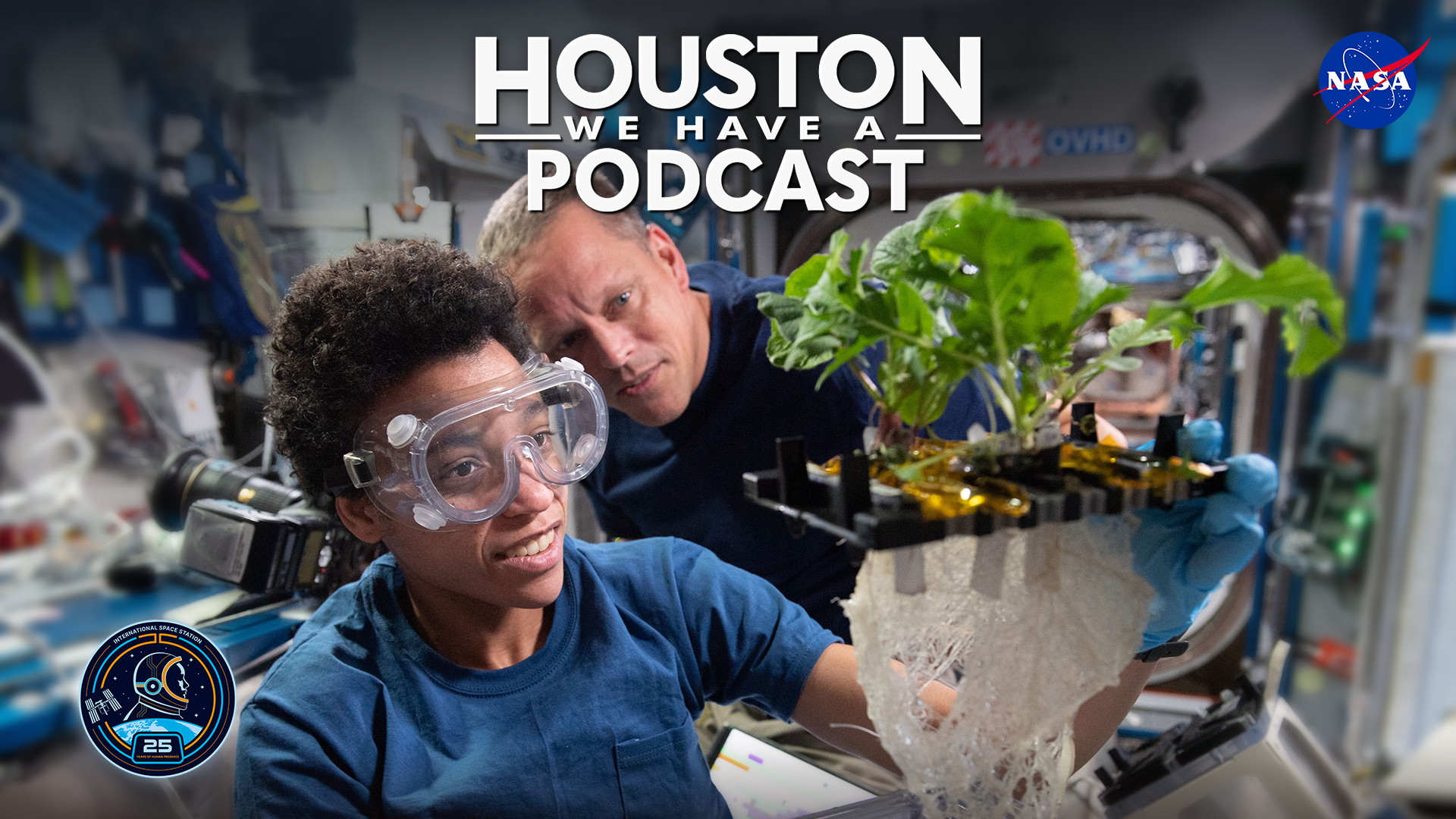
International Space Station leaders Laura Shaw and Jennifer Buchli discuss the science, discoveries, and innovations that have defined nearly 25 years aboard the orbiting laboratory. HWHAP 406.
In 2025, NASA’s Stennis Space Center near Bay St. Louis, Mississippi, marked a year of progress by supporting NASA’s Artemis campaign, celebrating historic milestones, and continuing its role as a trusted propulsion test partner at America’s largest rocket propulsion test site. “For more than six decades, NASA Stennis has proudly represented the Gulf Coast region
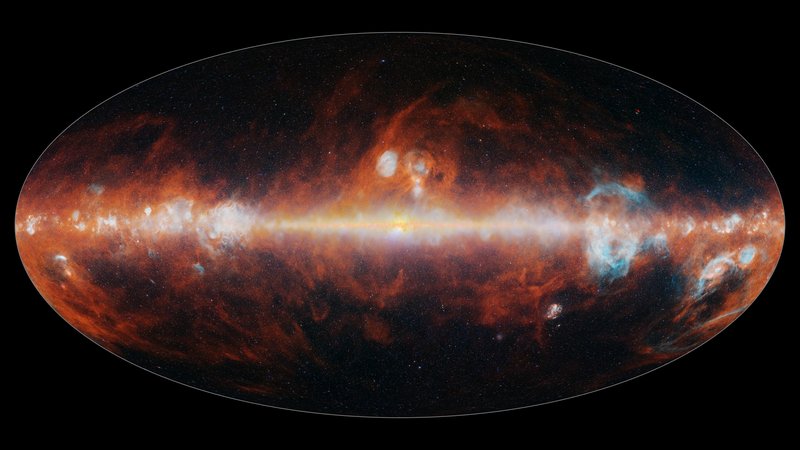
The telescope will help scientists answer big-picture questions about everything from water deposits in the Milky Way to what happened in the first second after the big bang.
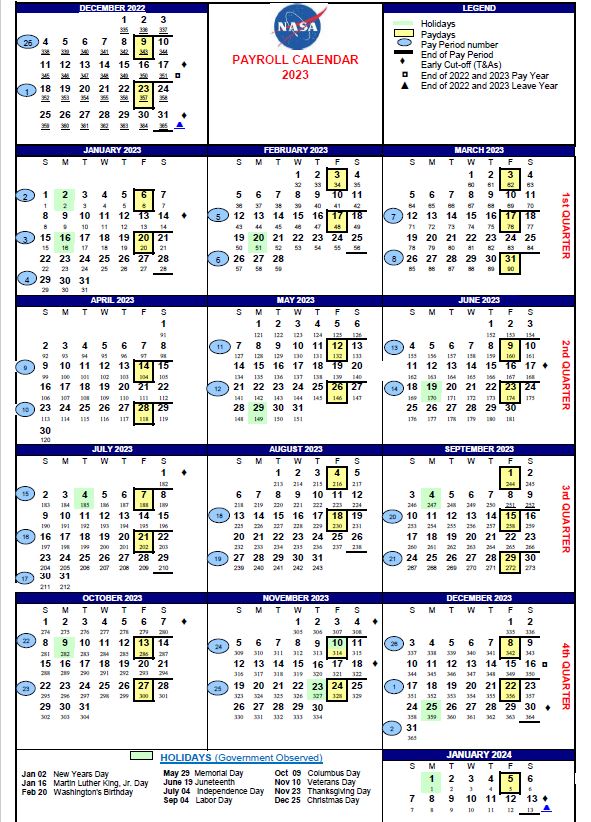
The NASA Shared Services Center (NSSC) Payroll Office (NPO) reviews, validates, and delivers time and attendance data to the Department of the Interior (DOI) Interior Business Center (IBC) for NASA Centers. NPO acts as liaison between Centers, employees and IBC for other payroll related activities such as supplemental payments, prior pay period adjustments (PPPA) and
NASA’s DiskSat technology demonstration mission will test the performance of a new small spacecraft platform designed to expand the capabilities of current small spacecraft. By demonstrating the advantages of a flat, disk-shaped architecture over the conventional CubeSat design, DiskSat aims to enable lower-cost space missions, broaden scientific opportunities, and increase overall access to space. At
A solar sail uses light particles from the Sun to move through space without needing a single drop of fuel. NASA is demonstrating the lightweight technology that could open doors to low-cost missions to deep space.
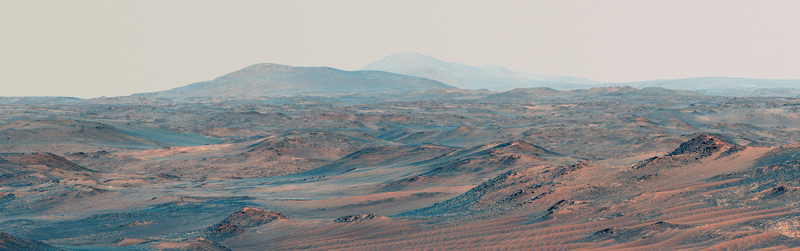
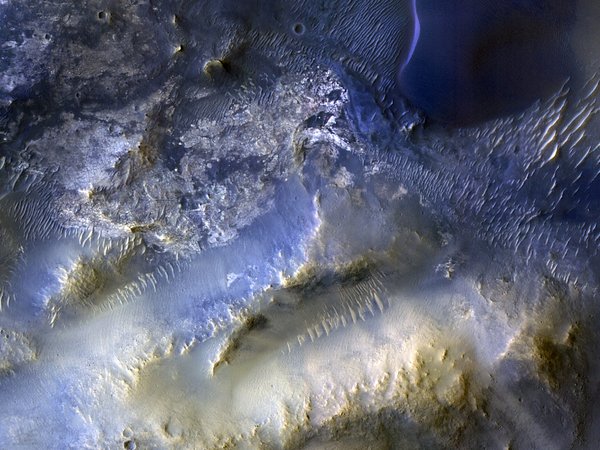
The rover has been acing a long-term series of durability tests, making the most of its enhanced navigation capabilities, and ferreting out new findings about Mars’ geologic past.
Descubre cómo las investigaciones científicas y demostraciones de tecnología a bordo de nuestro laboratorio en órbita nos benefician a todos aquí en la Tierra, al tiempo que nos ayudan a prepararnos mejor para la exploración de la Luna y Marte con seres humanos, mediante nuestra campaña Artemis.
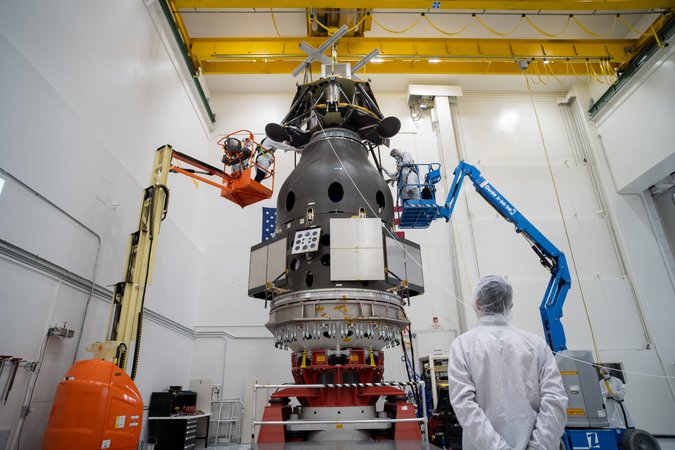
As Firefly Aerospace prepares to follow its successful soft landing on the Moon, an engineering model for its next lander is being put through its paces.