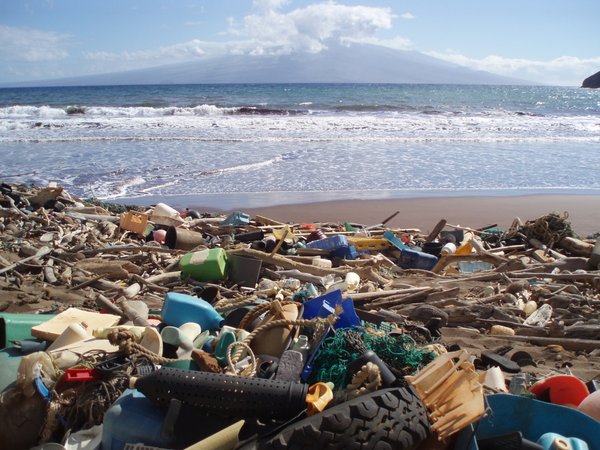

Editor’s Note: This release was updated on March 12, 2026, to add a recipient of the STEM Innovator Award and a recipient of the Community Anchor Award that were part of the original cohort of selectees but not included in the initial announcement. NASA has awarded more than $5 million to 29 institutions nationwide to
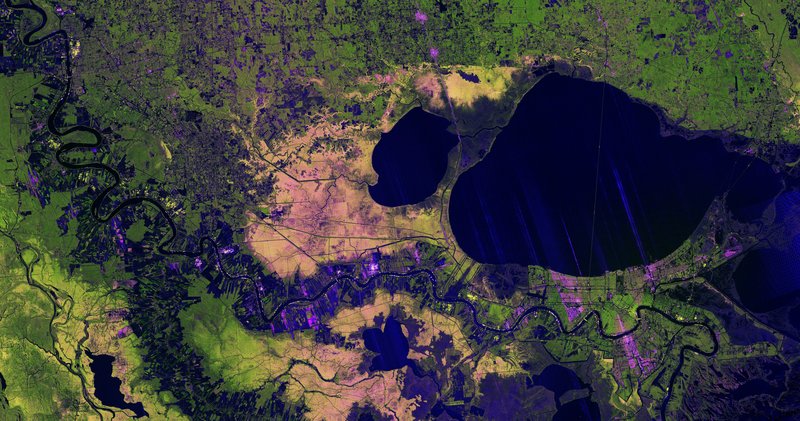
A new image from the NISAR mission shows off the satellite’s ability to reveal details of Earth’s surfaces. The science team also released new sample data.
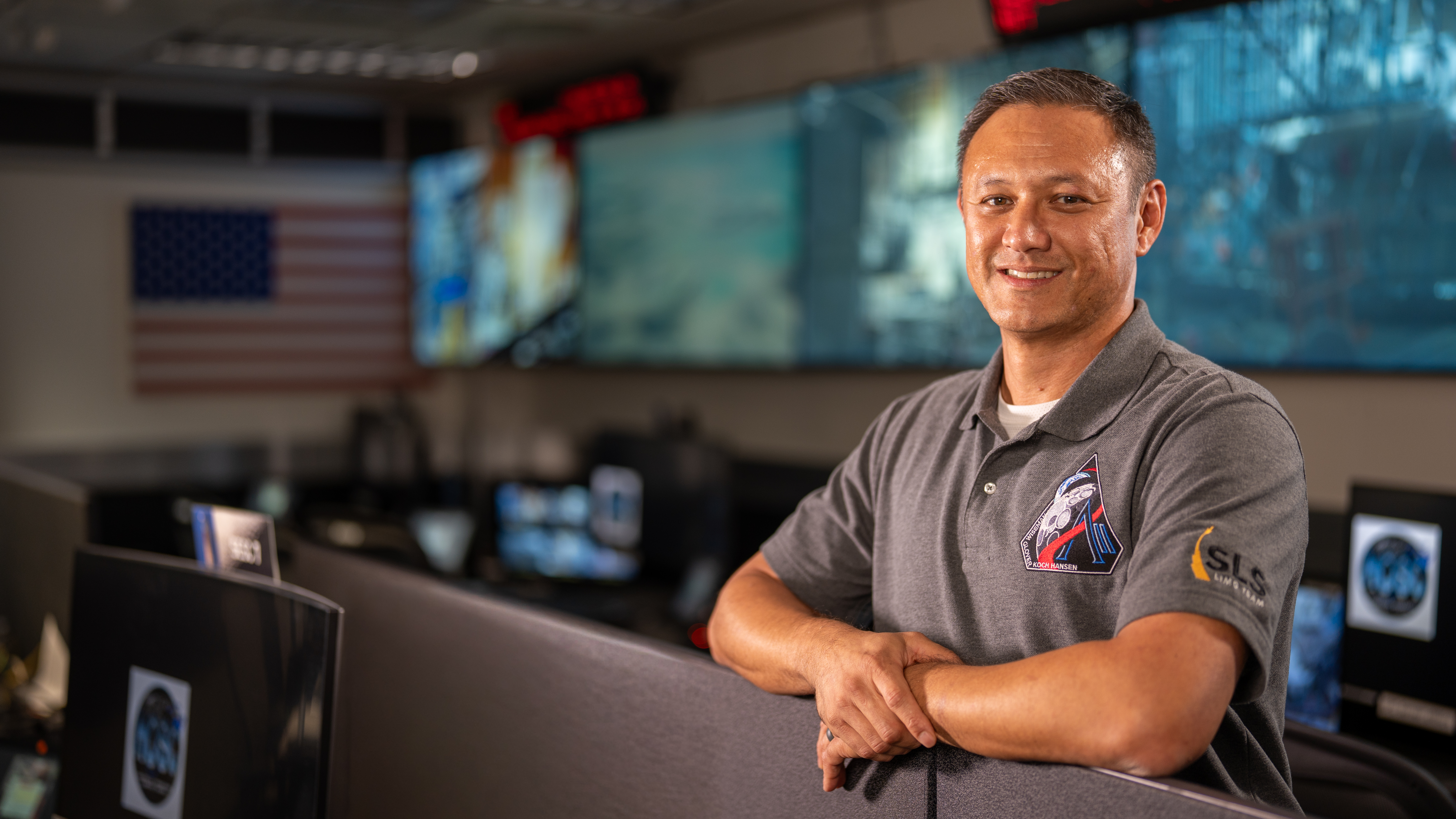
Doug Parkinson’s face lights up as he starts telling his story, how someone from Wisconsin now plays a part in the team that will help land the first Artemis astronauts on to the Moon. Parkinson serves as NASA’s SLS (Space Launch System) rocket lead for Launch Integration and Mission Operations, guiding engineers responsible for monitoring
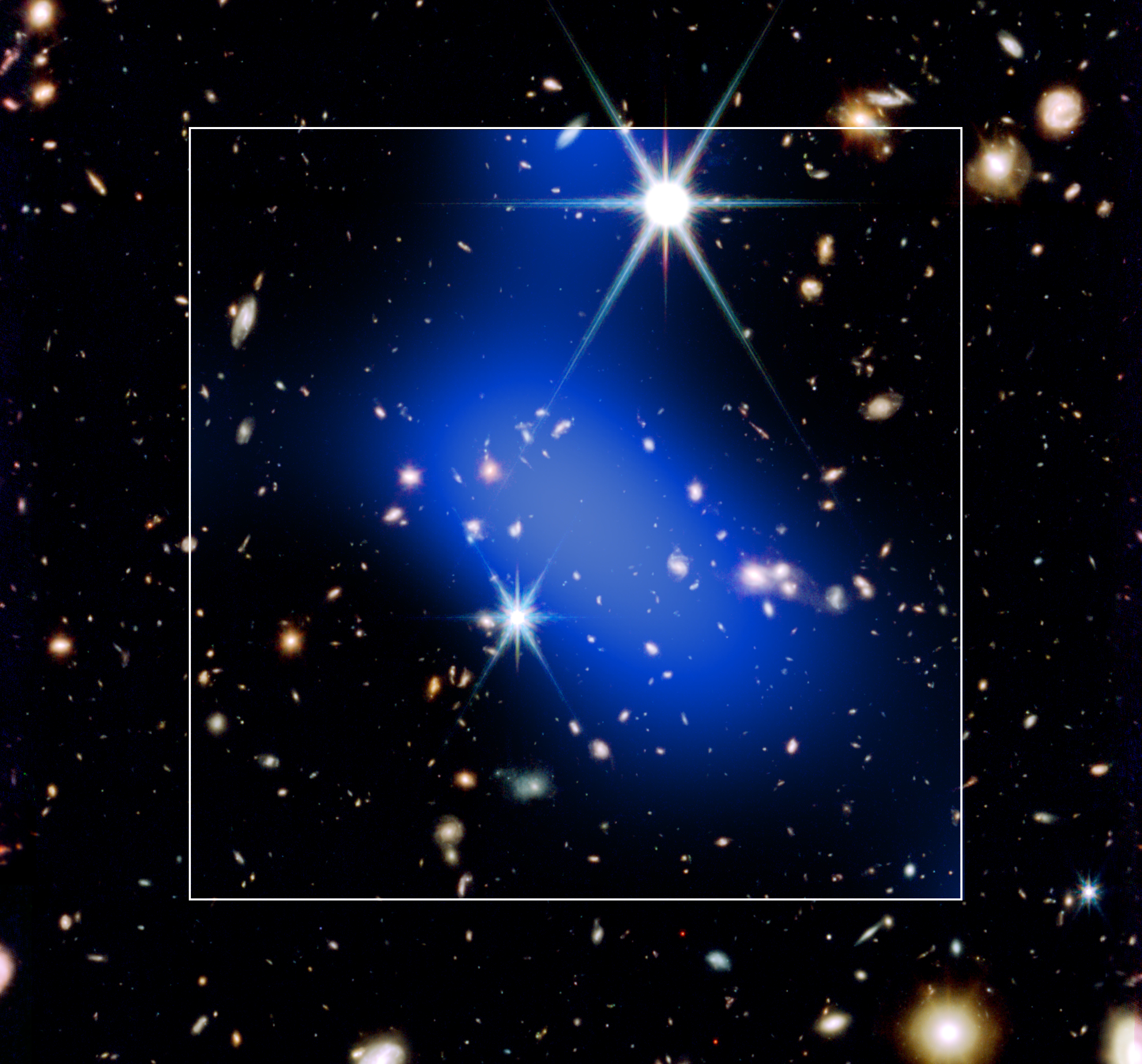
A new discovery captures the cosmic moment when a galaxy cluster – among the largest structures in the universe – started to assemble only about a billion years after the big bang, one or two billion years earlier than previously thought. This result, made using NASA’s Chandra X-ray Observatory and James Webb Space Telescope, will
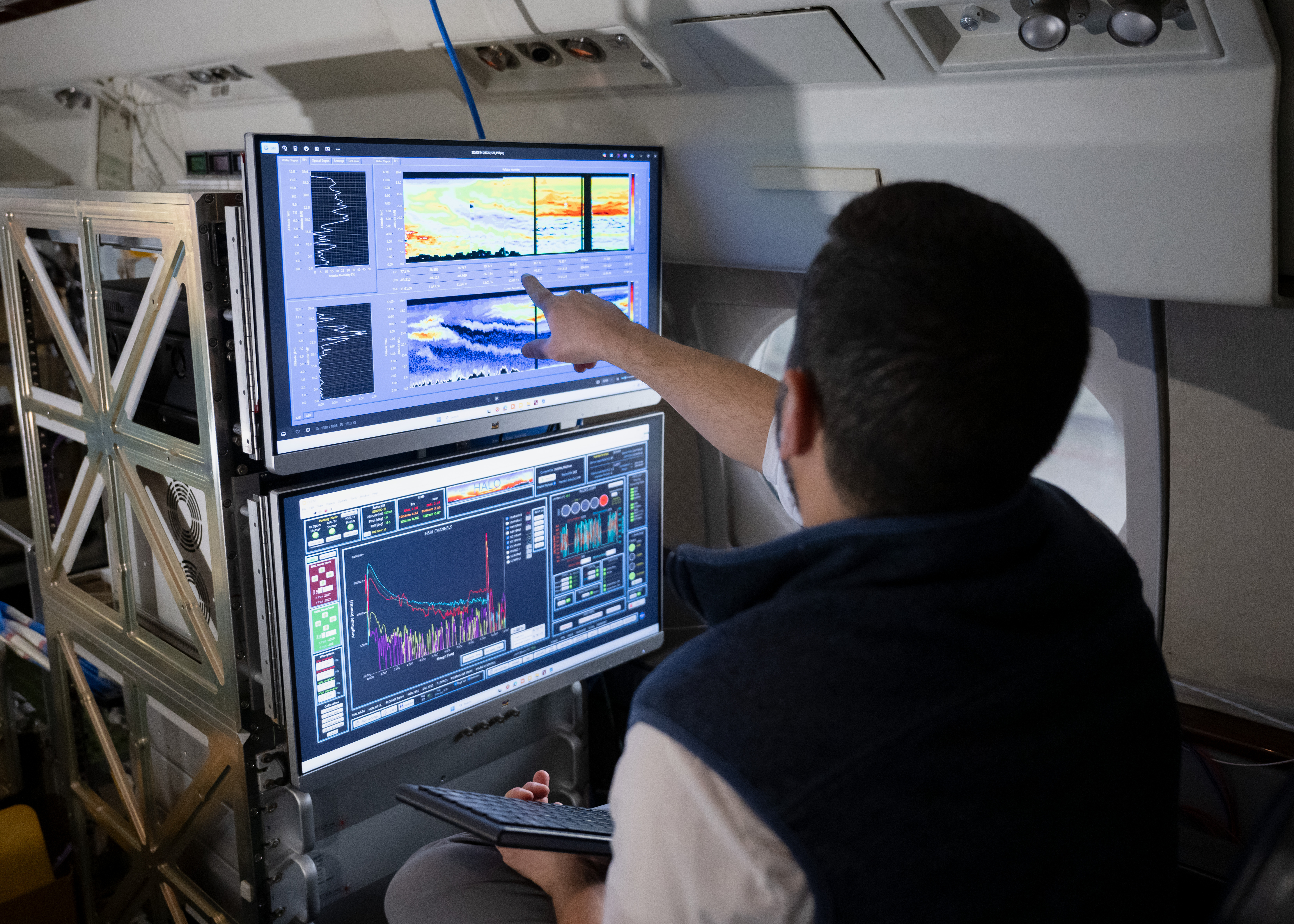
A team of NASA scientists deployed on an international mission designed to better understand severe winter storms. The North American Upstream Feature-Resolving and Tropopause Uncertainty Reconnaissance Experiment, or NURTURE, is an airborne campaign that uses a suite of remote sensing instruments to collect atmospheric data on winter weather with a goal of improving the models
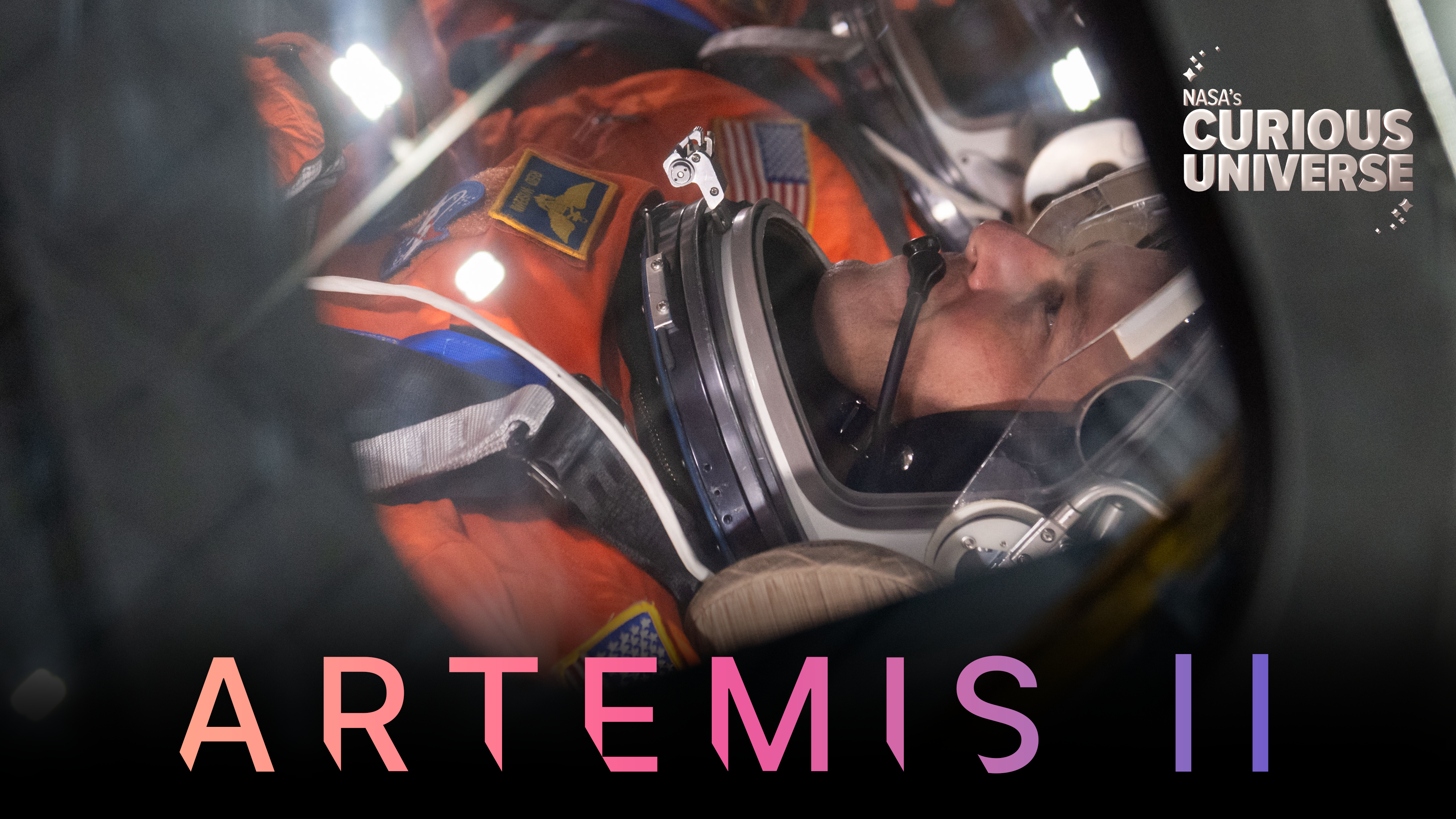
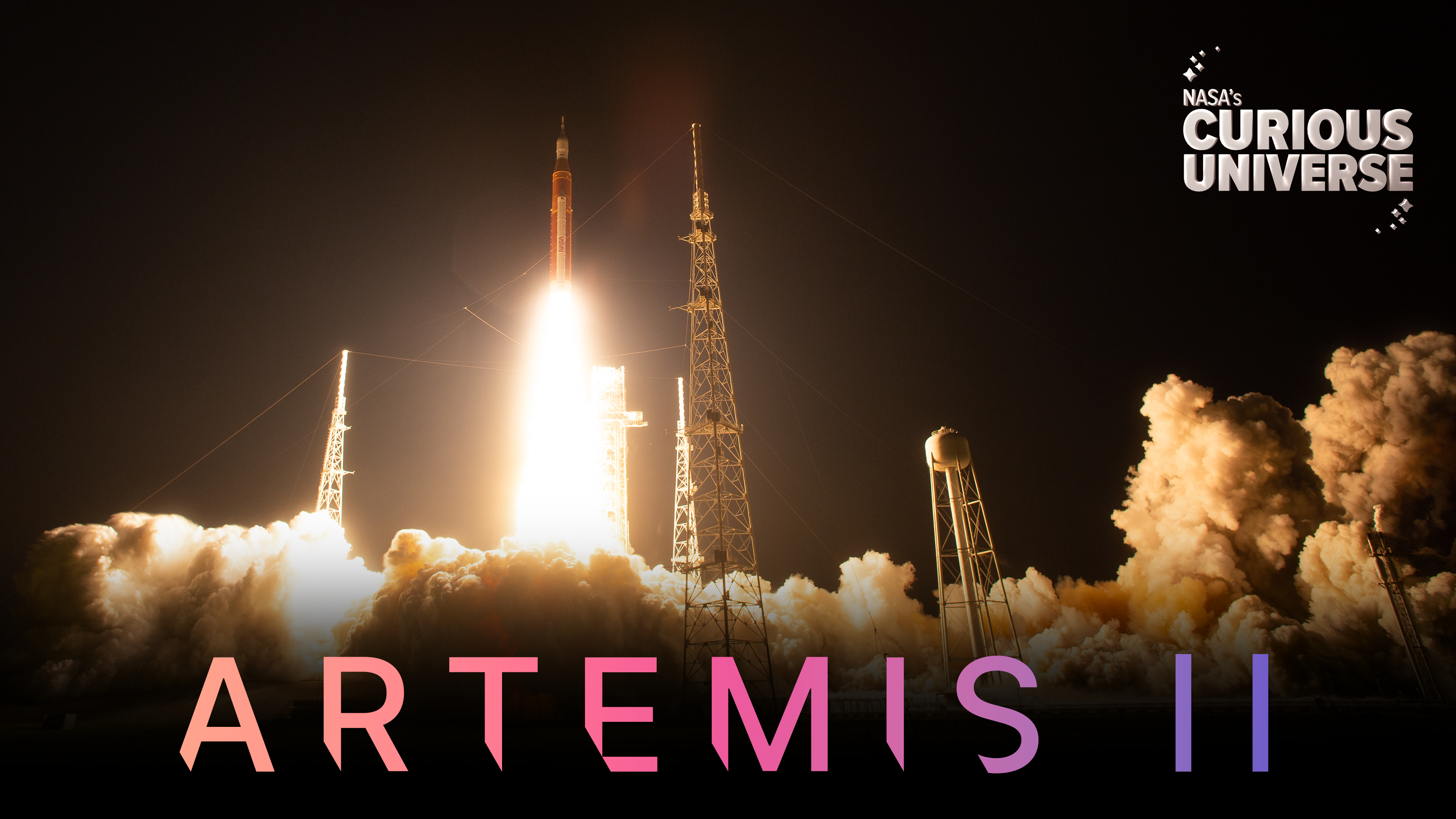
During Artemis II, humans will fly Orion—NASA’s next-generation spaceship designed to take us to the Moon and beyond—for the first time. Tour Orion with Branelle Rodriguez, the vehicle manager for Artemis II, to hear about the support systems that keep astronauts alive and how exactly you use the bathroom en route to the Moon. Then, pop the hood of NASA’s most powerful rocket, the Space Launch System, with David Beaman, one of its key architects. For Artemis II news and the latest launch information, visit nasa.gov/artemis-ii
With the Webb telescope’s unprecedented sensitivity, scientists are learning more about dark matter’s influence on stars, galaxies, and even planets like Earth.
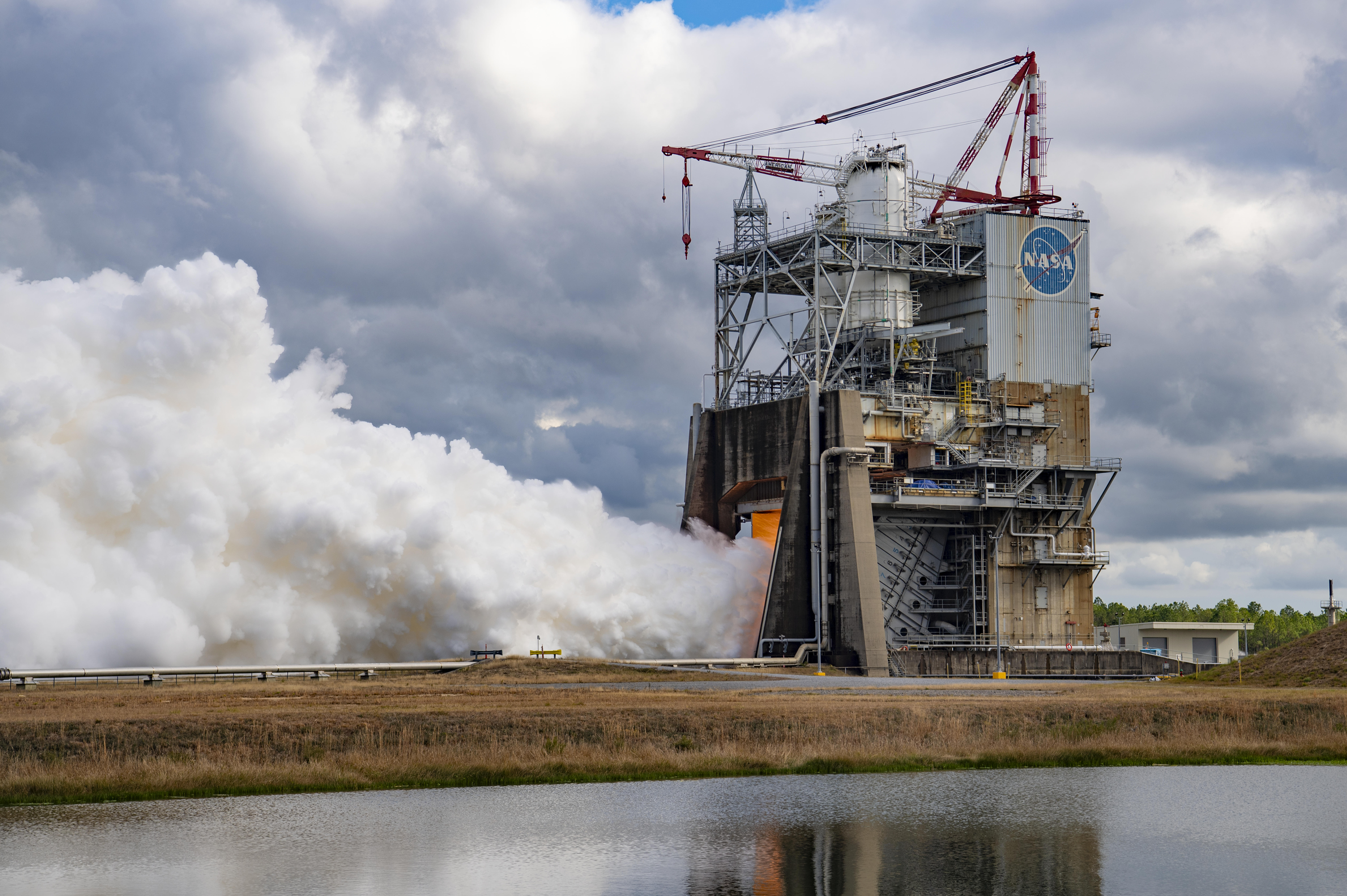
NASA successfully conducted a hot fire of RS-25 engine No. 2063 on Jan. 22 at the Fred Haise Test Stand at NASA’s Stennis Space Center near Bay St. Louis, Mississippi, clearing the way for the engine to be installed for the agency’s Artemis IV mission. The RS-25 engines help power NASA’s SLS (Space Launch
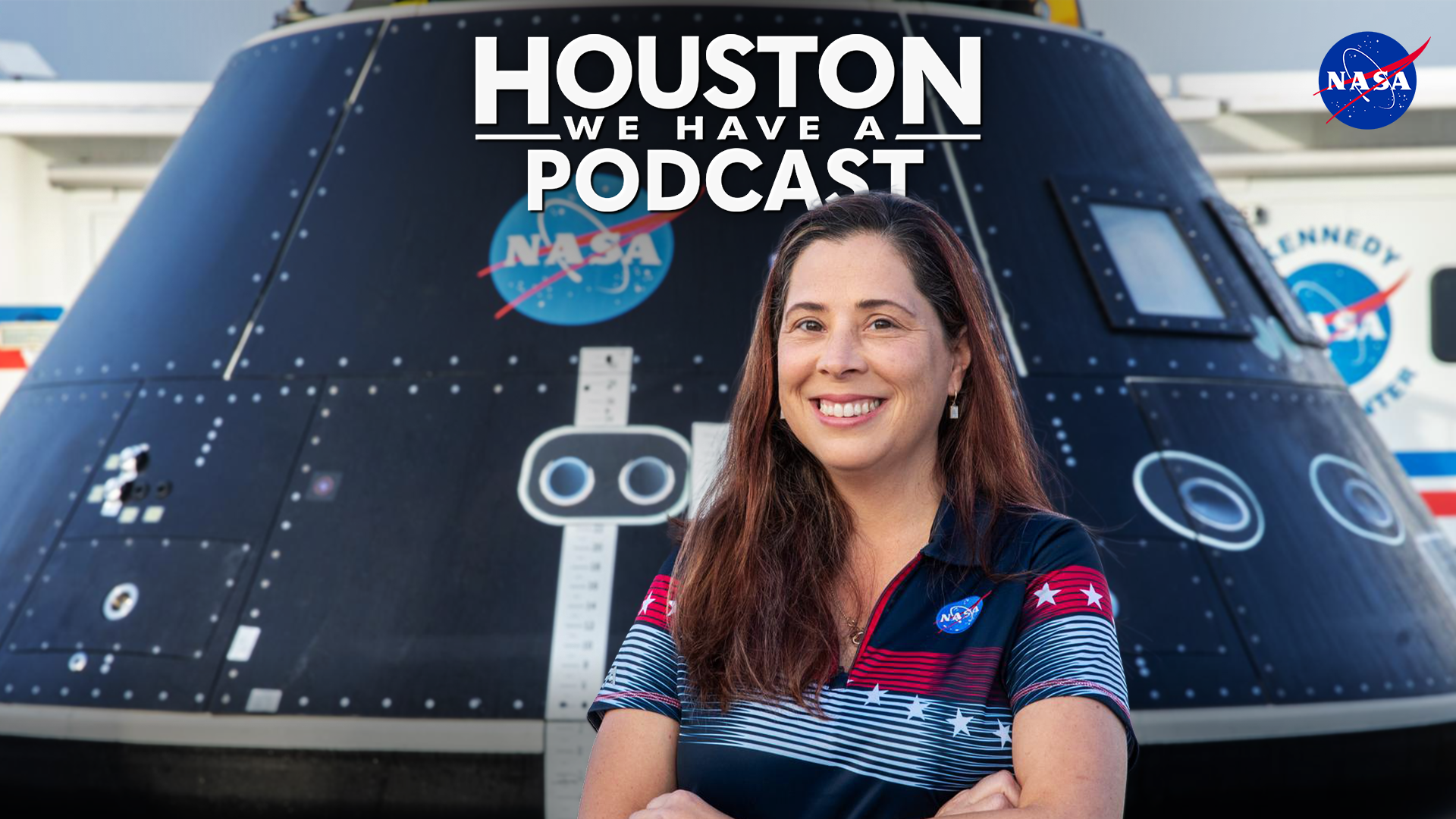
Artemis II landing and recovery director Lili Villarreal discusses how NASA and its partners recover the Orion spacecraft and its four astronauts after splashdown in the Pacific Ocean. HWHAP 408.
NASA researchers successfully completed a high-speed taxi test of a scale model of a design that could make future aircraft more efficient by improving how air flows across a wing’s surface, saving fuel and money. On Jan. 12, the Crossflow Attenuated Natural Laminar Flow (CATNLF) test article reached speeds of approximately 144 mph, marking its
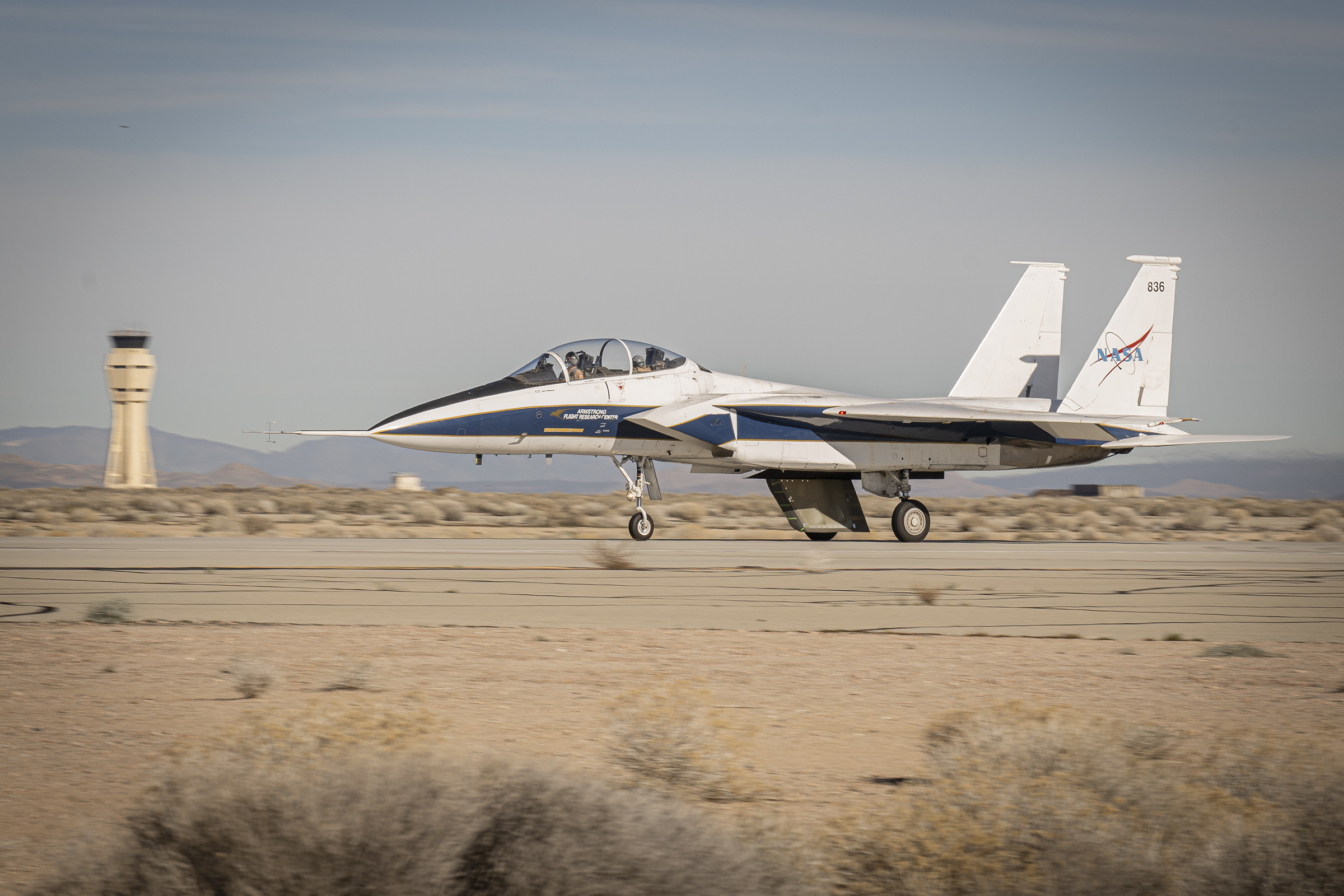
Currently, flying faster than the speed of sound over land is prohibited for commercial flights because it creates disruptive sonic booms. NASA's experimental X-59 plane will research how to turn those booms into "sonic thumps," about as loud as a slamming car door. Lead pilot Nils Larson explains how the X-59 could usher in the next era of commercial supersonic flight.
20 Jan 2026, 23:17 GMTBy Jennifer M. Dooren3 variants
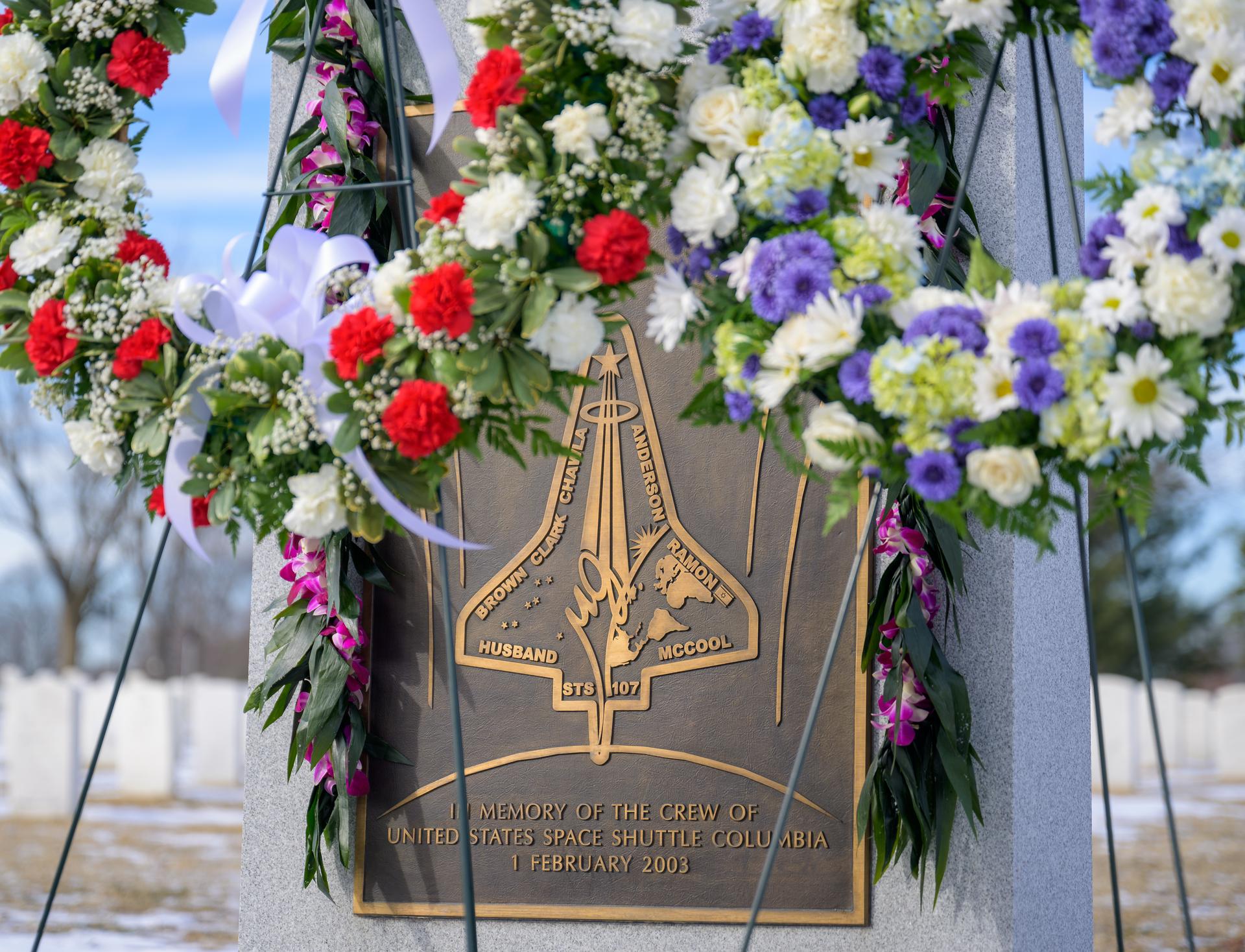
NASA will observe its annual Day of Remembrance on Thursday, Jan. 22, which includes commemorating the crews of Apollo 1 and the space shuttles Challenger and Columbia. The event is traditionally held every year on the fourth Thursday of January, as all three astronaut accidents happened around the end of the month. “On NASA’s Day
NASA announced Tuesday the selection of three new science investigations that will strengthen humanity’s understanding and exploration of the Moon. As part of the agency’s CLPS (Commercial Lunar Payload Services) initiative and Artemis campaign, American companies will deliver these research payloads to the lunar surface no earlier than 2028. “With CLPS, NASA has been taking
In 2022, NASA launched Artemis I, an uncrewed test flight of the rocket and spacecraft that will send humans to the Moon. Go inside Firing Room 1—the nerve center for Artemis launches—and hear from the engineers who launched Artemis I, including the intricate procedures they developed just to fuel the rocket correctly. Now NASA is preparing to launch Artemis II—and to send humans around the Moon. For Artemis II news and the latest launch information, visit nasa.gov/artemis-ii
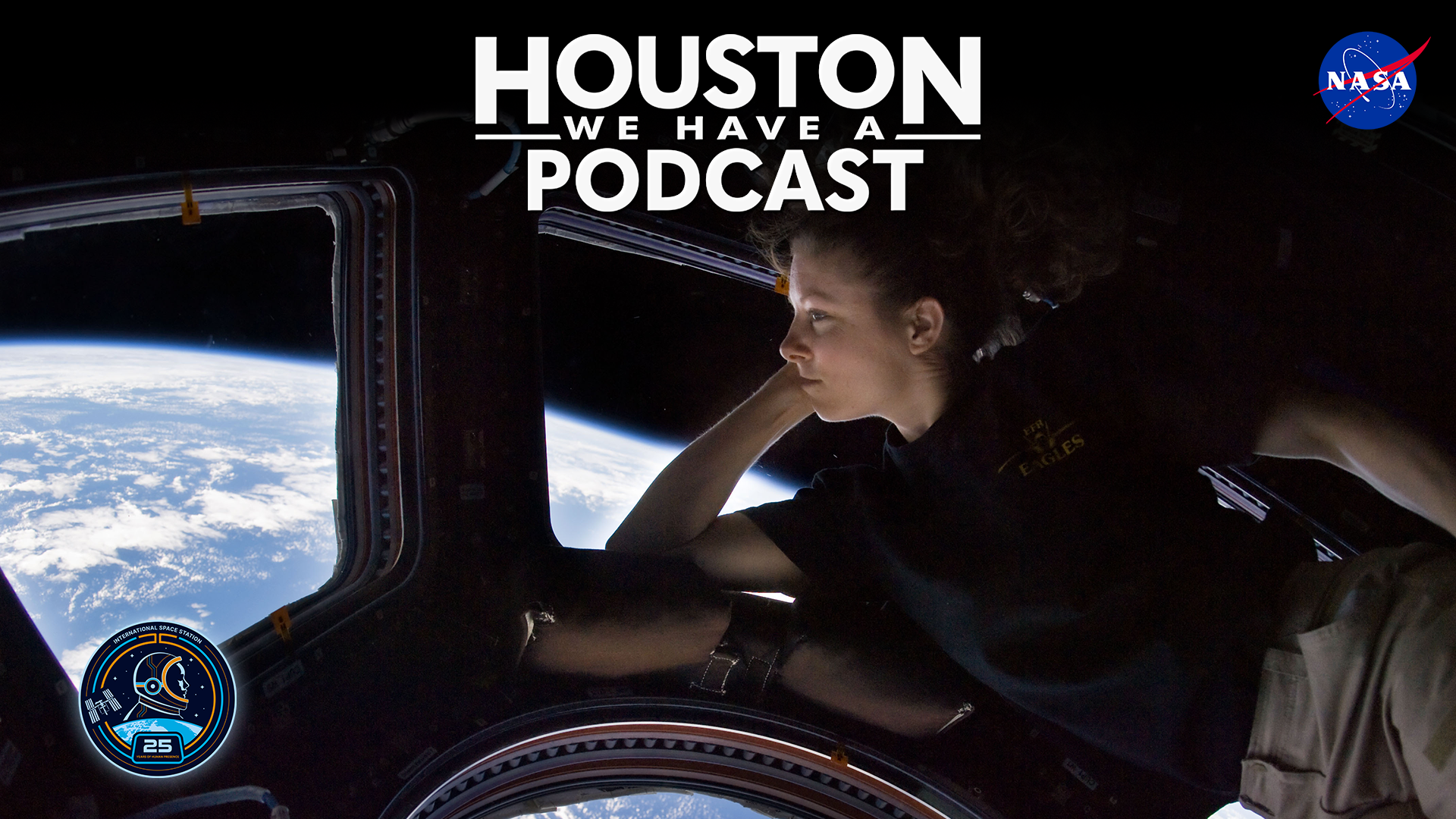
NASA astronaut Tracy Dyson reflects on her career aboard the International Space Station and what 25 years of continuous human presence in space means for the future of exploration. HWHAP 407.