Northern Japan, especially the island of Hokkaido, is home to some of the snowiest cities in the world. Sapporo, the island's largest city and host of an annual snow festival, typically sees more than 140 days of snowfall, with nearly 6 meters (20 feet) accumulating on average each year.
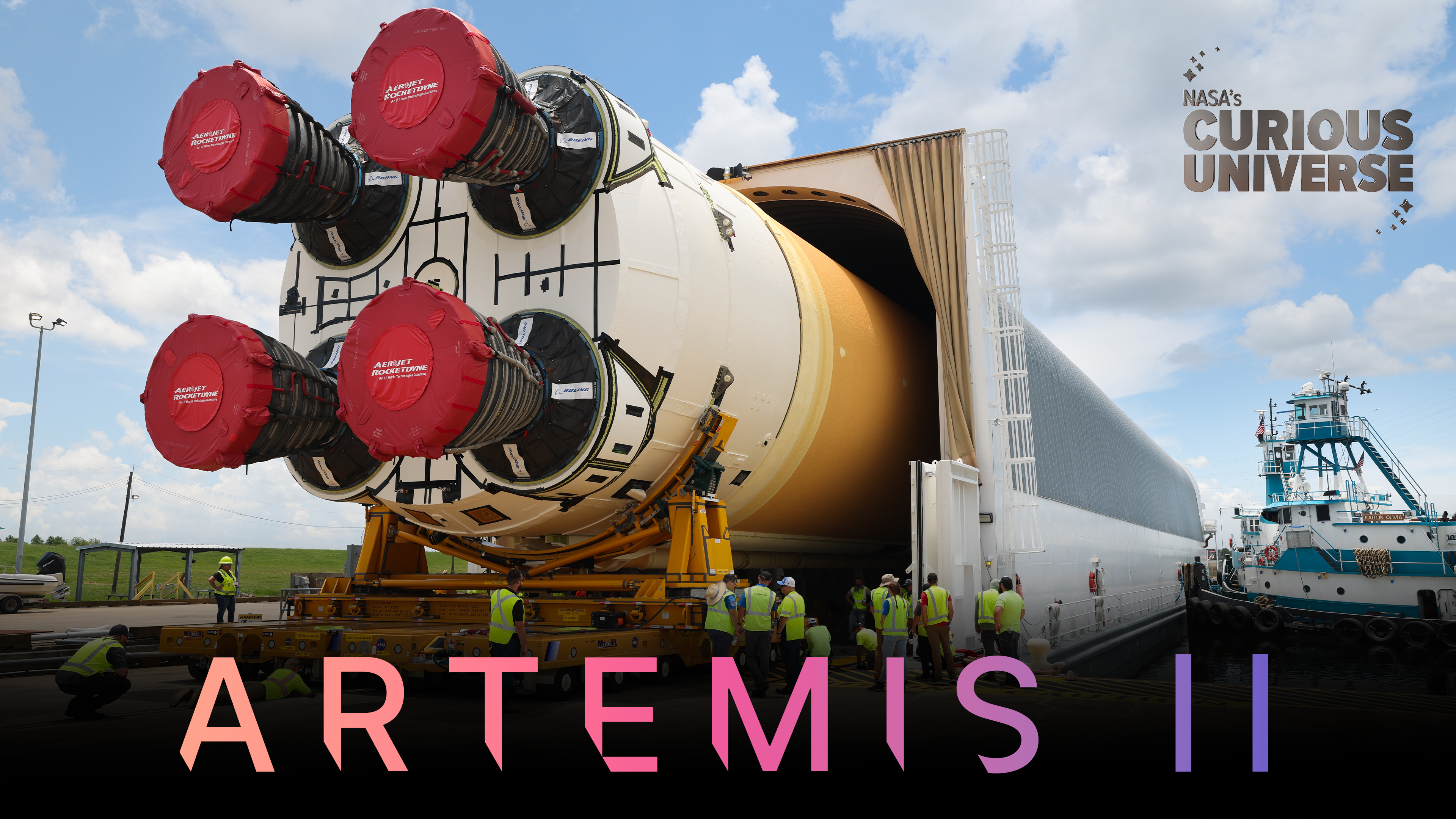
Behind NASA’s Artemis II mission and the astronauts who will fly around the Moon, teams on the ground are essential. Explore some of the epic equipment that makes Artemis II possible—the mobile launcher, crawler-transporter, and NASA’s barge Pegasus—and meet a few of the many specialists who act as the shoulders lifting astronauts into space. For Artemis II news and the latest launch information, visit nasa.gov/artemis-ii
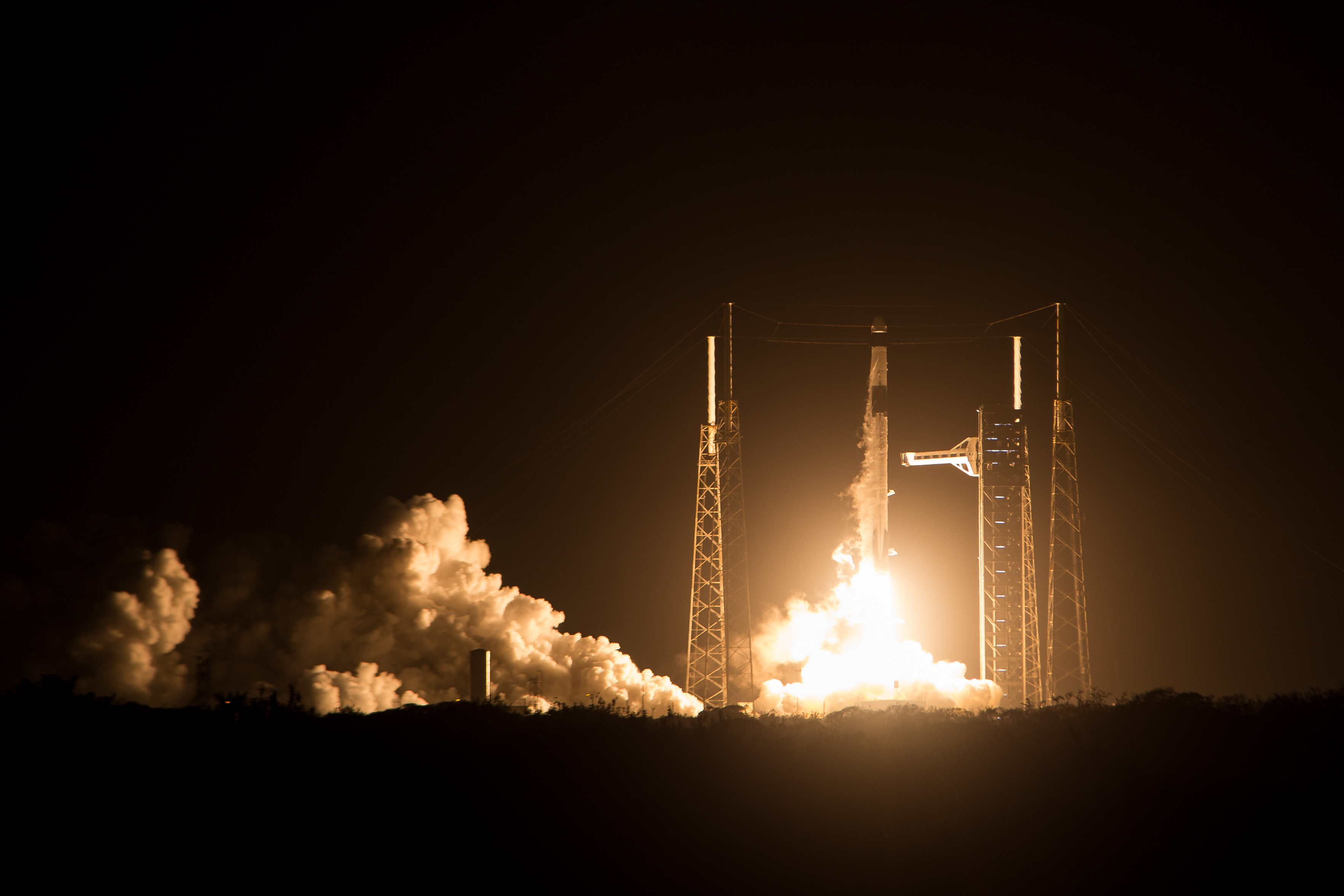
A SpaceX Falcon 9 rocket carrying the company's Dragon spacecraft is launched on NASA’s SpaceX Crew-12 mission to the International Space Station with NASA astronauts Jessica Meir, Jack Hathaway, ESA (European Space Agency) astronaut Sophie Adenot, and Roscosmos cosmonaut Andrey Fedyaev onboard, Friday, Feb. 13, 2026, from Cape Canaveral Space Force Station in Florida. NASA’s SpaceX Crew-12 mission is the twelfth crew rotation mission of the SpaceX Dragon spacecraft and Falcon 9 rocket to the International Space Station as part of the agency’s Commercial Crew Program. Meir, Hathaway, Adenot, and Fedyaev launched at 5:15 a.m. EST from Space Launch Complex 40 at the Cape Canaveral Space Force Station to begin a mission aboard the orbital outpost.
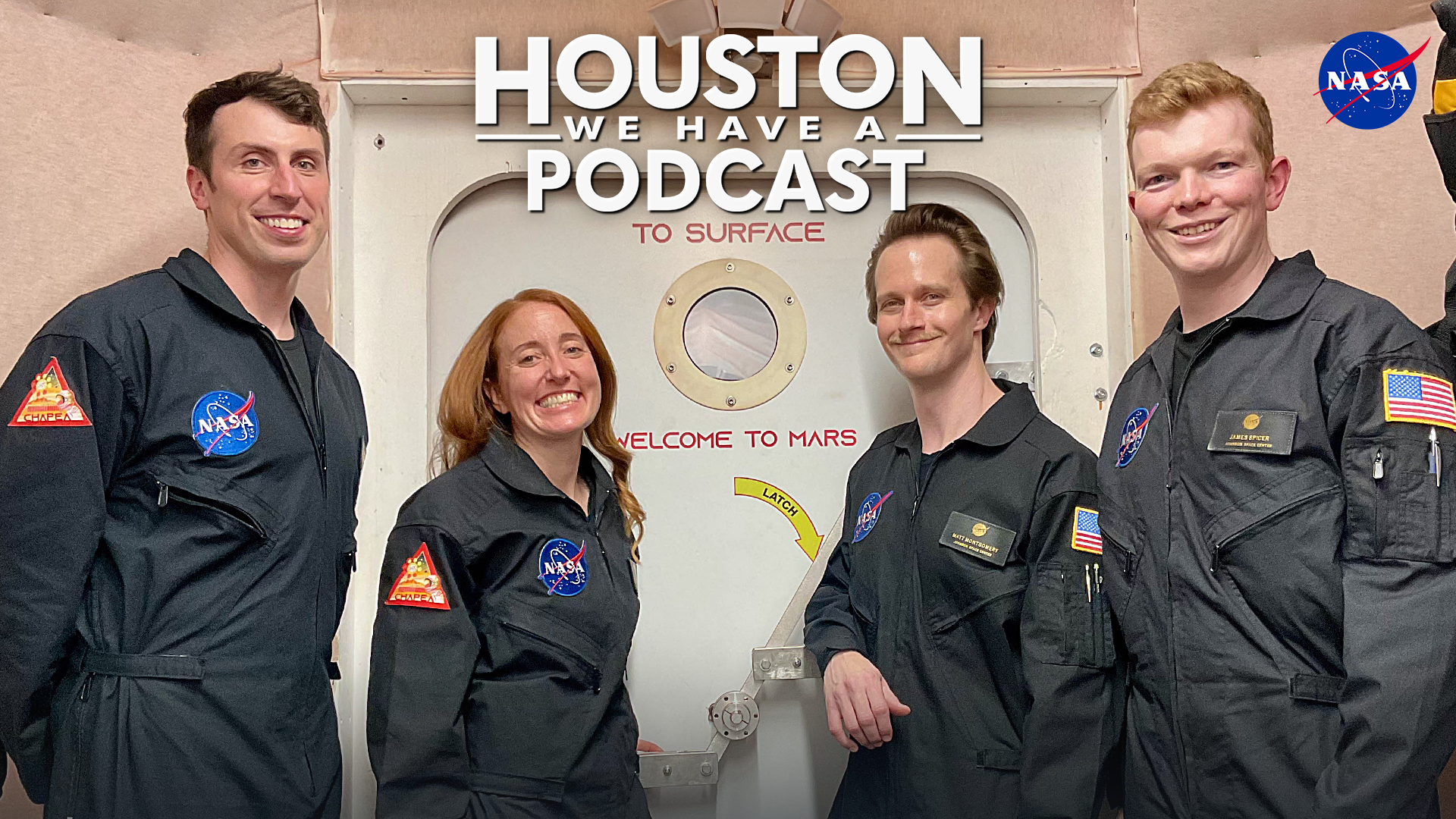
The CHAPEA Mission 2 crew members share their first audio log from inside the Mars analog habitat, with additional insight from CHAPEA co-investigator Dr. Suzanne Bell. HWHAP 411.
NASA and Vast have signed an order for the sixth private astronaut mission to the International Space Station, targeted to launch no earlier than summer 2027 from Florida. This private astronaut mission marks the company’s first selection to the orbiting laboratory, underscoring NASA’s ongoing investment in fostering a commercial space economy and expanding opportunities for
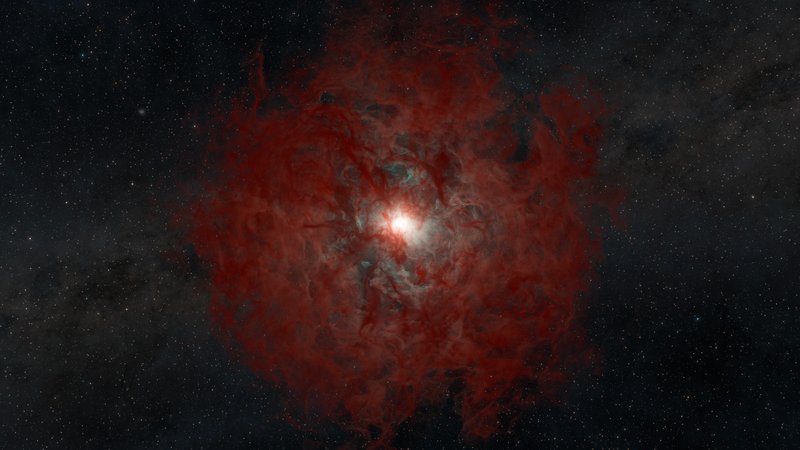
Researchers used data from the now-retired spacecraft and other space and ground-based observatories helped to piece together the mystery of a ‘failed’ supernova.
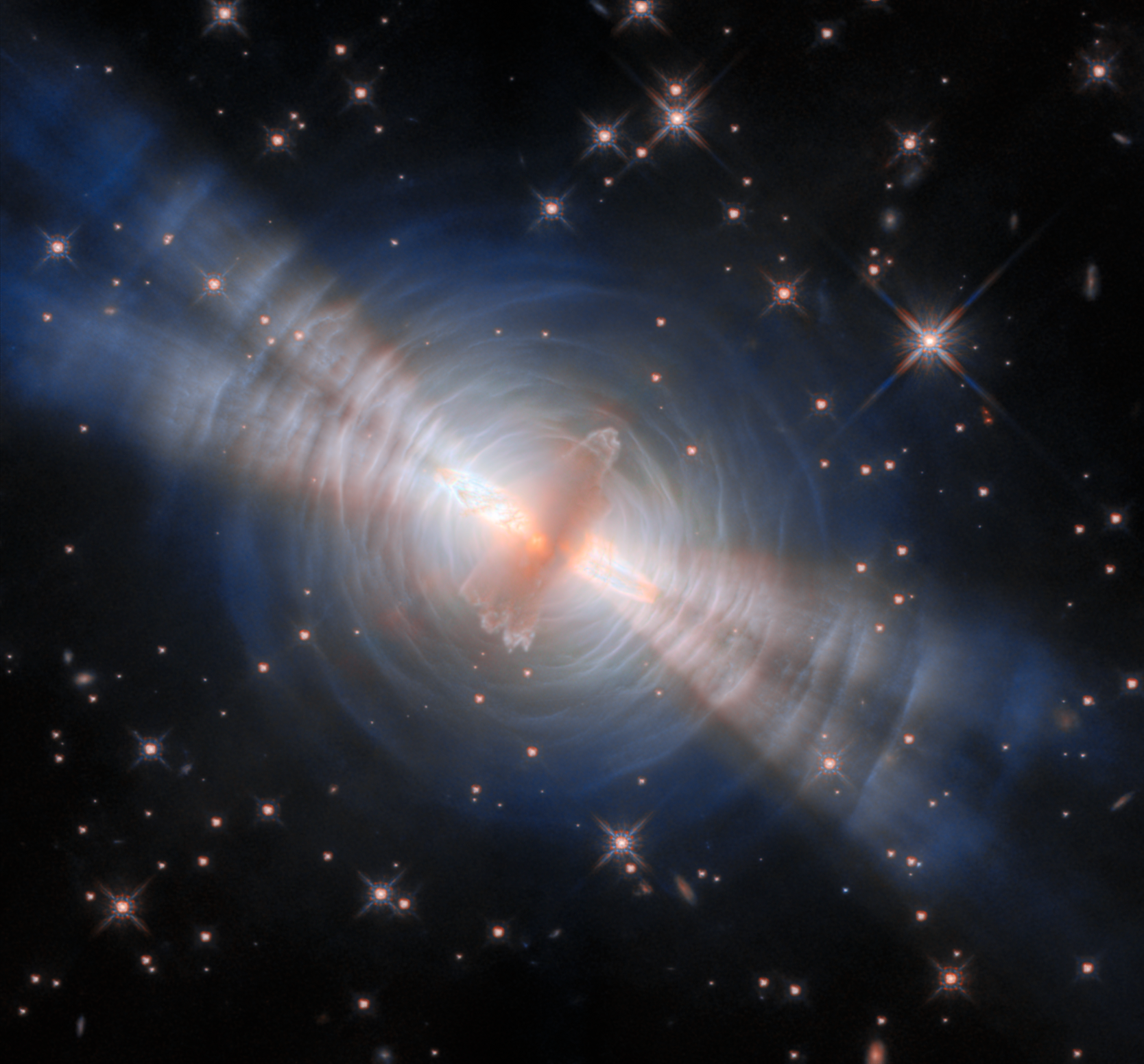
NASA’s Hubble Space Telescope reveals the clearest view yet of the Egg Nebula. This structure of gas and dust was created by a dying, Sun-like star. These newest observations were taken with Hubble’s Wide Field Camera 3.
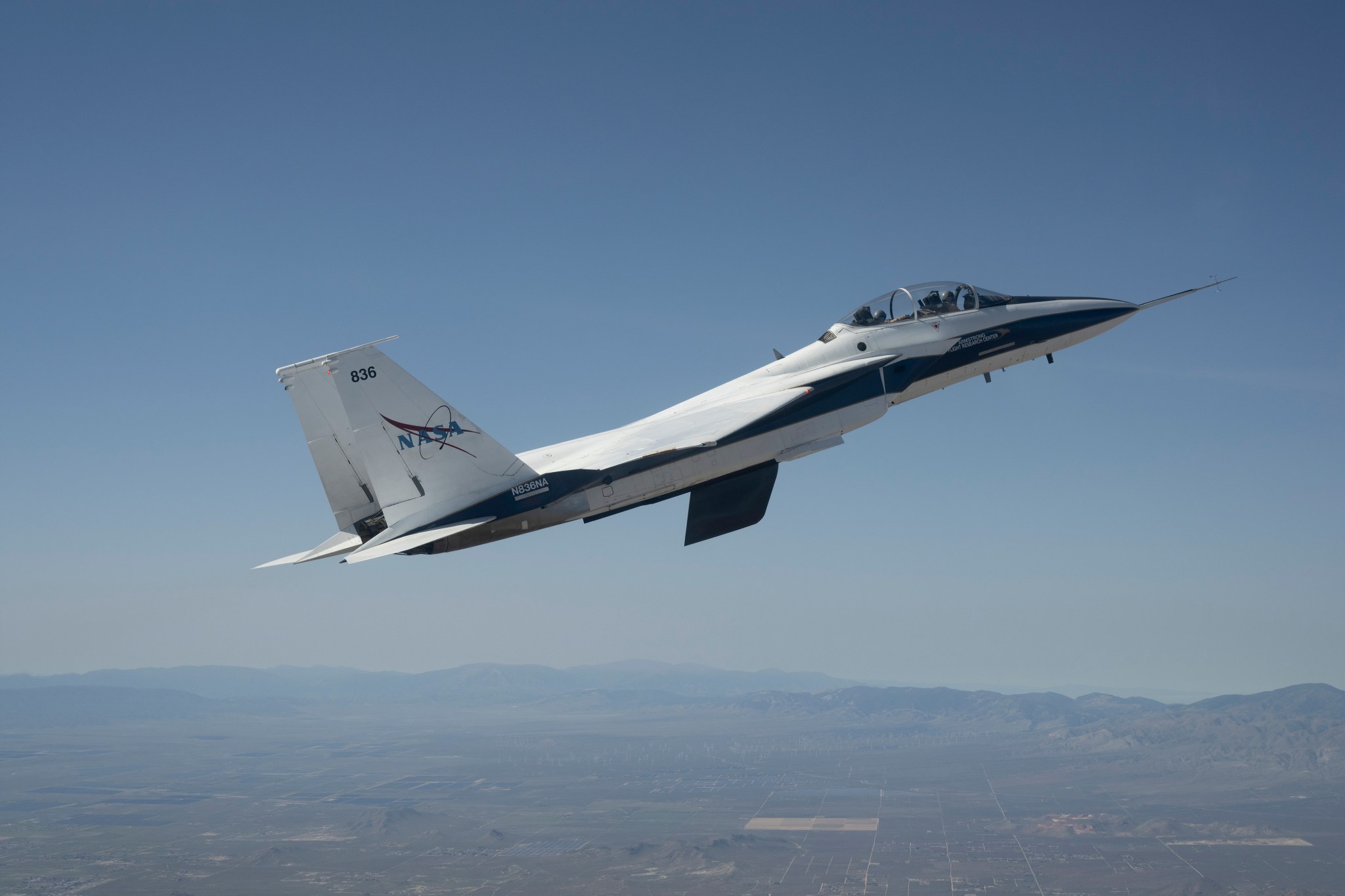
NASA completed the first flight test of a scale-model wing designed to improve laminar flow, reducing drag and lowering fuel costs for future commercial aircraft. The flight took place Jan. 29 at NASA’s Armstrong Flight Research Center in Edwards, California, using one of the agency’s F-15B research jets. The NASA-designed, 40-inch Crossflow Attenuated Natural Laminar Flow (CATNLF) wing model was attached to the aircraft’s underside vertically, like a fin. The flight lasted about 75 minutes, during
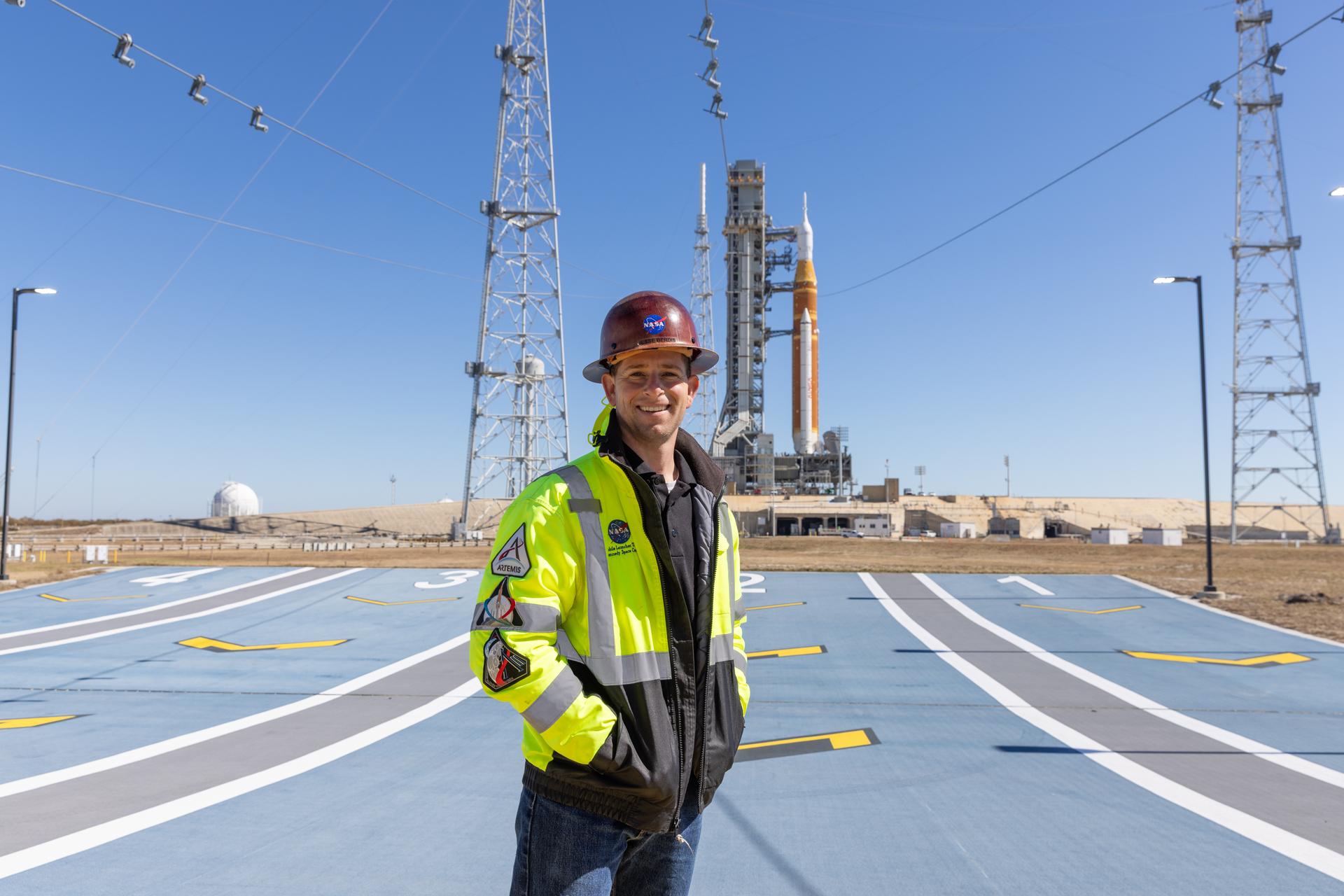
Jesse Berdis’s dream of becoming a structural engineer began with visions of skyscrapers rising above the Dallas and Oklahoma skyline. Today, that dream has soared beyond city limits, reaching towering heights at the agency’s Kennedy Space Center in Florida.
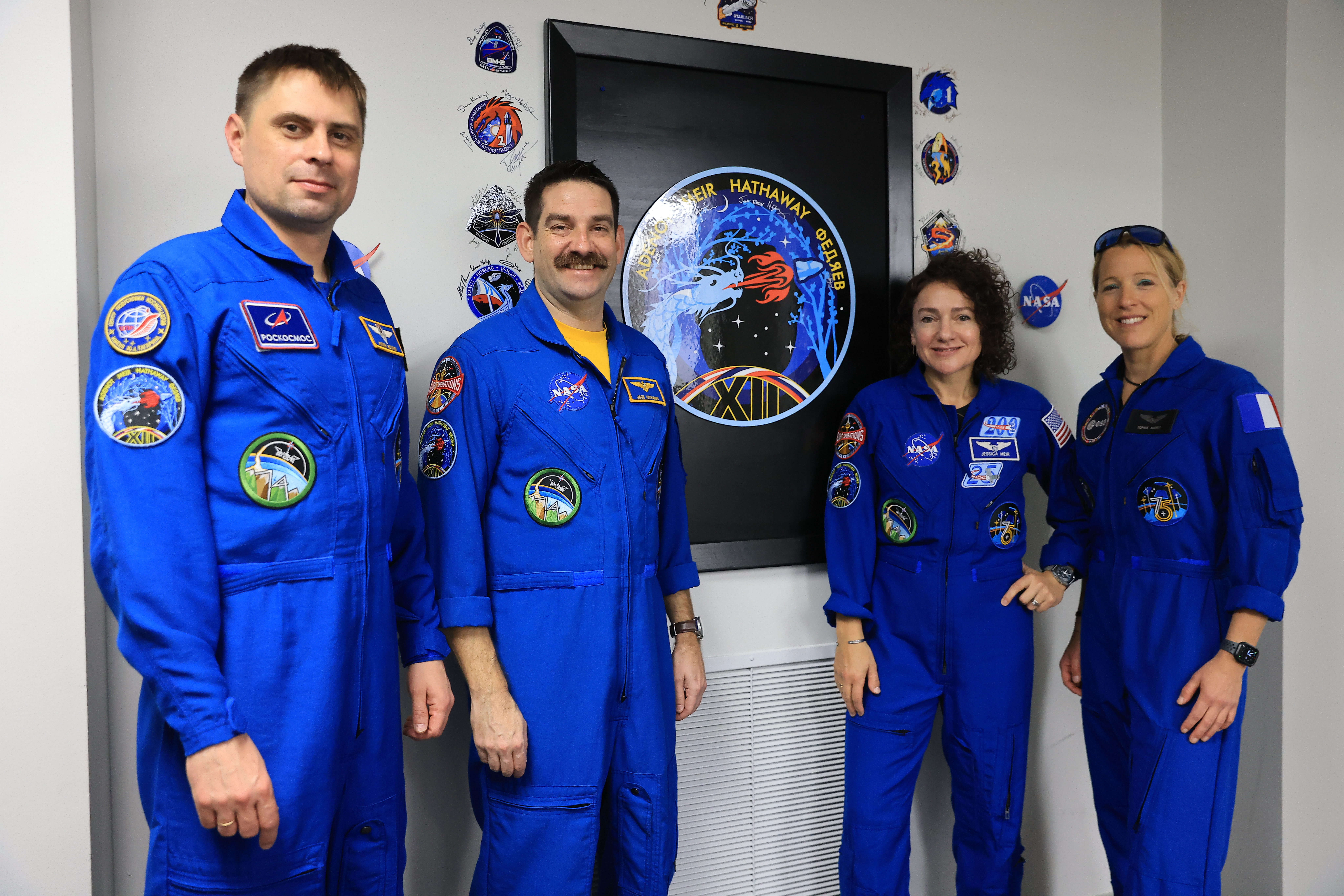
From left, NASA’s SpaceX Crew-12 crew members – Roscosmos cosmonaut Andrey Fedyaev, NASA astronauts Jack Hathaway and Jessica Meir, and ESA (European Space Agency) astronaut Sophie Adenot – pose next to their mission insignia inside the Astronaut Crew Quarters in the Neil A. Armstrong Operations and Checkout Building at NASA’s Kennedy Space Center in Florida on Monday, Feb. 9, 2026.
Water flowing out. Data flowing in. A water system activation at the Thad Cochran Test Stand (B-2) on Jan. 30 at NASA’s Stennis Space Center near Bay St. Louis, Mississippi, helped capture critical data to support testing a new SLS (Space Launch System) stage expected to fly on the Artemis IV mission. The activation milestone
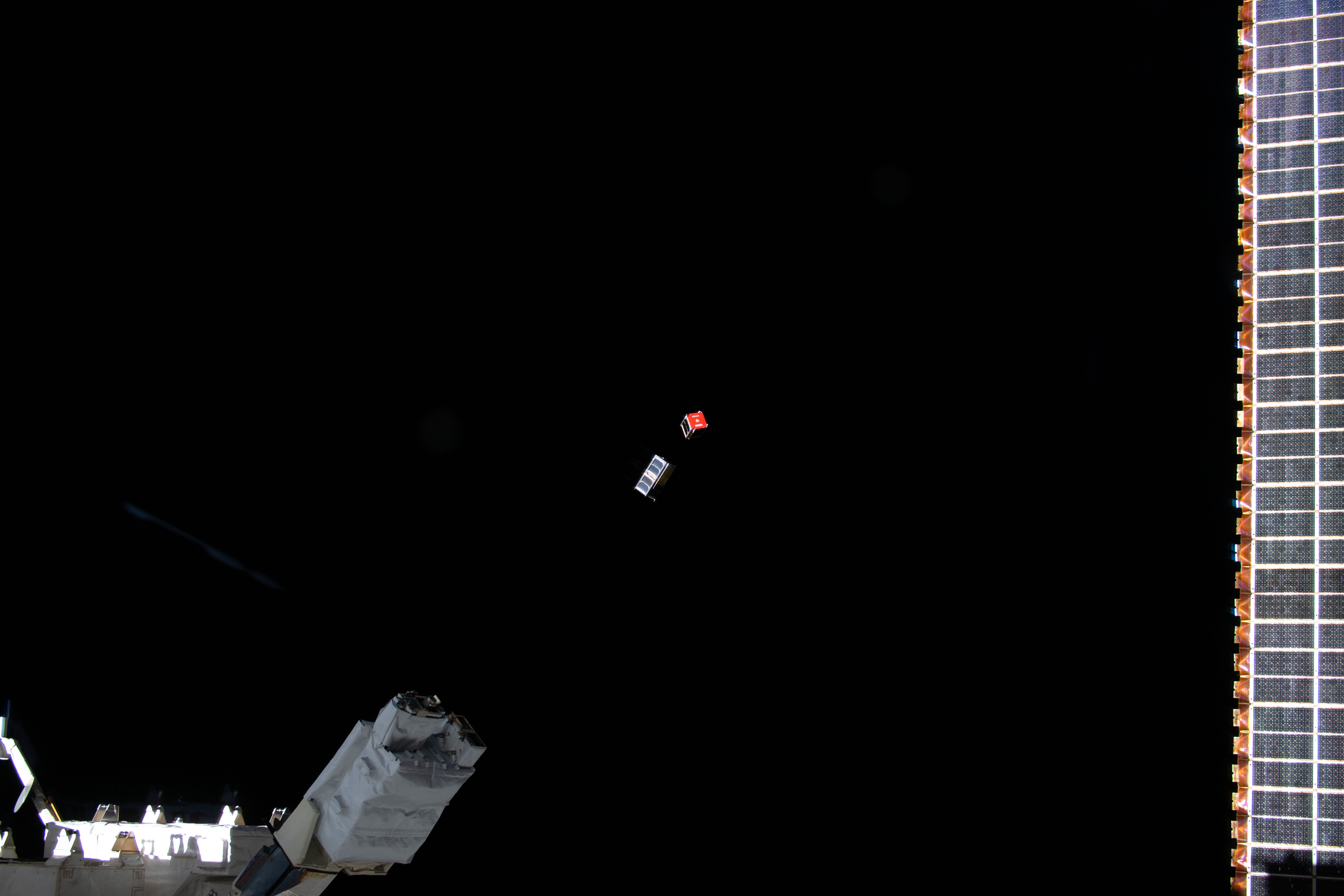
A pair of CubeSats designed by college students from around the world is deployed into Earth orbit from a small satellite orbital deployer on the outside of the International Space Station's Kibo laboratory module. Students from Mexico, Italy, Thailand, Malaysia, and Japan designed the shoe-boxed sized satellites for a series of Earth observations and technology demonstrations.
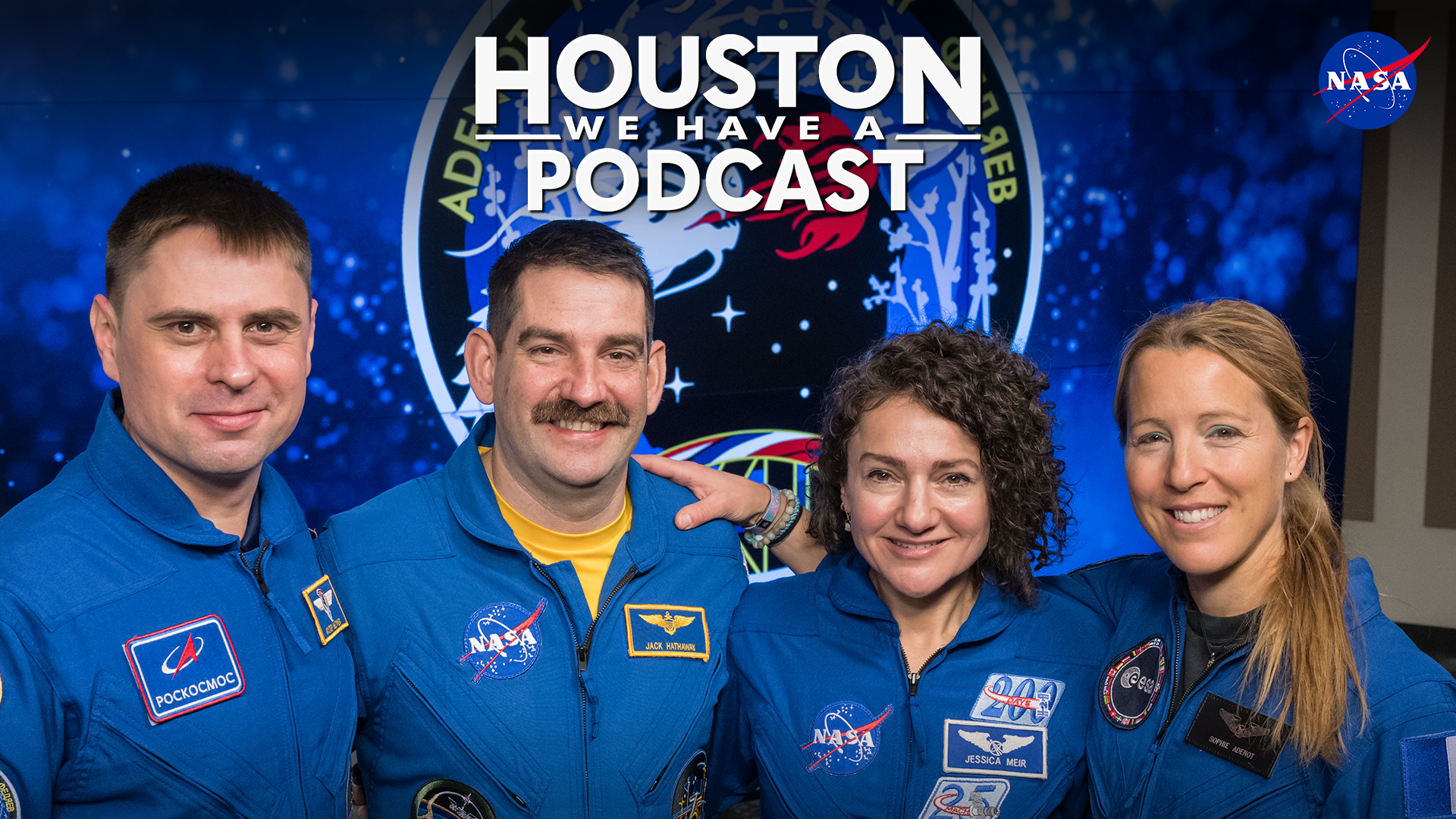
The four crew members of NASA’s SpaceX Crew-12 discuss their backgrounds, training, and upcoming mission to the International Space Station. HWHAP 410.
From her experience working with the Commercial Crew Program, which sends astronauts to the International Space Station aboard commercial spacecraft, to the Artemis missions to the Moon, aerospace engineer Jennifer Lu shares how working with a variety of teams — including circus performers before coming to NASA — has helped her see the bigger picture.
Description These observations by NASA’s SPHEREx (Spectro-Photometer for the History of the Universe, Epoch of Reionization and Ices Explorer) show the infrared light emitted by the dust, water, organic molecules, and carbon dioxide contained within comet 3I/ATLAS’s coma. The comet brightened significantly during the December 2025 period when SPHEREx made the observations — about two […] The post NASA’s SPHEREx Examines Comet 3I/ATLAS’s Coma appeared first on NASA Science .
During Artemis II, four astronauts will see the lunar surface as few humans have—and possibly, parts of the Moon’s far side that no one has seen before. Learn what lunar science questions NASA hopes to answer through the astronauts' eyes with lunar geologist Kelsey Young. And those astronauts will also be subjects of science. Jancy McPhee, associate chief scientist of NASA’s Human Research Program, explains how studying human health on Artemis II will prepare us for exploration deeper into space than ever before. For Artemis II news and the latest launch information, visit nasa.gov/artemis-ii
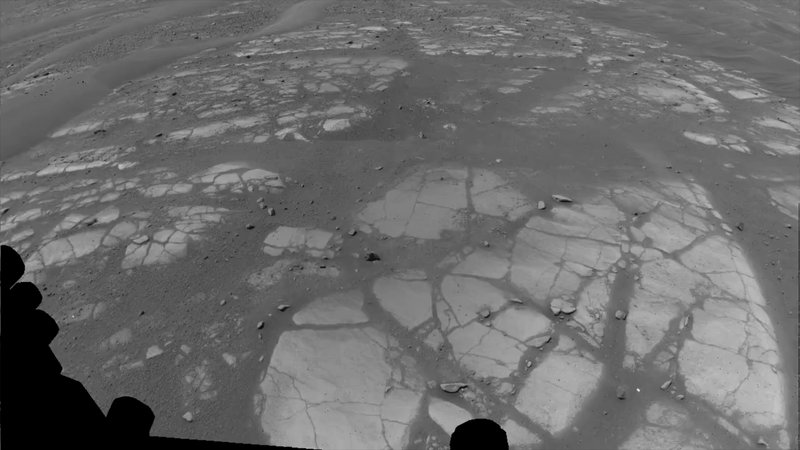
Description This animation of NASA’s Perseverance was created with the Caspian visualization tool using data acquired during an 807-foot (246-meter) drive on the rim of Jezero Crater made by the rover on Dec. 10, 2025, the 1,709th Martian day, or sol, of the mission. The mission’s “drivers,” or rover planners, use the information to understand the Perseverance’s […] The post Visualizing Perseverance’s AI-Planned Drive on Mars appeared first on NASA Science .
The team for the six-wheeled scientist used a vision-capable AI to create a safe route over the Red Planet’s surface without the input of human route planners.
NASA astronaut Mark Vande Hei reflects on his time aboard the International Space Station and what it means to call space home in Part 2 of this ISS25 episode. HWHAP 409.