Featured update
Set amid El Salvador’s modern, active volcanic landscape, tranquil blue waters fill a caldera formed by ancient eruptions.



Set amid El Salvador’s modern, active volcanic landscape, tranquil blue waters fill a caldera formed by ancient eruptions.
THIS PAGE WAS UPDATED ON APRIL 10, 2026 This Aeronautics Research Mission Directorate (ARMD) solicitations page compiles the opportunities to collaborate with NASA’s aeronautical innovators and/or contribute to their research to enable new and improved air transportation systems. Most opportunities to participate in research are officially announced through the Web-based NASA Solicitation and Proposal Integrated

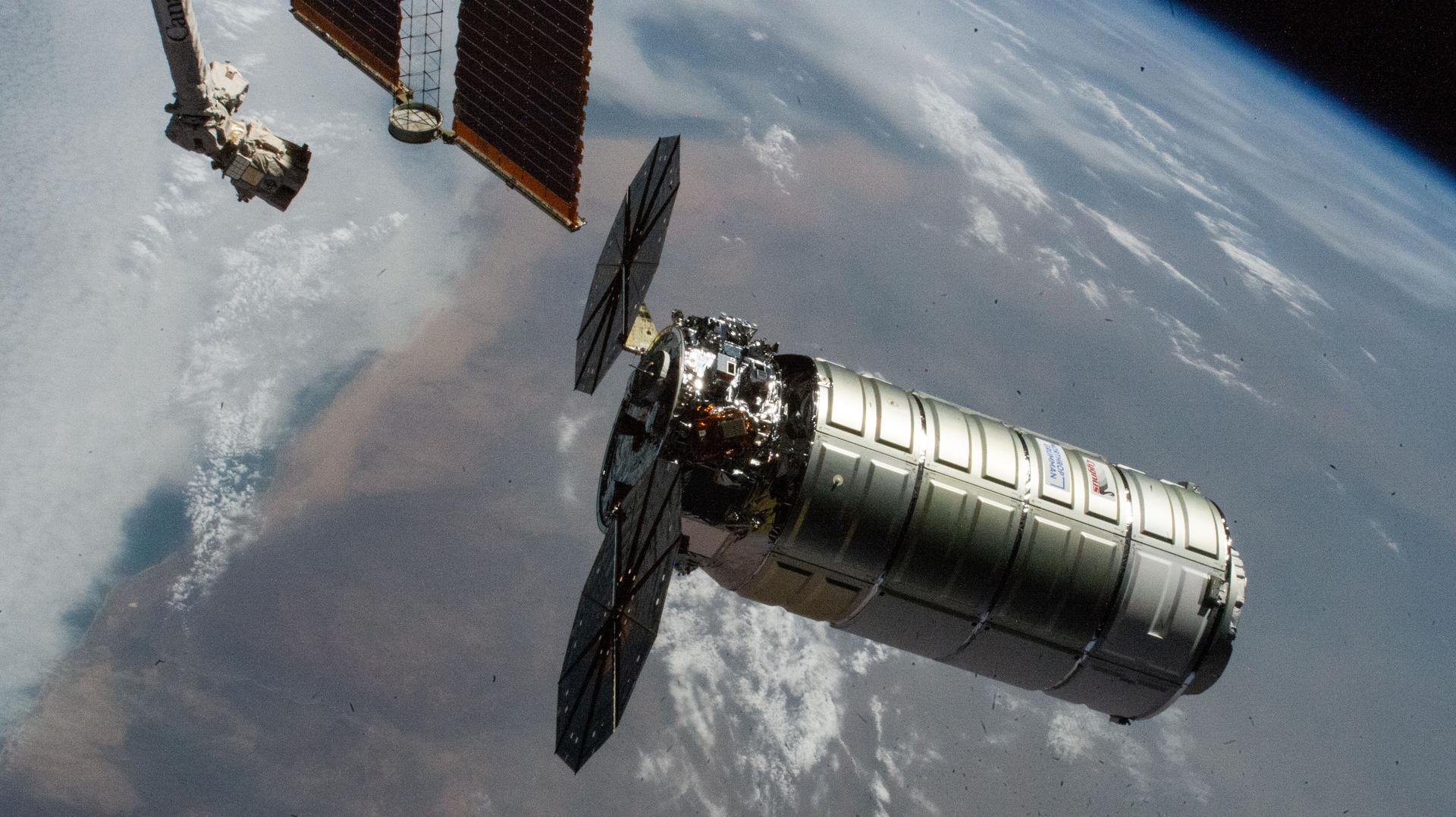
Media accreditation is open for the next launch to deliver NASA science investigations, supplies, and equipment to the International Space Station. A Northrop Grumman Cygnus XL spacecraft will launch in April to the orbital laboratory on a SpaceX Falcon 9 rocket for NASA. The mission is known as NASA’s Northrop Grumman Commercial Resupply Services 24
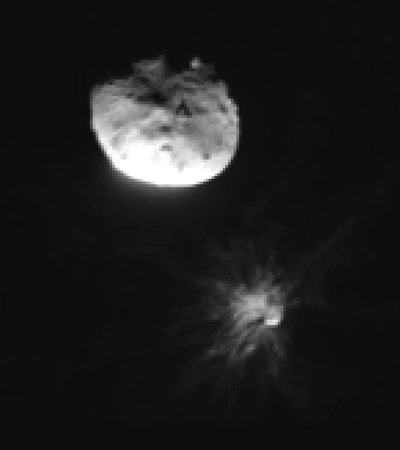
The spacecraft changed the binary system’s orbit, confirming that a kinetic impactor can be an effective planetary defense technique for deflecting a near-Earth object.
Weekends on the International Space Station are for housecleaning and haircuts. NASA astronaut Jessica Meir trims the hair of fellow NASA astronaut Jack Hathaway, both Expedition 74 flight engineers, using an electric razor attached to a vacuum that collects loose clippings to keep the station’s atmosphere clean in microgravity.
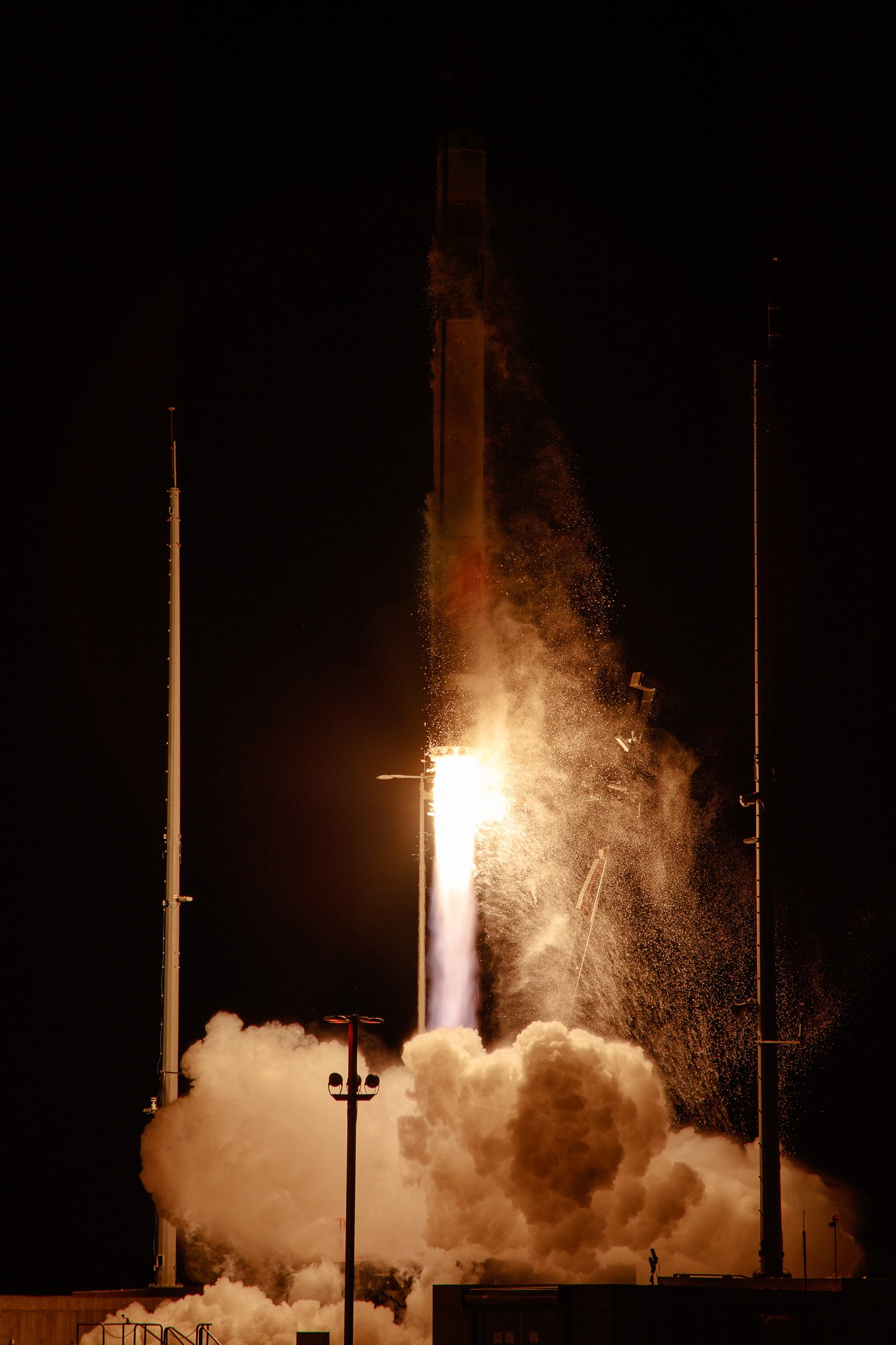
NASA’s Wallops Flight Facility supported a Rocket Lab HASTE suborbital launch from the company’s Launch Complex 2 in Virginia on Feb. 27, 2026. The mission, called Cassowary Vex, supported a flight of a hypersonic test platform for the Department of War’s Defense Innovation Unit. The NASA Wallops launch range supported by providing services such as tracking, telemetry, and range safety
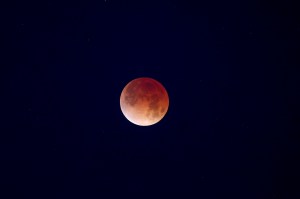
A total lunar eclipse rises over New Orleans, home of NASA’s Michoud Assembly Facility, in the early morning hours of Tuesday, March 3. A lunar eclipse occurs when Earth passes directly between the Sun and Moon, casting a huge shadow across the Moon’s surface. The Moon appears dark red or orange as the Sun’s light filters through Earth’s atmosphere.
NASA's Dragonfly spacecraft, a rotorcraft the size of a small car, is set to explore Titan, Saturn's largest moon. Rich in organic compounds, Titan offers a rare window into the kinds of chemical conditions that may have existed on Earth long before life began.
Nujoud Merancy, NASA's deputy associate administrator for the Strategy and Architecture Office, talks about how NASA is developing the roadmap for Artemis missions to the Moon and beyond.

For the first time, a much younger version of the Sun has been caught red-handed blowing bubbles in the galaxy, by astronomers using NASA’s Chandra X-ray Observatory.
The U.S. Office of Personnel Management (OPM) and NASA announced NASA Force on Wednesday, a dedicated talent track within the US Tech Force initiative designed to recruit and deploy the nation’s top engineers and technologists to support America’s space program. NASA Force will identify and place high-impact technical talent into mission-critical roles supporting NASA’s exploration,
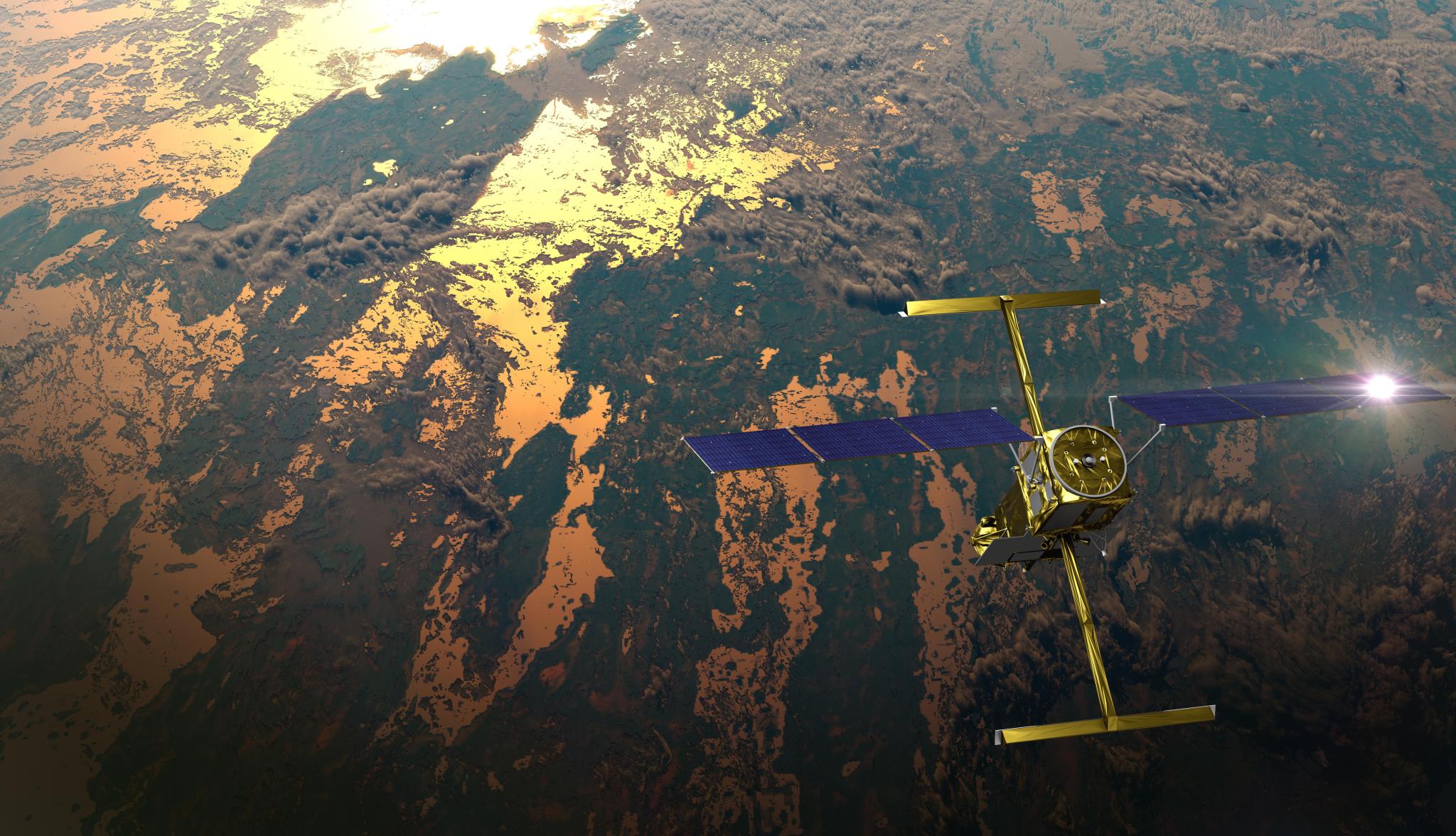
In a first, a space mission led by NASA and France has tracked Earth’s rivers swelling and shrinking from month to month over the course of a year and found significantly less of a swing than previous model-based estimates. A record drought in the Amazon likely influenced the tally made by the Surface Water and
To achieve the national goal of landing American astronauts on the surface of the Moon and maintaining U.S. superiority in exploration and discovery, NASA announced Feb. 27 it is increasing its cadence of missions under the Artemis program, standardizing the SLS (Space Launch System) rocket configuration, and adding a new mission. The plans were shared
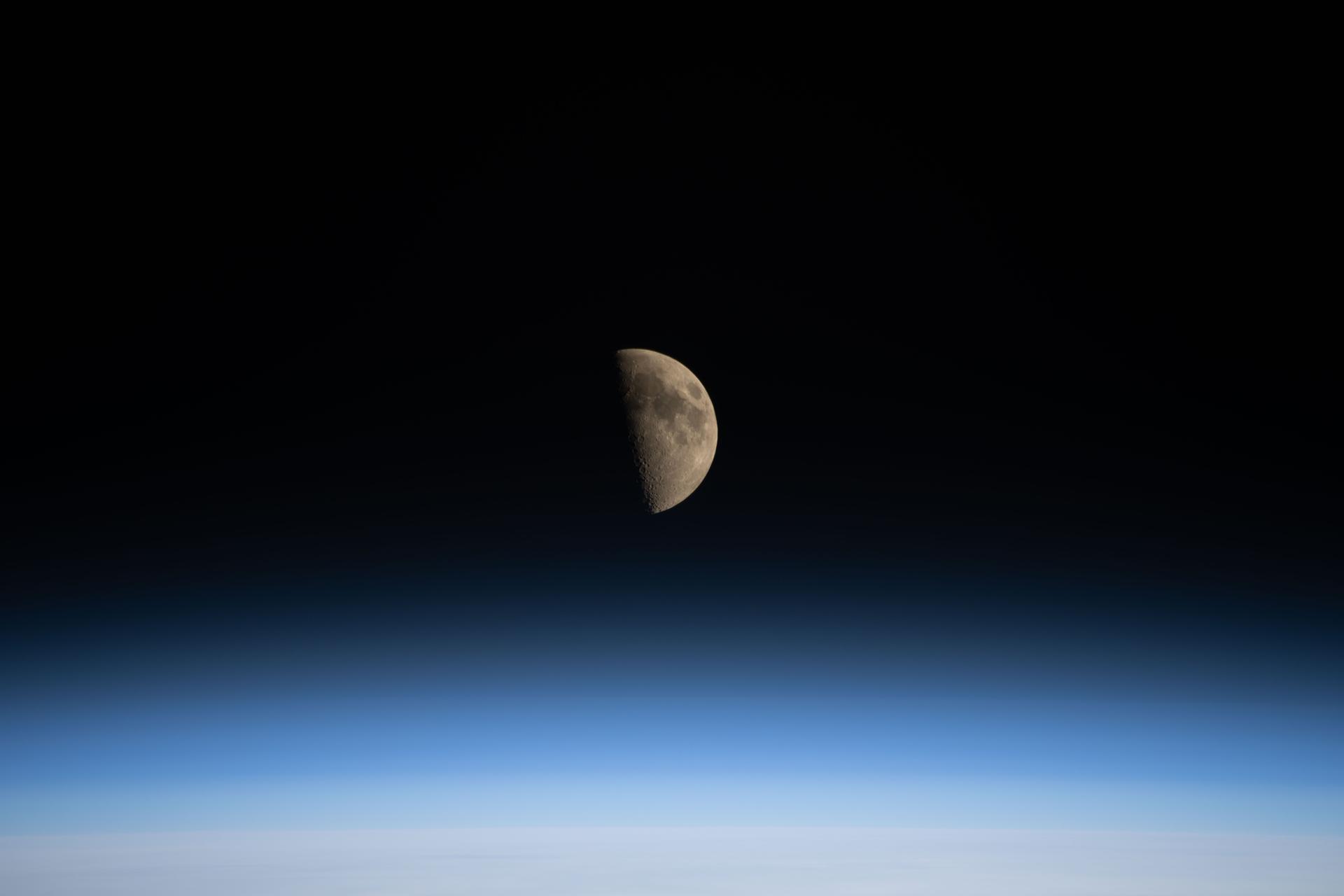
Editor’s note: This release was updated on March 5, 2026, to link to the most recent version of the Announcement for Proposal. NASA’s Glenn Research Center is seeking proposals to lease select land parcels at its Neil Armstrong Test Facility in Sandusky, Ohio. Proposals are due by 5 p.m. EST on July 2, 2026. The
Off the coast of California, NASA’s Artemis Landing and Recovery team and the Department of War that will work together to retrieve the Artemis II crew and Orion spacecraft following their return to Earth and splashdown in the Pacific Ocean are performing a final simulation of their activities, called a just-in-time training, at sea on Tuesday, Jan. 27, 2026. During the training, teams use the Crew Module Test Article, a full-scale mockup of the Orion spacecraft, to simulate as close as possible the conditions they can expect to encounter during splashdown of the Artemis II mission.

The sun's glint beams off a partly cloudy Atlantic Ocean just after sunrise as the International Space Station orbited 263 miles above.

The Carbothermal Reduction Demonstration (CaRD) project aims to demonstrate the carbothermal reduction of lunar regolith to produce oxygen on the Moon's South Pole. For this test, the team integrated the solar concentrator, mirrors, and software and confirmed the production of carbon monoxide.
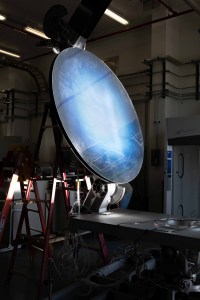
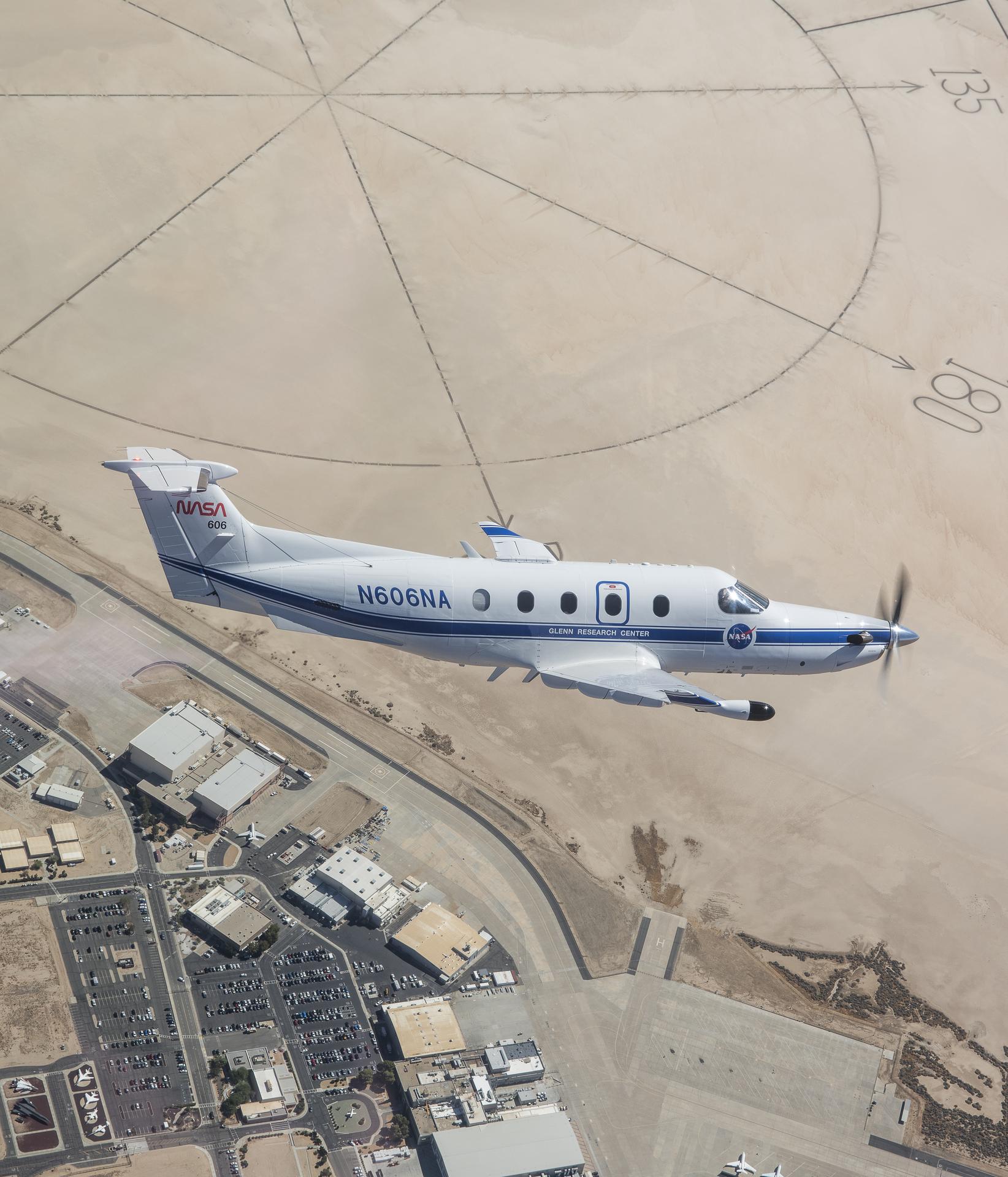
Nestled in the Mojave Desert, NASA’s Armstrong Flight Research Center in Edwards, California, pushes the boundaries of flight to advance the agency’s aeronautics mission. This is where Chuck Yeager broke the sound barrier and engineers are now pioneering the future of high-speed, autonomous, and electrified aircraft. Armstrong contributes to NASA’s broader mission of innovation and
NASA leaders Dana Weigel and Robyn Gatens reflect on more than 25 years of continuous human presence aboard the International Space Station and discuss how the orbiting laboratory is paving the way for Artemis, the Moon, and eventually Mars. HWHAP 413.

Seen in 14 Photojournal categories
Description With a simple motion, a jack-in-the-box-like spring designed at NASA’s Jet Propulsion Laboratory showed the potential of additive manufacturing, also known as 3D printing, to cut costs and complexity for futuristic space antennas. Called JPL Additive Compliant Canister (JACC), the spring deployed on a small commercial spacecraft, Proteus Space’s Mercury One, on Feb. 3, 2026. […] The post JPL 3D-Printed Part Springs Forward appeared first on NASA Science .
 ×
×
×
×
×
×
×
×