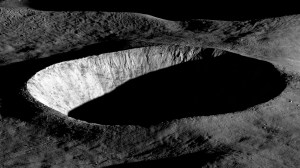
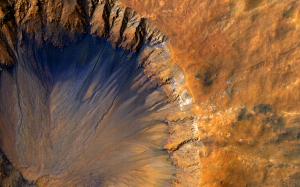
Early morning sunlight illuminates the western wall of this unnamed crater, leaving deep shadows on the ground and in the interior. The image was taken on August 30, 2023, by LROC (Lunar Reconnaissance Orbiter Camera).
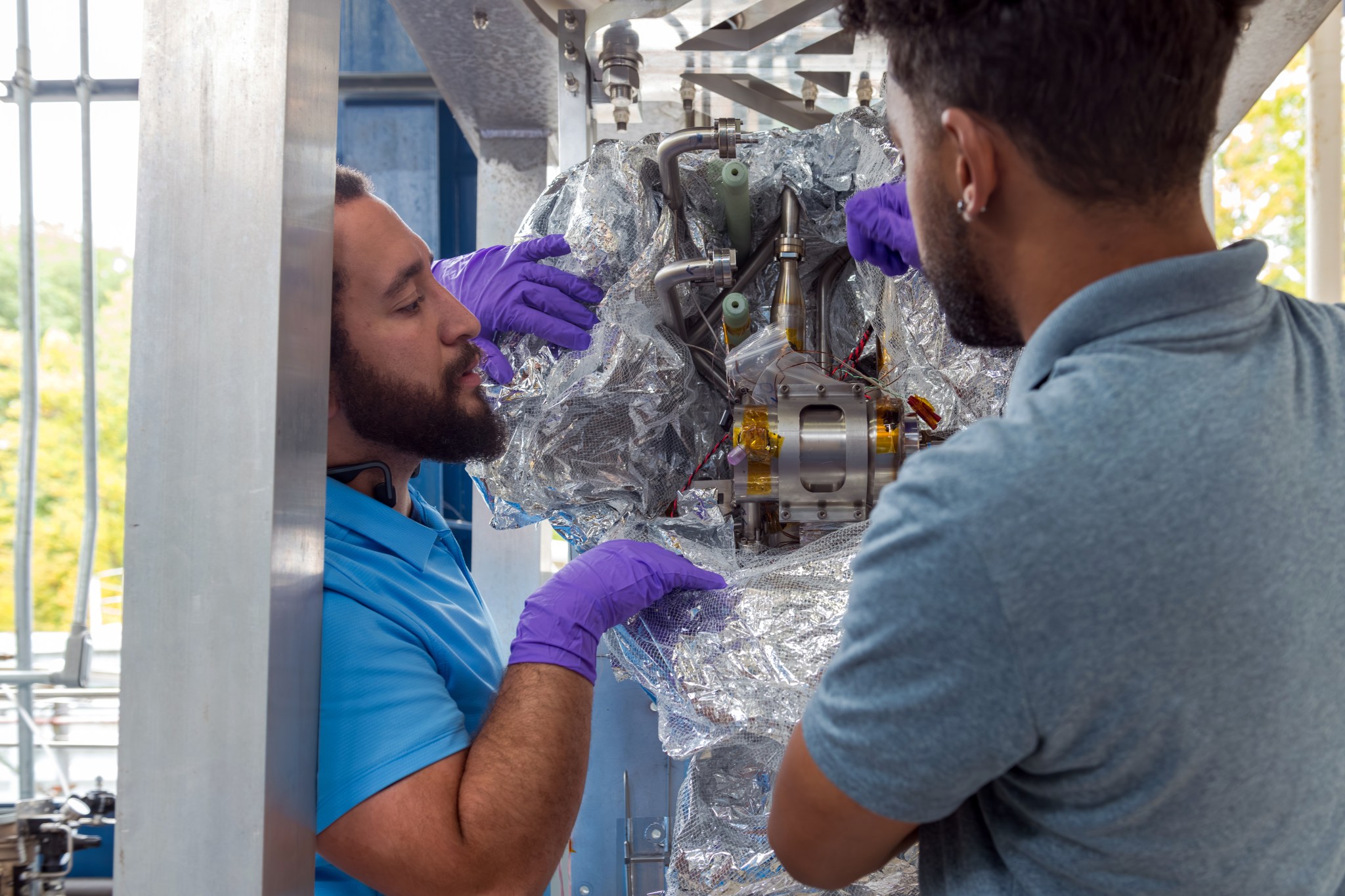
A testing replica of the “backbone” of NASA’s James Webb Space Telescope and a full-scale model of the agency’s Parker Solar Probe are now on permanent display at the Smithsonian’s National Air and Space Museum, Steven F. Udvar-Hazy Center in Chantilly, Virginia.
The Graphics and Visualization Lab (GVIS) at NASA Glenn Research Center creates a variety of immersive visualizations and simulations in support of NASA’s missions, projects, and future innovations. These visual tools help scientists, engineers, and researchers develop new solutions that bring their projects to life. Virtual System Simulations The GVIS Lab prides itself on creating
The Graphics and Visualization Lab (GVIS) at NASA Glenn Research Center creates a variety of immersive visualizations and simulations in support of NASA’s missions, projects, and future innovations. These visual tools help scientists, engineers, and researchers develop new solutions that bring their projects to life. Conceptual Visual Designs GVIS creates conceptual visual designs for proposed
The Graphics and Visualization Lab (GVIS) at NASA Glenn Research Center creates a variety of immersive visualizations and simulations in support of NASA’s missions, projects, and future innovations. These visual tools help scientists, engineers, and researchers develop new solutions that bring their projects to life. Scientific Visualizations GVIS creates scientific visualizations to explain complex scientific
The Graphics and Visualization Lab (GVIS) at NASA Glenn Research Center creates a variety of immersive visualizations and simulations in support for NASA’s missions, projects, and future innovations. These visual tools help scientists, engineers, and researchers develop solutions to bring their projects to life. Test Facility Models GVIS creates visualizations of various NASA test facilities.
The First Air Force Detachment 3 discusses their long-standing partnership with NASA supporting astronaut rescue and recovery operations from Mercury to Artemis. HWHAP 415.
NASA astronauts will conduct a pair of spacewalks beginning Wednesday, March 18, outside of the International Space Station to prepare for the installation of two roll-out solar arrays. Experts from NASA will preview the spacewalks during a news conference at 2 p.m. EDT, Monday, March 16, at the agency’s Johnson Space Center in Houston. Watch
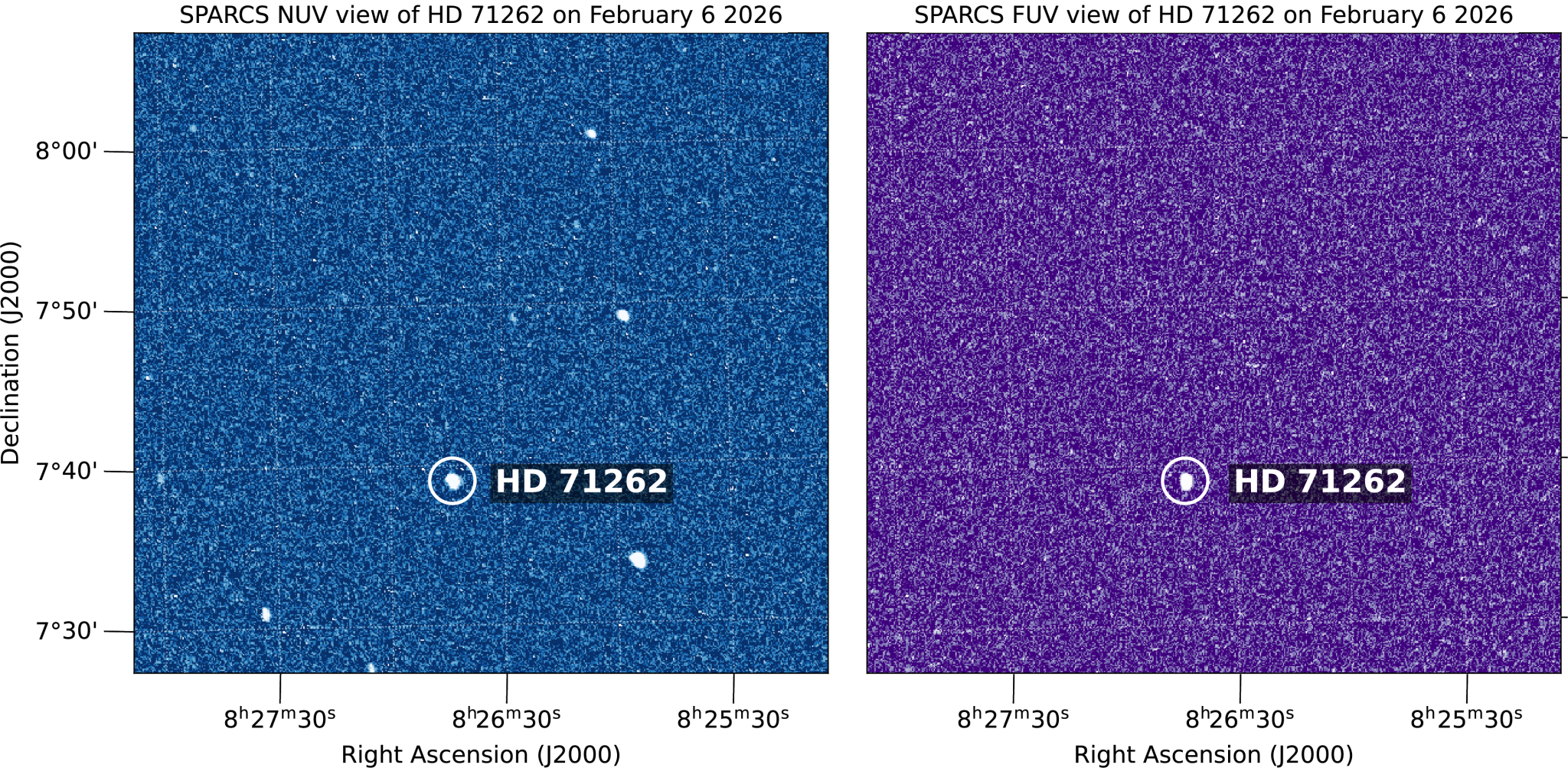
With the first images from the spacecraft now in hand, the team behind NASA’s Star-Planet Activity Research CubeSat, or SPARCS, is ready to begin charting the energetic lives of the galaxy’s most common stars to help answer one of humanity’s most profound questions: Which distant worlds beyond our solar system might be habitable? Initial, or
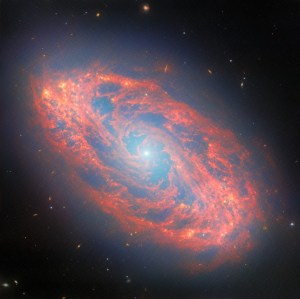
Two powerful instruments of the NASA/ESA/CSA James Webb Space Telescope joined forces to create this scenic galaxy view. This spiral galaxy is named NGC 5134, and it’s located 65 million light-years away in the constellation Virgo.
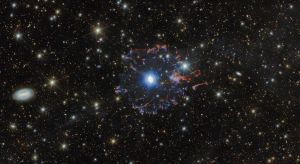
In Euclid’s wide, near-infrared, and visible light view, the arcs and filaments of the nebula’s bright central region are situated within a halo of colorful fragments of gas zooming away from the star. This ring was ejected from the star at an earlier stage, before the main nebula at the center formed. Hubble captures the very core of the billowing gas with high-resolution visible-light images, adding extra detail in the center of this image. The whole nebula stands out against a backdrop teeming with distant galaxies, demonstrating how local astrophysical beauty and the farthest reaches of the cosmos can be seen together in modern astronomical surveys. Together, these missions provide a rich and complementary view of NGC 6543 — revealing the delicate interplay between stellar end-of-life processes and the vast cosmic tapestry beyond.
The farther the destination, the more fuel a rocket needs. The more fuel the rocket carries, the heavier the spacecraft. The heavier the spacecraft, the more fuel it requires to launch. Experts at NASA’s Glenn Research Center in Cleveland are testing technology that could solve this problem. The CryoFILL (Cryogenic Fluid In-Situ Liquefaction for Landers) project could transform the way NASA fuels future space exploration missions, reducing costs and extending the duration of planetary surface operations. “If
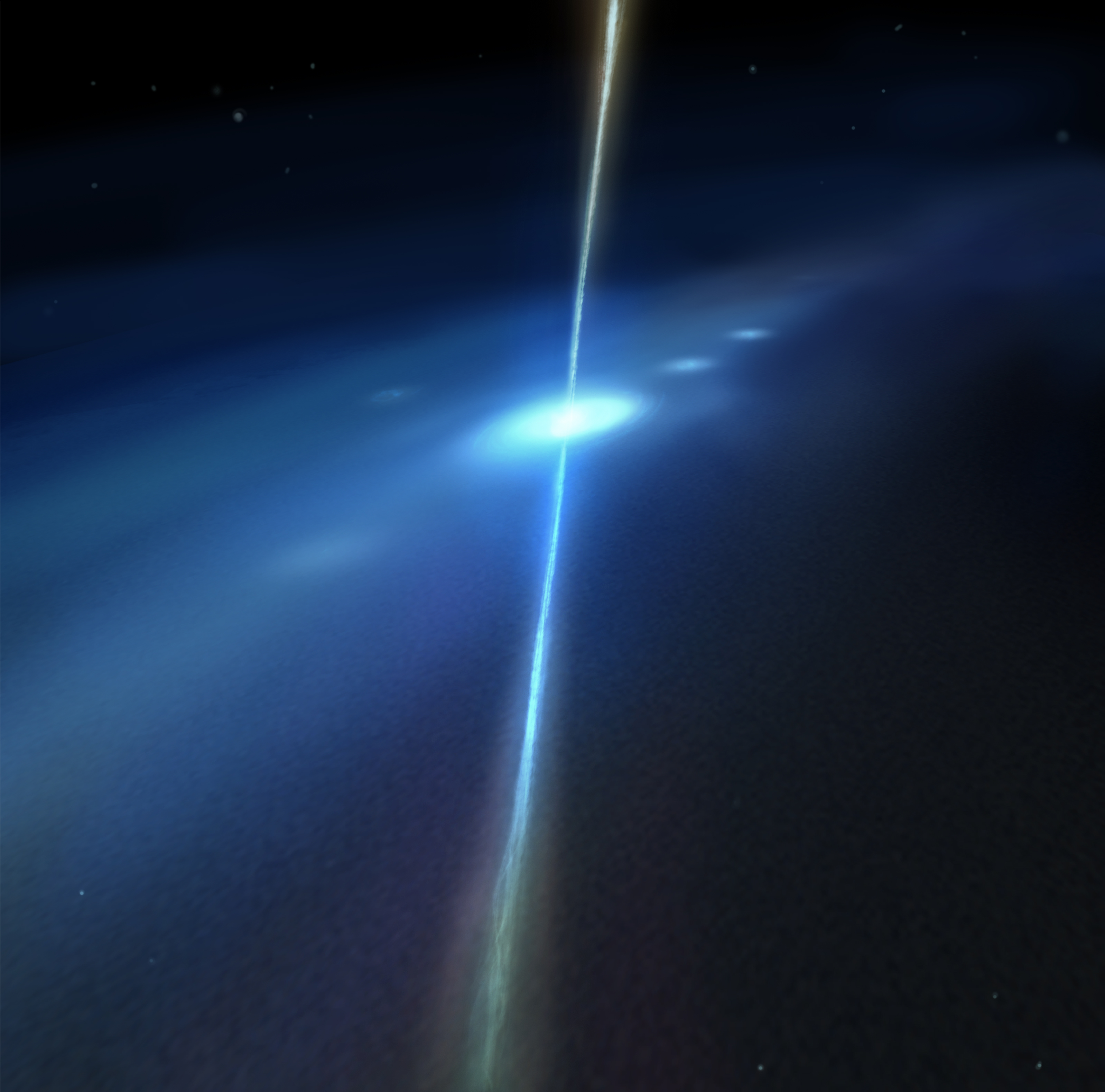
A fleet of NASA missions has likely uncovered a collision between two ultradense stars in a tiny galaxy buried in a huge stream of gas. Astronomers have never seen this type of explosive event in an environment like this before — and it may help solve two outstanding cosmic mysteries. A paper describing these results
On Monday, NASA announced Bradley Flick, director of NASA’s Armstrong Flight Research Center in Edwards, California, will retire Thursday, March 19, after a nearly 40-year career advancing aeronautics and flight research. Flick began his NASA journey in 1986 as a flight systems engineer and rose through the ranks to lead the center. His career spanned
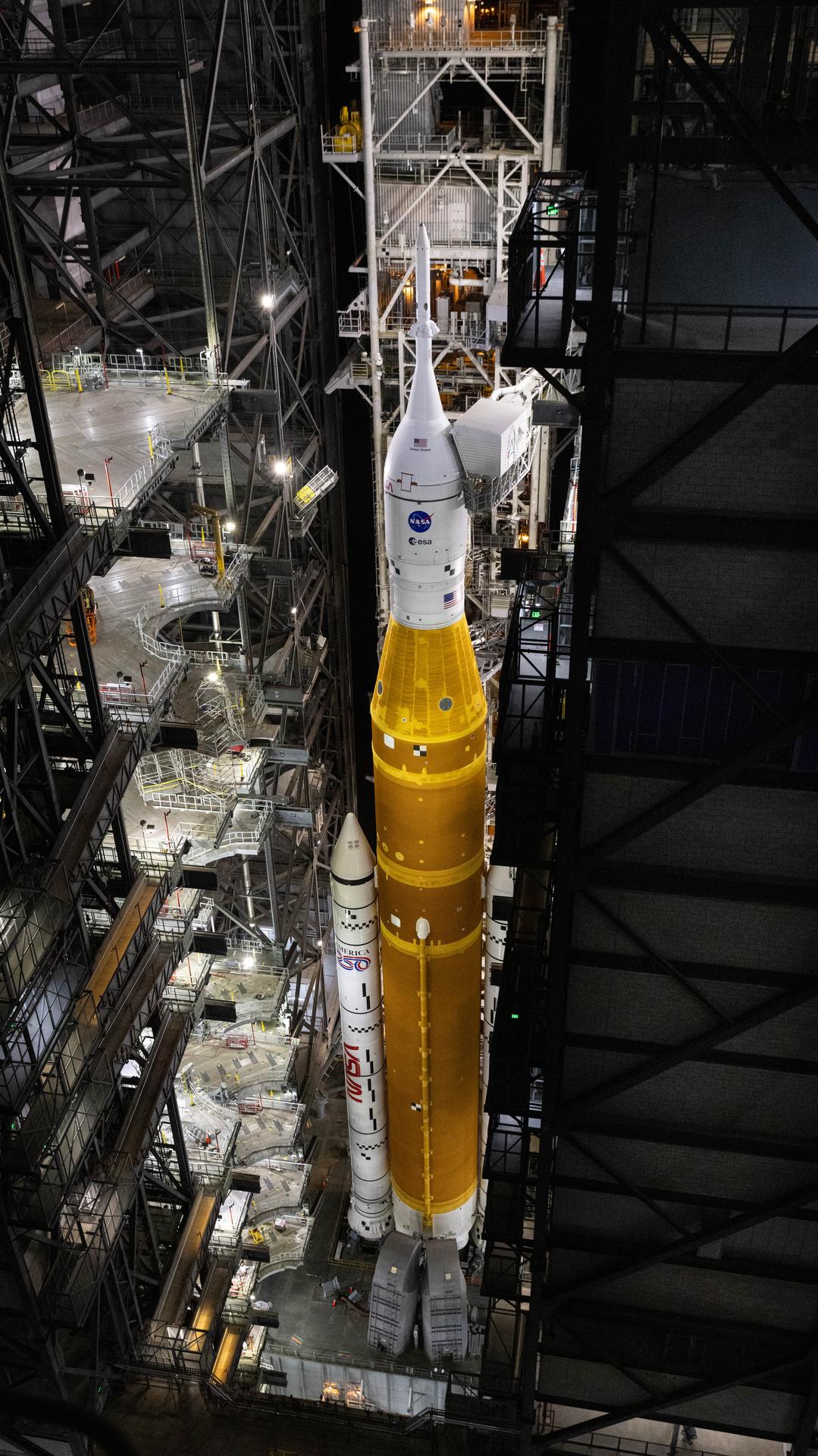
Editor’s note: This advisory was updated on March 10, 2026, to reflect the latest participants in the news conference. NASA will host a news conference at 3 p.m. EDT, Thursday, March 12, to highlight progress toward the Artemis II crewed mission around the Moon. The media briefing will take place from the agency’s Kennedy Space
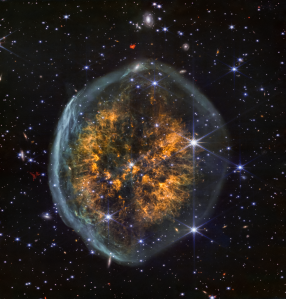
A brain-new image from Webb! What looks like a brain (complete with what appear as left and right hemispheres) is actually a dying star blowing off a shell of gas, and within that shell, a cloud of various gases.
9 Mar 2026, 15:06 GMTBy Gerelle Q. Dodson3 variants
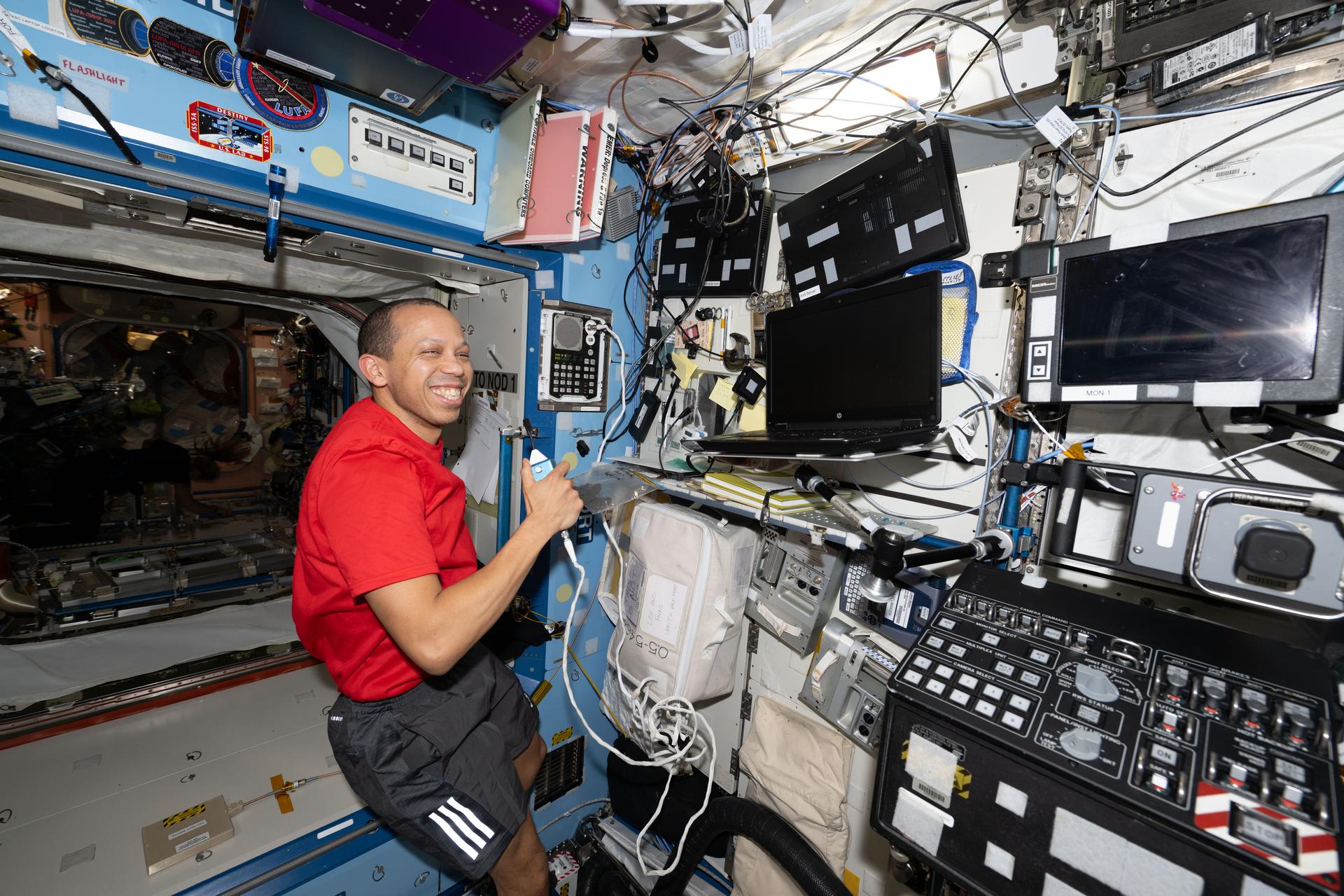
Students in New York will hear from NASA astronauts Jack Hathaway and Chris Williams as they answer prerecorded science, technology, engineering, and mathematics (STEM) questions while aboard the International Space Station. The Earth-to-space call will begin at 12:05 p.m. EDT Wednesday, March 11, and will stream live on the agency’s Learn With NASA YouTube channel.
THIS PAGE WAS UPDATED ON APRIL 10, 2026 This Aeronautics Research Mission Directorate (ARMD) solicitations page compiles the opportunities to collaborate with NASA’s aeronautical innovators and/or contribute to their research to enable new and improved air transportation systems. Most opportunities to participate in research are officially announced through the Web-based NASA Solicitation and Proposal Integrated