
Clear all
9 Apr 2026, 00:00 GMT

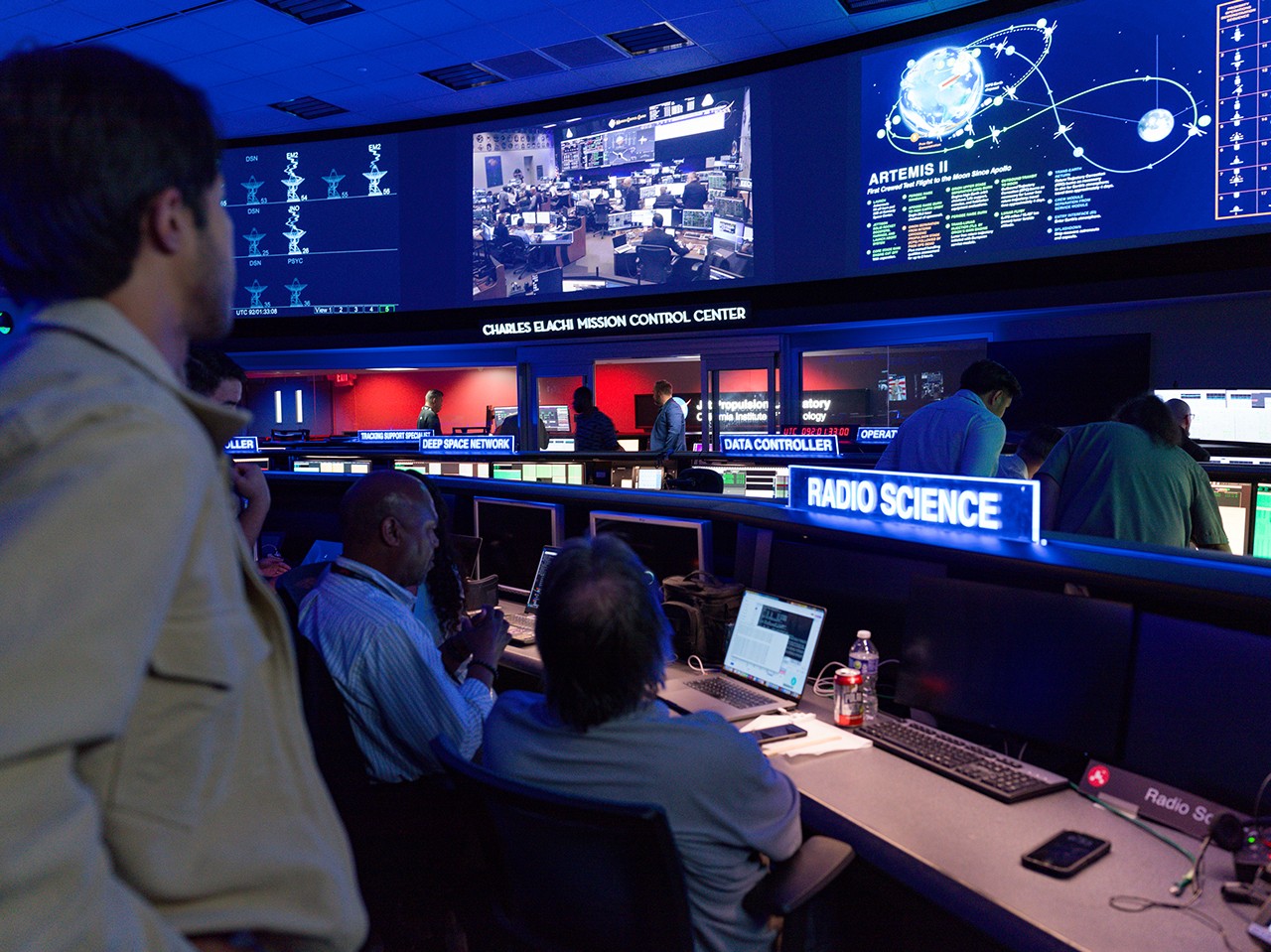
Description A container of “lucky peanuts” sits above workstations within the Space Flight Operations Facility at NASA’s Jet Propulsion Laboratory shortly before the launch of the Artemis II mission to the Moon on April 1, 2026. Eating peanuts before launches and other major mission events is a longstanding tradition at JPL. The Space Flight Operations Facility operates

Download item bundle
JPL’s ‘Lucky Peanuts’ Before Artemis II Launch
9 Apr 2026, 00:00 GMT

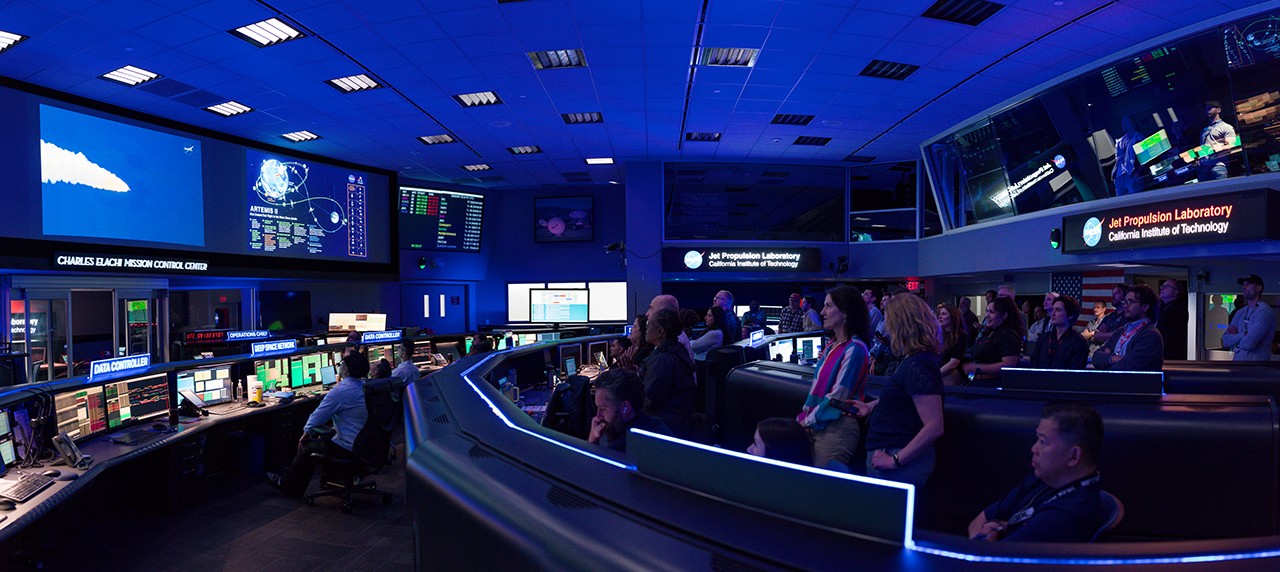
Description Staff at NASA’s Jet Propulsion Laboratory in Southern California watch the launch of the agency’s Artemis II mission to the Moon on April 1, 2026, at the Space Flight Operations Facility, which operates the Deep Space Network (DSN). Soon after launch, the Artemis II crew communicated with the Near Space Network while they were

Download item bundle
Watching the Artemis II Launch From JPL’s Space Flight Operations Facility
9 Apr 2026, 00:00 GMT

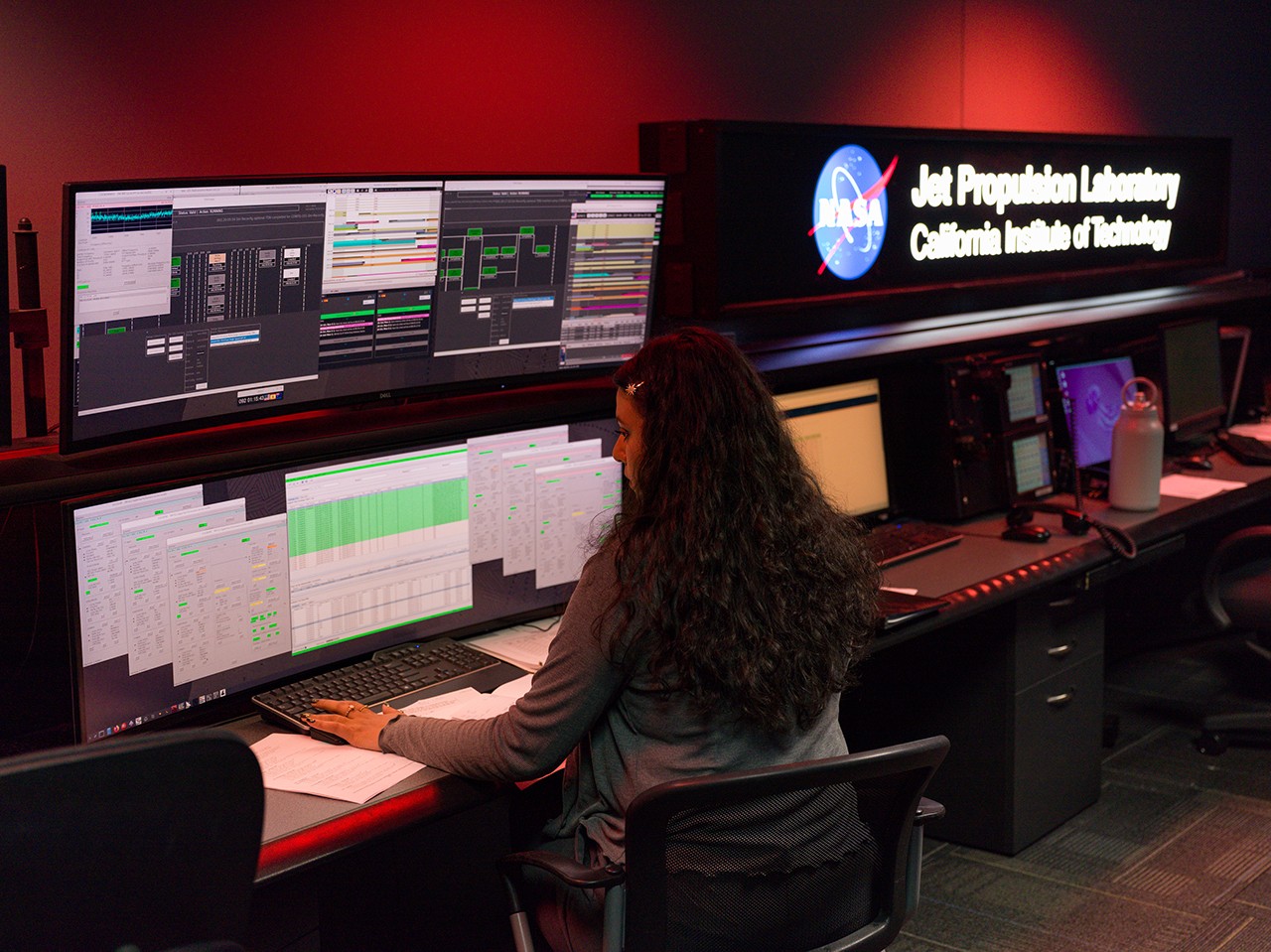
Description Blanca Renteria, Artemis Deep Space Network (DSN) operations chief, monitors data at the Space Flight Operations Facility at NASA’s Jet Propulsion Laboratory in Southern California shortly after Artemis II launched from the agency’s Kennedy Space Flight Center in Florida on April 1, 2026, at 6:35 p.m. EDT. The Space Flight Operations Facility operates the

Download item bundle
Watching Over the Deep Space Network Before Artemis II Signal Acquisition
9 Apr 2026, 00:00 GMT

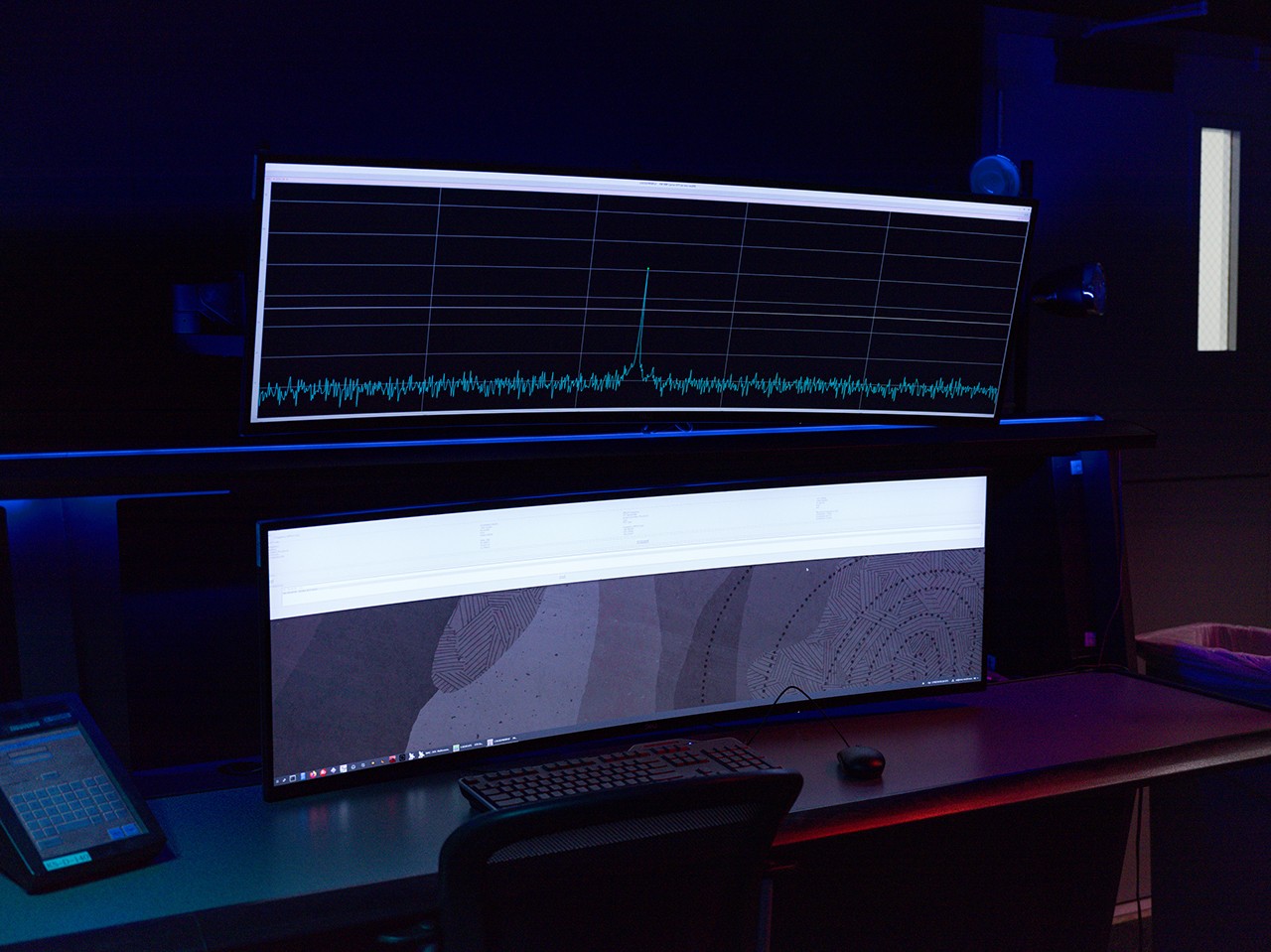
Description The acquisition of the radio frequency signal from the Artemis II crewed mission to the Moon by NASA’s Deep Space Network (DSN) is indicated by the peak in the data signal shown on the top computer screen. Soon after the mission’s launch on April 1, 2026, at 6:35 p.m. EDT, NASA’s Near Space Network

Download item bundle
The Deep Space Network Acquires Artemis II Signal
9 Apr 2026, 00:00 GMT

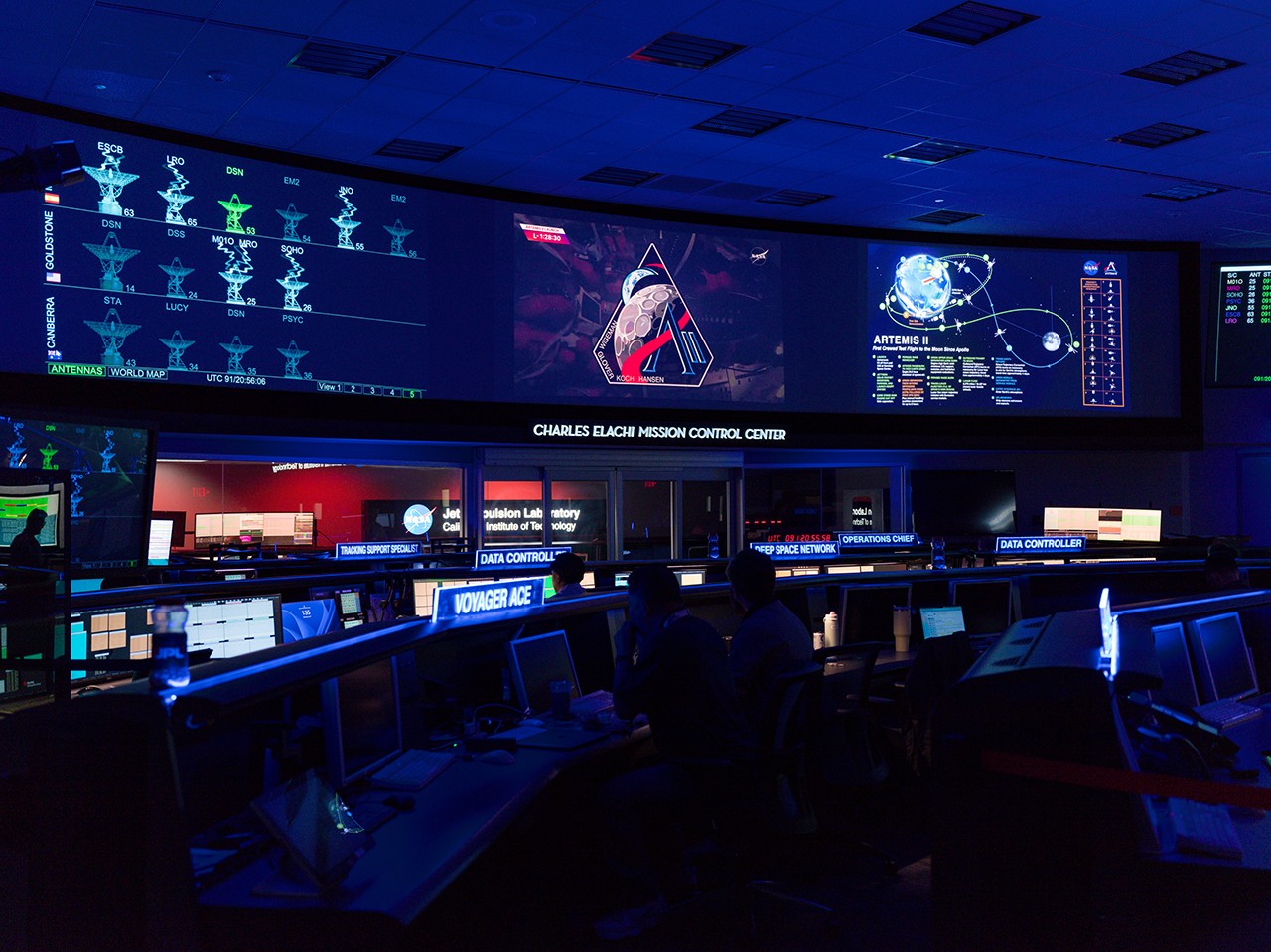
Description The Artemis II mission patch appears in the center screen of the Space Flight Operations Facility at NASA’s Jet Propulsion Laboratory in Southern California on April 1, 2026, shortly before the mission launched to the Moon. A graphical representation of the antennas of the agency’s Deep Space Network (DSN), left, indicates which antennas are

Download item bundle
Supporting Artemis II From JPL’s Space Flight Operations Facility
27 Mar 2026, 00:00 GMT

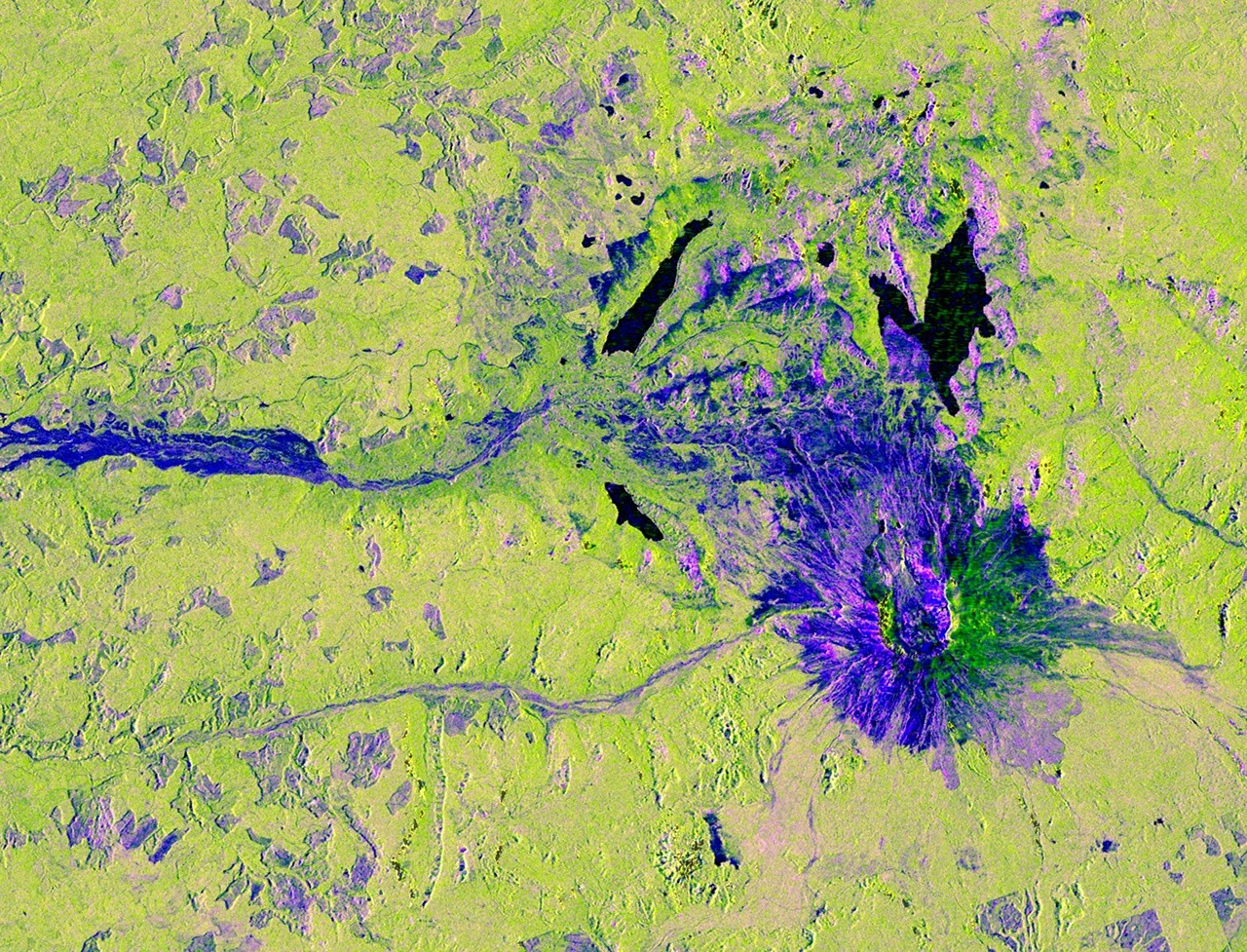
Description This image captured by U.S.-Indian Earth satellite NISAR on Nov. 10, 2025, shows Washington’s Mount St. Helens. The image is cropped from a much larger swath spanning the Pacific Northwest on a cloudy day; NISAR’s L-band SAR instrument is able to peer through the clouds at the surface below. In Pacific Northwest imagery from

Download item bundle
NISAR Views Mount St. Helens
27 Mar 2026, 00:00 GMT

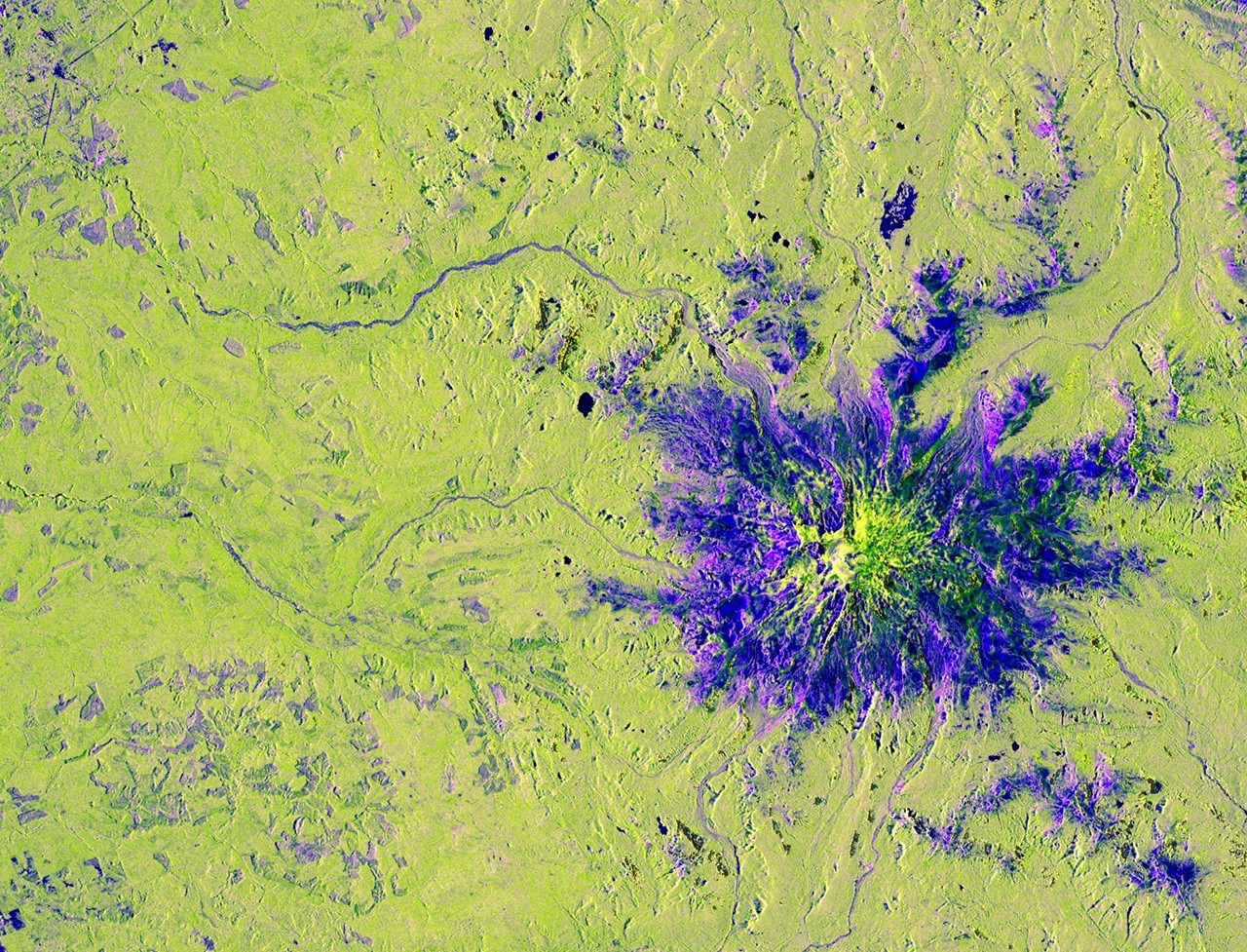
Description This image captured by U.S.-Indian Earth satellite NISAR on Nov. 10, 2025, shows Washington’s Mount Rainier. The image is cropped from a much larger swath spanning the Pacific Northwest on a cloudy day; NISAR’s L-band SAR instrument is able to peer through the clouds at the surface below. In Pacific Northwest imagery from the

Download item bundle
NISAR’s View of Mount Rainier
16 Mar 2026, 00:00 GMT

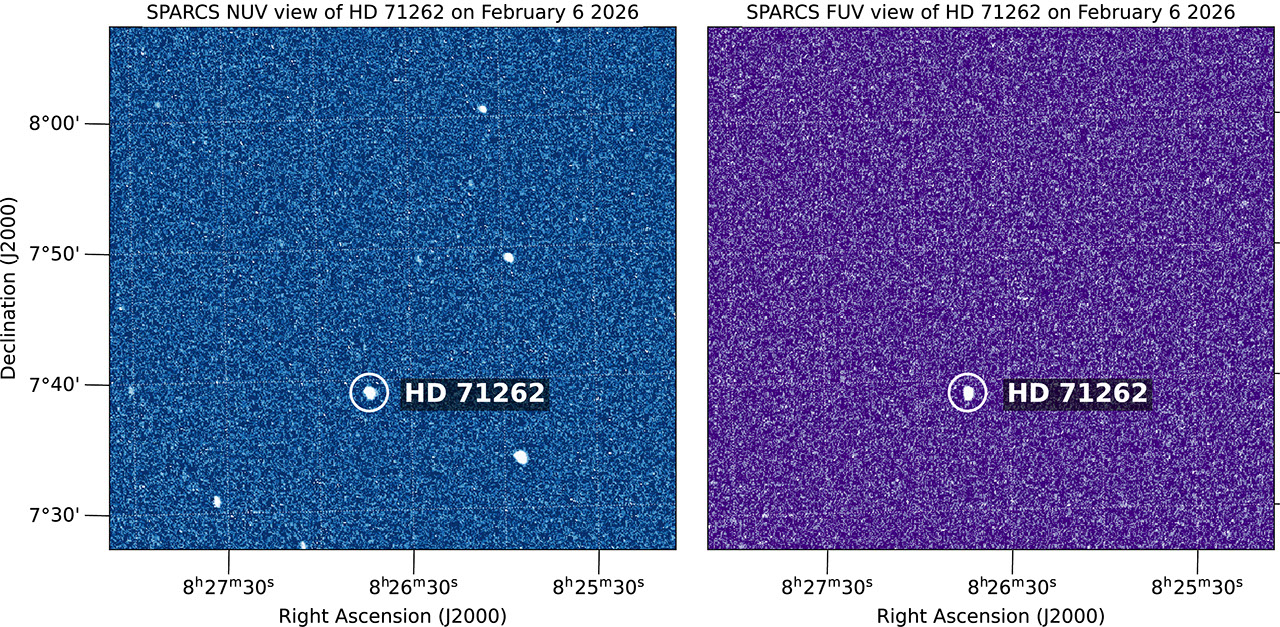
Description This pair of images shows stars observed by the SPARCS (Star-Planet Activity Research CubeSat) space telescope simultaneously in the near-ultraviolet, left, and far-ultraviolet, right. These observations were recorded on Feb. 6, 2026, three weeks after the cube satellite, or CubeSat, launched aboard a SpaceX Falcon 9 on Jan. 11. The fact that one star

Download item bundle
SPARCS CubeSat ‘First Light’ Images
26 Feb 2026, 00:00 GMT

Description With a simple motion, a jack-in-the-box-like spring designed at NASA’s Jet Propulsion Laboratory showed the potential of additive manufacturing, also known as 3D printing, to cut costs and complexity for futuristic space antennas. Called JPL Additive Compliant Canister (JACC), the spring deployed on a small commercial spacecraft, Proteus Space’s Mercury One, on Feb. 3, 2026.

Download item bundle
Video
23 Feb 2026, 00:00 GMT

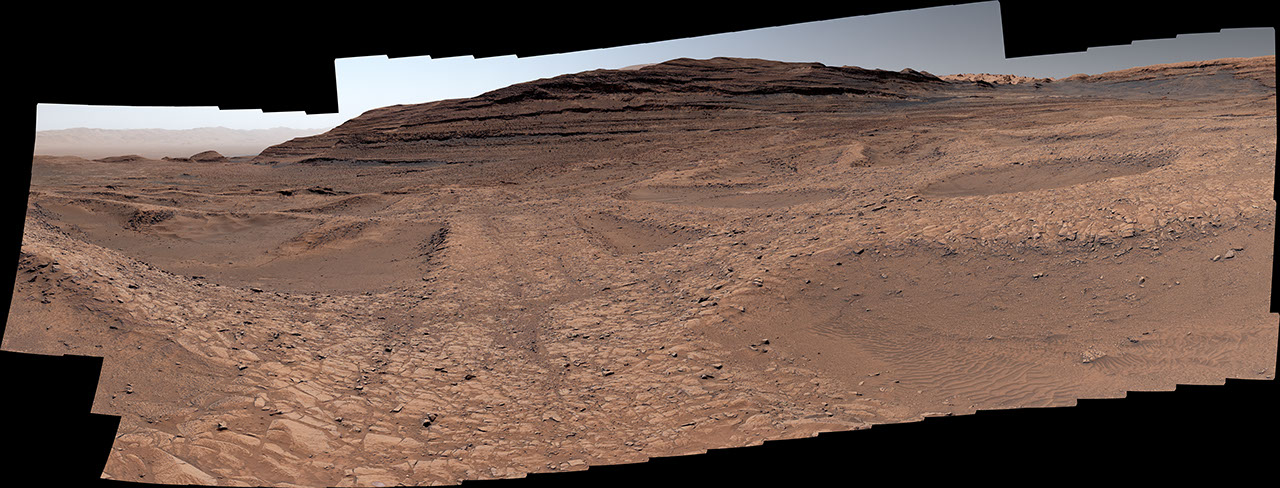
Description NASA’s Curiosity Mars rover captured this panorama of boxwork formations — the low ridges seen here with hollows in between them — using its Mastcam on Sept. 26, 2025, the 4,671st Martian day, or sol, of the mission. These boxwork formations were created billions of years ago when water leaked through rock cracks. Minerals

Download item bundle
Curiosity Surveys the Boxwork Region
23 Feb 2026, 00:00 GMT

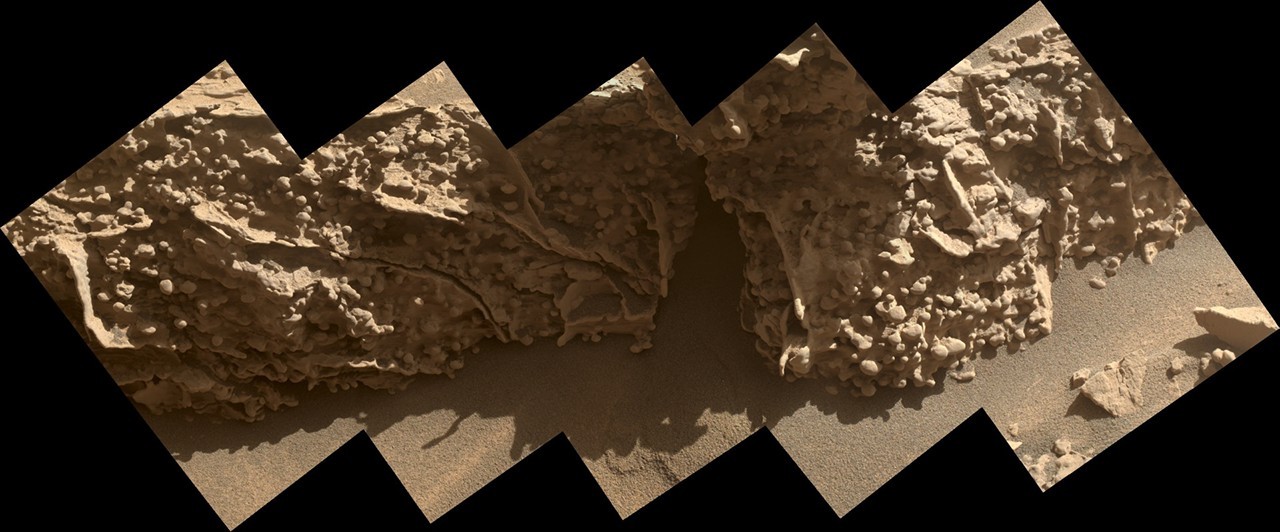
Description NASA’s Curiosity Mars rover discovered these bumpy, pea-sized nodules while exploring a region filled with boxwork formations — low ridges standing roughly 3 to 6 feet (1 to 2 meters) tall with sandy hollows in-between. This mosaic is made up of 50 individual images taken by Curiosity’s Mars Hand Lens Imager (MAHLI), a camera on

Download item bundle
Curiosity Studies Nodules on Boxwork Formations
18 Feb 2026, 00:00 GMT

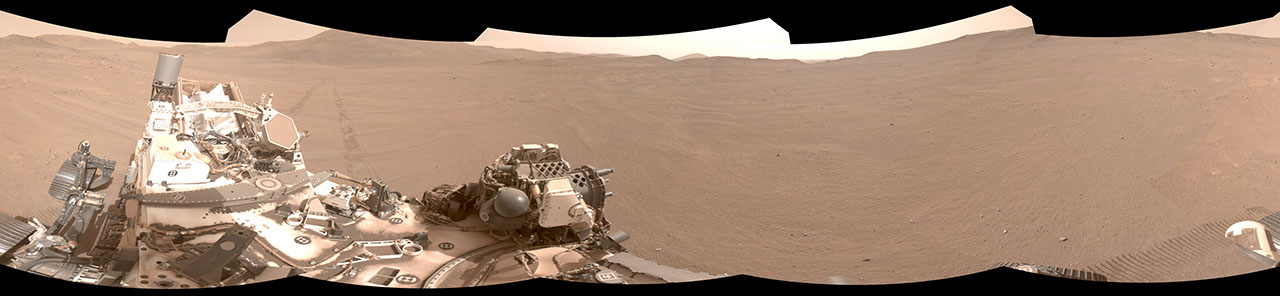
Description Using its navigation cameras, NASA’s Perseverance Mars rover captured the five stereo pairs of images that make up this panorama on Feb. 2, 2026, the 1,762nd day, or sol, of the mission. A new technology called Mars Global Localization matched this 360-degree view to onboard orbital imagery from the agency’s Mars Reconnaissance Orbiter (MRO),

Download item bundle
Perseverance Pinpoints Its Location at ‘Mala Mala’
18 Feb 2026, 00:00 GMT

Description These images were part of the first successful use of a new technology called Mars Global Localization, developed at NASA’s Jet Propulsion Laboratory. Using its navigation cameras, NASA’s Perseverance captured a 360-degree view of the surrounding terrain that was matched to orbital imagery, enabling the rover to pinpoint its location on Mars on Feb. 2,

Download item bundle
Video
4 Feb 2026, 00:00 GMT

Description These observations by NASA’s SPHEREx (Spectro-Photometer for the History of the Universe, Epoch of Reionization and Ices Explorer) show the infrared light emitted by the dust, water, organic molecules, and carbon dioxide contained within comet 3I/ATLAS’s coma. The comet brightened significantly during the December 2025 period when SPHEREx made the observations — about two

Download item bundle
NASA’s SPHEREx Examines Comet 3I/ATLAS’s Coma
30 Jan 2026, 00:00 GMT

Description This animation of NASA’s Perseverance was created with the Caspian visualization tool using data acquired during an 807-foot (246-meter) drive on the rim of Jezero Crater made by the rover on Dec. 10, 2025, the 1,709th Martian day, or sol, of the mission. The mission’s “drivers,” or rover planners, use the information to understand the Perseverance’s

Download item bundle
Video