Featured update
Researchers used data from the now-retired spacecraft and other space and ground-based observatories helped to piece together the mystery of a ‘failed’ supernova.
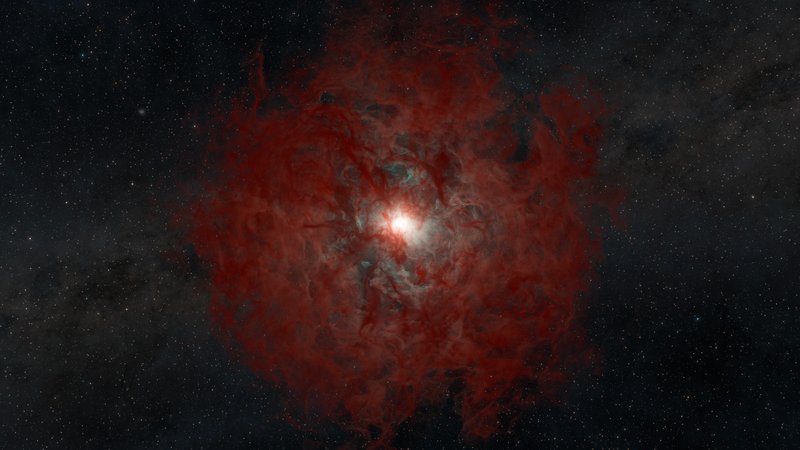


Researchers used data from the now-retired spacecraft and other space and ground-based observatories helped to piece together the mystery of a ‘failed’ supernova.
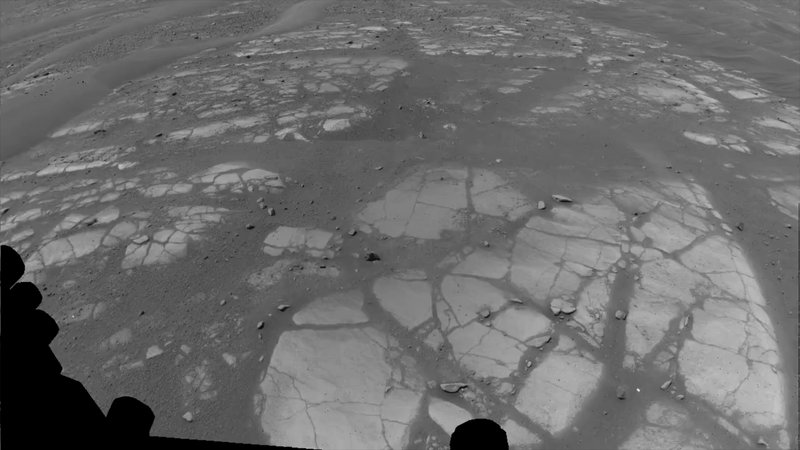
The team for the six-wheeled scientist used a vision-capable AI to create a safe route over the Red Planet’s surface without the input of human route planners.
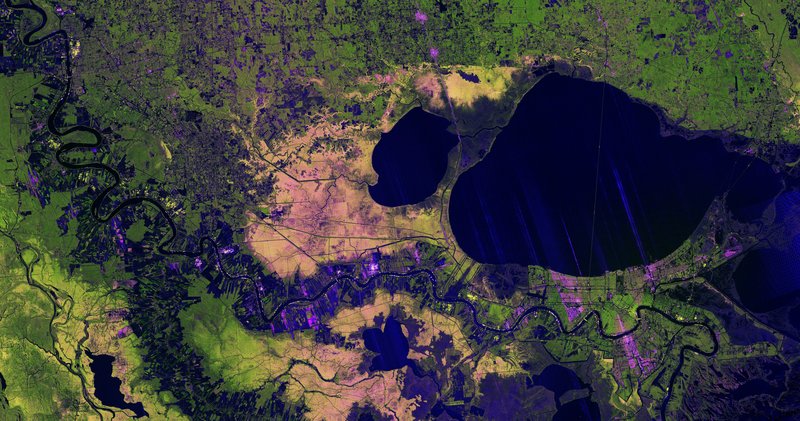
A new image from the NISAR mission shows off the satellite’s ability to reveal details of Earth’s surfaces. The science team also released new sample data.
A mild La Niña caused greater rainfall over the Amazon basin, which offset rising sea levels due to record warming of Earth’s oceans.
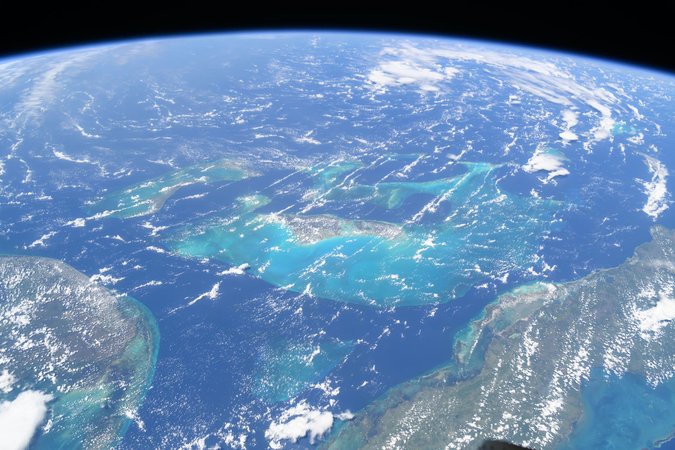
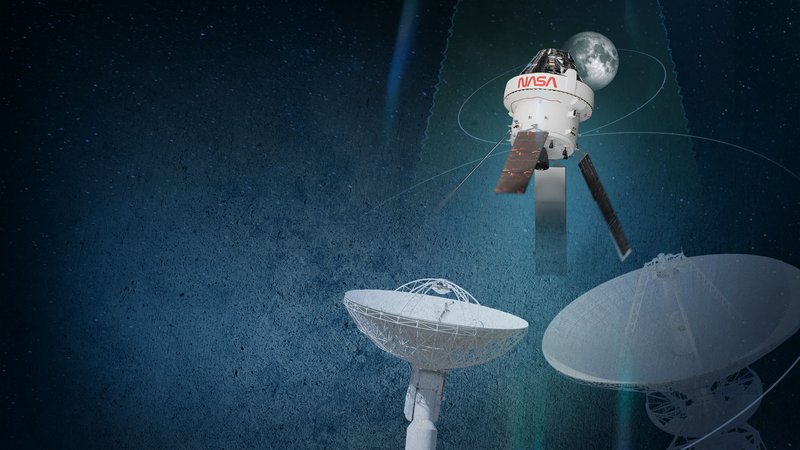
Artemis missions rely on both the Near Space Network, managed by NASA Goddard, and the Deep Space Network, managed by the Jet Propulsion Laboratory.
Results from the solar-powered spacecraft provide a new measurement of the thickness of the ice shell encasing the Jovian moon’s ocean.

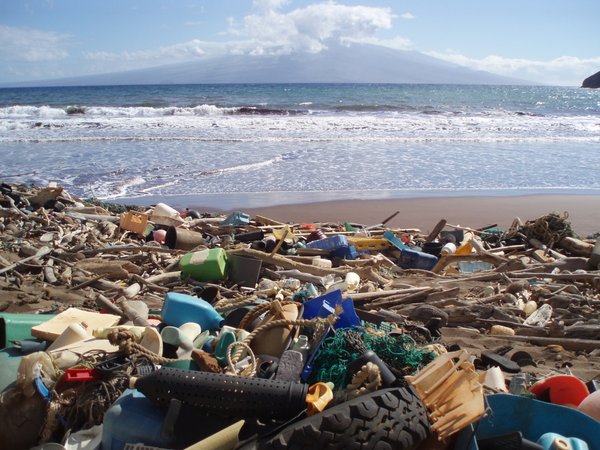
Space-based technology could help track plastic and other flotsam by its ‘fingerprints.’
With the Webb telescope’s unprecedented sensitivity, scientists are learning more about dark matter’s influence on stars, galaxies, and even planets like Earth.
The small satellites passed a crucible of tests, ending with a simulation of the intense vibrations of launch.
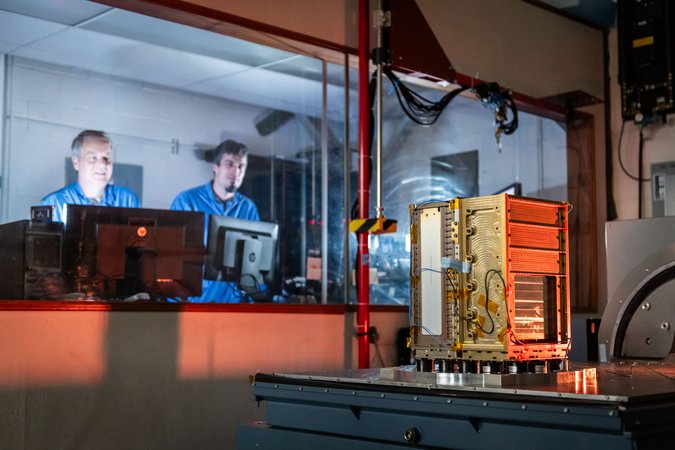
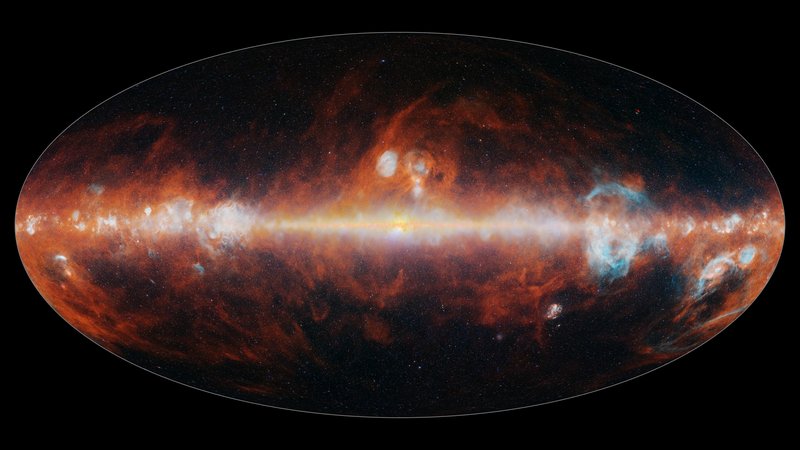
The telescope will help scientists answer big-picture questions about everything from water deposits in the Milky Way to what happened in the first second after the big bang.
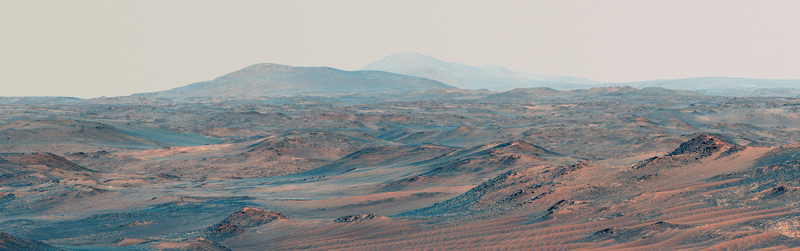
The rover has been acing a long-term series of durability tests, making the most of its enhanced navigation capabilities, and ferreting out new findings about Mars’ geologic past.
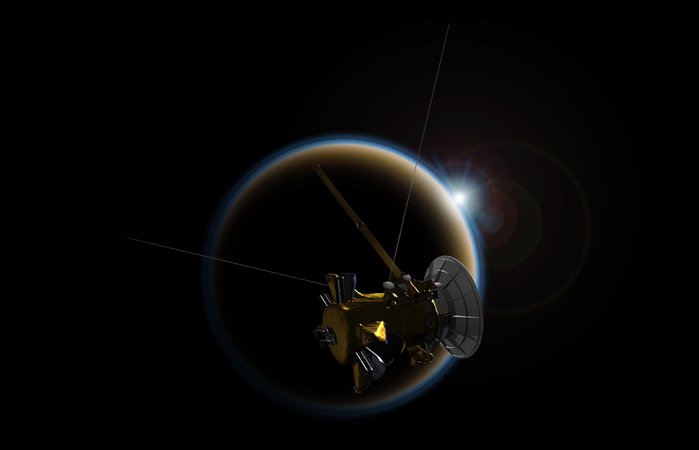
Reanalysis of data from NASA’s Cassini mission has revealed Saturn’s moon may instead have layers of slush with isolated pockets of liquid water.
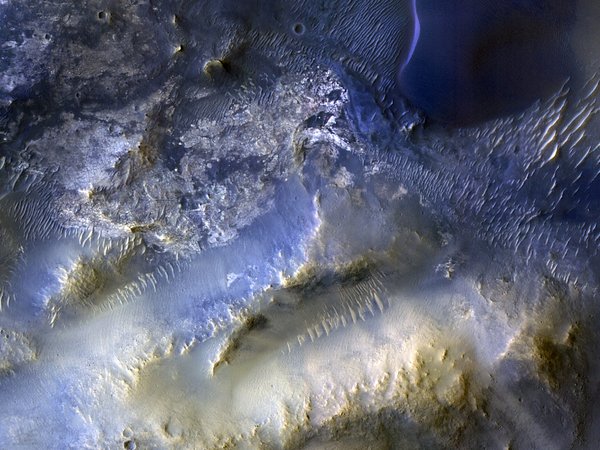
Mesas and dunes stand out in the view snapped by HiRISE, one of the imagers aboard the agency’s Mars Reconnaissance Orbiter.
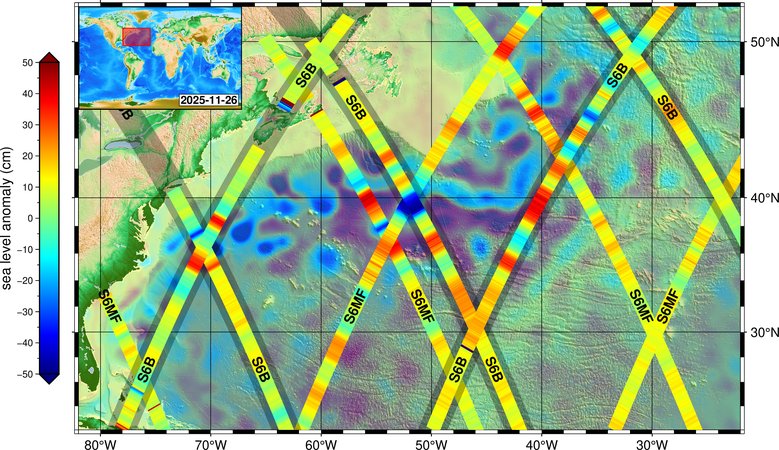
Launched in November, Sentinel-6B will track ocean height with ultraprecision to advance marine forecasting, national security, and more.
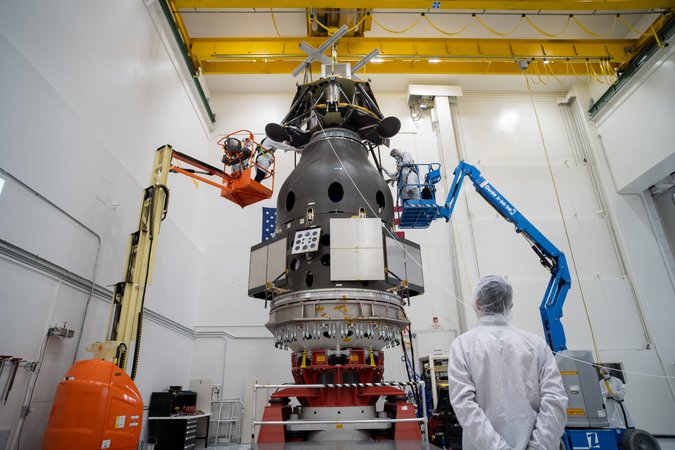
As Firefly Aerospace prepares to follow its successful soft landing on the Moon, an engineering model for its next lander is being put through its paces.
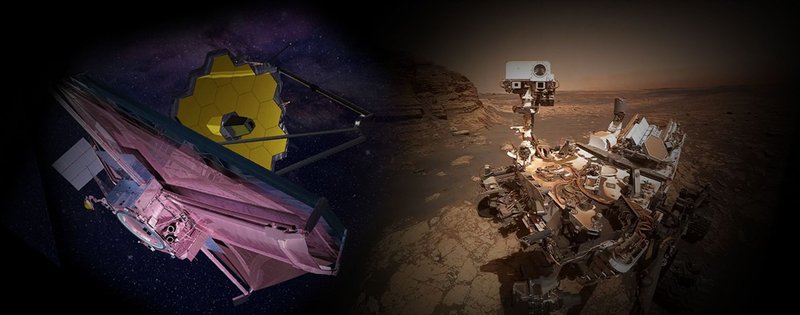
The most powerful space telescope ever built and the car-size roving science lab on Mars are among 25 of the most iconic inventions the magazine has covered in the past quarter century.
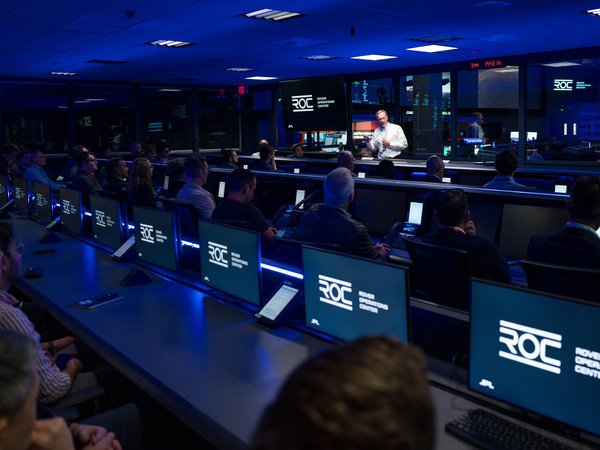
The center leverages AI along with JPL’s unique infrastructure, unrivaled tools, and years of operations expertise to support industry partners developing future planetary surface missions.
Called AVIRIS-5, it’s the latest in a long line of sensors pioneered by NASA JPL to survey Earth, the Moon, and other worlds.
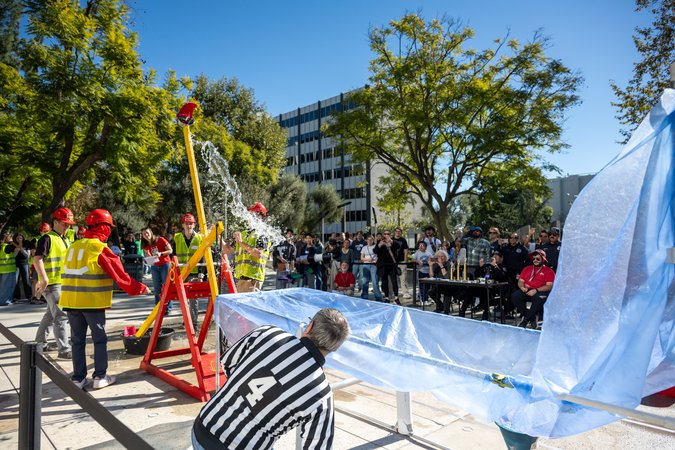
Now in its 26th year, the event brings teams of middle and high school students to the lab to compete with home-built contraptions.
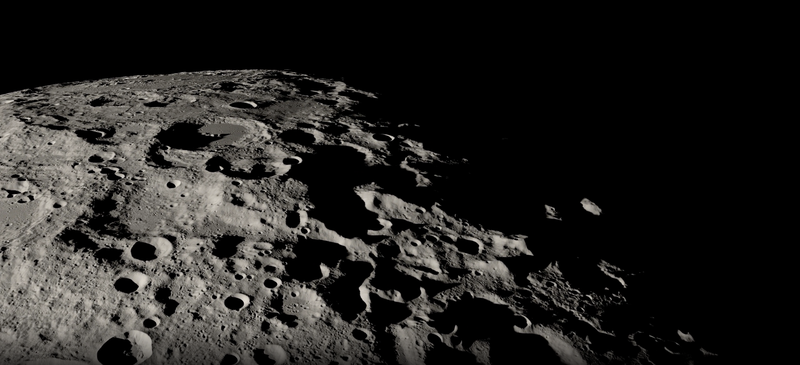
The JPL-led South Pole Seismic Station will enable scientists to characterize the lunar interior structure to better understand geologic processes that affect planetary bodies.
 ×
×
×
×
×
×
×
×