
Active filters Source: Technology
Clear all
14 May 2026, 20:53 GMT By Lauren E. Low 4 variants

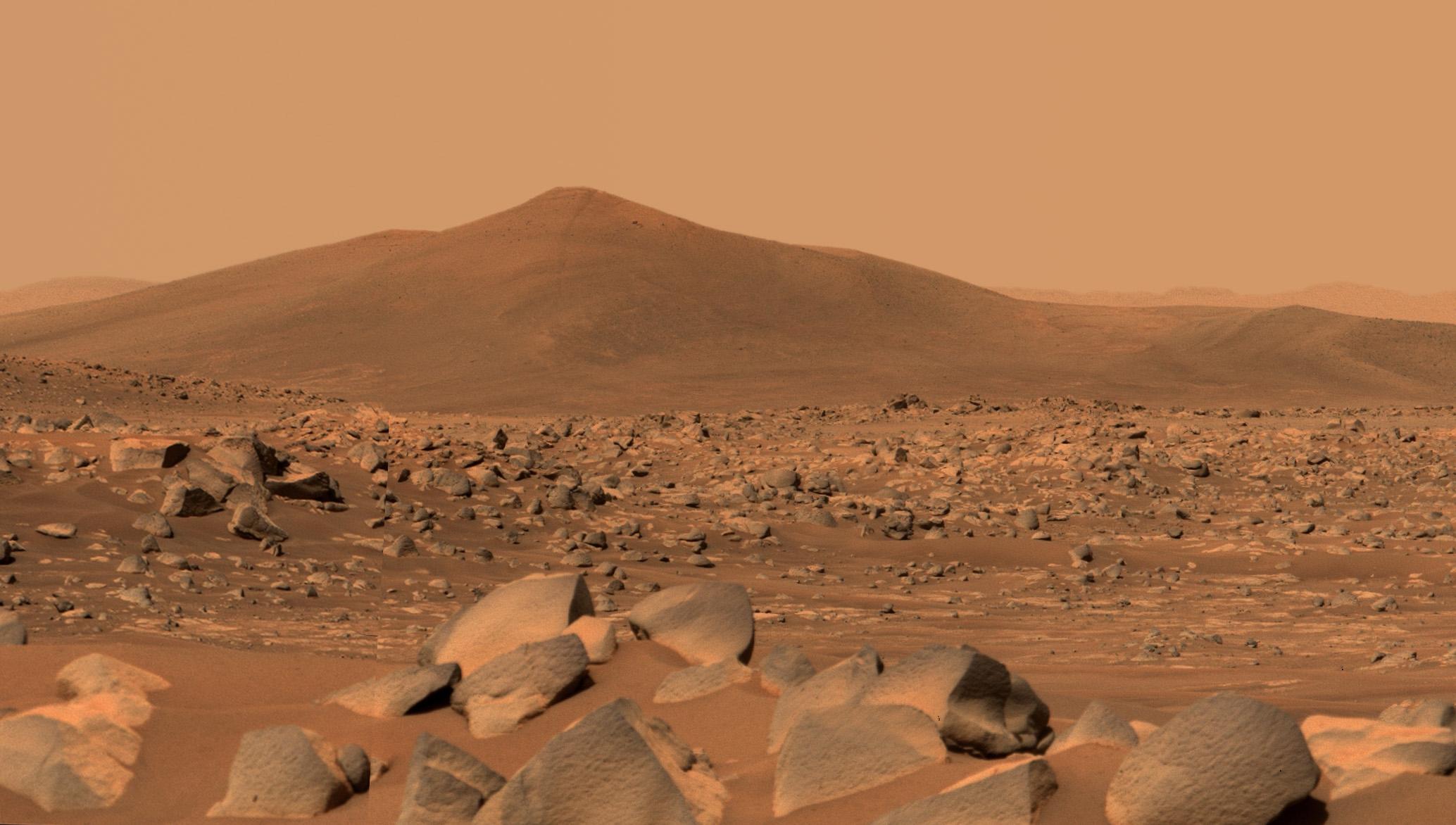
On Thursday, NASA issued a Request for Proposal (RFP), seeking industry collaboration for the Mars Telecommunications Network. Reliable, high bandwidth communications is necessary to relay science data, high-definition imagery, and critical information during Mars missions. The network will use high-performance Mars telecommunications orbiters at the Red Planet to support future surface, orbital, and human exploration.

Download item bundle
NASA Draws on Industry for Mars Telecommunications Network
13 May 2026, 19:47 GMT By Andrew Wagner 3 variants

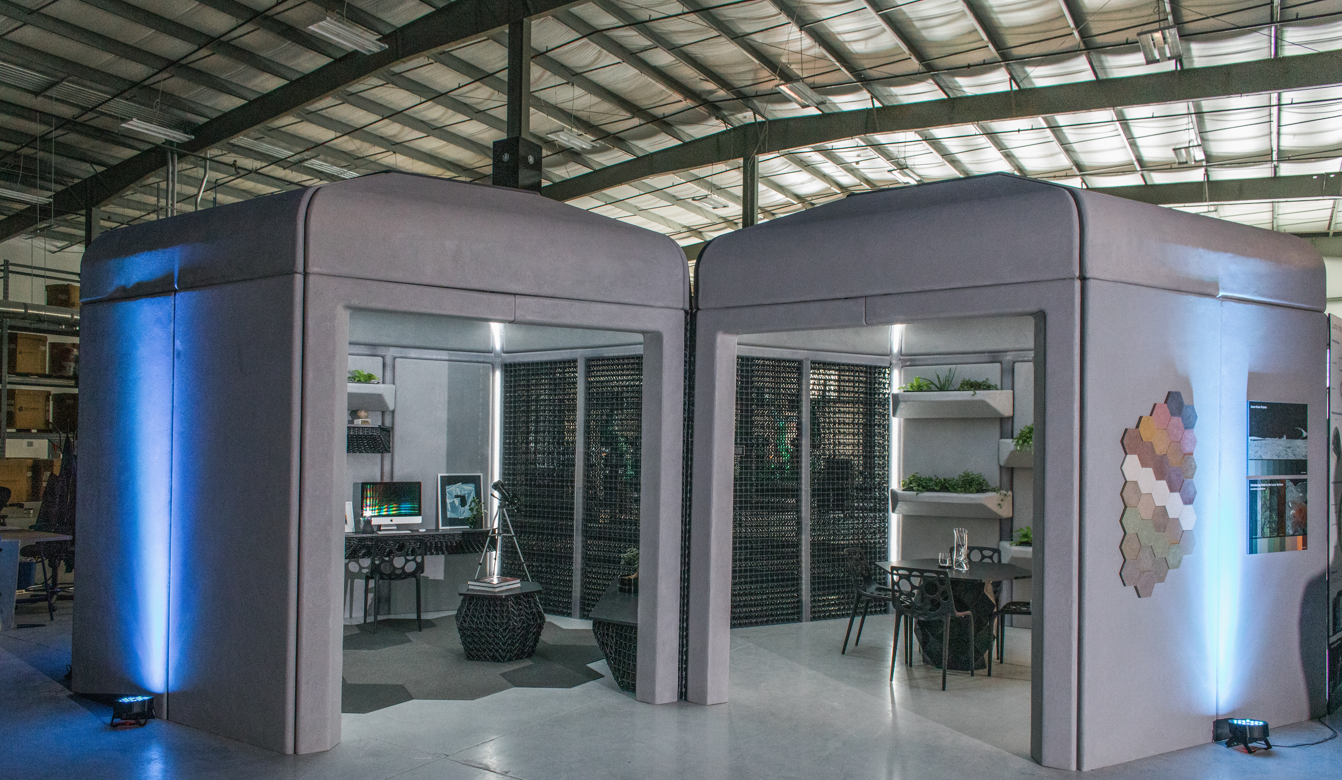
An innovative 3D printing process that advanced NASA’s approach to outfitting a lunar habitat is making buildings on Earth beautiful, efficient, and strong. Instead of building structures layer by layer, Branch Technology Inc. of Chattanooga, Tennessee, has developed a process the company calls Freeform 3D Printing, which creates shapes with lightweight lattice structures that can be filled or covered. The company uses the technique to manufacture

Download item bundle
NASA-Supported Space Tech Advances Earthly Construction
12 May 2026, 15:02 GMT By Stephen Carney 5 variants

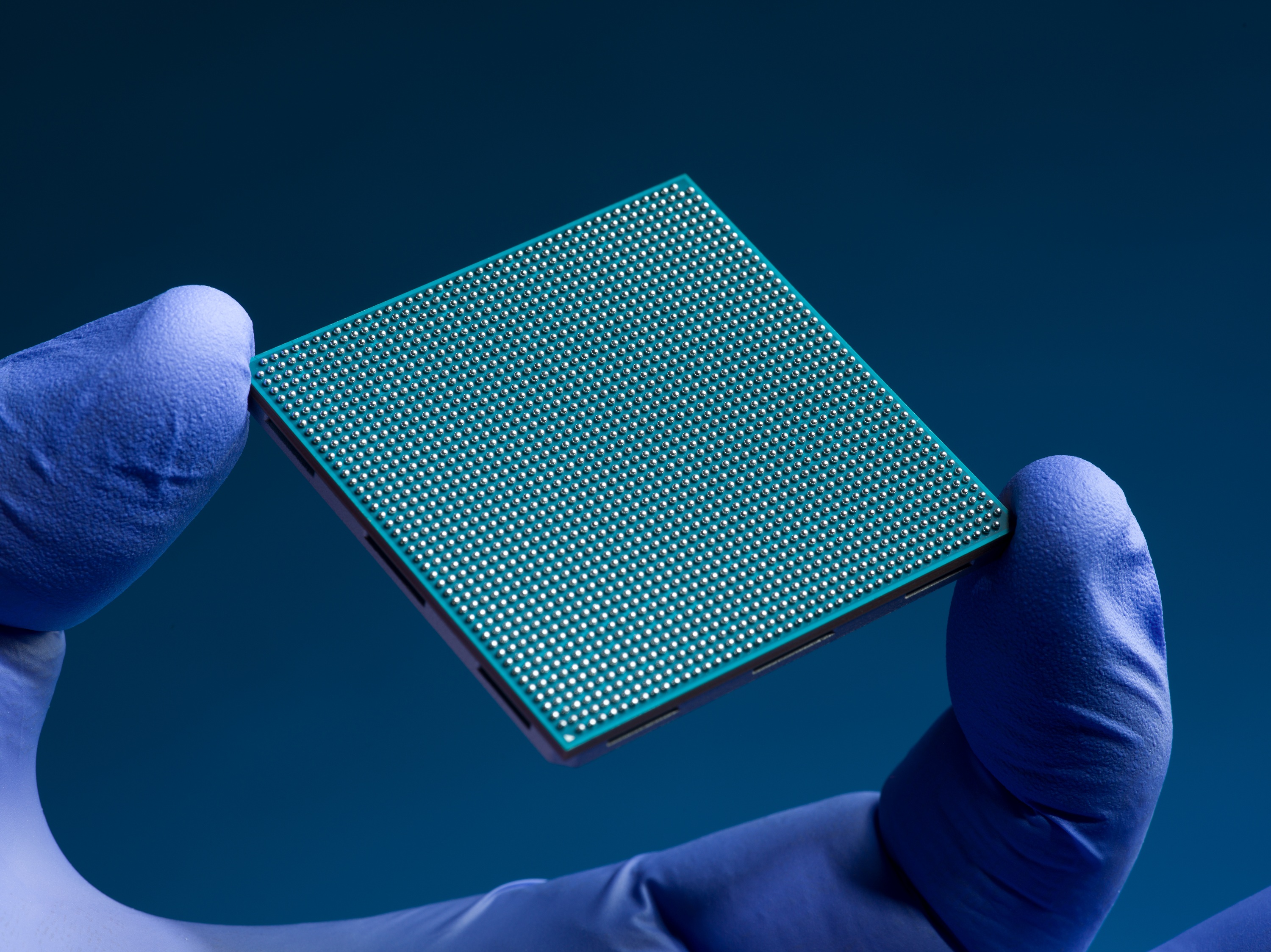
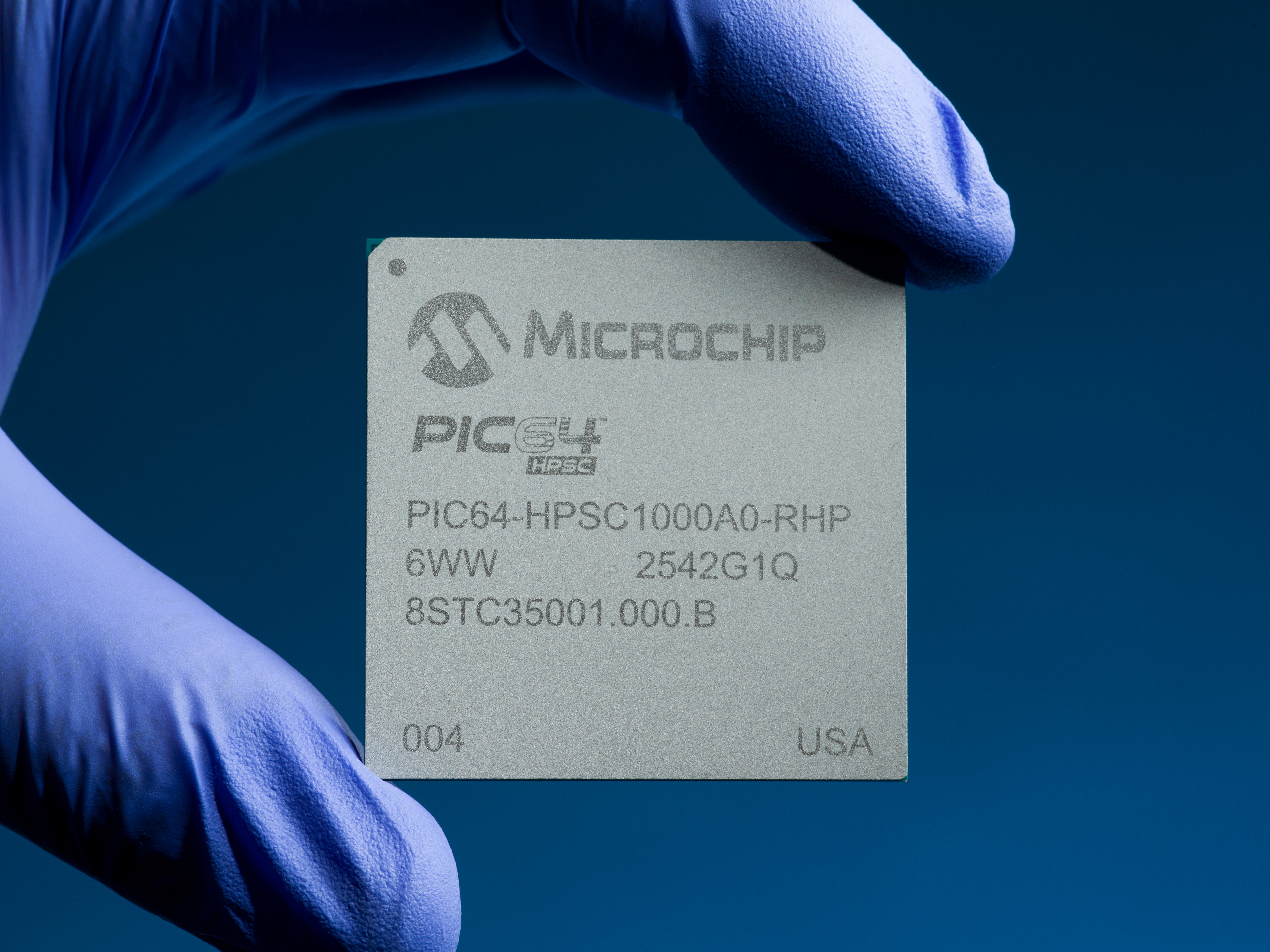
NASA’s High Performance Spaceflight Computing project aims to dramatically improve the computing power of spacecraft. Missions need processors that can withstand the harsh space environment, so they use chips developed years ago that are hardy and reliable. But upgraded chips are needed to enable the development of autonomous spacecraft, accelerate the rate of scientific discovery

Download item bundle
Hello Universe: NASA’s Next-Gen Space Processor Undergoes Testing
12 May 2026, 14:40 GMT By Korine Powers 5 variants

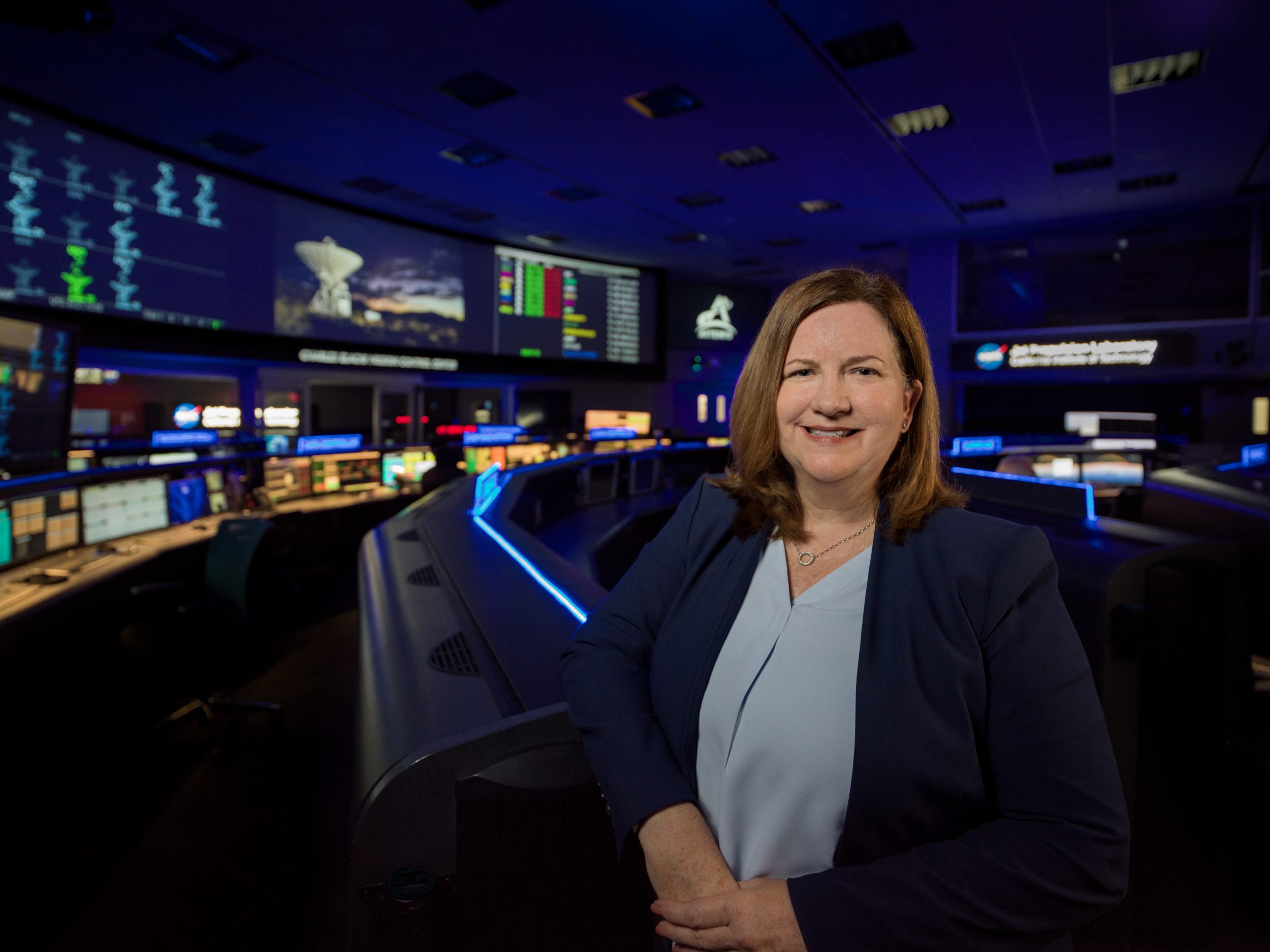
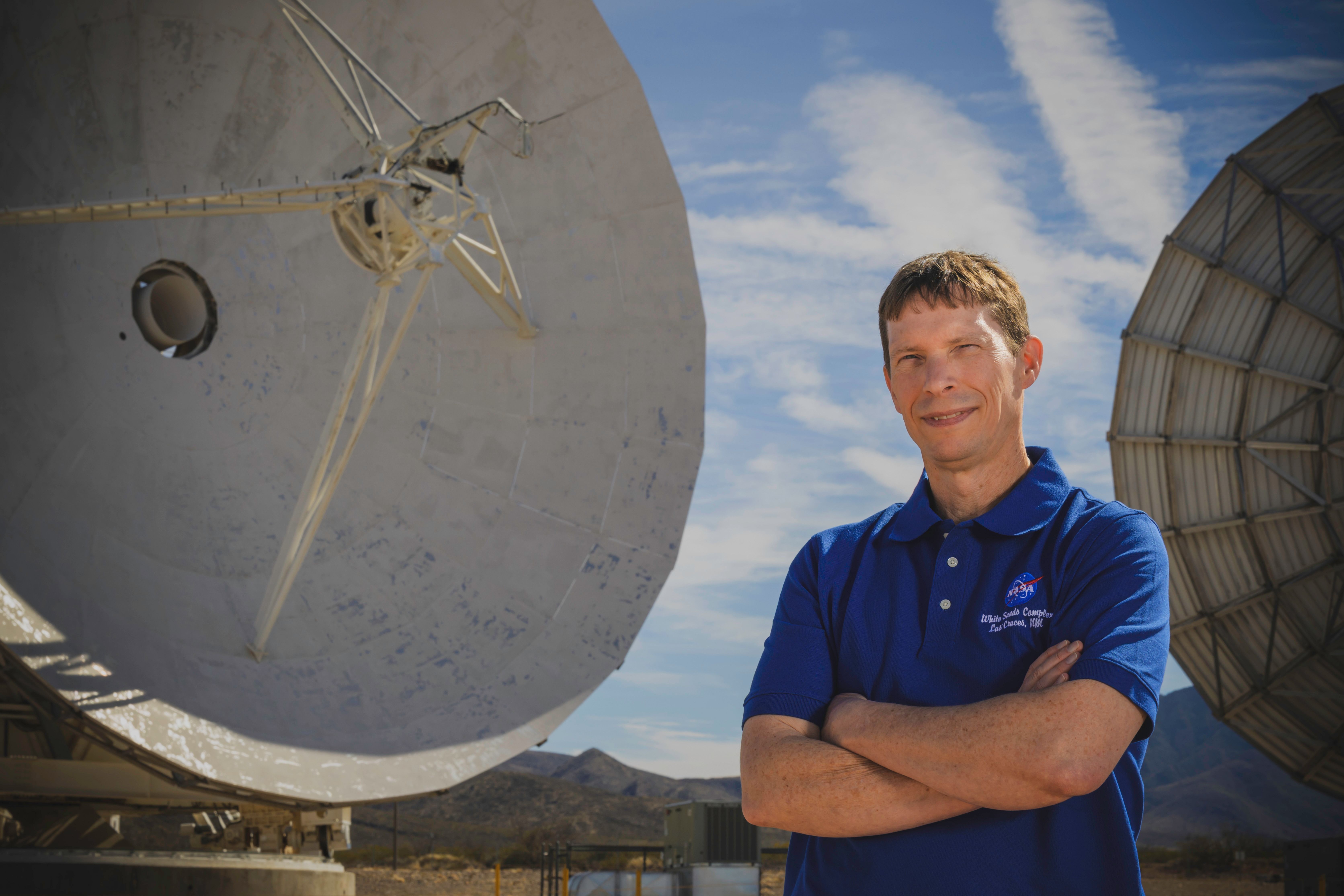
Listen to this audio excerpt from Kathleen Harmon, the Artemis II Mission Interface Manager for NASA’s Deep Space Network: Captivated by Apollo launches on her television as a child, Kathleen Harmon now plays a key role in NASA’s Artemis program. Harmon serves as the Artemis II mission interface manager for NASA’s Deep Space Network, an

Download item bundle
I Am Artemis: Kathleen Harmon
8 May 2026, 17:05 GMT By Loura Hall 5 variants

For decades, NASA has advanced on-board spacecraft computer processors that coordinate and execute the functions needed to support mission success. Space computing originated in the 1960s with the Apollo Guidance Computers, which were pivotal for guidance, navigation, and control computations during NASA’s first Moon missions. For decades, radiation-hardened processors have been the backbone of the

Download item bundle
NASA, Industry Advance High Performance Spaceflight Computing
8 May 2026, 14:00 GMT By Ellen Bausback 6 variants

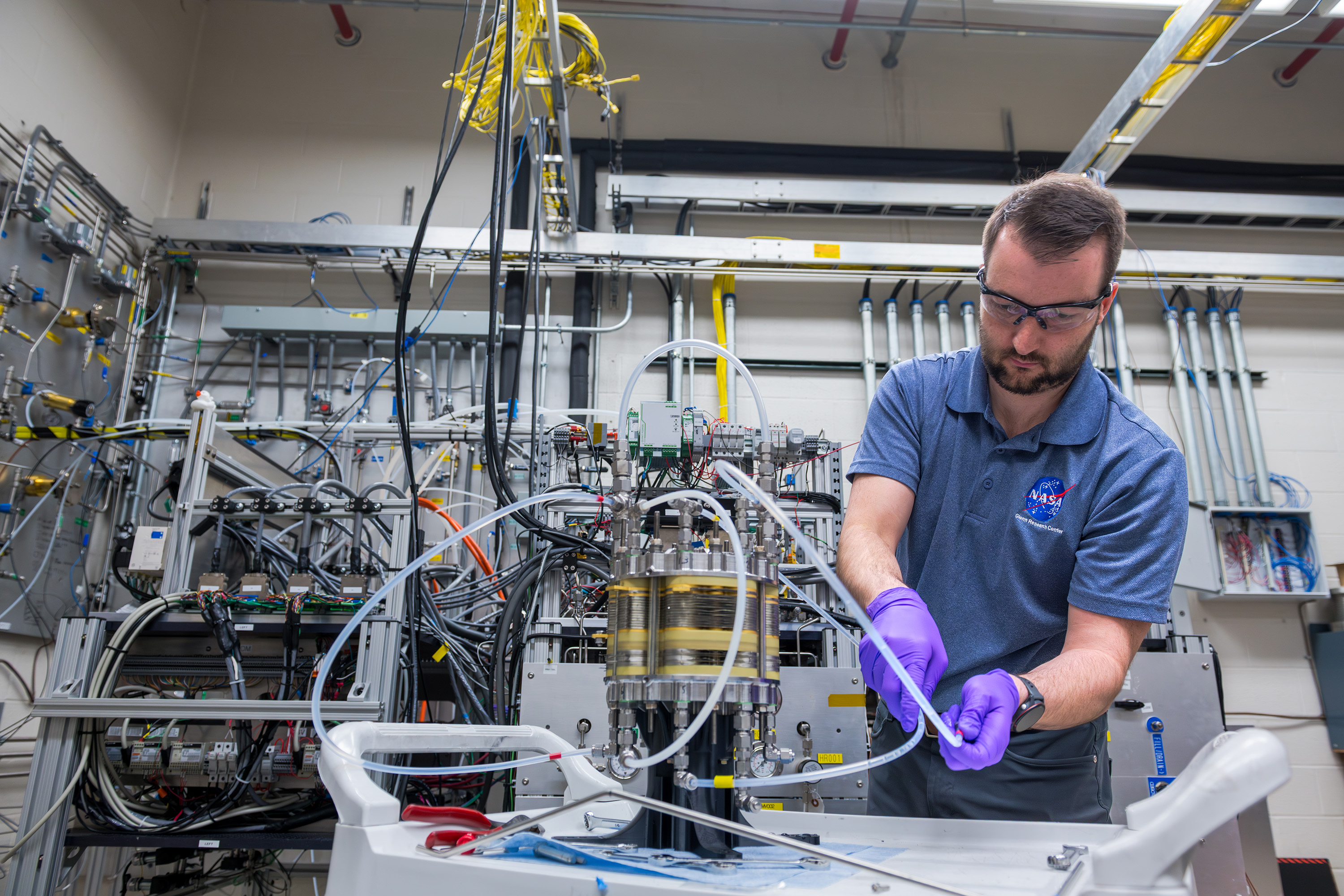
With a small blue crane, four researchers hoist a cylindrical fuel cell, which looks like a stack of flattened silver and gold soda cans bundled together, into the air and lower it into a rectangular cart on wheels. A tangle of tubes and wires spiral away from the system, where nearly 270 sensors and 1,000

Download item bundle
NASA Fuel Cell Tests Pave Way for Energy Storage on Moon
7 May 2026, 14:44 GMT By Loura Hall 5 variants

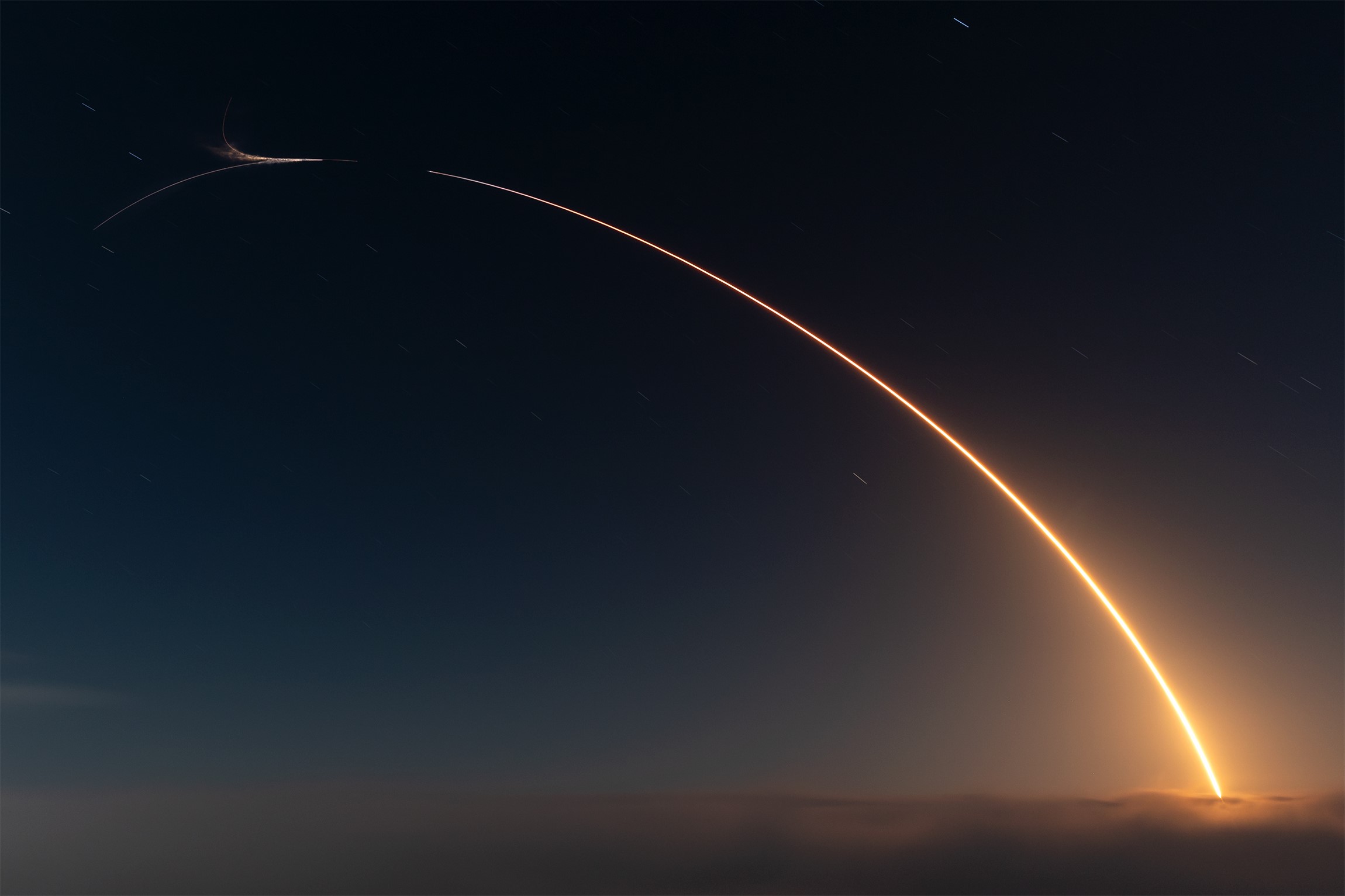
Through NASA, a university-designed small spacecraft is paving the way to studying particles, known as neutrinos, that move through the universe at near-light speeds. The Solar Neutrino Astro-Particle PhYsics CubeSat, known as SNAPPY, launched at 12 a.m. PDT on Sunday aboard a SpaceX Falcon 9 rocket from Space Launch Complex 4 East at Vandenberg Space

Download item bundle
NASA-Supported Small Spacecraft Launches to Study Solar Particles
6 May 2026, 14:00 GMT By Heather Roe 4 variants

As NASA looks to explore the Moon, Mars, and beyond, researchers must develop materials capable of withstanding the extreme temperatures found in space and on other planets and their moons. In frigid conditions, rubber can shatter like glass, circuit boards may fail, and electrical connections can freeze and fracture. Gaining a deeper understanding of how

Download item bundle
New NASA Technology Mimics Extreme Cold of the Lunar Night
4 May 2026, 20:32 GMT By Loura Hall 6 variants

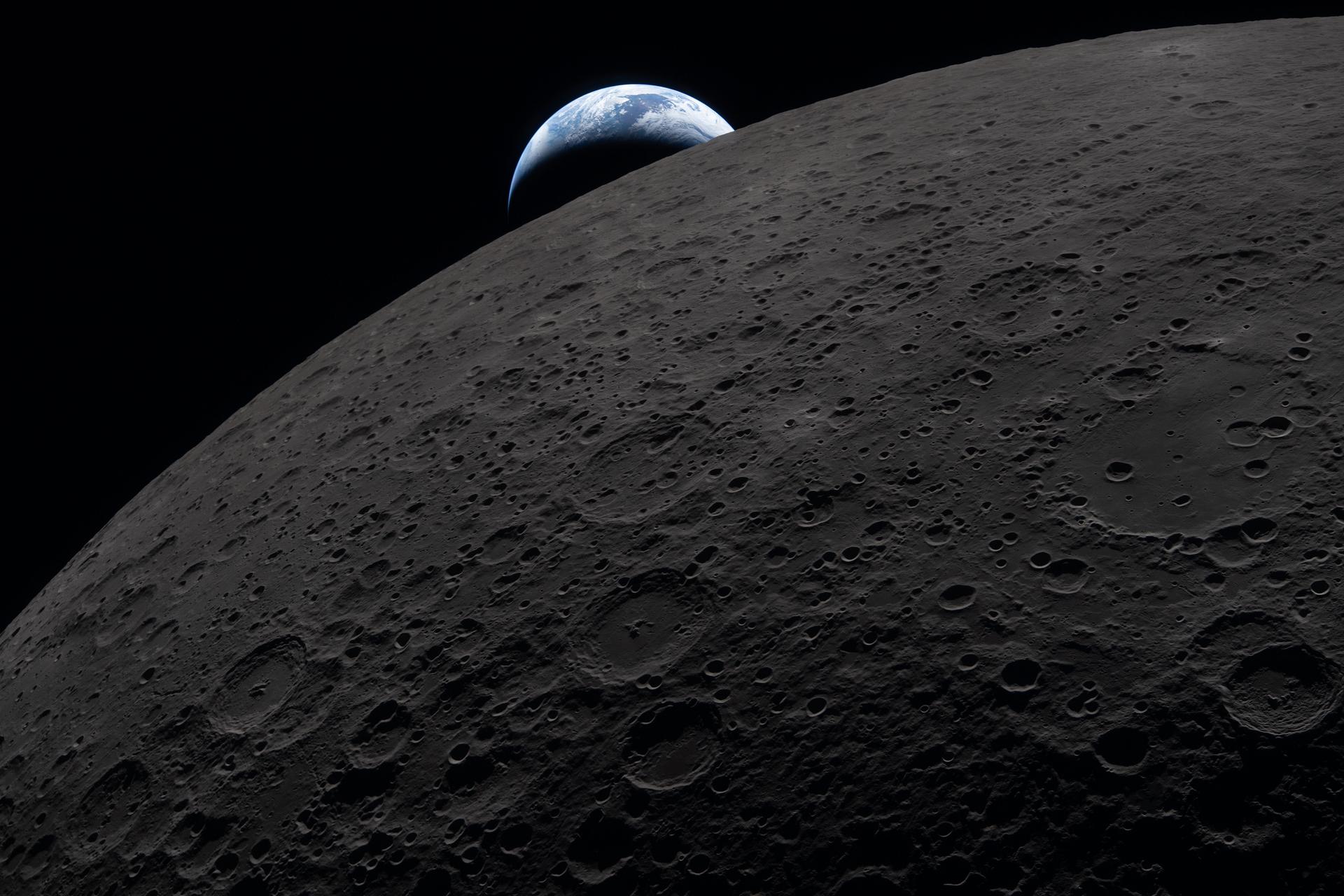
To support long-duration missions to the Moon and Mars, NASA and industry are developing technologies that can extract resources such as hydrogen and helium-3 from lunar soil, known as regolith. This capability, known as in-situ resource utilization (ISRU), allows explorers to use what is already available on other planetary bodies, from water ice to minerals.

Download item bundle
NASA Fosters Development of Lunar Resource-Seeking Technologies
28 Apr 2026, 16:18 GMT By Naomi Hartono 5 variants

A technology that could propel crewed missions to Mars and robotic spacecraft throughout the solar system was recently put to the test at NASA’s Jet Propulsion Laboratory in Southern California. On Feb. 24, for the first time in years and at power levels exceeding any previous test in the United States, a team fired up

Download item bundle
28 Apr 2026, 16:10 GMT By Kendall Murphy 5 variants

Millions of people watched the historic launch of Artemis II and were captivated by the mission’s 10-day journey around the Moon as NASA astronauts Reid Wiseman, Victor Glover, and Christina Koch, and CSA (Canadian Space Agency) astronaut Jeremy Hansen ventured farther into space than any human before. Part of the public’s ability to experience the

Download item bundle
24 Apr 2026, 16:33 GMT By Kendall Murphy 5 variants

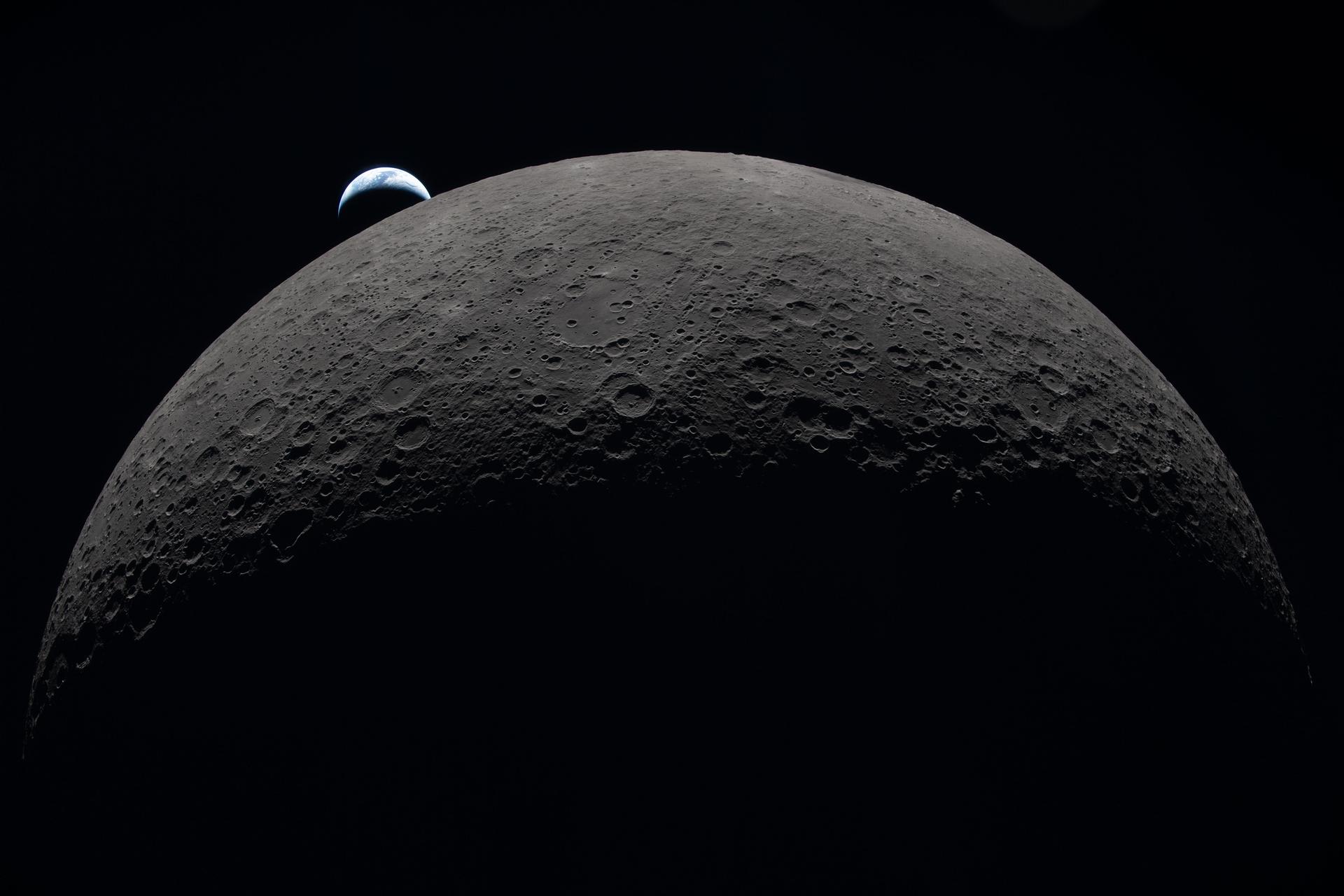
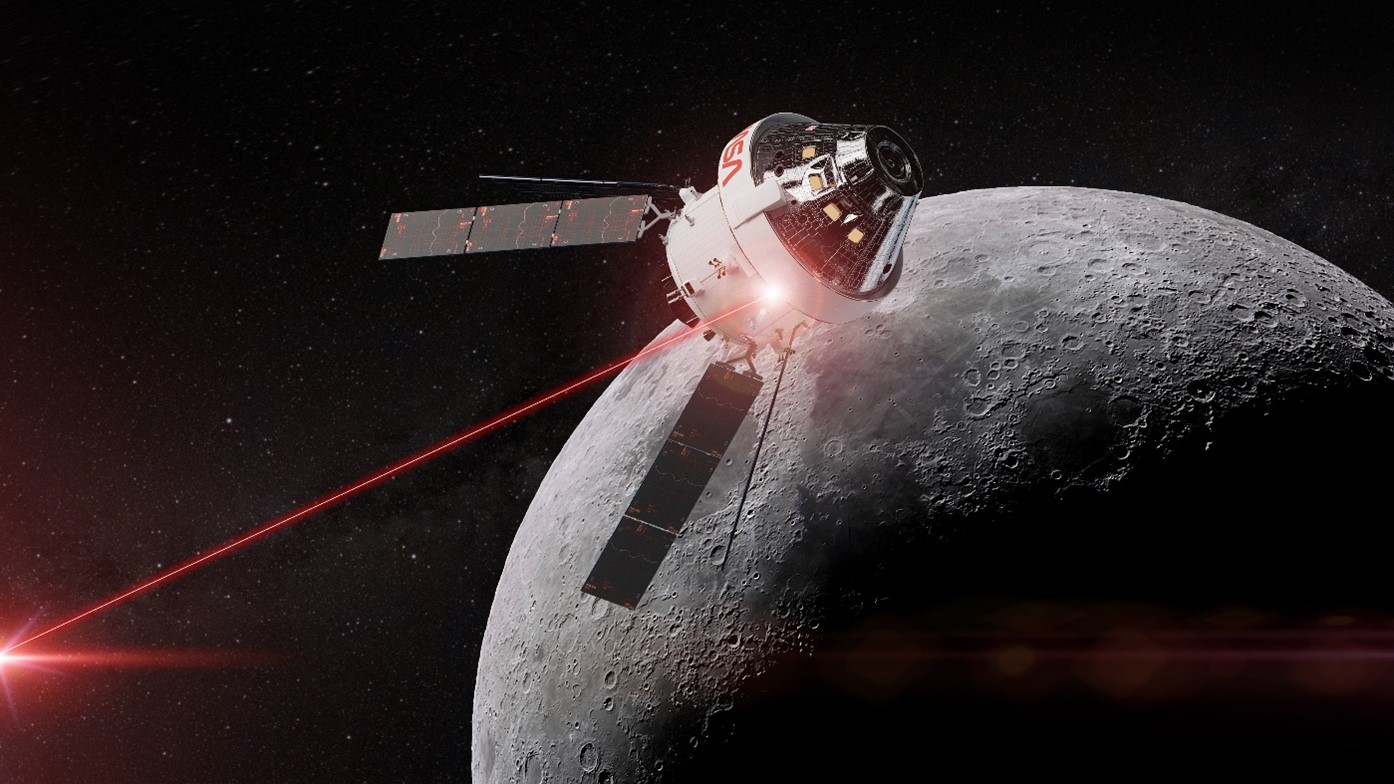
Listen to this audio excerpt from Peter Rossoni, Orion Artemis II Optical Communications System flight manager: As a child, Peter Rossoni watched the Apollo missions launch with his family. In April 2026, he became a part of NASA’s Artemis II mission, helping enable communications as astronauts journeyed around the Moon. Rossoni’s path to NASA began

Download item bundle
I Am Artemis: Peter Rossoni
23 Apr 2026, 16:30 GMT By Heather Roe 7 variants

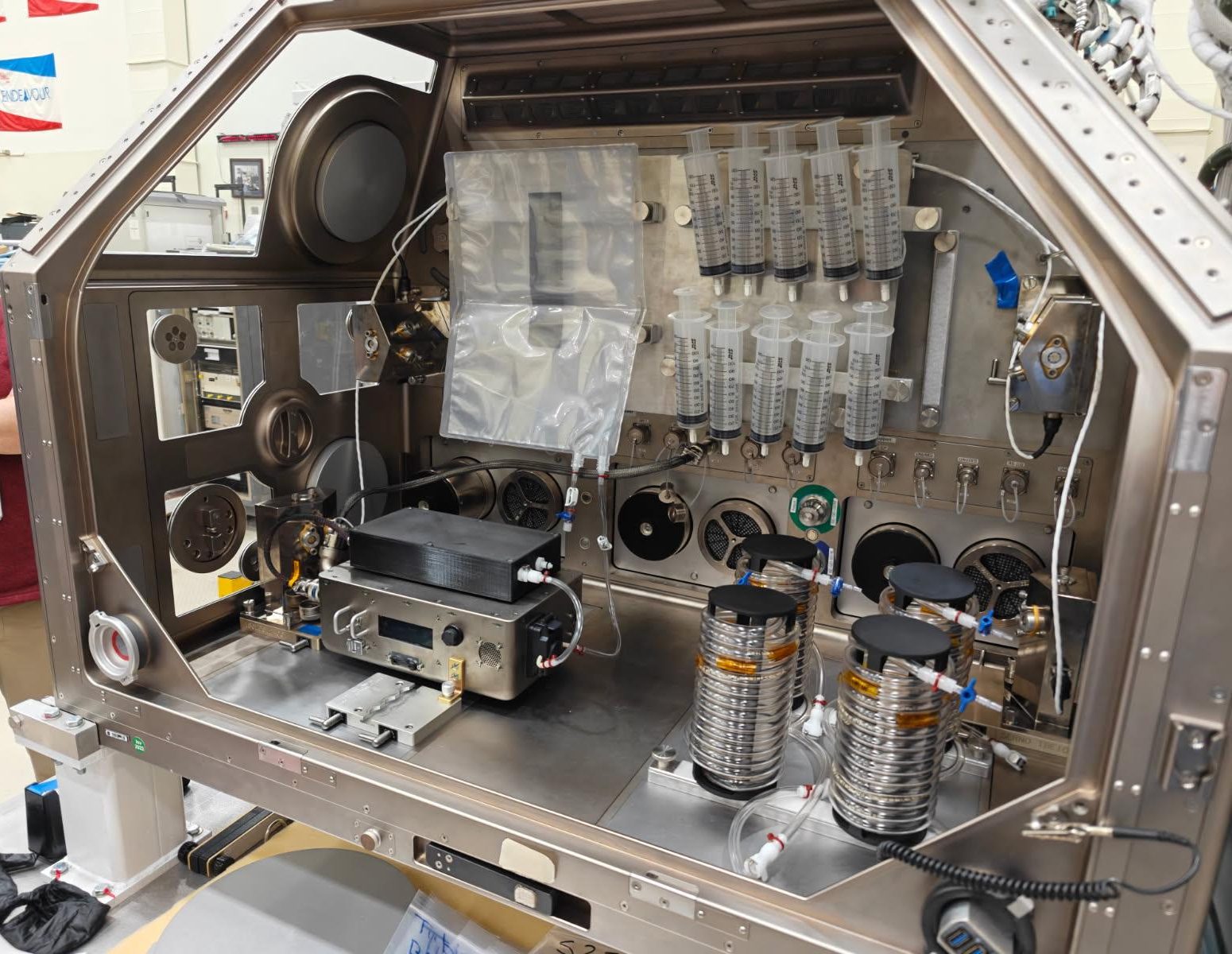
On every crewed mission, NASA packs pouches of a potentially life-saving liquid in its cargo, known as IV (or intravenous) fluid. A simple mix of sodium chloride and purified water, it can treat up to 30% of medical conditions in flight, resolving things like dehydration, burns, and more. Crewed missions beyond low Earth orbit into

Download item bundle
Liquid Lifeline: NASA Tech Could Create IV Fluid In Space
23 Apr 2026, 16:07 GMT By Tara Friesen 5 variants

For years, NASA engineers have turned to a tool called the Launch, Ascent, and Vehicle Aerodynamics (LAVA) framework to solve airflow challenges that could mean the difference between mission success or failure. When engineers need to know how a spacecraft will navigate re-entry or whether a new aircraft wing design will create enough lift, they

Download item bundle
21 Apr 2026, 15:00 GMT By Naomi Hartono 4 variants

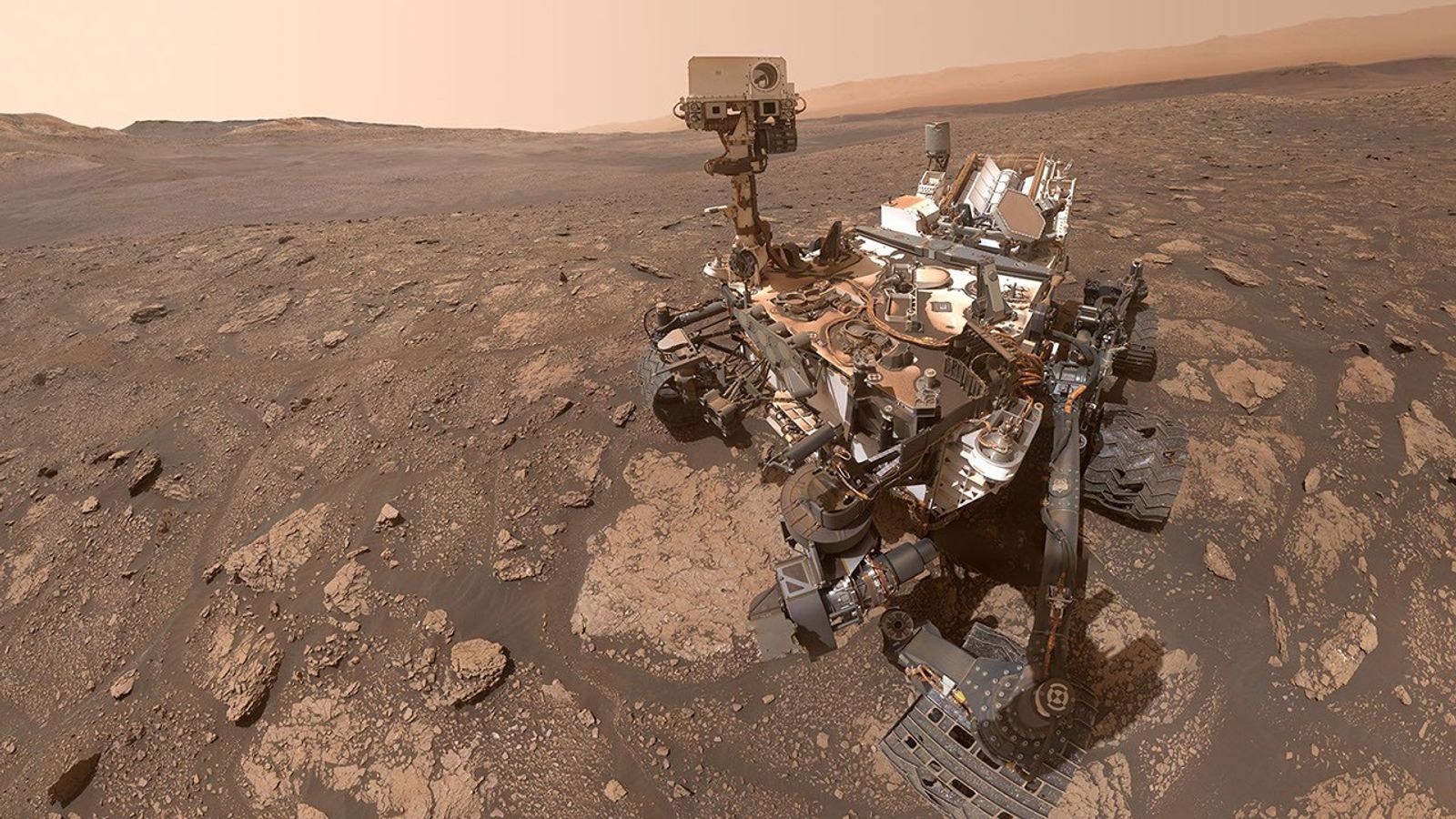
After years of lab work, the results are in: A rock that NASA’s Curiosity Mars rover drilled and analyzed in 2020 includes the most diverse collection of organic molecules ever found on the Red Planet. Of the 21 carbon-containing molecules identified in the sample, seven of them were detected for the first time on Mars.

Download item bundle
NASA’s Curiosity Finds Organic Molecules Never Seen Before on Mars
27 Mar 2026, 21:30 GMT By Korine Powers 2 variants

Listen to this audio excerpt from Erik Richards, Near Space Network Mission Manager: For Erik Richards, supporting NASA’s first crewed Artemis mission to the Moon and back is the culmination of a career spent helping spacecraft communicate with Earth. Like many kids who grew up at the height of the Space Shuttle Program, Richards dreamed of spaceflight — a dream that eventually took him from the remote McMurdo Station in Antarctica to

Download item bundle
I Am Artemis: Erik Richards