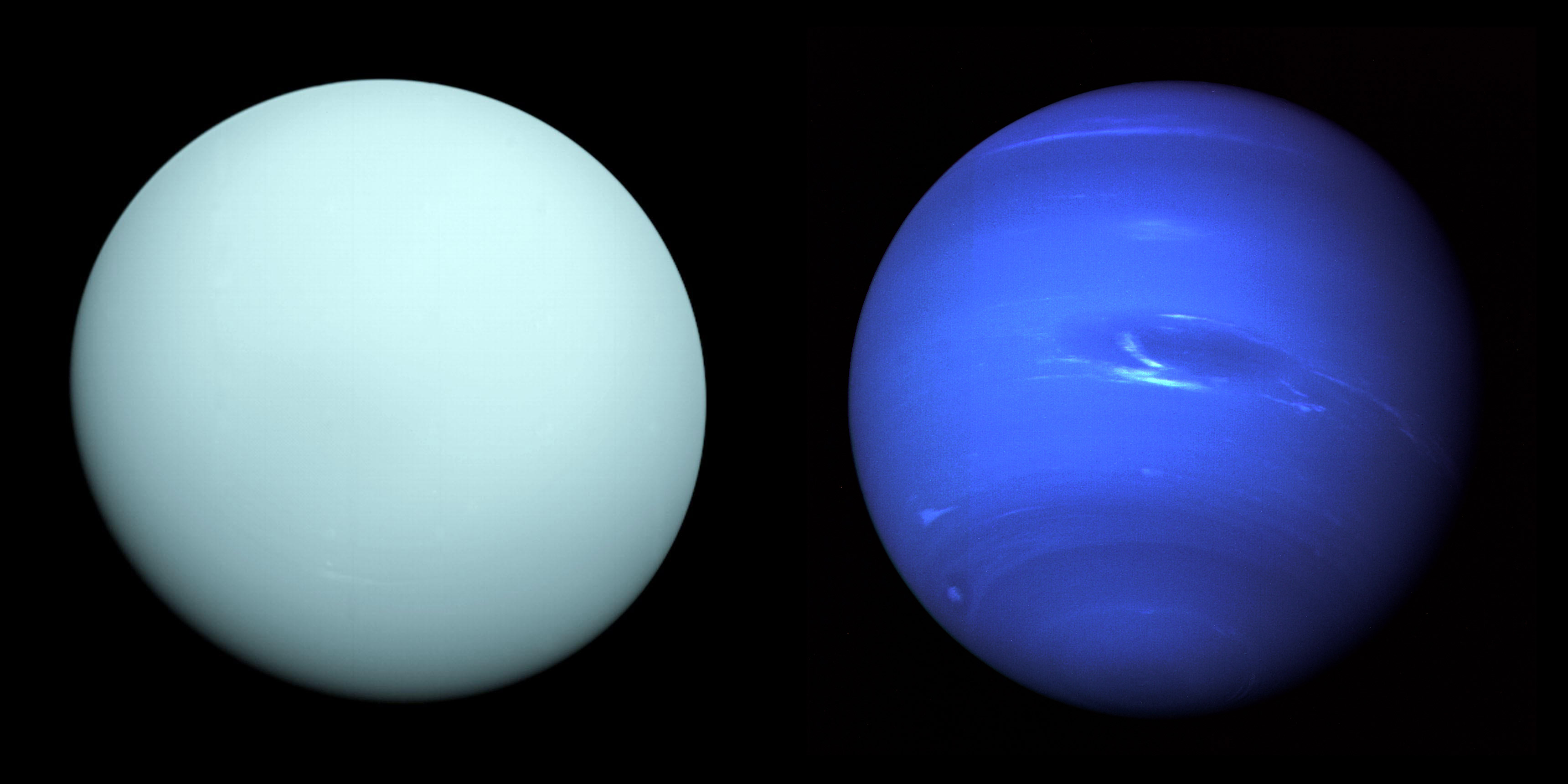
Uranus and Neptune are two of the many exciting and mysterious objects in our universe that the James Webb Space Telescope will soon begin to explore. Learn more about these planets and the Webb telescope’s upcoming observations from astrophysicist Naomi Rowe-Gurney, our guest on this week’s Gravity Assist.
Astronauts on the International Space Station have been conducting experiments to grow food, including peppers and radishes. Christina Johnson, a NASA postdoc fellow at NASA's Kennedy Space Center in Florida, has been working on a variety of techniques to grow food in space. Learn what she thinks about the future of growing food beyond our planet.
The James Webb Space Telescope, which launched Dec. 25, will allow us to see the farthest galaxies and better understand the origins of the Milky Way. Aaron Yung at NASA’s Goddard Space Flight Center is preparing for these historic observations by simulating what Webb will see in the early universe.
Climate change is one of the most important issues facing our planet, and NASA has lots of space missions and programs in the works to monitor and understand its drivers and effects. Kate Calvin, NASA’s new chief scientist, is also the agency’s senior climate advisor. In this episode, Kate previews upcoming Earth science missions and discusses cut
Yaireska Collado-Vega leads a team at NASA’s Goddard Spacecraft Center that is studying the solar weather environment so that robots and people exploring space can be protected. In this episode of Gravity Assist, she describes the excitement and challenges of understanding space weather, and how she got to be a NASA scientist.