
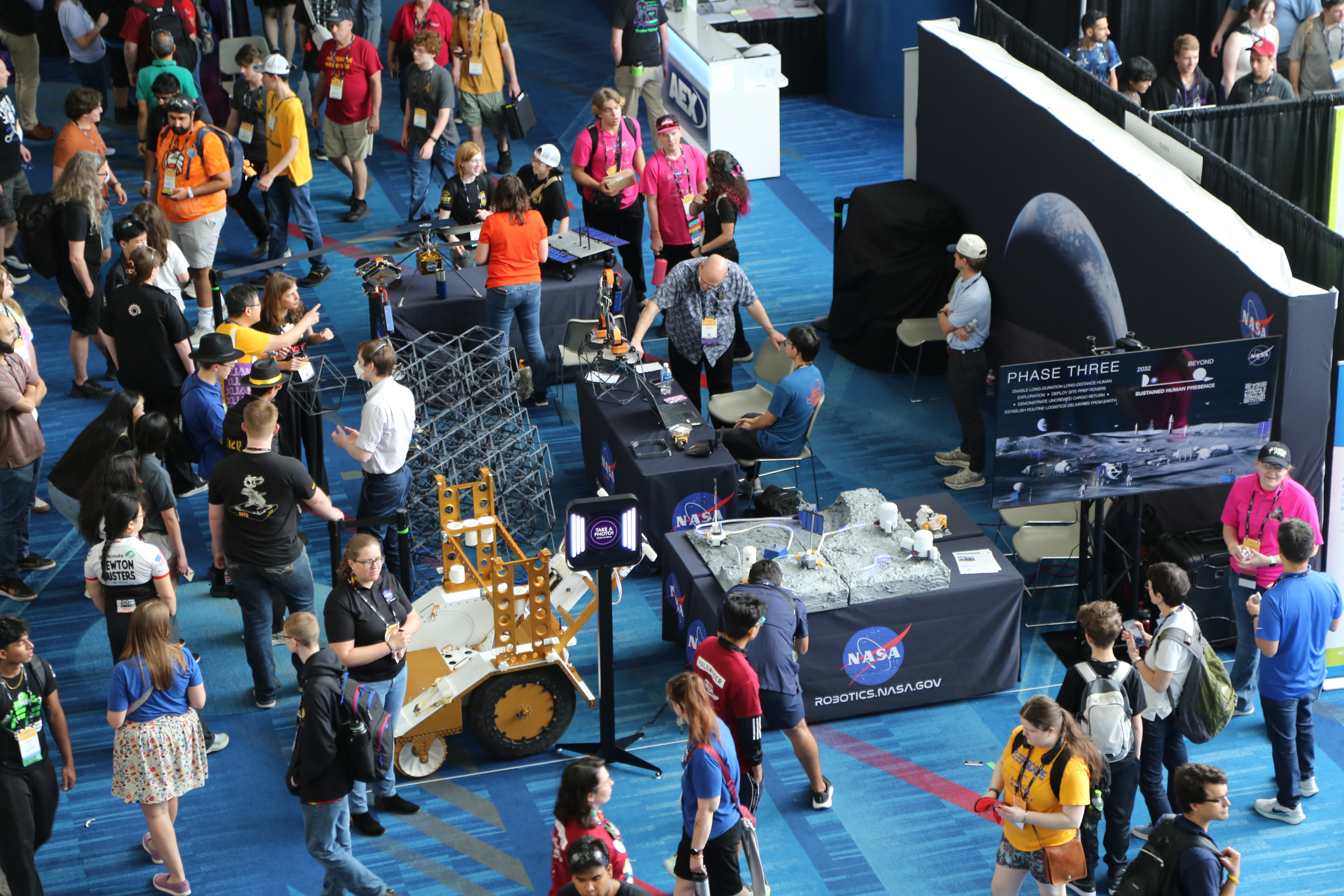
Robotics will play a critical role in NASA’s ambitious plan to establish a long-term presence on the Moon, presenting opportunities for the next generation of engineers, technologists, and innovators to contribute to a bold vision for the future. That was the agency’s message to students, partners, and industry leaders at the 2026 FIRST Robotics World
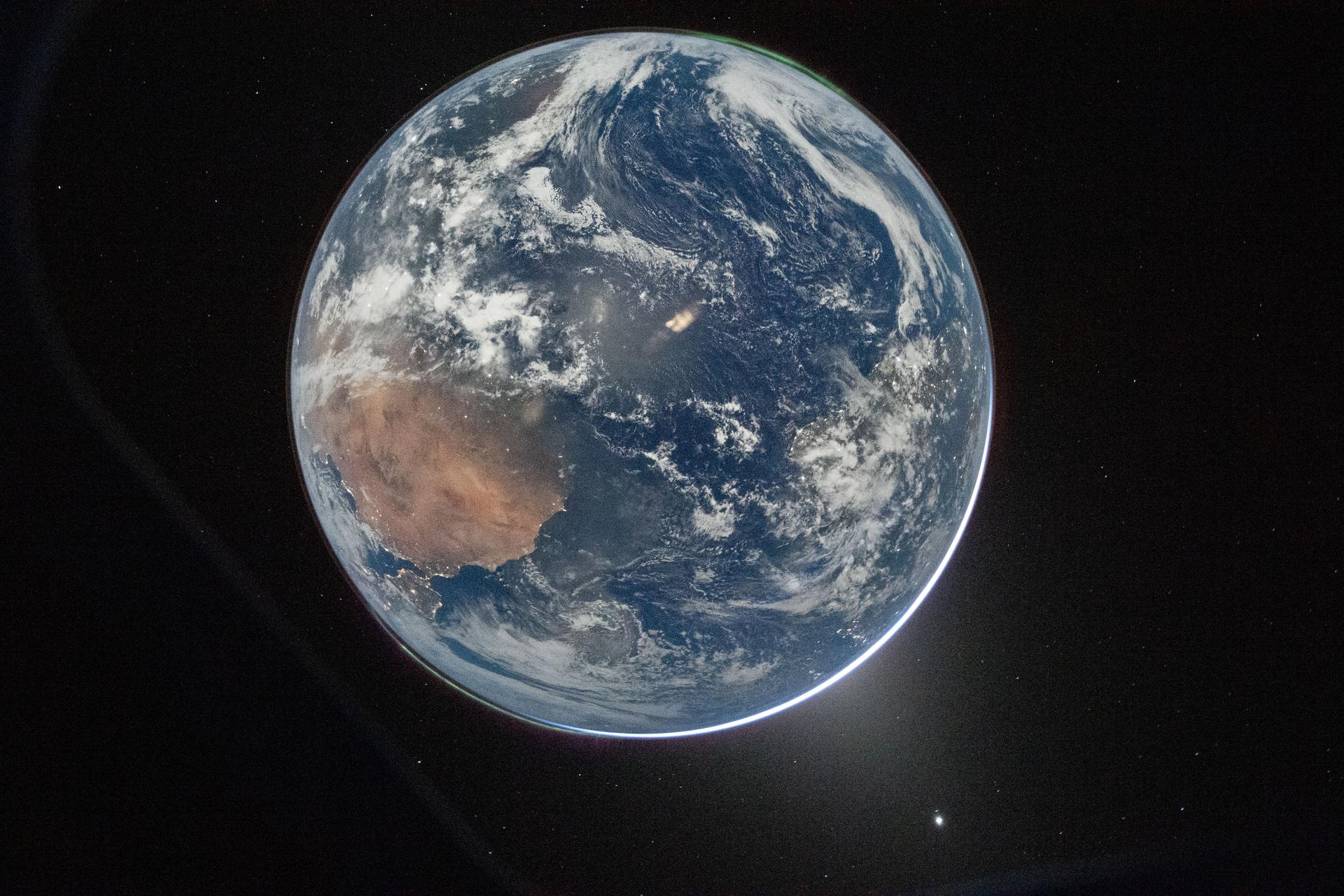
NASA’s Artemis II crew had many technical and operational responsibilities during their historic mission to the Moon, but they also served an important role as scientific ambassadors to Earth’s nearest neighbor. On their 10-day journey, the crew flew by the far side of the Moon, analyzing and photographing geologic features such as impact craters and
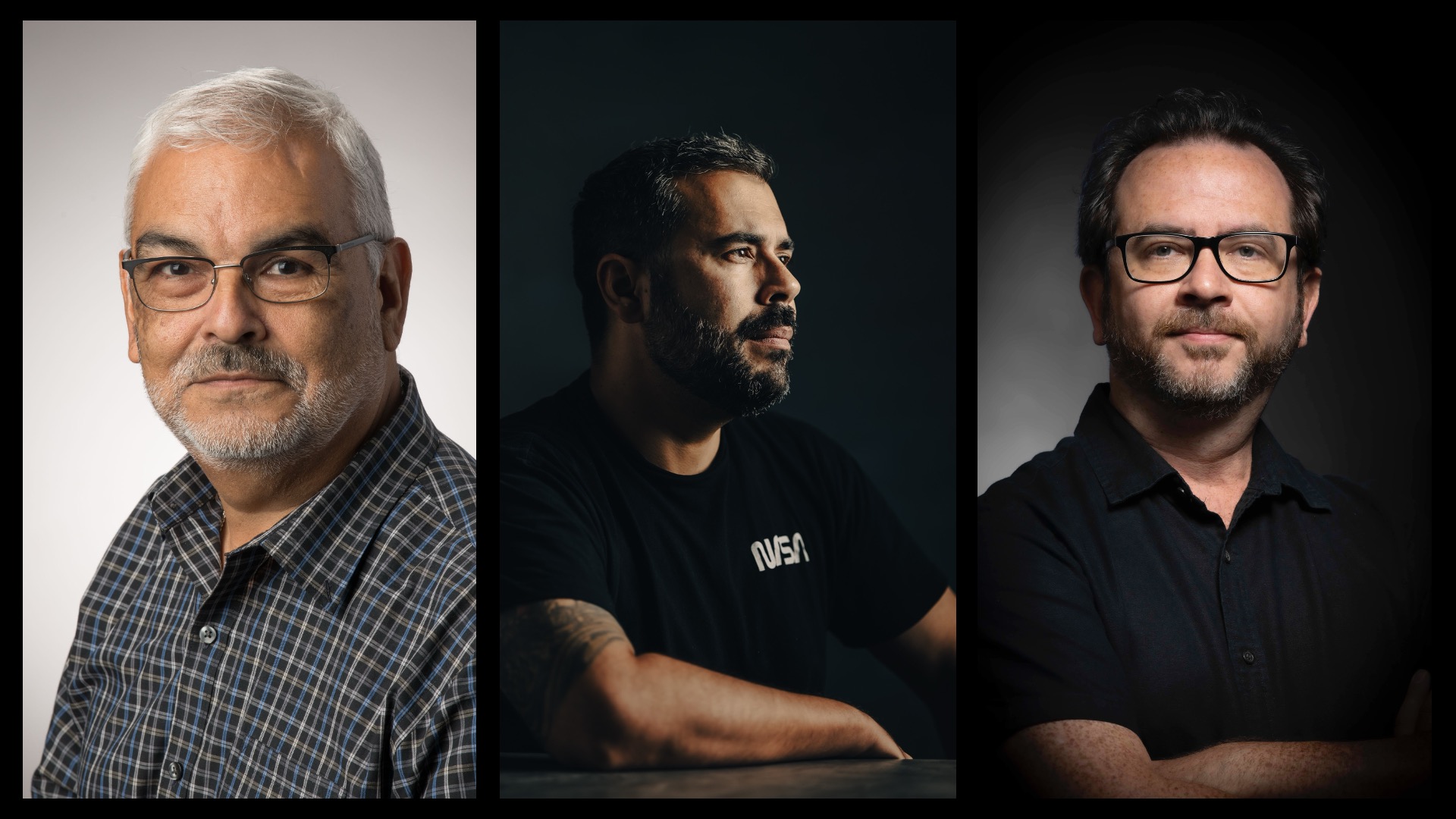
Three photographers at NASA’s Johnson Space Center who inspire the world through visual storytelling earned top honors in the portrait category at the 2025 NASA Imagery Experts Program Annual Awards. “Congratulations to all three on this impressive achievement and for capturing such breathtaking imagery,” said Johnson Director Vanessa Wyche. “Their work represents the collaboration, precision,
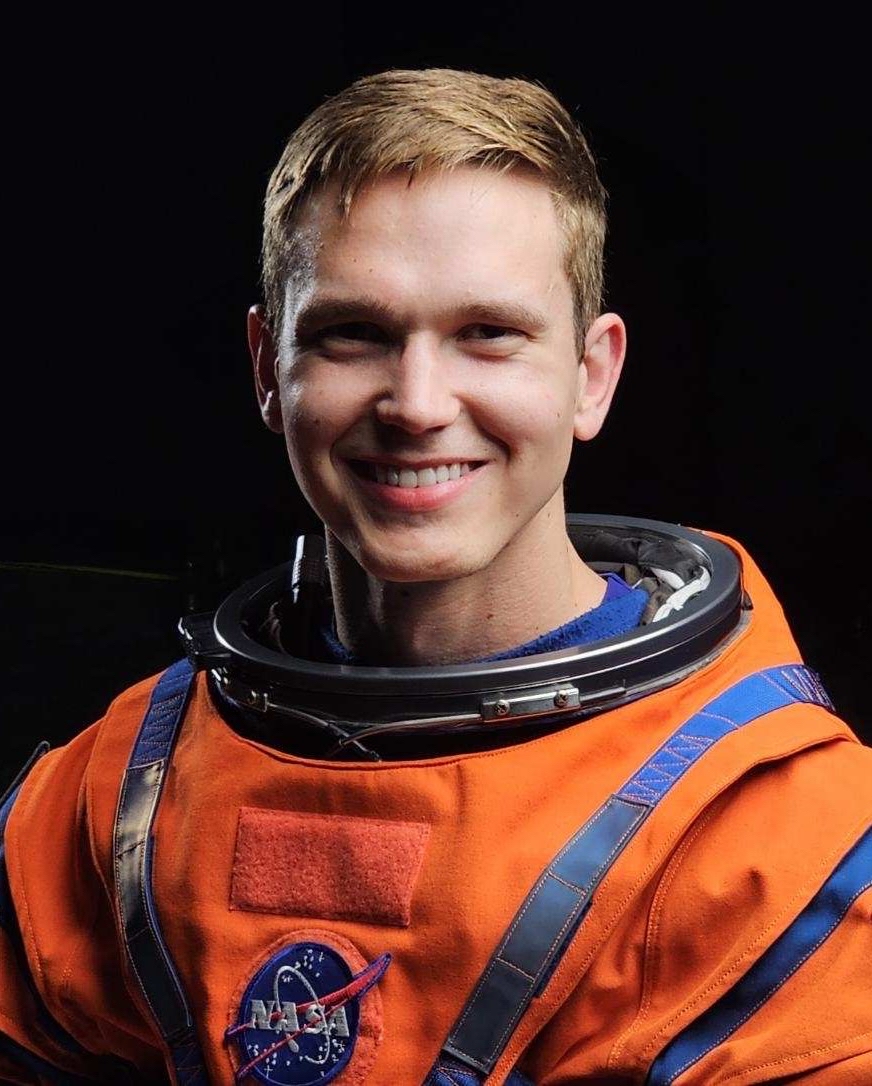
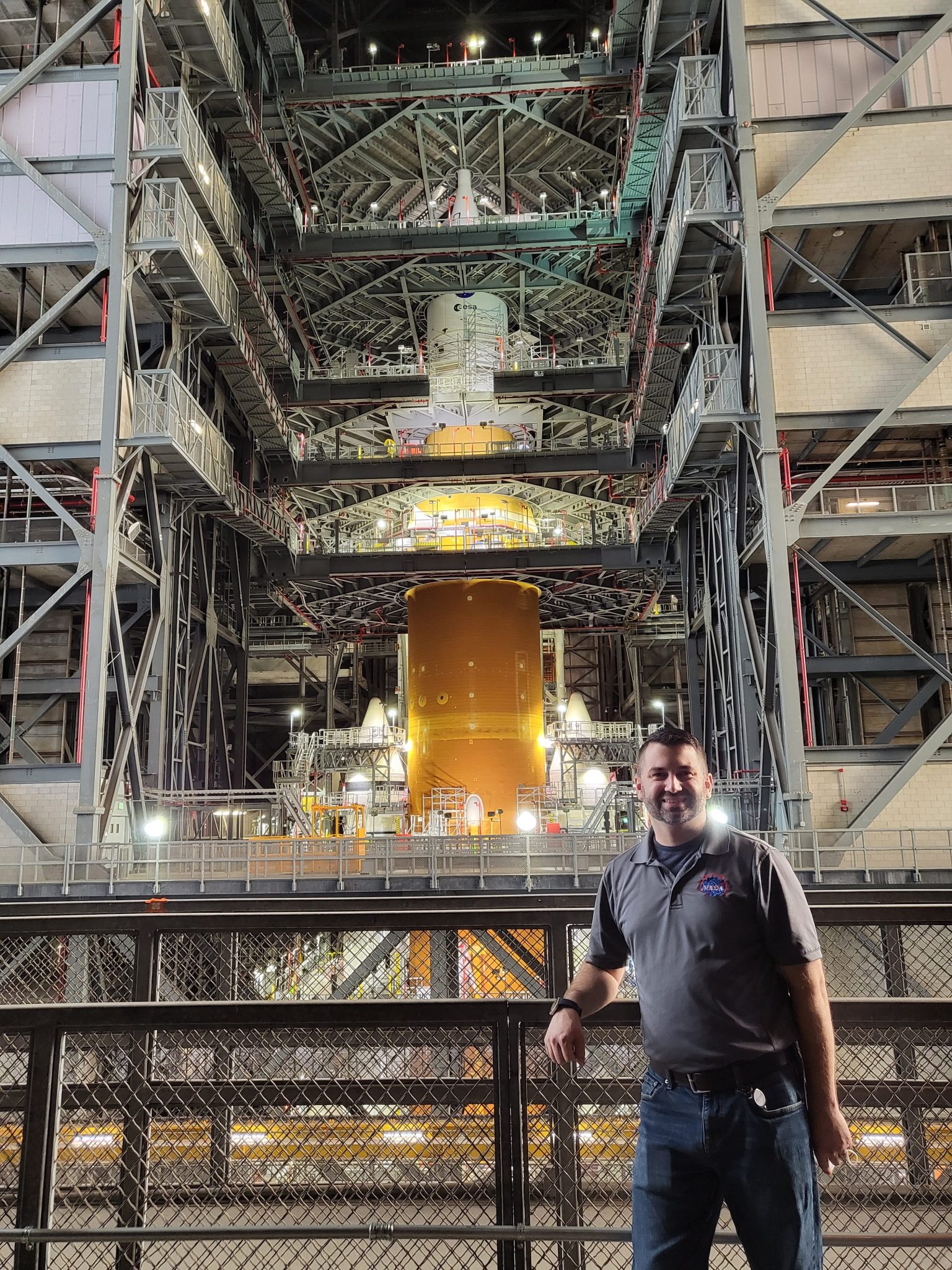
Nicholas Houghton always dreamed of working at NASA and one day becoming an astronaut. Today, he helps design systems that keep crews safe during missions aboard NASA’s Orion spacecraft, including the successful Artemis II mission around the Moon. After joining NASA as a Pathways intern, Houghton later became a full-time engineer on the Orion Crew Survival Systems (OCSS)
The National Space Club & Foundation announced its annual award recipients March 13, 2026, in Washington, D.C. Two dedicated leaders from NASA’s Johnson Space Center were recognized for their contributions to human spaceflight. Orion Program Manager Howard Hu received the Norman L. Baker Astronautics Engineer Award for sustained technical contributions to multiple human spaceflight efforts, culminating in
On April 1, 2026, Artemis II launched on a nearly 10-day voyage around the Moon, marking the first crewed flight of NASA’s Orion spacecraft. NASA astronauts Reid Wiseman, Victor Glover, and Christina Koch, along with CSA (Canadian Space Agency) astronaut Jeremy Hansen, splashed down on April 10 in the Pacific Ocean off the coast of San Diego. At their farthest
On March 21, 2026, NASA’s Johnson Space Center Director Vanessa Wyche took the stage at the Space House event at South by Southwest in Austin, Texas, to outline NASA’s next giant leap in human spaceflight — from low Earth orbit to the Moon, and ultimately Mars. As NASA prepares for a new era of exploration, Wyche made clear that the agency’s Artemis
As a member of the Crew and Thermal Systems Division, Aaron Rose supports critical cargo resupply missions to the International Space Station. In this role, he works with payload developers to safely transport temperature-controlled science experiments to and from station with portable coolers, freezers, and refrigerators. For the full flight cycle, Rose and his team members ensure all cold stowage hardware, operations, and personnel are coordinated to
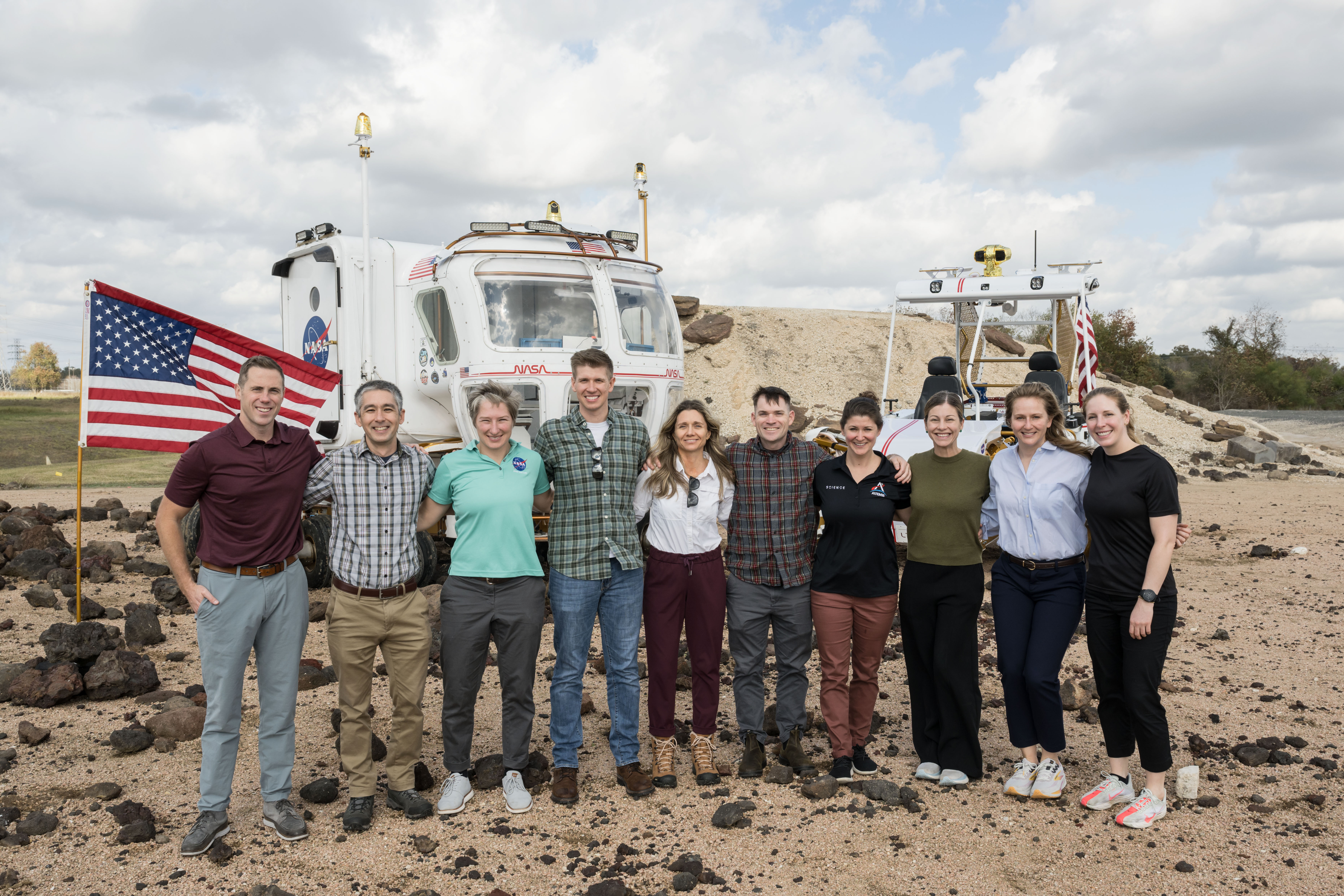
Ten explorers are currently training at NASA’s Johnson Space Center in Houston to become flight-eligible astronauts. Selected in 2025, the astronaut candidates are building the technical and operational skills needed for future missions to the International Space Station, the Moon, and eventually Mars. Now, NASA’s newest astronaut candidates have a class name: the Platypi. The name was selected