
Clear all
8 May 2026, 14:00 GMT By Ellen Bausback 6 variants

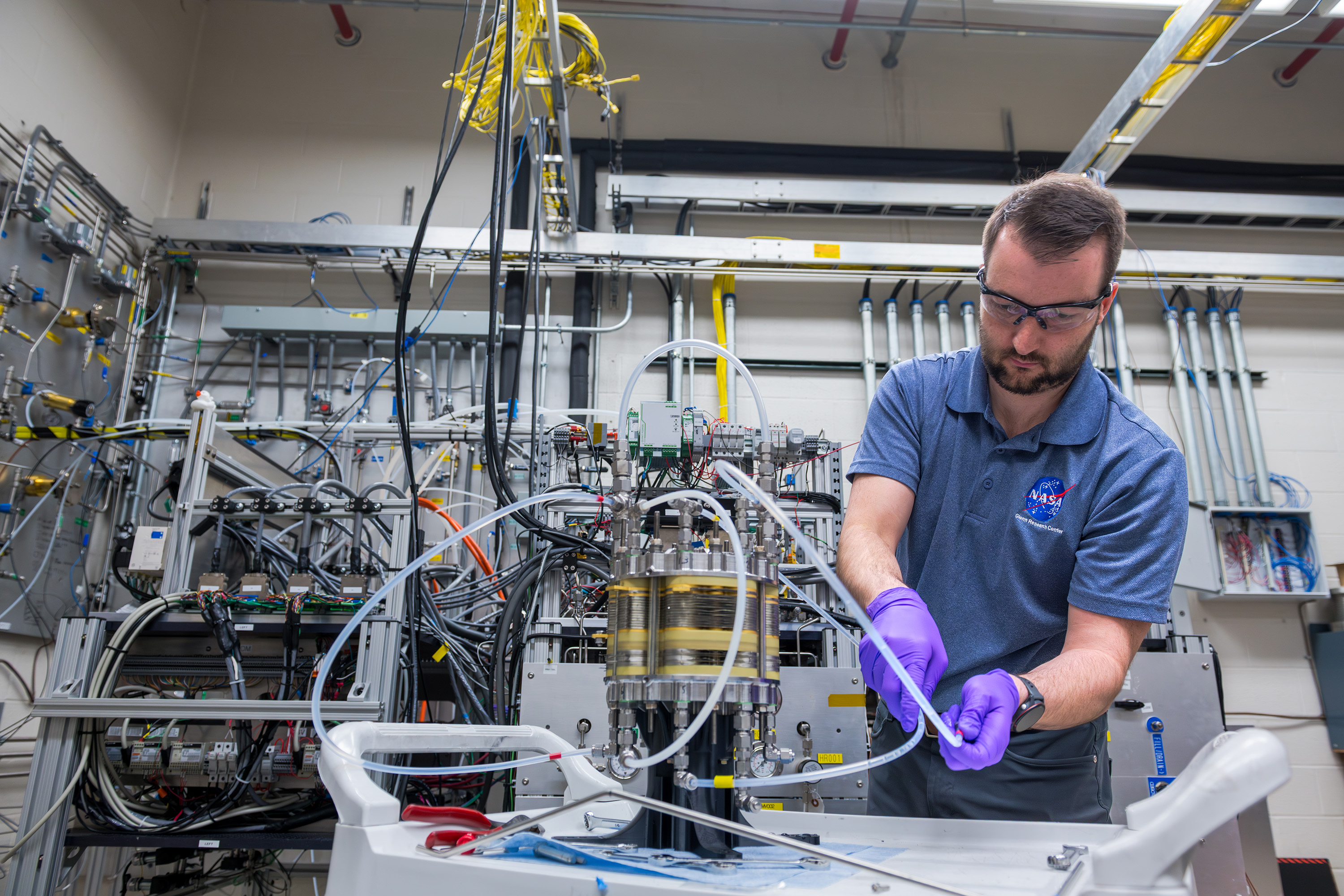
With a small blue crane, four researchers hoist a cylindrical fuel cell, which looks like a stack of flattened silver and gold soda cans bundled together, into the air and lower it into a rectangular cart on wheels. A tangle of tubes and wires spiral away from the system, where nearly 270 sensors and 1,000

Download item bundle
NASA Fuel Cell Tests Pave Way for Energy Storage on Moon
6 May 2026, 14:00 GMT By Heather Roe 4 variants

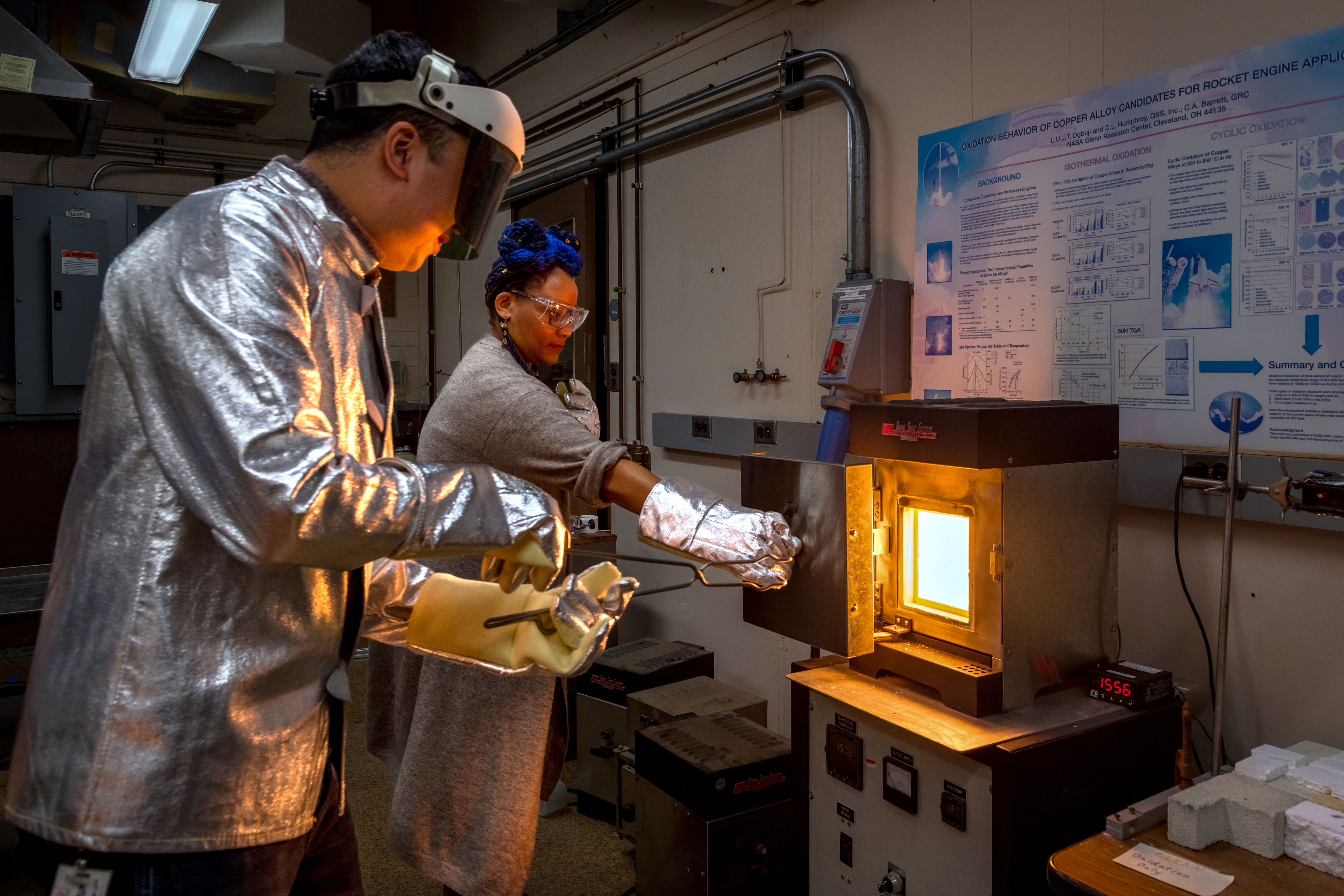
As NASA looks to explore the Moon, Mars, and beyond, researchers must develop materials capable of withstanding the extreme temperatures found in space and on other planets and their moons. In frigid conditions, rubber can shatter like glass, circuit boards may fail, and electrical connections can freeze and fracture. Gaining a deeper understanding of how

Download item bundle
New NASA Technology Mimics Extreme Cold of the Lunar Night
23 Apr 2026, 16:30 GMT By Heather Roe 7 variants

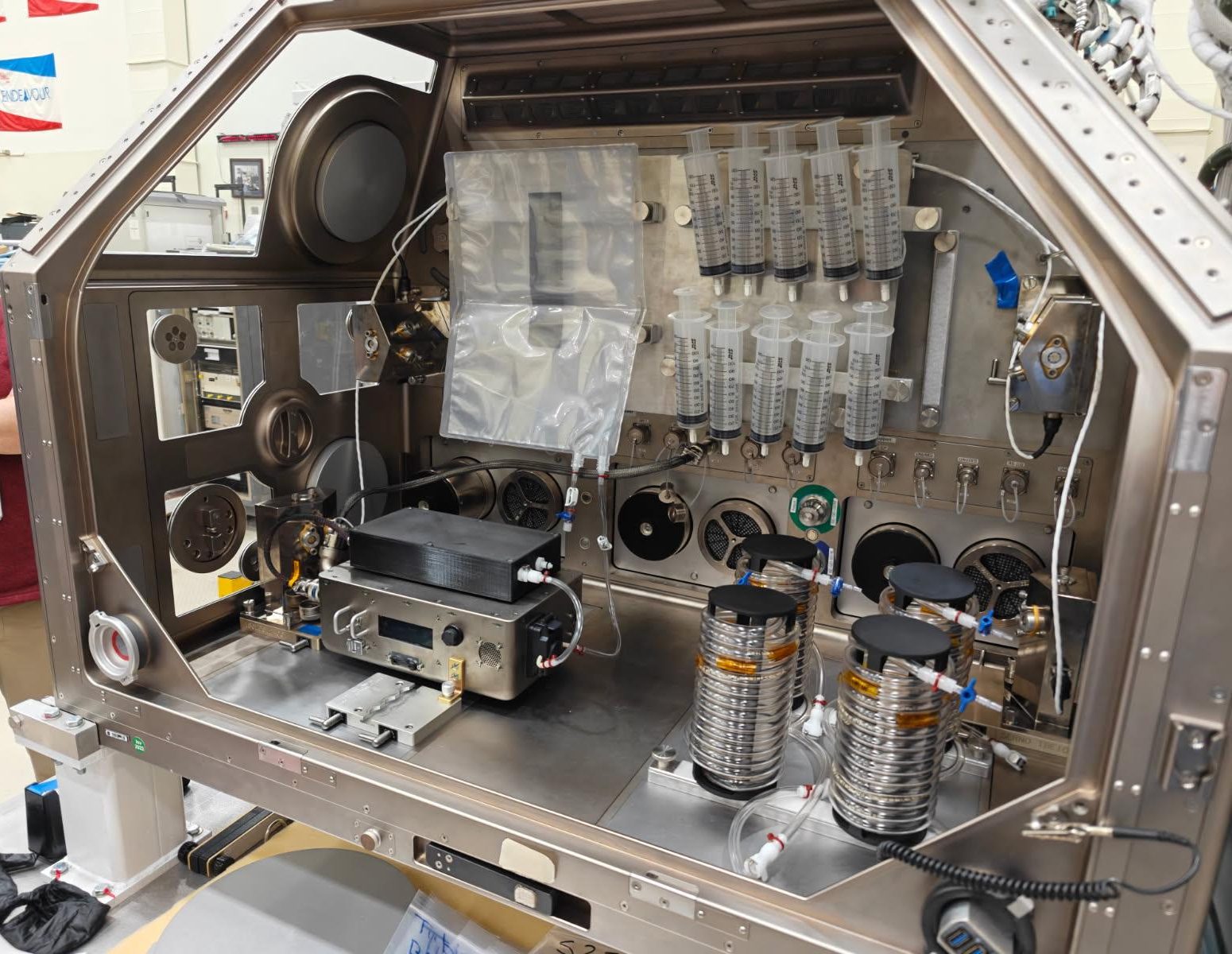
On every crewed mission, NASA packs pouches of a potentially life-saving liquid in its cargo, known as IV (or intravenous) fluid. A simple mix of sodium chloride and purified water, it can treat up to 30% of medical conditions in flight, resolving things like dehydration, burns, and more. Crewed missions beyond low Earth orbit into

Download item bundle
Liquid Lifeline: NASA Tech Could Create IV Fluid In Space
10 Mar 2026, 18:40 GMT By Heather Roe 4 variants

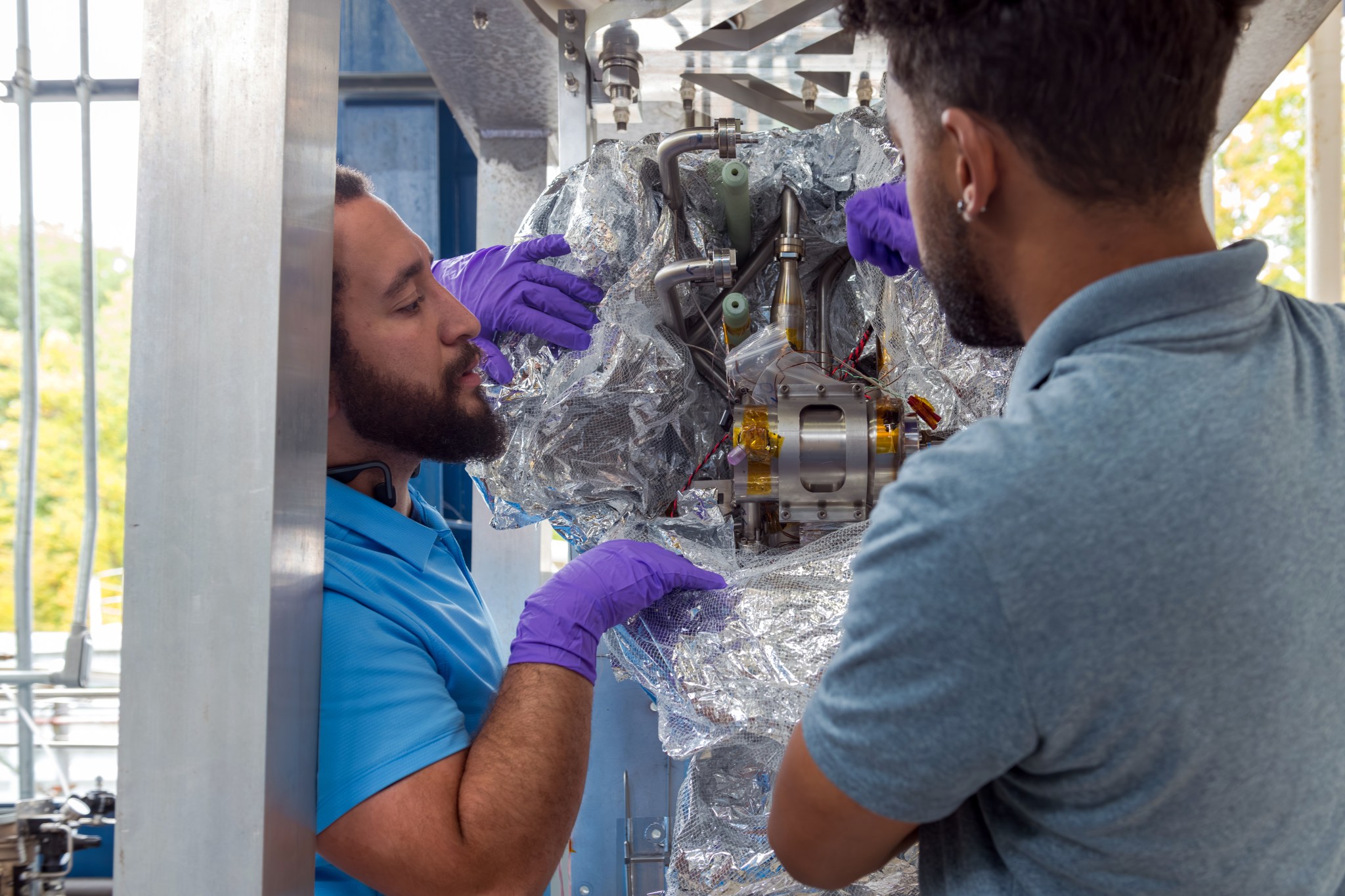
The farther the destination, the more fuel a rocket needs. The more fuel the rocket carries, the heavier the spacecraft. The heavier the spacecraft, the more fuel it requires to launch. Experts at NASA’s Glenn Research Center in Cleveland are testing technology that could solve this problem. The CryoFILL (Cryogenic Fluid In-Situ Liquefaction for Landers) project could transform the way NASA fuels future space exploration missions, reducing costs and extending the duration of planetary surface operations. “If

Download item bundle
Ice to Fuel: NASA Tests Technology for Refueling Landers