
Active filters Source: Ames
Clear all
4 May 2026, 20:32 GMT By Loura Hall 6 variants

To support long-duration missions to the Moon and Mars, NASA and industry are developing technologies that can extract resources such as hydrogen and helium-3 from lunar soil, known as regolith. This capability, known as in-situ resource utilization (ISRU), allows explorers to use what is already available on other planetary bodies, from water ice to minerals.

Download item bundle
NASA Fosters Development of Lunar Resource-Seeking Technologies
30 Apr 2026, 16:54 GMT By Tara Friesen 3 variants

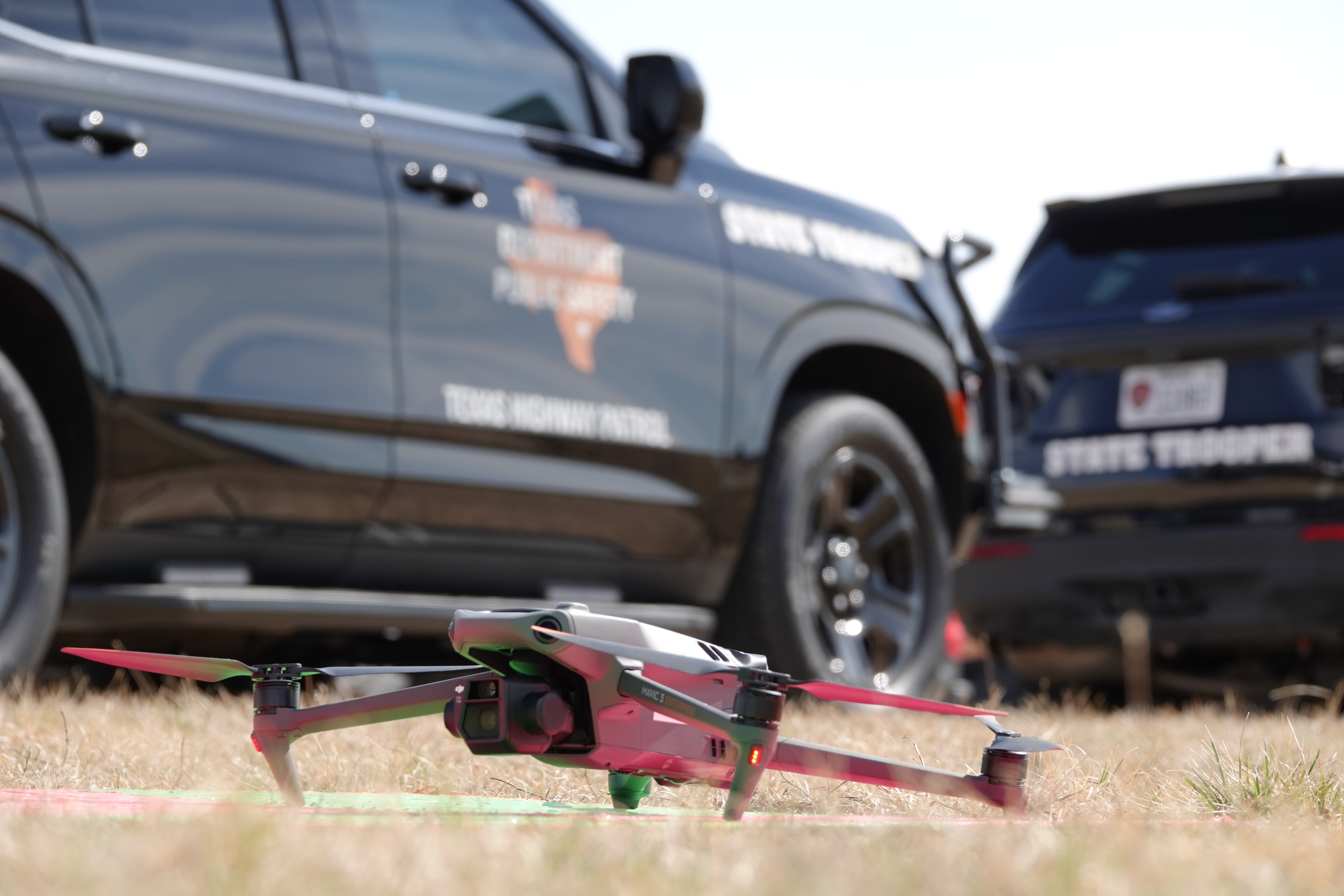
Our streets are crowded with commuters and delivery vehicles, but when a police car or fire engine approaches with its lights and sirens on, drivers clear the way. In the coming years, drones for deliveries and other commercial tasks will become common in the skies over our communities, and NASA is working to ensure first

Download item bundle
NASA Explores Prioritizing First Response Drones in Crowded Skies
23 Apr 2026, 16:07 GMT By Tara Friesen 5 variants

For years, NASA engineers have turned to a tool called the Launch, Ascent, and Vehicle Aerodynamics (LAVA) framework to solve airflow challenges that could mean the difference between mission success or failure. When engineers need to know how a spacecraft will navigate re-entry or whether a new aircraft wing design will create enough lift, they

Download item bundle
21 Apr 2026, 19:23 GMT By Abby Tabor 3 variants

Continuing NASA’s longtime support of American industry, the agency announced its selection of more than 30 companies to develop innovative technology through its Small Business Innovation Research (SBIR) and Small Business Technology Transfer (STTR) program. With these awards, NASA is investing approximately $16.3 million in seed funding of technology solutions to benefit the agency and energize the space economy.

Download item bundle
NASA Invests in Small Businesses Innovating for Space and Earth
21 Apr 2026, 17:41 GMT By Tara Friesen 4 variants

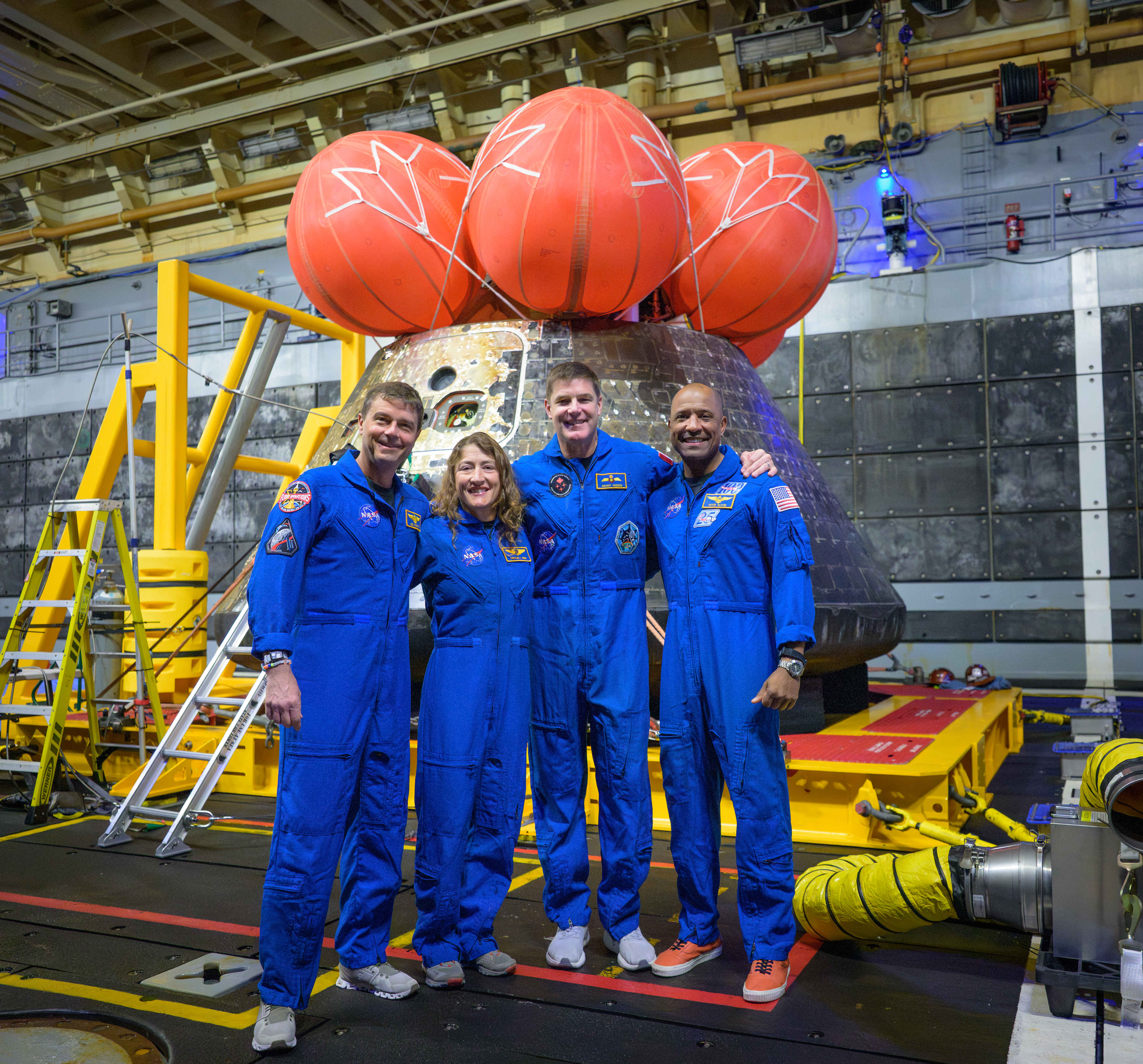
NASA successfully sent four astronauts around the Moon for the first time in more than 50 years, setting the stage for future lunar landing missions. As the agency continues to push the bounds of space exploration, NASA’s Ames Research Center in California’s Silicon Valley provided essential support in preparing for the mission. Artemis II was the first crewed test flight under NASA’s

Download item bundle
What Are Ames’ Contributions to Artemis II?
9 Apr 2026, 21:54 GMT By Suzanne Cisneros 11 variants

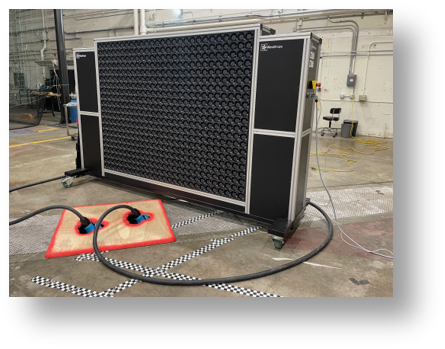
Windshaper A large WindShaper fan array is available for dynamic low-speed and hovering flight research. The WindShaper is ideal for generating arbitrary wind gradients and wind gusts via a simple Python API. A companion WindProbe is also available for quick surveys of flows. The WindProbe utilizes the lab’s OptiTrack motion capture system to extract the

Download item bundle
Indoor Testing Facilities available at the NASA Unmanned Autonomy Research Complex (NUARC)
27 Mar 2026, 18:00 GMT By Loura Hall 4 variants

Technology and science demonstrations, supported by various NASA industry collaborations and agency developments, are set to launch to low Earth orbit aboard a SpaceX Falcon 9 rocket as part of the company’s Transporter-16 commercial rideshare mission. These demonstrations will test thermal protection systems, advance in-space communications, deepen our understanding of Earth’s atmosphere, and foster capabilities

Download item bundle
NASA Tech and Science Bound for Low Earth Orbit on Commercial Launch
25 Mar 2026, 23:16 GMT By Arezu Sarvestani

Editor’s Note: This page was updated to designate it as a media advisory and include the Artemis logo. Media Advisory NASA’s Ames Research Center in Silicon Valley invites media to interview local subject matter experts on Friday, March 27 from 10 a.m. to 2 p.m. ahead of the agency sending astronauts around the Moon for

Download item bundle
NASA Ames Experts Available for Artemis II Flight Test Interviews
24 Mar 2026, 14:18 GMT By Loura Hall 5 variants

As NASA seeks to understand the mysteries of the universe, the agency is advancing technologies to locate and explore Earth-like planets far beyond our solar system. A key element of this research involves observing reflected light from exoplanets, which can reveal indicators of Earth-like features such as water and oxygen. However, detecting this faint reflected

Download item bundle
24 Mar 2026, 13:59 GMT By Arezu Sarvestani 2 variants

NASA is joining international partners to hunt for ice on the Moon in support of future human exploration. The agency is providing a water-detecting instrument, the Neutron Spectrometer System (NSS), to the Lunar Polar Exploration (LUPEX) mission led by JAXA (Japan Aerospace Exploration Agency) and ISRO (Indian Space Research Organisation).

Download item bundle
NASA’s Water-Hunting Tool Will Help Scout Moon’s South Pole
20 Mar 2026, 20:53 GMT By Rachel Hoover

Editor’s Note: This article was originally published on April 25, 2022 and has been updated to reflect changes including the completion of Hangar One’s restoration. Restoration has been completed on Hangar One, a historic landmark in the San Francisco Bay Area and a key part of the region’s early aviation history. In December 2025, Planetary Ventures completed restoration of

Download item bundle
Video
20 Mar 2026, 14:00 GMT By Lillian Gipson 2 variants

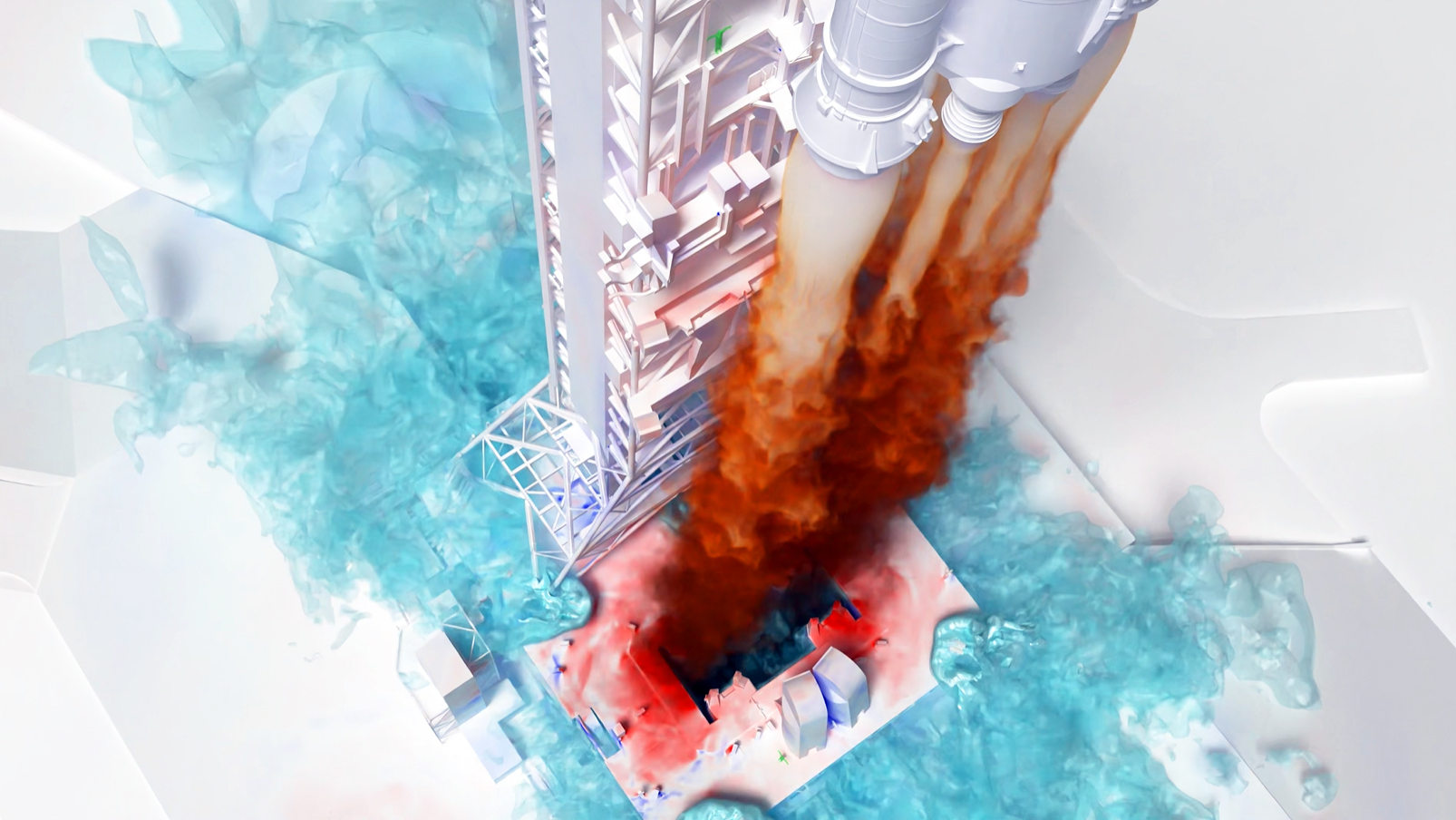
Airflow around rockets as they travel from Earth into space can have a dramatic impact on a mission, which is why NASA used advanced simulations to provide the best possible launch conditions for the Artemis II test flight around the Moon. To better understand the Artemis Space Launch System (SLS) rocket’s flight environment, engineers turned to a NASA-developed tool called the Launch, Ascent, and Vehicle Aerodynamics

Download item bundle
17 Mar 2026, 20:55 GMT By Dede Dinius 5 variants

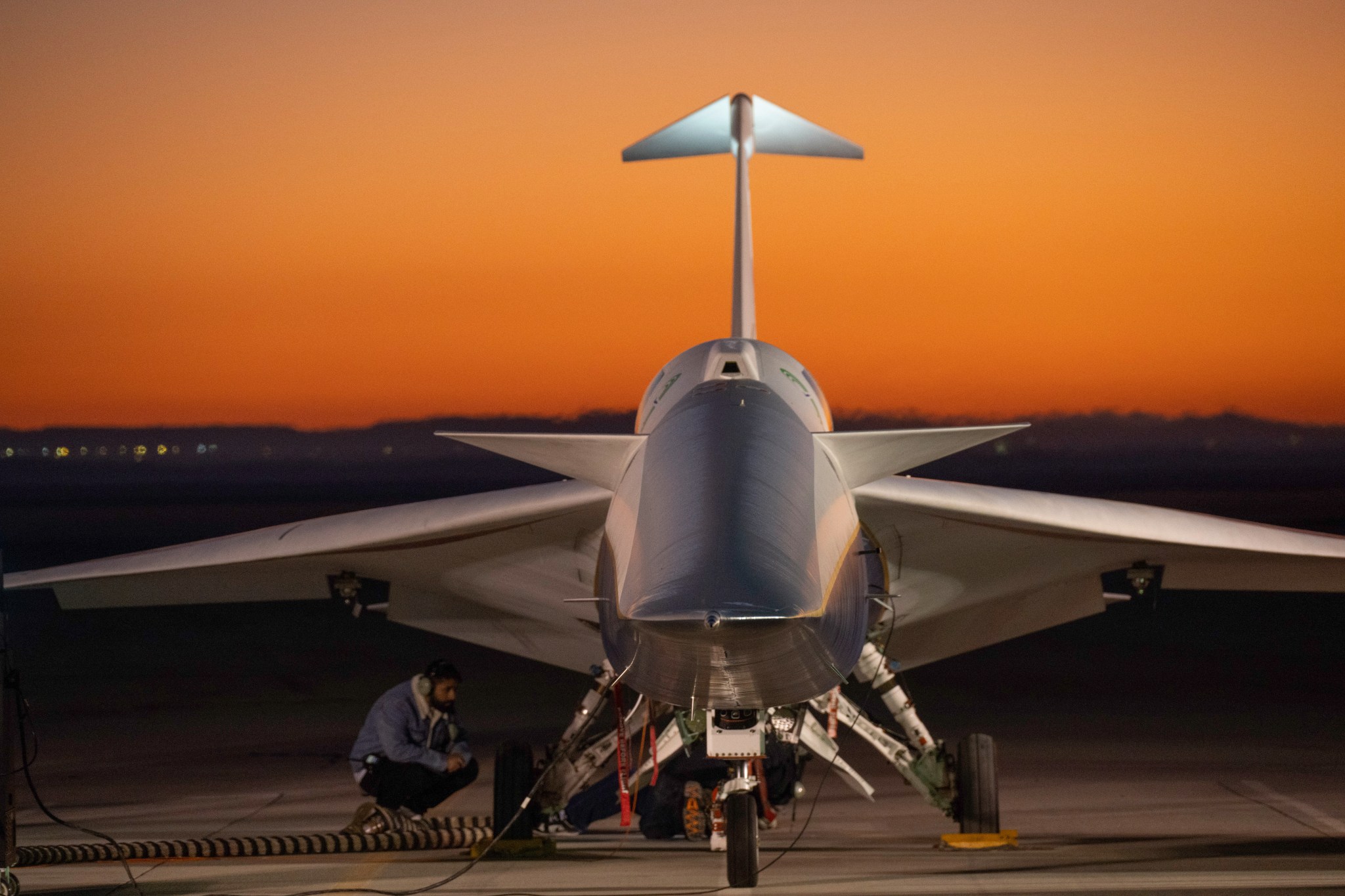
NASA’s X-59 experimental aircraft is preparing for its second flight, a step that will set the pace for more flight testing in 2026. Over the coming months, NASA will take the quiet supersonic jet faster and higher, while validating safety and performance, a process known as envelope expansion. NASA test pilot Jim “Clue” Less will be at the X-59’s

Download item bundle
NASA’s X-59 Prepares for Second Flight
16 Mar 2026, 18:42 GMT

As four astronauts travel around the Moon on NASA’s Artemis II mission, they will venture beyond Earth’s protective magnetic field. The crew’s spacecraft, Orion, will carry and protect them as they journey into deep space and serves as the main protection against the Sun’s intense power. During their 10-day flight, NASA and the National Oceanic and Atmospheric Administration (NOAA) will monitor the

Download item bundle
Video
10 Mar 2026, 18:40 GMT By Heather Roe 4 variants

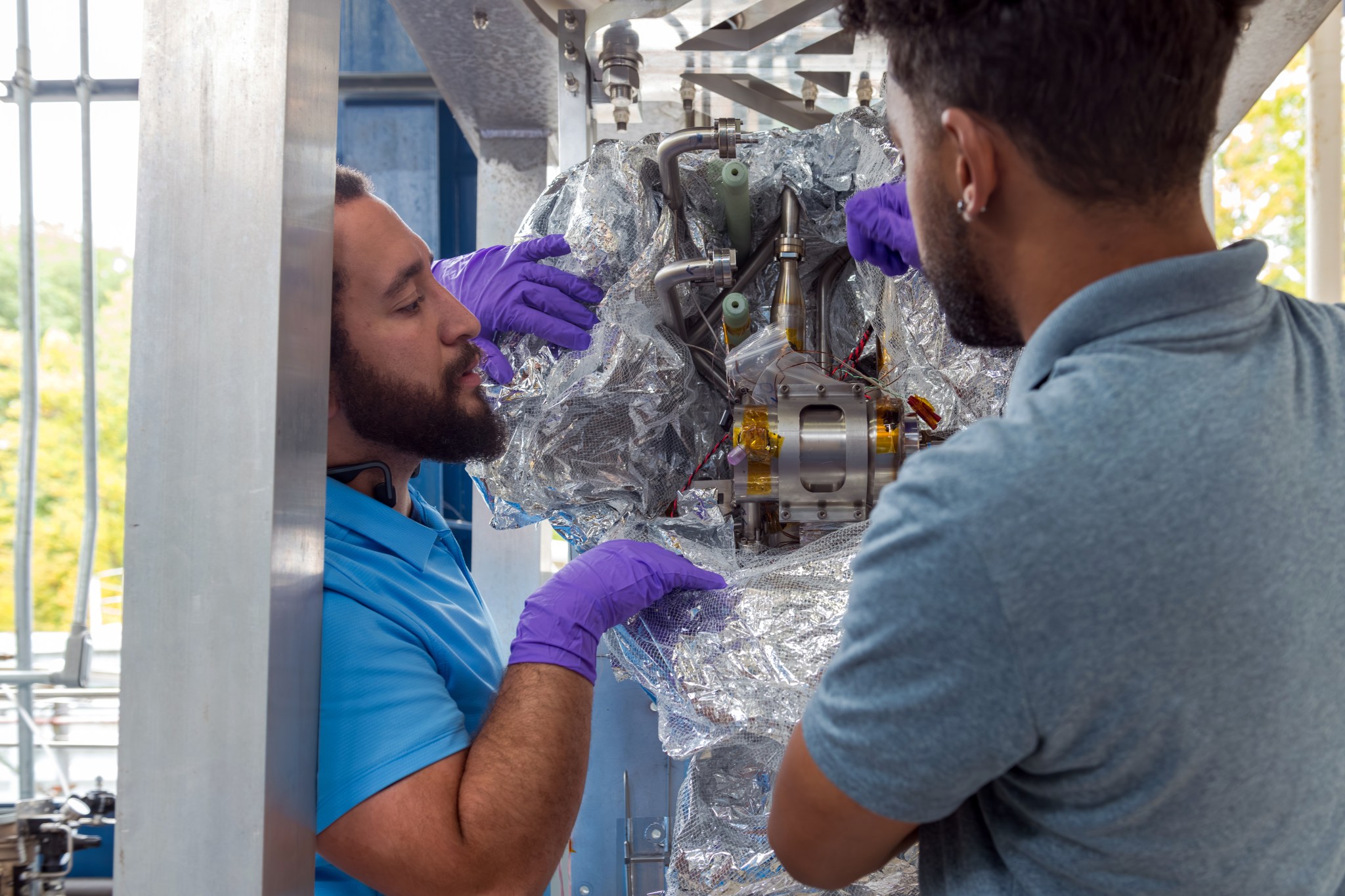
The farther the destination, the more fuel a rocket needs. The more fuel the rocket carries, the heavier the spacecraft. The heavier the spacecraft, the more fuel it requires to launch. Experts at NASA’s Glenn Research Center in Cleveland are testing technology that could solve this problem. The CryoFILL (Cryogenic Fluid In-Situ Liquefaction for Landers) project could transform the way NASA fuels future space exploration missions, reducing costs and extending the duration of planetary surface operations. “If

Download item bundle
Ice to Fuel: NASA Tests Technology for Refueling Landers
4 Mar 2026, 16:17 GMT By Gerelle Q. Dodson 8 variants

The U.S. Office of Personnel Management (OPM) and NASA announced NASA Force on Wednesday, a dedicated talent track within the US Tech Force initiative designed to recruit and deploy the nation’s top engineers and technologists to support America’s space program. NASA Force will identify and place high-impact technical talent into mission-critical roles supporting NASA’s exploration,

Download item bundle
NASA, OPM Launch NASA Force to Recruit Top Talent for US Space Program