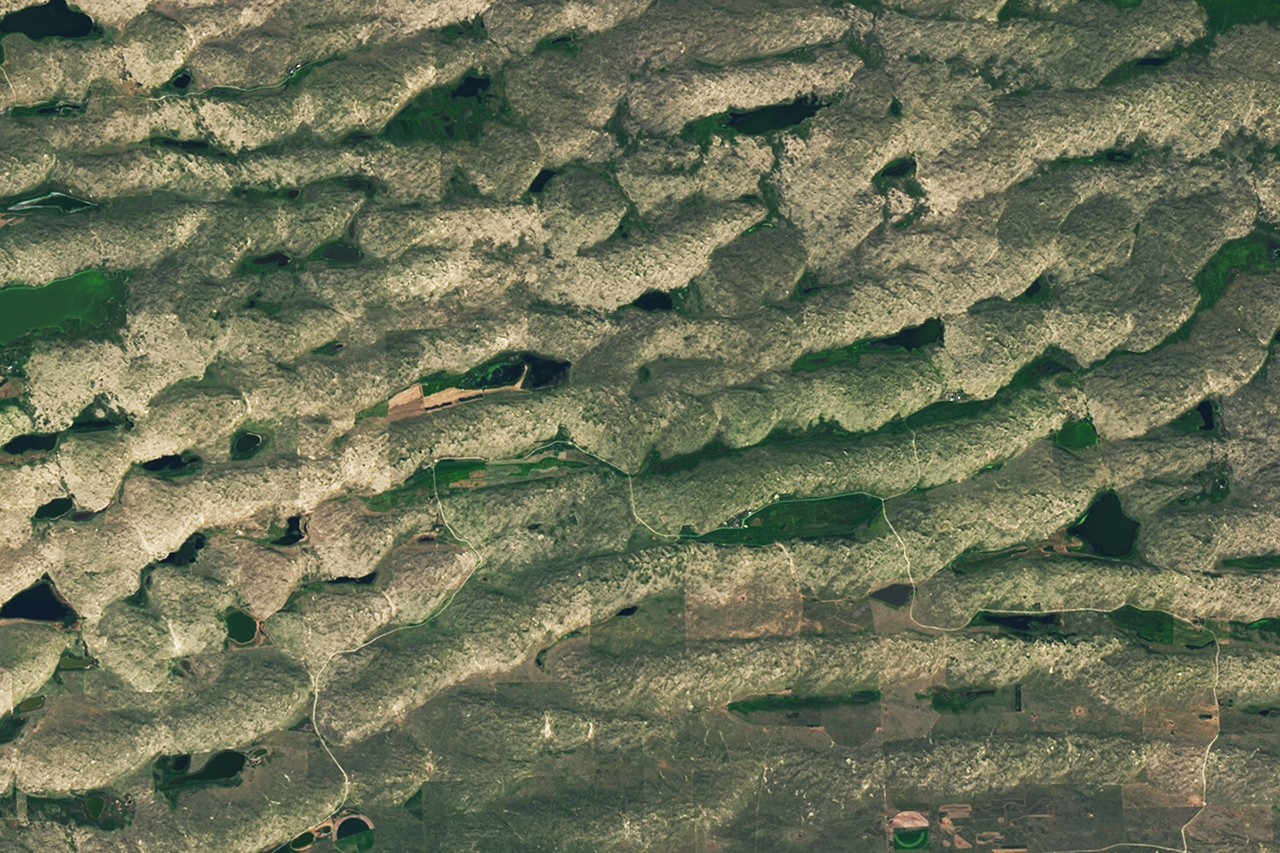
Written by Catherine O’Connell-Cooper, APXS Strategic Planner and Payload Uplink/Downlink Lead, University of New Brunswick, Canada Earth planning day: Friday, June 5th, 2026 In a very broad sense, Curiosity has two modes of doing science – one centred around a defined science campaign (such as the recent boxwork campaign) and the other as we move
NASA has selected multiple small businesses for the Western Regional Multiple Award Construction Contract, which supports a broad range of facility enhancement, modernization, and sustainment work at NASA’s Armstrong Flight Research Center in Edwards, California, NASA’s Ames Research Center in California’s Silicon Valley, and other federal agencies in the region. The contract provides general construction,
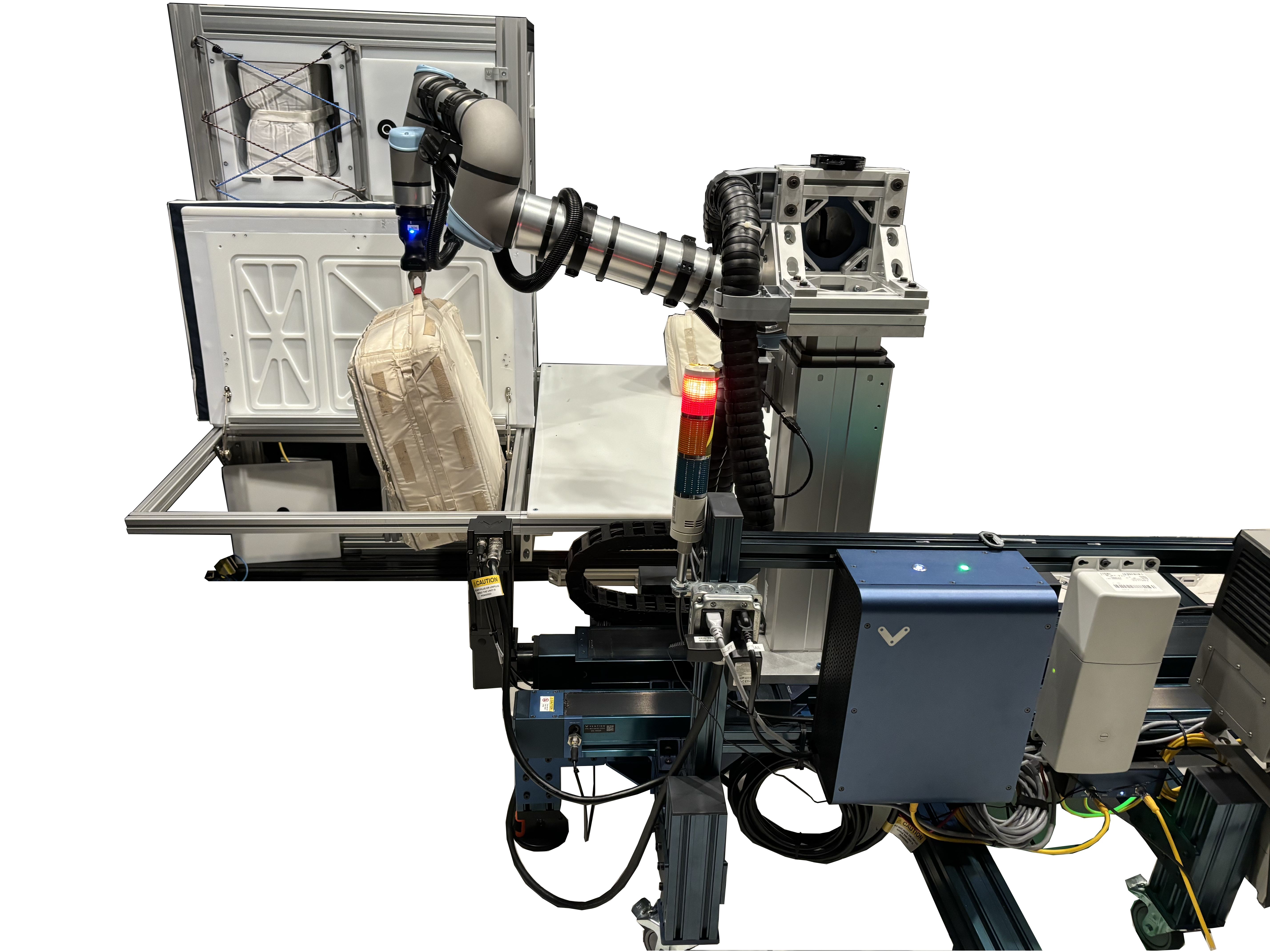
As NASA plans long-term missions on the Moon, the agency could use robots to perform routine tasks, allowing crew members to dedicate more time to science and exploration. However, robotic motion control requires complex technology and advances in features like robotic decision-making and object recognition. These are the challenges a Boulder, Colorado-based robotics company is
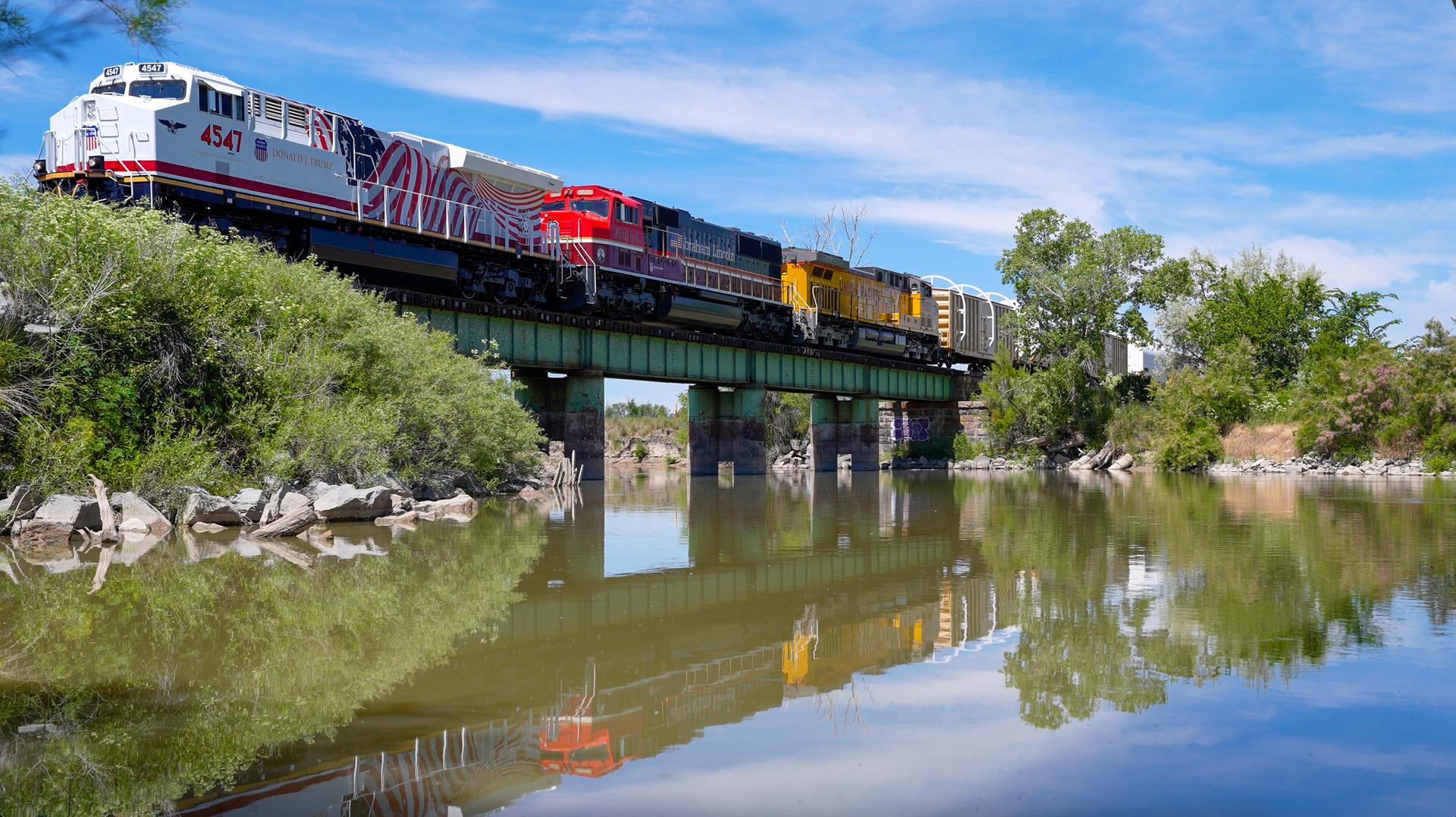
A train transports eight booster motor segments for the SLS (Space Launch System rocket) that will power NASA’s Artemis III mission from Northrop Grumman’s Railyard Shipping Facility in Corinne, Utah, June 2, to NASA’s Kennedy Space Center in Florida.
The complex puzzle known as little red dots has become more complete since their initial discovery by NASA’s James Webb Space Telescope in 2022. Now a particular little red dot’s spectrum is helping connect many of the pieces. A team of astronomers led by Vasily Kokorev at the University of Texas at Austin identified the
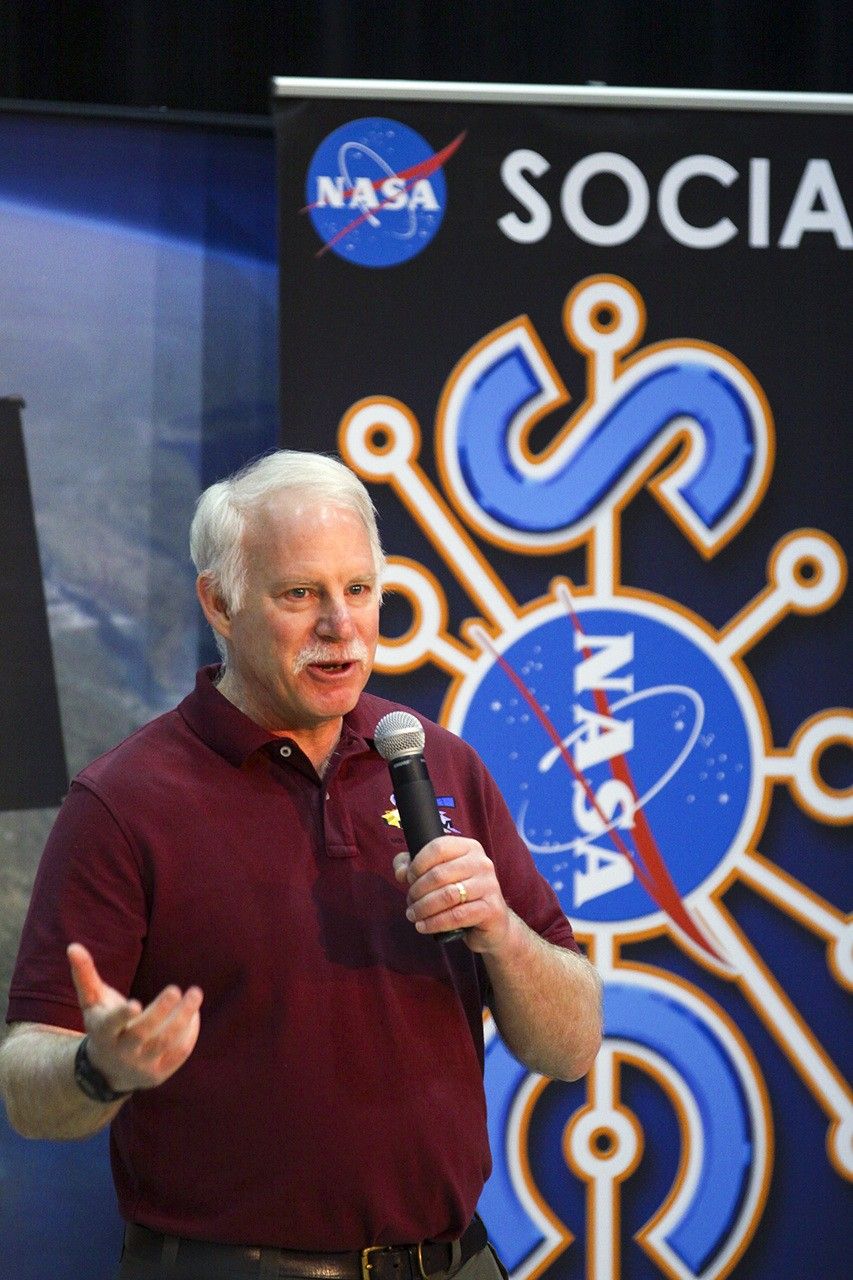
Landsat’s Jim Irons won the prestigious William T. Pecora Award. Irons, now an emeritus scientist at NASA Goddard Space Flight Center, played an integral role in shaping the Landsat program into what it is today.
During the 2025-2026 school year, educators from the NASA Science Activation Program’s GLOBE (Global Learning and Observation to Benefit the Environment) Mission Earth project participated in a specialized Community of Practice led by NASA Langley Research Center to refine how students interact with NASA’s land cover data (MODIS, Landsat, and Sentinel-2).
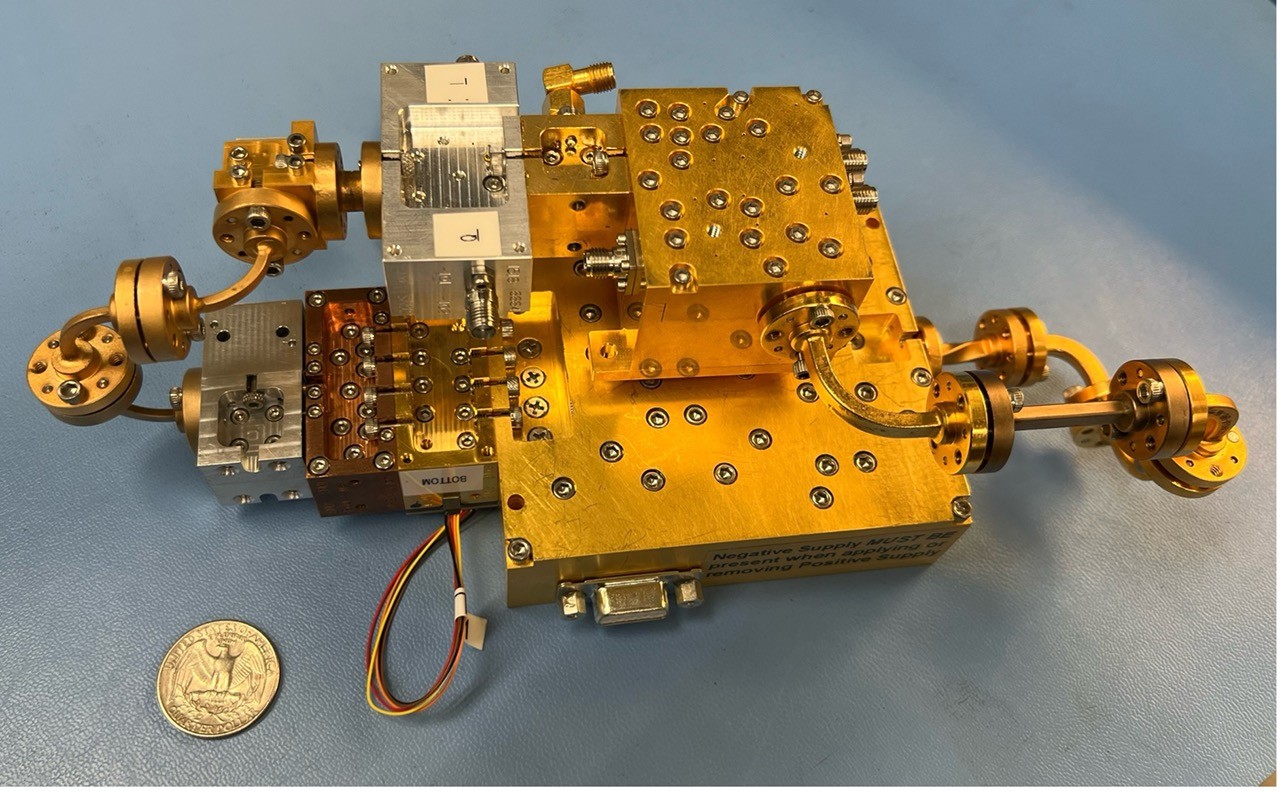
A compact, multifrequency radar built by a team at NASA’s Jet Propulsion Laboratory will make it easier to collect information about dynamic cloud systems. Called CloudCube, this new instrument simultaneously probes the atmosphere with three radar signals, spanning 36 to 240 GHz, for optimized sensitivity to a wide range of water droplet and ice particle sizes.
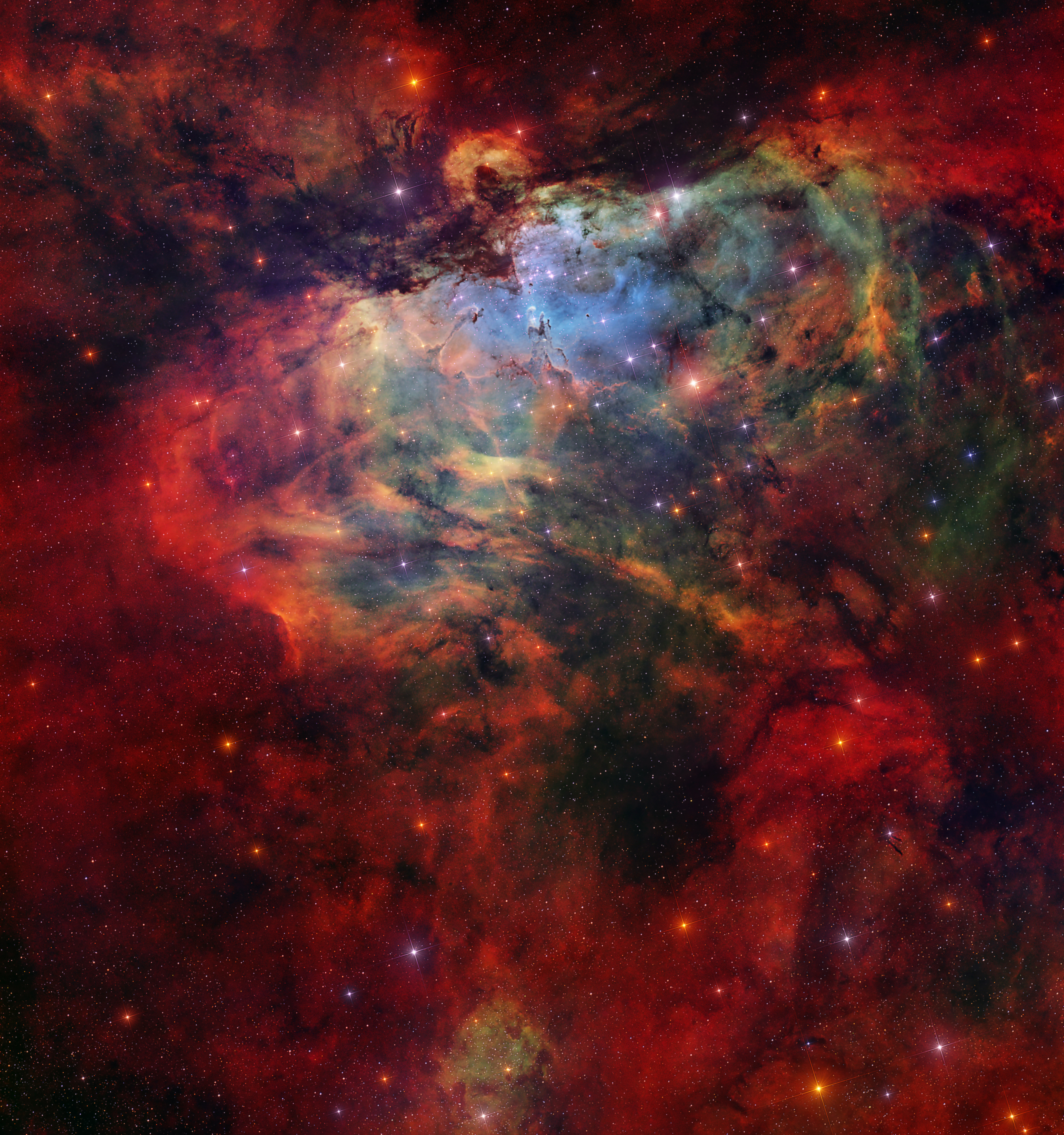
What looks as if it is going to swallow the great Pillars of Creation? The Eagle Nebula (M16) is not a bird, a plane, or Superman. M16 is actually a combination of several celestial objects. NGC 6611 is the young star cluster that appears to peak out beneath the Eagle’s “wings”. The ultraviolet light from these stars ionizes the surrounding gas, creating the emission nebula IC 4703. The Stellar Spire is seen reaching towards the Pillars of Creation from the left. Both are structures of cold gas and dust that are optimal for star formation. Some astronomers previously thought the Pillars of Creation had been evaporated away by a supernova. Because M16 is 6,000 light years away, we would not be able to see the Pillars’ destruction for thousands more years. However, there is no conclusive evidence of the theorized supernova, so the Pillars of Creation will likely continue to create stars for millions of years.
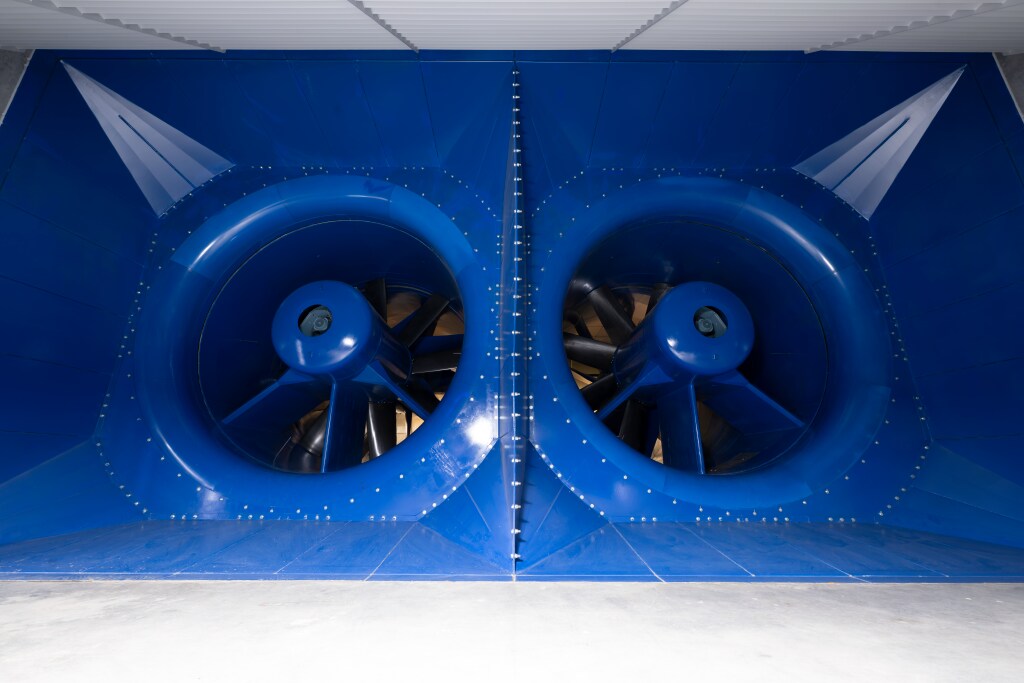
HomeCharacteristics The Flight Dynamics Research Facility (FDRF) is a large, subsonic wind tunnel with a vertical test section for conducting flight dynamics research for stability, controllability, free-fall and aircraft spin, and spin recovery testing of atmospheric vehicles. Characteristics Flight Dynamics Flight Research Aerosciences Evaluation and Test Capabilities
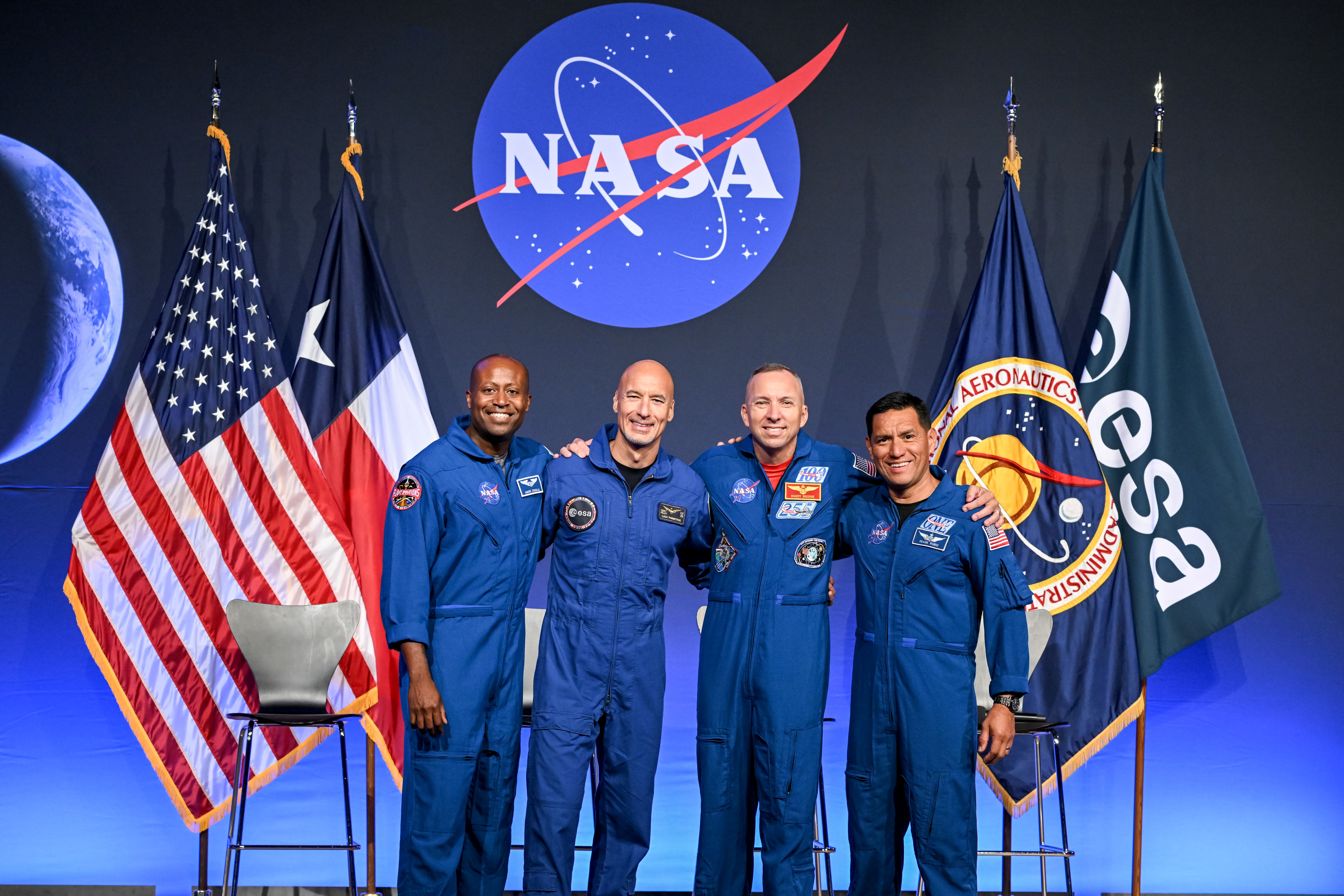
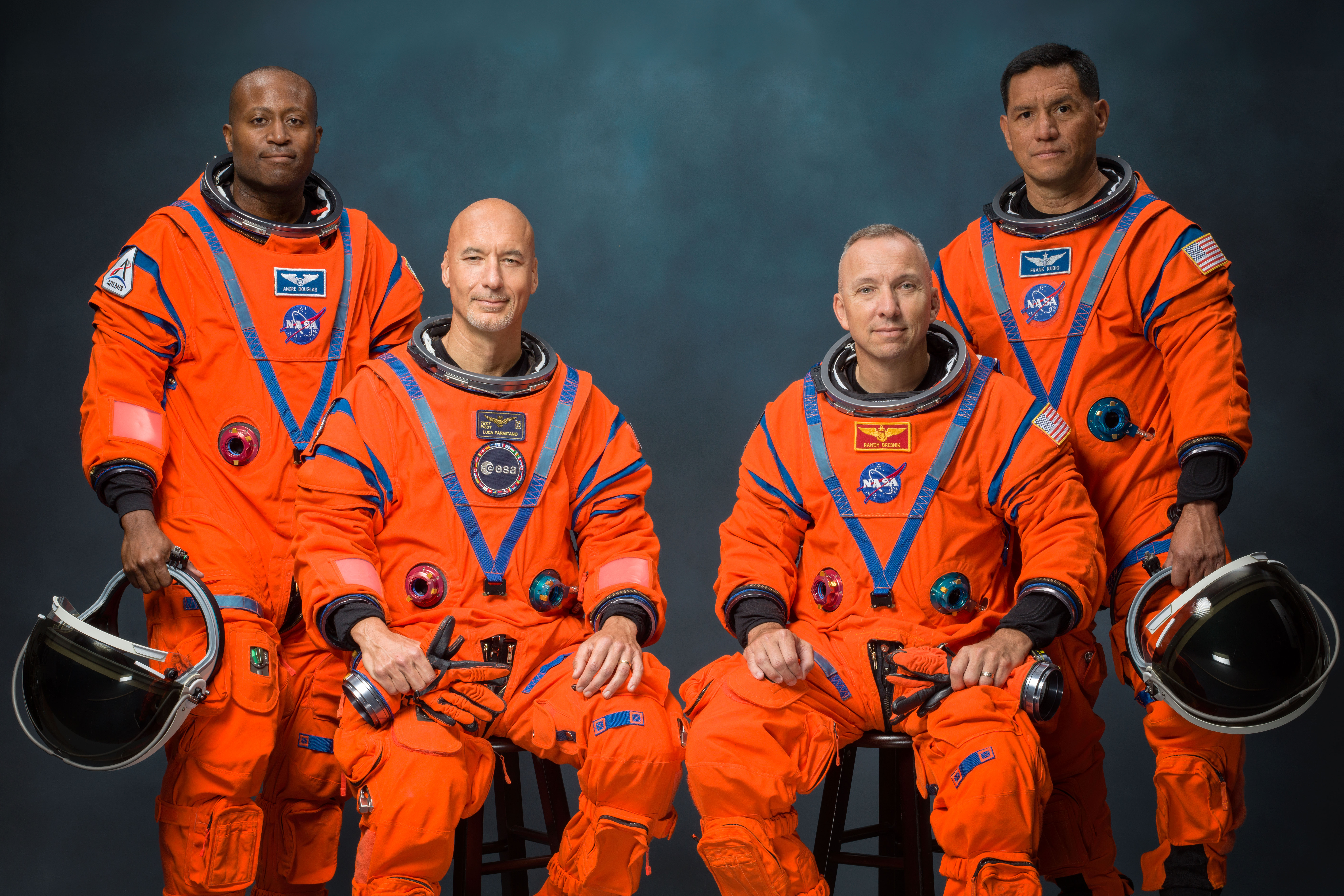
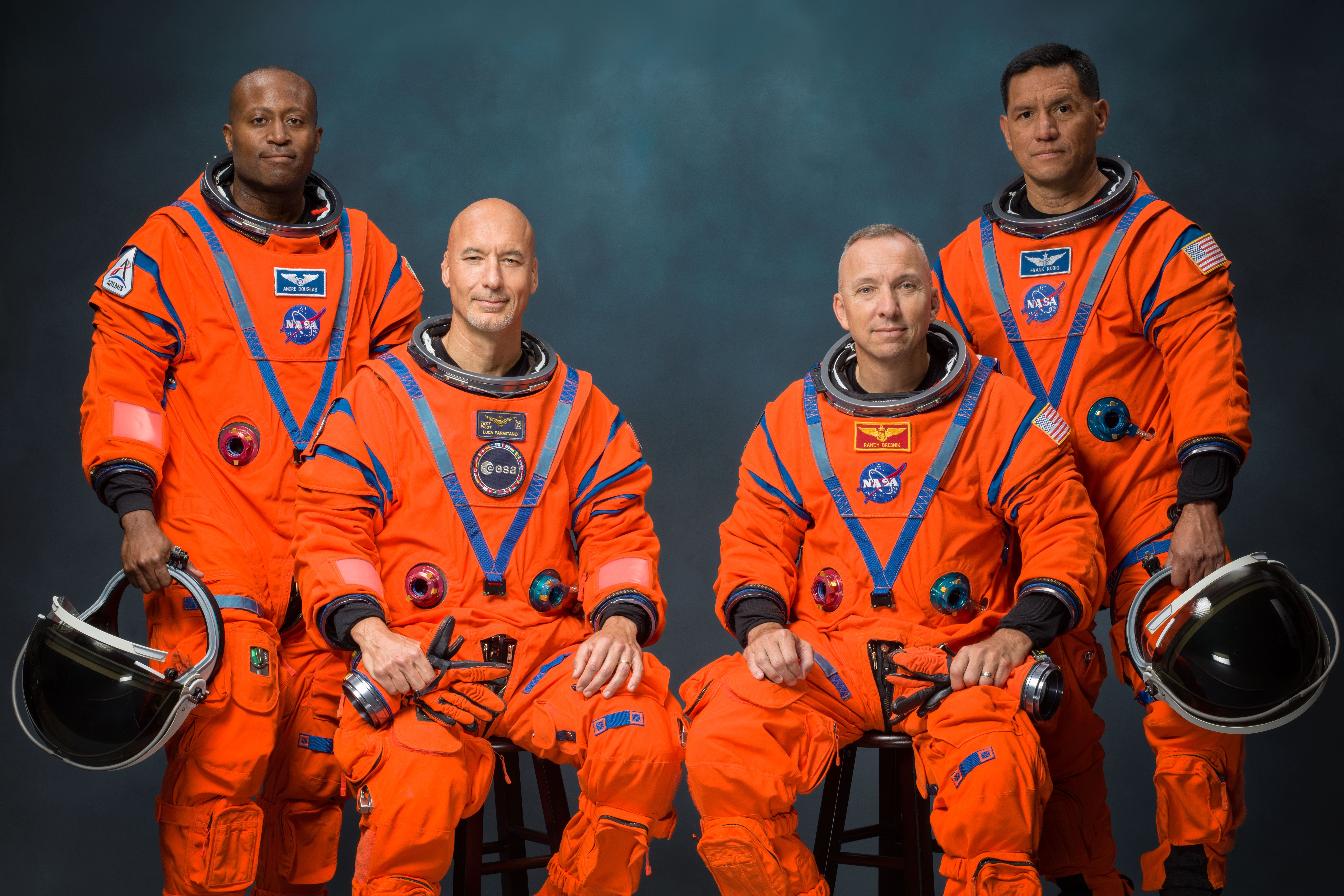
NASA announced the Artemis III crew on Tuesday, June 9, 2026. NASA astronaut Andre Douglas, mission specialist; ESA (European Space Agency) astronaut Luca Parmitano, pilot; NASA astronaut Randy Bresnik, commander; and NASA astronaut Frank Rubio, mission specialist, will demonstrate the Orion spacecraft's rendezvous and docking capabilities with test versions from one, or both, American commercial human landing systems in development by Blue Origin and SpaceX.
9 Jun 2026, 16:19 GMTBy María José Viñas2 variants
Read this release in English here. La NASA dio el martes otro paso hacia una de las misiones tripuladas más complejas de la historia reciente al ofrecer nuevos detalles sobre Artemis III y anunciar a los cuatro miembros principales de la tripulación y a un suplente para este vuelo de prueba. En 2027, la misión
Taking another step toward one of the most complex human spaceflight missions in recent history, NASA on Tuesday provided new Artemis III details and announced the four prime crew members and a backup for the test flight. The mission will undertake a series of challenging tests in Earth orbit in 2027, essential for Artemis IV, the
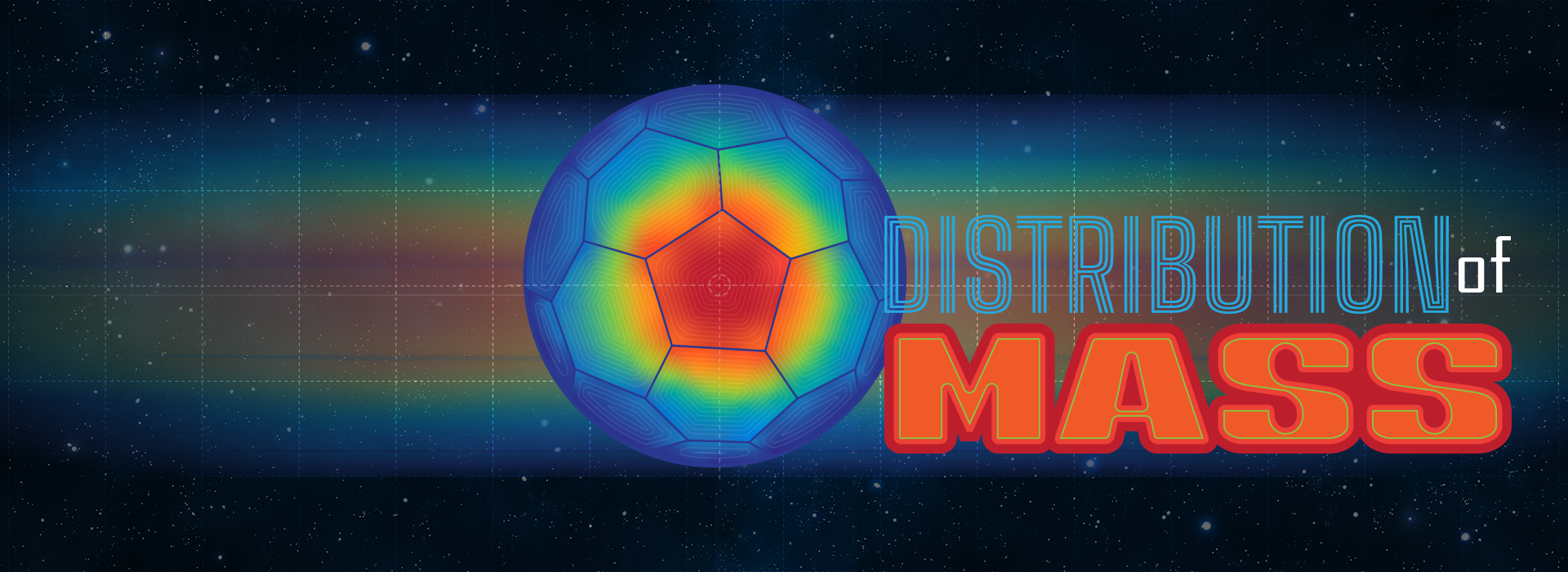
This article is for students grades 5-8. Mass distribution affects everything from galaxy shapes to aircraft design to planetary rotation. It’s used to map stars in our universe, figure out what planets are made of, and even to determine how luggage is loaded onto an airplane. Mass distribution can be a tricky thing to understand.
## Community Coordinated Modeling Center Database Of Notifications, Knowledge, Information ( CCMC DONKI ) ## Message Type: Space Weather Notification - Interplanetary Shock ## ## Message Issue Date: 2026-06-09T11:29:06Z ## Message ID: 20260609-AL-001 ## ## Disclaimer: NOAA's Space Weather Prediction Center is the United States Government official source for space weather forecasts. This "Experimental Research Information" consists of preliminary NASA research products and should be interpreted and used accordingly. ## Summary: Significant interplanetary shock detected by ACE at L1 at 2026-06-09T09:53Z. The shock may be associated with CME with ID 2026-06-06T14:11:00-CME-001 (see notifications 20260606-AL-001, 20260606-AL-004, 20260606-AL-005). Some magnetospheric compression and geomagnetic storm possible. Activity ID: 2026-06-09T09:53:00-IPS-001. ## Notes: The cause of this event is under analysis as this arrival signature is still developing.
9 Jun 2026, 00:00 GMTBy Josep Drudis, Christian Sasse
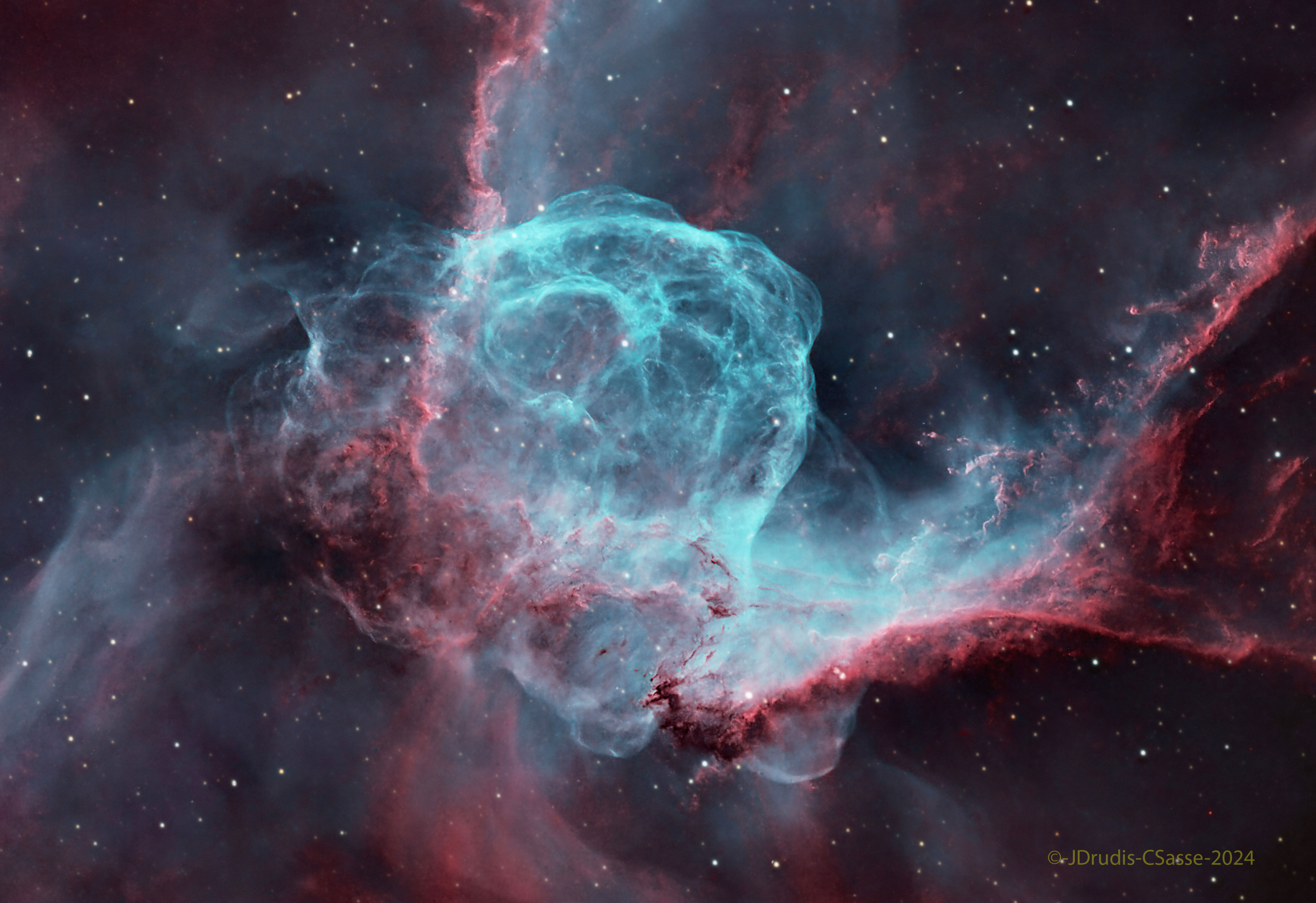
Thor not only has his own day (Thursday), but a helmet in the heavens. Popularly called Thor's Helmet, NGC 2359 is a hat-shaped cosmic cloud with wing-like appendages. Heroically sized even for a Norse god, Thor's Helmet is about 30 light-years across. In fact, the cosmic head-covering is more like an interstellar bubble, blown by a fast wind from the bright, massive star near the bubble's center. Known as a Wolf-Rayet star, the central star is an extremely hot giant thought to be in a brief, pre-supernova stage of evolution. NGC 2359 is located about 15,000 light-years away toward the constellation of the Great Overdog. This sharp image is a combination of deep images taken in light emitted by hydrogen (red) and oxygen (blue). The star in the center of Thor's Helmet is expected to explode in a spectacular supernova sometime within the next few thousand years. Sky Surprise: What picture did APOD feature on your birthday? (after 1995)