
Active filters None
12 Jun 2026, 23:49 GMT 5 variants

## Community Coordinated Modeling Center Database Of Notifications, Knowledge, Information ( CCMC DONKI ) ## Message Type: Space Weather Notification - CME (Lucy, BepiColombo) ## ## Message Issue Date: 2026-06-12T23:49:35Z ## Message ID: 20260612-AL-003 ## ## Disclaimer: NOAA's Space Weather Prediction Center is the United States Government official source for space weather forecasts. This "Experimental Research Information" consists of preliminary NASA research products and should be interpreted and used accordingly. ## Summary: C-type CME detected by STEREO A / GOES / SOHO. Start time of the event: 2026-06-12T19:24Z. Estimated speed: ~518 km/s. Estimated opening half-angle: 37 deg. Direction (lon./lat.): -80/0 in Heliocentric Earth Equatorial coordinates. Activity ID: 2026-06-12T19:24:00-CME-001 Based on preliminary analysis by the Moon to Mars Space Weather Analysis Office and heliospheric modeling carried out at NASA Community Coordinated Modeling Center, it is estimated that the CME may impact Lucy (minor impact) and BepiColombo. The leading edge of the CME will reach Lucy at 2026-06-30T17:00Z and BepiColombo at 2026-06-14T04:46Z (plus minus 7 hours). Links to the movies of the modeled event (includes CME: 2026-06-12T19:24:00-CME-001): (a) 2 AU outer boundary https://iswa.gsfc.nasa.gov/api/redirect?filename=20260613_023400_2.0_anim.tim-den.gif https://iswa.gsfc.nasa.gov/api/redirect?filename=20260613_023400_2.0_anim.tim-vel.gif https://iswa.gsfc.nasa.gov/api/redirect?filename=20260613_023400_2.0_ENLIL_CONE_timeline.gif https://iswa.gsfc.nasa.gov/api/redirect?filename=20260613_023400_2.0_ENLIL_CONE_Bepi_timeline.gif (b) 5.5 AU outer boundary https://iswa.gsfc.nasa.gov/api/redirect?filename=20260613_023400_5.5_anim.tim-den.gif https://iswa.gsfc.nasa.gov/api/redirect?filename=20260613_023400_5.5_anim.tim-vel.gif https://iswa.gsfc.nasa.gov/api/redirect?filename=20260613_023400_5.5_ENLIL_CONE_Lucy_timeline.gif ## Notes: SCORE CME typification system: S-type: CMEs with speeds less than 500 km/s C-type: Common 500-999 km/s O-type: Occasional 1000-1999 km/s R-type: Rare 2000-2999 km/s ER-type: Extremely Rare >3000 km/s

Download item bundle
CME
12 Jun 2026, 15:32 GMT By Gerelle Q. Dodson 3 variants

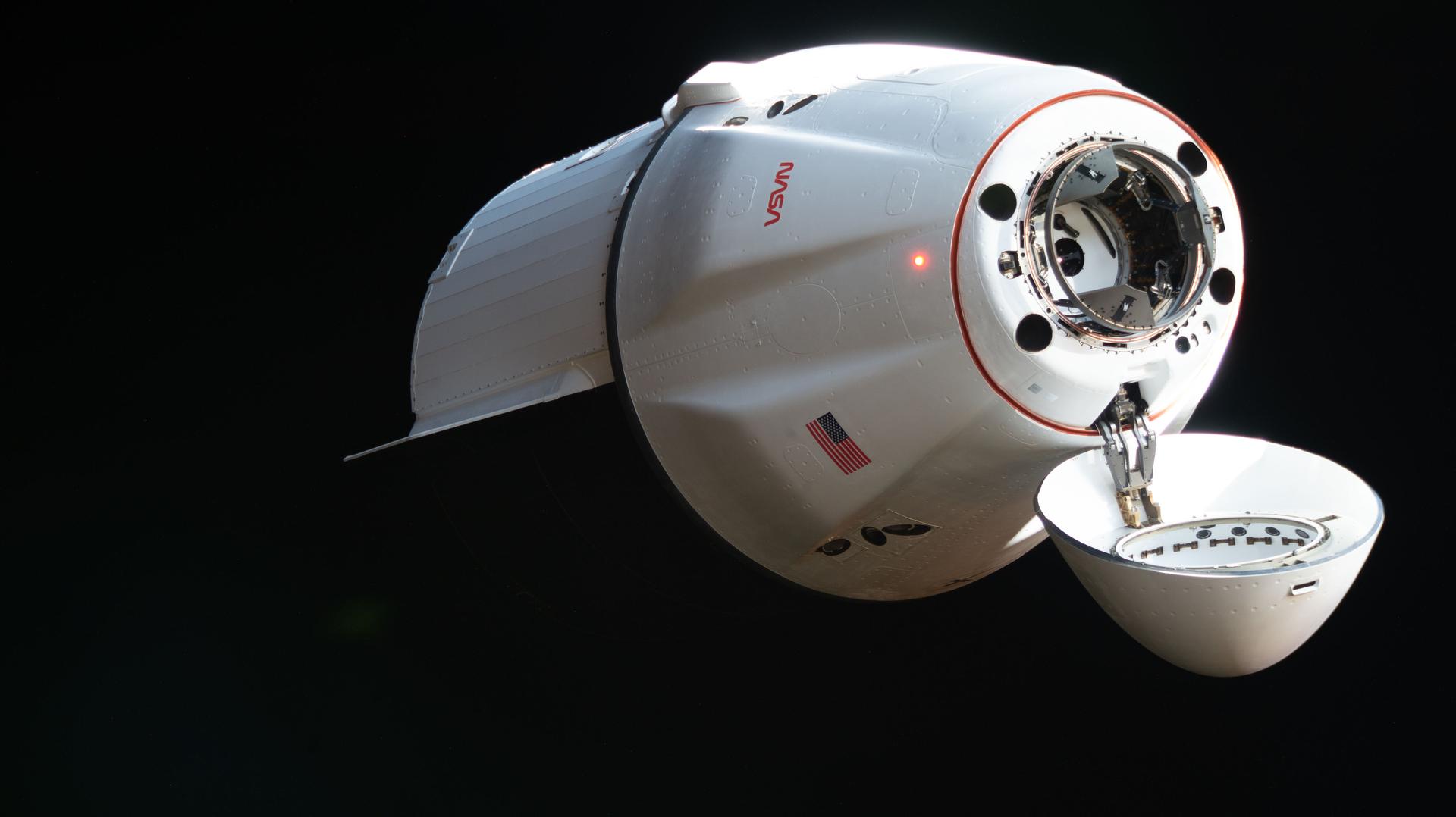
NASA and its international partners are set to receive scientific research samples and hardware as a SpaceX Dragon spacecraft is scheduled to depart the International Space Station on Tuesday, June 16, for its return to Earth. Watch NASA’s live undocking coverage beginning at 11:45 a.m. EDT on NASA+, Amazon Prime, and the agency’s YouTube channel.

Download item bundle
NASA to Cover 34th SpaceX Resupply Mission Space Station Departure
12 Jun 2026, 14:01 GMT 3 variants

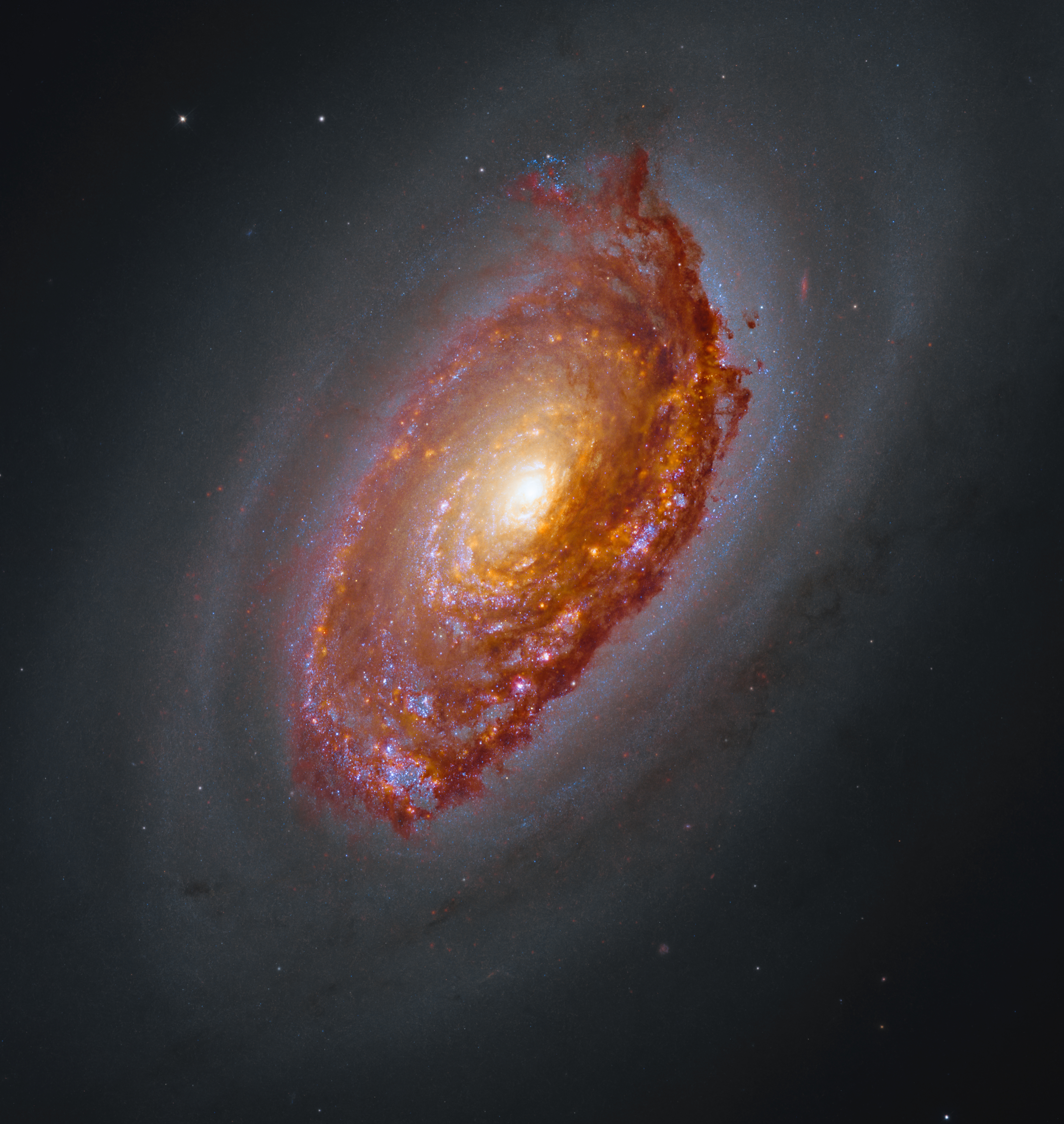
Easily identified by the spectacular band of dark dust that partially obscures its bright core, Messier 64, or the Black Eye Galaxy, is characterized by its bizarre internal motion.

Download item bundle
Black Eye Galaxy
12 Jun 2026, 14:00 GMT

Meet the astronauts who will fly on Artemis III: Commander Randy Bresnik, Pilot Luca Parmitano, and Mission Specialists Frank Rubio and Andre Douglas. In this special presentation of Houston We Have a Podcast, the Artemis III astronauts discuss their backgrounds and training ahead of them to prepare for one of the most complex human spaceflight missions in history. For more information about Artemis III, visit nasa.gov/artemis-iii

Download item bundle
Meet the Artemis III Crew
12 Jun 2026, 13:00 GMT

The Artemis III astronauts discuss their backgrounds and training ahead of them to prepare for one of the most complex human spaceflight missions in history. Episode 426.

Download item bundle
Meet Artemis III
12 Jun 2026, 11:34 GMT 3 variants

Looking somewhat like a swarm of bees returning to their hive, this NASA Hubble Space Telescope image features the galaxy cluster MACS0329-0211.

Download item bundle
Hubble Sees Swarm of Galaxies
12 Jun 2026, 04:01 GMT 2 variants

The city’s metro area has pushed westward since it last hosted World Cup matches in 1986, expanding across a landscape shaped by ancient volcanoes.

Download item bundle
World Cup Fever in Guadalajara
12 Jun 2026, 00:00 GMT By Josh Dury

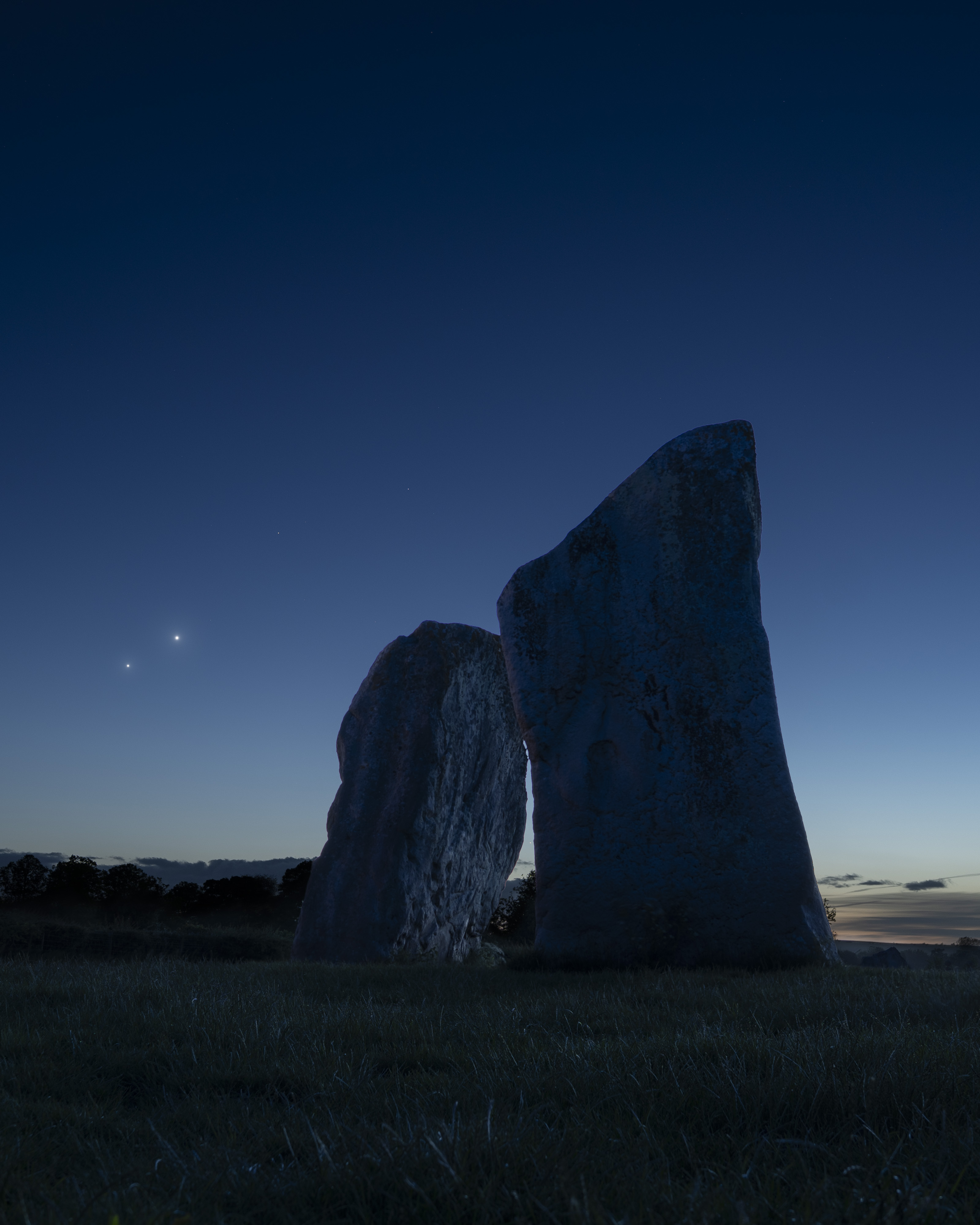
To see Venus and Jupiter together this month, you won't need binoculars or even a telescope. Just look up after sunset and you'll find them emerging as the sky grows dark near the western horizon. In fact, on June 9 the two brightest planets were in close conjunction, separated on the sky by less than 2 degrees from our perspective. Since (brighter) inner planet Venus orbits the Sun faster than outer planet Jupiter, it catches up with and passes the outer planet along the ecliptic roughly every 13 months. But every three years or so their resulting conjunction can be viewed far enough from the Sun to be easily seen in Earth's twilight skies. On June 9, the two celestial beacon's close "cosmic kiss" was captured here next to two large standing stones, the remains of a cove near the center of a 4,000 year old stone circle at Avebury, UK. Larger than Stonehenge, the Avebury henge and stone circle complex is also recognized as one of the most significant neolithic ceremonial sites on planet Earth.

Download item bundle
Venus and Jupiter: Conjunction from Avebury
Credit: Josh Dury
11 Jun 2026, 21:44 GMT

## Community Coordinated Modeling Center Database Of Notifications, Knowledge, Information ( CCMC DONKI ) ## Message Type: Space Weather Notification - Magnetopause Crossing ## ## Message Issue Date: 2026-06-11T21:44:44Z ## Message ID: 20260611-AL-003 ## ## Disclaimer: NOAA's Space Weather Prediction Center is the United States Government official source for space weather forecasts. This "Experimental Research Information" consists of preliminary NASA research products and should be interpreted and used accordingly. ## Summary: Strong compression of the magnetosphere detected. Simulations carried out at NASA Community Coordinated Modeling Center indicate that the magnetopause separating magnetospheric and solar wind plasma is close to the geosynchronous orbit starting at 2026-06-11T21:41Z. The activity is associated with Interplanetary Shock with ID 2026-06-11T15:16:00-IPS-001 (see notification 20260611-AL-002) and the arrival of coronal hole high speed stream starting on 2026-06-11. NASA spacecraft at the geosynchronous orbits may be exposed to solar wind plasma and magnetic field conditions. Activity ID: 2026-06-11T21:41:00-MPC-001. ## Notes

Download item bundle
11 Jun 2026, 21:14 GMT By Sandra May 2 variants

NASA is introducing a new funding opportunity to accelerate academic research and technology development. The Minority University Research and Education Project Space Technology Artemis Research (M‑STAR) application window opened Thursday and will remain open through 11:59 p.m. EDT on Tuesday, Aug. 11. The research funded through this award supports the agency’s priorities for exploring the

Download item bundle
NASA Award Boosts Space Technology Research Capabilities
11 Jun 2026, 20:41 GMT 3 variants

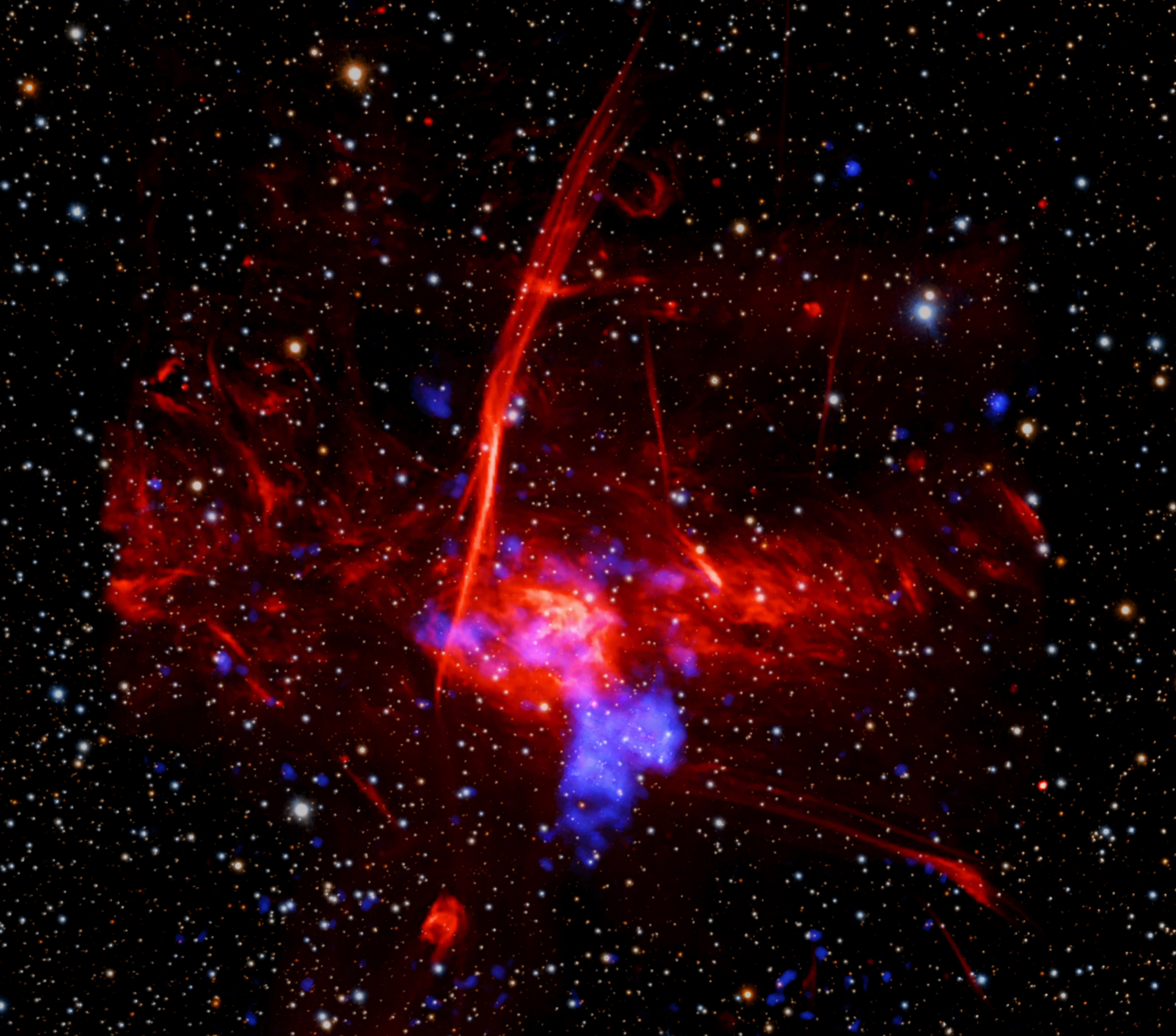
Using data from NASA’s Chandra X-ray Observatory, astronomers may have found a supernova remnant in an intriguing neighborhood in the middle of our galaxy. A paper describing these new findings published in The Astrophysical Journal. Supernova remnants are the expanding remains of exploded stars and provide elements – like iron, oxygen, and silicon – that

Download item bundle
NASA’s Chandra Discovers Possible Supernova Remnant in Galactic Center
11 Jun 2026, 20:07 GMT By Lee Mohon 5 variants

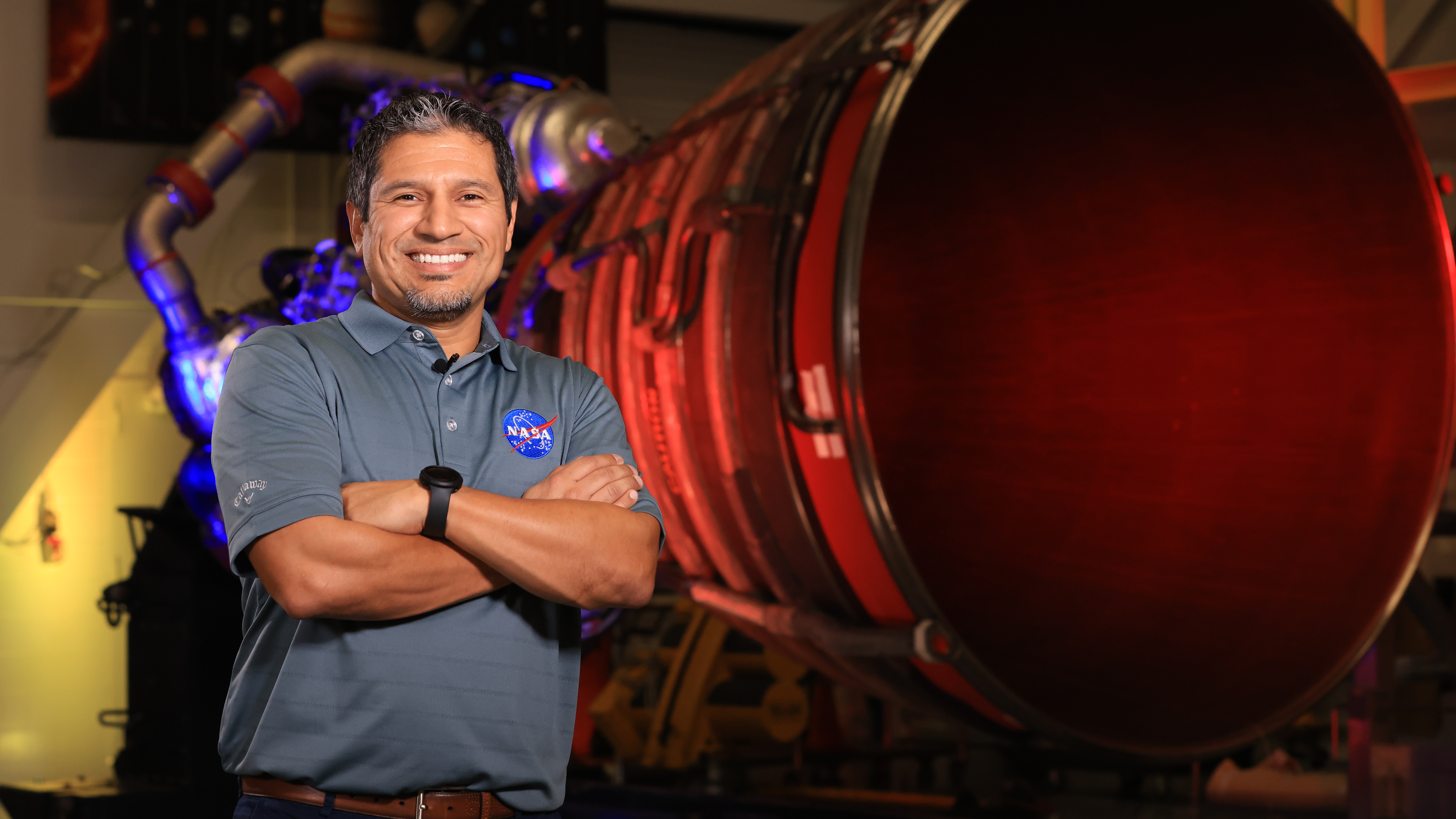
Listen to this audio excerpt from Elkin Norena, resident management officer, NASA’s Space Launch System Program: NASA’s Elkin Norena has helped the agency launch more than a dozen space shuttle missions – that’s more than a dozen crews to low Earth orbit and more than a dozen historic missions. They were missions that helped build

Download item bundle
I Am Artemis: Elkin Norena
11 Jun 2026, 18:59 GMT 4 variants

A new type of gamma-ray sensor developed by NASA will take part in a robotic arm demonstration on the agency’s upcoming Fly Foundational Robots mission.

Download item bundle
NASA Robotic Tech Demo Will Advance Prototype Gamma-Ray Detectors
11 Jun 2026, 17:51 GMT 2 variants

## Community Coordinated Modeling Center Database Of Notifications, Knowledge, Information ( CCMC DONKI ) ## Message Type: Space Weather Notification - Interplanetary Shock ## ## Message Issue Date: 2026-06-11T17:51:16Z ## Message ID: 20260611-AL-002 ## ## Disclaimer: NOAA's Space Weather Prediction Center is the United States Government official source for space weather forecasts. This "Experimental Research Information" consists of preliminary NASA research products and should be interpreted and used accordingly. ## Summary: Significant interplanetary shock detected by DSCOVR at L1 at 2026-06-11T15:16Z. The shock may be caused by the arrival of a coronal hole high speed stream. Some magnetospheric compression and geomagnetic storm are possible. Activity ID: 2026-06-11T15:16:00-IPS-001. ## Notes:

Download item bundle
IPS
11 Jun 2026, 16:57 GMT 4 variants

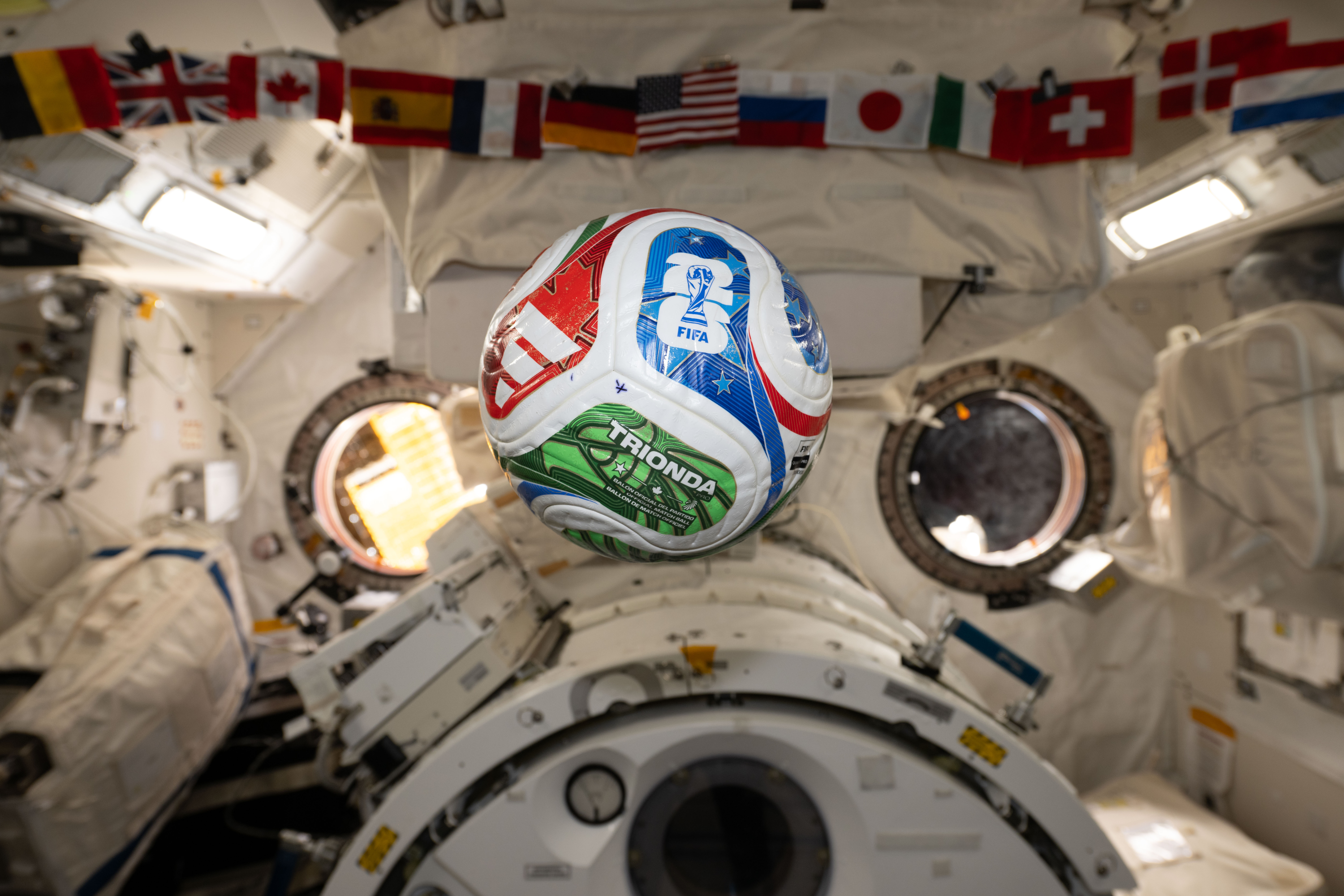
Researchers tested soccer balls aboard the International Space Station to study how internal mass affects motion and stability in microgravity.

Download item bundle
Soccer Meets Space Science
11 Jun 2026, 16:21 GMT By Joseph Atkinson 3 variants

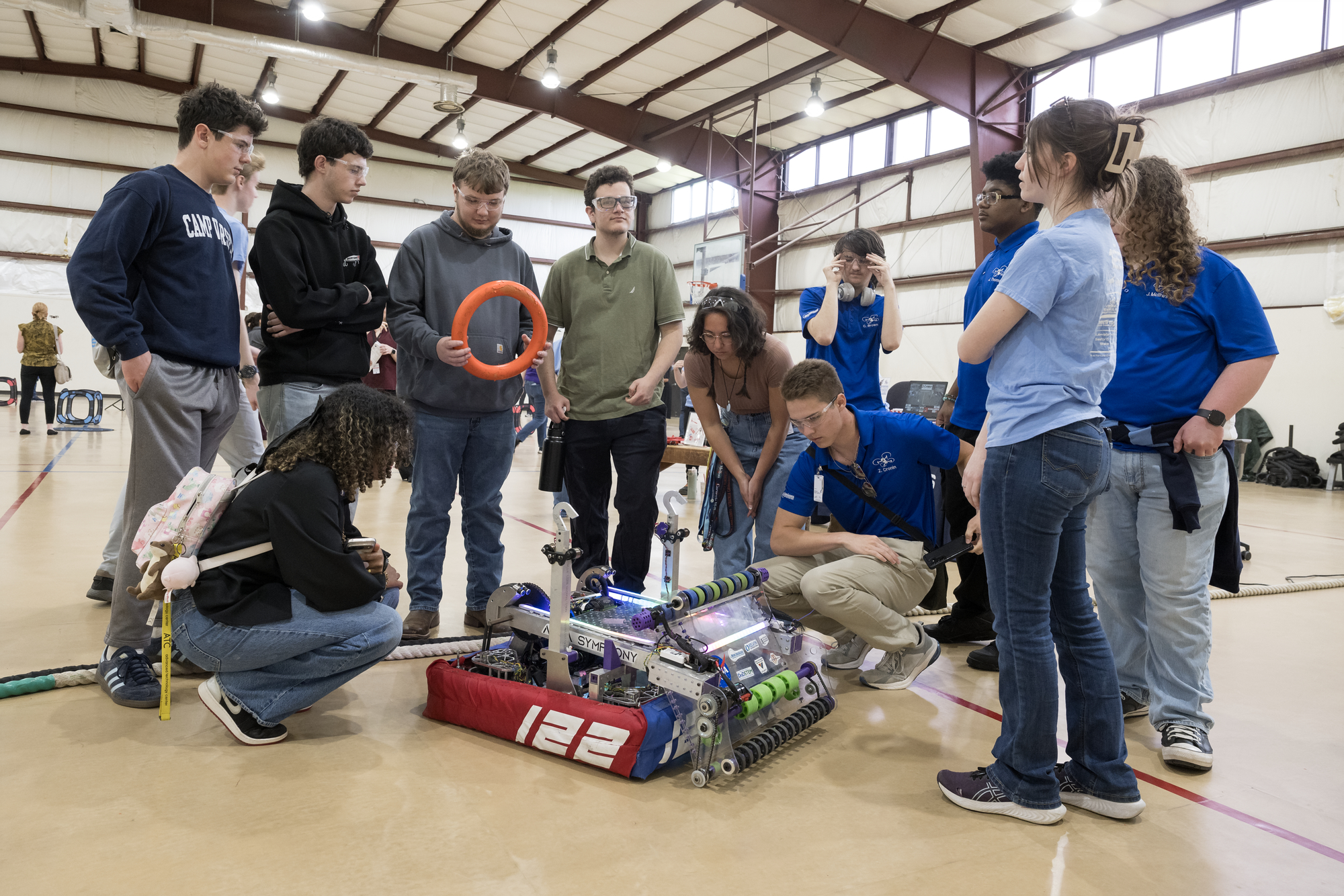
At NASA, remaining a global leader in exploration and innovation includes having a skilledand dedicated workforce. Technicians play a critical role in advancing the agency’sresearch and missions, applying hands-on expertise across engineering, fabrication,electronics, and countless other technical fields. To help cultivate the next generation of technical talent, NASA’s Office of STEM Engagementhosted Career Technical Education

Download item bundle
NASA’s Career Technical Education Day Highlights Technical Careers
11 Jun 2026, 15:38 GMT By Naomi Hartono 4 variants

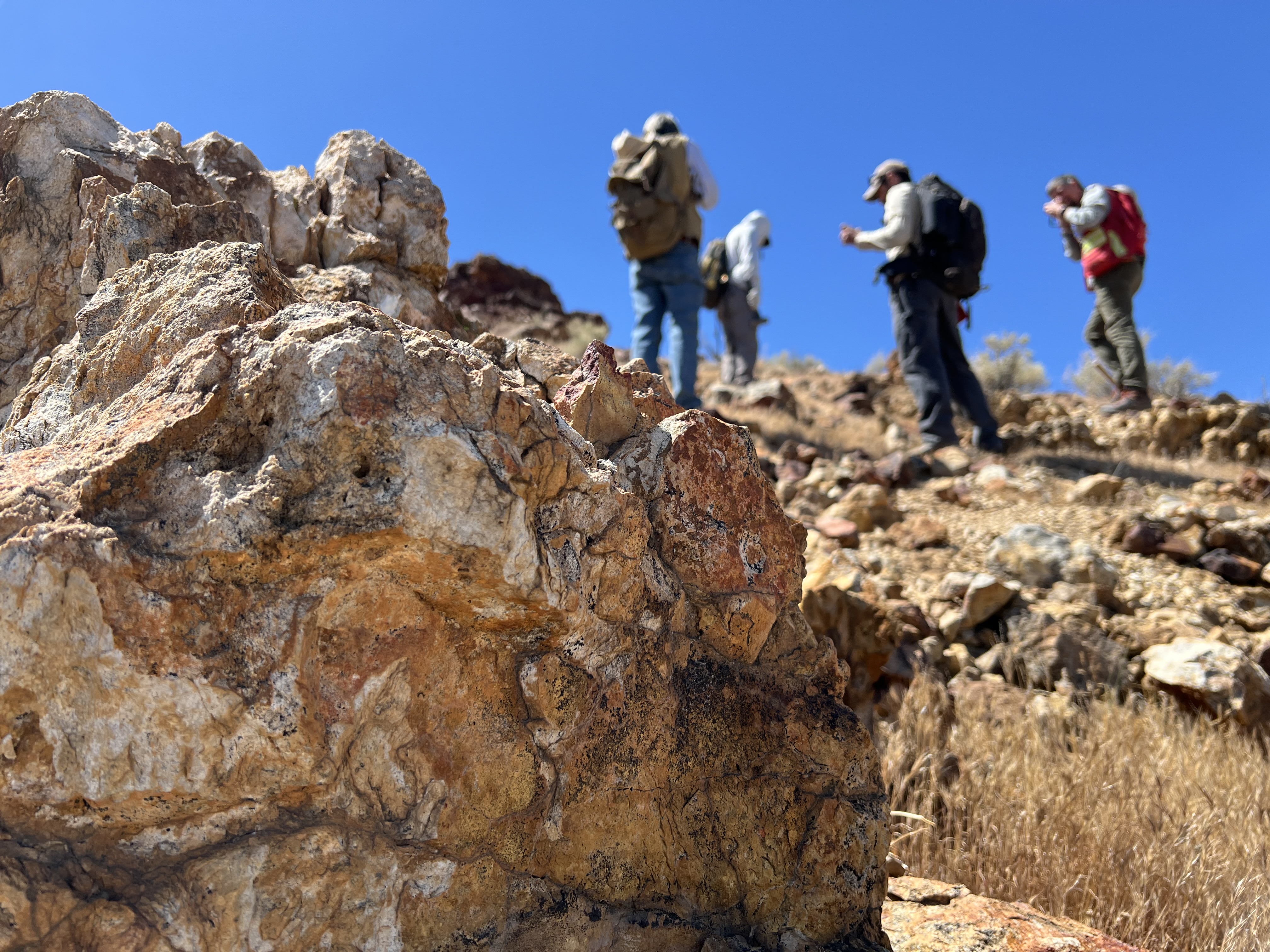
Equipped with rock picks and hand lenses, a team of geoscientists deployed to the Mojave Desert recently to investigate a tantalizing “fingerprint” detected by a NASA sensor. Their target: a cache of topaz hiding in plain sight. The geologists weren’t searching for gem-grade treasure. Rather, the presence of topaz could hint at a more valuable

Download item bundle
NASA, USGS Scientists Go Rock Hounding in California’s High Desert
11 Jun 2026, 13:58 GMT By Jessica Taveau 3 variants

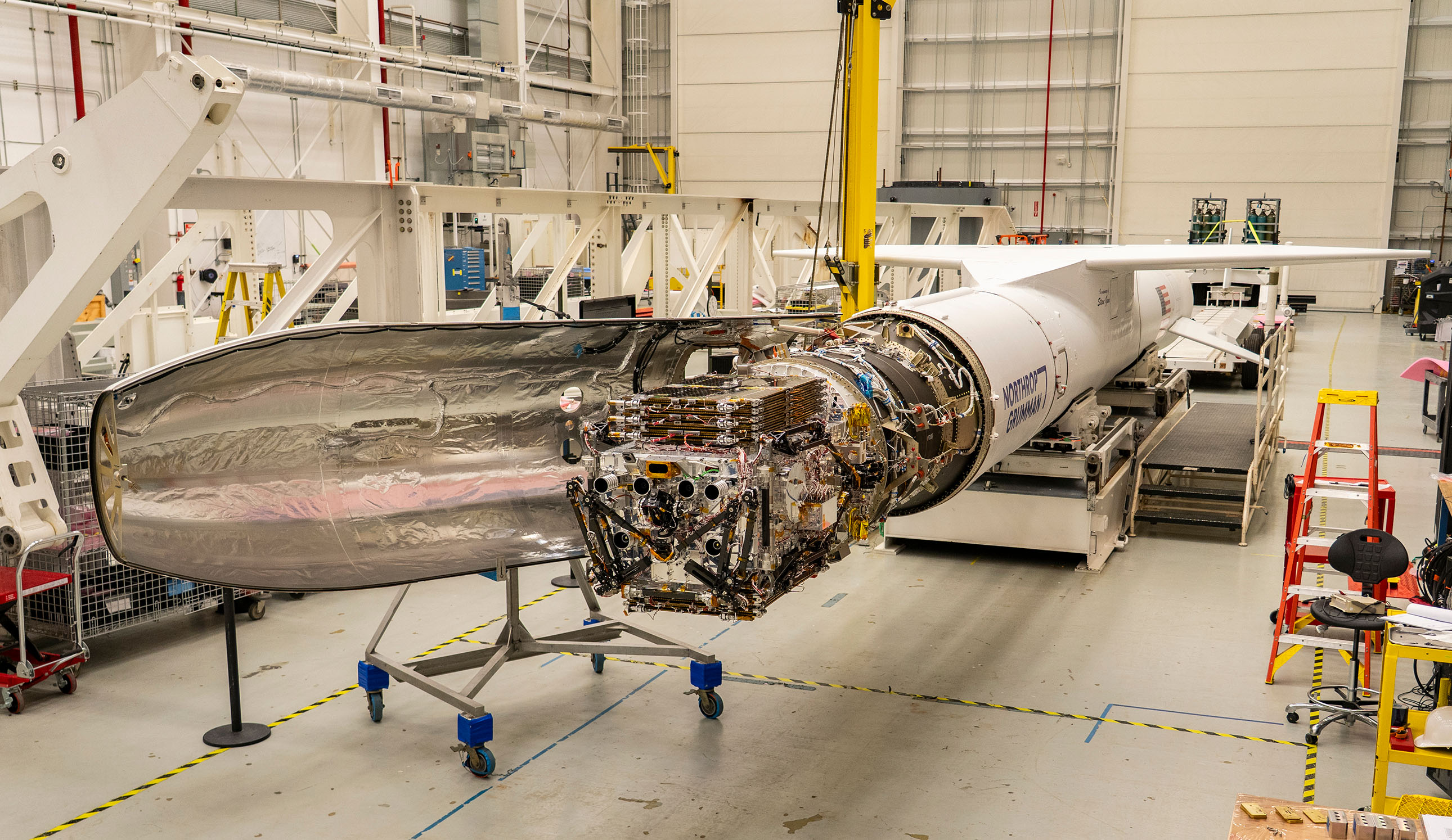
NASA will host an audio-only media teleconference at 11 a.m. EDT, Wednesday, June 17, to preview the Katalyst Space mission to boost the orbit of NASA’s Neil Gehrels Swift Observatory. Katalyst’s robotic servicing spacecraft, called LINK, will attempt to rendezvous with Swift and raise its altitude, extending its science mission lifespan and advancing a key

Download item bundle
NASA to Preview Katalyst Mission to Boost Swift Spacecraft’s Orbit
11 Jun 2026, 04:01 GMT 2 variants

The TEMPO mission helped scientists track morning nitrogen dioxide that contributed to afternoon ozone along the New York–Washington corridor in May 2026.

Download item bundle
Air Pollution’s Daily Pulse Over the Northeast